Artwork
The Prodigal Son Driven Out
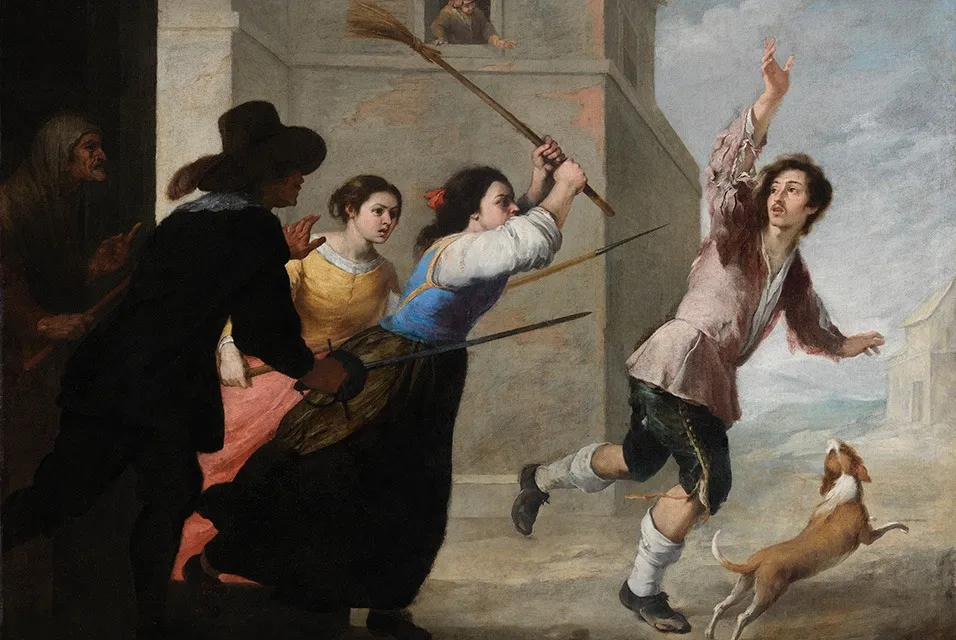
The Prodigal Son Driven Out is an oil painting by the Spanish Baroque Tenebrist artist Bartolomé Esteban Murillo. It dates from 1660 and is held in the collection of the National Gallery of Ireland.
About this work
Overview
Painted in 1660 by Bartolomé Esteban Murillo, this oil on canvas work illustrates a moment from the biblical Parable of the Prodigal Son.
Painted in 1660 by Bartolomé Esteban Murillo, this oil on canvas work illustrates a moment from the biblical Parable of the Prodigal Son. It captures the son’s expulsion from his family home, rendered with emotional intensity and dramatic lighting. The painting is part of the National Gallery of Ireland’s collection and exemplifies Murillo’s skill in blending religious narrative with vivid, everyday realism.
Subject & Meaning
The scene depicts the prodigal son, having squandered his inheritance, being cast out by his former household. His disheveled appearance and frantic movement convey shame and desperation. The figures surrounding him, women with brooms and sticks, a man in black, represent societal rejection.
The moment reflects moral consequence, emphasizing isolation after moral failure, a theme central to the parable’s warning against excess and disobedience.
Technique & Style
Murillo employs chiaroscuro to heighten emotional impact, directing strong light onto the son’s face and garments while plunging the background into deep shadow. The contrast isolates the figure, drawing focus to his vulnerability. Brushwork is loose yet deliberate, especially in the rendering of fabric and motion. The chaotic composition, with figures spilling across the frame, enhances the sense of disorder and urgency.
History & Provenance
Created during Murillo’s mature period in Seville, the painting was likely commissioned for private devotion or as part of a series on the parable. It entered the National Gallery of Ireland’s collection in the 19th century, having passed through European private holdings. Its survival through centuries of political and social change reflects its enduring resonance as a moral and visual artifact.
Context
In 17th-century Spain, religious themes dominated art, often used to reinforce Catholic teachings. Murillo’s focus on human emotion and urban realism aligned with Counter-Reformation ideals, making biblical stories accessible to ordinary viewers. The depiction of a street scene with worn architecture and common clothing grounds the divine narrative in the tangible world of Seville’s lower classes.
Legacy
Murillo’s treatment of the prodigal son influenced later depictions of biblical poverty and redemption in Spanish art. His ability to merge spiritual gravity with street-level realism set a precedent for narrative painting that prioritized psychological depth over idealization. The work remains a key example of how Baroque artists used light and gesture to convey moral consequence without overt sermonizing.
Artist & collection
Artist
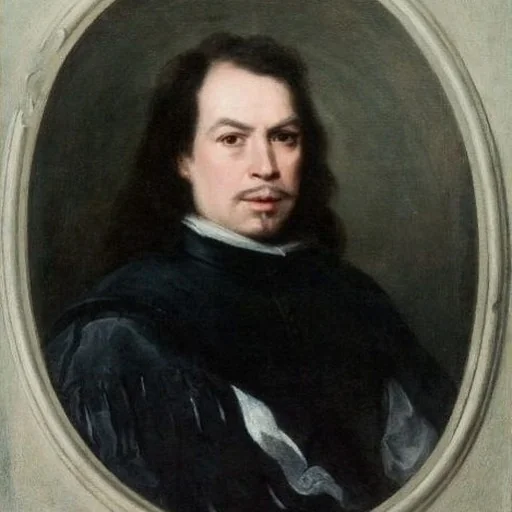
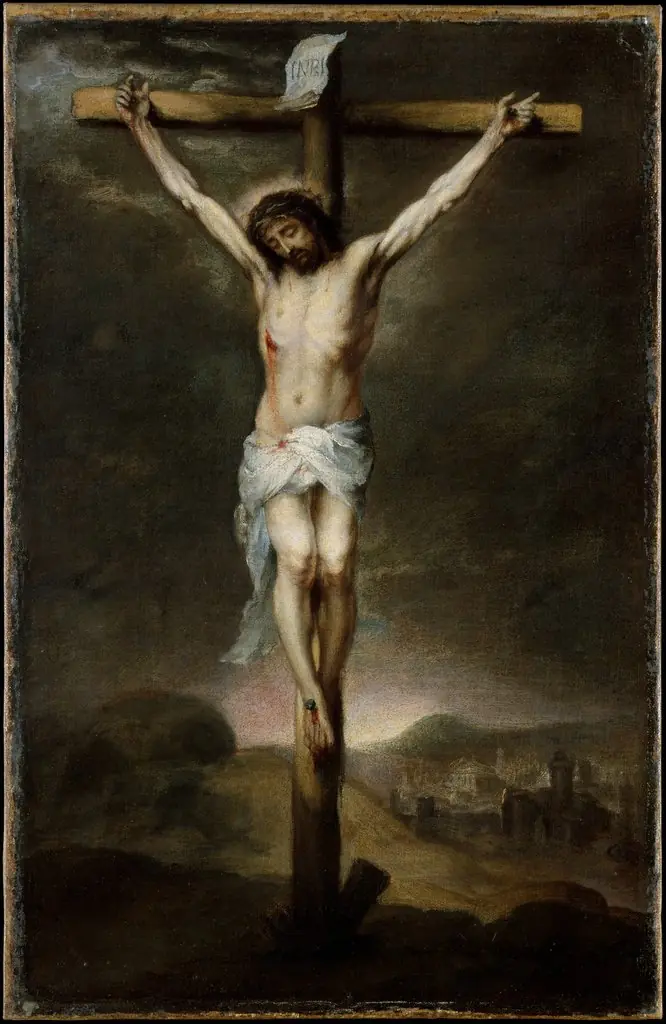
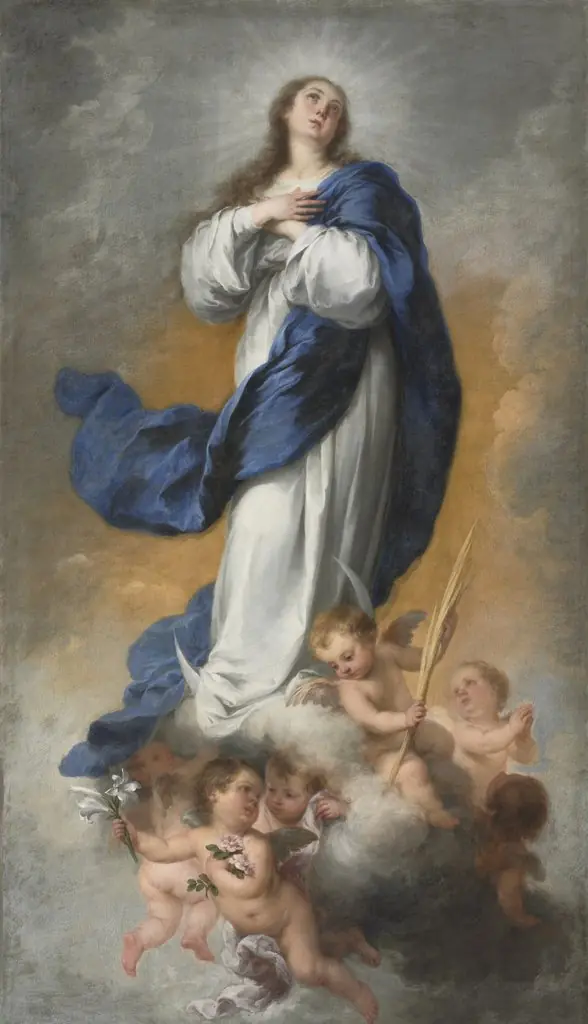
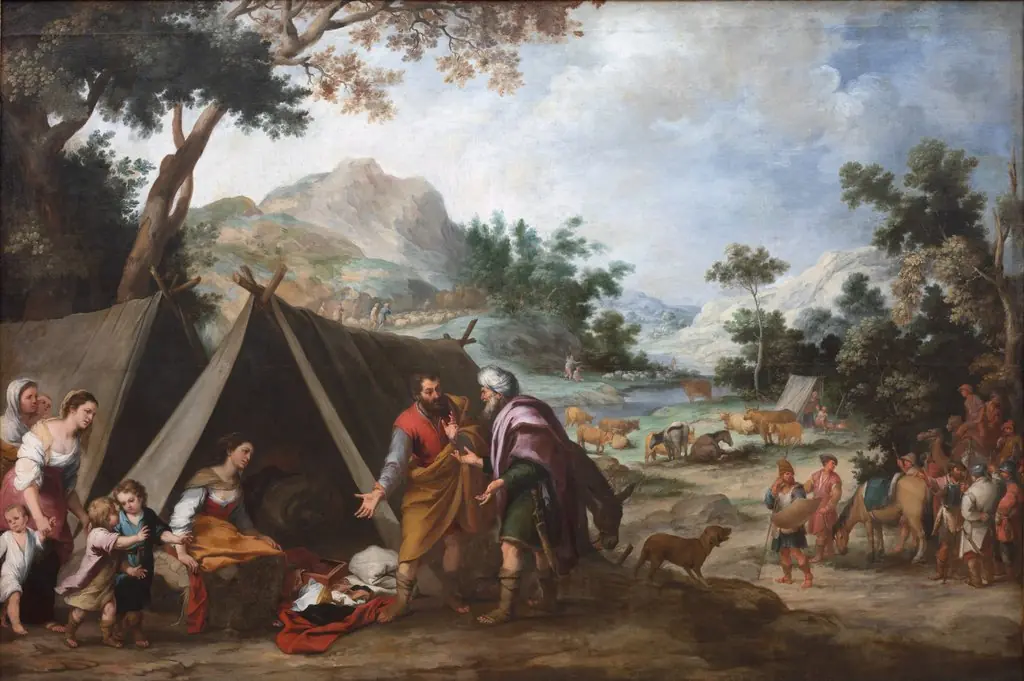
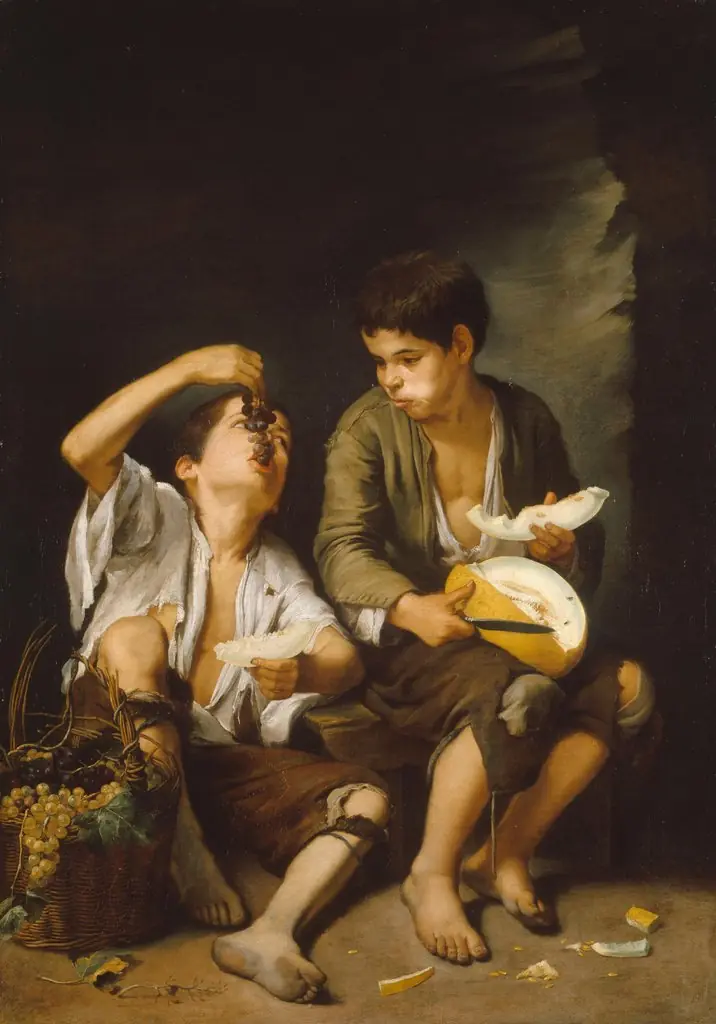
Bartolomé Esteban Murillo ( mure-IL-oh, m(y)uu-REE-oh, Spanish:; late December 1617, baptised 1 January 1618 – 3 April 1682) was a Spanish Baroque painter.

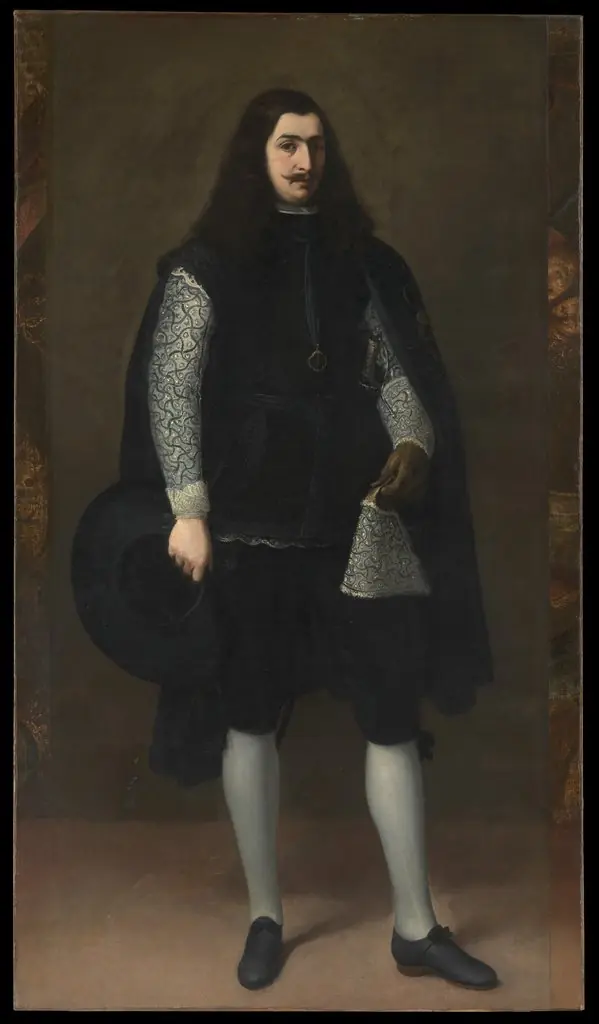
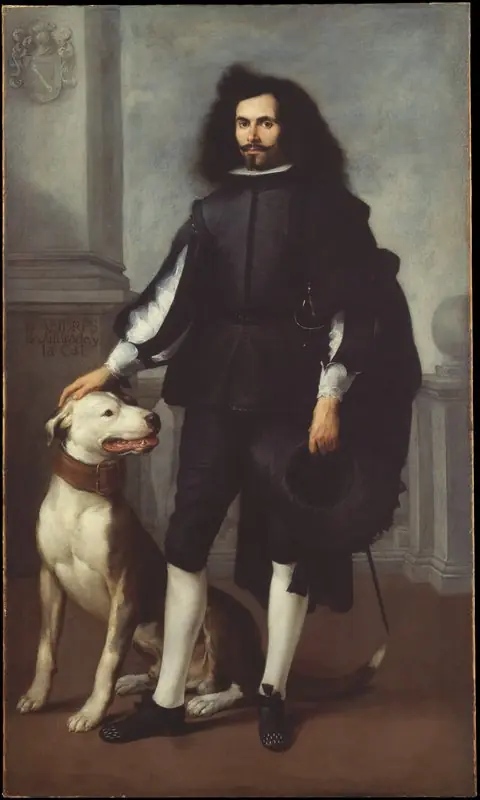
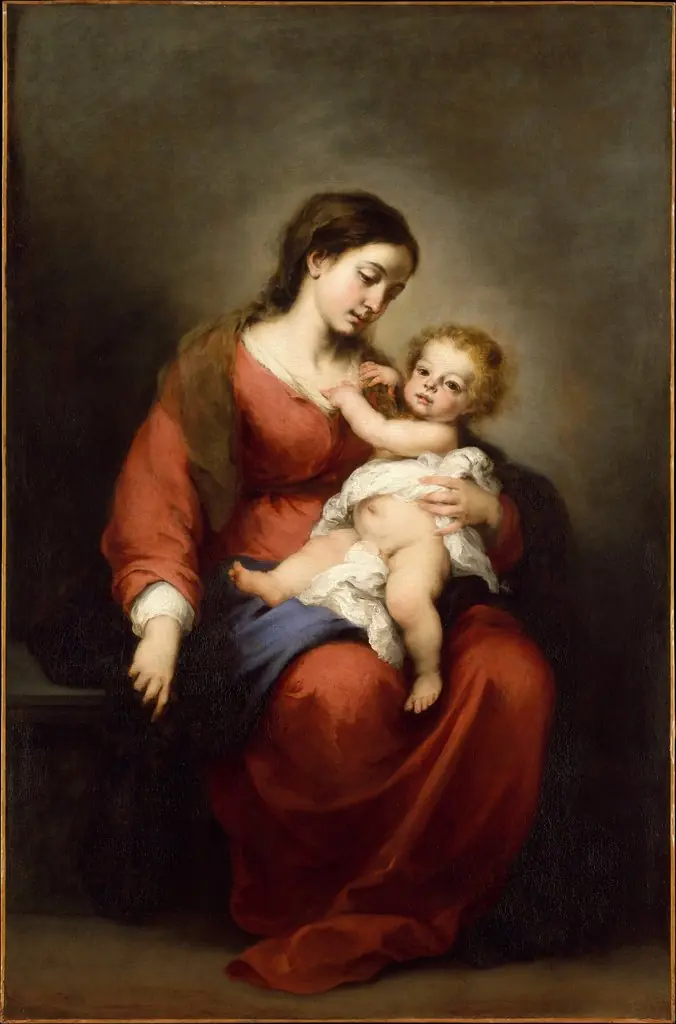
- Don Lorenzo Bellavita, famoza dentista
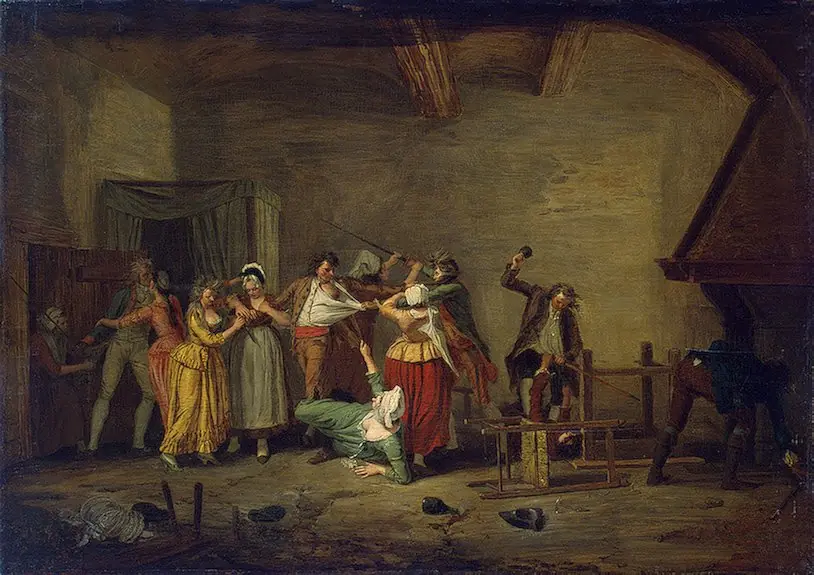 Men Fighting
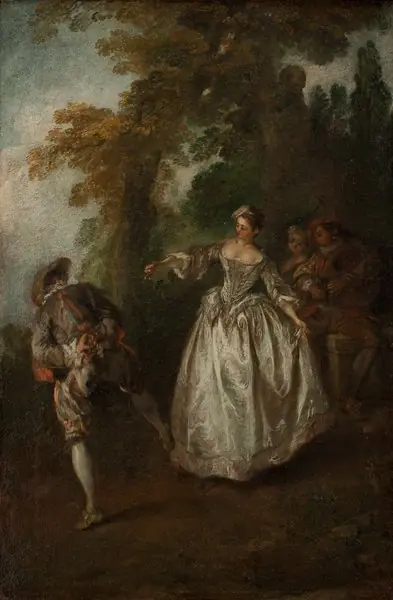 Open Air Dance
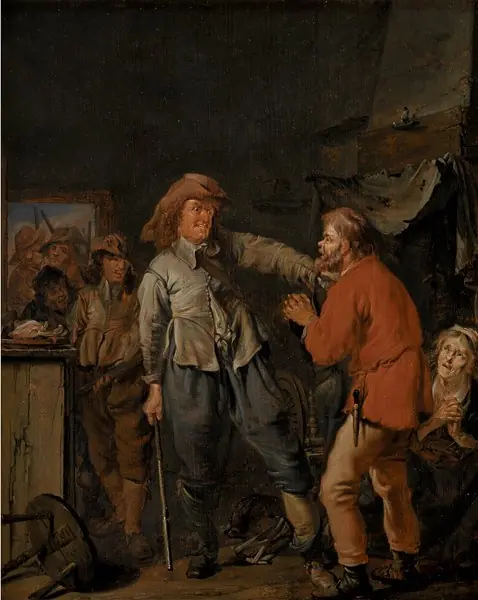 Soldiers Breaking into a Peasant's Cottage
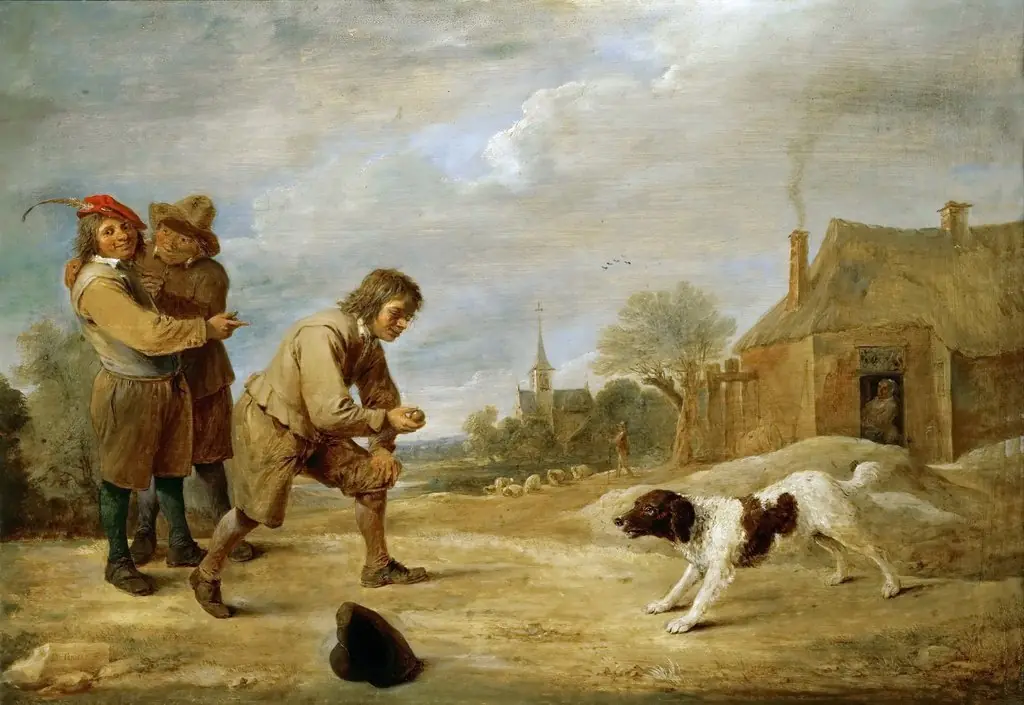 Peasant boy with his dog
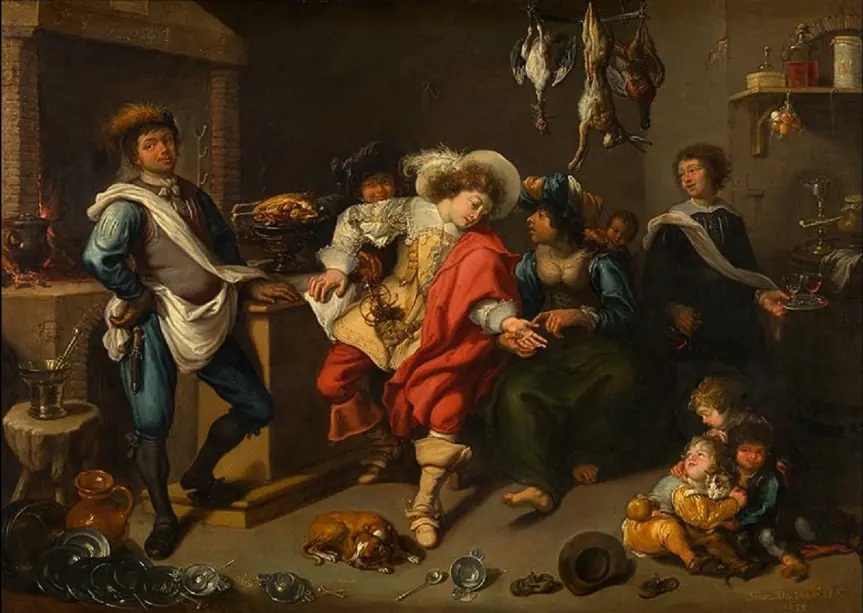 The Fortune Teller
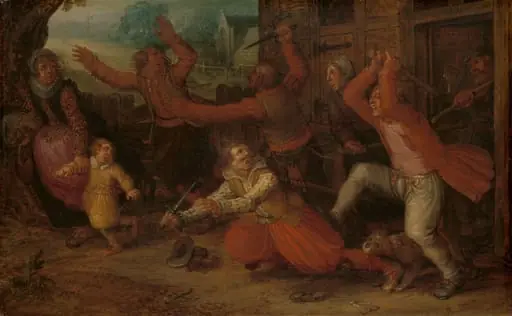 The Peasant’s Pleasure
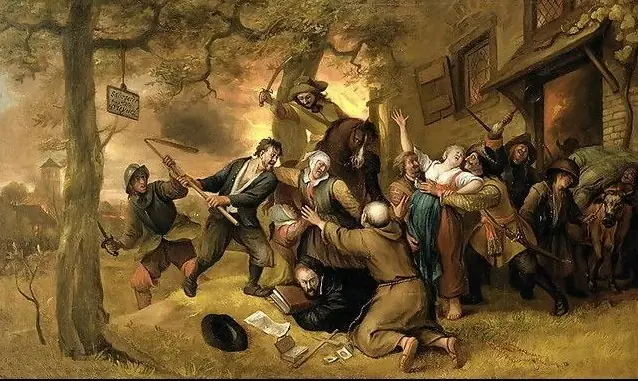 Marauders Attacking Peasants
 Miracle of Saint Mark
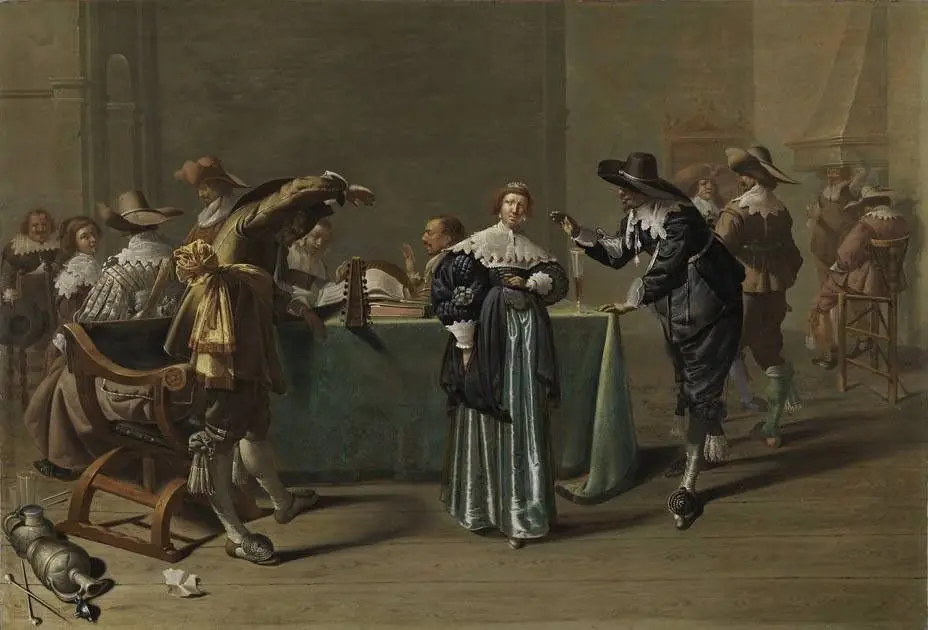 Elegant company singing, dancing and smoking in an interior
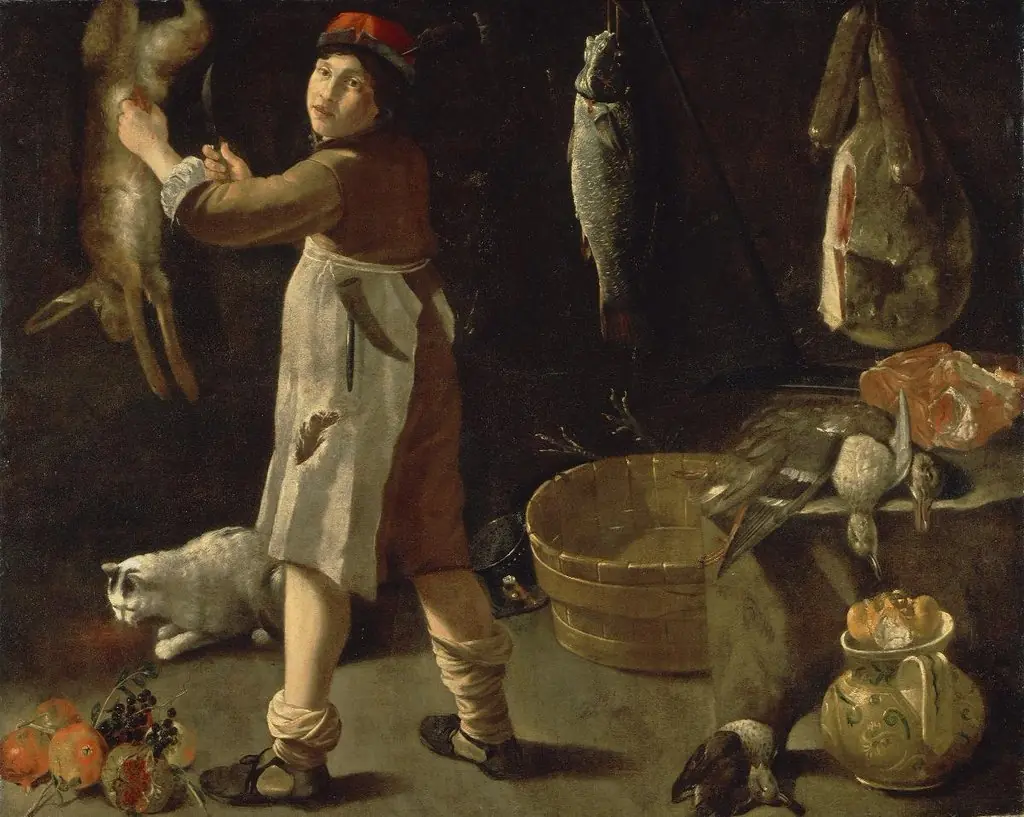 Bodegón
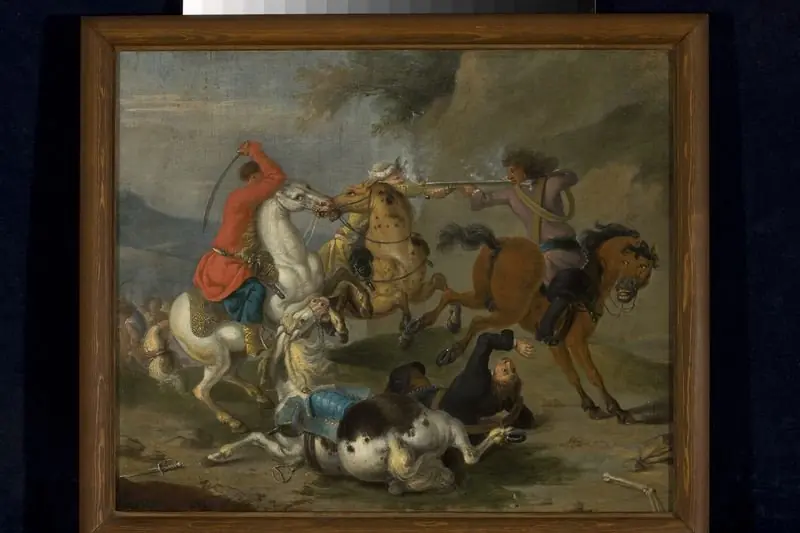 Skirmish between the Poles and the Swedes during the Northern War (1700–1718)