Artwork
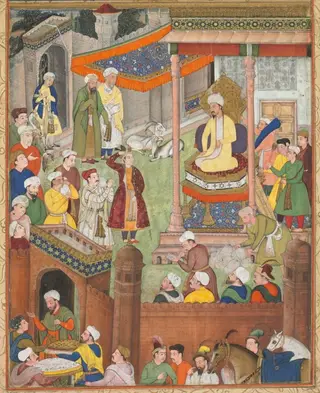
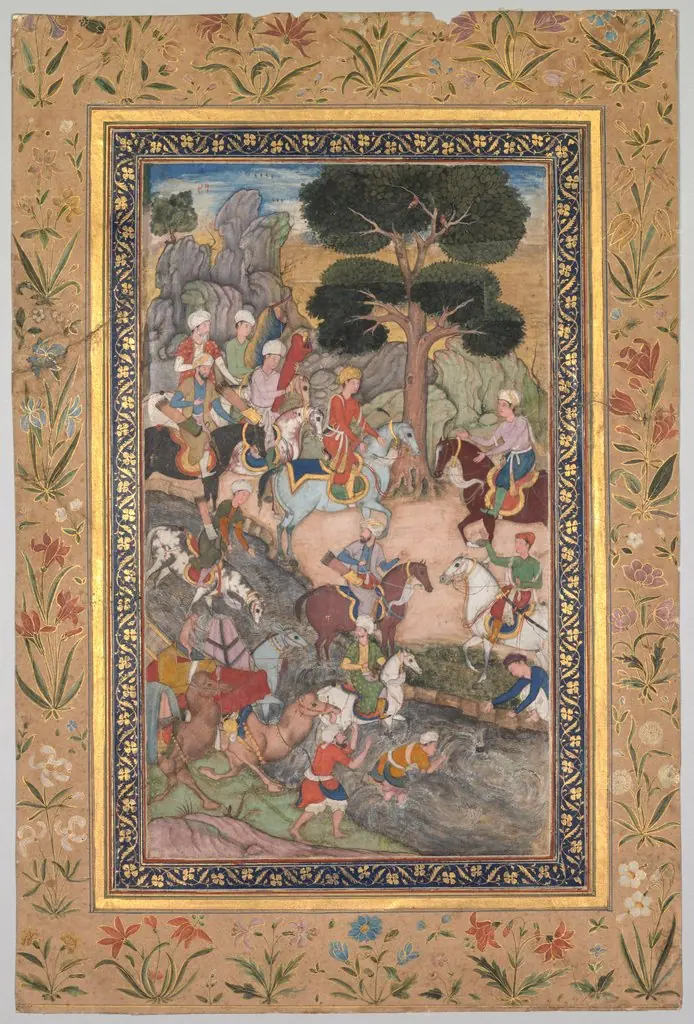
A feast for Babur hosted by his half-brother Jahangir Mirza in Ghazni in May 1505, from a Babur-nama (Memoirs of Babur)
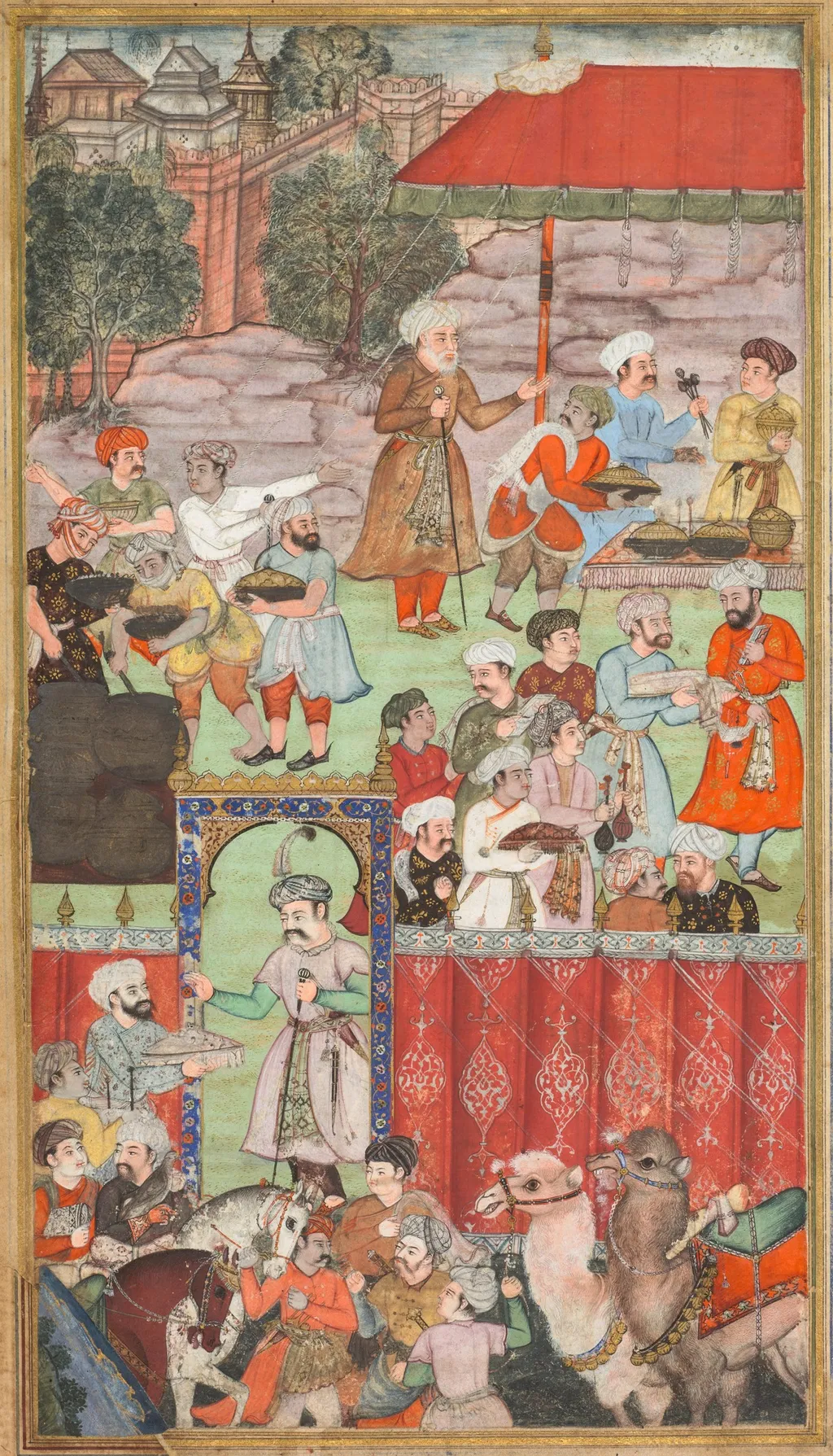
A feast for Babur hosted by his half-brother Jahangir Mirza in Ghazni in May 1505, from a Babur-nama (Memoirs of Babur) is an unspecified painting by the Mughal Painting artist Basawan. It dates from 1595 and is held in the collection of the Cleveland Museum of Art.
About this work
History & Provenance
It is held in the collection of the Cleveland Museum of Art, which identifies Basawan as the artist and notes the work's creation during the Mughal period.
The painting depicting a feast for Babur hosted by his half-brother Jahangir Mirza in Ghazni in May 1505 was created by Basawan in 1589 as part of a Babur-nama manuscript. It is held in the collection of the Cleveland Museum of Art, which identifies Basawan as the artist and notes the work's creation during the Mughal period. The piece was made in the Mughal Empire and entered the museum's collection at an unspecified later date, remaining part of its South Asian art holdings.
The painting is held in the collection of the Cleveland Museum of Art, where it is catalogued under accession number 2013.300. It has been exhibited in the museum's galleries as part of displays focusing on Mughal art, including a 2013 presentation of works from the Baburnama manuscript.
Context
Basawan, a leading painter of the Mughal imperial workshop active circa 1560–1600, created this miniature around 1589 while serving in the court of Emperor Akbar. The scene depicts a feast hosted by Jahangir Mirza for his brother Babur in Ghazni during May 1505, as recorded in Babur's memoir the Babur-nama. Executed in tempera and ink on paper, the work exemplifies the sophisticated narrative realism and courtly detail characteristic of early Mughal painting.
It belongs to Basawan's mature period, when he developed a distinctive style marked by naturalistic figures and expressive gestures, contributing significantly to the visual culture of the Mughal court. The painting is part of the Cleveland Museum of Art's collection, reflecting the transregional transmission of Persianate artistic traditions into South Asia.
Overview
Created in 1595 by the Mughal master Basawan, this painting illustrates a specific episode from the Babur-nama: a feast hosted by Jahangir Mirza for Babur in Ghazni in May 1505. The composition captures a bustling outdoor gathering, densely populated with figures engaged in conversation, dining, and musical performance. Basawan organizes the scene with a dynamic, multi-layered arrangement, placing a mounted figure centrally to anchor the visual field while surrounding attendants and guests create a sense of lively movement.
The artist employs a vibrant palette and intricate attention to textile patterns to distinguish the various social roles within the assembly, from servants carrying trays to nobles reclining. This work exemplifies the mature style of the Mughal atelier under Emperor Akbar, where historical narrative is rendered with both documentary precision and imaginative vitality. As a page from the imperial manuscript, it reflects the Mughal interest in chronicling the lineage and experiences of their founder, Babur, blending Persian artistic traditions with emerging Indian naturalism.
The inclusion of animals, such as a camel and a dog at the lower edge, further grounds the scene in a specific, observable reality, characteristic of Basawan's ability to infuse historical texts with immediate visual presence.
Subject & Meaning
The scene portrays an elaborate outdoor banquet organized by Jahangir Mirza for his half‑brother Babur in the Afghan city of Ghazni. A multitude of participants, riders, musicians, servers, and diners, populate the composition, emphasizing the communal and celebratory nature of the event as described in Babur’s own chronicles.
Technique & Style
Basawan employs the fine brushwork and vivid, patterned textiles characteristic of late‑sixteenth‑century Mughal miniatures. The crowded tableau is rendered with meticulous attention to individual gestures and facial expressions, while a stylized architectural backdrop and foliage provide spatial depth without detracting from the narrative focus.
Artist & collection
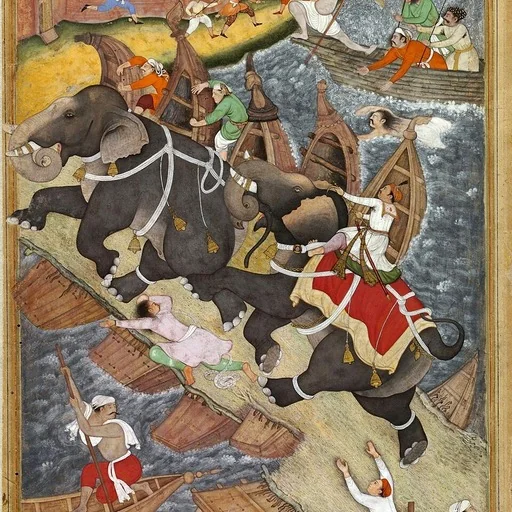
Artist
Basāwan, or Basāvan, was an Indian miniature painter in the Mughal style. He was known by his contemporaries as a skilled colorist and keen observer of human nature, and for his use of portraiture in the illustrations…

 Page from Tales of a Parrot (Tuti-nama): text page
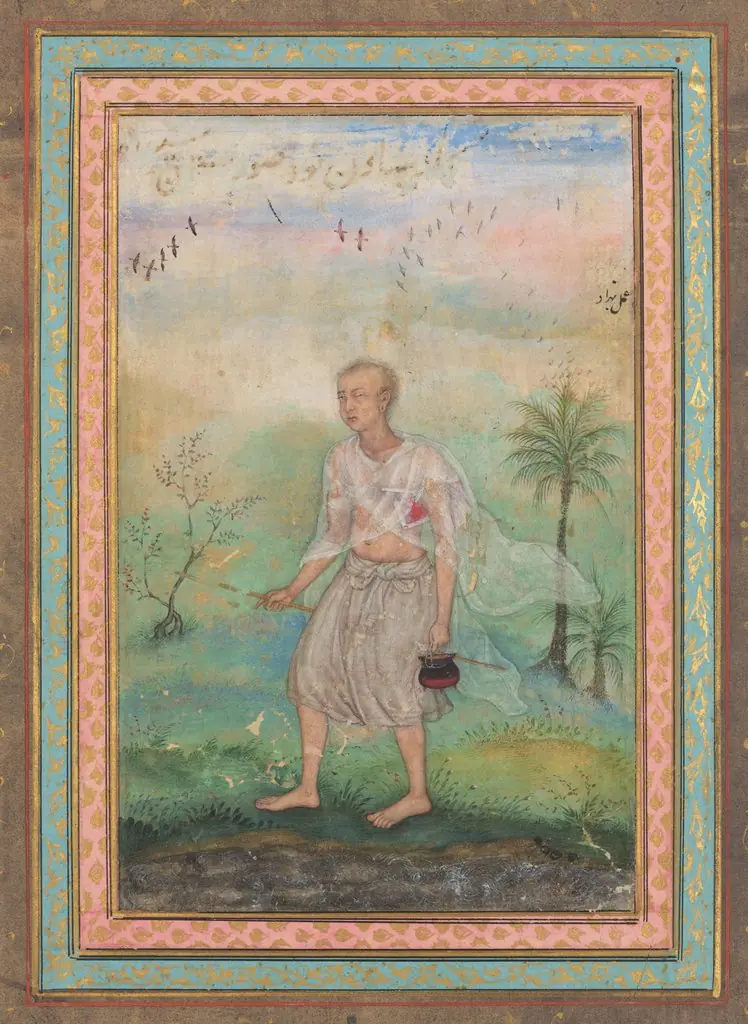 Jain Ascetic Walking Along a Riverbank
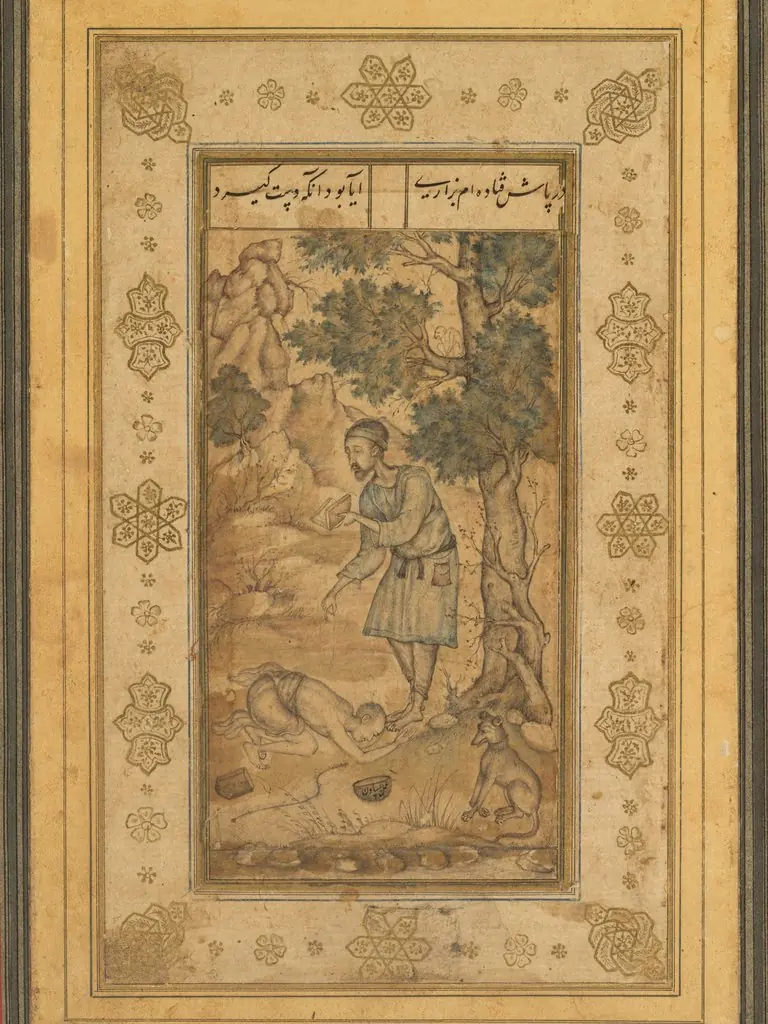 A mendicant bowing before a holy man, from the Prince Salim Album
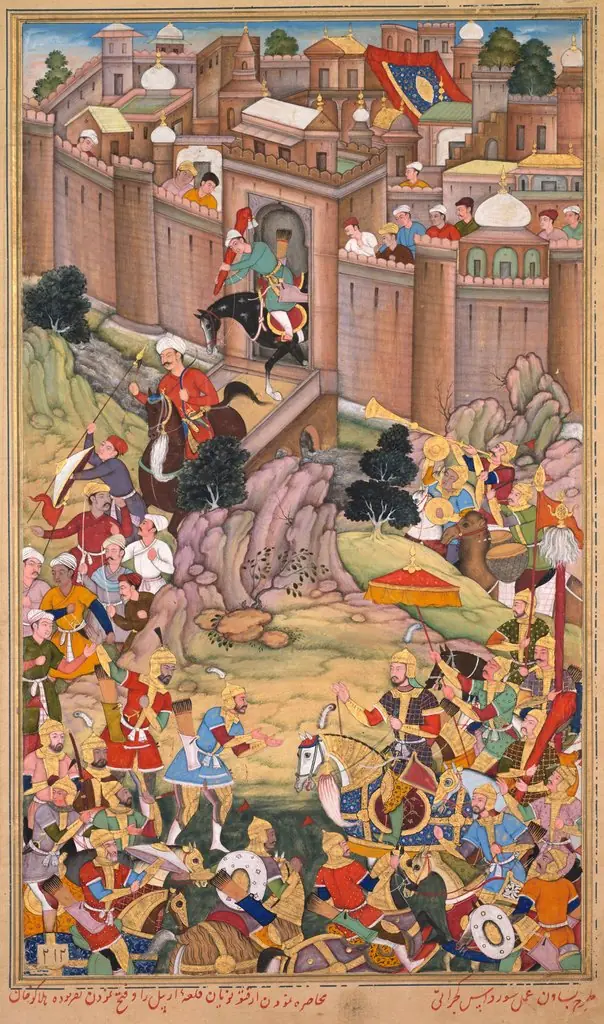 The siege of Arbela in the era of Hulagu Khan, from a Chingiz-nama (Book of Chingiz Khan) of the Jami al-tavarikh (Compendium of Chronicles) of Rashid al-Din (Persian, 1247–1318)
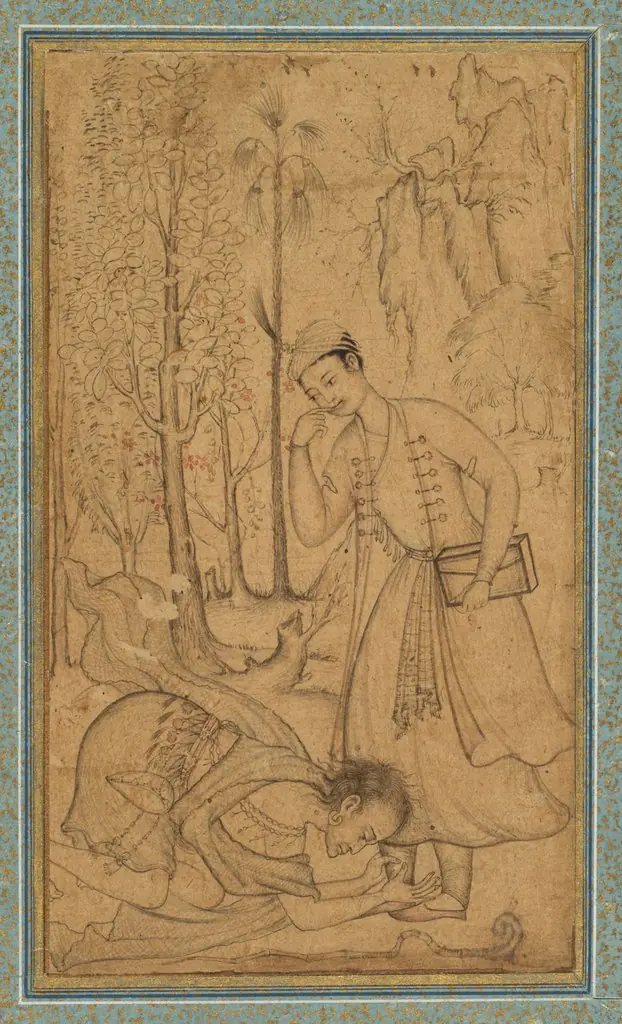 A holy man prostrating himself before a learned prince
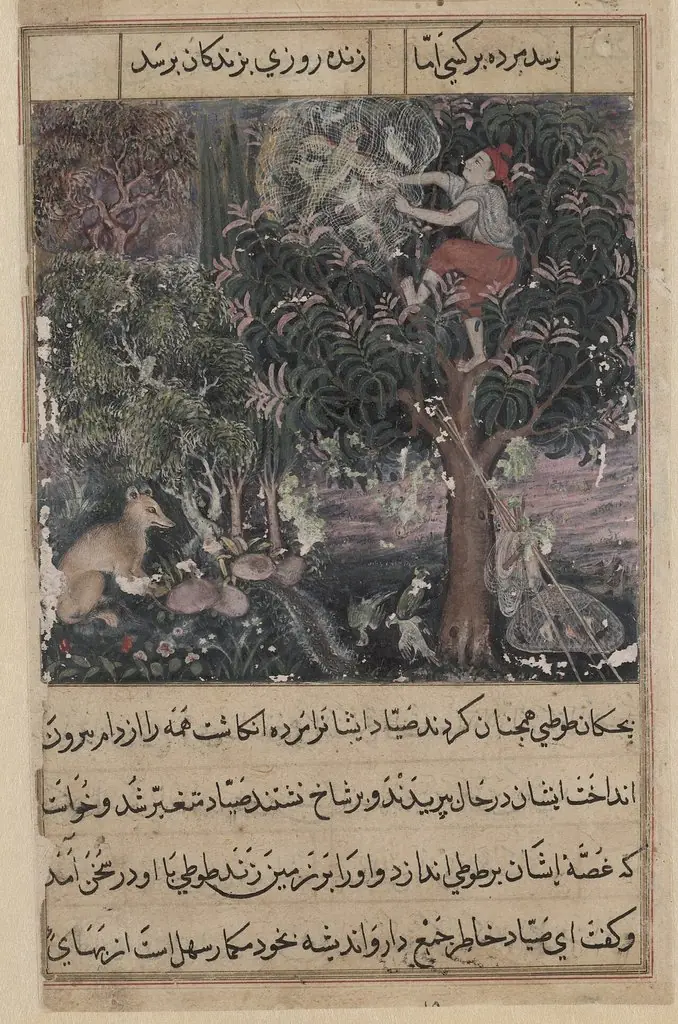 The hunter throws away the baby parrots, who pretend to be dead, and captures the mother, from a Tuti-nama (Tales of a Parrot): Fifth Night
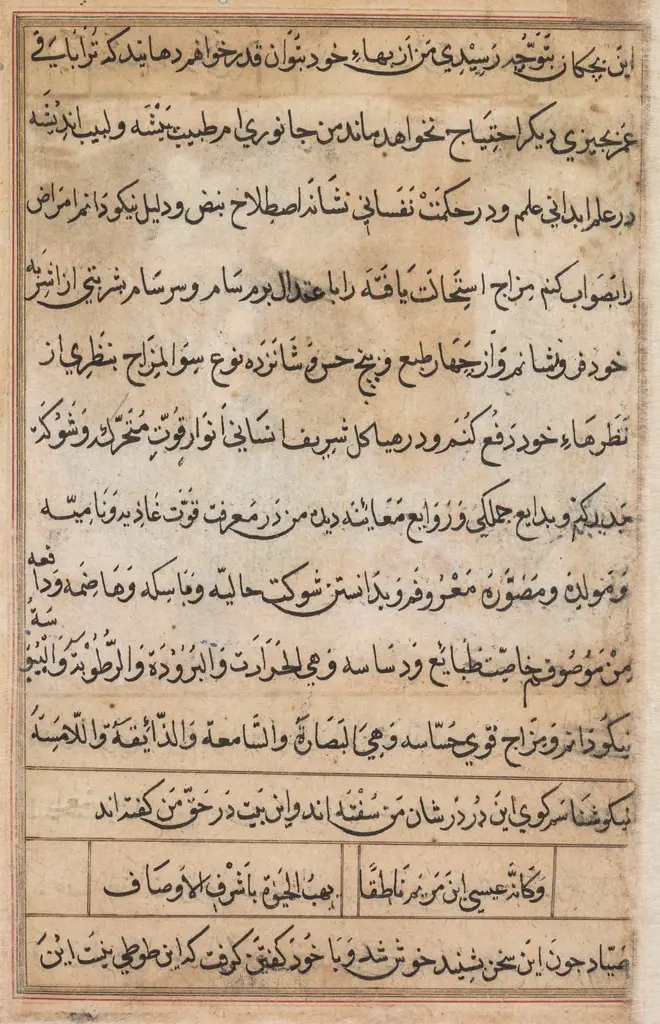 Page from Tales of a Parrot (Tuti-nama): text page
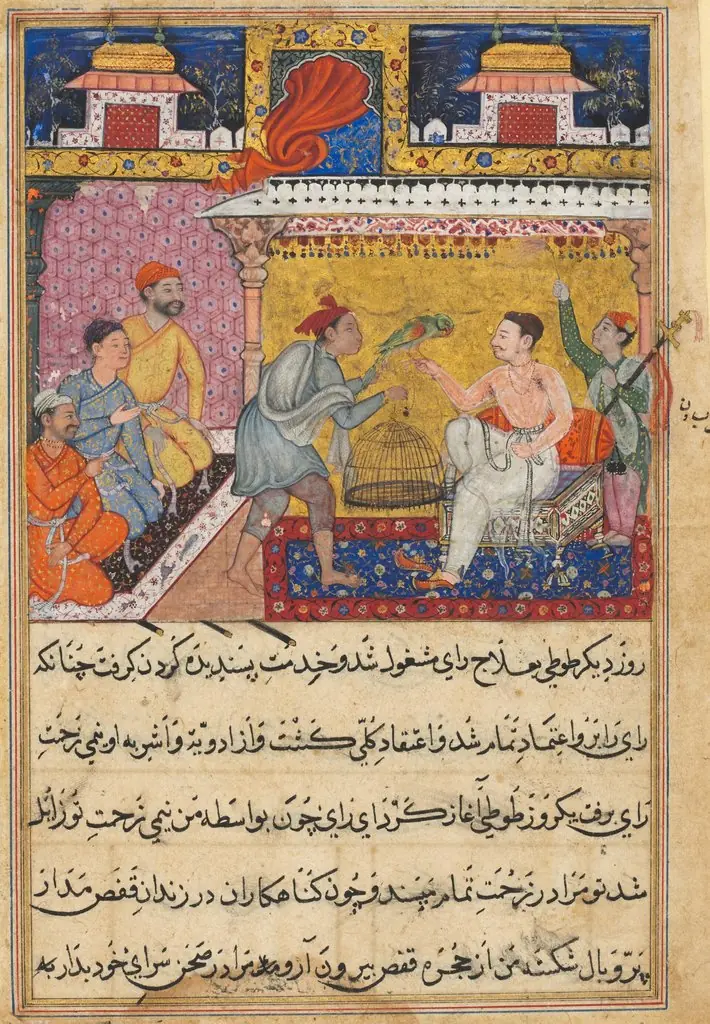 The hunter offers the mother parrot to the king of Kamarupa, from a Tuti-nama (Tales of a Parrot): Fifth Night
- A feast for Babur hosted by his half-brother Jahangir Mirza in Ghazni in May 1505, from a Babur-nama (Memoirs of Babur)
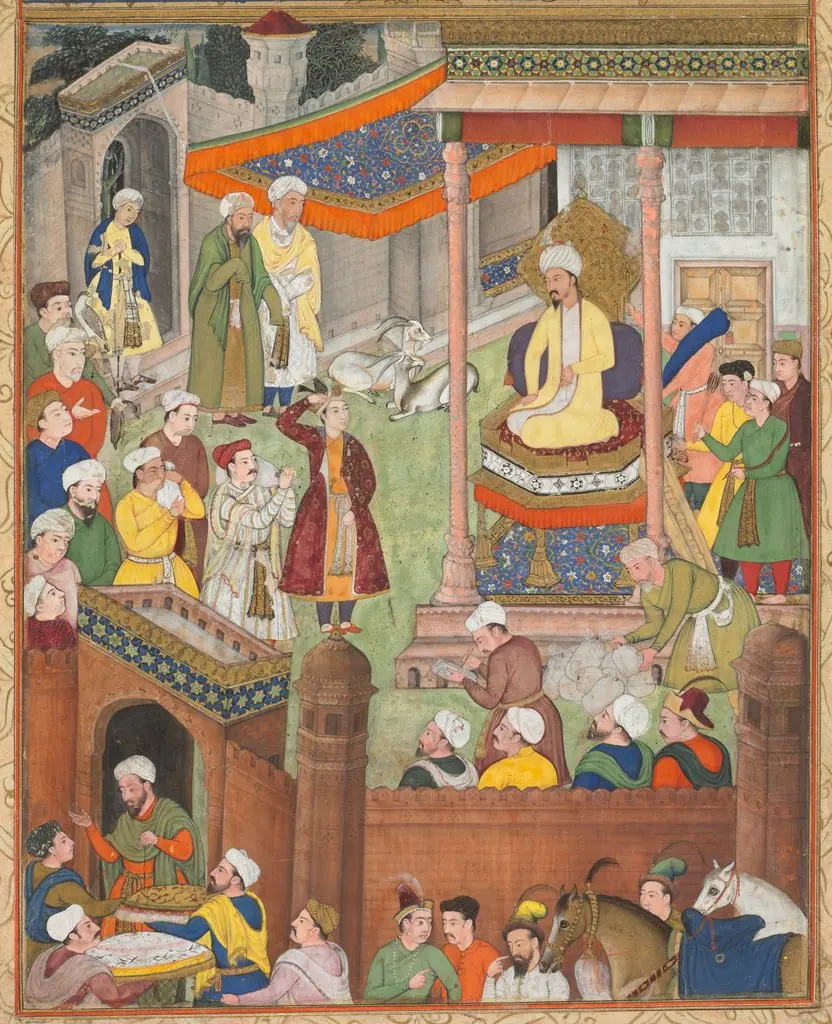 Babur receives booty and Humayun’s salute after the victory over Sultan Ibrahim in 1526, from an Akbar-nama (Book of Akbar) of Abu’l Fazl (Indian, 1551–1602)
 Babur receives booty and Humayun’s salute after the victory over Sultan Ibrahim in 1526, from an Akbar-nama (Book of Akbar) of Abu’l Fazl (Indian, 1551–1602)
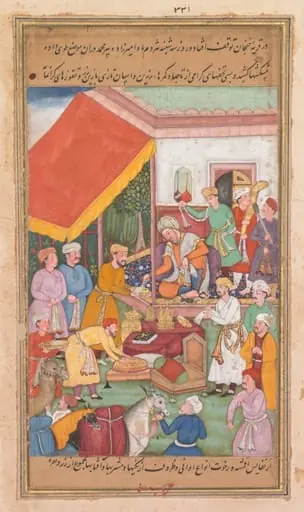 Timur distributes gifts from his grandson, the Prince of Multan, from a Zafar-nama (Book of Victories)
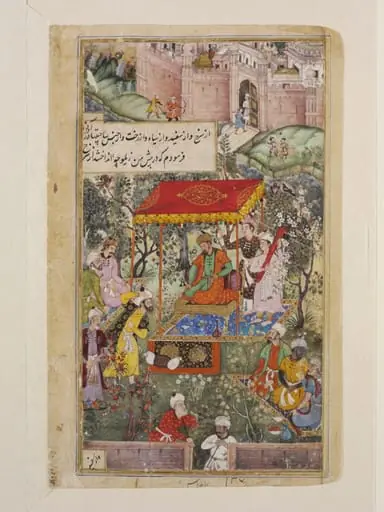 Untitled
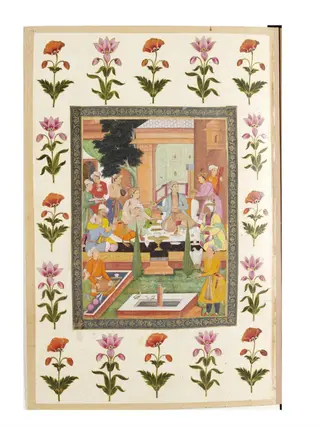 Untitled
 Babur meeting with Sultan Ali Mirza at the Kohik River, from a Babur-nama (Memoirs of Babur)