Artwork
Copy after "Rubens, His Wife Helena Fourment (1614–1673), and Their Son Frans (1633–1678)"
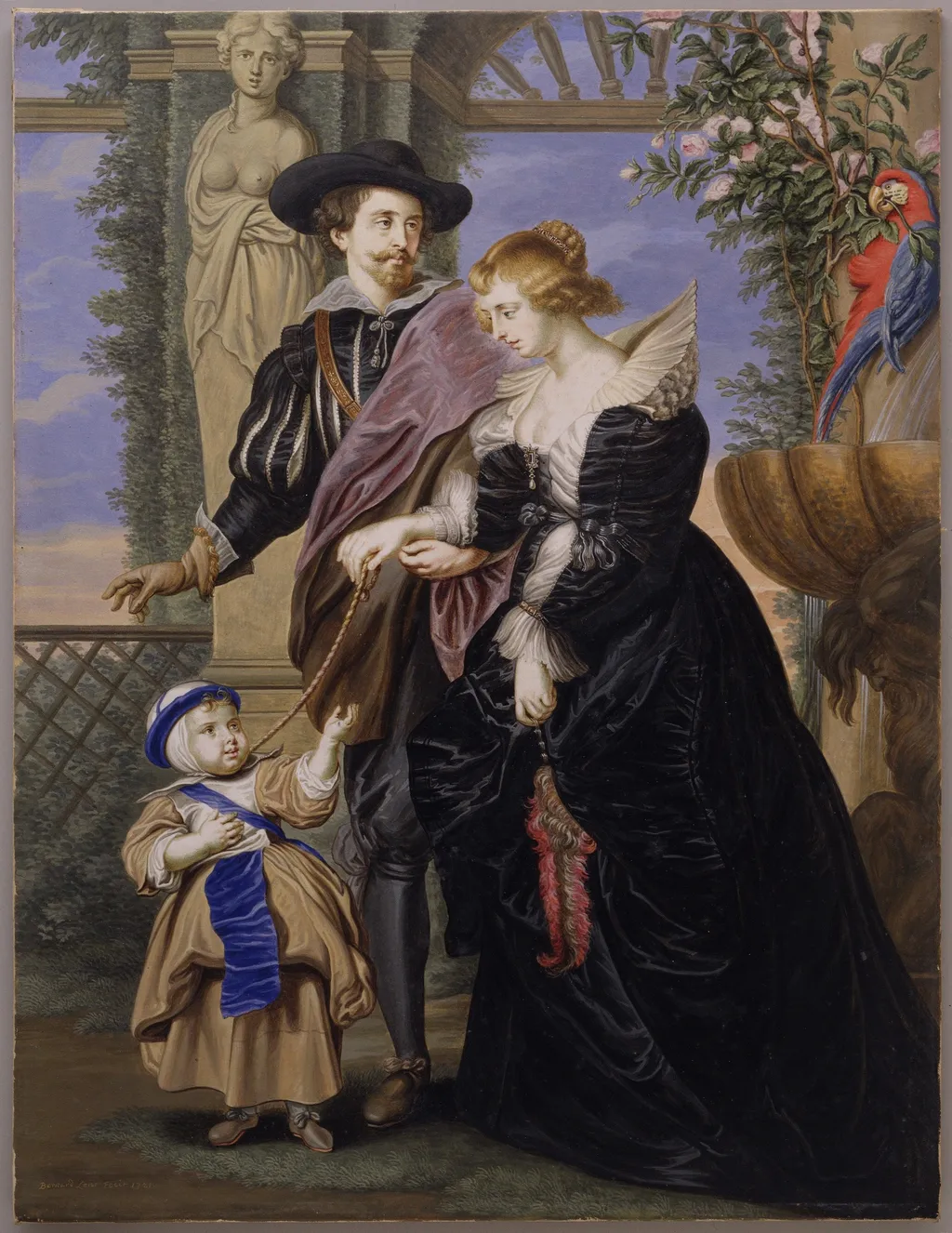
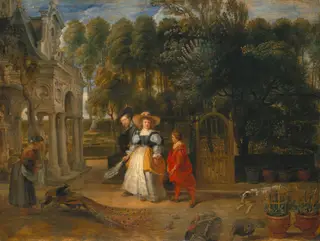
Copy after "Rubens, His Wife Helena Fourment (1614–1673), and Their Son Frans (1633–1678)" is an unspecified painting by the Rococo painting artist Bernard Lens III. It dates from 1721 and is held in the collection of the Metropolitan Museum of Art.
About this work
Subject & Meaning
The inclusion of the parrot and flower underscores the sitter’s status and the intimate narrative of lineage and marital harmony.
The painting portrays Helena Fourment seated with her son Frans, a boy, while a man, a parrot, and a flower are positioned nearby, forming a domestic tableau typical of early 18th‑century family portraiture. Executed in 1721 as an oil copy after the original by Rubens and attributed to Bernard Lens III, the work was produced for the Metropolitan Museum of Art, where it remains in the collection. The inclusion of the parrot and flower underscores the sitter’s status and the intimate narrative of lineage and marital harmony.
Technique & Style
Bernard Lens III created in 1721 a painting titled Copy after “Rubens, His Wife Helena Fourment (1614–1673), and Their Son Frans (1633–1678)”. The work, listed as a painting in the Metropolitan Museum of Art, measures 394 mm in height by 302 mm in width and depicts a flower, a woman, a boy, a man and a parrot. Its formal composition follows the arrangement of the earlier Rubens composition. The piece is catalogued within the museum’s collection.
History & Provenance
This painting is a copy executed in 1721 by the artist Bernard Lens III. The work replicates Peter Paul Rubens's original portrait featuring his wife, Helena Fourment, and their son, Frans. While the specific circumstances regarding its commission or the identity of the original patron are not detailed in the available records, the date of creation is firmly established as 1721.
The piece is currently held in the collection of the Metropolitan Museum of Art, where it is classified as a painting. The work depicts the three figures along with a parrot and floral elements, maintaining the compositional structure of the Rubens original it emulates.
Legacy
The 1721 oil painting by Bernard Lens III, recorded as a copy after Rubens' original, entered the Metropolitan Museum of Art and has been displayed there since its acquisition. Its large format (394 × 302 mm) and detailed depiction of a woman, child, parrot and other elements reflect the continued fascination with Rubens' domestic scenes in the early eighteenth century. As a reproductive image, it helped disseminate the composition beyond the original work, influencing later decorative projects and scholarly reproductions.
The painting’s presence in a major public collection has made it a reference point for studies of Baroque legacy and the practice of copying masterpieces in the 1700s.
Overview
This painting, created in 1721 by the English miniaturist Bernard Lens III, is a reinterpretation of a family portrait by Peter Paul Rubens. It depicts Rubens's wife, Helena Fourment, and their son, Frans, rendered in the Rococo style prevalent at the time. Lens incorporated additional elements, such as a parrot and flowers, into the original composition. The work is currently housed in The Metropolitan Museum of Art.
Own this work as a print
Artist & collection
Artist
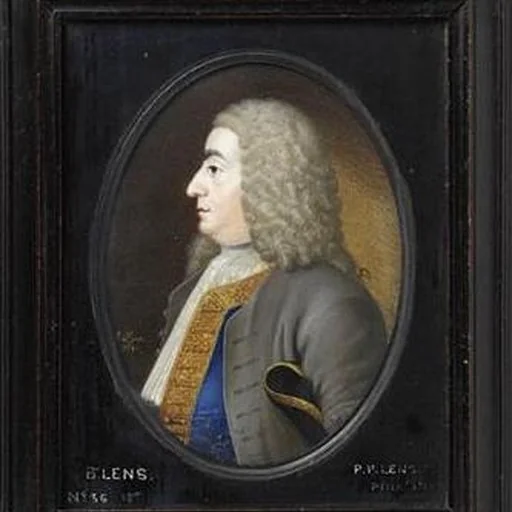
Bernard Lens III (27 May 1682 – 24 December 1740) was an English artist known primarily for his portrait miniatures.

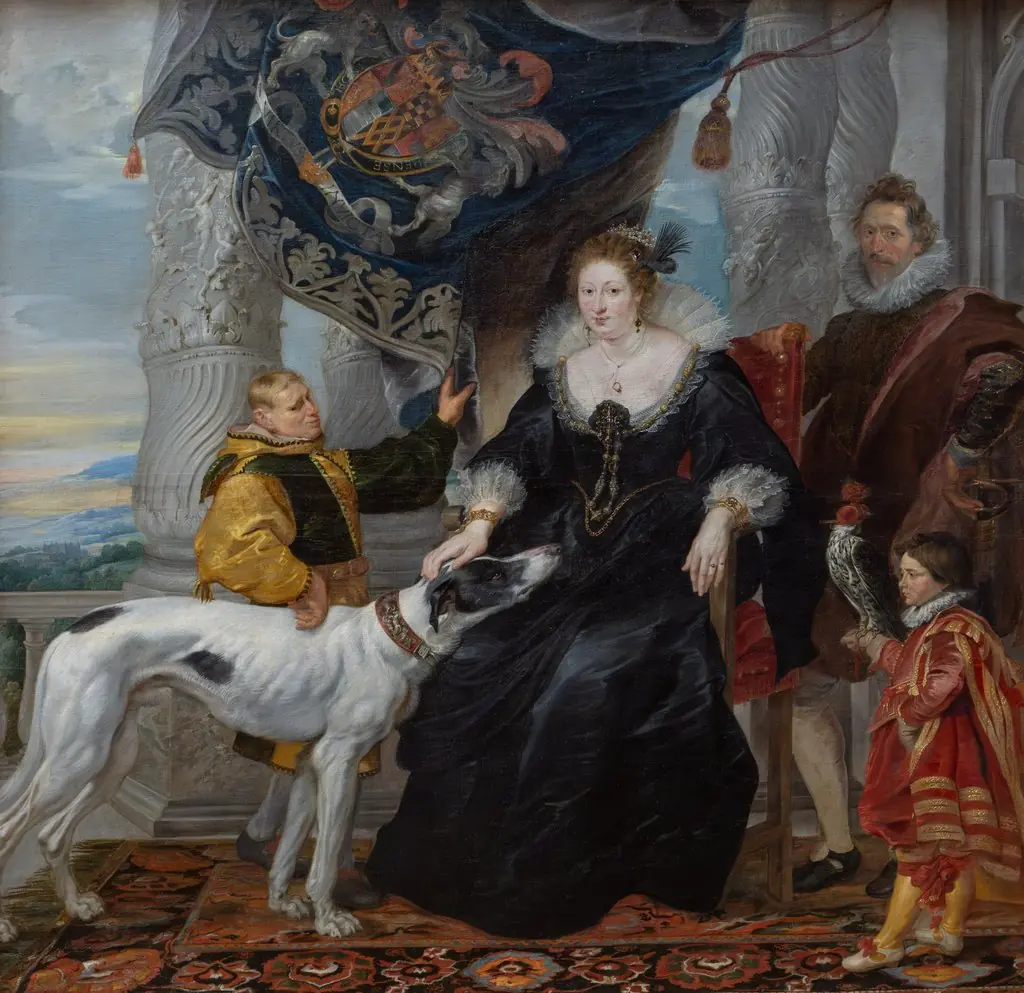 Double portrait of Alethea Talbot (1585-1654), Countess of Arundel and Sir Dudley Carleton (1573-1632), with two servants
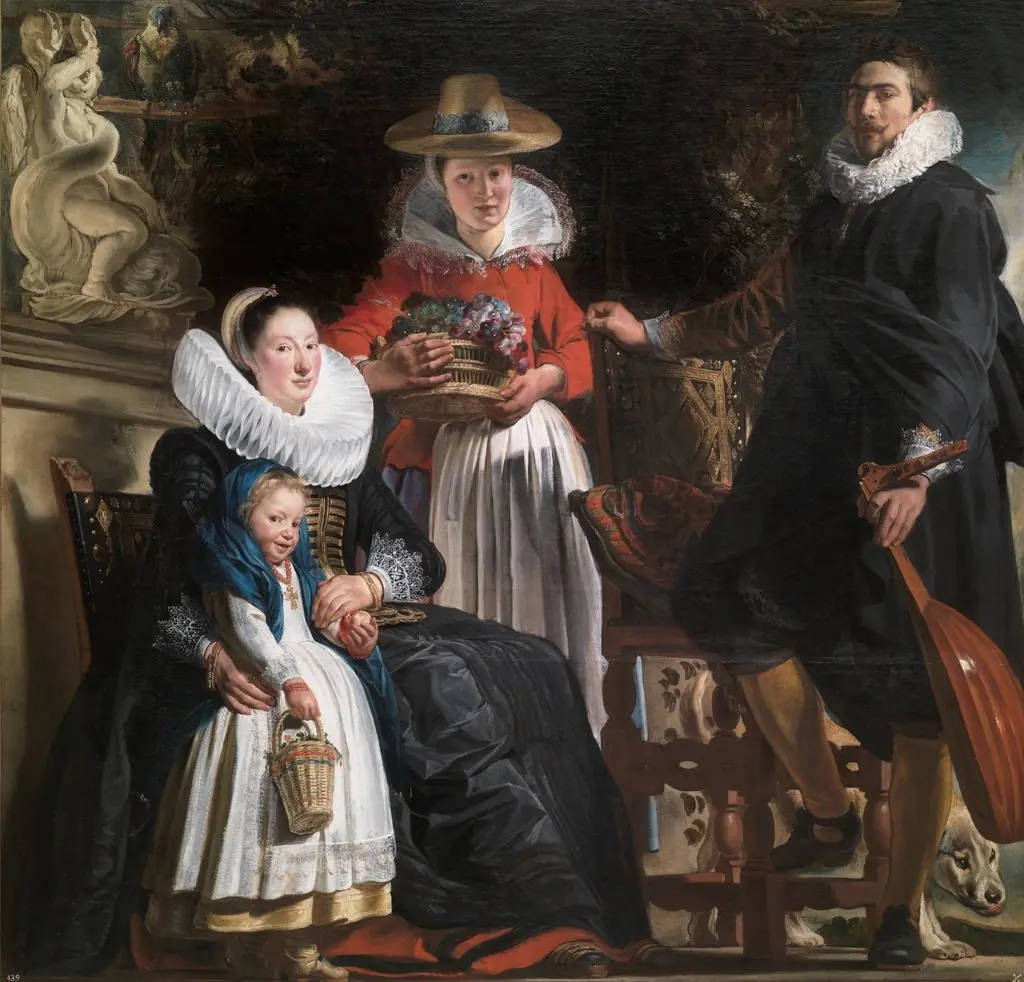 Portrait of the artist with his family
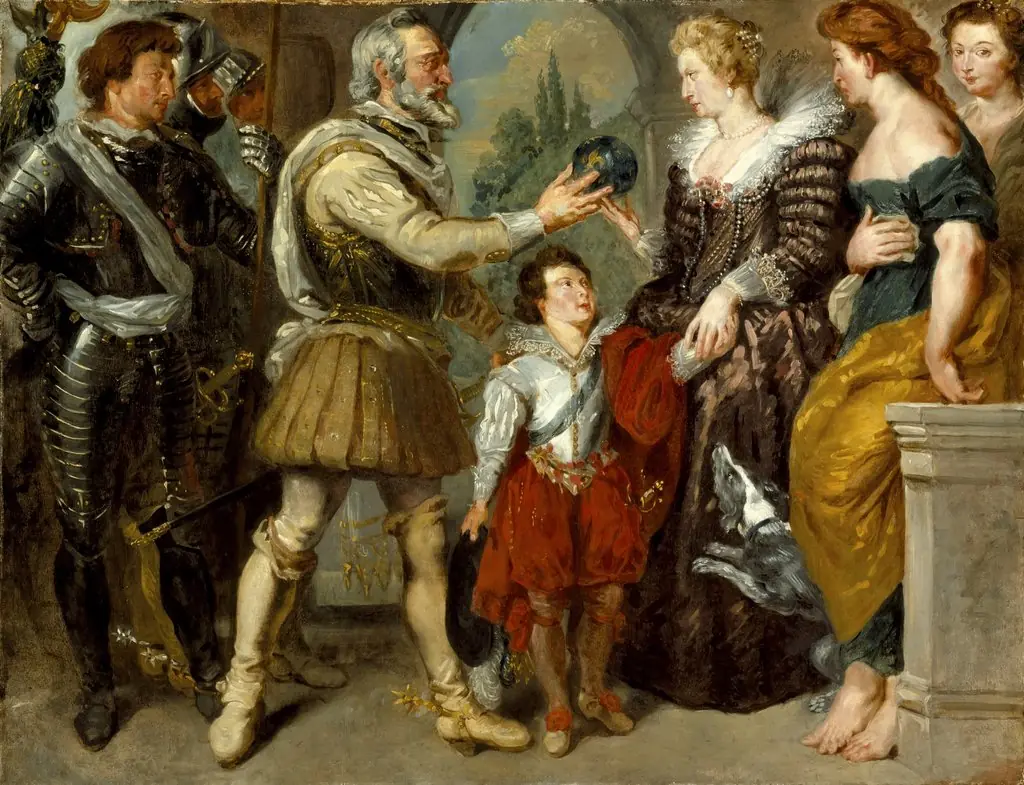 Henri IV Conferring the Regency upon Marie de' Medici
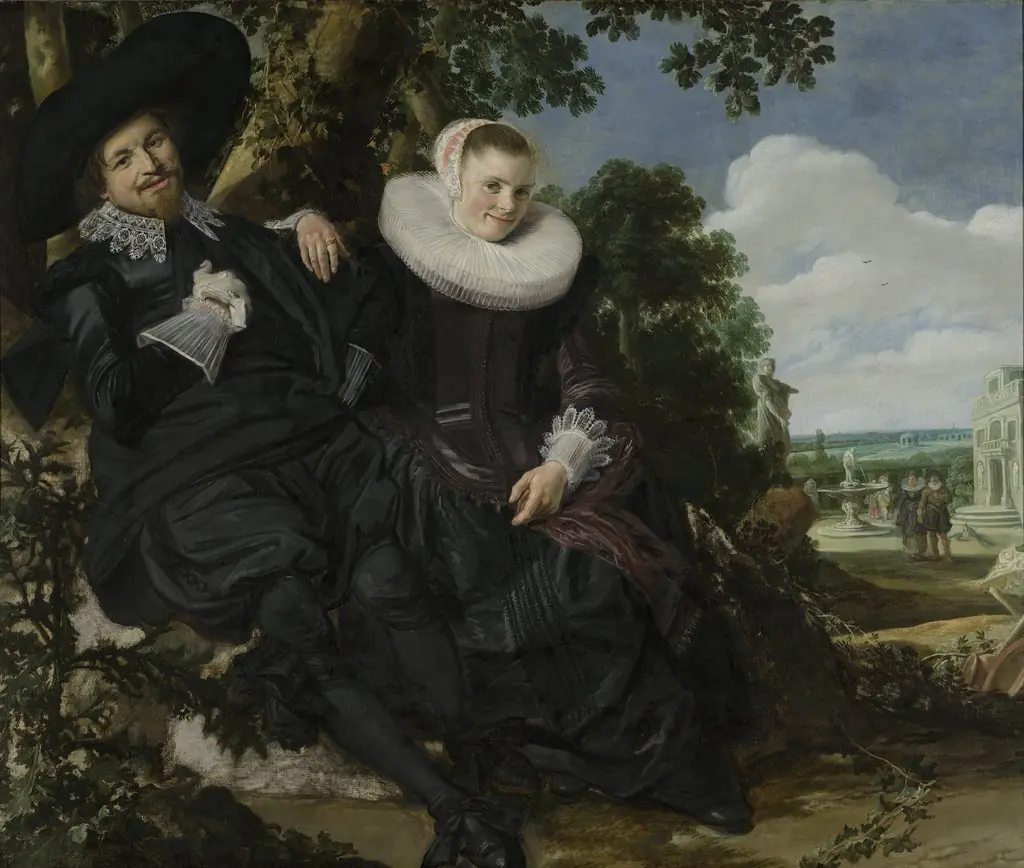 Portrait of a Couple probably Isaac Massa and Beatrix van der Laen
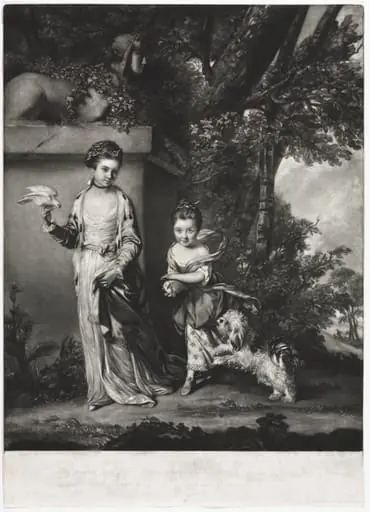 The Ladies Amabel and Mary Jemima Yorke
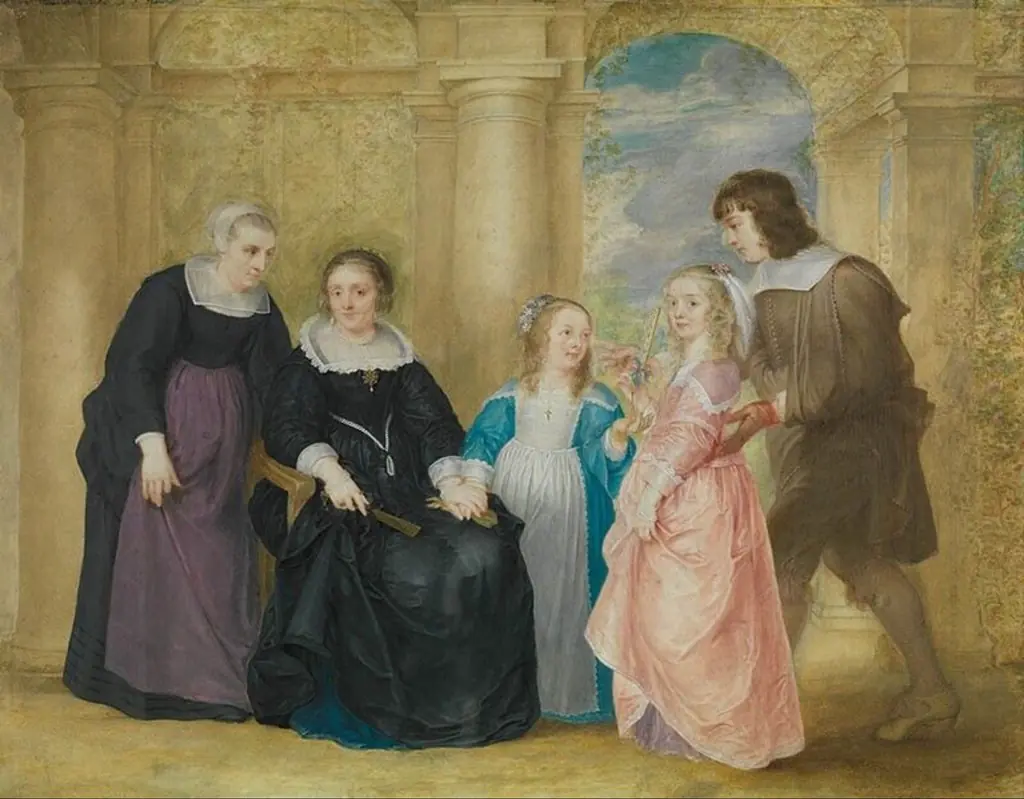 Portrait of a Family
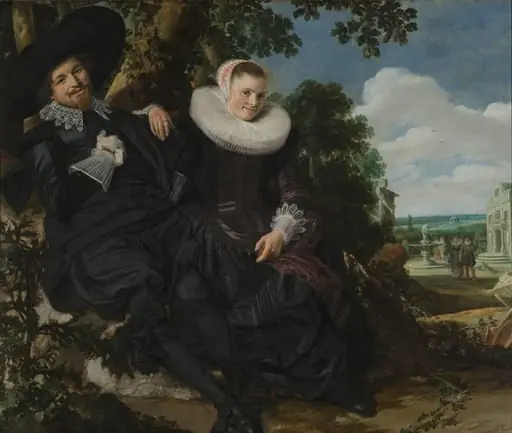 Portrait of a Couple, Probably Isaac Abrahamsz Massa and Beatrix van der Laen
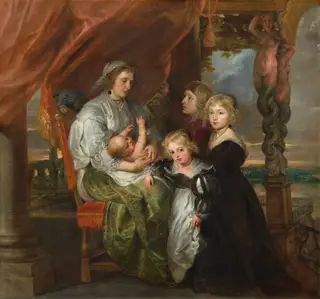 Deborah Kip, Wife of Sir Balthasar Gerbier, and Her Children
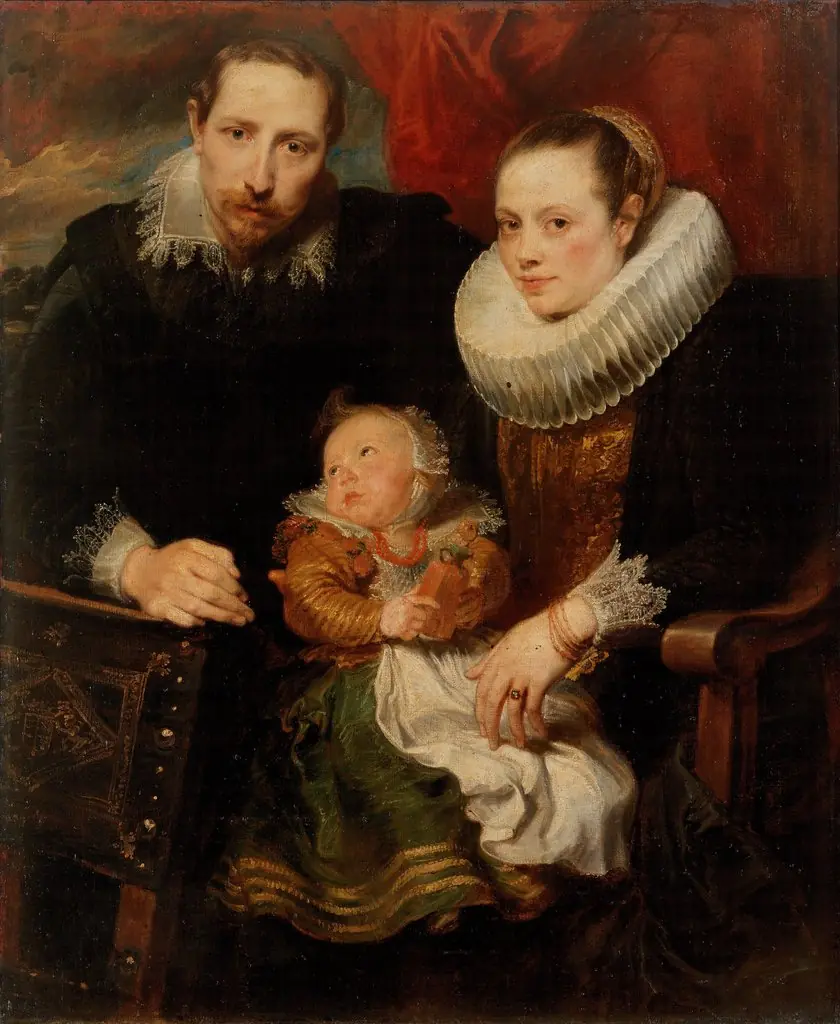 Family Portrait
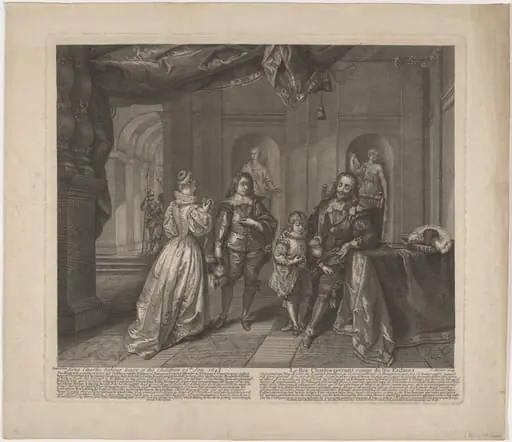 King Charles Taking Leave of His Children
 Self-portrait with family
- Rubens with his second wife in the garden