Artwork
Double portrait of Alethea Talbot (1585-1654), Countess of Arundel and Sir Dudley Carleton (1573-1632), with two servants
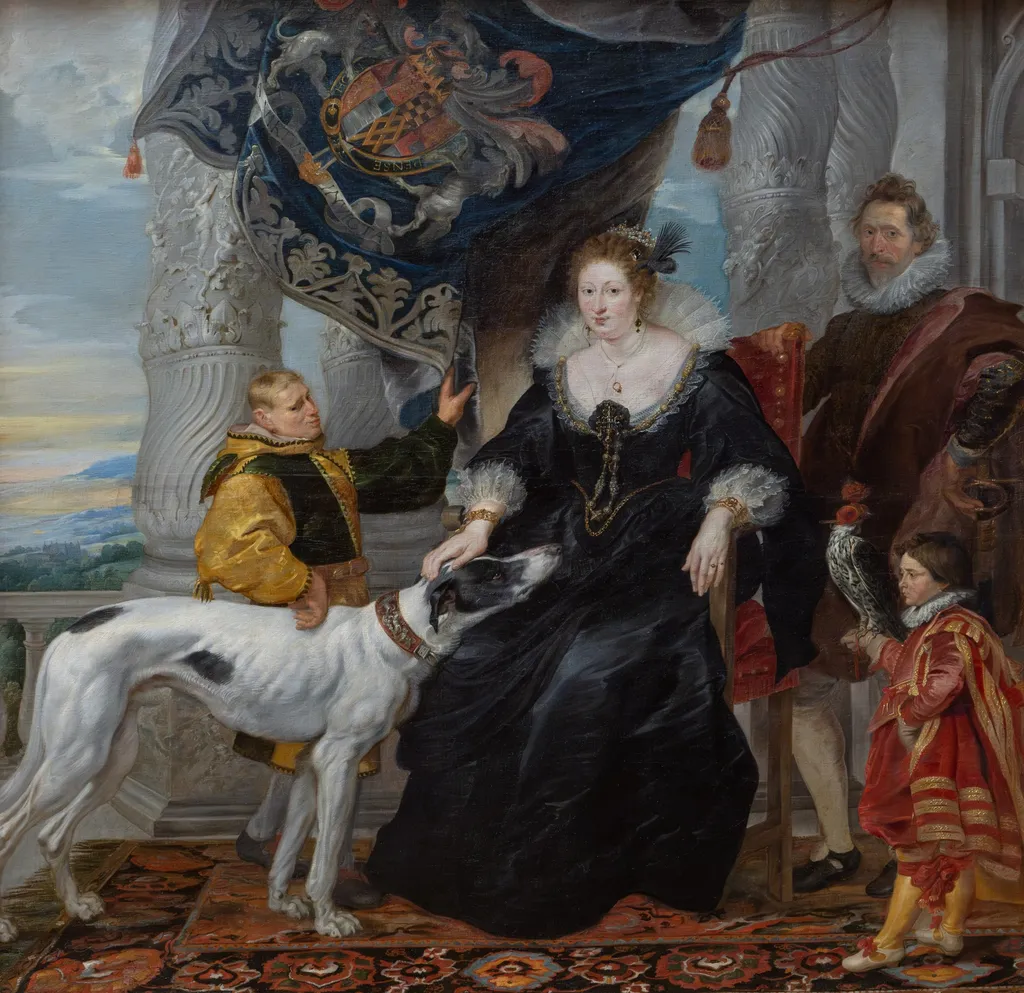
Double portrait of Alethea Talbot (1585-1654), Countess of Arundel and Sir Dudley Carleton (1573-1632), with two servants is an oil painting by the Flemish Baroque painting artist Peter Paul Rubens. It dates from 1620 and is held in the collection of the Bavarian State Painting Collections.
About this work
Subject & Meaning
The work functions as both a status portrait and a subtle assertion of political and social influence within European court circles.
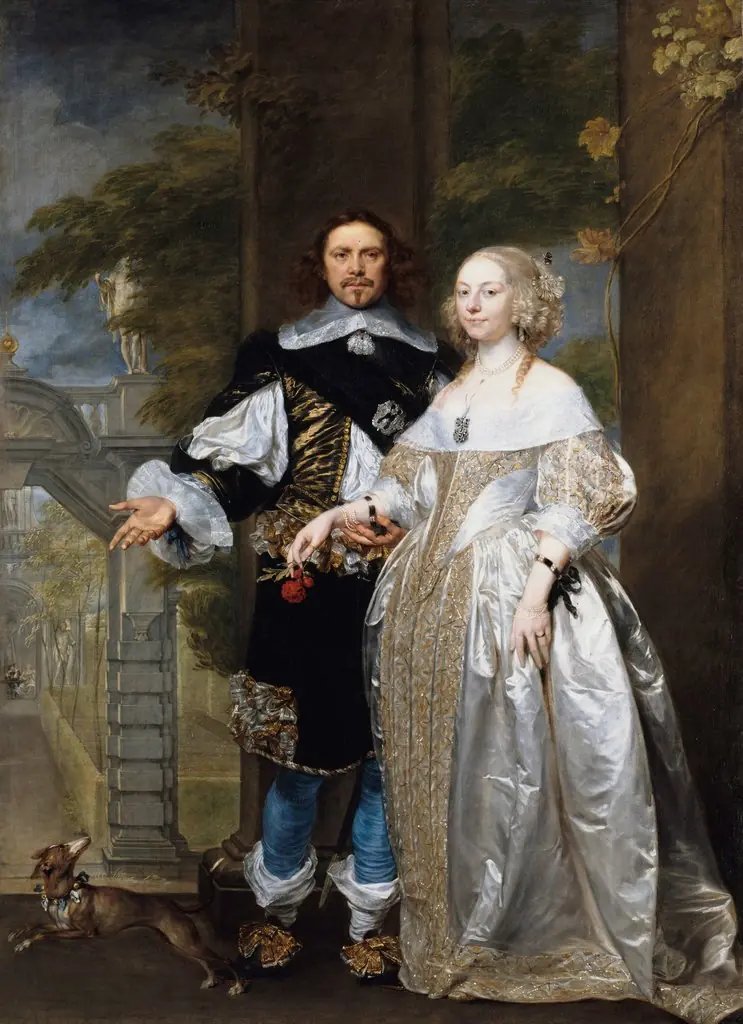
The painting shows Alethea Talbot, Countess of Arundel alongside her husband Sir Dudley Carleton, accompanied by two attendants. The composition emphasizes their aristocratic status and domestic alliance through formal pose and rich attire. Symbolic elements underscore themes of lineage and marital partnership in early 17th-century English high society.
The work functions as both a status portrait and a subtle assertion of political and social influence within European court circles.
Visual details such as the servants' positioning and the couple's direct gaze suggest a narrative of unity and authority, reflecting the couple's roles as cultural patrons and diplomatic figures.
The painting belongs to the Bavarian State Painting Collections and is housed in the Alte Pinakothek in Munich.
Technique & Style
The painting is executed in oil on canvas, measuring 262.5 × 266 cm. Its imposing scale and square format accommodate a full-length double portrait with two attendant figures, a composition typical of Rubens's aristocratic portraiture from his Antwerp period. The handling of oil paint exhibits the fluent, energetic brushwork characteristic of the artist's mature style, balancing formal dignity with lively surface texture. The work's generous dimensions and multi-figure arrangement reflect the conventions of courtly representation, designed to convey status and social hierarchy through spatial organization and physical presence.
History & Provenance
Peter Paul Rubens executed this double portrait in 1620 while working in Antwerp. The oil on canvas depicts Alethea Talbot, Countess of Arundel, alongside Sir Dudley Carleton and two attendants. Following its creation, the painting entered the collection of Johann Wilhelm von der Pfalz.
It subsequently became part of the Electoral Gallery in Dusseldorf before being absorbed into the holdings of the Bavarian State Painting Collections. The work is currently housed in the Alte Pinakothek.
The painting is held by the Alte Pinakothek in Munich, part of the Bavarian State Painting Collections. Its provenance traces through the Johann Wilhelm von der Pfalz collection and the Electoral Gallery Düsseldorf before reaching the museum. The canvas measures 262.5 cm in height by 266 cm in width. No exhibition history is documented in the available sources.
No specific inventory or accession number is recorded in the provided sources, and no exhibitions are listed.
Legacy
The double portrait of Alethea Talbot and Sir Dudley Carleton influenced later portraitists through its sophisticated handling of group dynamics and status display. Its representation of aristocratic identity and servant presence informed 17th-century European portrait conventions, particularly in the depiction of elite sitters within domestic contexts. The work's compositional strategies were studied by contemporaries and later artists examining Rubens' approach to multi-figure portraiture.
Its inclusion in the Bavarian State Painting Collections since the 18th century cemented its role in shaping the visual language of aristocratic representation in museum narratives. The painting's legacy persists in scholarly analyses of Rubens' innovative integration of narrative and status markers in portraiture.
Overview
This oil painting is a double portrait by Peter Paul Rubens, a prominent Flemish Baroque artist, depicting a noblewoman and a gentleman with their servants.
Own this work as a print
Artist & collection
Artist
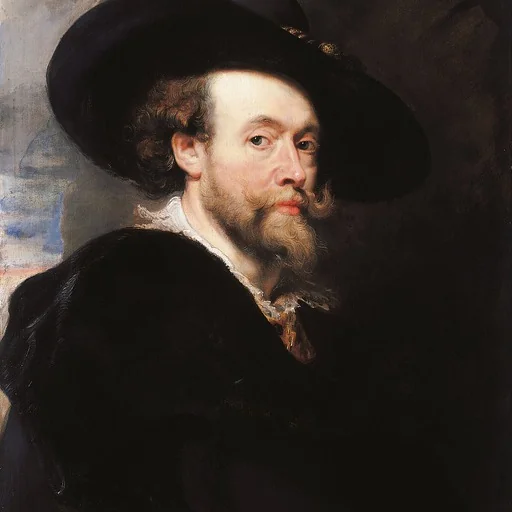
Sir Peter Paul Rubens ( ROO-bənz; Dutch:; 28 June 1577 – 30 May 1640) was a Flemish artist and diplomat.

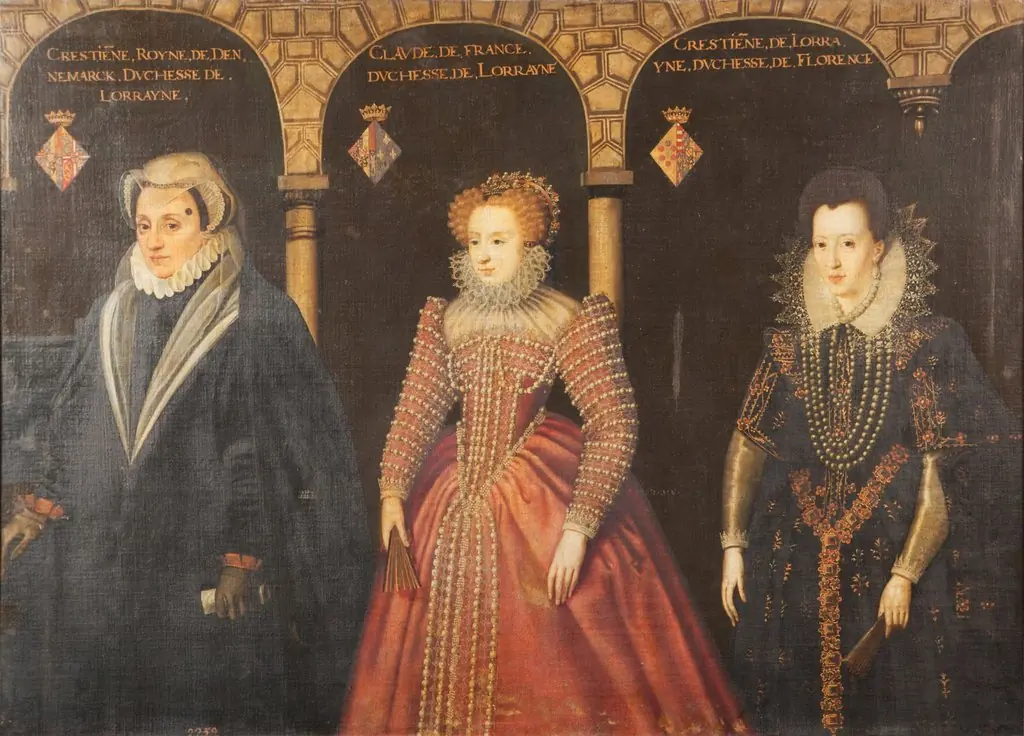 Portrait of Christina of Denmark, Claude of Valois and Christina of Lorraine
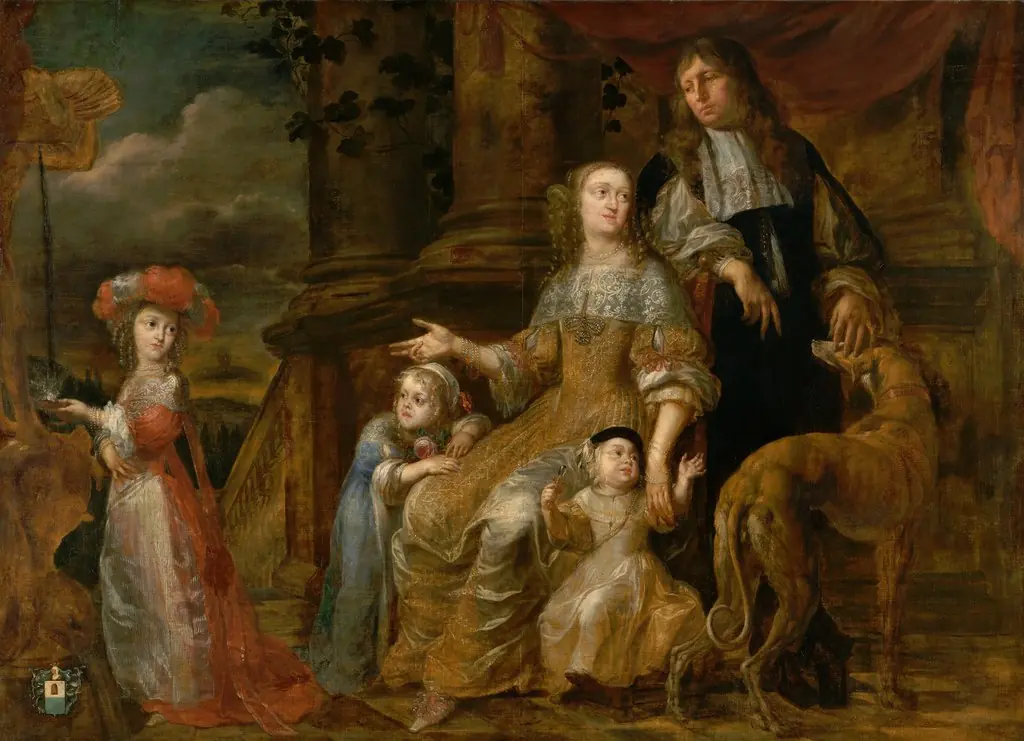 Portrait of the Family de Bie
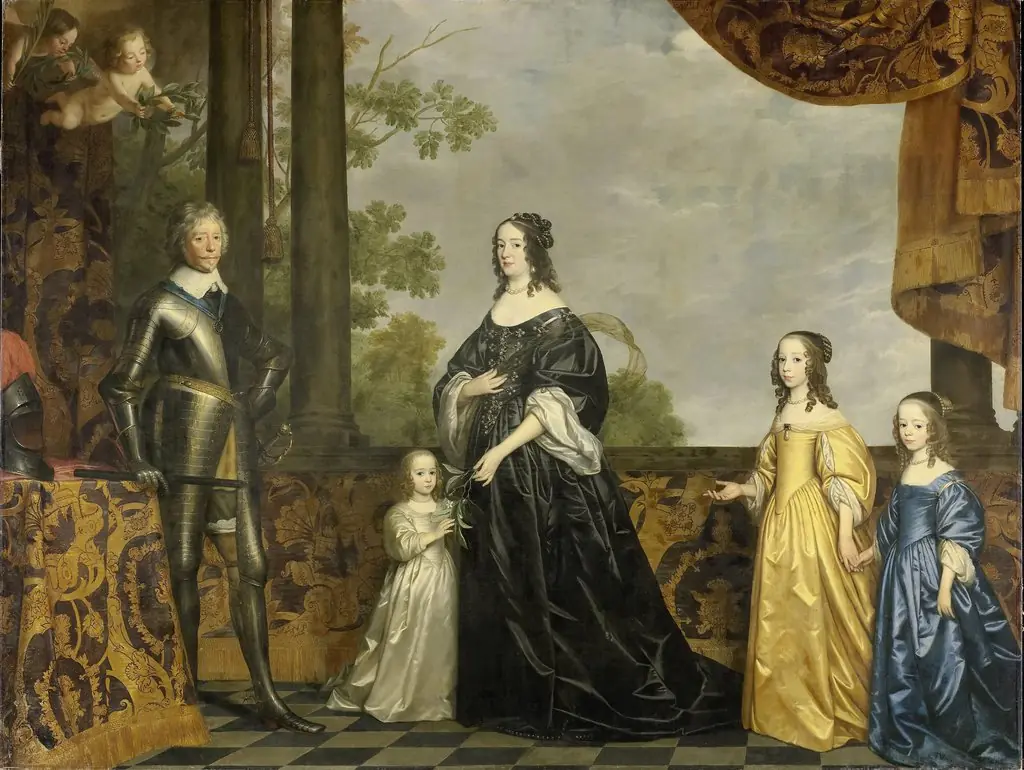 Frederik Hendrik (1584-1647), Prince of Orange, his wife Amalia van Solms (1602-75) and their three youngest daughters, Albertina Agnes (1634-96), Henrietta Catharina (1637-1708) and Maria (1642-88)
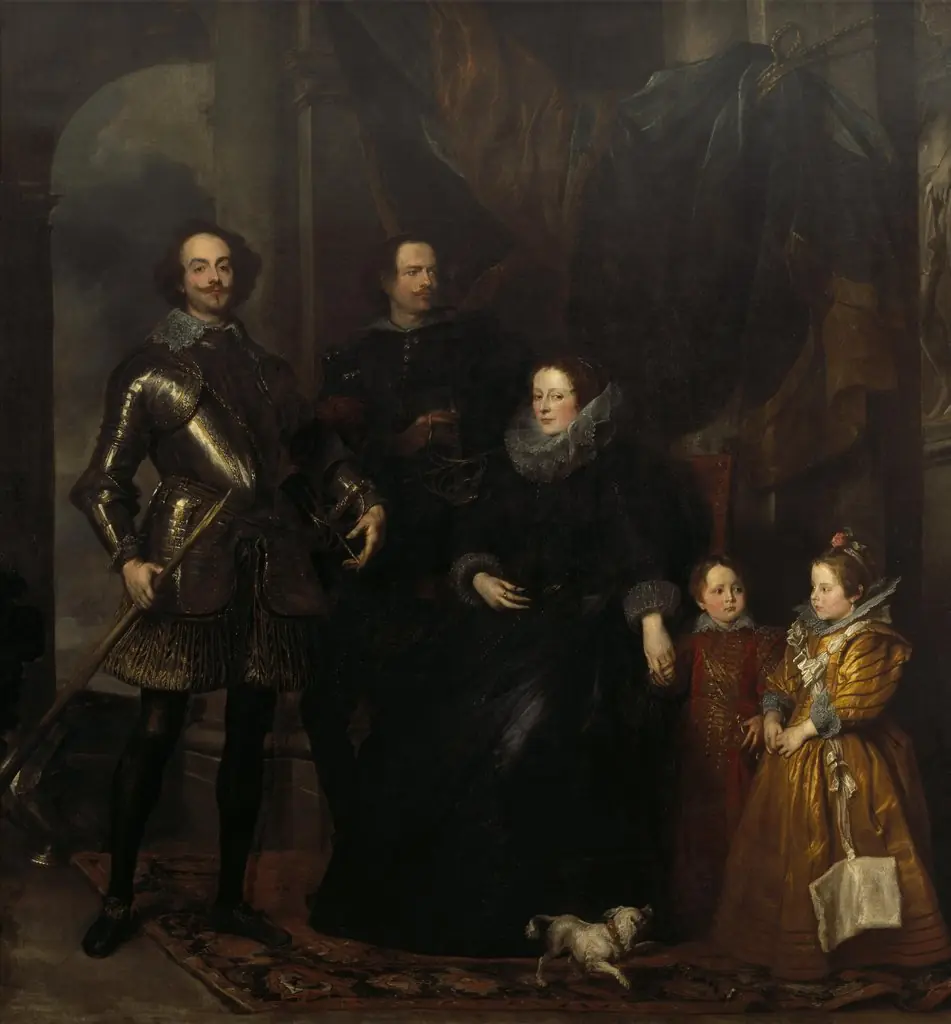 The Lomellini Family
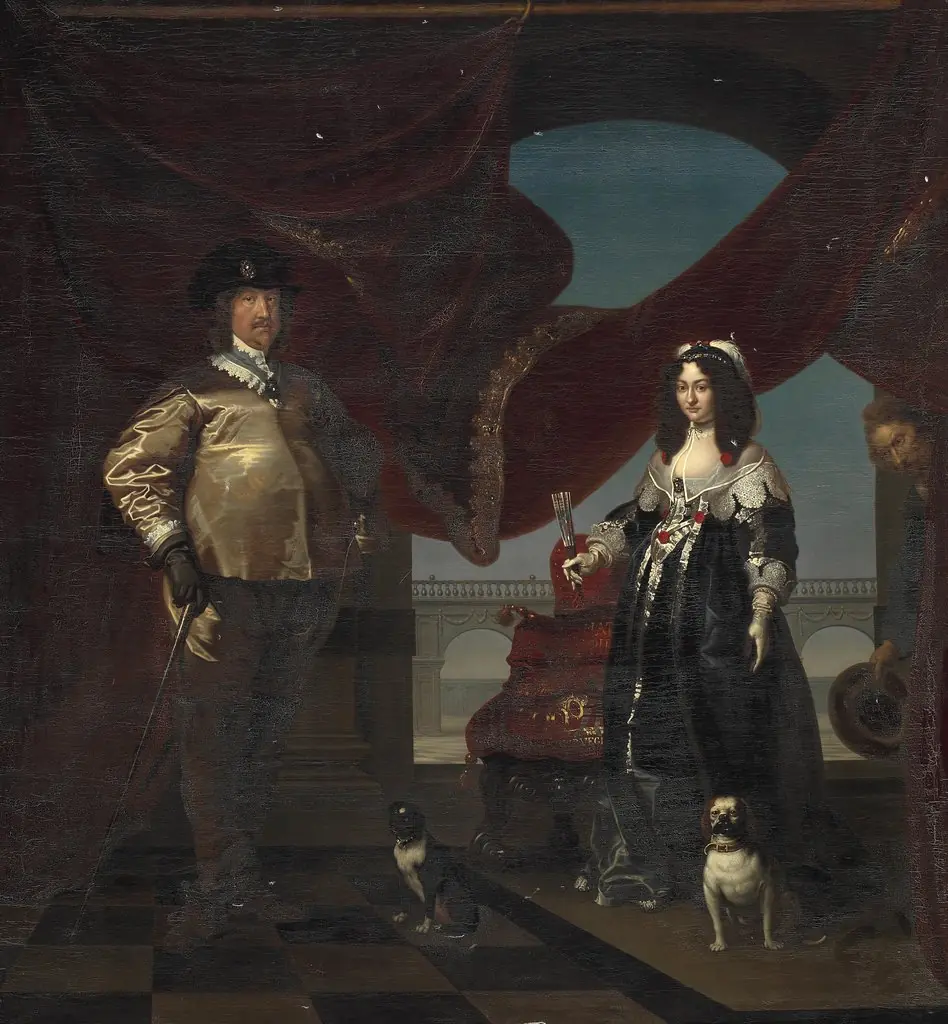 Portrait of Prince Elect Christian (1603-1647) with his consort, Princess Magdalena Sibylla of Saxony (1617-1668)
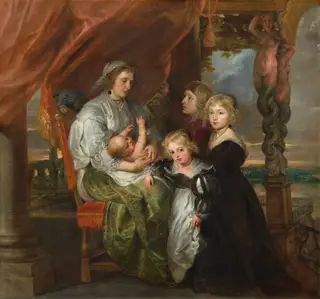 Deborah Kip, Wife of Sir Balthasar Gerbier, and Her Children
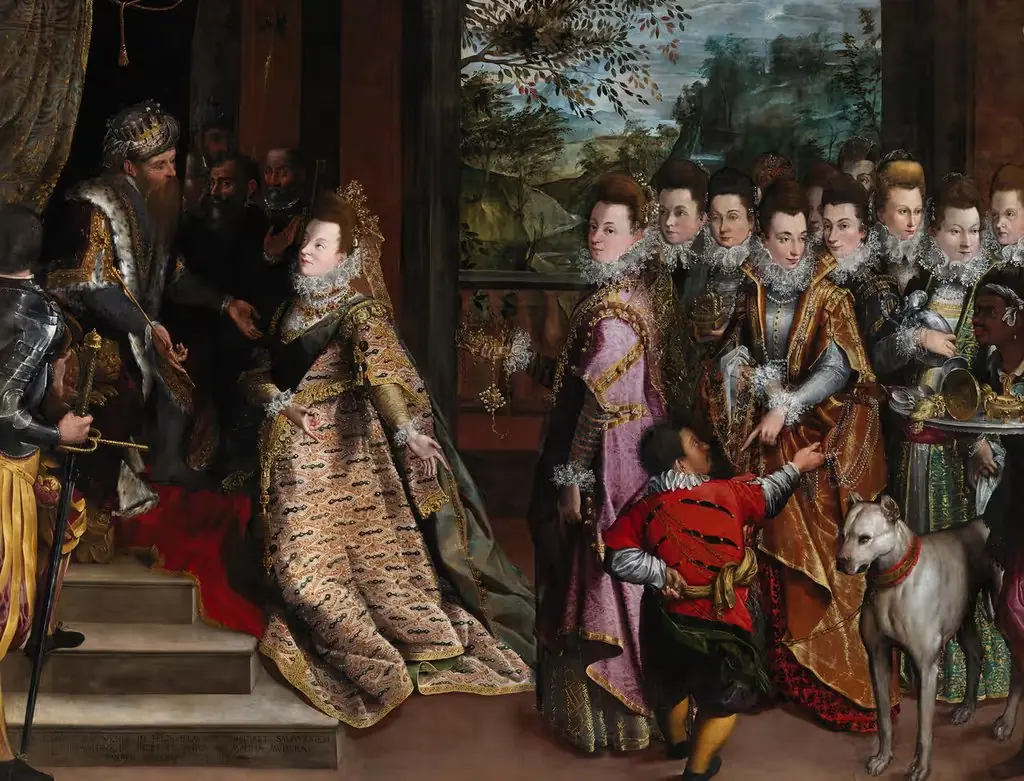 Visit of the Queen of Sheba
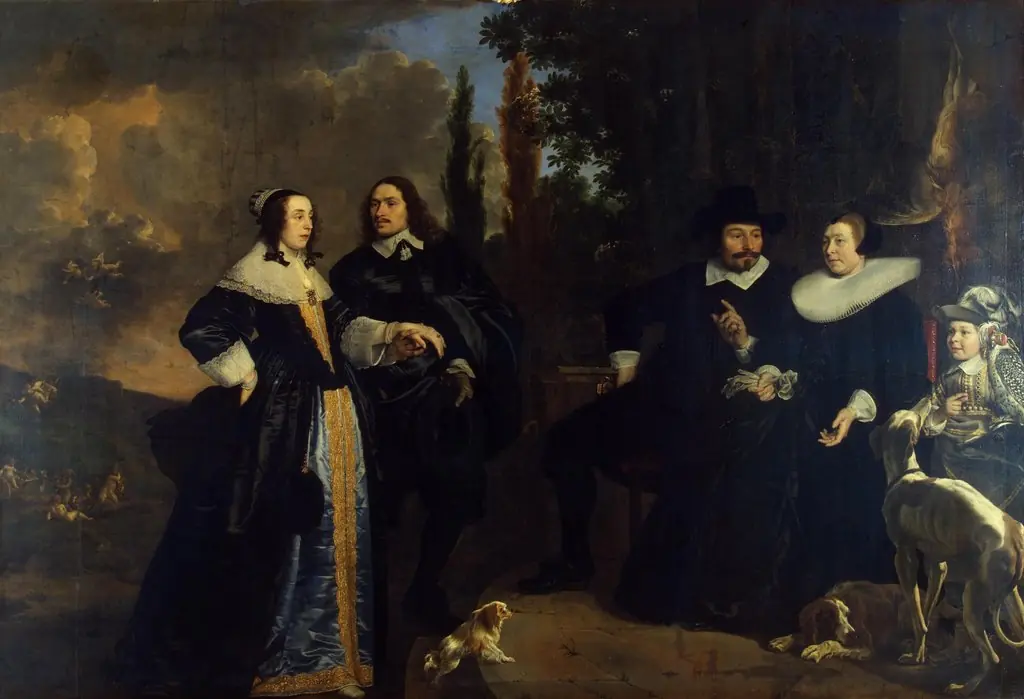 Family Portrait
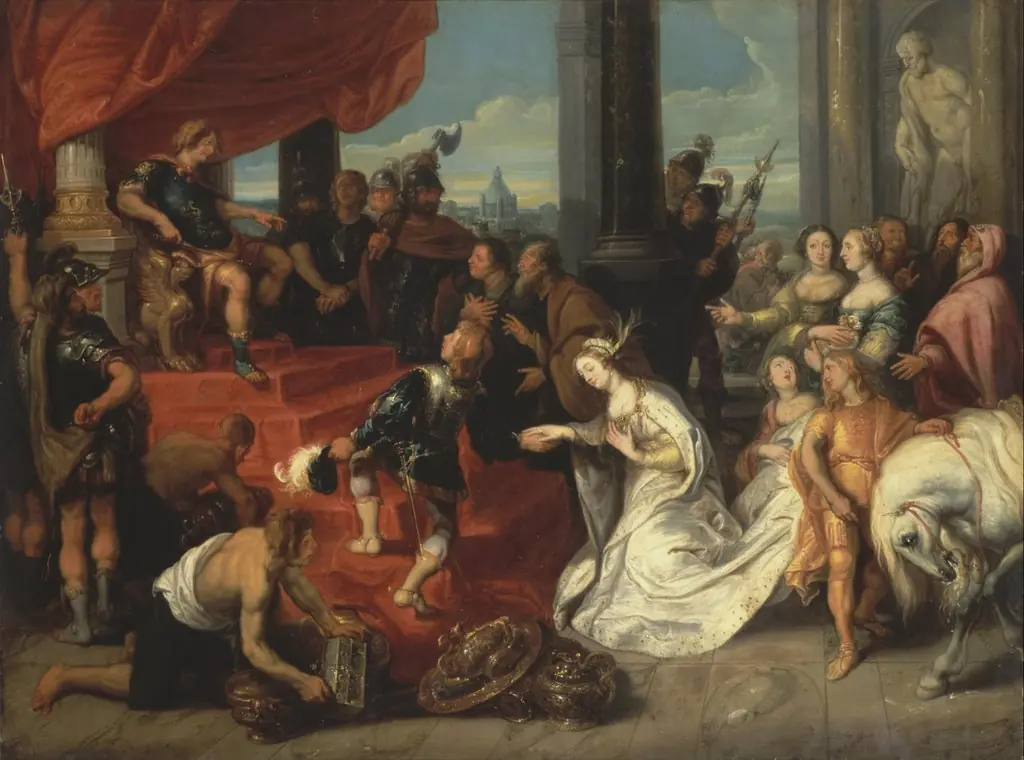 The Magnanimity of Scipio Africanus
 Married Couple in the Park