Artwork
Perseus and Andromeda
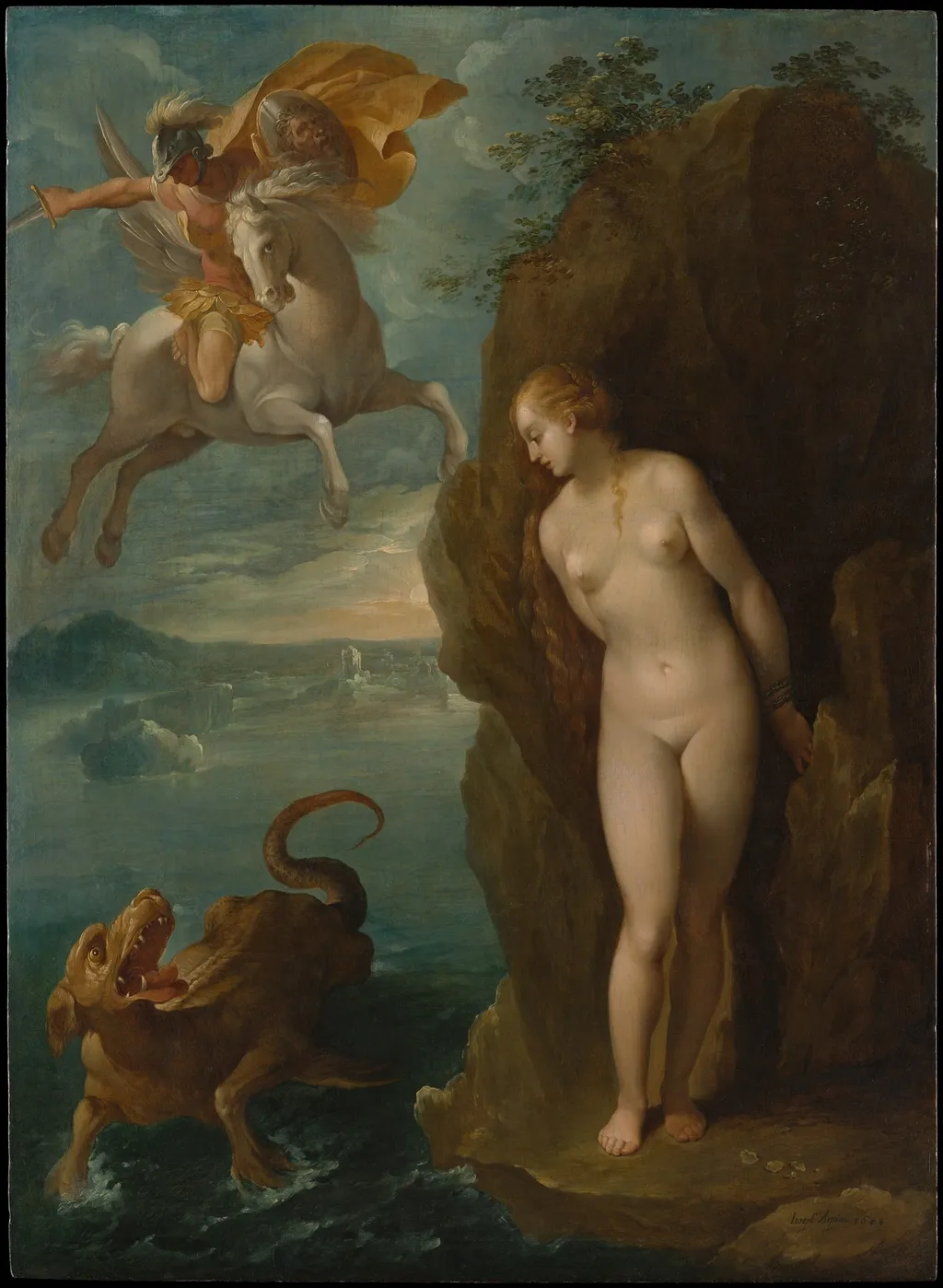
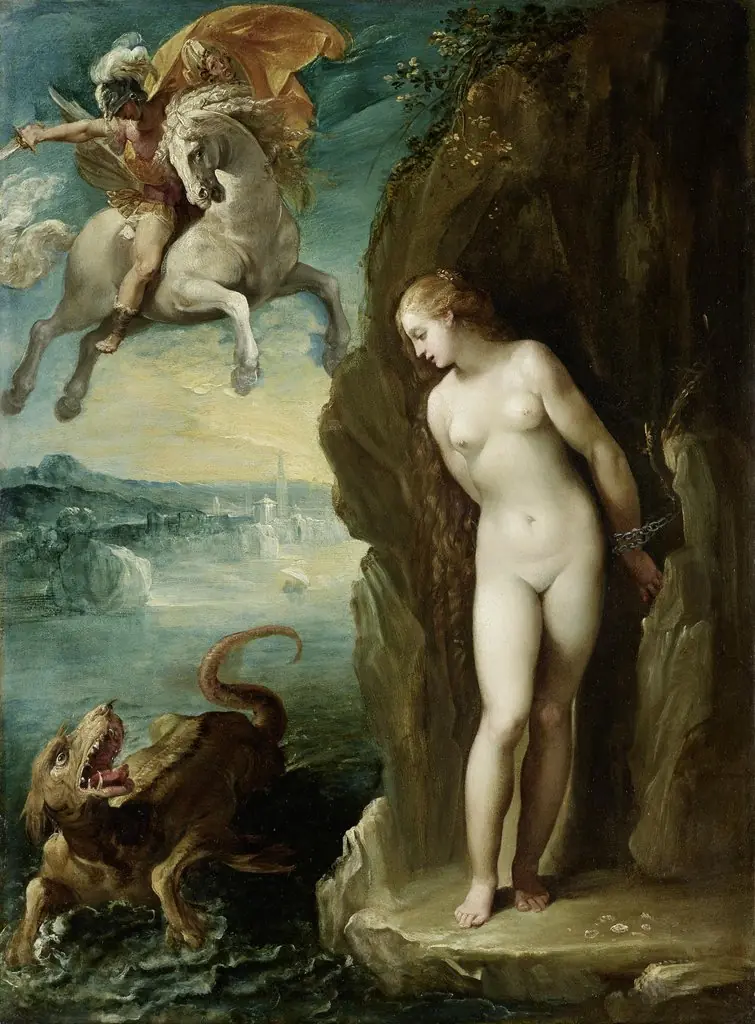
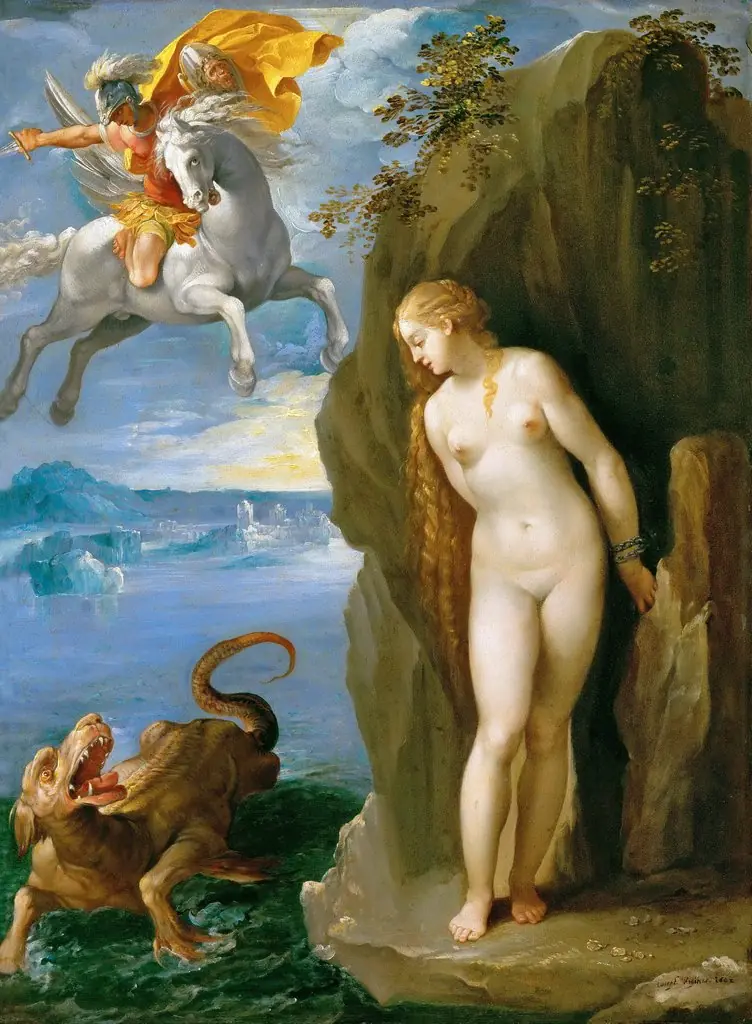
Perseus and Andromeda is an oil painting by the Early Baroque Italian artist Bernardino Cesari. It dates from 1600 and is held in the collection of the Metropolitan Museum of Art.
About this work
Subject & Meaning
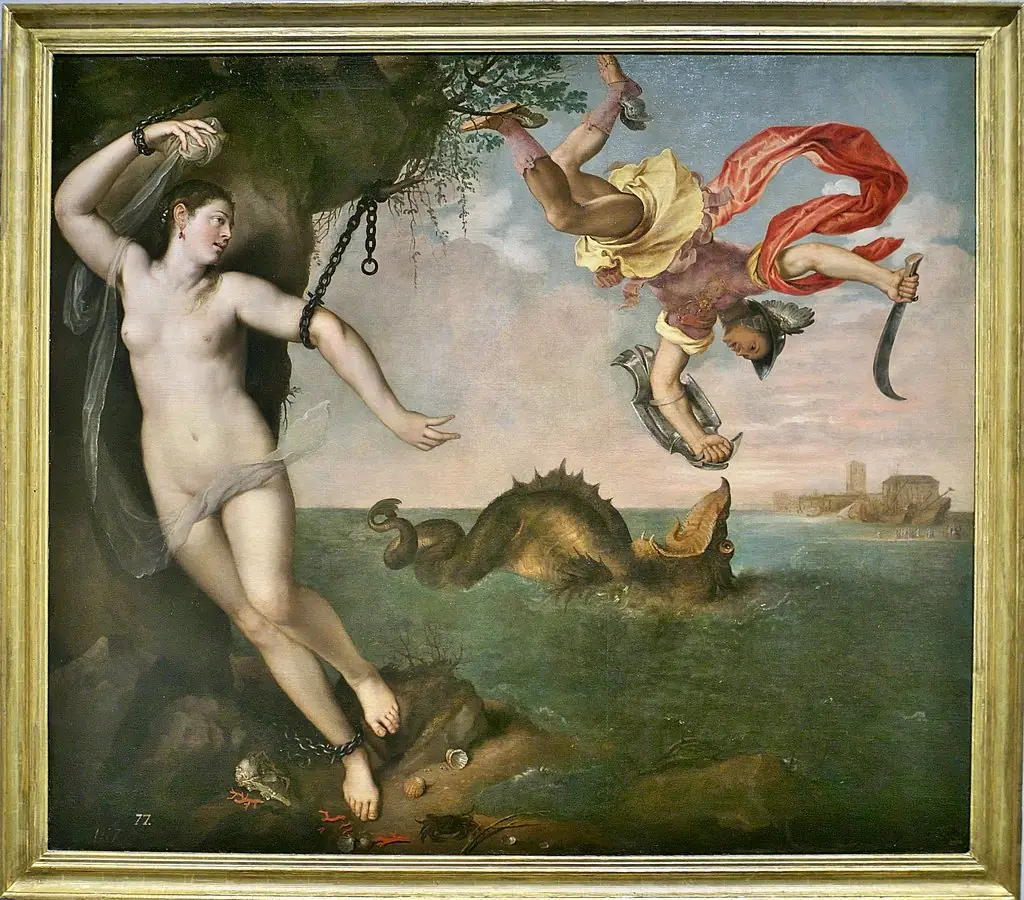
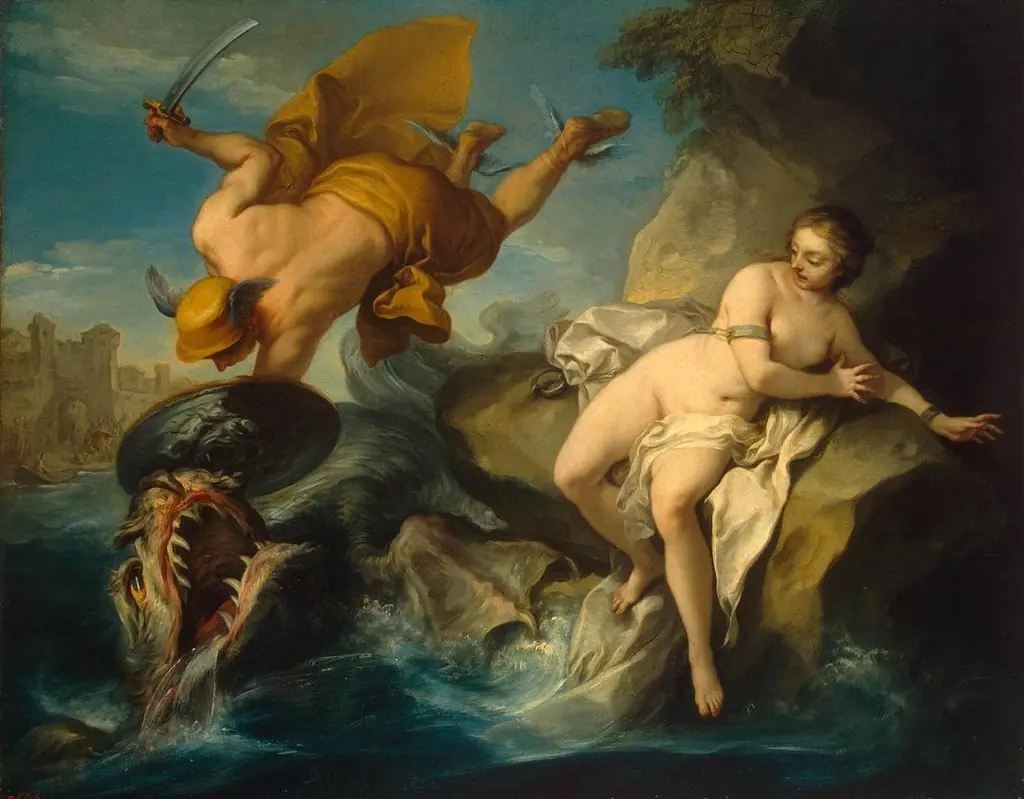
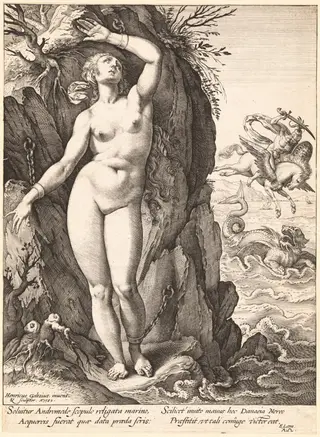
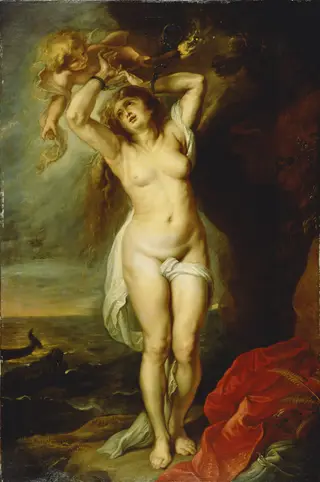
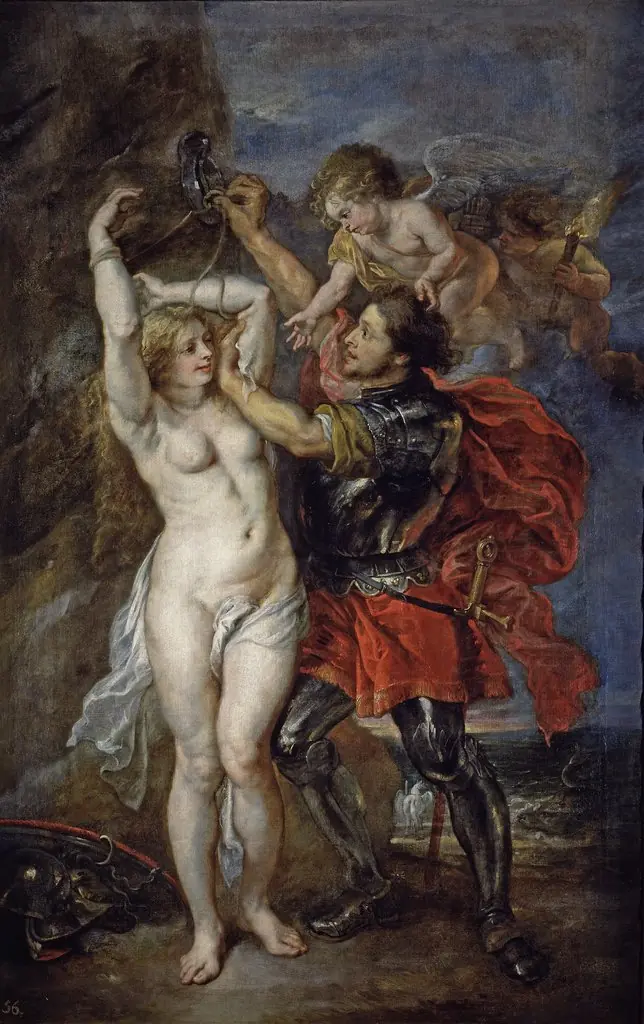
Bernardino Cesari's painting depicts the mythological episode of Perseus and Andromeda, a popular subject drawn from classical Greek legend.
Bernardino Cesari's painting depicts the mythological episode of Perseus and Andromeda, a popular subject drawn from classical Greek legend. The work portrays Perseus, the Greek hero famed for slaying Medusa, in the moment of his rescue of Andromeda from the sea monster to which she had been sacrificed. As a mythological painting executed in oil on panel, the composition engages with the iconographic tradition of the Perseus rescue scene, in which the hero's divine favor, granted through his use of Medusa's severed head and winged sandals, is set against the peril of the chained maiden.
The subject carries layered symbolic meaning: Perseus represents heroic virtue, divine favor, and the triumph of order over monstrous chaos, while Andromeda embodies innocence, vulnerability, and the rewards of steadfast faith. Their union, which in the myth follows the rescue, stands as an allegory of deliverance and the restoration of harmony, themes that resonated with viewers in the early Baroque period when Cesari painted the work.
Technique & Style
The work is an oil painting executed on a wooden panel, using oil paint as its medium and dating to the year 1600. Its surface bears the typical handling of early‑seventeenth‑century panel paintings, with a smooth finish that emphasizes the chiaroscuro of the mythological scene. The composition portrays Perseus and Andromeda in a dynamic pose, rendered with a restrained palette and careful modeling of form.
Measured at 53.3 cm in height and 39.4 cm in width, the piece fits within the museum’s collection of mythological paintings attributed to Bernardino Cesari.
History & Provenance
The painting Perseus and Andromeda was executed in 1600 by Bernardino Cesari as an oil on panel work depicting the mythological scene of Perseus and Andromeda. It was created as a mythological composition, reflecting the artistic conventions of the period.
The work entered the collection of the Metropolitan Museum of Art, where it remains on view; its provenance records indicate ownership by the museum following its acquisition, though earlier ownership details are not documented in the available sources.
The painting Perseus and Andromeda by Bernardino Cesari is held by the Metropolitan Museum of Art in New York, where it is included in the institution’s collection of mythological works. The museum’s catalog entry records the piece as part of its holdings but does not assign a distinct accession or inventory number in the documentation examined. No exhibition history for this artwork is documented in the sources, indicating that it has not been listed in any published exhibition records up to the present.
Overview
Bernardino Cesari's oil painting, Perseus and Andromeda, completed in 1600, captures a pivotal moment from classical mythology. This dramatic work, rendered in oil, is currently housed at The Metropolitan Museum of Art. It features the legendary hero Perseus in his iconic act of rescuing Andromeda from a monstrous sea creature, a narrative frequently explored in art history for its themes of heroism and salvation.
Own this work as a print
Artist & collection