Artwork
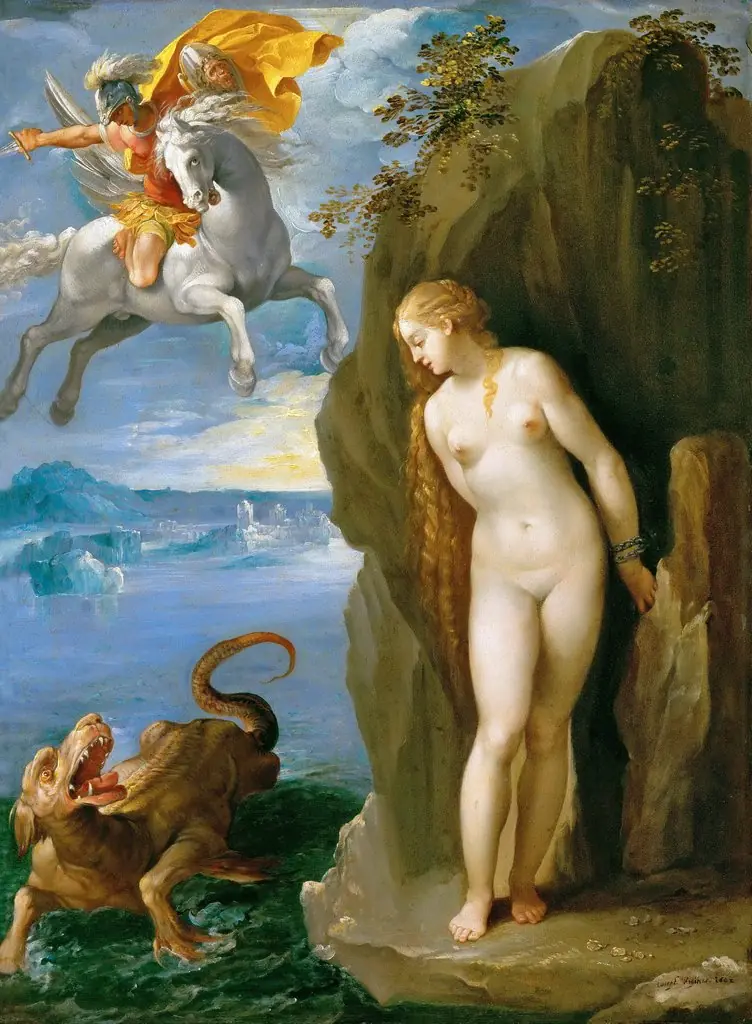
Perseus Freeing Andromeda
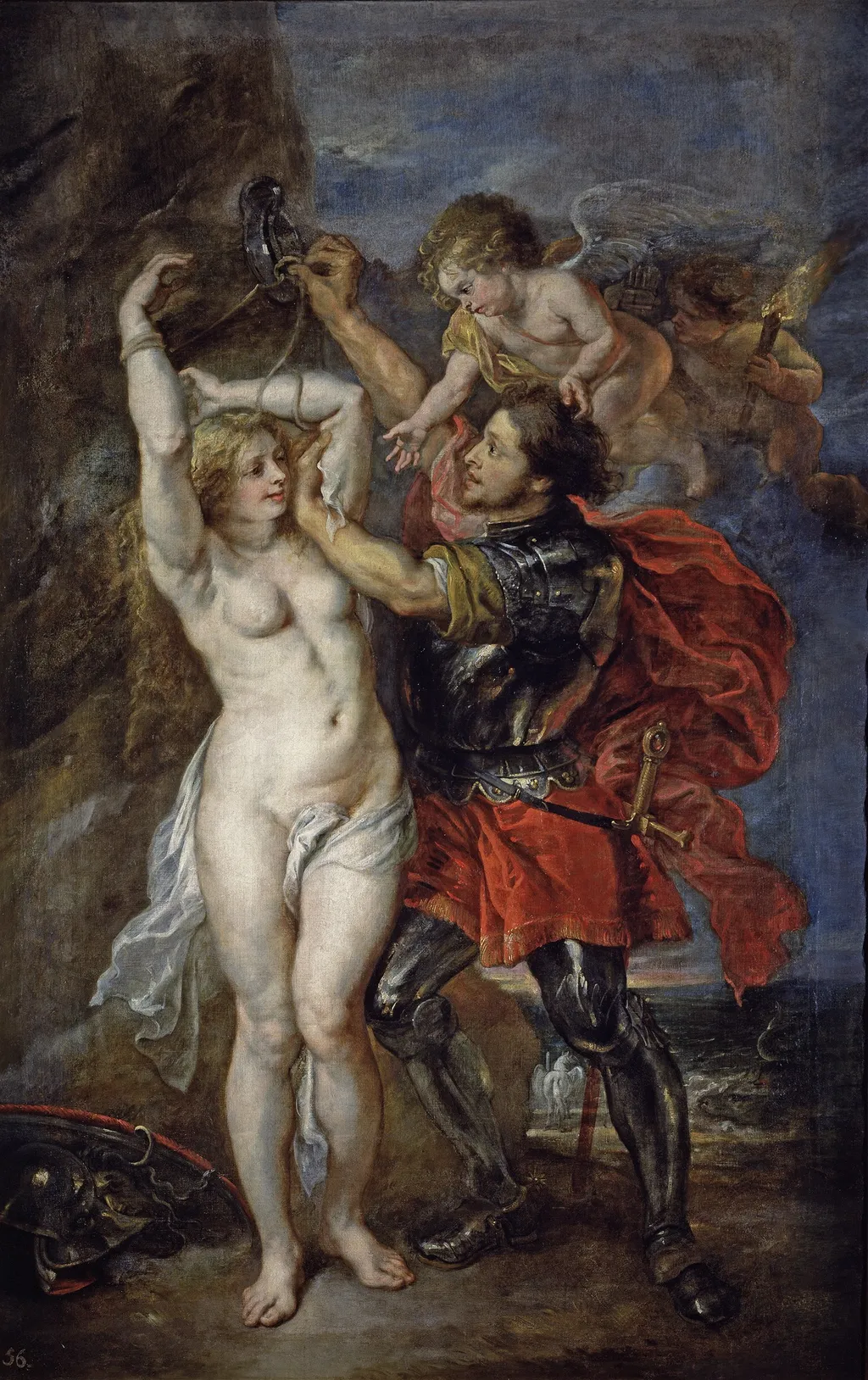
Perseus Freeing Andromeda is an oil painting by the Flemish Baroque painting artist Peter Paul Rubens. It dates from 1639 and is held in the collection of the Museo del Prado.
About this work
Subject & Meaning
As a mythological work, the scene represents the classic theme of heroic rescue and the triumph of good over evil found in ancient legends.
The painting illustrates the mythological narrative of Perseus liberating Andromeda. The composition features the hero Perseus, identifiable by his sword and body armor, in the act of freeing the chained Andromeda. As a mythological work, the scene represents the classic theme of heroic rescue and the triumph of good over evil found in ancient legends.
The collaboration between Peter Paul Rubens and Jacob Jordaens on this specific depiction highlights the shared artistic interpretation of this enduring classical subject.
Technique & Style
The work was executed in oil paint on canvas, a fact confirmed by the material specification and supported by its classification as a painting. The canvas measures 267 cm in height and 162 cm in width, providing the physical support on which the composition was rendered. Stylistically, the piece belongs to the mythological genre and portrays the hero Perseus liberating Andromeda, a scene emphasized by the presence of his sword and body armor.
The handling of the oil medium reveals Rubens' characteristic dynamic brushwork combined with Jordaens' more tactile surface treatment, creating a vivid interplay of light and texture. This synthesis of technique and formal treatment underscores the collaborative nature of the artwork's production, reflecting both artists' contributions to the final image.
History & Provenance
Created in 1639 as an oil painting on canvas measuring 267 by 162 centimeters, this mythological work depicts the moment Perseus liberates Andromeda. The painting was executed by Peter Paul Rubens with assistance from Jacob Jordaens, reflecting their collaborative practice in the Flemish Baroque tradition. Rubens originally conceived the composition, while Jordaens contributed to its completion, a partnership documented in contemporary records of their workshop activities.
After its creation, the artwork entered the collection of the Museo del Prado in Madrid, where it remains on display as part of the museum's permanent holdings of Baroque masterpieces.
The painting Perseus Freeing Andromeda is held in the collection of the Museo del Prado in Madrid. Completed in 1639, the work was executed by Peter Paul Rubens with contributions from Jacob Jordaens. The oil on canvas depicts the mythological subjects of Perseus and Andromeda.
While the work is confirmed to be part of the museum's holdings, the provided records do not list a specific inventory number or detail any past exhibitions for this piece.
Overview
Peter Paul Rubens painted Perseus Freeing Andromeda in 1639, employing oil on canvas to render a dramatic mythological episode. The composition centers on a nude Andromeda, arms uplifted, while a heavily armored Perseus, clad in red and black, severs her chains with a sword. Dark, swirling clouds and a rugged landscape frame the figures, and two winged beings hover above, one bearing a reflective surface.
Context
Perseus Freeing Andromeda belongs to a series of Rubens’s mythological history paintings that explored heroic subjects for aristocratic patrons. Executed during the height of the Baroque movement in Flanders, the work exemplifies the period’s fascination with dramatic movement, emotional intensity, and the theatrical use of light, aligning Rubens with contemporaries who sought to fuse classical stories with vivid, sensory realism.
Own this work as a print
Artist & collection
Artist
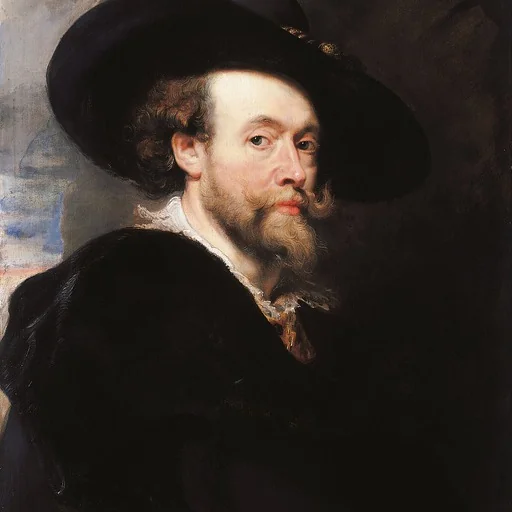
Sir Peter Paul Rubens ( ROO-bənz; Dutch:; 28 June 1577 – 30 May 1640) was a Flemish artist and diplomat.