Artwork
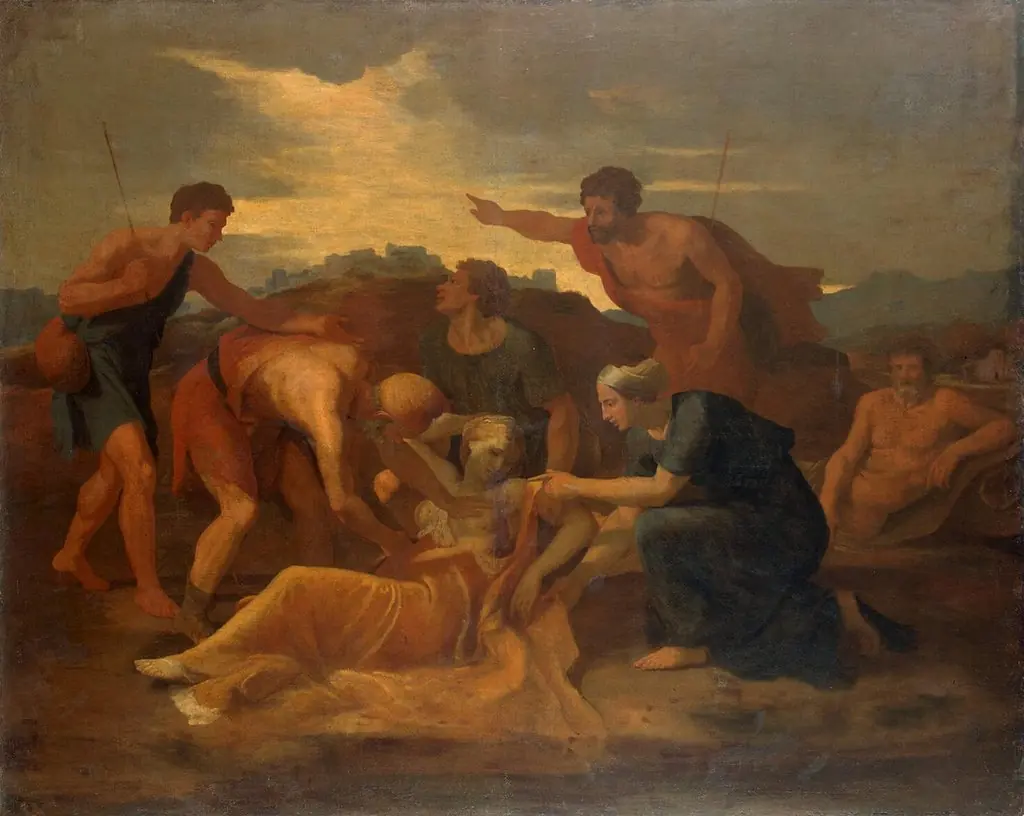
Eurydice Bitten by the Snake
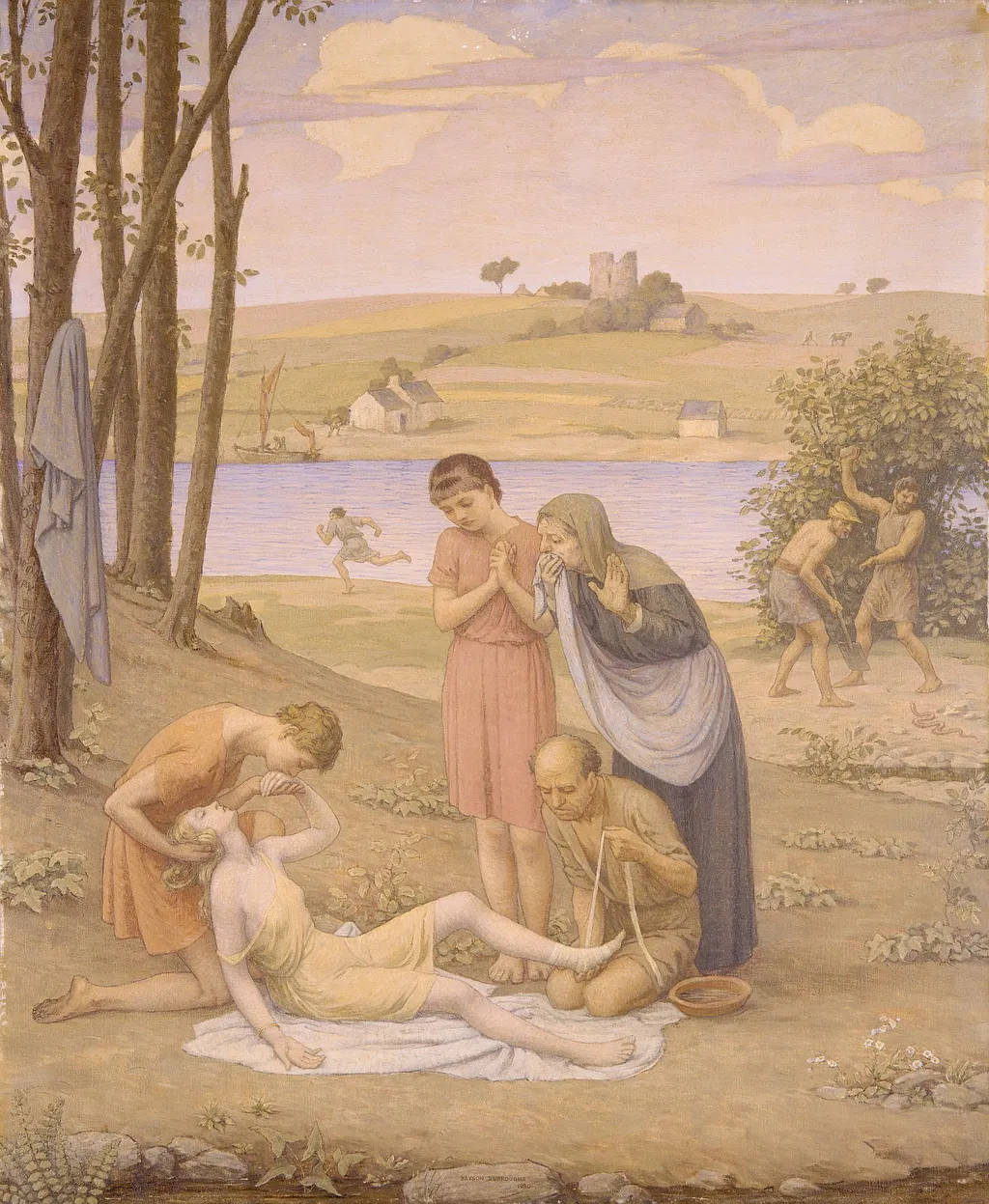
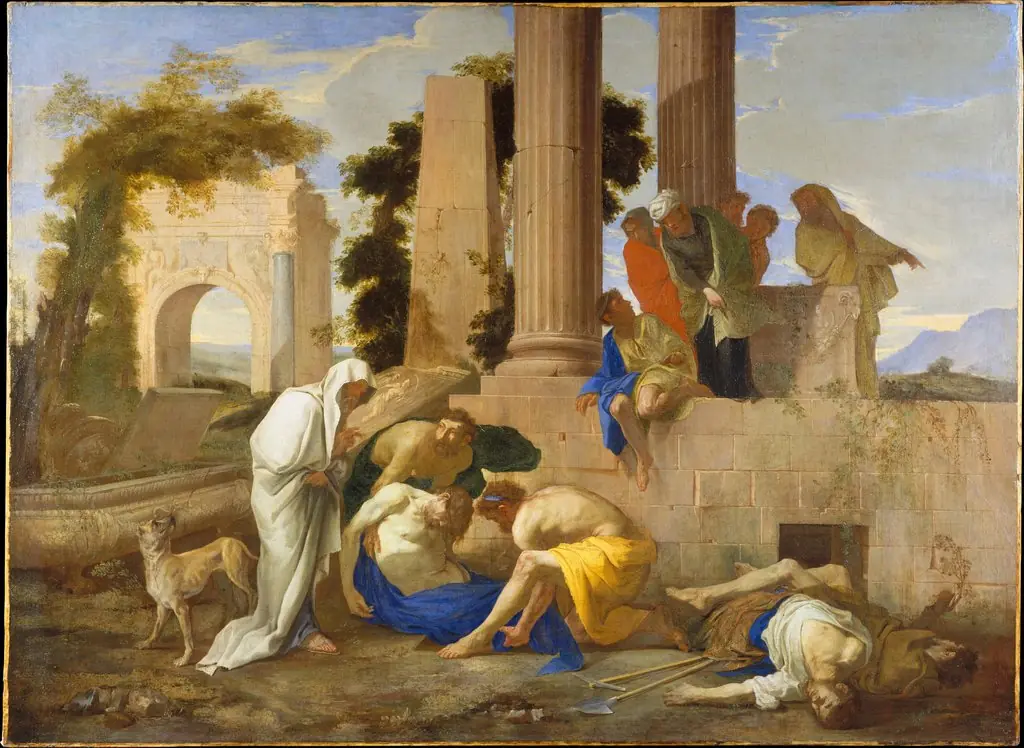
Eurydice Bitten by the Snake is an oil painting by the Symbolist artist Bryson Burroughs. It dates from 1930 and is held in the collection of the Metropolitan Museum of Art.
About this work
Subject & Meaning
The painting portrays Eurydice in the instant she is bitten by a snake, a moment of sudden tragedy. Orpheus appears beside her, accompanied by a tree and a river, while the scene conveys suffering through the figures’ postures. Together these elements illustrate the fatal episode that separates the lovers, emphasizing themes of loss and the irrevocable power of death within the narrative.
Technique & Style
Created in 1930, Eurydice Bitten by the Snake is an oil painting executed on a canvas support.
Created in 1930, Eurydice Bitten by the Snake is an oil painting executed on a canvas support. The work measures 129.5 centimeters in height and 106.5 centimeters in width. As a mythological painting, the artist employed oil paint to depict the narrative scene featuring Eurydice, Orpheus, and elements of the natural landscape such as trees and a river.
The medium allows for the rendering of the suffering figures central to the composition. The painting is currently held within the collection of the Metropolitan Museum of Art, where it remains classified as a significant work of mythological art from the early twentieth century.
History & Provenance
Created in 1930 by American artist Bryson Burroughs, Eurydice Bitten by the Snake is an oil painting on canvas depicting a scene from classical mythology. The work measures 129.5 by 106.5 centimeters. While specific details regarding its original commission or early ownership history are not provided in the available records, the painting is currently held in the collection of the Metropolitan Museum of Art in New York City, where it remains located.
Overview
This oil painting, titled "Eurydice Bitten by the Snake," presents a tranquil yet somber landscape scene. A group of figures gathers by a river, their presence suggesting a moment of distress within the otherwise quiet setting. The artist employs soft colors and gentle light, contributing to the work's overall mood, which feels both calm and heavy. The painting is a visual narrative, inviting contemplation of its underlying story.
Context
The painting's title directly references the ancient Greek myth of Orpheus and Eurydice. In this tragic tale, Eurydice, the wife of the musician Orpheus, dies from a snakebite. Overwhelmed by grief, Orpheus journeys to the underworld to retrieve her, charming its rulers with his music.
The myth explores themes of love, loss, and the boundaries between life and death, providing a rich narrative background for the depicted scene of sorrow and injury.
Own this work as a print
Artist & collection
Artist
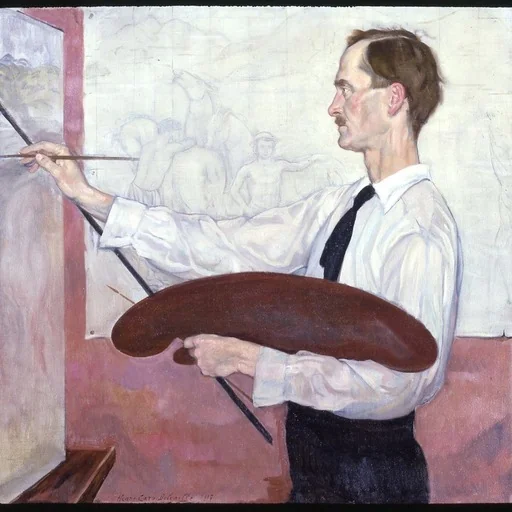
Henry Bryson Burroughs (8 September 1869 – November 1934) was an American artist and employee of the Metropolitan Museum of Art.

- Queen Zenobia Found on the Banks of the Arax
 The Prodigal Son
 At the spring well
 The Fisherman's Family
 Venetian Set: Entombment of Christ
 Consolation of Ariadne
 Ludus Pro Patria
 Dåben på Pinsedag
 The Building of the 'Argo'
 Study of Courtesans
 A Converted British Family Sheltering a Christian Missionary from the Persecution of the Druids
 Tobit Burying the Dead