Artwork
Fuga în Egipt
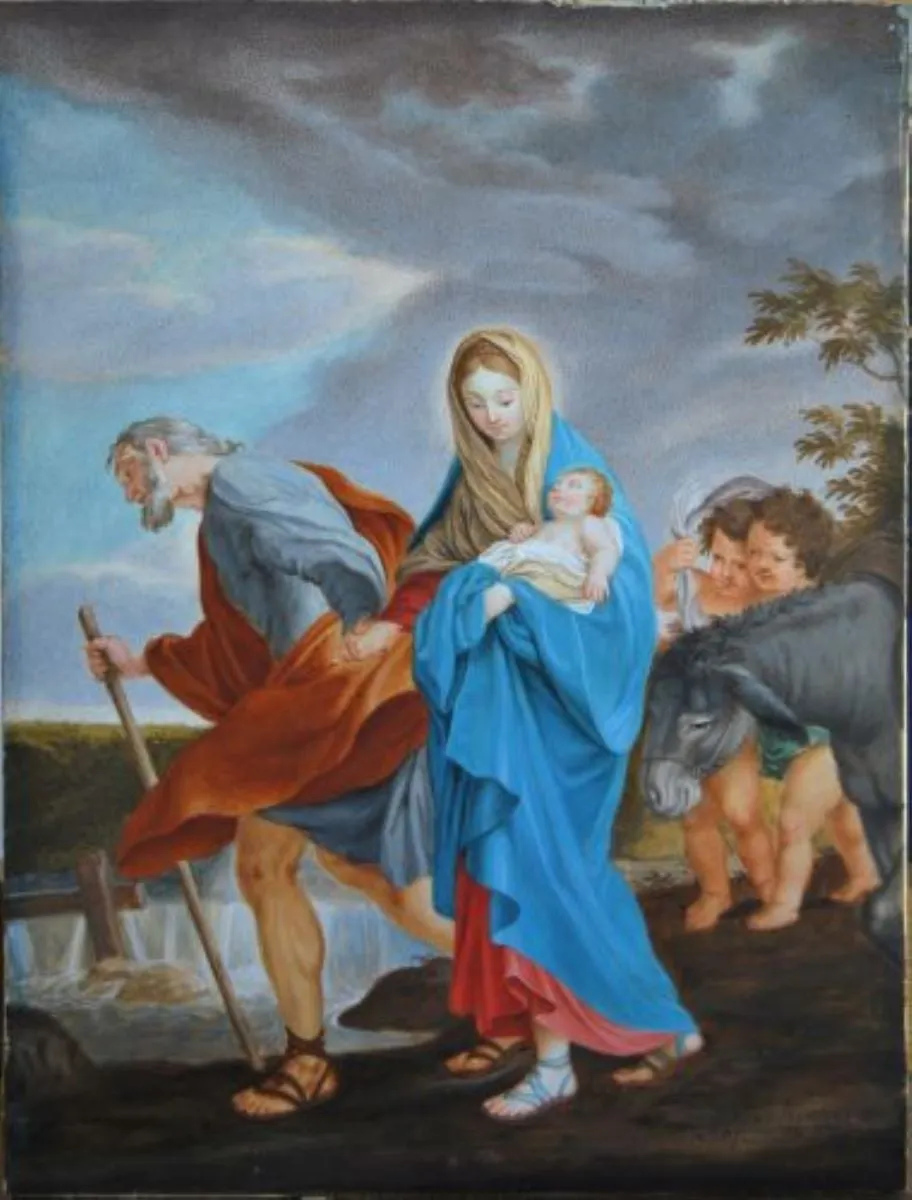
Fuga în Egipt is an unspecified painting by the Baroque artist Carlo Maratta. It is held in the collection of the Brukenthal National Museum.
About this work
Overview
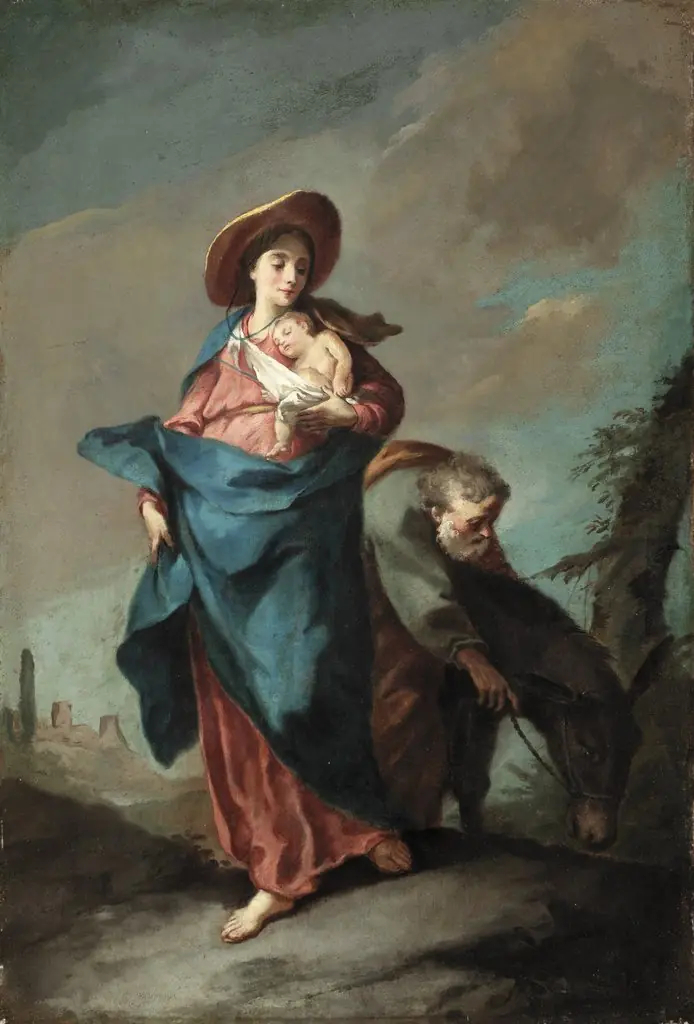
Carlo Maratta’s 1777 canvas titled Fuga în Egipt portrays a small group in motion, set against a sky mottled with clouds and a sparse woodland. The composition centers on a woman in a blue mantle cradling an infant, accompanied by a man in red holding a staff, two standing children, and a donkey positioned behind them. The scene conveys a sense of departure and travel.
Subject & Meaning
The figures represent the biblical Flight into Egypt, a narrative of refuge and exile. The woman, identified as the Virgin, safeguards the infant Jesus, while the man, Joseph, guides the procession with his staff. The presence of the donkey and the two older children underscores the familial aspect of the journey toward safety.
Technique & Style
Maratta employs chiaroscuro to model forms, using contrasts of light and shadow to generate depth and three‑dimensionality. The atmospheric perspective, achieved through softened edges in the distant trees and clouds, enhances the illusion of space, while the vivid reds and blues draw the eye to the central figures.
History & Provenance
Created in the late 18th century, the work reflects Maratta’s mature period, when he frequently revisited religious subjects. Documentation places the painting within his Roman workshop, though its subsequent ownership trail remains sparsely recorded, with the piece eventually entering a public collection.
Context
The painting emerges from a tradition of Baroque religious narrative, yet Maratta’s late style shows a restrained classicism, balancing dynamic movement with compositional calm. The motif of the Holy Family’s flight was popular among patrons seeking devotional imagery that emphasized piety and protection.
Legacy
Fuga în Egipt exemplifies Maratta’s skill in integrating narrative clarity with painterly technique. It continues to serve as a reference for scholars studying the transition from high Baroque exuberance to the more measured aesthetic of late 18th‑century Italian art.
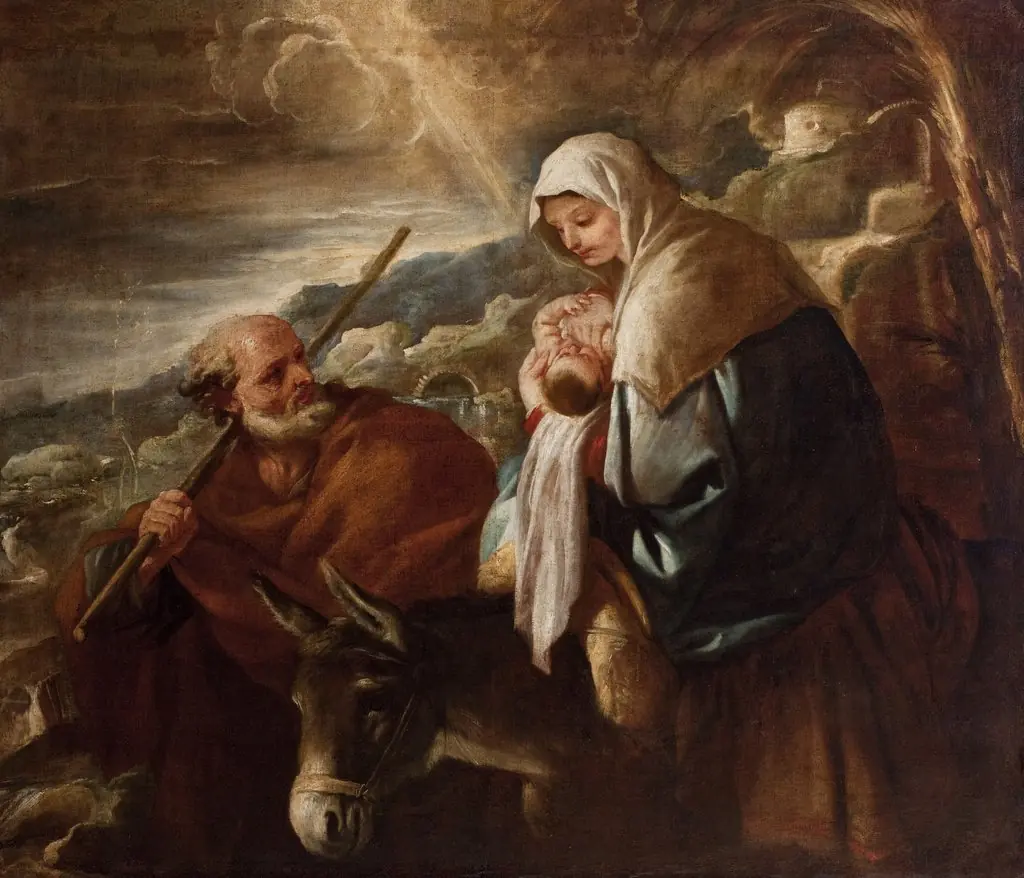
Artist & collection
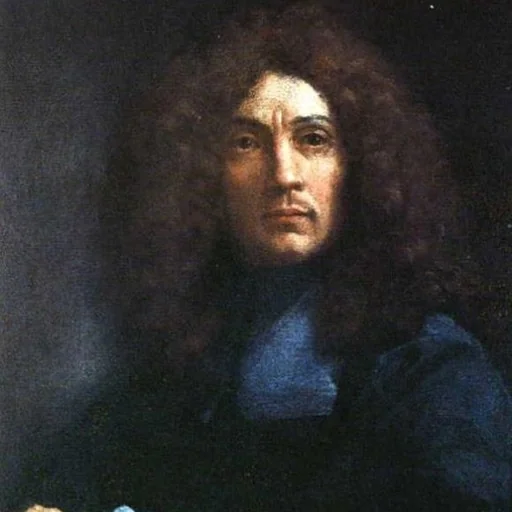
Artist
Carlo Maratta or Maratti (18 May 1625 – 15 December 1713) was an Italian Baroque painter and draughtsman, active principally in Rome where he was the leading painter in the second half of the 17th century.

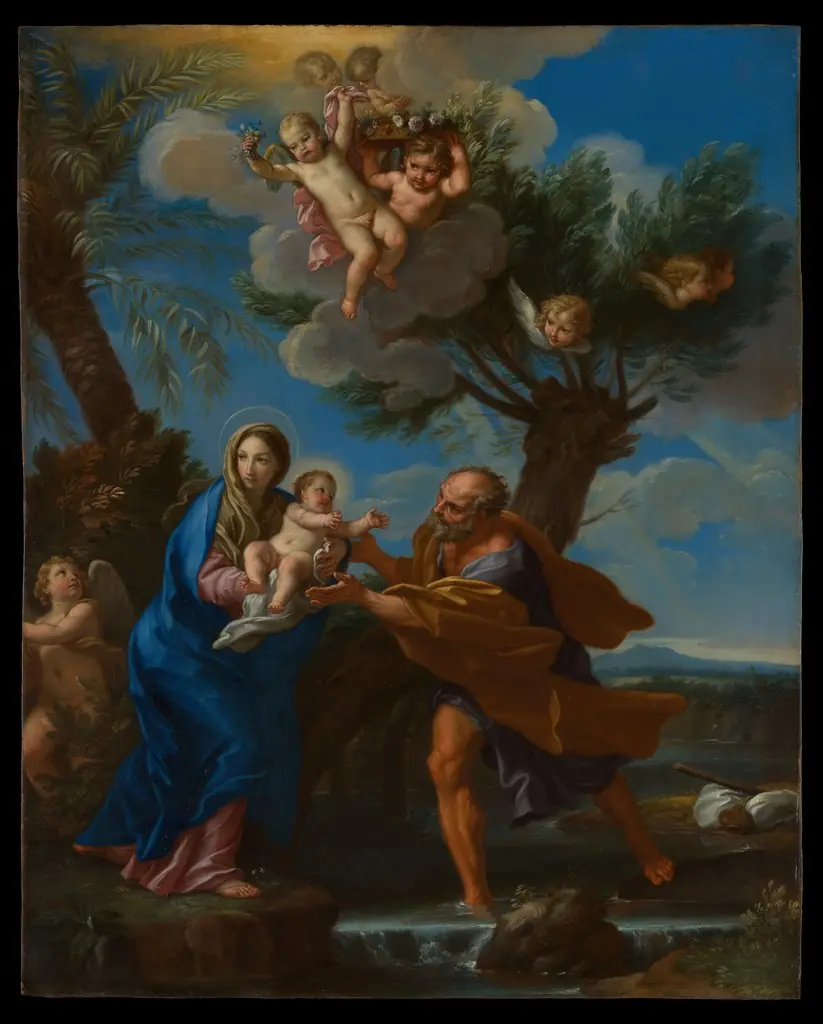
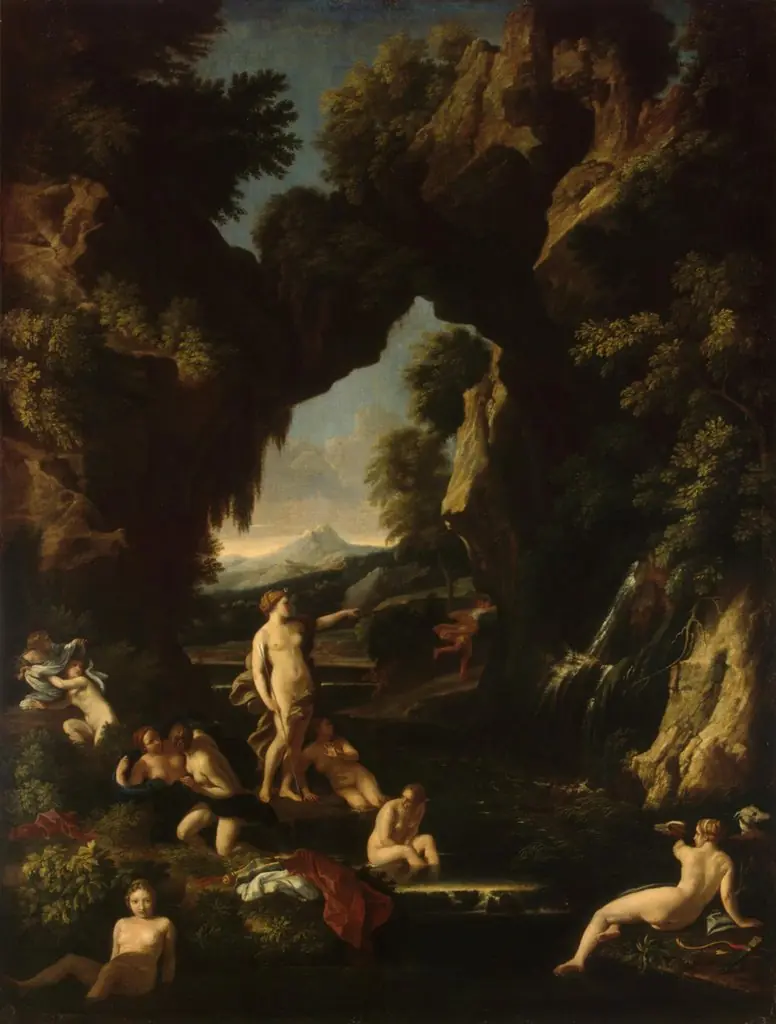
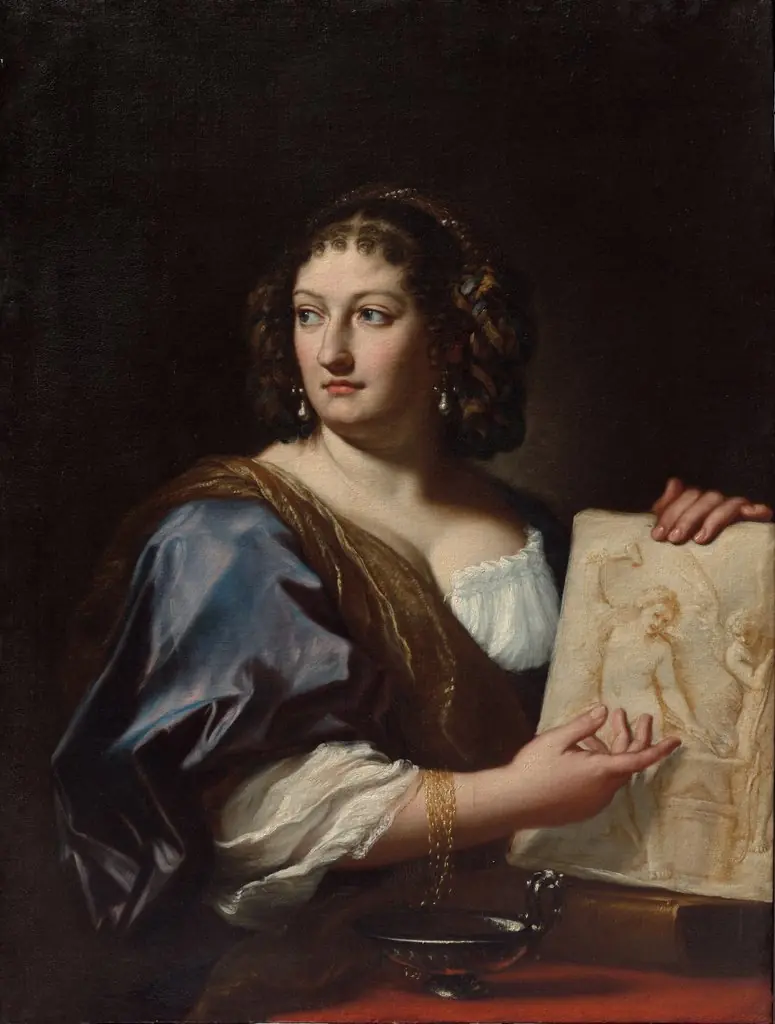
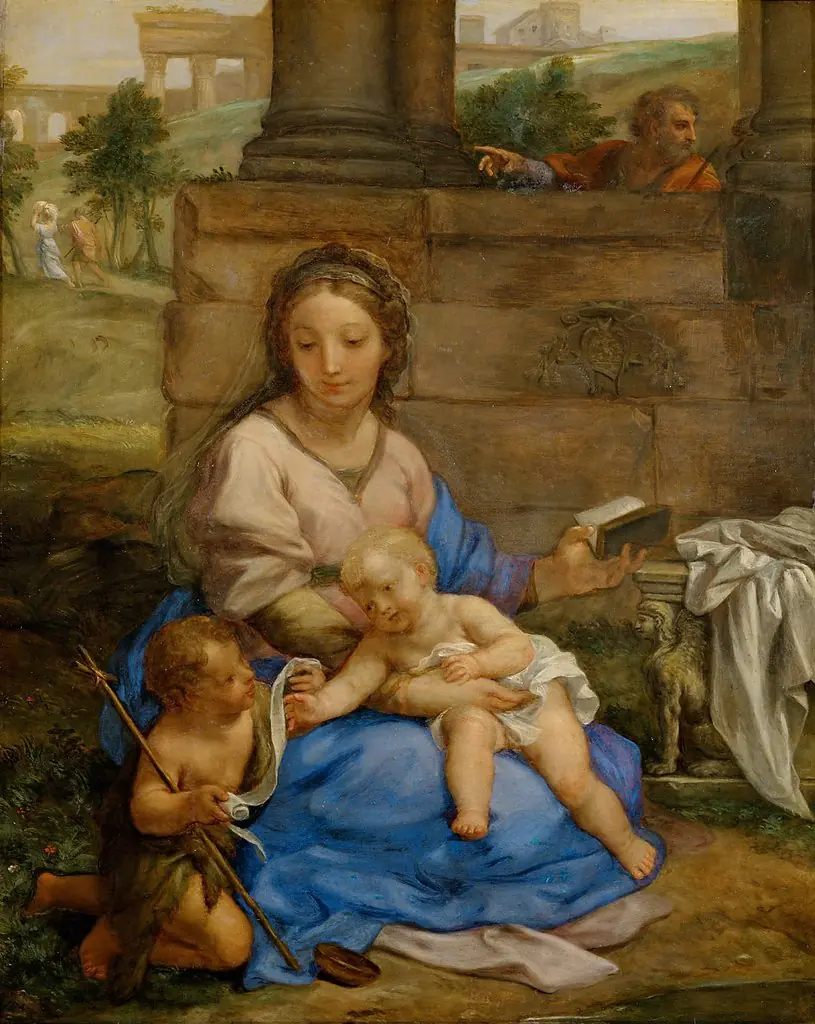
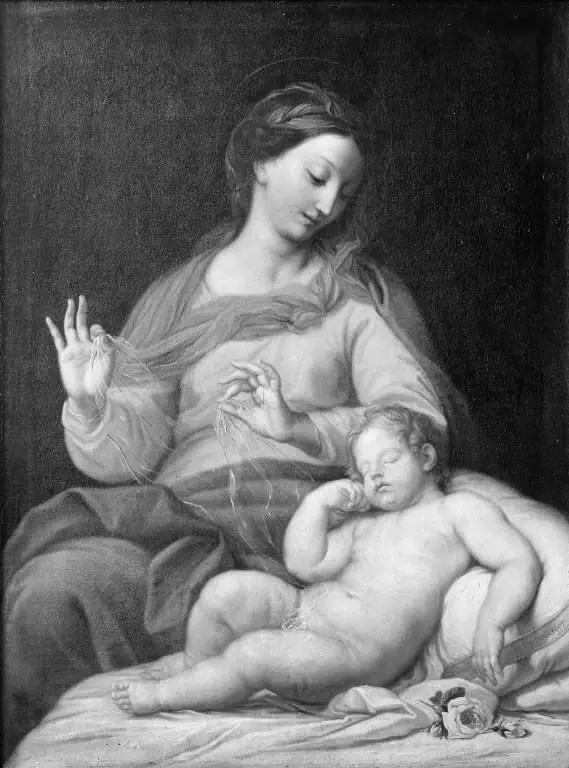
 The Flight into Egypt
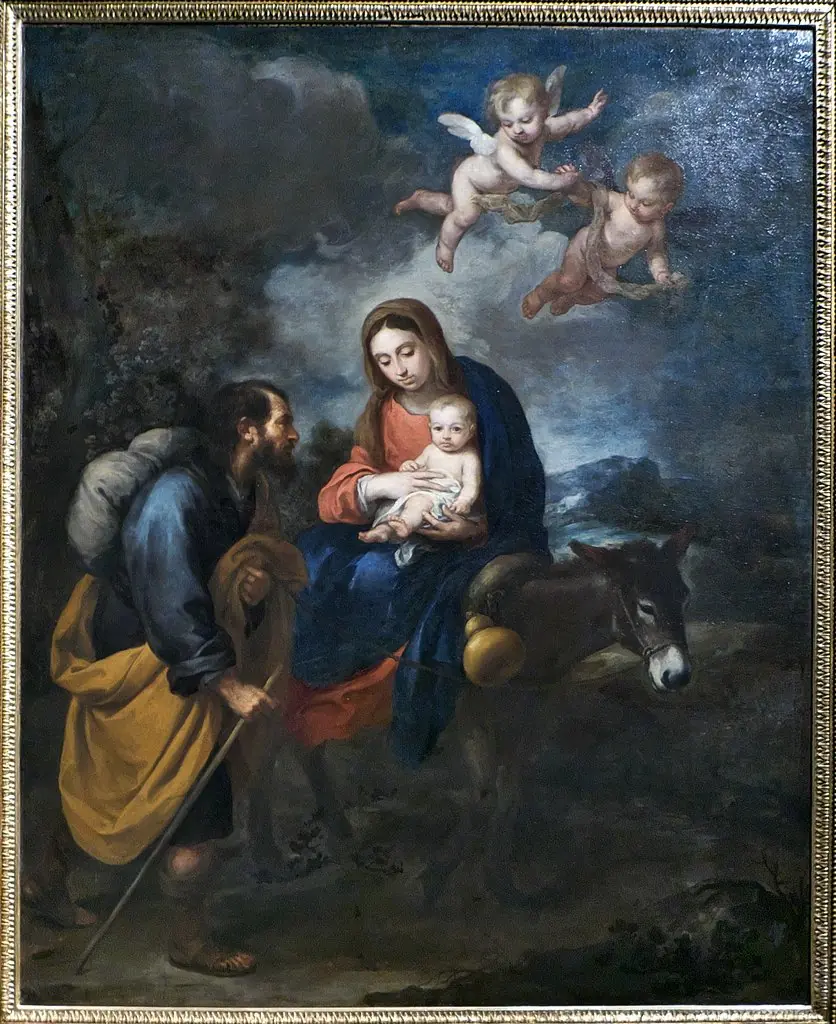 The Flight into Egypt
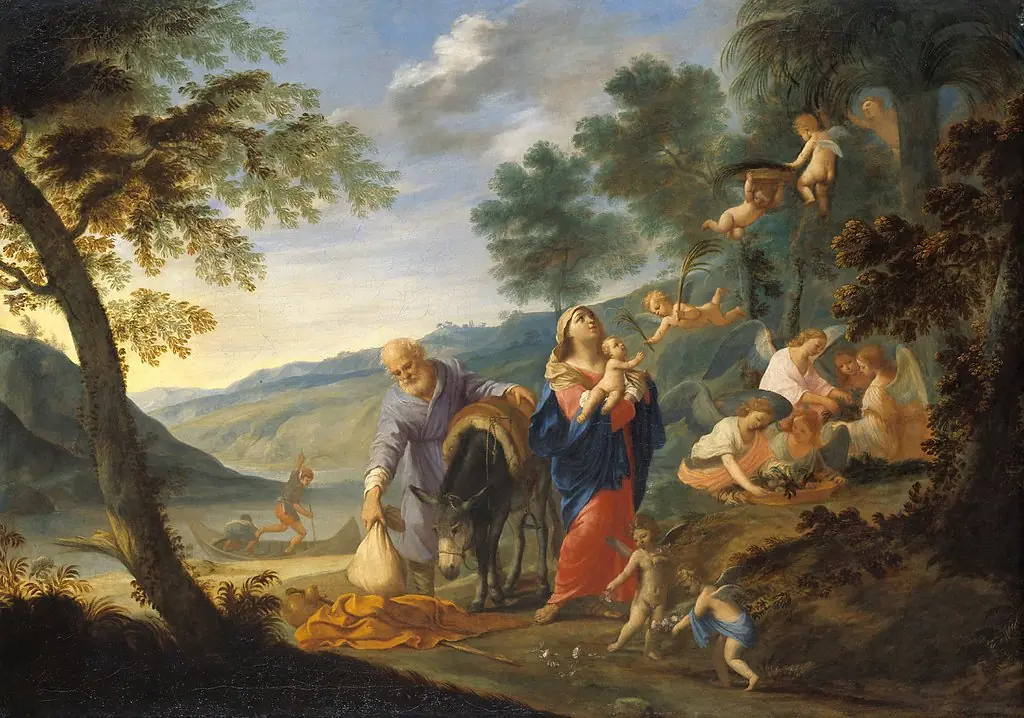 The Rest on the Flight into Egypt
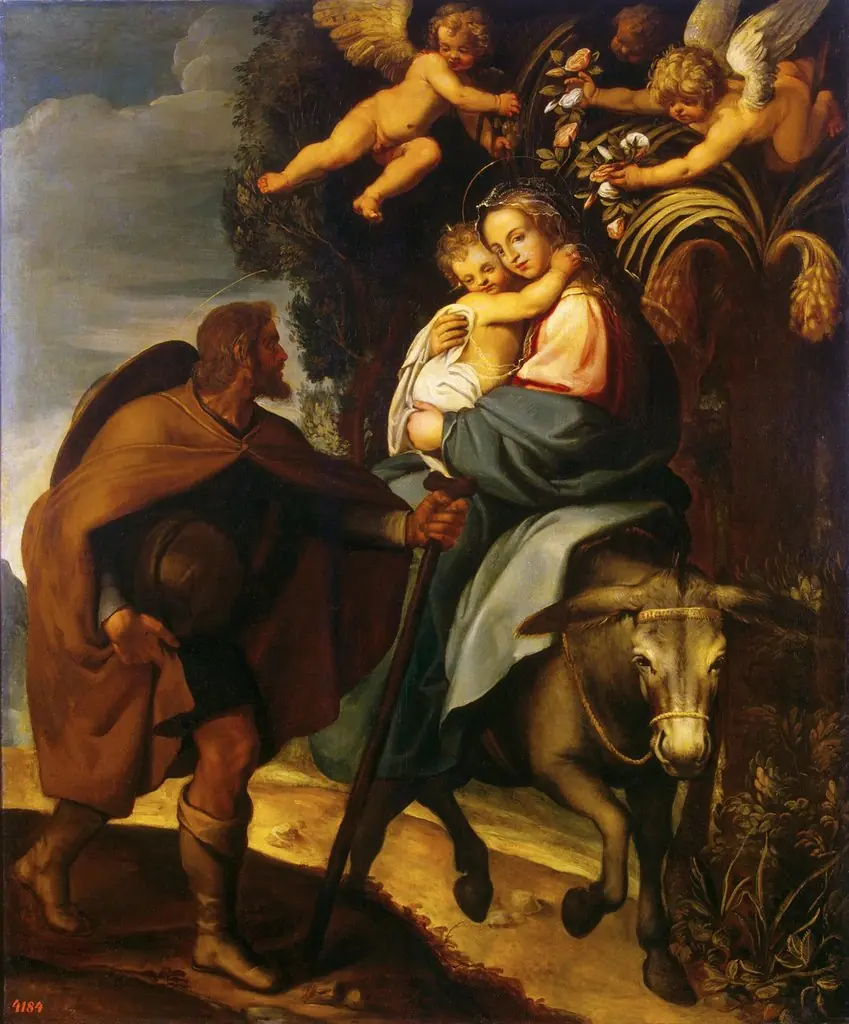 Flight into Egypt
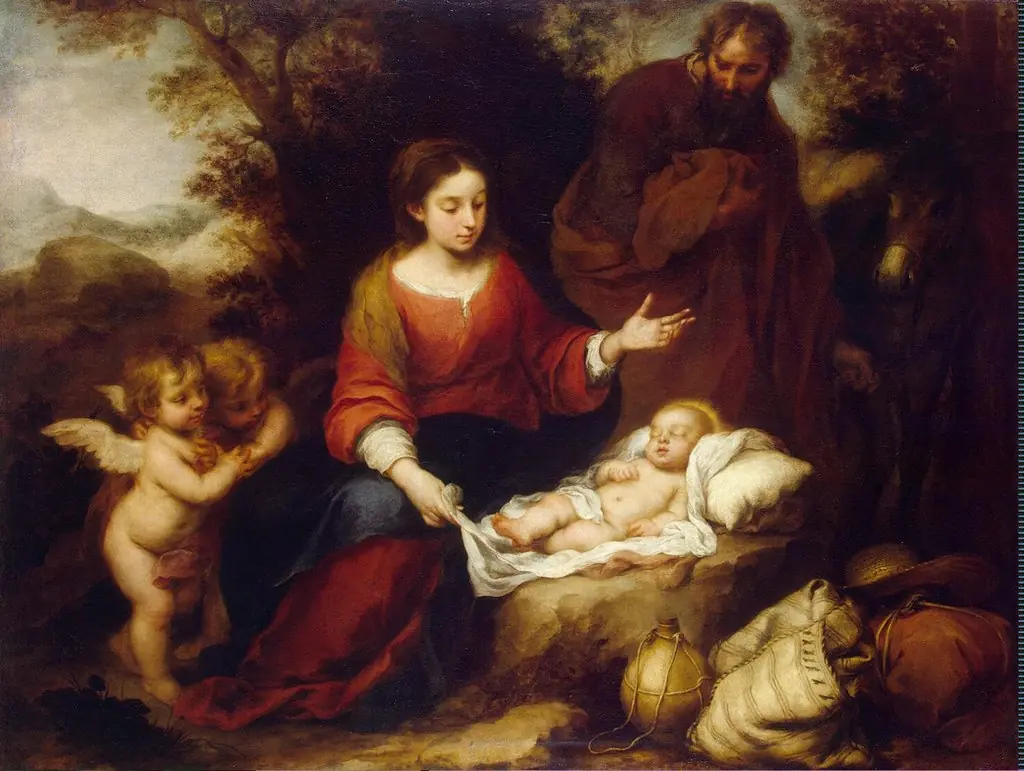 Rest on the Flight into Egypt
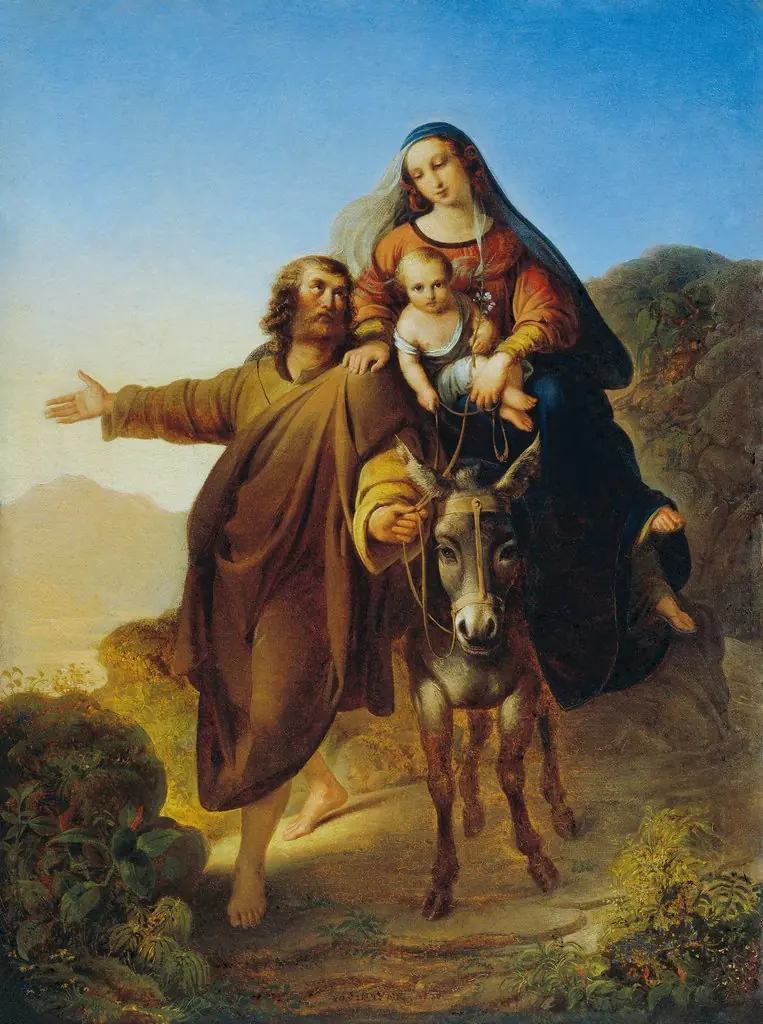 Flight into Egypt
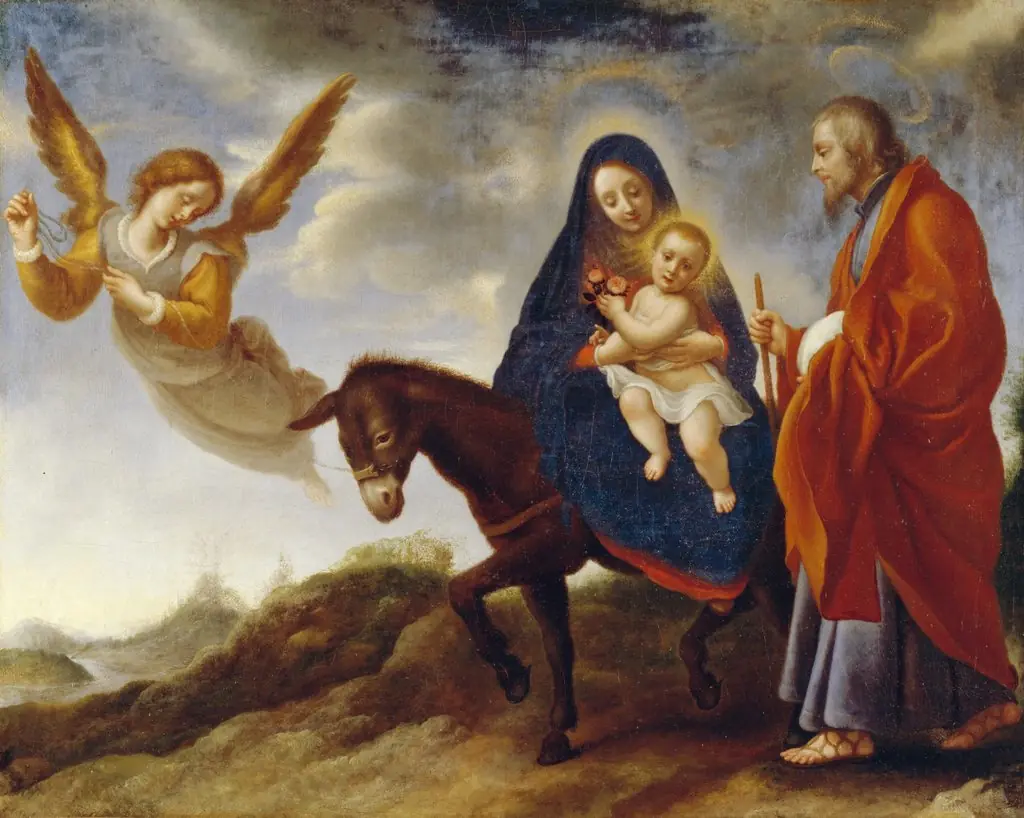 The Flight into Egypt
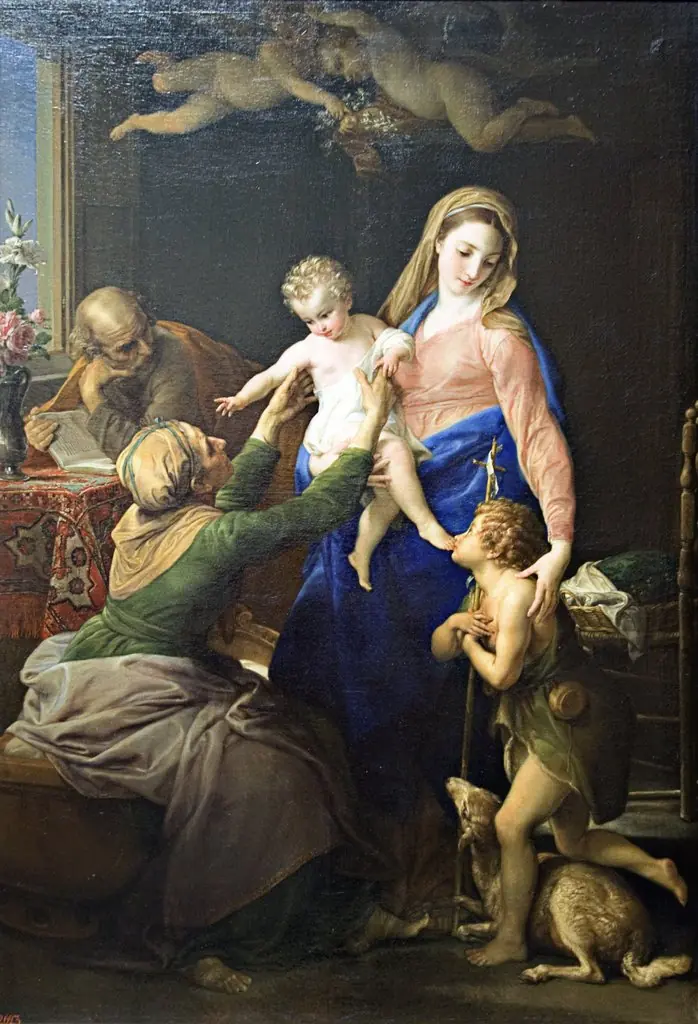 Holy Family with Sts Elizabeth and John the Baptist
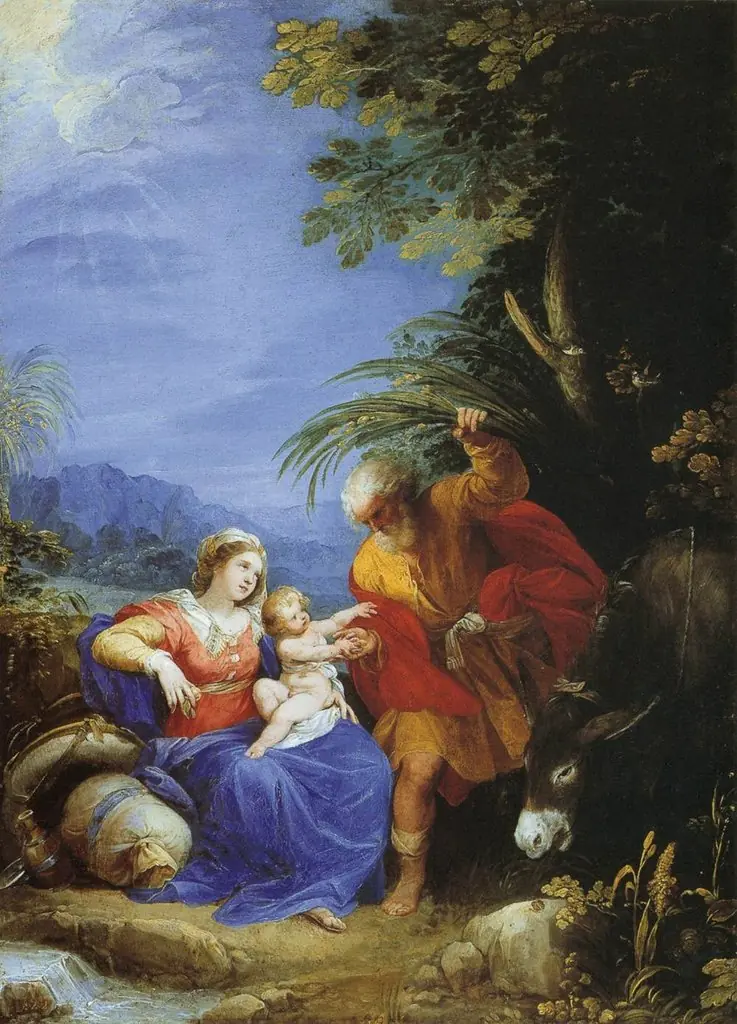 Rest on the Flight into Egypt
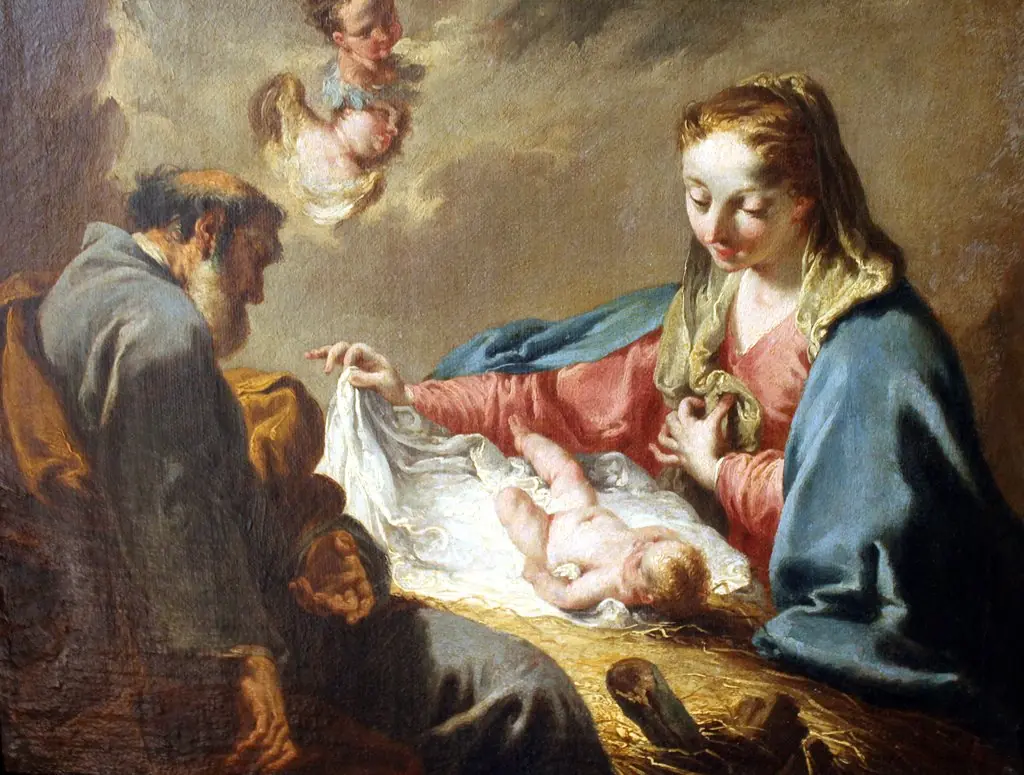 The Nativity
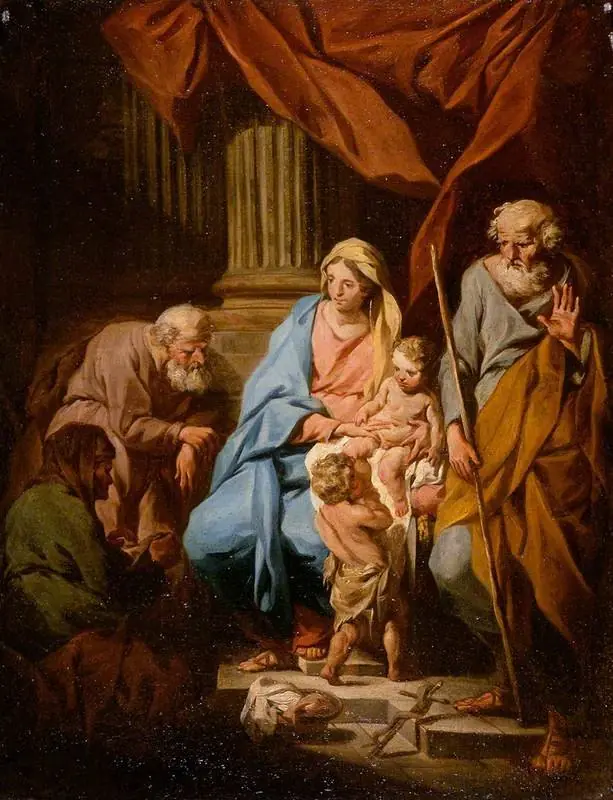 The Holy Family with Saints Elisabeth and Zaccharias and the Infant Saint John
- Flight into Egipt