Artwork
Château Noir
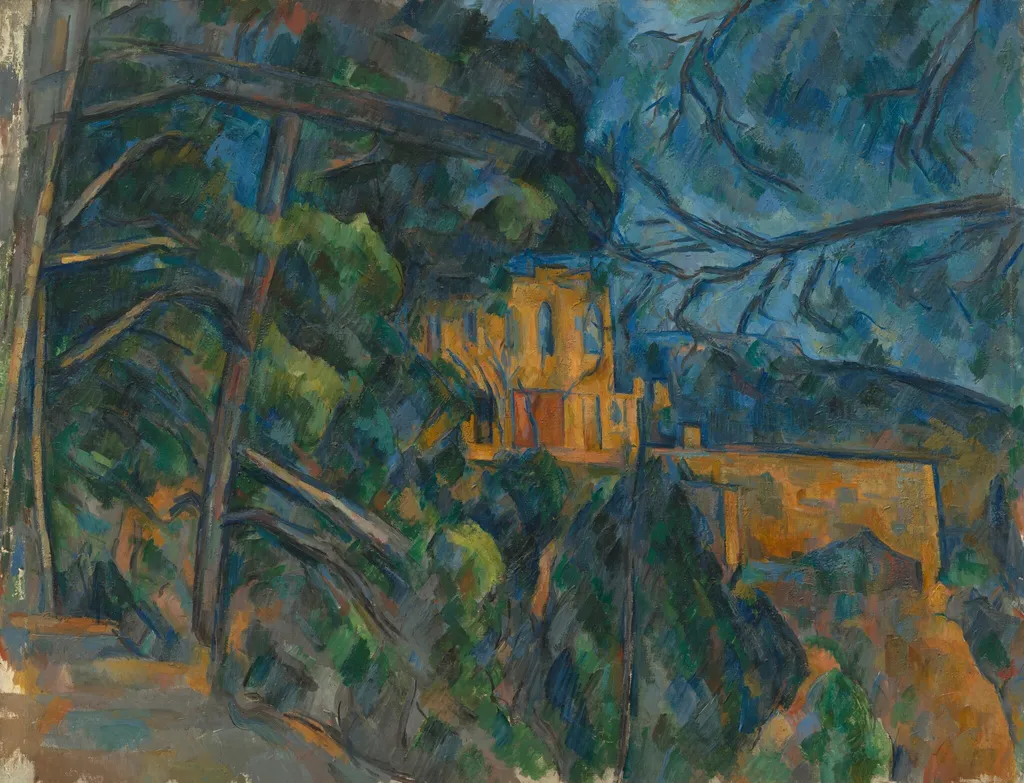
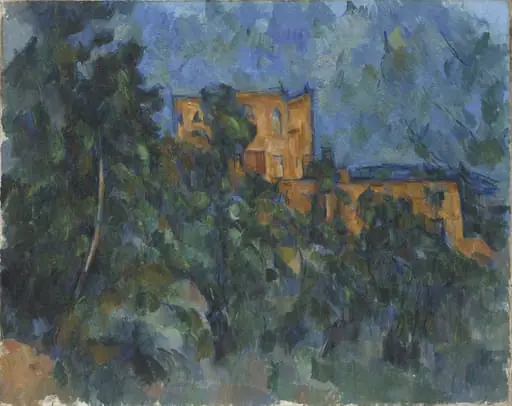
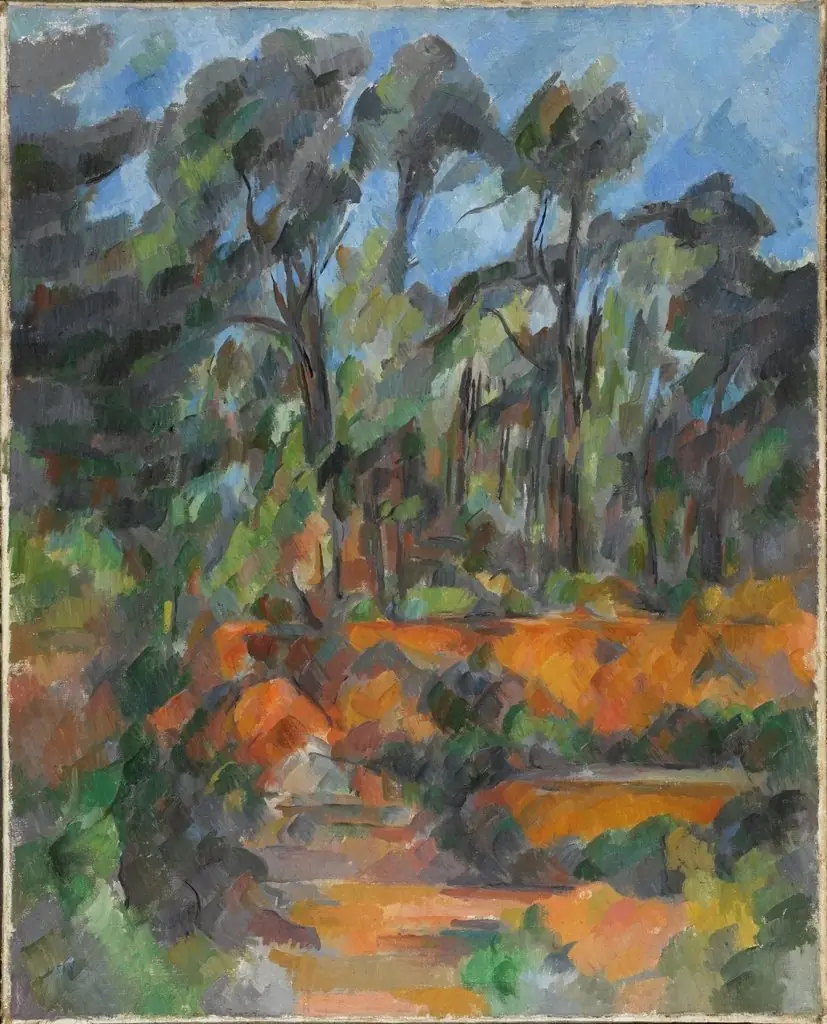
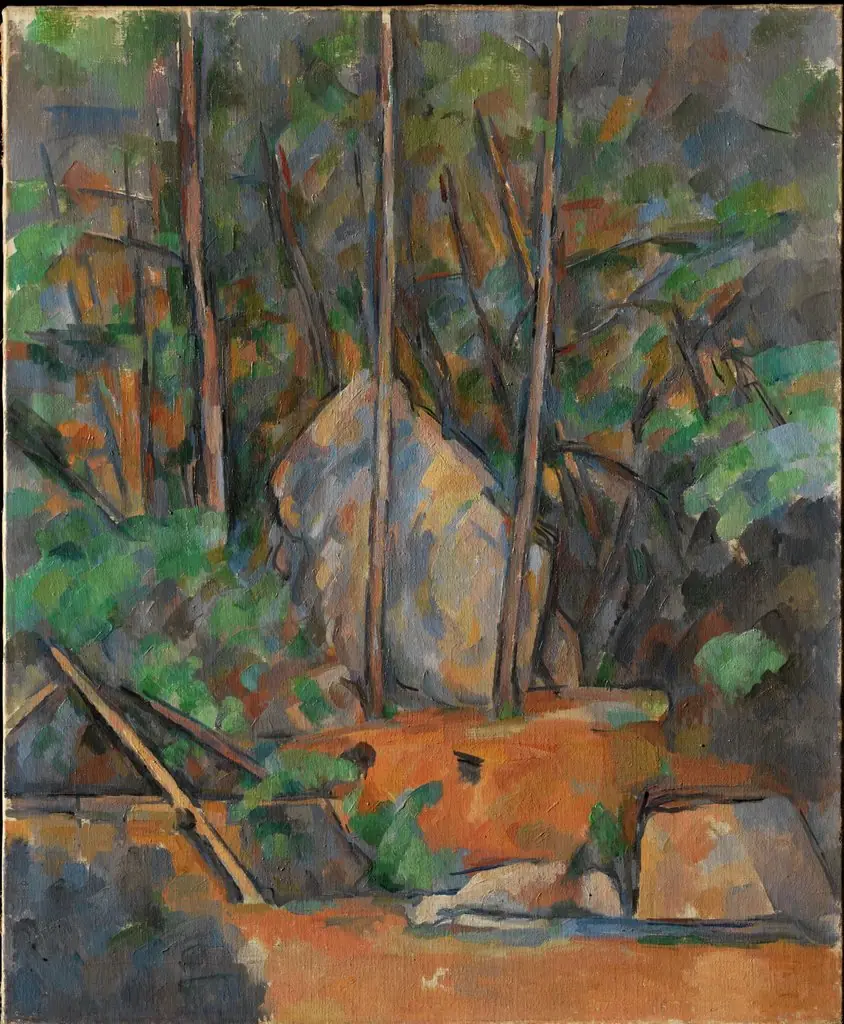
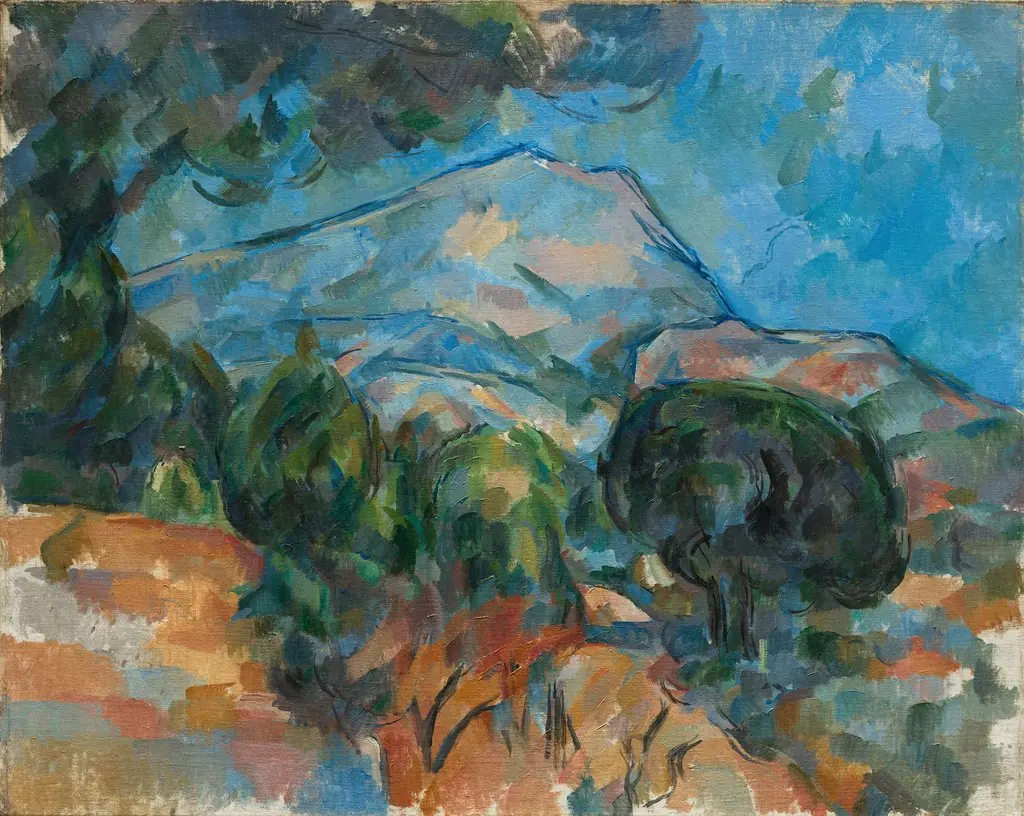
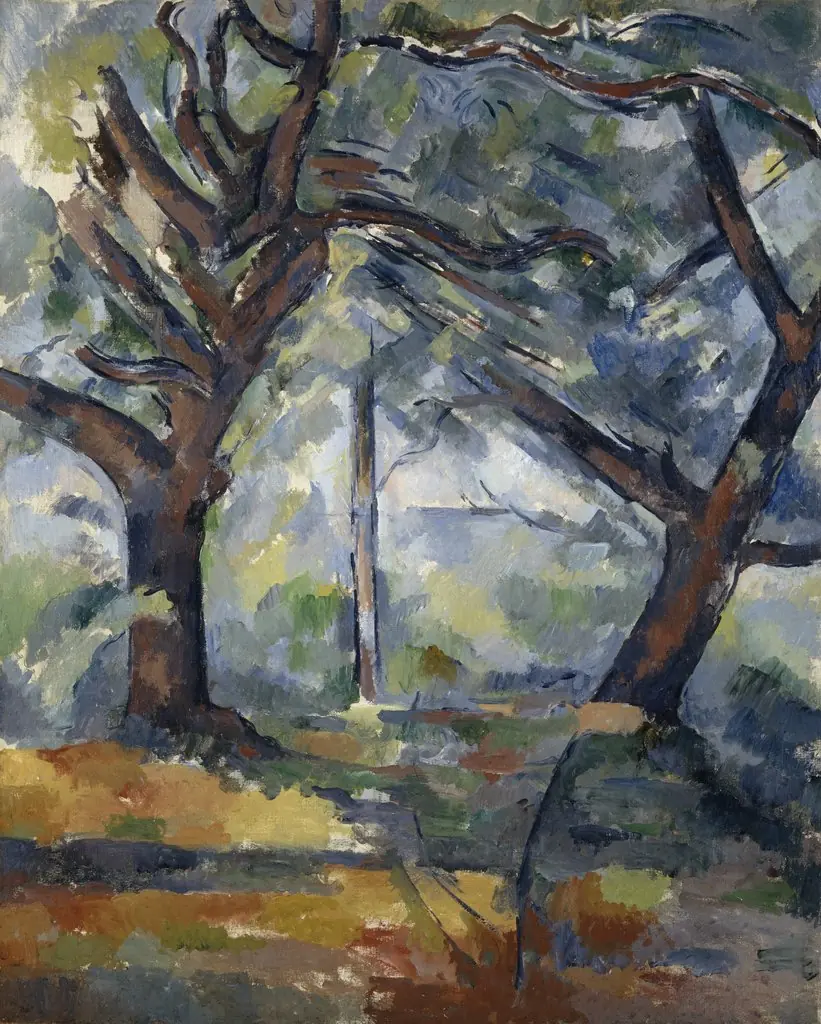
Château Noir is an oil painting by the Post-Impressionist artist Paul Cézanne. It dates from 1902 and is held in the collection of the National Gallery of Art.
About this work
Subject & Meaning
The painting emphasizes the underlying geometric organization of nature rather than explicit narrative or allegorical content.
Paul Cézanne's Château Noir (1902) is a landscape painting depicting trees before the ruined château of that name east of Aix-en-Provence, a site the artist visited repeatedly in his late career. The work belongs to an extended series in which Cézanne returned to the same motif under varying light, using the dark stonework and dense pine trees as a vehicle for his structural investigation of form and color. The painting emphasizes the underlying geometric organization of nature rather than explicit narrative or allegorical content.
Technique & Style
Château Noir is an oil painting on canvas, measuring approximately 73.7 × 96.6 cm. The work was created by Paul Cézanne in 1902 using oil on canvas, a medium characteristic of his mature landscape practice. Stylistically, the composition emphasizes a structured arrangement of planar forms, with trees and stonework rendered through modulated color and clear geometric delineation, reflecting Cézanne's interest in the underlying organization of natural motifs. Spatial depth is achieved through color shifts rather than linear perspective, anticipating the formal concerns of early twentieth-century modernism.
History & Provenance
Paul Cézanne completed Château Noir in 1902. The work entered the market in 1907 when it was acquired by dealer Ambroise Vollard, who subsequently sold it to collector Marius de Zayas. In 1921 Edward Steichen purchased the painting on behalf of Eugene Meyer and his wife Agnes Ernst Meyer, placing it in their New York and Washington, D.C., residences.
The Meyers lent the work to the 1921 Loan Exhibition of Impressionist and Post-Impressionist Paintings at the Metropolitan Museum of Art. In 1958, the couple gifted the canvas to the National Gallery of Art in Washington, D.C., where it remains in the collection.
Overview
Paul Cezanne's oil on canvas painting, titled Château Noir, was created in 1902. This landscape depicts a dark, secluded house enveloped by a cluster of trees. The work represents a characteristic exploration of natural forms and architectural structures from the artist's later career, focusing on the interplay of light and shadow within a specific locale.
Own this work as a print
Artist & collection

Artist
Paul Cézanne ( say-ZAN, UK also siz-AN, US also say-ZAHN; French: ; Occitan: Pau Cesana; 19 January 1839 – 22 October 1906) was a French Post-Impressionist painter whose work introduced new modes of representation,…

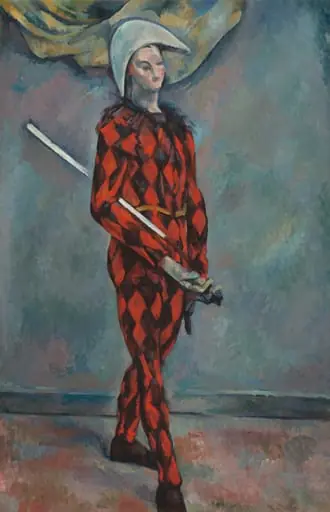 Harlequin
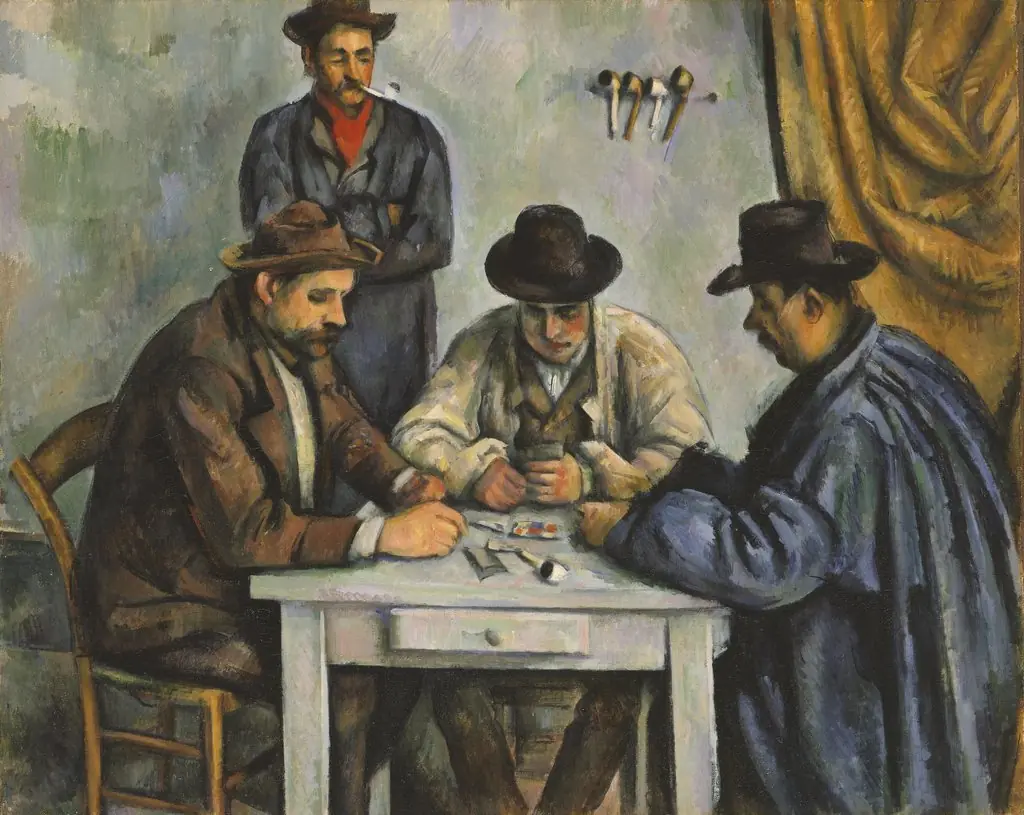 The Card Players
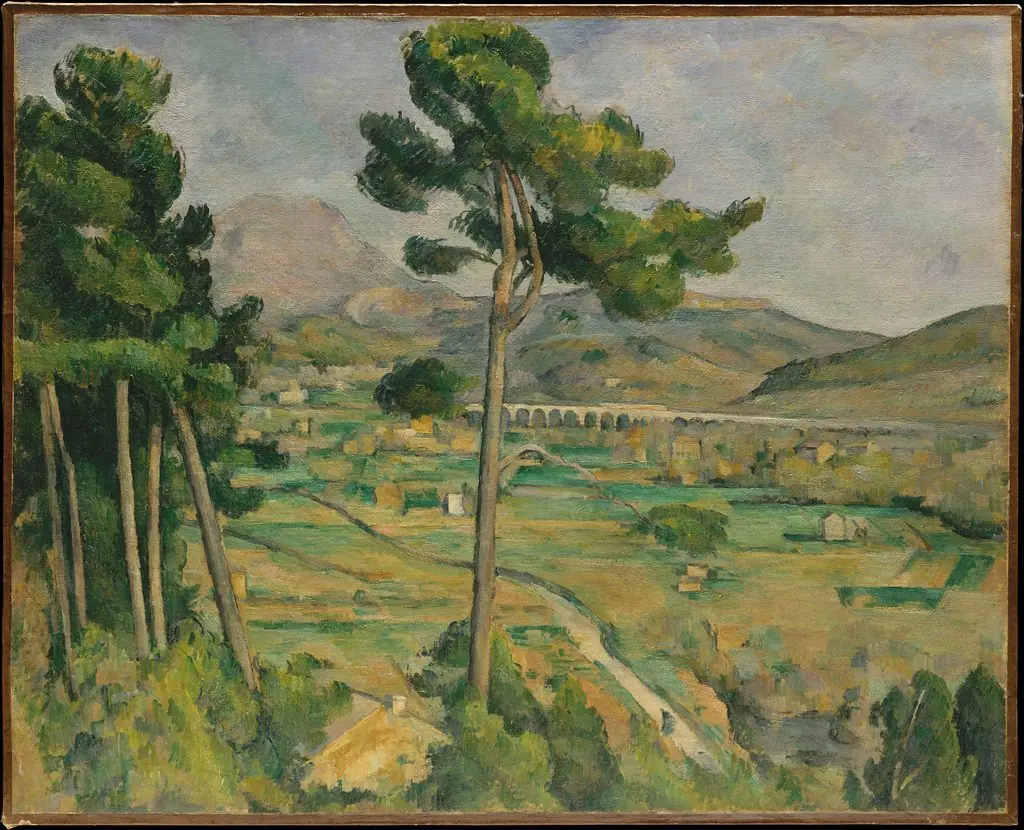 Mont Sainte-Victoire and the Viaduct of the Arc River Valley
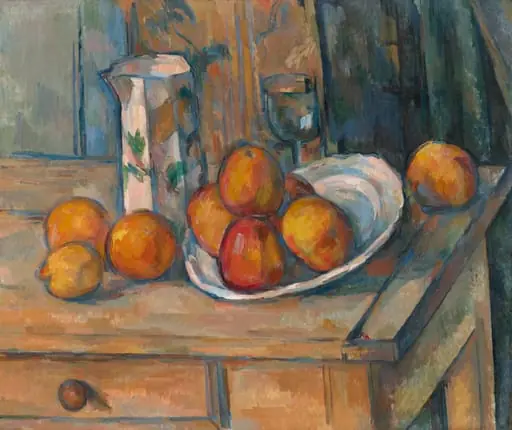 Still Life with Milk Jug and Fruit
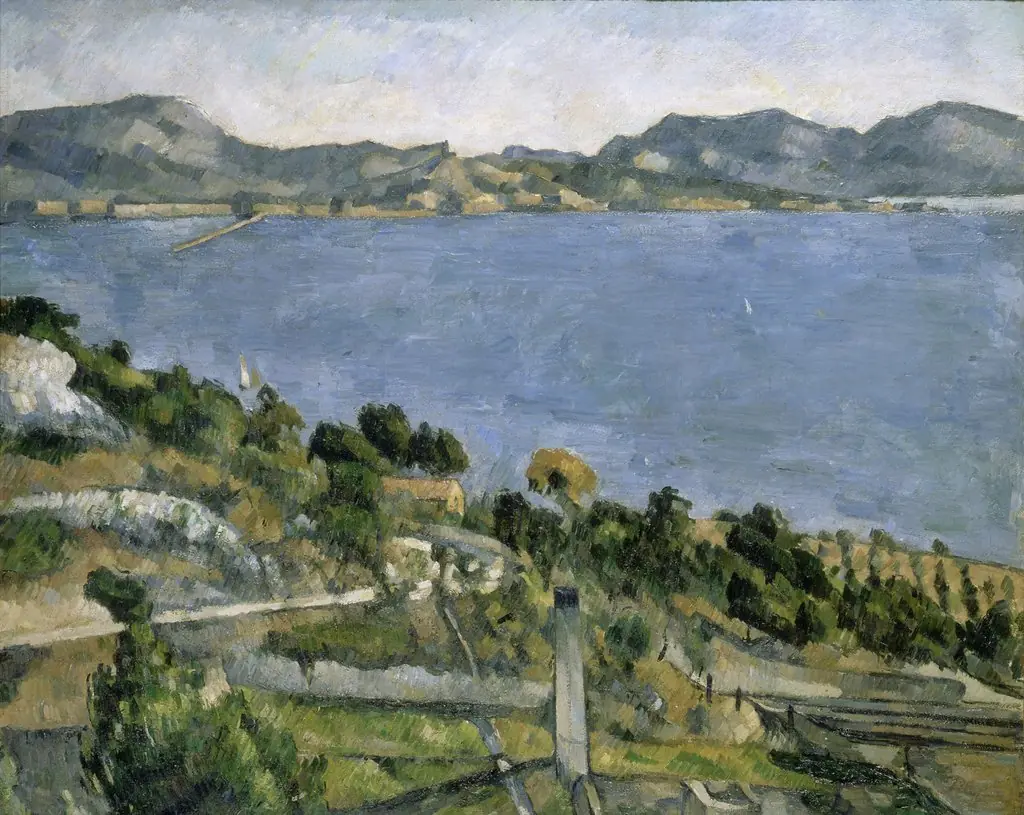 Le Golfe de Marseille vu de l'Estaque (The Gulf of Marseille Seen from L'Estaque)
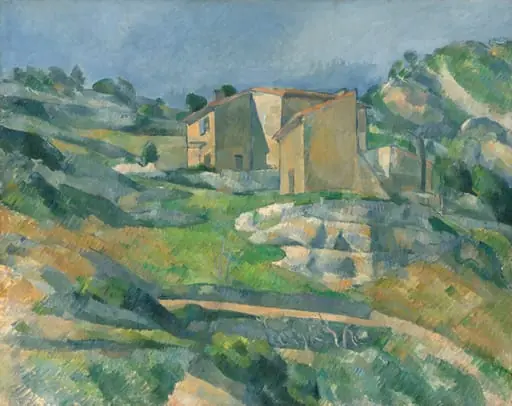 Houses in Provence: The Riaux Valley near L'Estaque
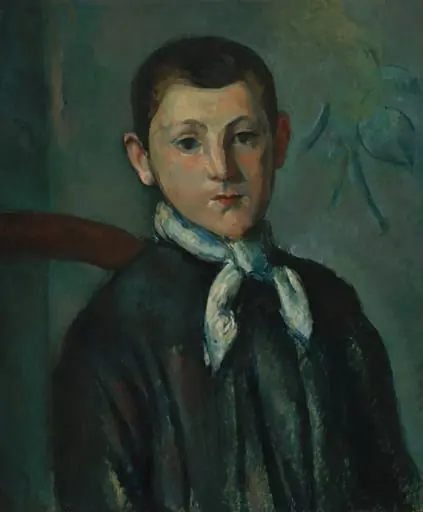 Louis Guillaume
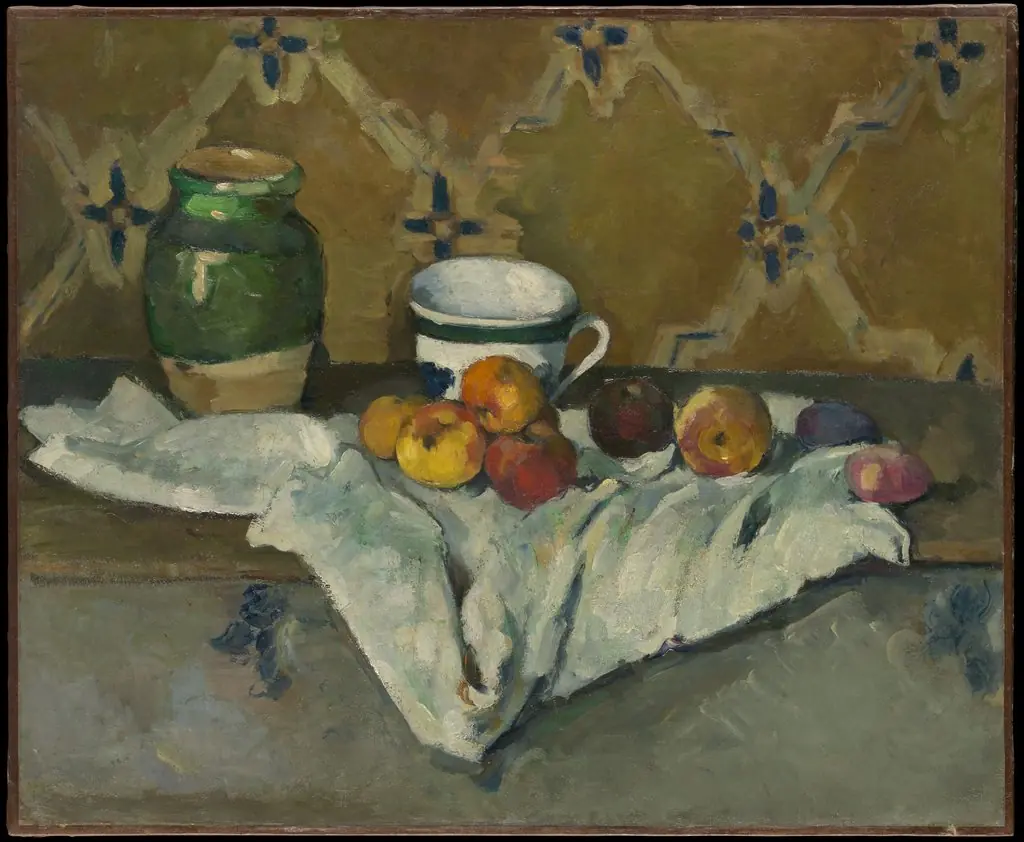 Still Life with Jar, Cup, and Apples