Artwork
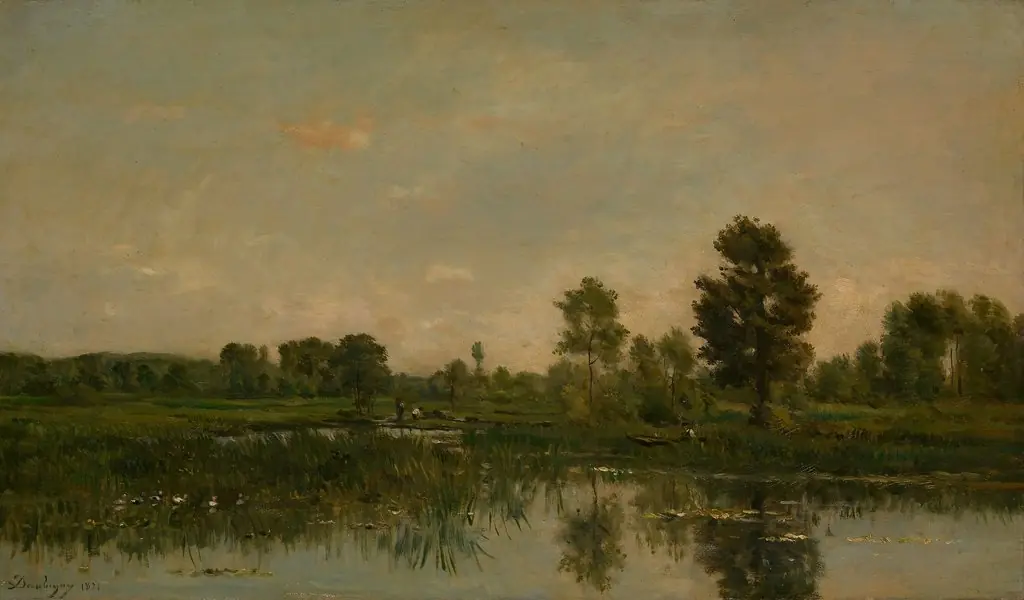
Rising Ground Near Villeneuve-St. Georges
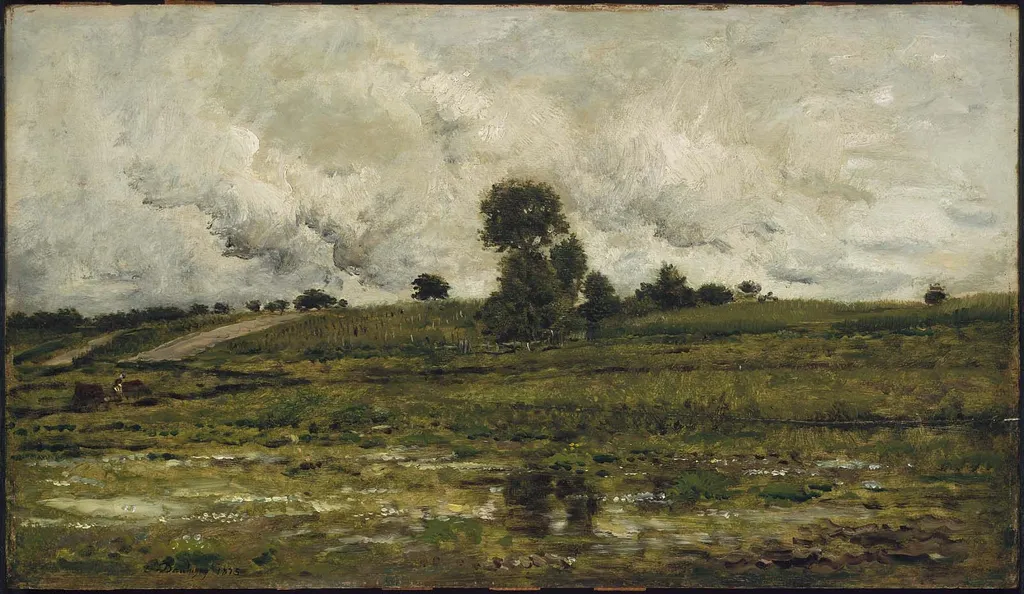
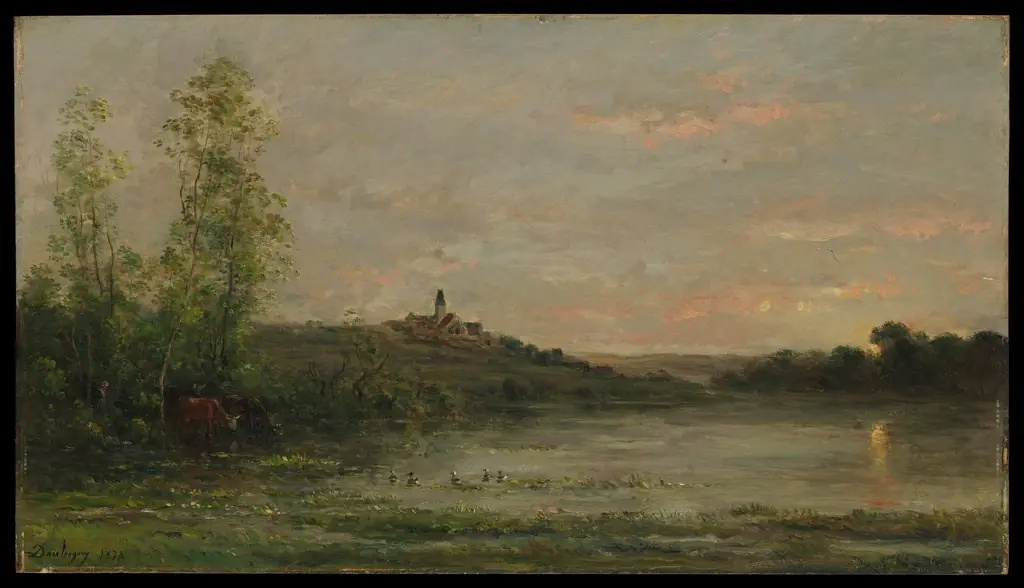
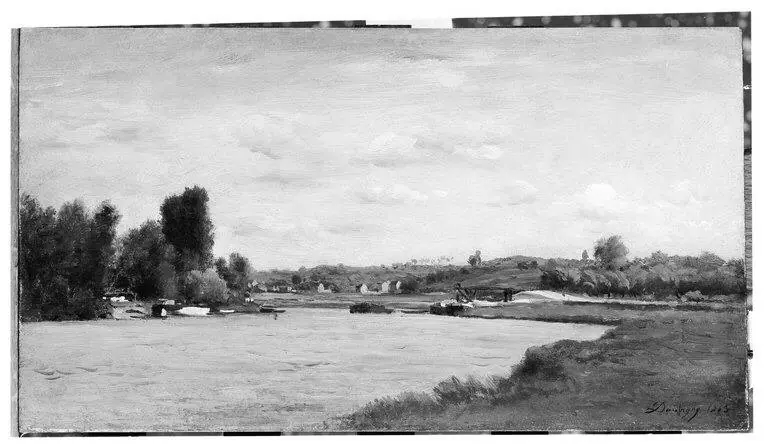
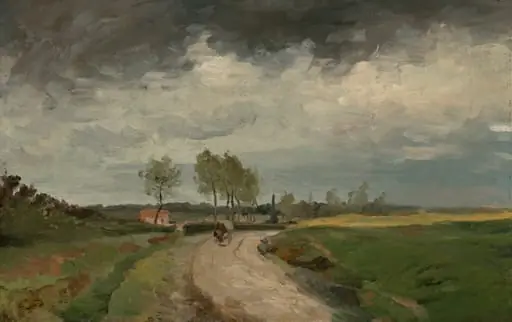
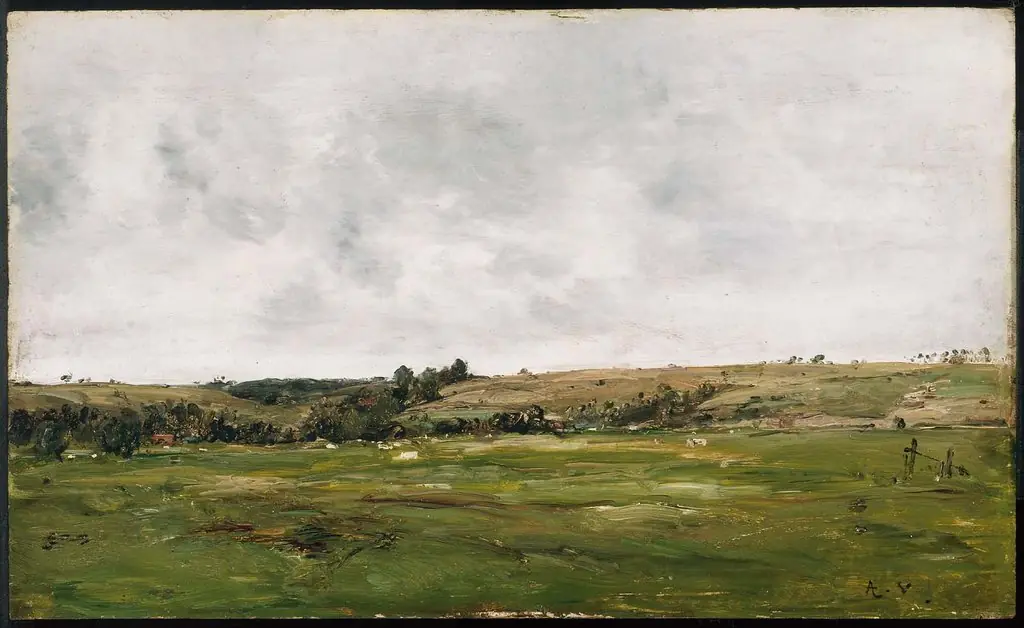
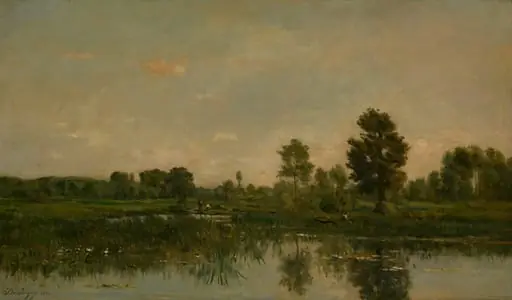
Rising Ground Near Villeneuve-St. Georges is an unspecified painting by the Plein Air artist Charles François Daubigny. It dates from 1875 and is held in the collection of the Museum of Fine Arts Boston. Painted in 1875, Rising Ground Near Villeneuve-St.
About this work
Overview
Georges is a landscape by Charles-François Daubigny, a key figure in the Barbizon school.
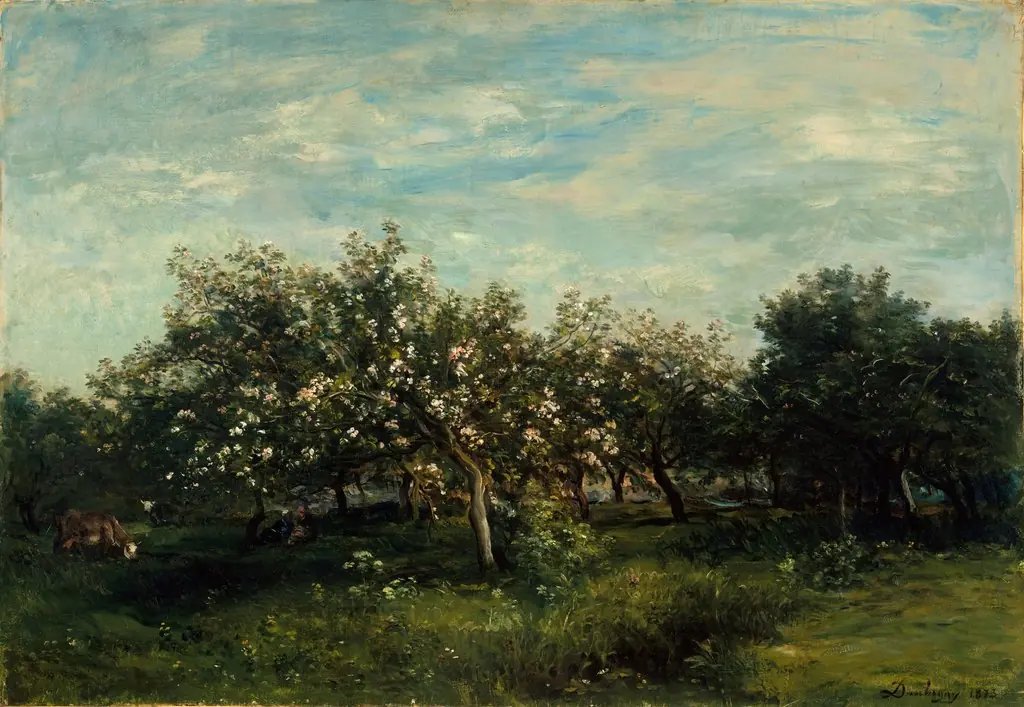
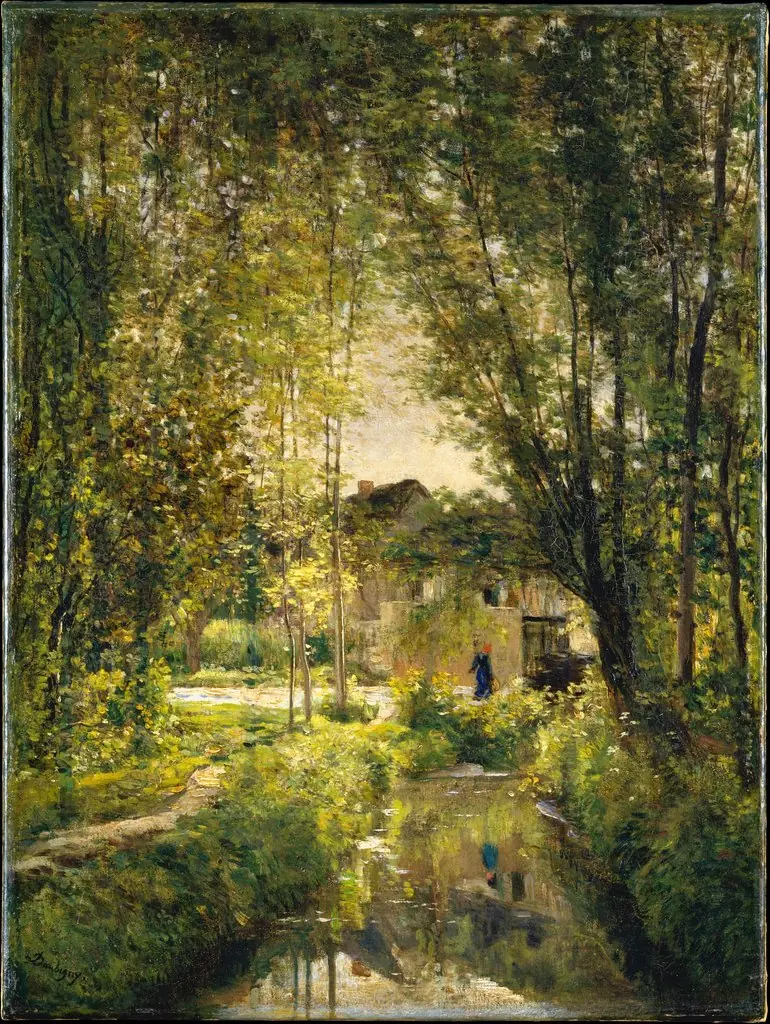
Painted in 1875, Rising Ground Near Villeneuve-St. Georges is a landscape by Charles-François Daubigny, a key figure in the Barbizon school. Executed outdoors, the work reflects his commitment to direct observation of nature. Its quiet composition and attentive rendering of light align with his broader practice of capturing transient atmospheric conditions, a method that preceded and influenced later Impressionist approaches.
Subject & Meaning
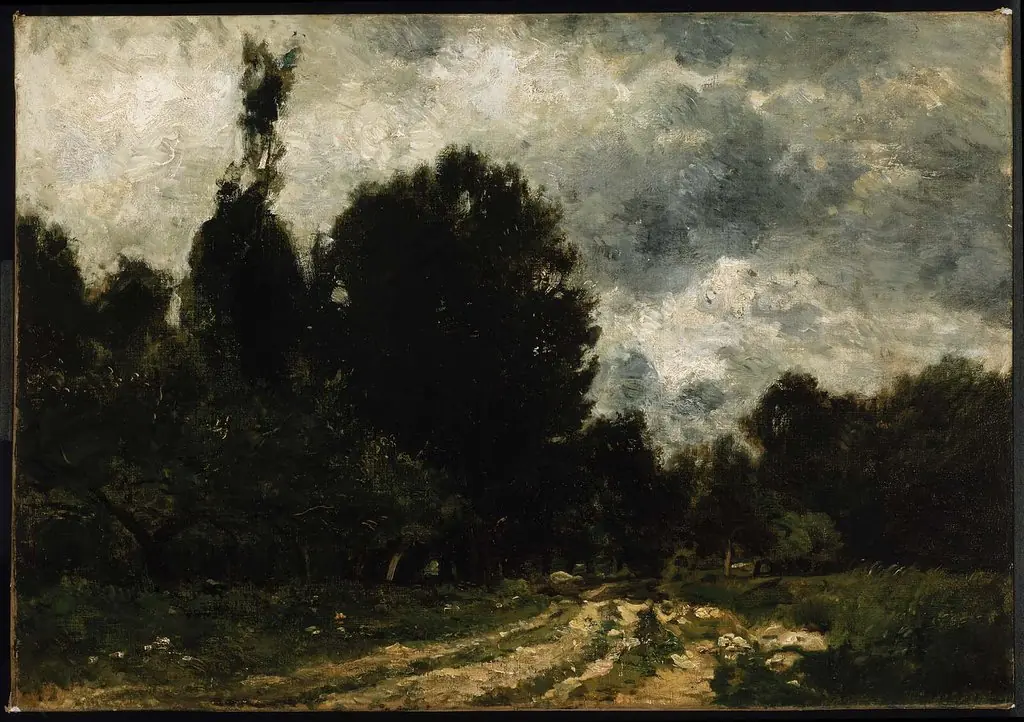
The scene portrays a gently sloping field near Villeneuve-St. Georges, with a winding path leading the eye toward distant trees and a soft, cloud-filled sky. There is no human presence, and the focus remains on the land’s quiet rhythm. The painting conveys a sense of stillness and continuity, emphasizing nature’s subtle transformations over time rather than dramatic narrative or symbolism.
Technique & Style
Daubigny applied paint with loose, deliberate brushwork, building texture through layered strokes that suggest the movement of wind and the density of vegetation. His palette favors muted earth tones and pale blues, harmonizing with the overcast light. The technique prioritizes sensory immediacy over detail, allowing the atmosphere to emerge through tone and rhythm rather than precise definition.
History & Provenance
Created during the final decade of Daubigny’s life, the painting entered the collection of the Museum of Fine Arts, Boston, where it remains today. While its exact acquisition history is not widely documented, its presence in the museum reflects early 20th-century American interest in French landscape painting and Daubigny’s role as a bridge between Realism and Impressionism.
Context
In the 1870s, Daubigny was part of a generation of artists who rejected studio-based idealization in favor of painting directly from nature. His frequent travels along the Seine and its tributaries, including the area near Villeneuve-St. Georges, provided recurring subjects. This work aligns with contemporaneous efforts by artists like Corot and Monet to record the effects of light and weather with increasing spontaneity.
Legacy
Daubigny’s commitment to plein air painting and his emphasis on atmospheric effect helped lay groundwork for Impressionism. Though less celebrated than his younger peers, his approach to landscape, unembellished, observational, and emotionally resonant, remains a quiet but significant contribution to the evolution of modern painting in France.
Artist & collection
Artist
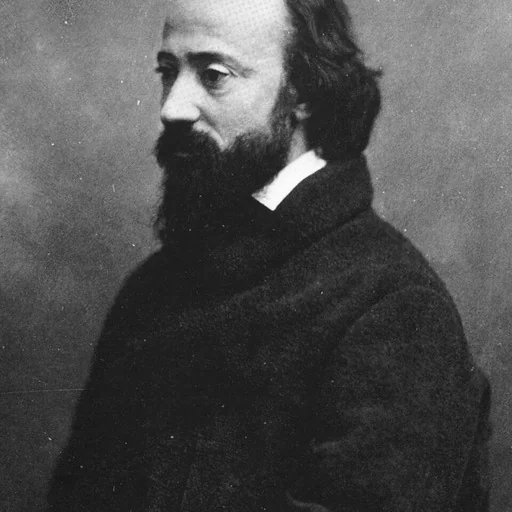
Charles-François Daubigny ( DOH-bin-yee, US: DOH-been-YEE, doh-BEEN-yee, French:; 15 February 1817 – 19 February 1878) was a French painter, one of the members of the Barbizon school, and is considered an important precursor of…