Artwork
Italian Landscape
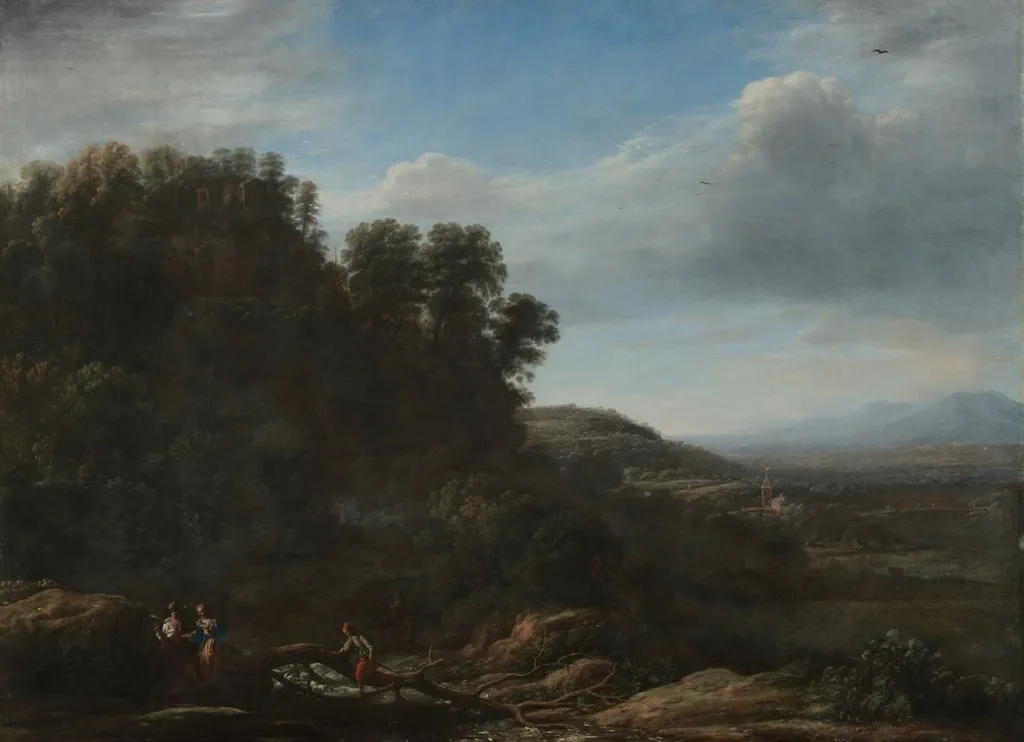
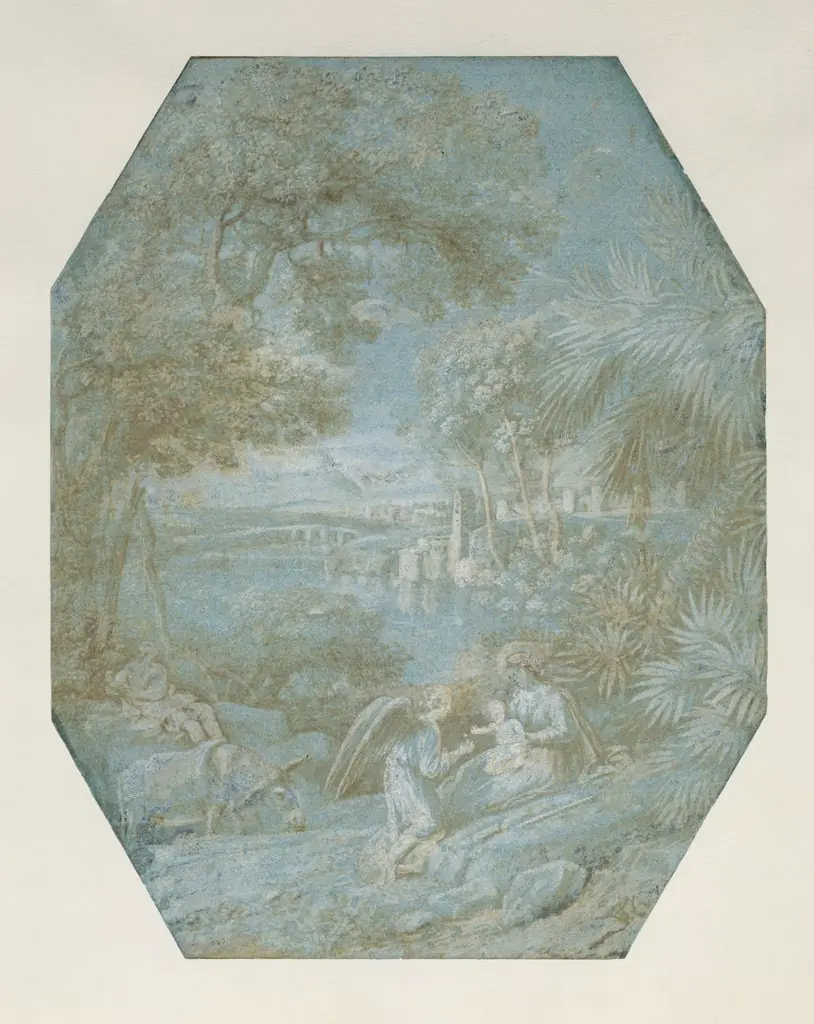
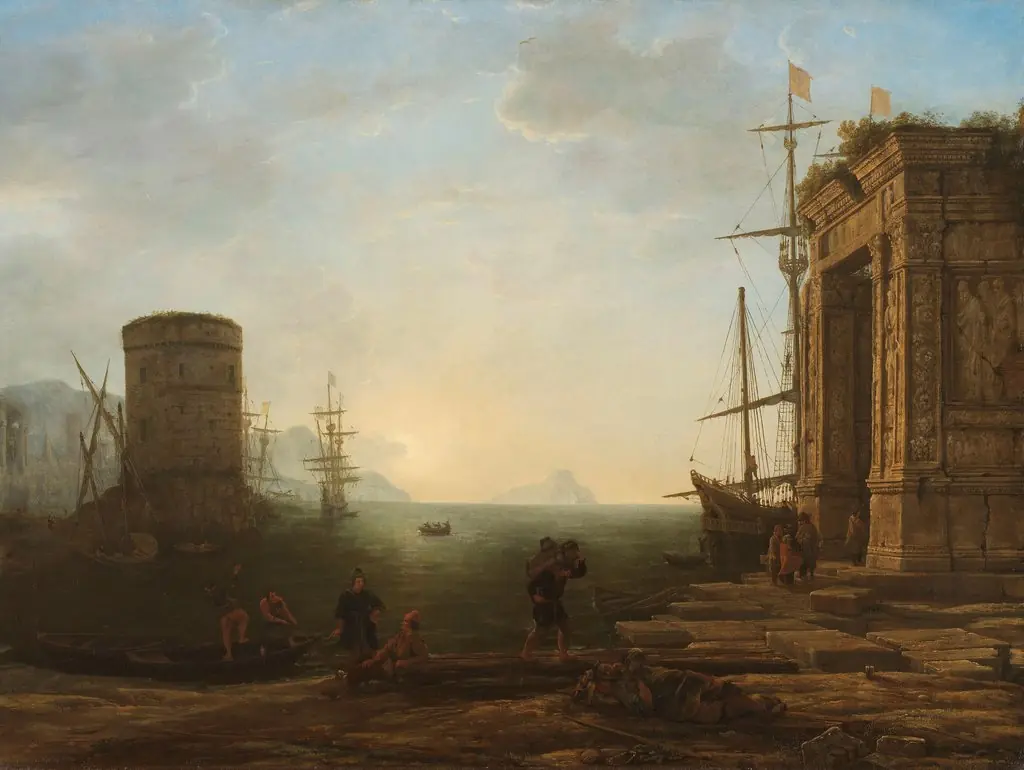
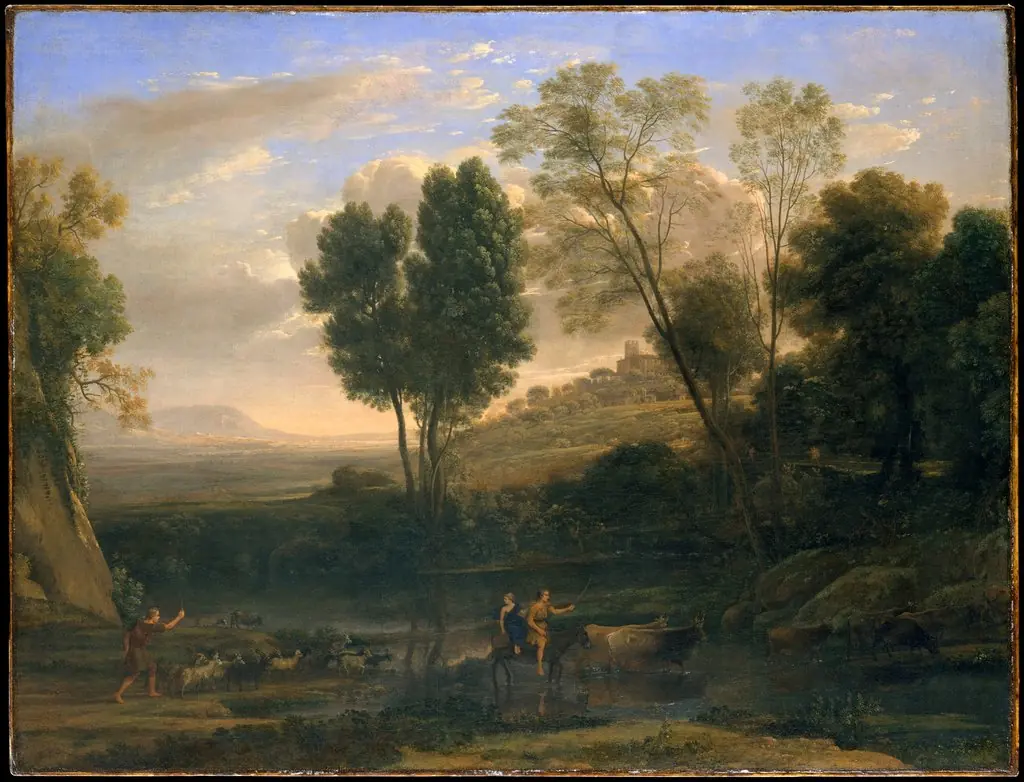
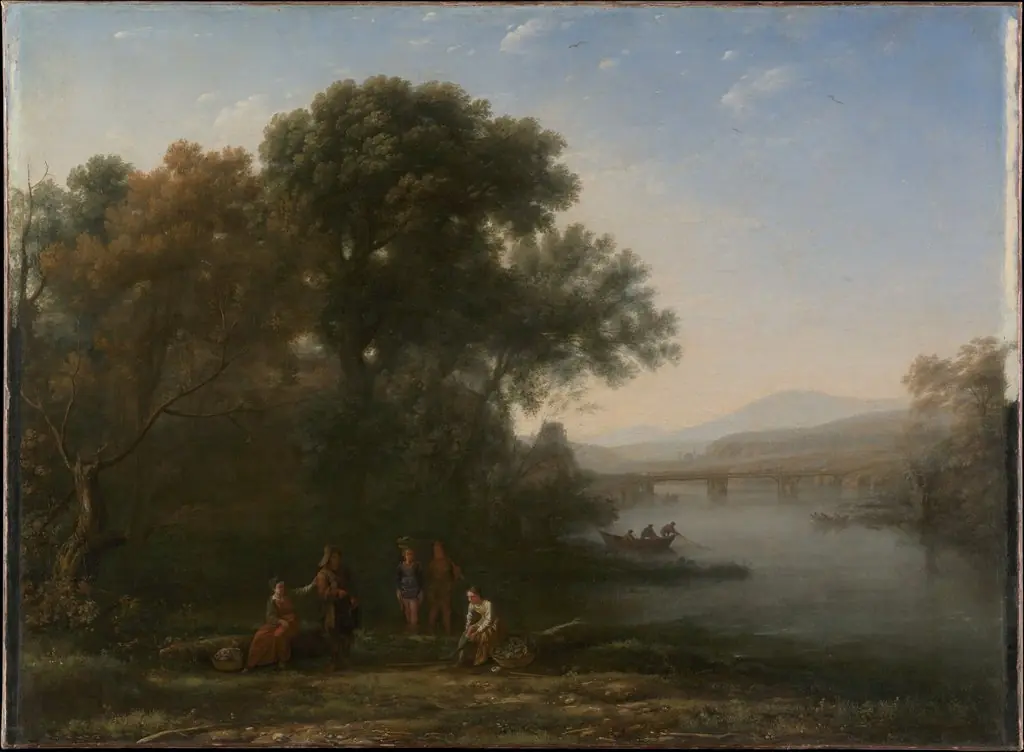
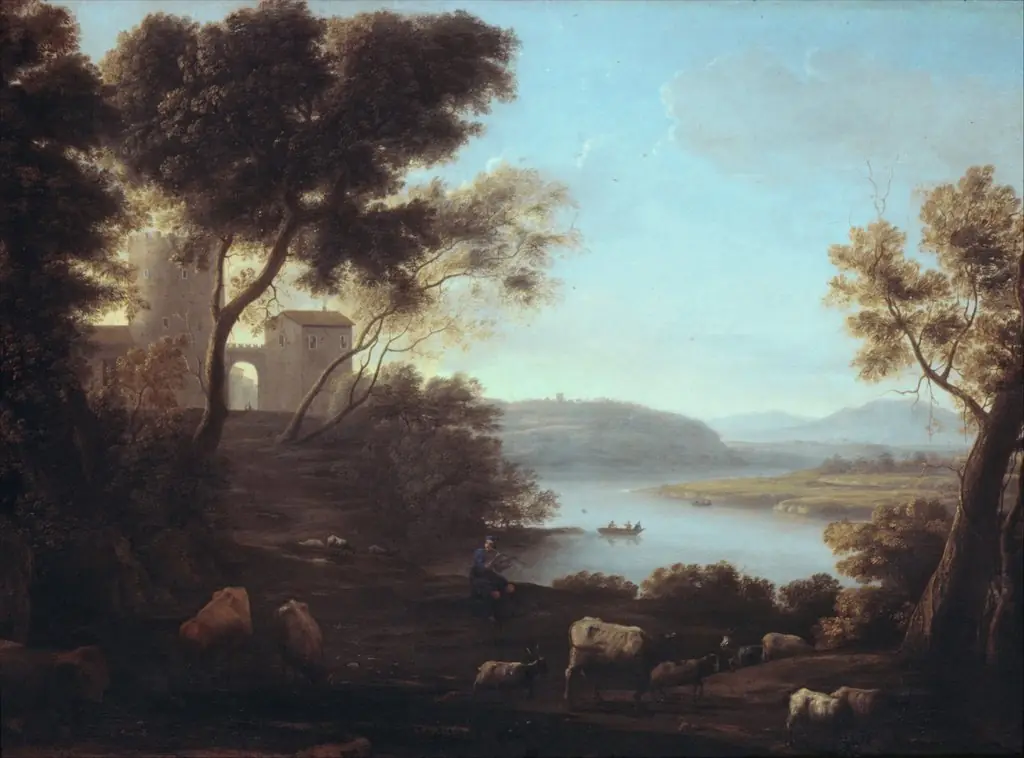
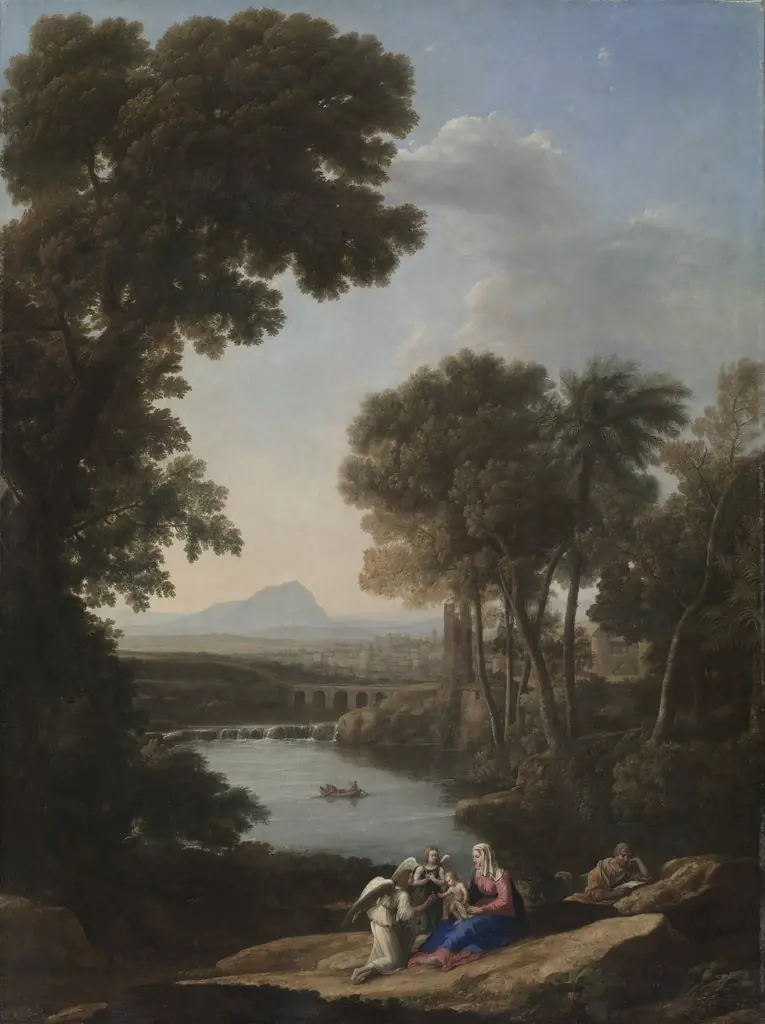
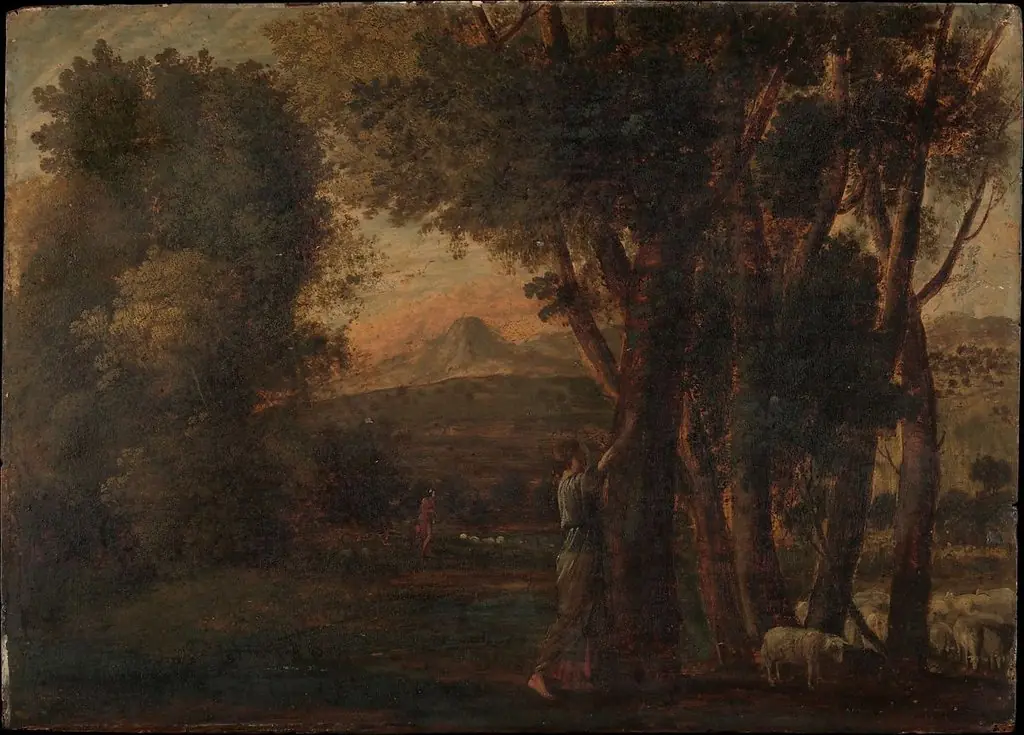
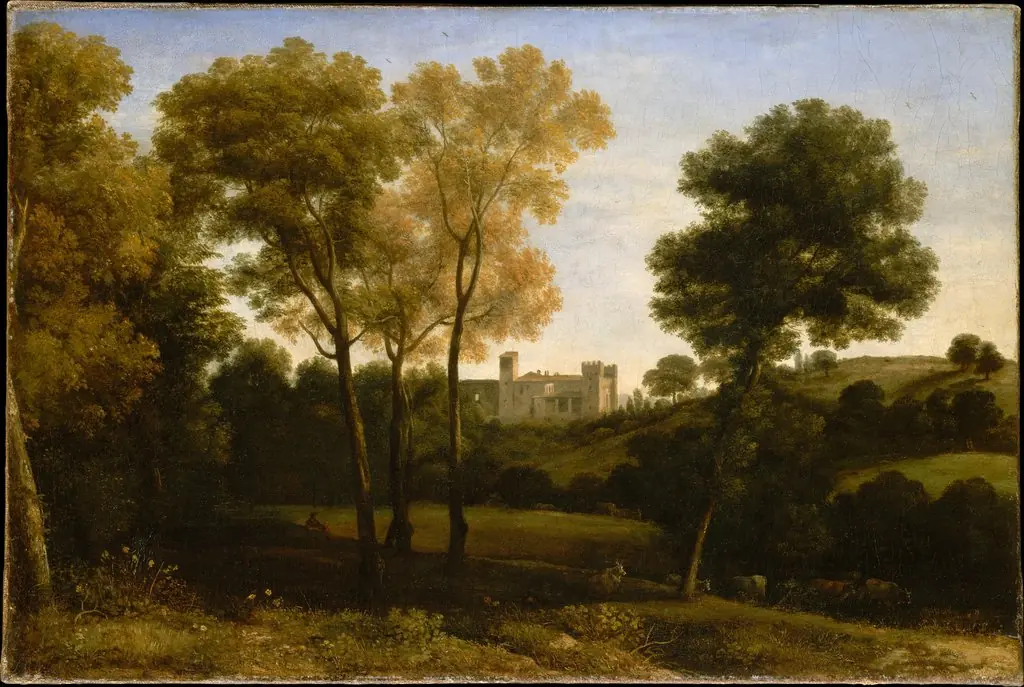
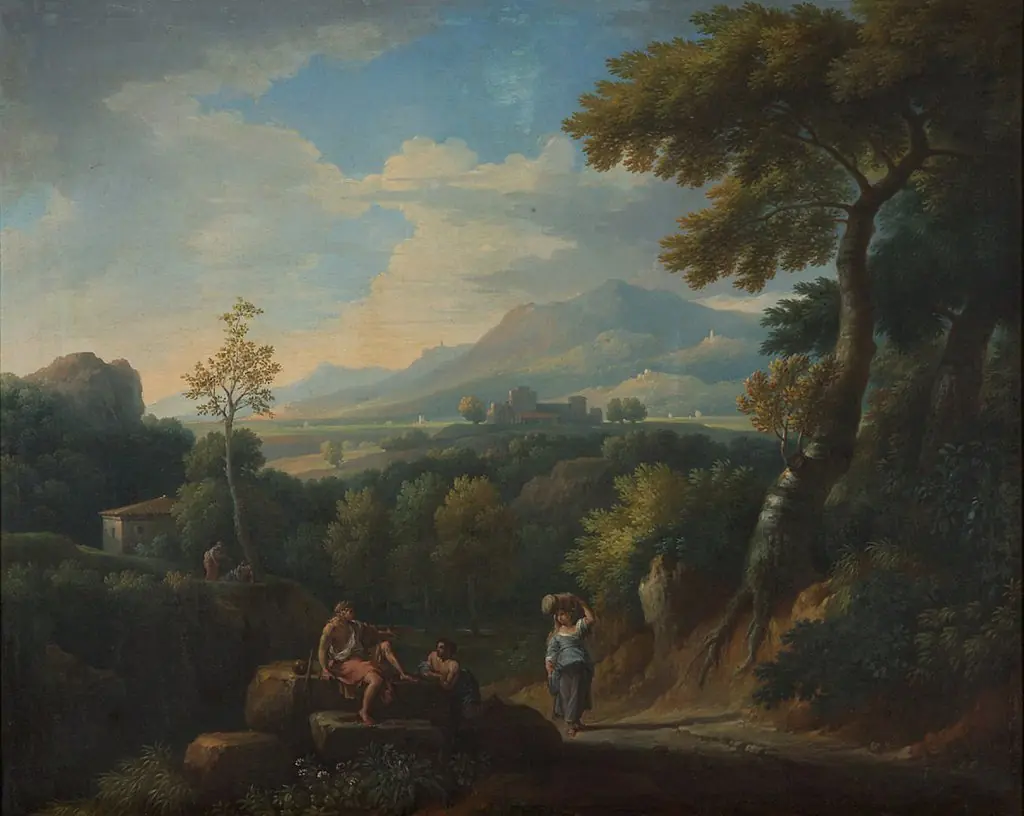
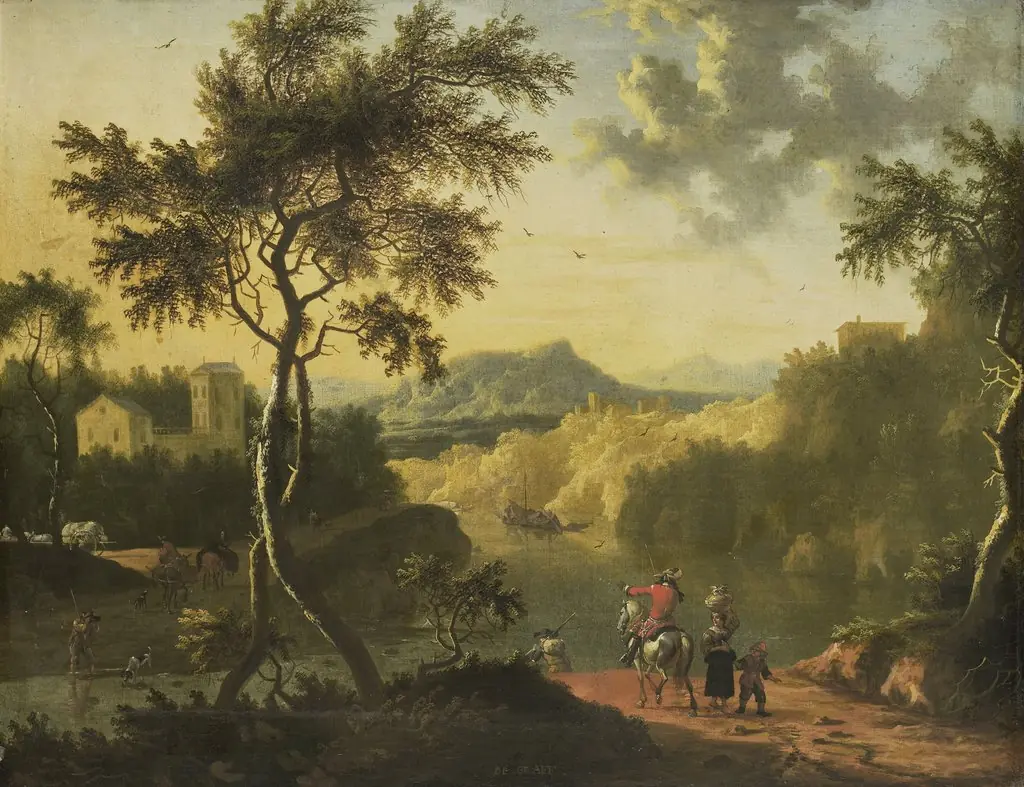
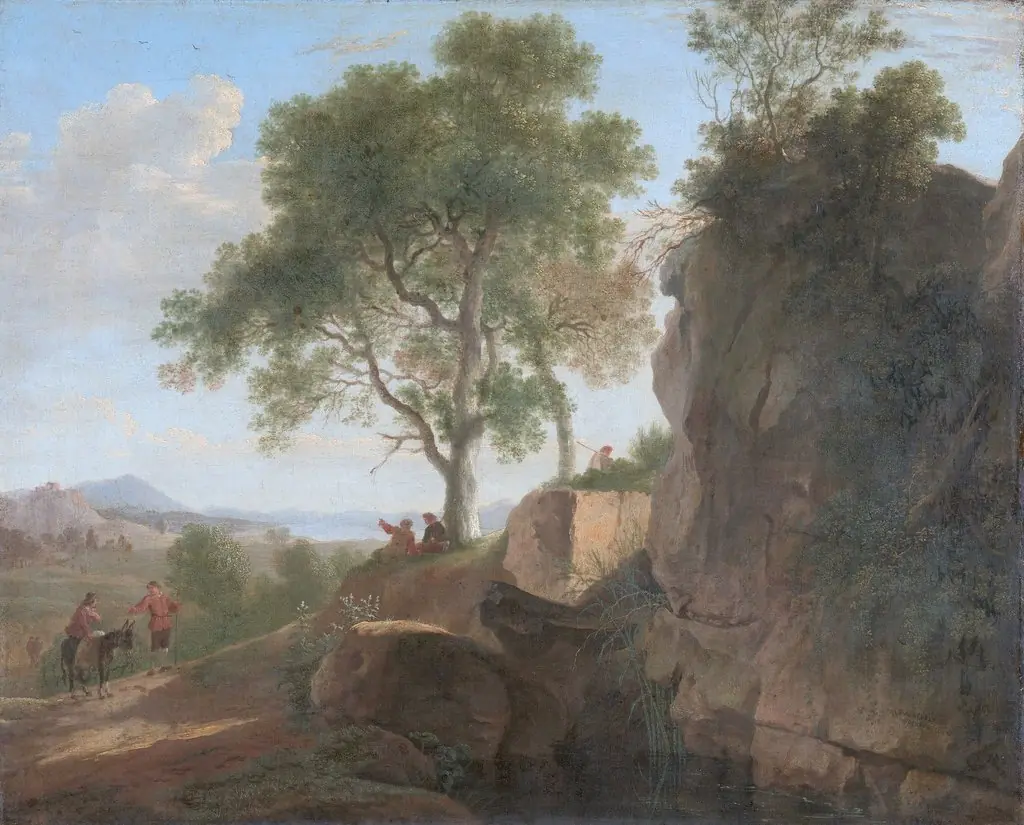
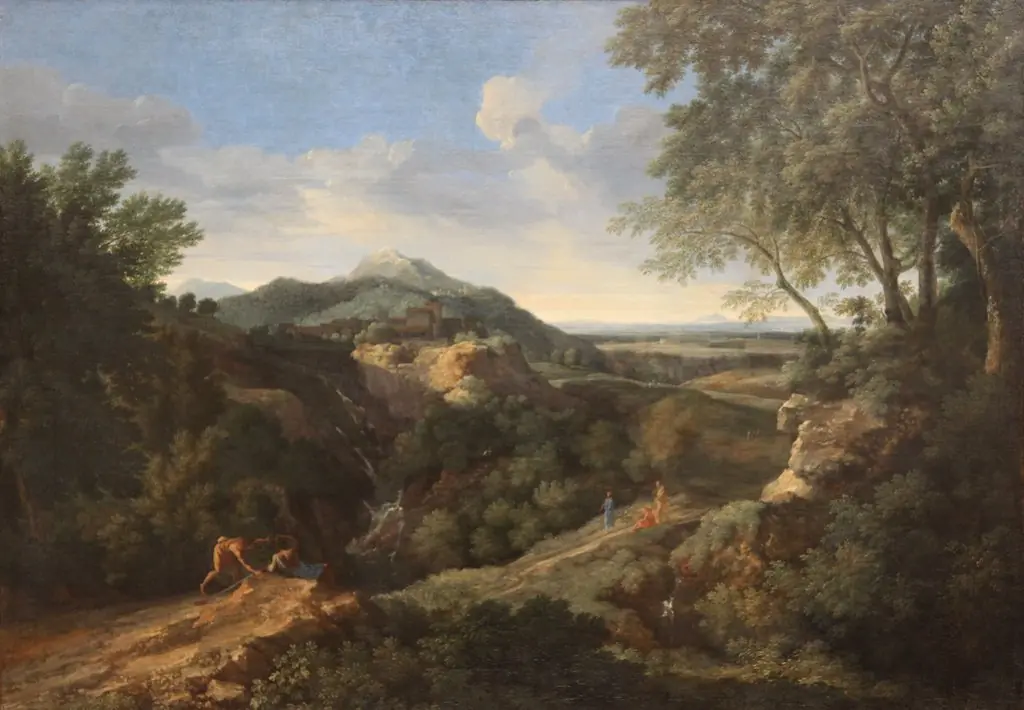
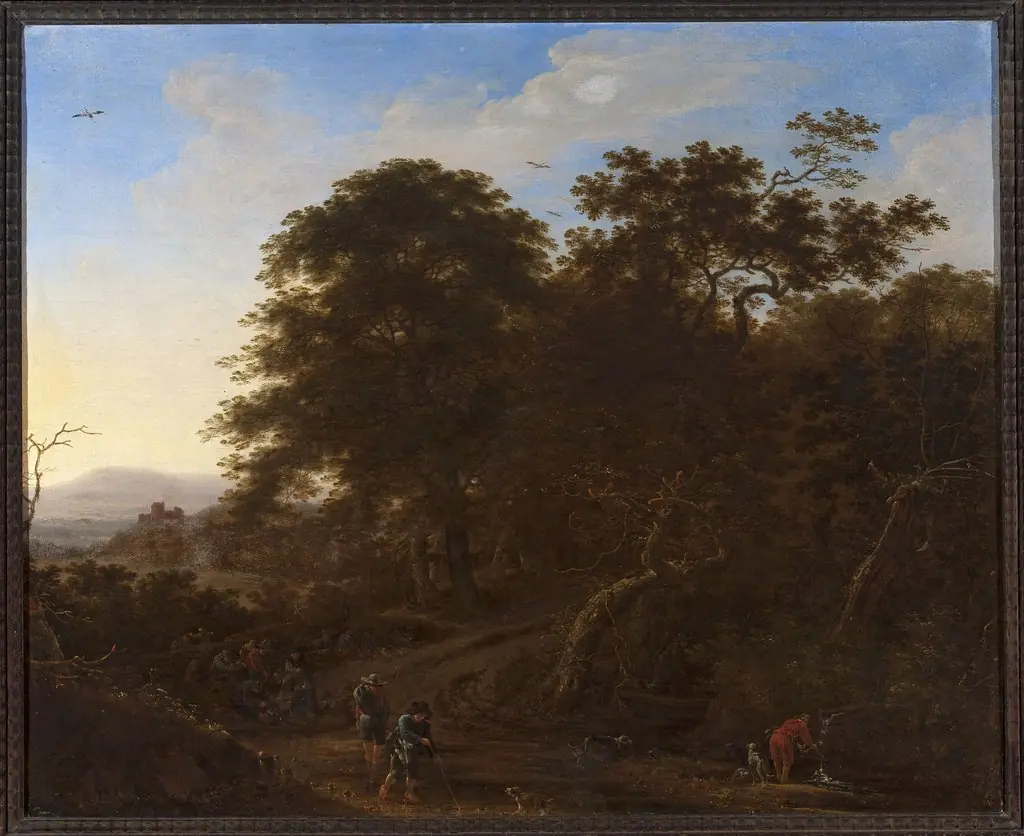
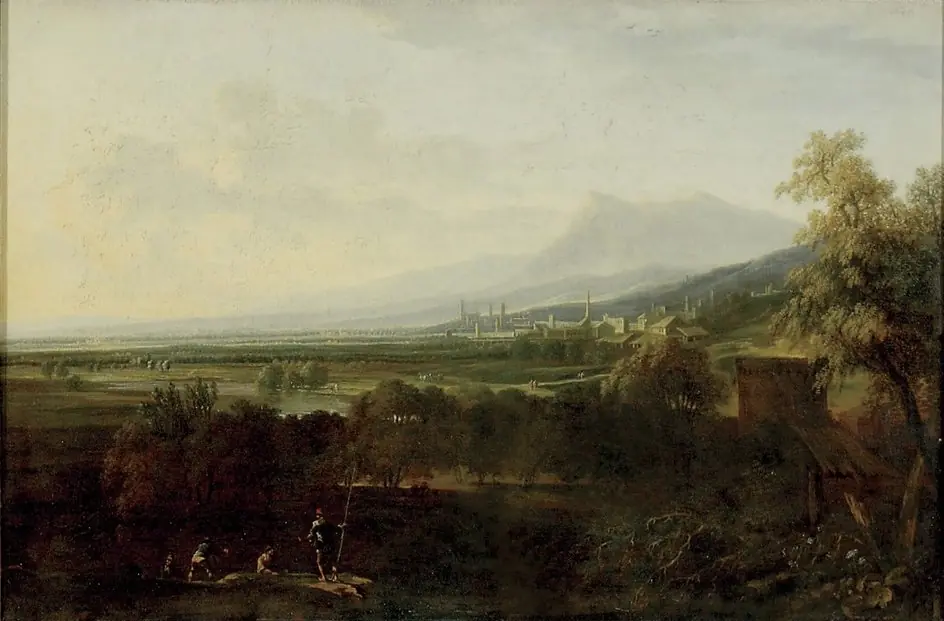
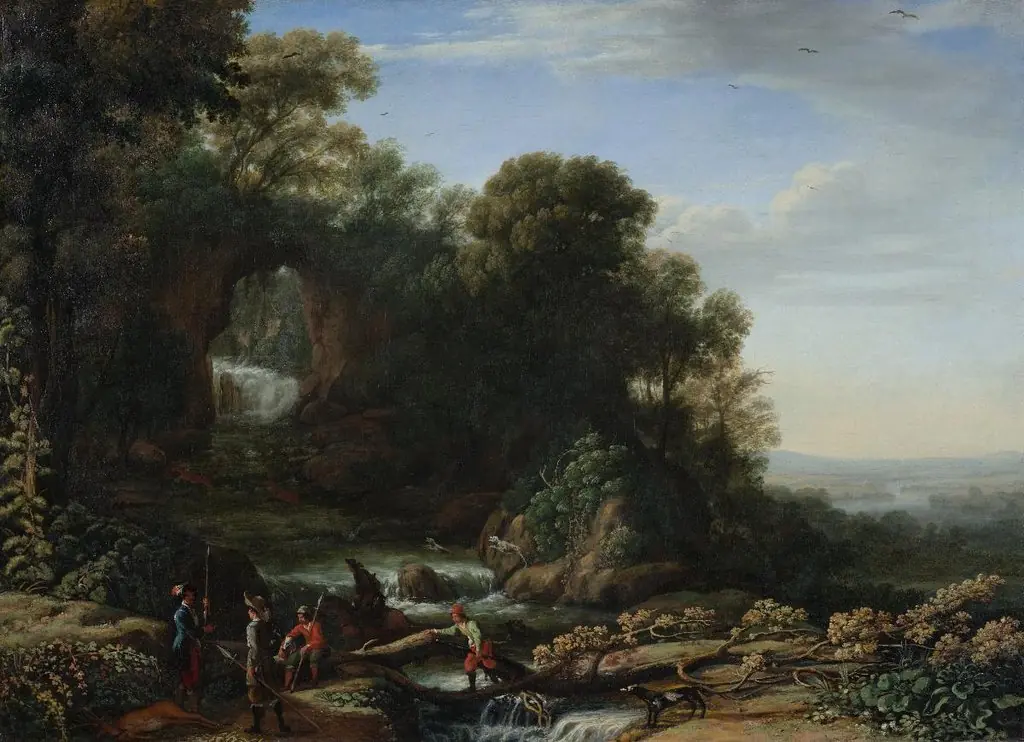
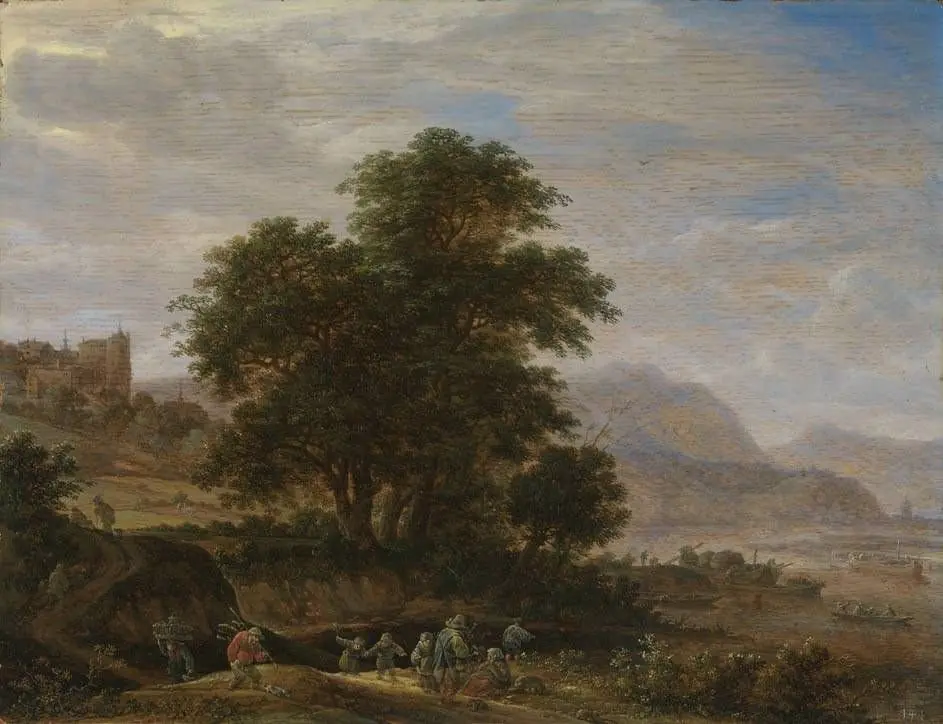
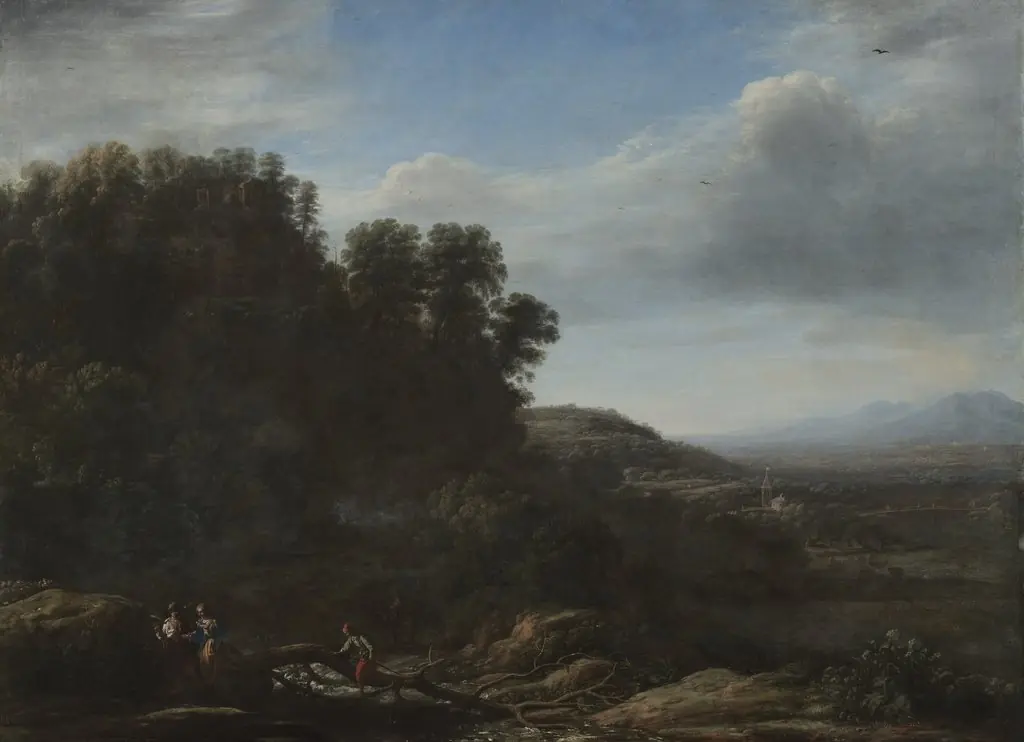
Italian Landscape is an unspecified painting by the Barbizon school artist Claude Lorrain. It dates from 1630 and is held in the collection of the Cleveland Museum of Art.
- Accession no.
- 1946.73
- Credit line
- Mr. and Mrs. William H. Marlatt Fund
About this work
Overview
Italian Landscape is a painting by Claude Lorrain, a French-born artist who worked in Rome. The work is an early example of his landscape style.
Subject & Meaning
The painting depicts a serene Italian valley at dusk, featuring trees, a ruined temple on a hill, and a winding river. The scene is characterized by a contrast between dark and light areas, creating a sense of depth.
Technique & Style
The artist employs chiaroscuro, a technique using strong contrasts between light and dark, to create a sense of luminosity and distance. The right side of the painting is bathed in sunlight, while the left remains in shadow.
History & Provenance
Claude Lorrain painted Italian Landscape early in his career, before he gained recognition for his landscapes characterized by soft, golden light.
Artist & collection
Artist
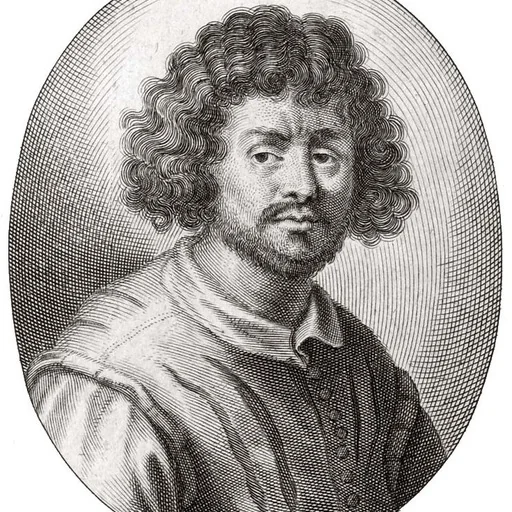
Claude Lorrain (French:; born Claude Gellée, called le Lorrain in French; traditionally just Claude in English; c.