Artwork
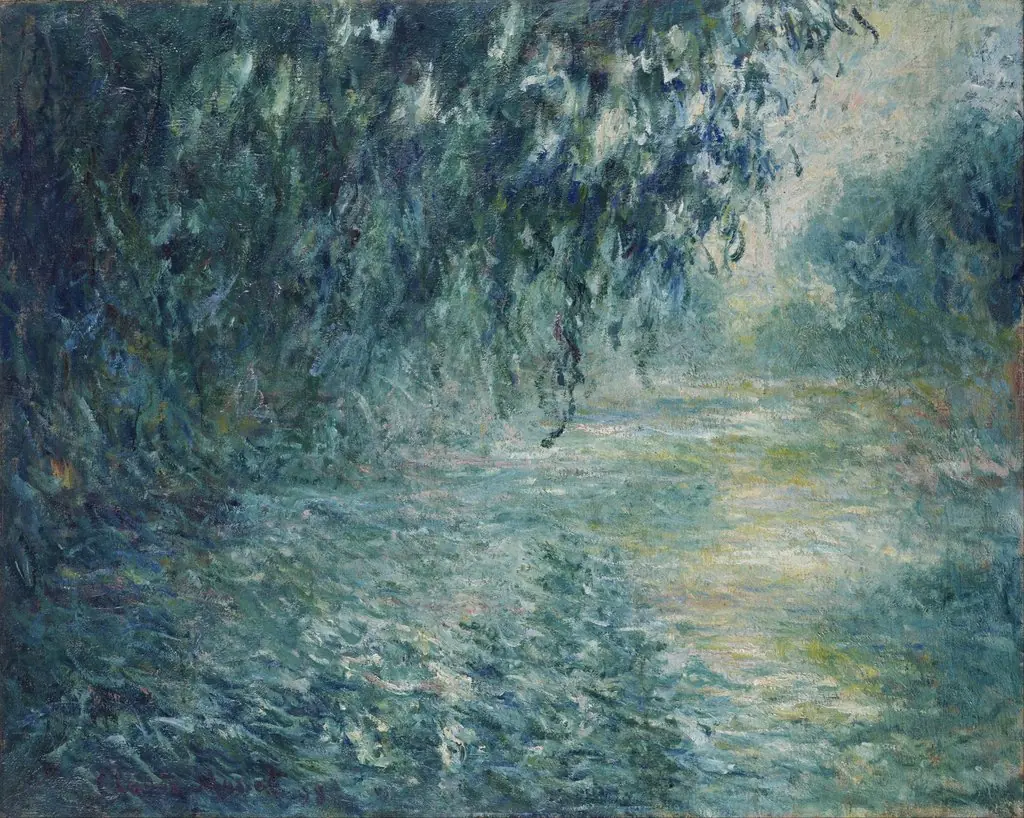
Bras de Seine près de Giverny, soleil levant
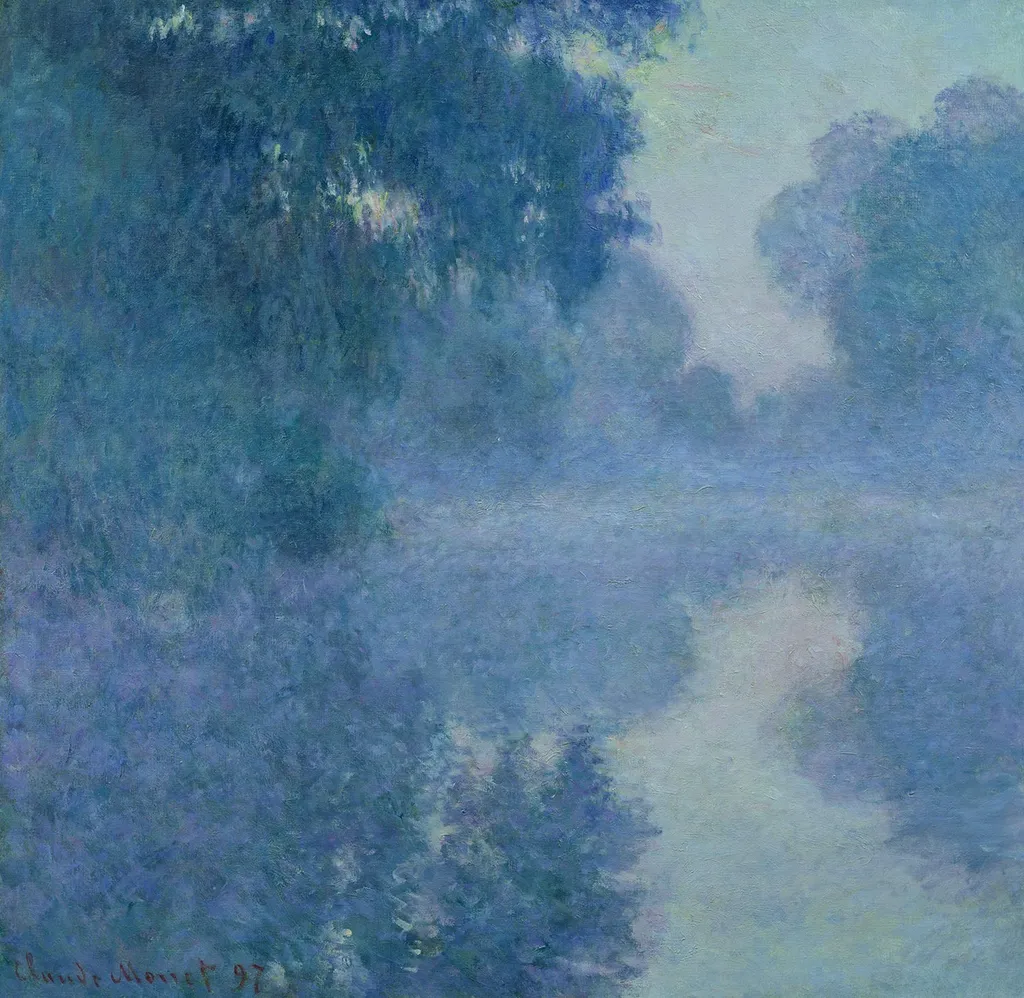
Bras de Seine près de Giverny, soleil levant is an oil painting by the Impressionist artist Claude Monet. It dates from 1899 and is held in the collection of the Musée Marmottan Monet.
About this work
Overview
The composition features a prominent, dark tree mass on the left that frames the view, contrasting with the luminous, hazy expanse of the Seine on the right.
Claude Monet's 'Bras de Seine près de Giverny, soleil levant' (Arm of the Seine near Giverny, Sunrise), painted in 1899, captures a tranquil moment along the riverbank adjacent to his home in Giverny. The composition features a prominent, dark tree mass on the left that frames the view, contrasting with the luminous, hazy expanse of the Seine on the right. Monet employs a palette dominated by cool blues and verdant greens to render the atmospheric effects of the early morning light, with the rising sun filtering through the foliage to create a soft, diffused glow.
Executed in oil paint, the work exemplifies the artist's mature Impressionist technique, where visible brushstrokes and color modulation prioritize the perception of light and air over precise topographical detail. Created during a period when Monet was deeply engaged in documenting the changing conditions of his immediate surroundings, this painting reflects his sustained interest in the Seine as a subject. It stands as a significant example of his late 19th-century landscape work, demonstrating his ability to convey the ephemeral qualities of a specific time of day through a harmonious balance of form and atmospheric color.
Subject & Meaning
The composition captures a moment of quiet reflection along the Seine near Giverny, focusing on the interplay between the towering tree and the reflective surface of the river. The soft diffusion of light conveys a sense of stillness and the fleeting quality of dawn, inviting contemplation of nature’s subtle transitions.
Technique & Style
Monet employs a palette of muted blues and greens, layering thin, fluid brushstrokes that convey atmospheric depth and movement. The loose application of paint and emphasis on shifting light are hallmarks of Impressionist practice, allowing the viewer to sense the transient effects of sunrise rather than precise detail.
History & Provenance
Since its completion, the work has remained within the public domain, entering the collection of the Musée Marmottan Monet in Paris. The museum, which houses an extensive assemblage of Monet’s oeuvre, displays the painting as part of its representation of the artist’s later explorations of light and landscape.
Own this work as a print
Artist & collection
Artist
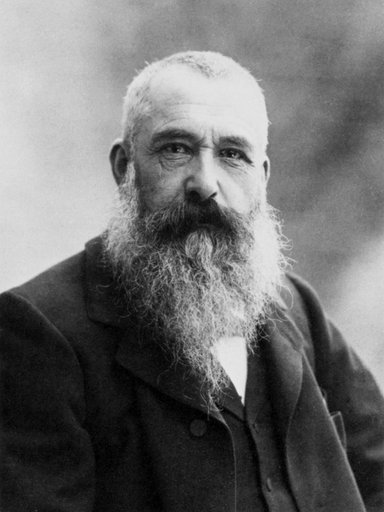
Oscar-Claude Monet was a French painter and founder of Impressionism who is seen as a key precursor to modernism, especially in his attempts to paint nature as he perceived it.

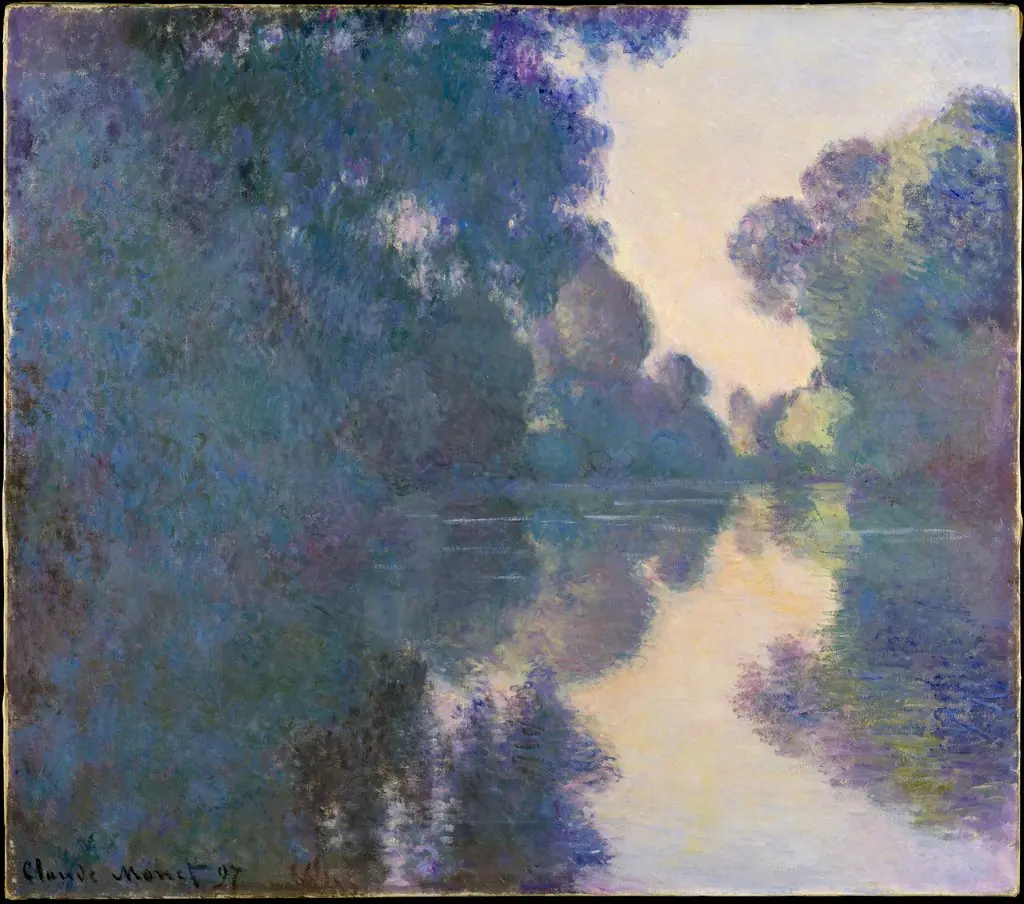 Morning on the Seine near Giverny
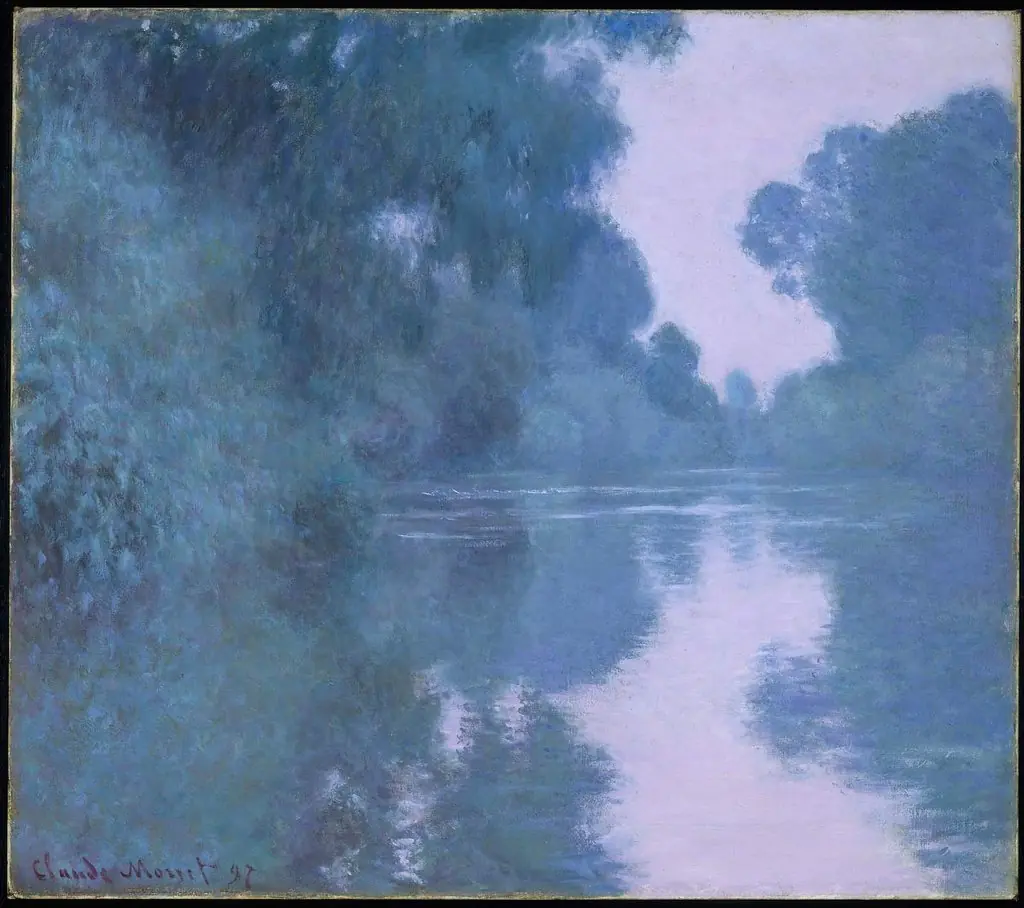 Morning on the Seine, near Giverny
 Branch of the Seine near Giverny (Mist)
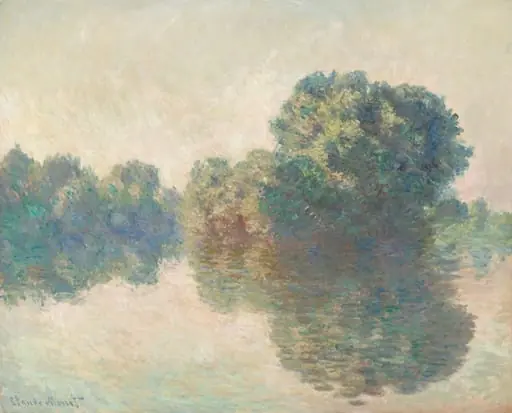 The Seine at Giverny
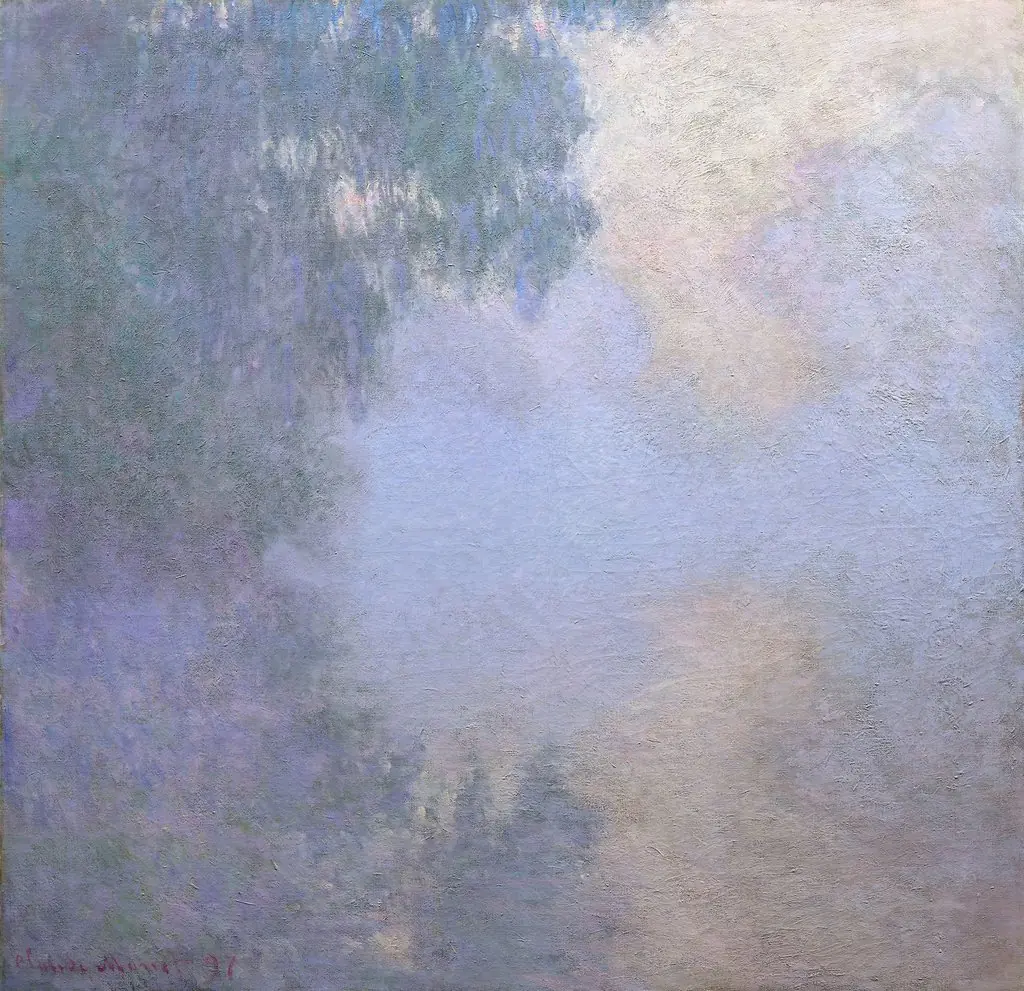 Branch of the Seine near Giverny (Mist), from the series "Mornings on the Seine"
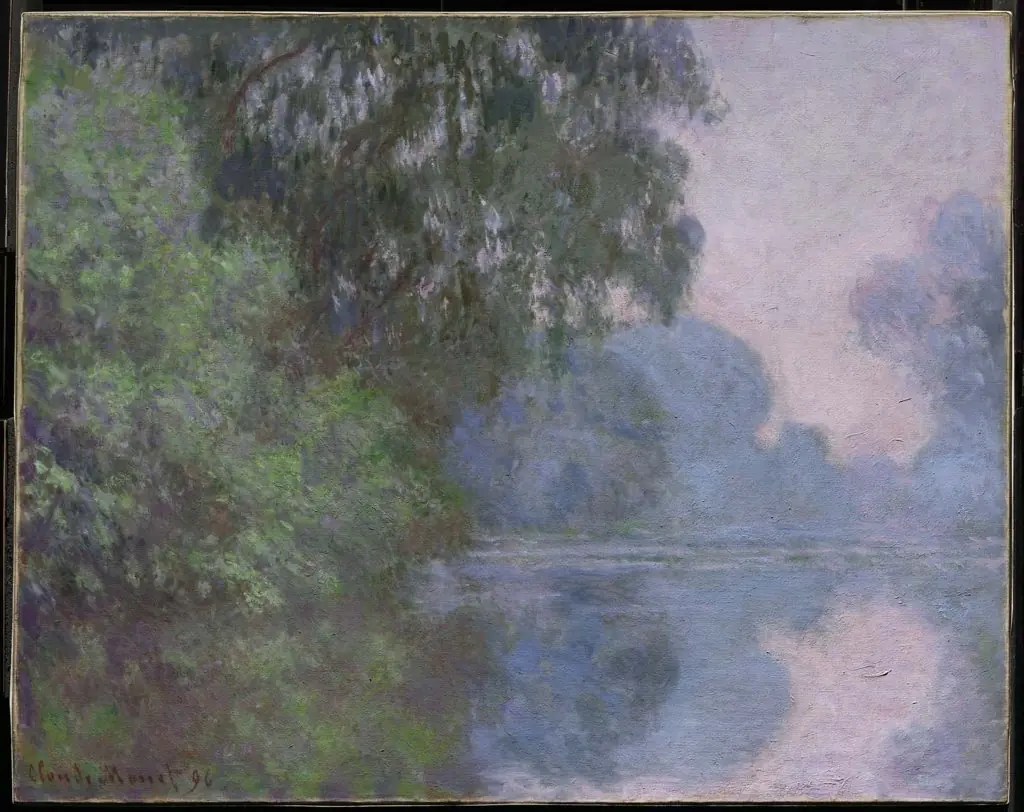 Morning on the Seine, near Giverny
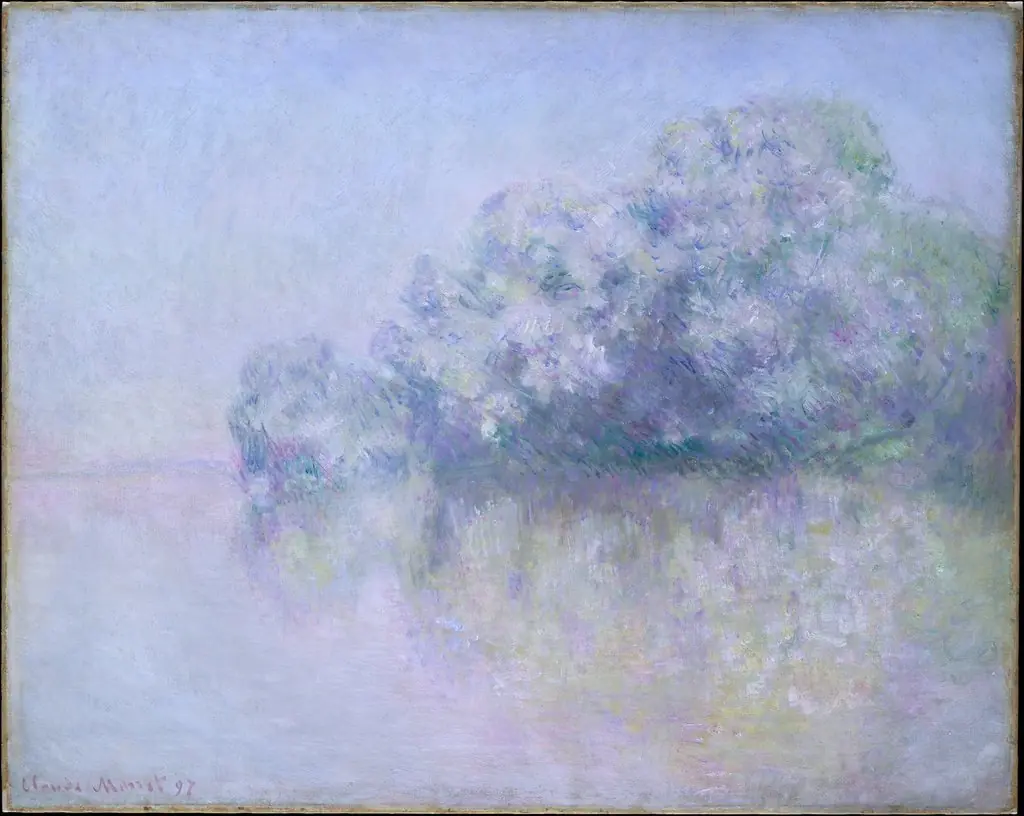 Île aux Orties near Vernon
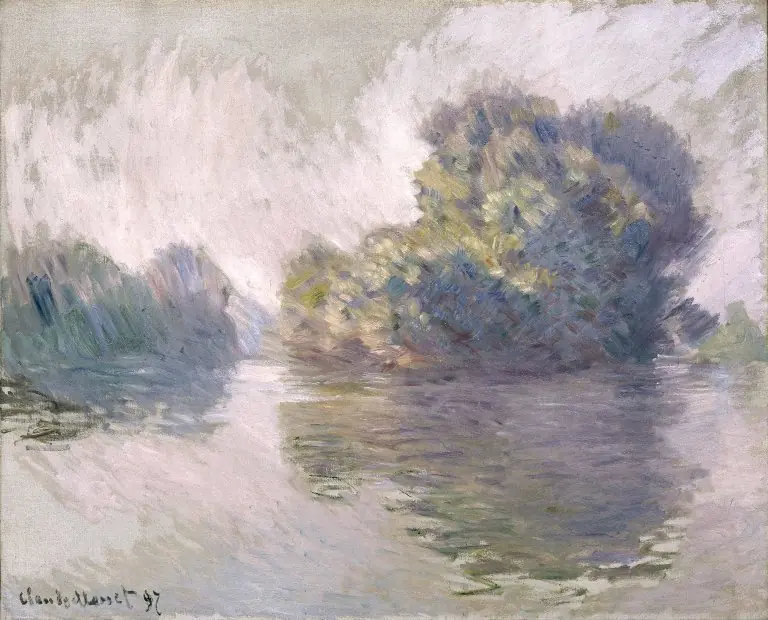 The Islets at Port-Villez
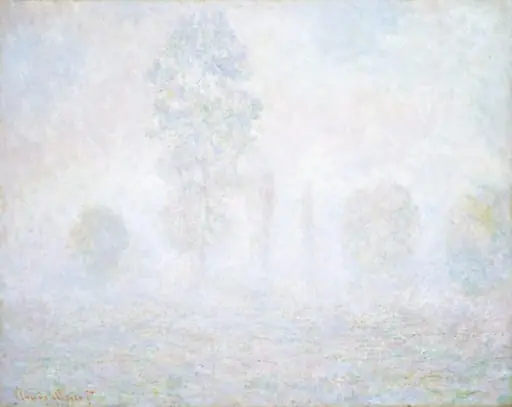 Morning Haze
 Morning on the Seine
 Le Pont de Waterloo
- Nymphéas (Wildenstein 1660)