Artwork
Île aux Orties near Vernon
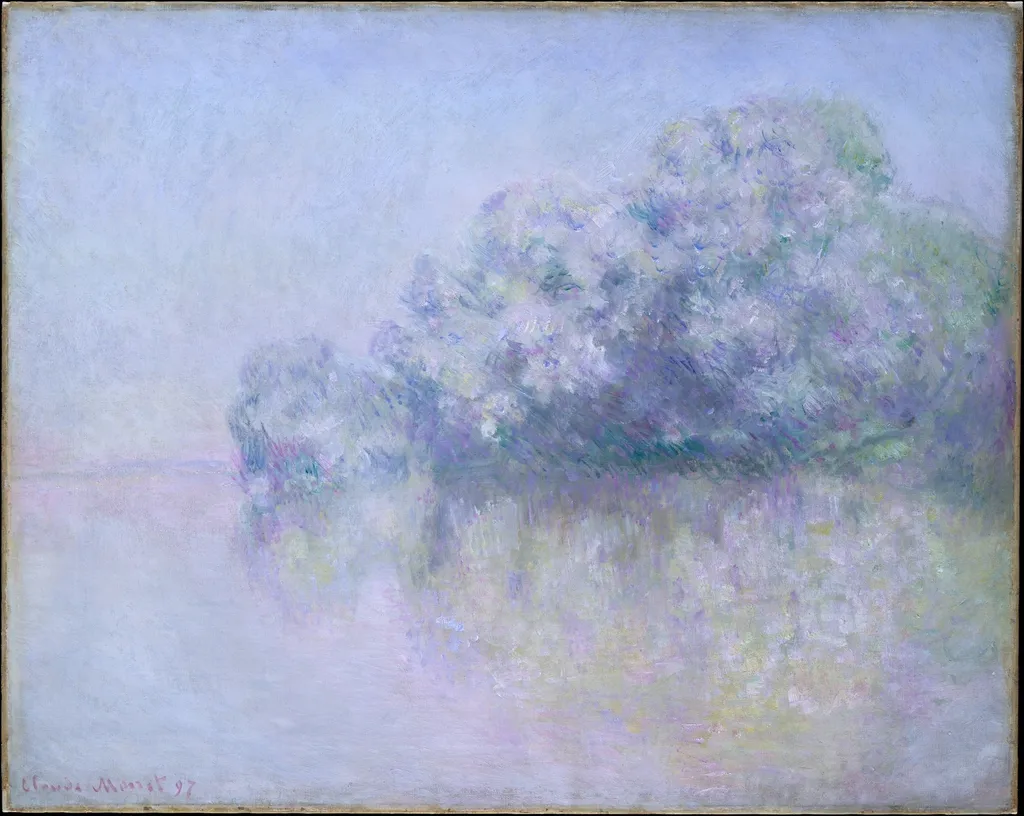
Île aux Orties near Vernon is an oil painting by the Impressionist artist Claude Monet. It dates from 1899 and is held in the collection of the Metropolitan Museum of Art.
About this work
Subject & Meaning
Monet’s composition centers on the island’s dense vegetation and overhanging trees, which frame a stretch of the river’s calm water.
The painting depicts the Seine at Île aux Orties, a small island near Vernon. Monet’s composition centers on the island’s dense vegetation and overhanging trees, which frame a stretch of the river’s calm water. The scene captures the interplay of light and foliage, emphasizing the natural environment rather than human activity.
In this work, Monet focuses on the tranquil, almost pastoral qualities of the landscape, using loose brushwork to convey the shifting effects of light on water and foliage. The subject reflects the artist’s ongoing interest in plein-air painting and the fleeting impressions of nature.
Technique & Style
Executed in 1897, this landscape by Claude Monet is an oil painting on canvas. The work measures 73.3 cm in height and 92.7 cm in width. As a depiction of a riverine scene featuring trees near Vernon, the piece utilizes oil paint as its primary medium applied to a fabric support.
The composition focuses on natural elements typical of the artist's outdoor studies, rendered through the application of pigments to create a cohesive view of the Île aux Orties.
History & Provenance
The work titled Île aux Orties near Vernon was painted by Claude Monet in 1897 using oil on canvas. It was created as a landscape depiction of the island in the Seine near Vernon, France. The painting entered the collection of the Metropolitan Museum of Art, where it remains on view.
No record of a specific commission or private ownership prior to acquisition indicates that the work was likely sold by the artist or his dealer before the museum’s acquisition. Its dimensions measure 73.3 cm by 92.7 cm, confirming its status as a finished oil painting from the late 19th‑century series of French landscapes.
Overview
Île aux Orties near Vernon, painted by Claude Monet in 1899, is an oil-on-canvas landscape capturing a specific bend in the Seine River near the artist's home in Giverny. The composition centers on a dense cluster of trees on the Île aux Orties, their foliage rendered in thick, textured brushstrokes that convey the lushness of the summer season. Monet employs a palette of greens, blues, and earthy tones to depict the interplay of light and shadow across the water and the island's vegetation.
The river flows gently in the foreground and background, framing the central mass of trees and creating a sense of depth and tranquility. This work belongs to a series of paintings Monet produced during the late 1890s, a period when he frequently returned to the Seine to explore variations in atmospheric conditions and light. The painting exemplifies his mature Impressionist style, focusing on the transient effects of nature rather than precise topographical detail.
It reflects his deep engagement with the local landscape of Vernon and Giverny, where he sought to capture the essence of the French countryside through his distinctive handling of color and form.
Own this work as a print
Artist & collection
Artist
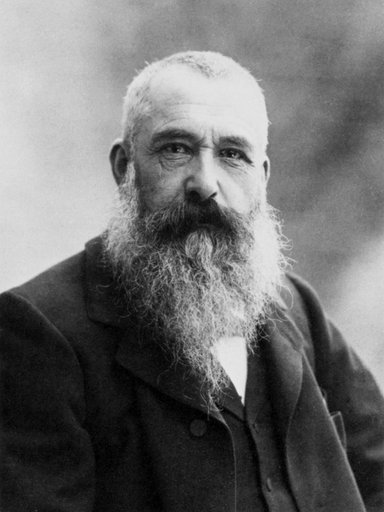
Oscar-Claude Monet was a French painter and founder of Impressionism who is seen as a key precursor to modernism, especially in his attempts to paint nature as he perceived it.

- Morning on the Seine near Giverny
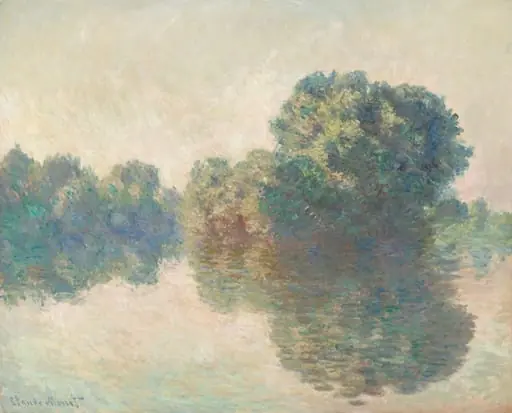 The Seine at Giverny
 Branch of the Seine near Giverny (Mist)
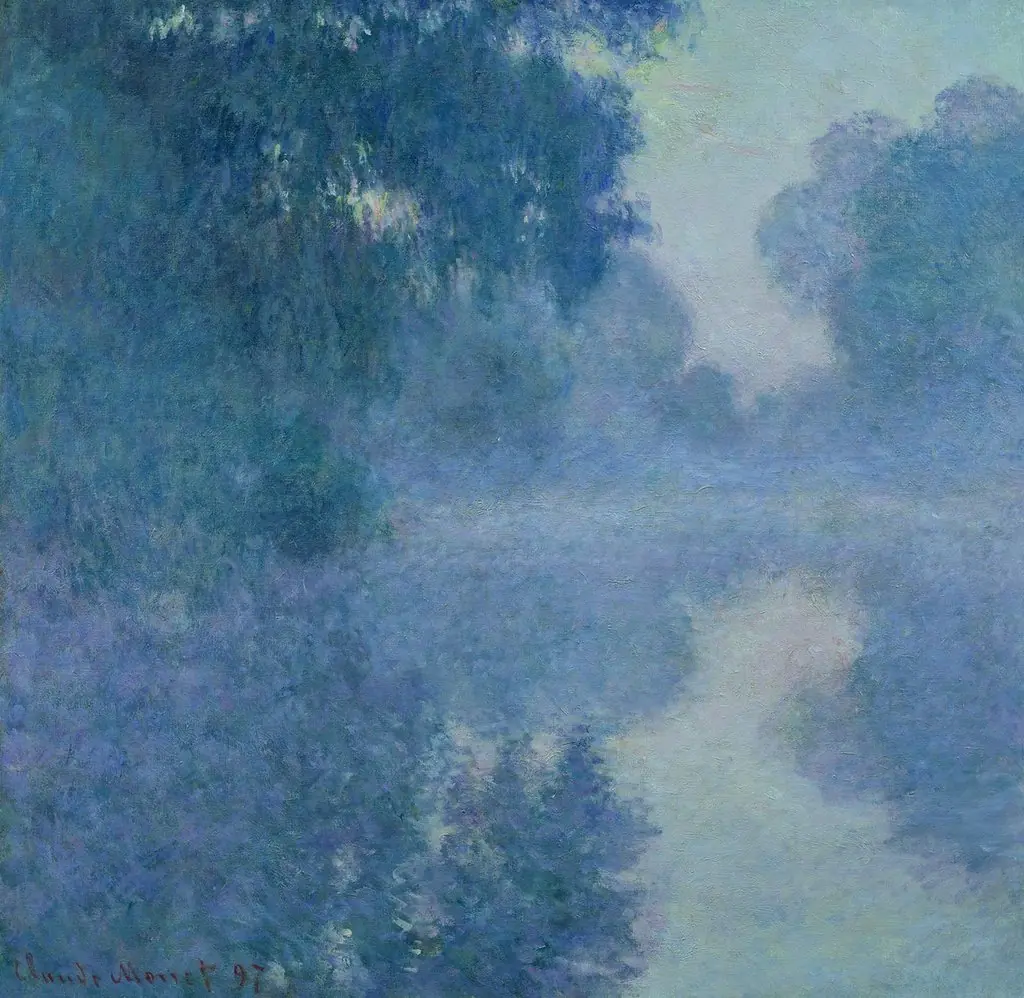 Bras de Seine près de Giverny, soleil levant
 Morning Haze
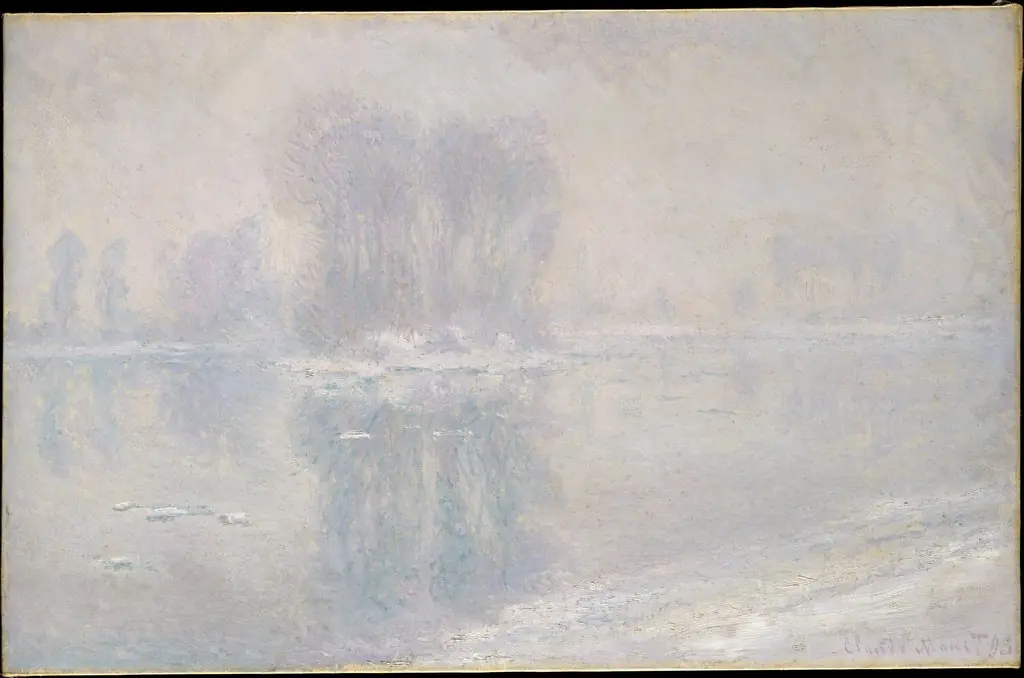 Ice Floes
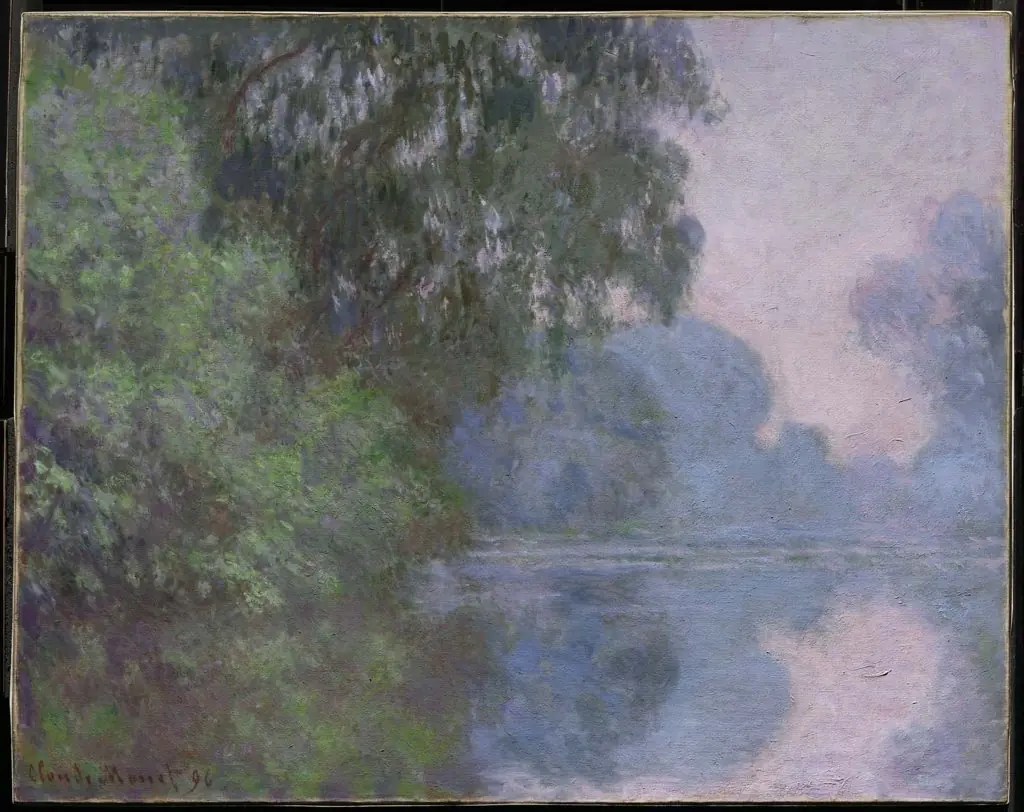 Morning on the Seine, near Giverny
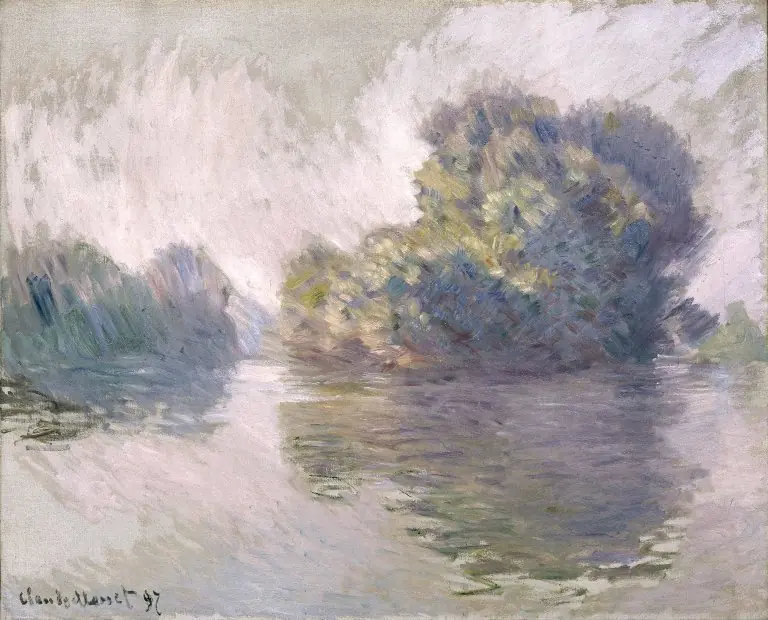 The Islets at Port-Villez
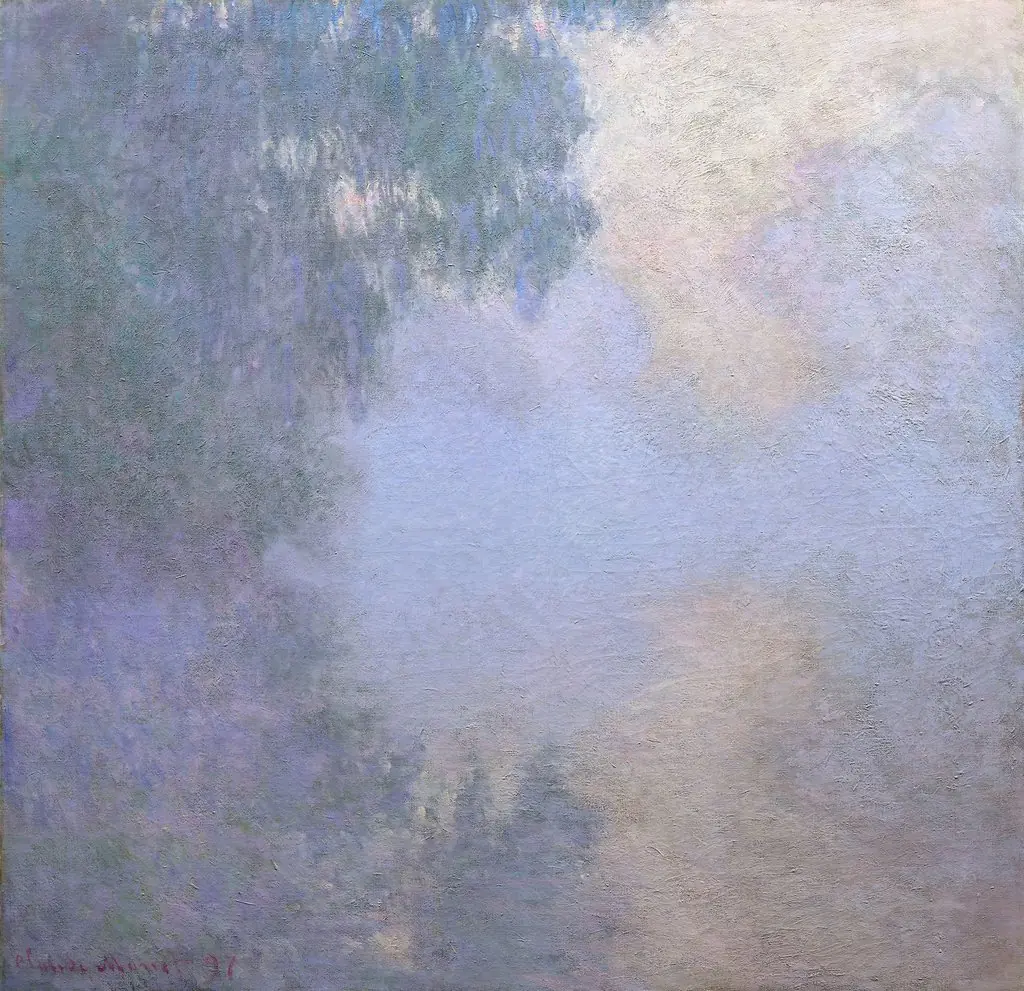 Branch of the Seine near Giverny (Mist), from the series "Mornings on the Seine"
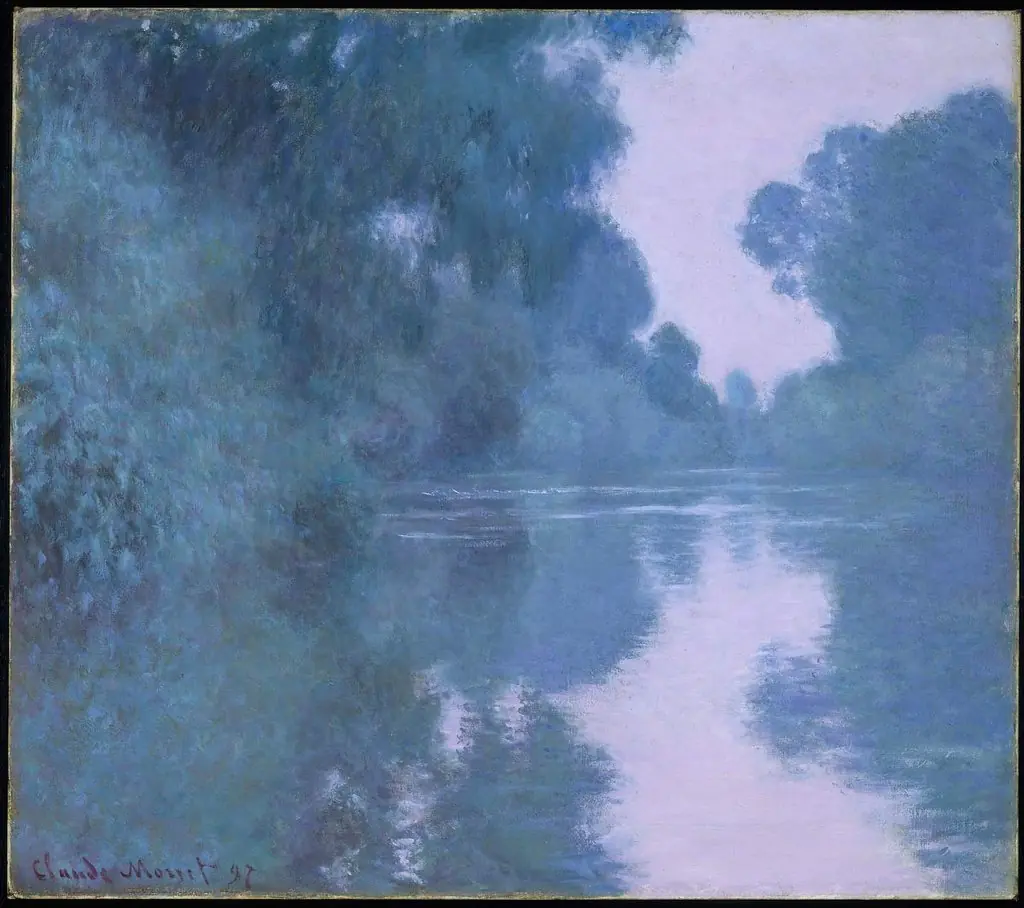 Morning on the Seine, near Giverny
 Water Lilies
 Water Lilies