Artwork
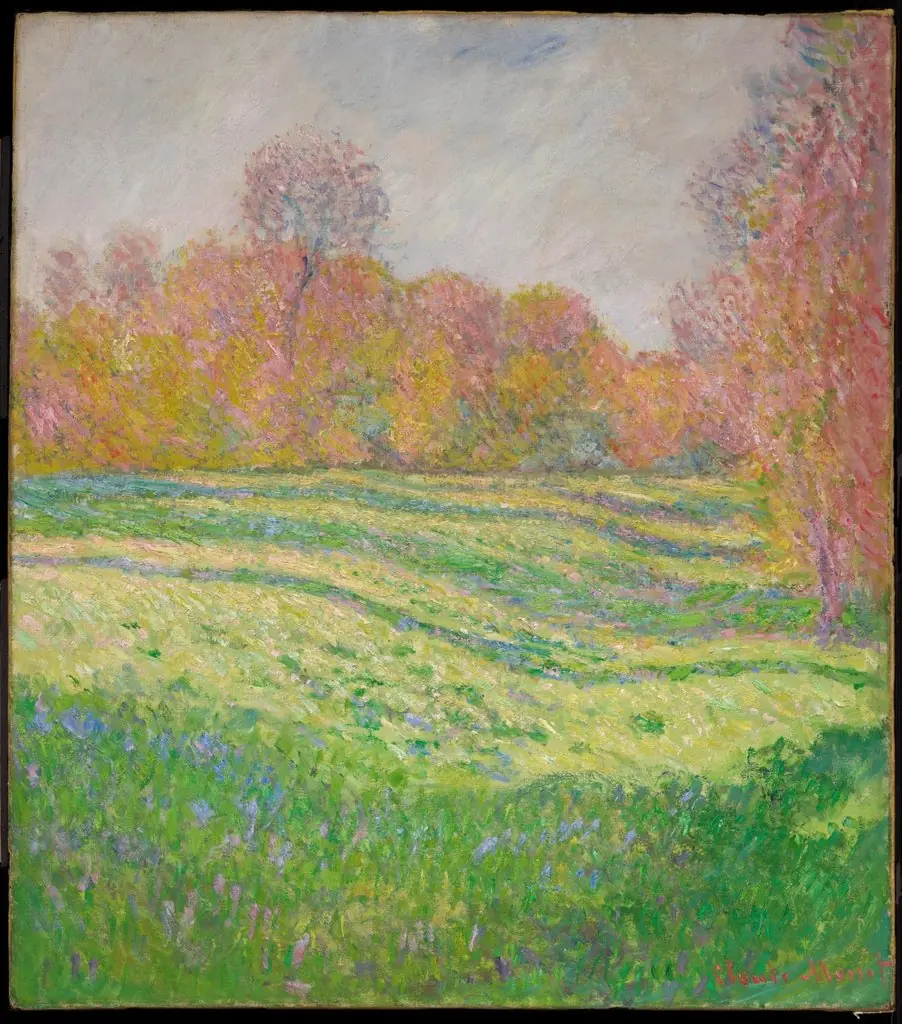
Field of Yellow Irises at Giverny
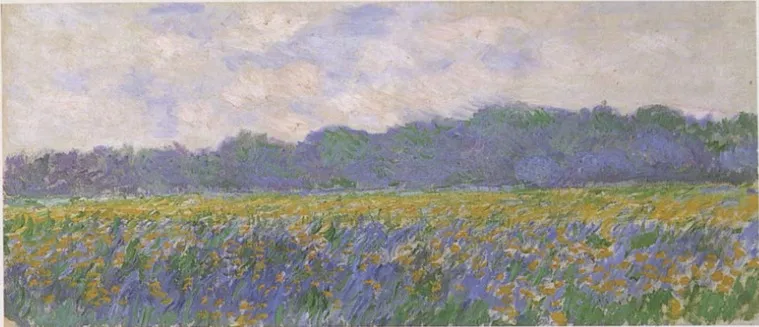
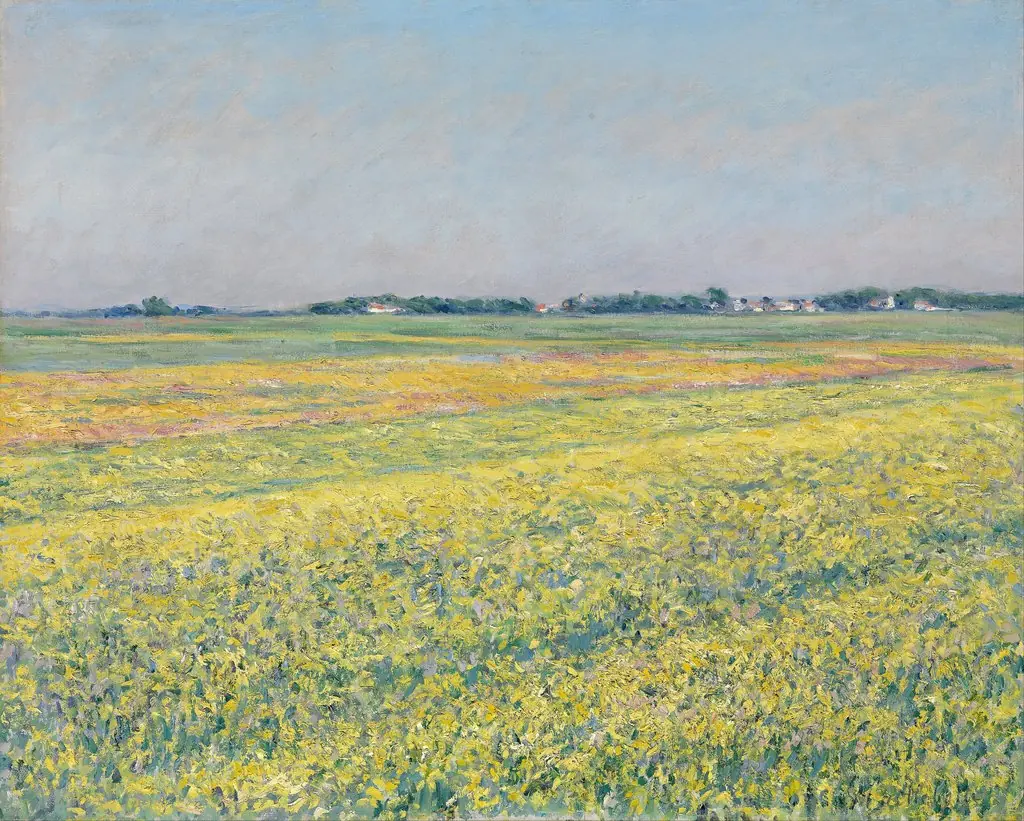
Field of Yellow Irises at Giverny is an oil painting by the Impressionist artist Claude Monet. It dates from 1894 and is held in the collection of the Musée Marmottan Monet.
About this work
Overview
Painted in 1894, Field of Yellow Irises at Giverny is an oil-on-canvas landscape by Claude Monet, depicting a section of his garden in Giverny, France.
Painted in 1894, Field of Yellow Irises at Giverny is an oil-on-canvas landscape by Claude Monet, depicting a section of his garden in Giverny, France. The work is part of the collection at the Musée Marmottan Monet in Paris. It captures a quiet, sunlit stretch of cultivated ground where irises and other blooms grow in loose clusters, rendered with the artist’s characteristic attention to shifting light and natural form.
Subject & Meaning
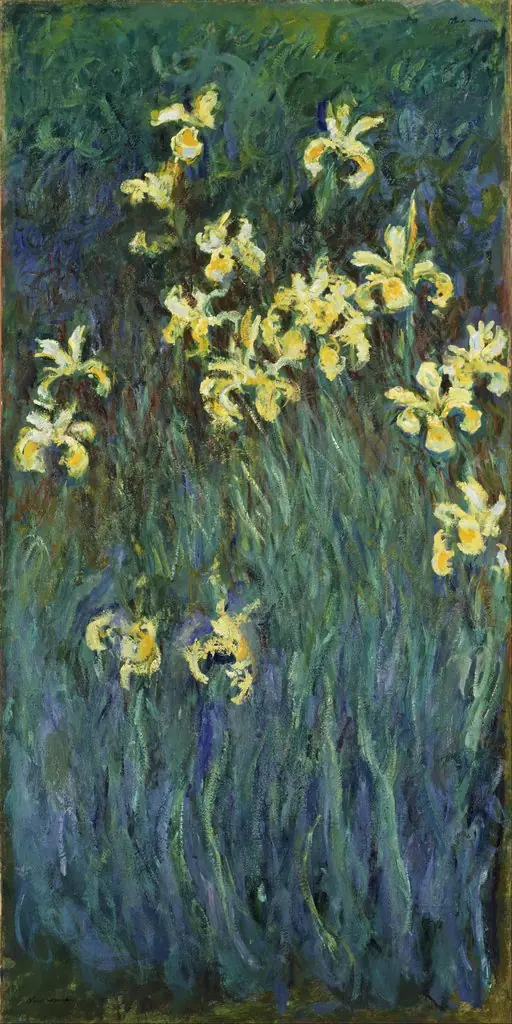
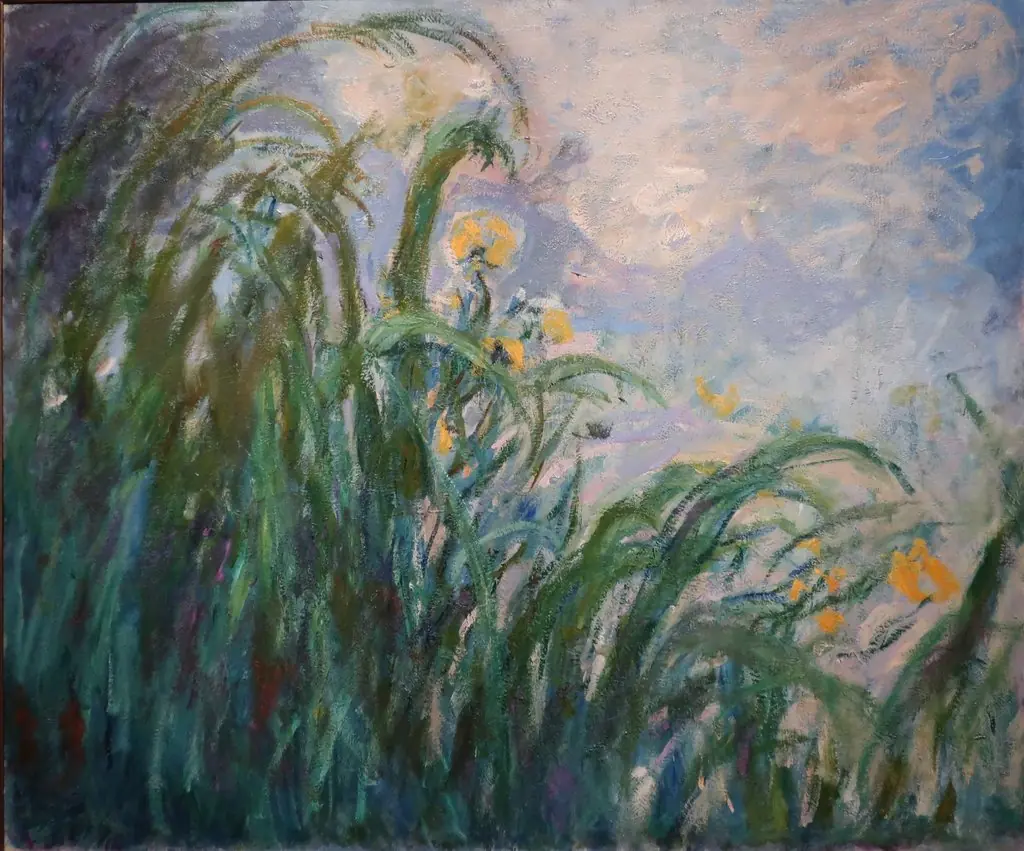
The painting presents a close view of irises in bloom, their yellow petals contrasting with patches of purple blossoms and green foliage. Rather than a formal garden layout, the flowers appear wild and untamed, suggesting Monet’s interest in nature’s organic rhythms. The absence of human figures or architectural elements emphasizes solitude and the quiet persistence of plant life, reflecting his deep engagement with the garden as a living subject.
Technique & Style
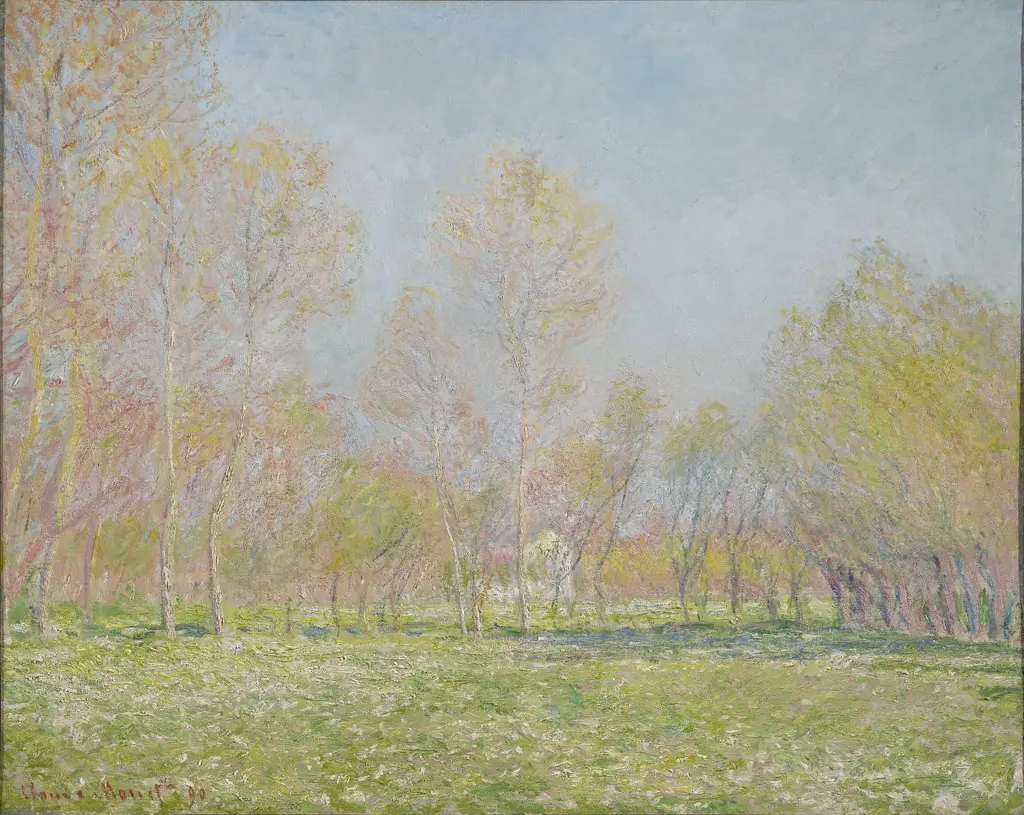
Monet applied oil paint in short, broken strokes that build texture without defining form rigidly. The brushwork varies in density to suggest the height and movement of stems, the softness of petals, and the undulating ground. Colors are restrained, predominantly pale yellows, muted purples, and cool greens, avoiding bold contrasts.
The hazy, pale sky merges subtly with the upper edge of the field, reinforcing the atmospheric unity of the scene.
History & Provenance
Created during Monet’s residence in Giverny, the painting belongs to a series of garden views he produced between 1890 and 1900. It remained in his personal collection until his death in 1926, after which it passed to his son Michel. The work entered the Musée Marmottan Monet’s holdings through the artist’s estate, where it has been preserved as part of a comprehensive archive of his late-period works.
Context
In the 1890s, Monet increasingly focused on his garden as a primary subject, transforming it into a laboratory for studying light, color, and seasonal change. This period followed his series paintings of haystacks and Rouen Cathedral, and preceded his water lily cycles. The irises reflect his shift toward intimate, repetitive observations of nature, informed by both horticultural experimentation and evolving Impressionist principles.
Legacy
Field of Yellow Irises at Giverny exemplifies Monet’s mature approach to landscape, where personal observation supersedes traditional composition. It influenced later artists interested in abstraction through color and gesture, and remains a key example of how domestic spaces could serve as profound artistic subjects. The painting continues to inform scholarly understanding of Monet’s late style and his relationship with the natural world.
Artist & collection
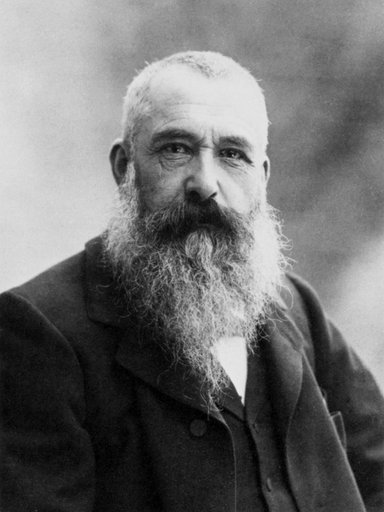
Artist
Oscar-Claude Monet was a French painter and founder of Impressionism who is seen as a key precursor to modernism, especially in his attempts to paint nature as he perceived it.