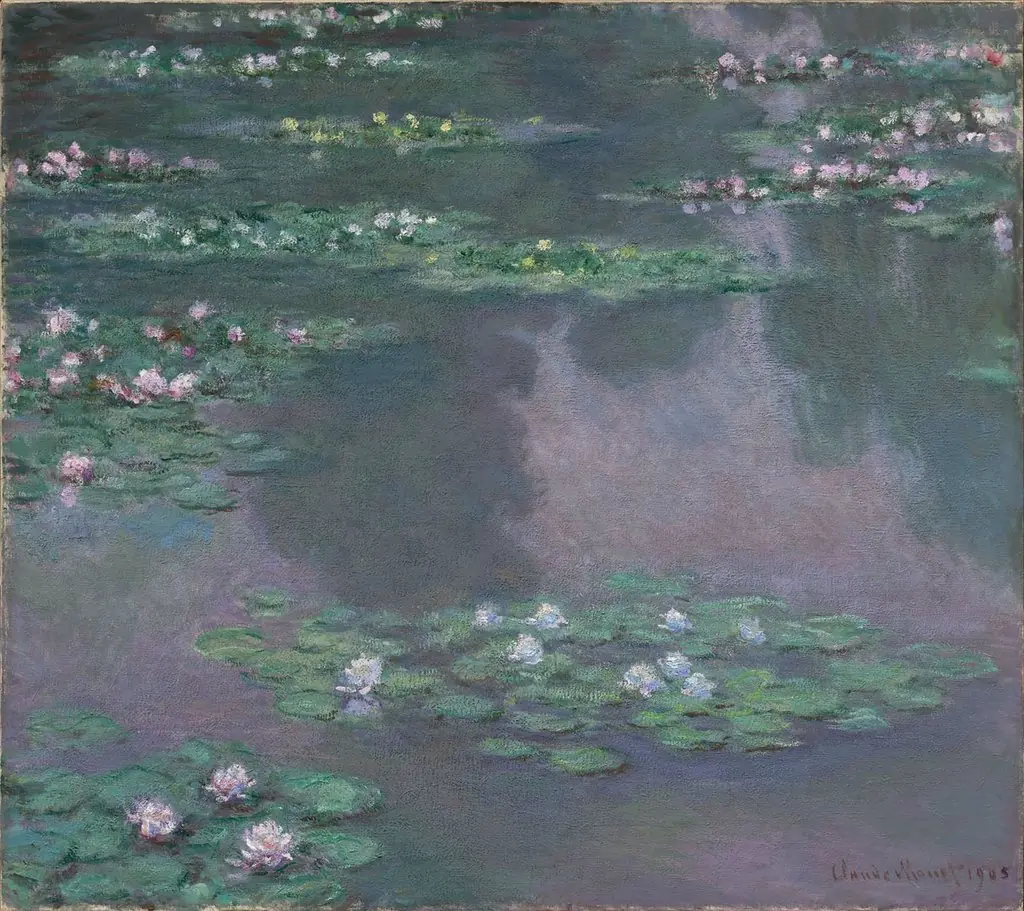
Artwork
Nymphéas
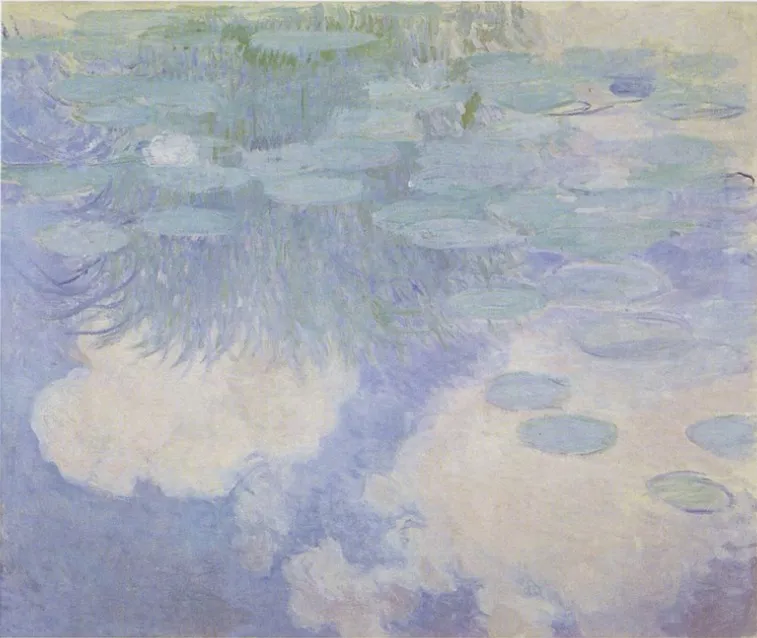
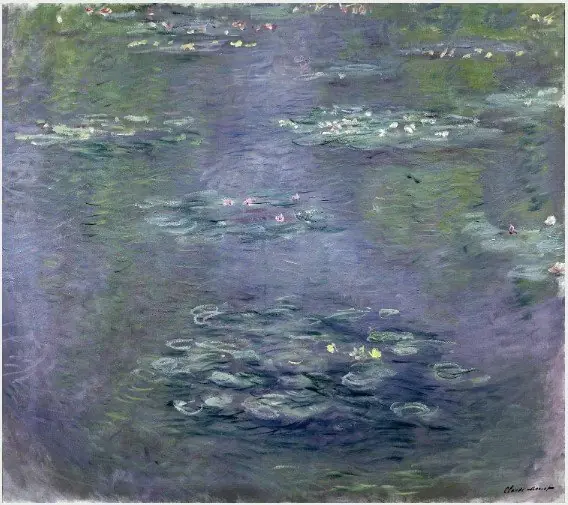
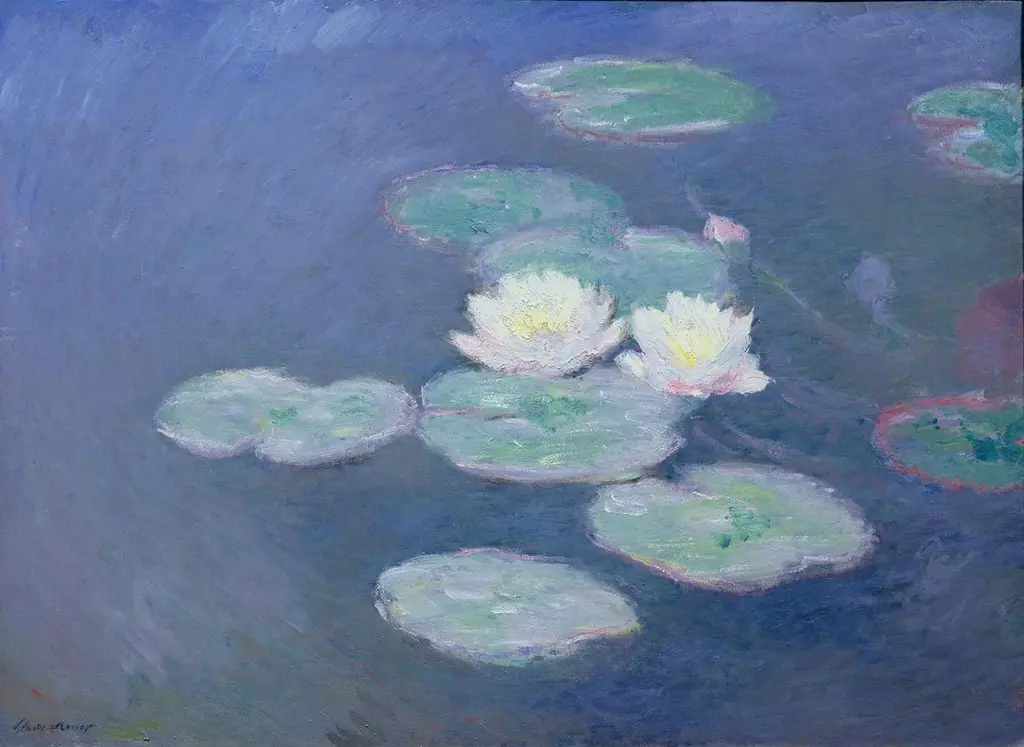
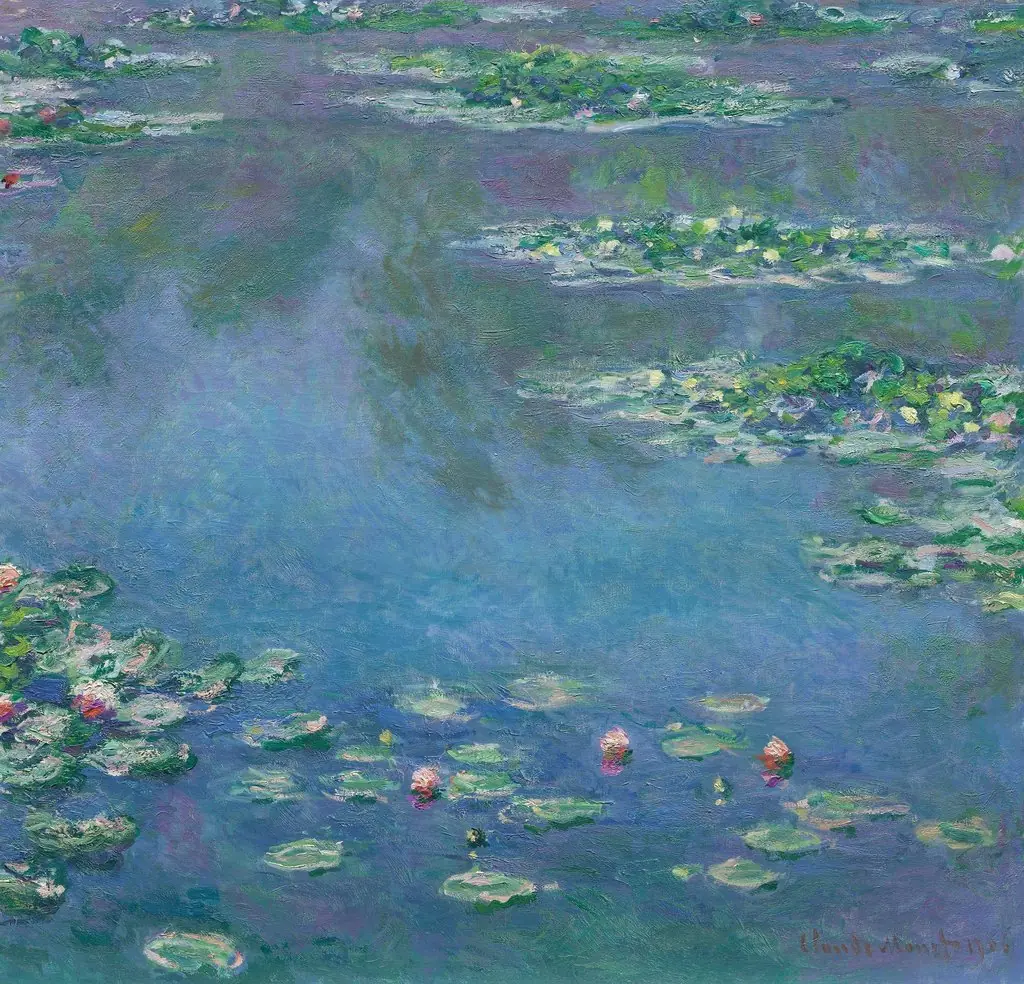
Nymphéas is an oil painting by the Impressionist artist Claude Monet. It dates from 1915 and is held in the collection of the Musée Marmottan Monet.
About this work
Overview
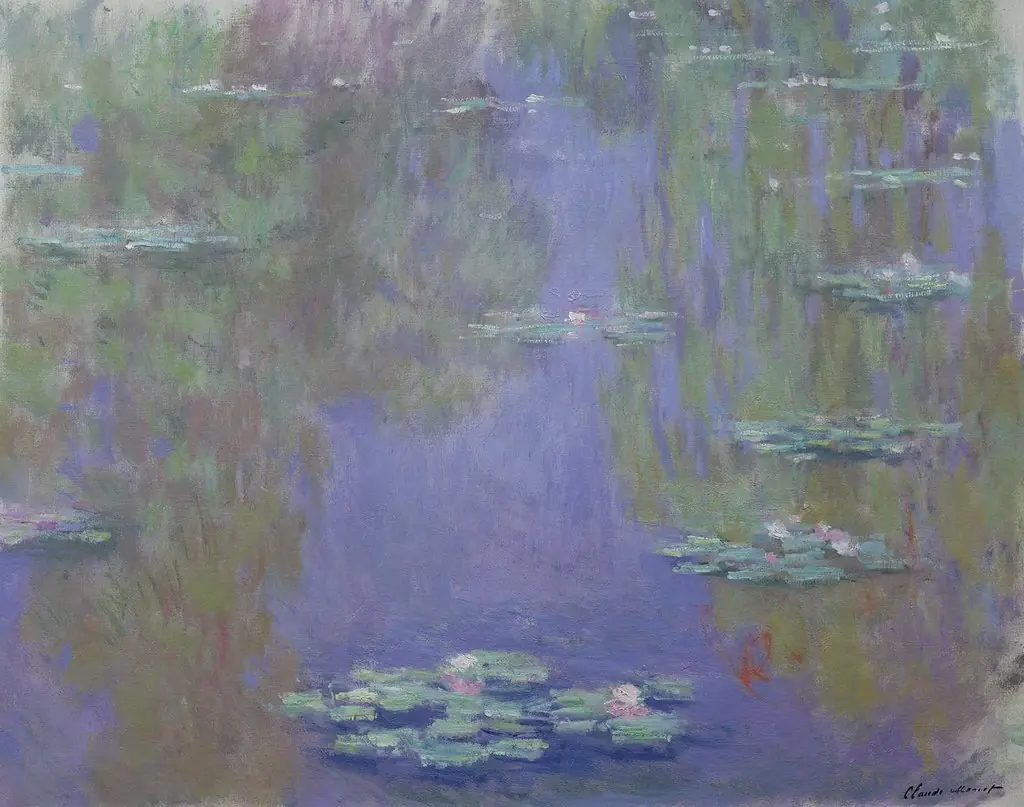
Created in 1915, this oil on canvas belongs to Claude Monet’s later series of water lilies. The work is part of the collection of the Musée Marmottan Monet in Paris, where it is displayed among other pieces from the artist’s garden at Giverny.
Subject & Meaning
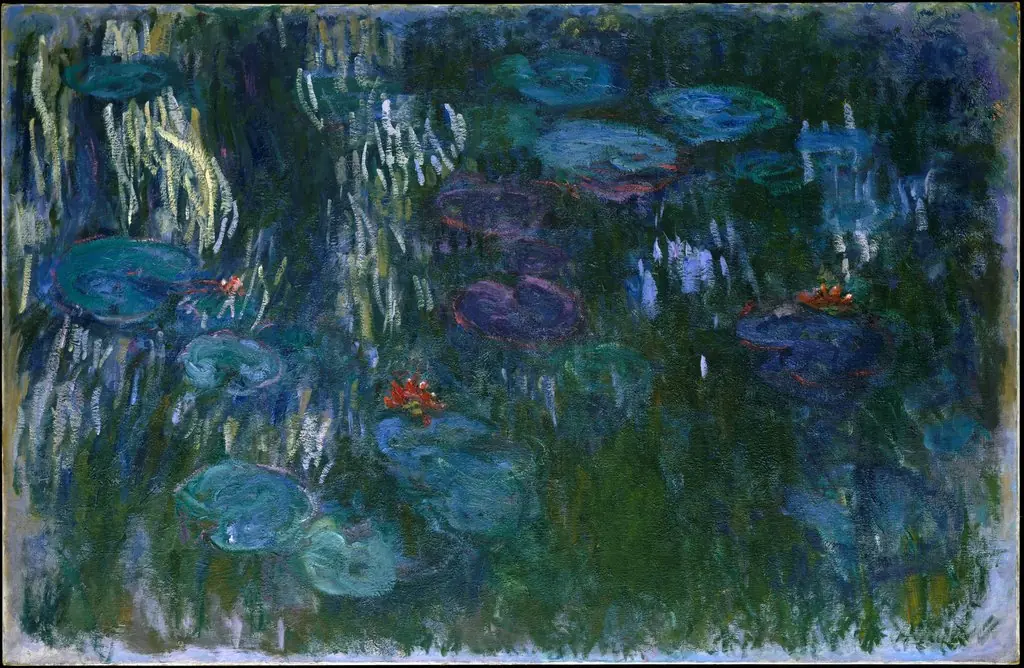
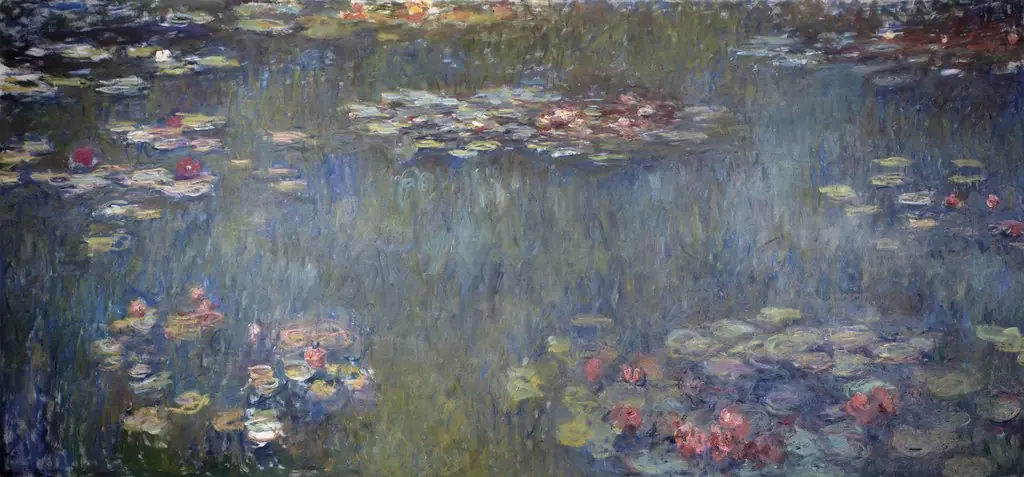
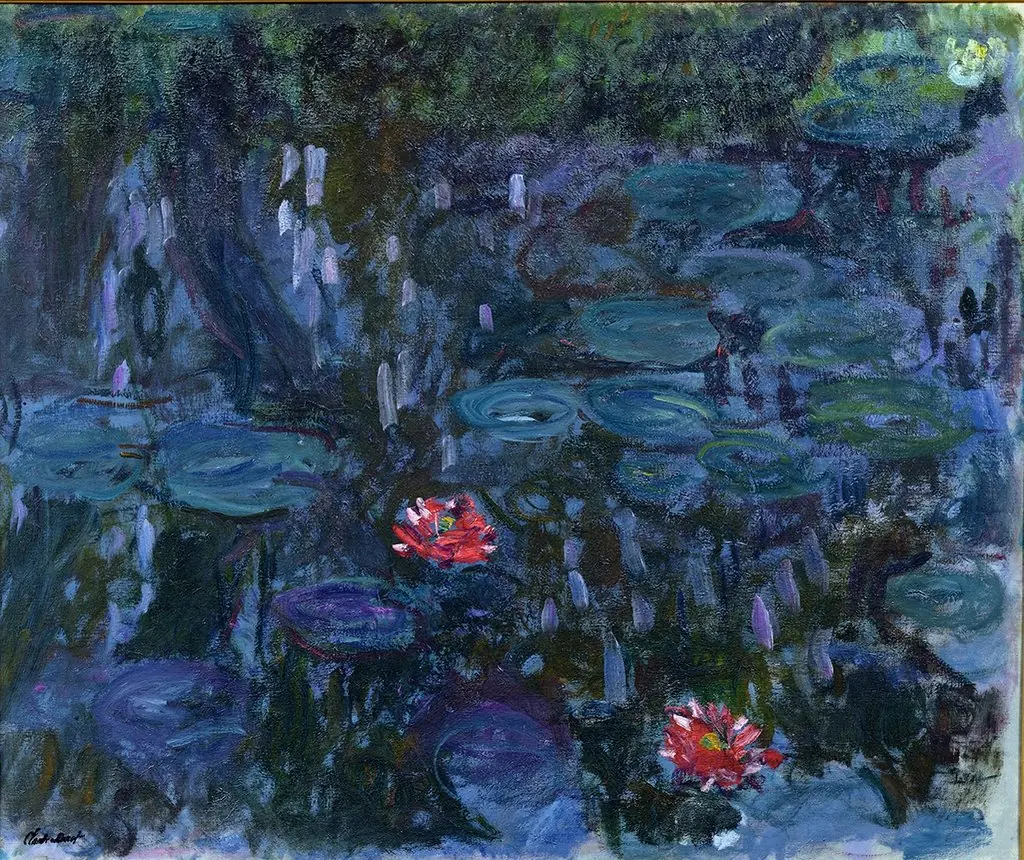
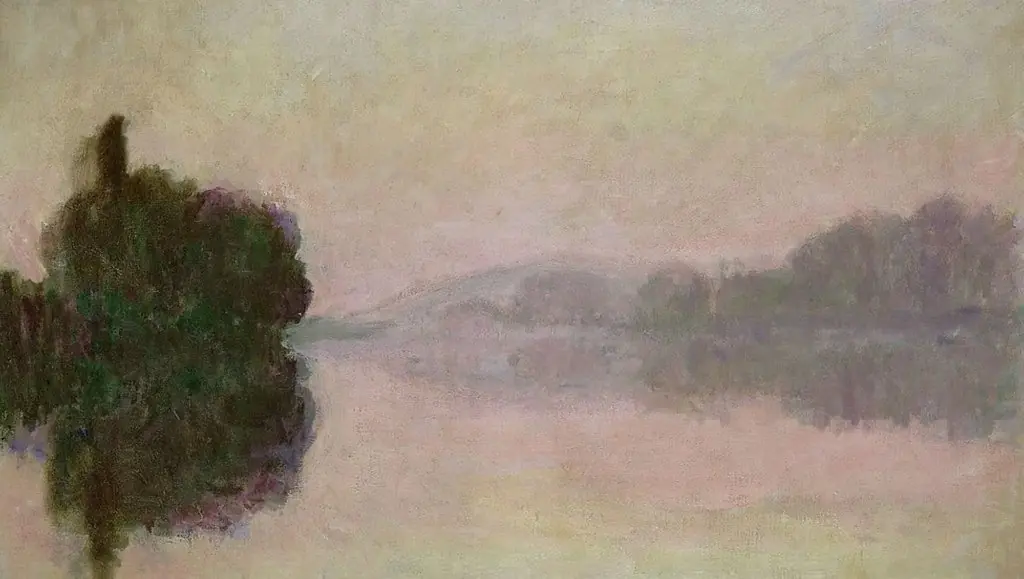
The composition presents a quiet pond surface dotted with floating lily pads. Subtle hints of foliage and distant trees appear in the background, but the emphasis remains on the water’s calm expanse, inviting contemplation of light and atmosphere rather than narrative detail.
Technique & Style
Monet employs soft, layered brushstrokes that blend blues, greens, and muted earth tones, creating a delicate surface that captures fleeting reflections. The handling of paint yields a slightly blurred effect, characteristic of his Impressionist approach to rendering transient visual impressions.
History & Provenance
After its completion, the painting entered the private holdings of Monet’s heirs before being acquired by the Musée Marmottan Monet. It has remained in the museum’s collection, contributing to the institution’s comprehensive representation of the artist’s late garden works.
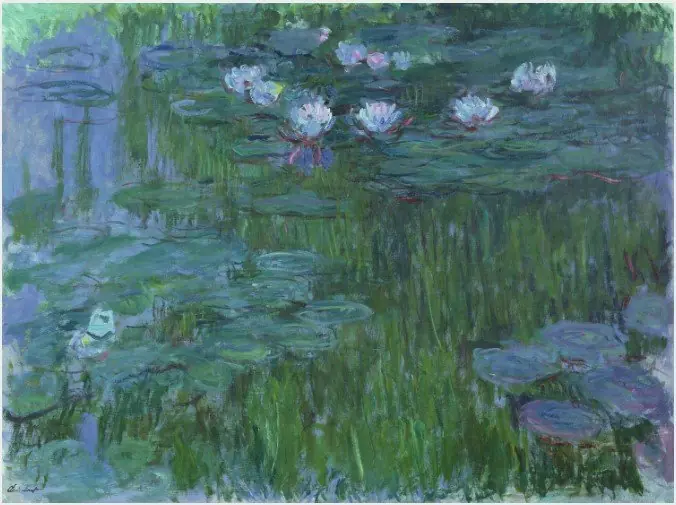
Artist & collection
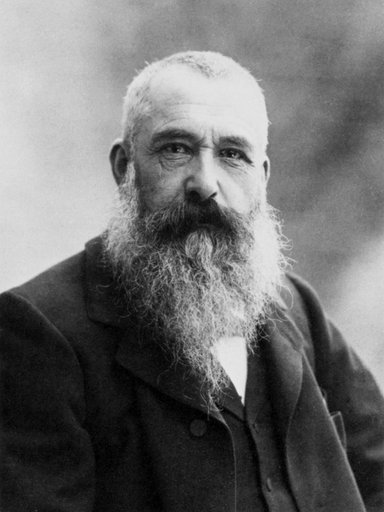
Artist
Oscar-Claude Monet was a French painter and founder of Impressionism who is seen as a key precursor to modernism, especially in his attempts to paint nature as he perceived it.