Artwork
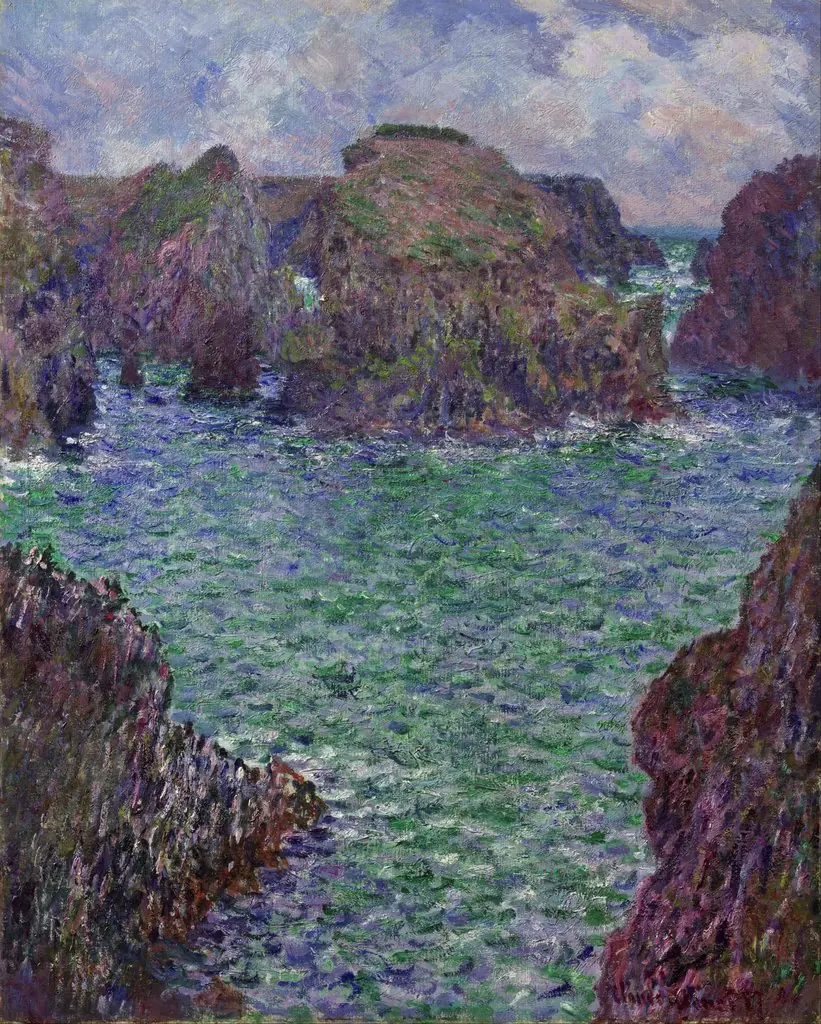
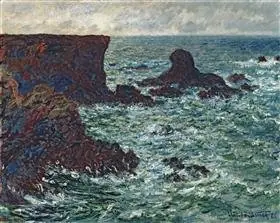
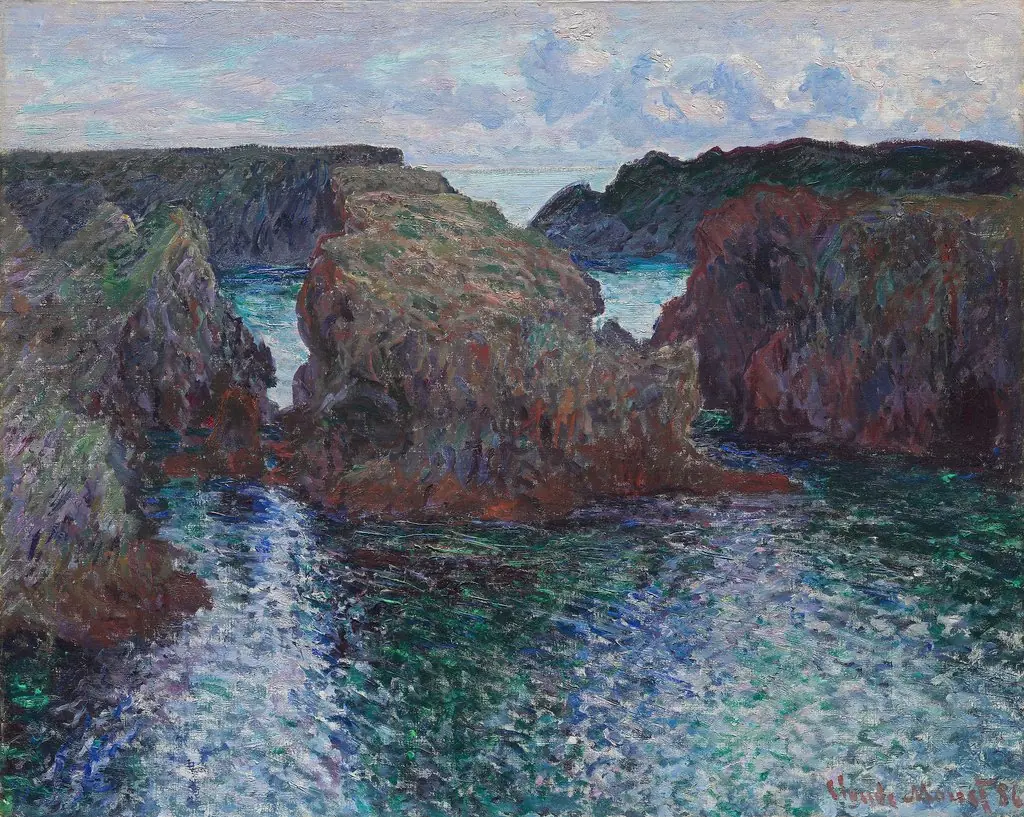
Rocks at Port-Goulphar, Belle-Île
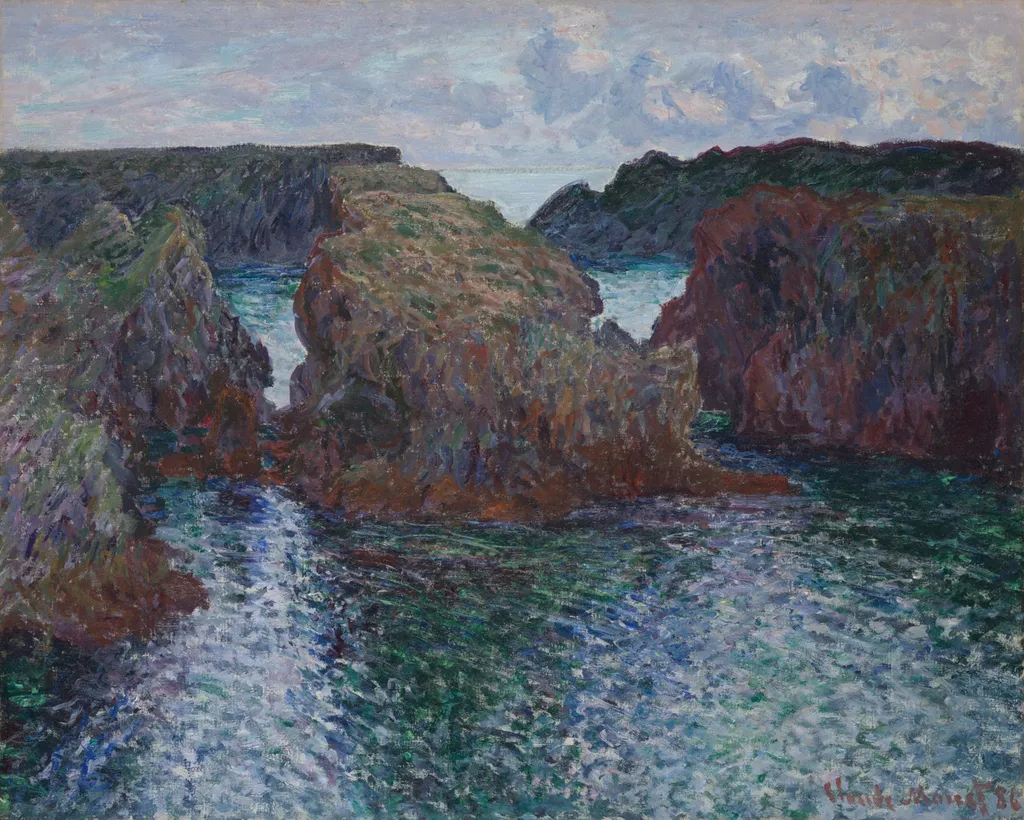
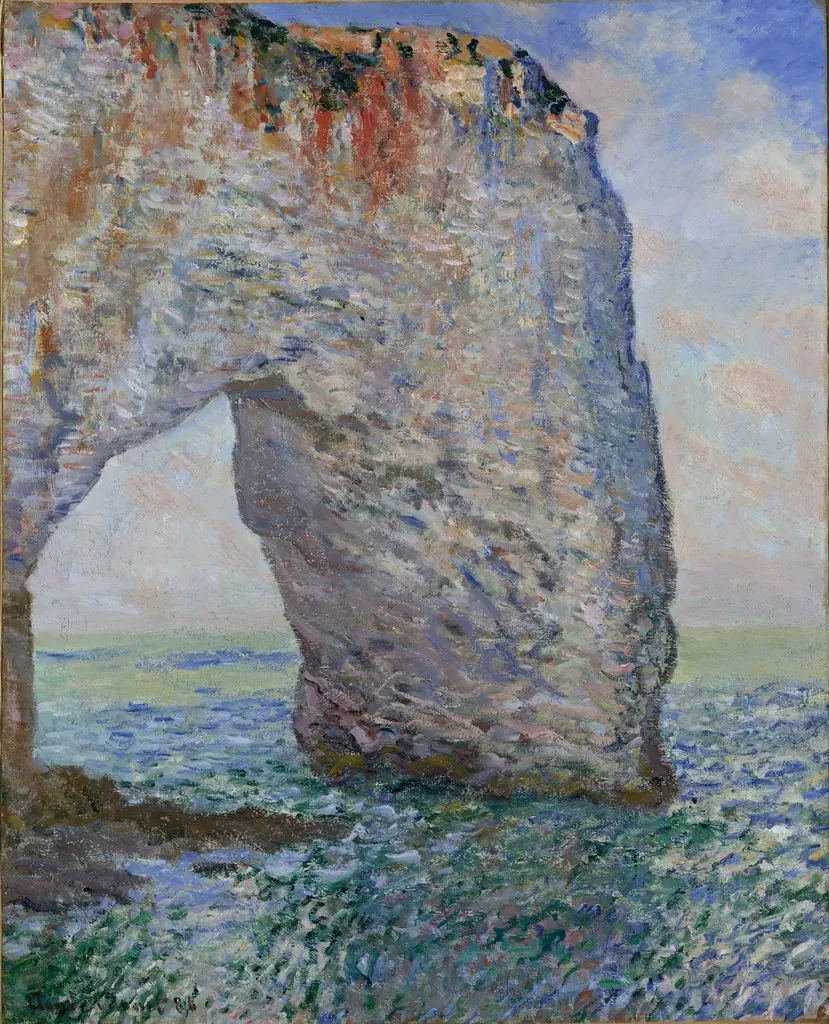
Rocks at Port-Goulphar, Belle-Île is an oil painting by the Impressionist artist Claude Monet. It dates from 1886 and is held in the collection of the Art Institute of Chicago.
- Accession no.
- 20545
- Credit line
- Gift of Mr. and Mrs. Chauncey B. Borland
About this work
Overview
Rocks at Port-Goulphar, Belle-Île is an oil on canvas painting by Claude Monet, depicting rugged rock formations at Port-Goulphar on the island of Belle-Île, off Brittany's coast. Characterized by jagged, weathered rocks, churning water, and a heavy sky, the work captures the dynamic interplay of sea, stone, and light.
Subject & Meaning
The subject is the dramatic, awe-inspiring rock formations of Port-Goulphar, conveying the power of the ocean and the resilience of natural stone. Monet's prolonged engagement with the site reflects his fascination with capturing the emotional and visual impact of this landscape.
Technique & Style
The painting features a predominantly gray and brown palette punctuated by white foam, with visible brushwork suggesting the textured, weathered quality of the rocks. Monet's use of impasto technique emphasizes the three-dimensional aspect of the rocks and the turbulent water, enhancing the sense of movement and energy.
History & Provenance
Painted during Monet's extended stay on Belle-Île (initially planned for two weeks, but lasting over two months), this canvas is part of a series dedicated to the Port-Goulphar rock formations. The prolonged stay allowed for multiple renderings, exploring how varying light and weather conditions transformed the subject.
Context
Created in the context of Monet's broader interest in capturing light and its effects in outdoor settings, Rocks at Port-Goulphar, Belle-Île reflects his Impressionist preoccupations. The work contrasts with more serene Impressionist landscapes, highlighting instead the dramatic and the sublime in nature.
Legacy
While not as widely recognized as some of Monet's other works, Rocks at Port-Goulphar, Belle-Île contributes to the understanding of Monet's artistic process and his ability to find inspiration in challenging, less typical landscapes, influencing subsequent artists in capturing dynamic natural environments.
Own this work as a print
Artist & collection
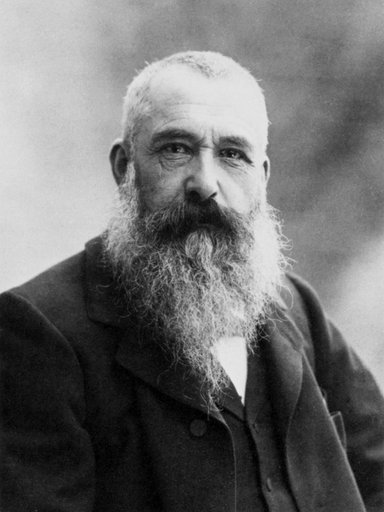
Artist
Oscar-Claude Monet was a French painter and founder of Impressionism who is seen as a key precursor to modernism, especially in his attempts to paint nature as he perceived it.