Artwork
The Grand Canal
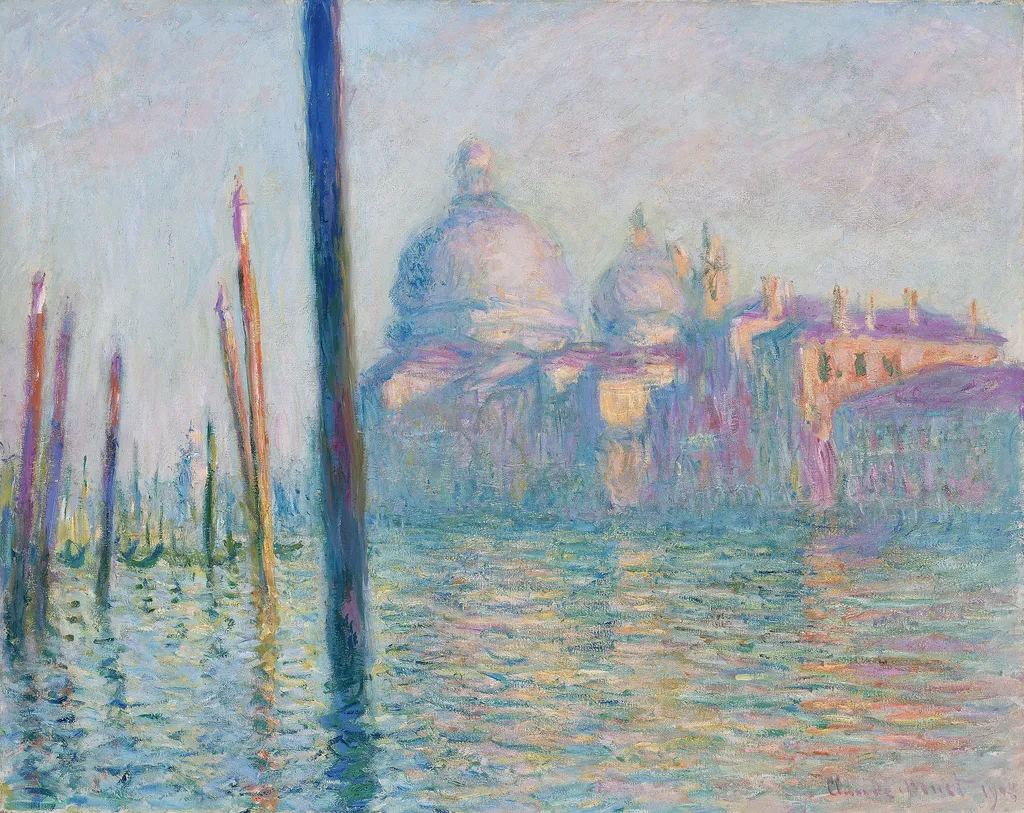
The Grand Canal is an oil painting by the Impressionist artist Claude Monet. It dates from 1908 and is held in the collection of the Museum of Fine Arts Boston.
About this work
Monet painted the series during his only trip to Venice, starting the works outdoors and finishing them back in France.
The Grand Canal is an oil painting by Claude Monet, made in 1908.
It is one of six views looking down the Grand Canal toward the Salute church. Monet painted the series during his only trip to Venice, starting the works outdoors and finishing them back in France. Historians note this period as the height of his skill. Monet is best known as an Impressionist, though this work isn’t formally linked to a specific movement.
You might also check out the Museum of Fine Arts Boston.
Overview
The Grand Canal is an oil on canvas painting by French Impressionist Claude Monet, created in 1908 during the artist's only visit to Venice. Measuring 73.7 by 92.88 centimeters, the work depicts a hazy view of the Grand Canal dominated by the Baroque church of Santa Maria della Salute, seen from the Palazzo Barbaro. The painting is now held in the collection of the Museum of Fine Arts, Boston, under accession number 19.171. It belongs to a series of six canvases of the same motif, which art historians generally regard as products of Monet's mature period, when he was at the peak of his powers. The work exemplifies Monet's lifelong pursuit of capturing transient atmospheric effects and the play of light on water.
Subject & Meaning
The painting presents a classic view of Venice's Grand Canal, with the domed Santa Maria della Salute occupying the central axis of the composition. Smaller architectural forms and domes extend to the right, while tall, thin vertical elements, likely mooring poles or masts, rise from the left side of the water. The lower half of the canvas is filled with the canal surface, rendered in horizontal strokes of blue, green, pink, and yellow that suggest rippling reflections. No human figures appear, lending the scene an other-worldly, contemplative quality. Monet's interest lay less in documenting Venice's famous landmarks than in recording how light dissolved and transformed appearances. The mooring poles serve a compositional function, their verticality counterbalancing the horizontal mass of the buildings and creating a rhythmic structure within the misty atmosphere. The absence of people and the dissolution of architectural edges into soft, luminous haze suggest a meditation on perception itself, on how light and atmosphere mediate our experience of place.
Technique & Style
Monet executed The Grand Canal in oil paint on canvas, working en plein air in Venice and completing the canvas after his return to France. The brushwork is loose and visible, composed of short, broken strokes that blend colors optically rather than defining hard edges. Forms are deliberately indistinct, dissolving into the surrounding atmosphere. The palette consists of soft blues, purples, and pinks, with touches of warmer yellow and orange. Light seems to emanate from within the scene rather than from a single directional source, creating an enveloping, self-luminous effect. The handling of the water surface is particularly characteristic of Monet's late style: horizontal strokes of varied color suggest movement and reflection without describing specific details. This technique, developed across his serial practice, prioritizes the sensory impression of a moment over topographical accuracy. The signature appears in the lower right corner.
History & Provenance
The painting originated from an invitation extended by Mary Young Hunter, an American friend of Monet's wife Alice, who had rented the Palazzo Barbaro in Venice. Initially reluctant, Monet accepted and he and Alice arrived in Italy on October 1, 1908. During a three-month stay through December, Monet produced 37 works depicting Venice, including six canvases of the Grand Canal from the Palazzo Barbaro vantage point. The painting later entered the private collection of Hunt Henderson, a New Orleans sugar magnate and noted art collector. In 2015, it was sold at auction by Sotheby's for more than $35 million; the auction house described it as "one of the most celebrated Venice paintings." The Museum of Fine Arts, Boston, now holds the work.
Context
Monet's 1908 Venetian sojourn occurred when he was 68 years old, at a period widely considered the apex of his career. The trip followed his established practice of serial investigation, developed in earlier bodies of work such as the Haystacks, Rouen Cathedral, Poplars, and Water Lilies series, in which he studied the same subject under varying light conditions at different times of day. The Grand Canal series introduced what scholars recognize as a fresh approach to a theme already treated by numerous notable artists before him. Rather than competing with the topographical tradition of Venetian view painting, Monet subordinated architecture to the ephemeral effects of light and atmosphere. His avoidance of the city's residents and tourists further distinguished his interpretation, shifting focus from social or historical narrative to pure optical experience. The series is understood as a pictorial exploration of light upon the ancient city, with Monet more preoccupied by the movement of light on water than by panoramic description.
Legacy
The Grand Canal has attained significant recognition in the art market and scholarly literature alike. Sotheby's 2015 characterization of the painting as "one of the most celebrated Venice paintings" reflects its status within Monet's oeuvre and within the broader tradition of Venetian imagery. The work's auction price of over $35 million underscores sustained collector interest in Monet's late period. As part of the larger Venetian series of 1908, The Grand Canal demonstrates the culmination of Monet's serial method, a practice that would influence subsequent generations of painters investigating perception, repetition, and the temporality of vision. The painting's residence in the Museum of Fine Arts, Boston, ensures public access to a key example of Monet's mature investigation of atmosphere, water, and light.
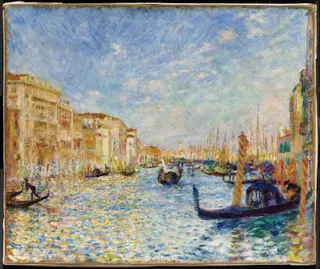
Own this work as a print
Artist & collection
Artist
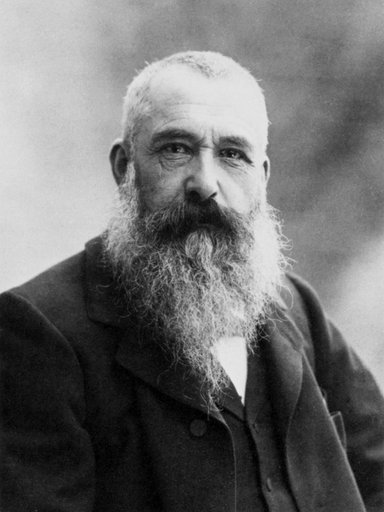
Oscar-Claude Monet was a French painter and founder of Impressionism who is seen as a key precursor to modernism, especially in his attempts to paint nature as he perceived it.

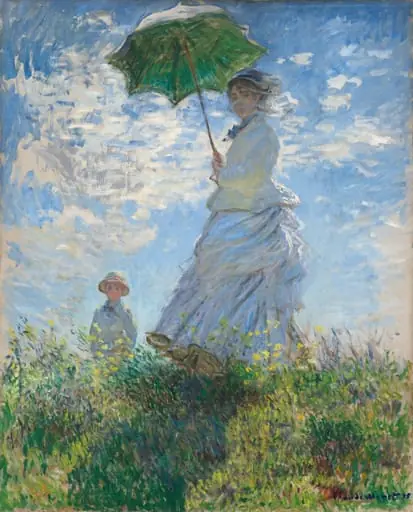
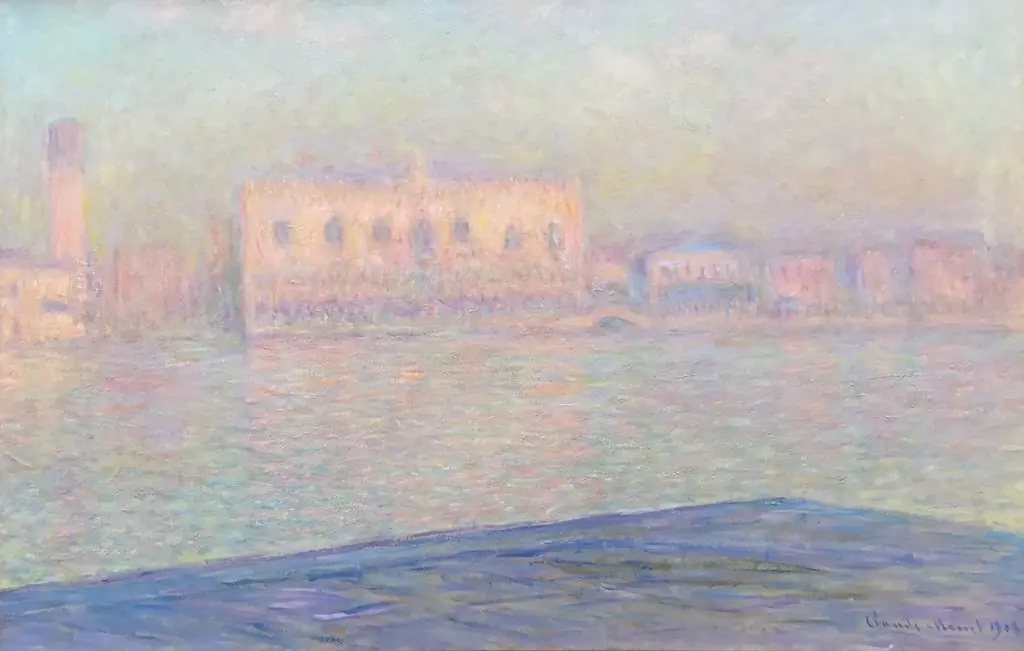 The Doge's Palace Seen from San Giorgio Maggiore
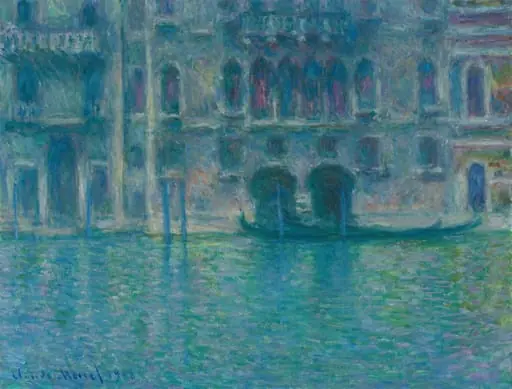 Palazzo da Mula, Venice
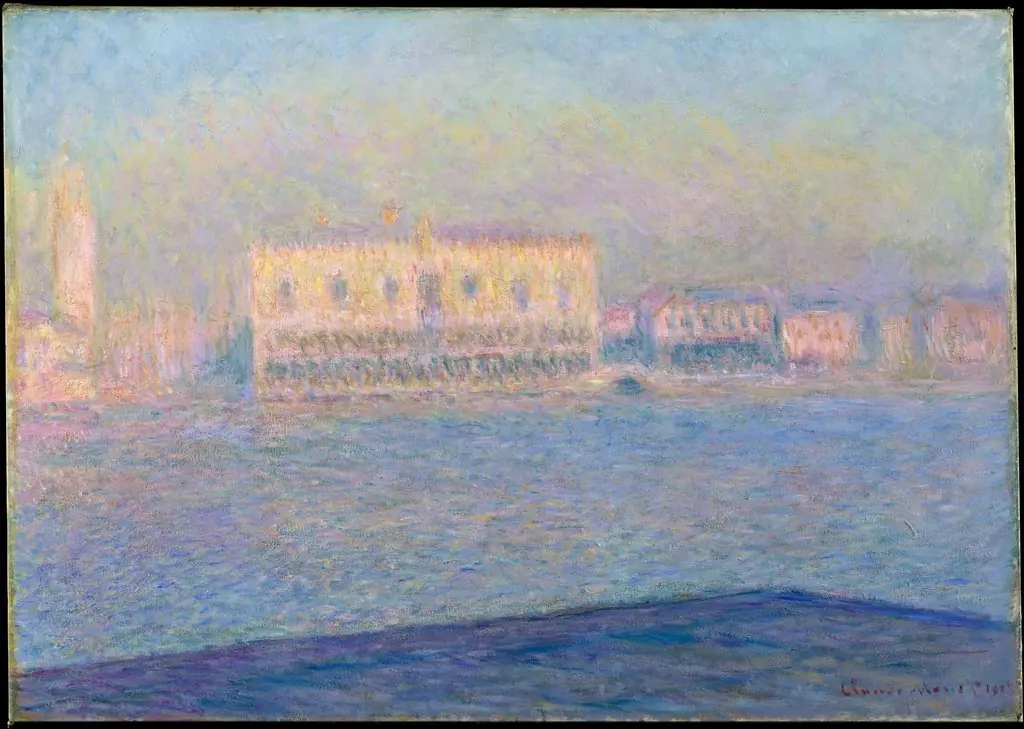 The Doge's Palace Seen from San Giorgio Maggiore
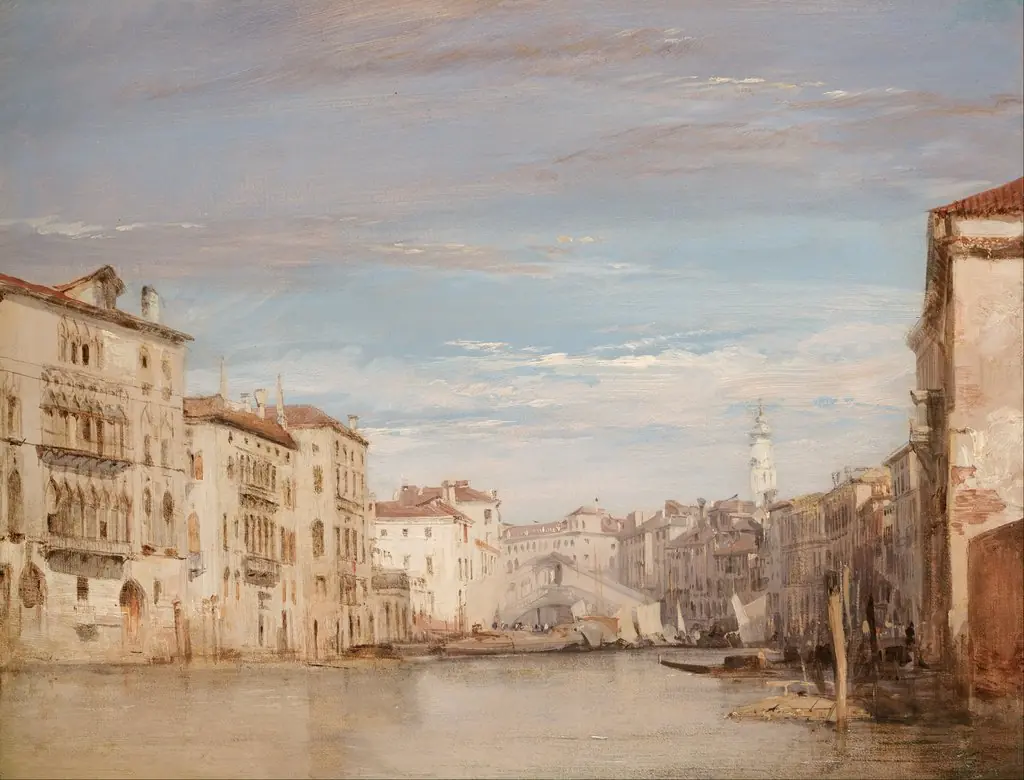 The Grand Canal, Venice, Looking Toward the Rialto
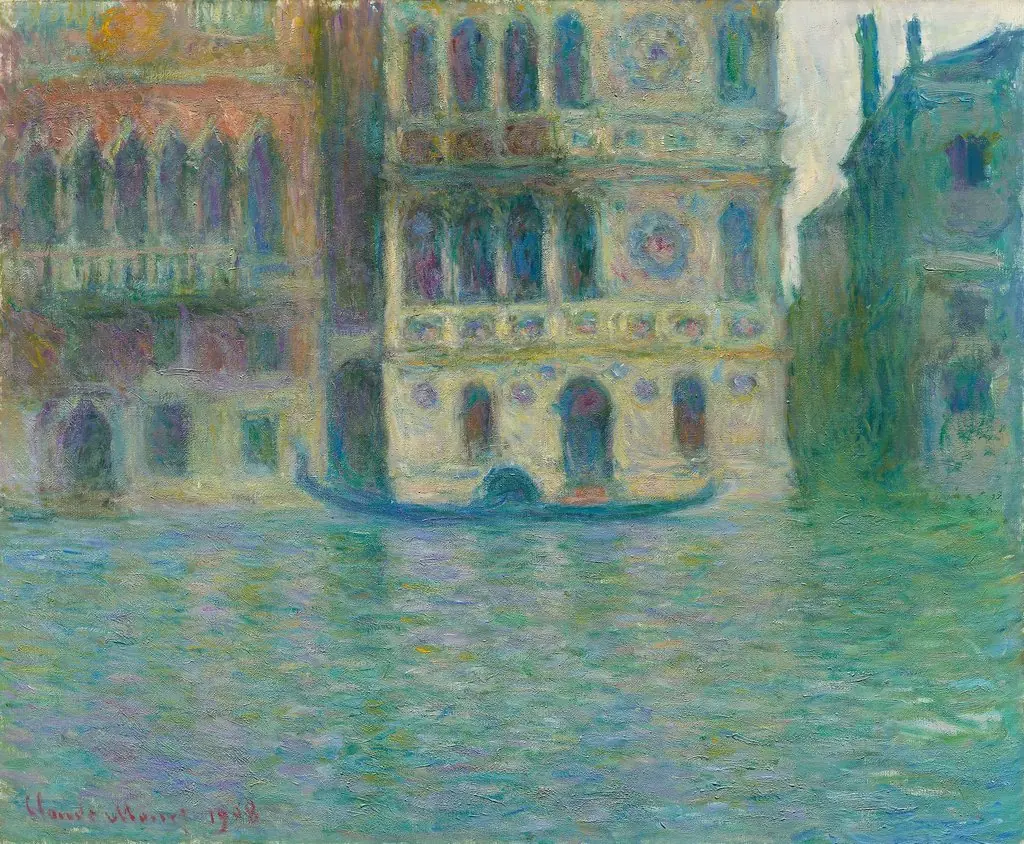 Venice, Palazzo Dario
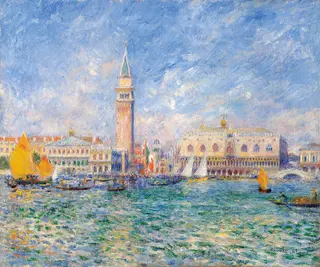 Venice, the Doge's Palace
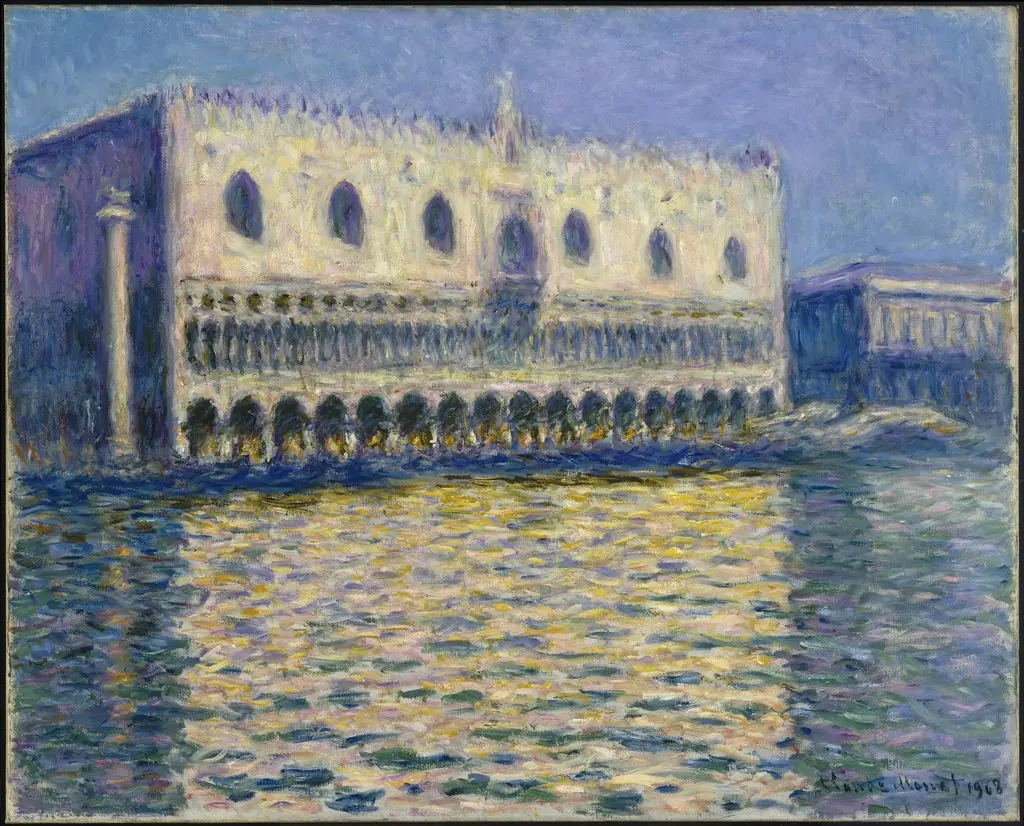 The Doges Palace (Le Palais ducal)
 The Houses of Parliament, Sunset
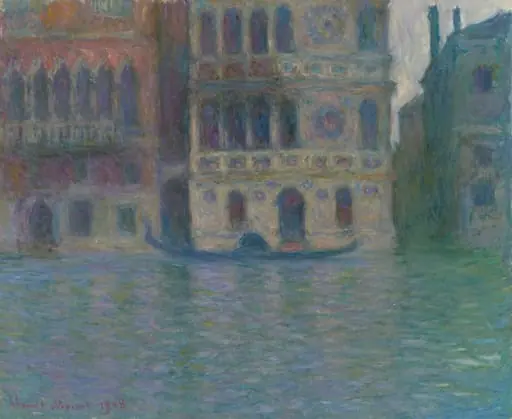 Venice, Palazzo Dario