Artwork
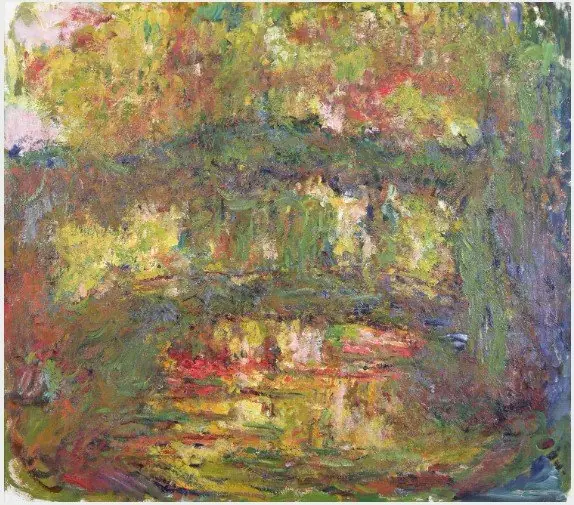
The Japanese Bridge
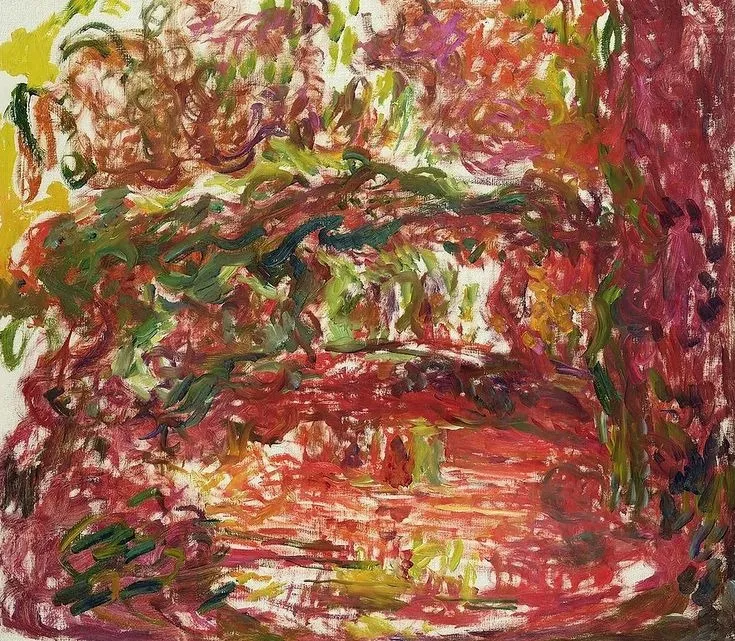
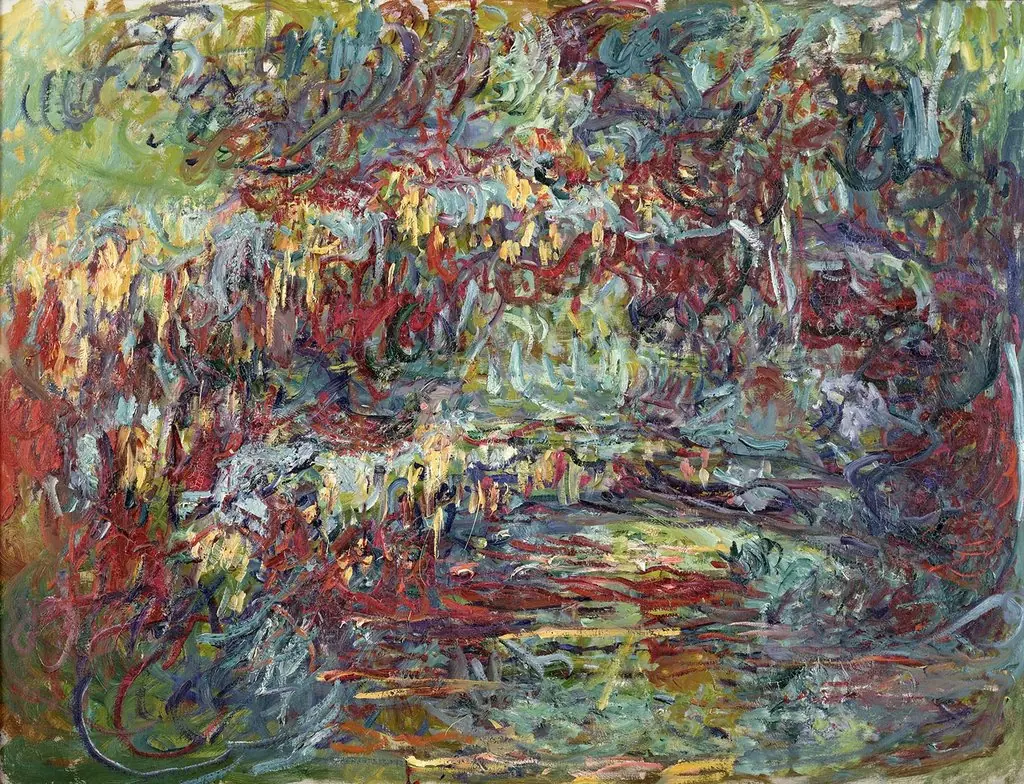
The Japanese Bridge is an oil painting by the Impressionist artist Claude Monet. It dates from 1921 and is held in the collection of the Musée Marmottan Monet.
About this work
Overview
Executed in oil on canvas, the work belongs to Monet's late series of large-scale decorative panels that focus almost exclusively on this specific garden vista.
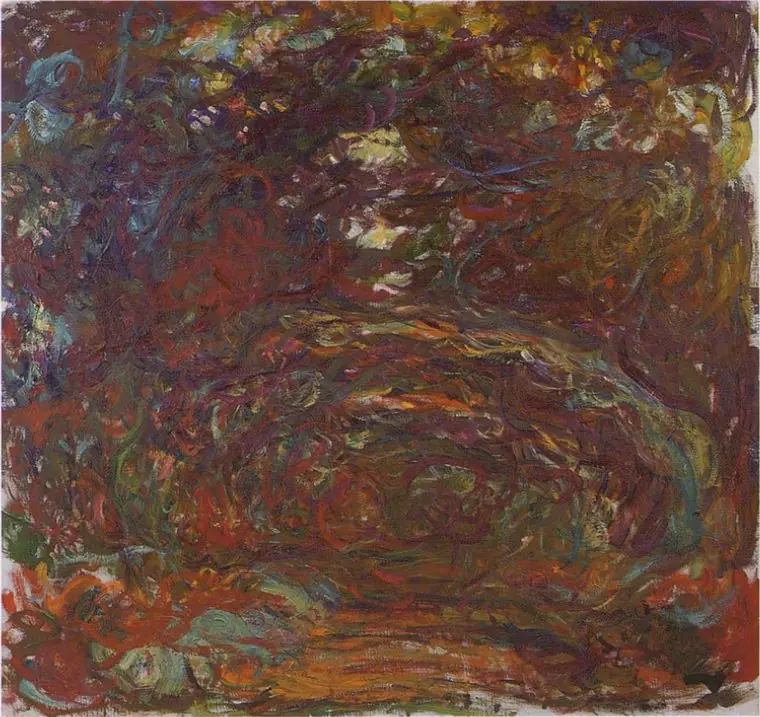
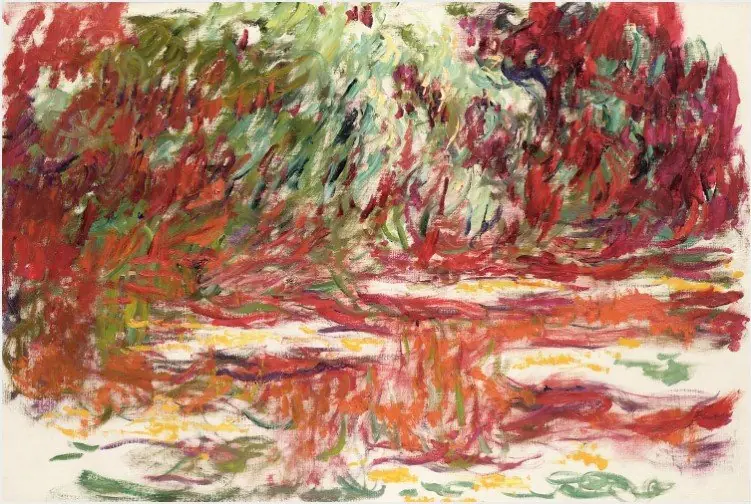
Claude Monet's The Japanese Bridge, painted in 1921, depicts the iconic arched footbridge spanning the water lily pond in the artist's garden at Giverny. Executed in oil on canvas, the work belongs to Monet's late series of large-scale decorative panels that focus almost exclusively on this specific garden vista. The composition eliminates the horizon line and traditional perspective, immersing the viewer in a dense tapestry of foliage, water reflections, and the bridge's structure.
Monet employs broad, rhythmic brushstrokes to capture the interplay of light and color, utilizing a palette dominated by vibrant greens, soft pinks, and yellows to render the lush vegetation and the bridge's wooden slats. Created during the final decade of the artist's life, this painting reflects his evolving style, moving toward a more abstract and expressive handling of paint that anticipates mid-20th-century abstraction. The work exemplifies Monet's lifelong obsession with capturing the fleeting effects of light and the changing seasons within his private sanctuary, serving as a culmination of his Impressionist investigations into nature and perception.
Subject & Meaning
The painting presents a cultivated water garden, likely inspired by Monet’s own Giverny pond where he arranged Japanese-style bridges and plantings. The arrangement of bridge, water, and surrounding vegetation suggests a harmonious integration of nature and human design, emphasizing the fleeting serenity of a summer afternoon.
Technique & Style
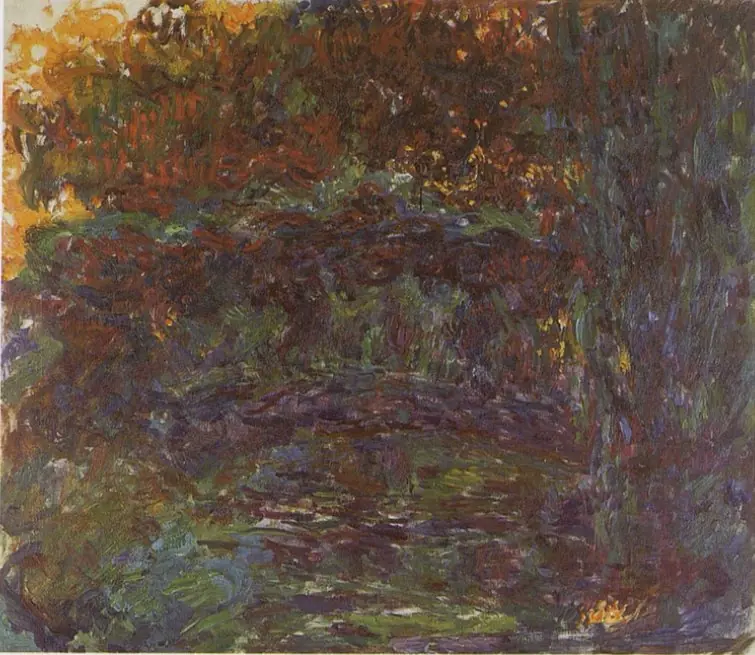
Monet employs loose, expressive brushwork, especially in the foreground, to convey movement and the play of light on water and leaves. The palette is restrained, with subtle tonal shifts that capture the diffused illumination typical of his late Impressionist period, while the handling of shadow adds depth to the scene.
History & Provenance
Created in the final year of Monet’s life, The Japanese Bridge entered the collection of the Musée Marmottan Monet, where it remains on display. The museum, dedicated to the artist’s oeuvre, acquired the work as part of its effort to preserve his late garden paintings.
Artist & collection
Artist
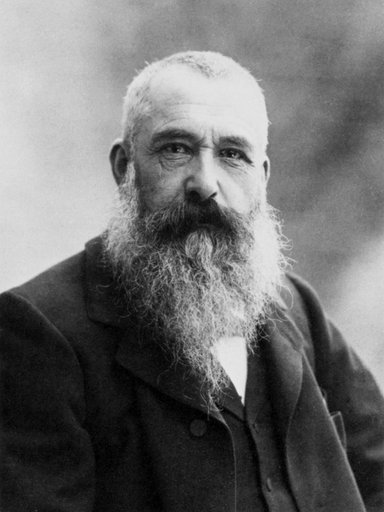
Oscar-Claude Monet was a French painter and founder of Impressionism who is seen as a key precursor to modernism, especially in his attempts to paint nature as he perceived it.