Artwork
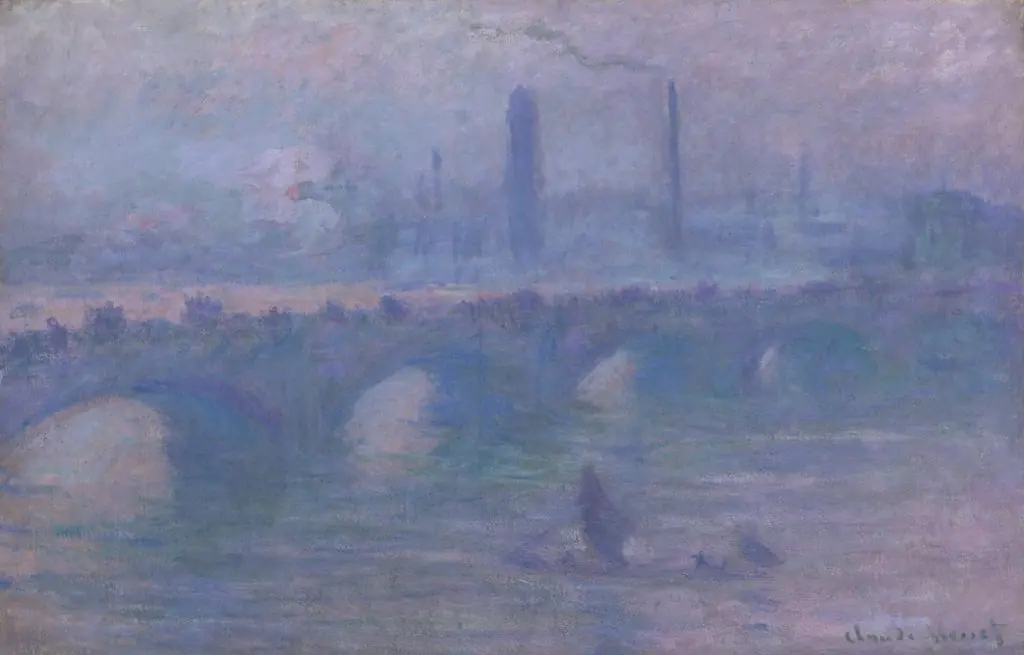
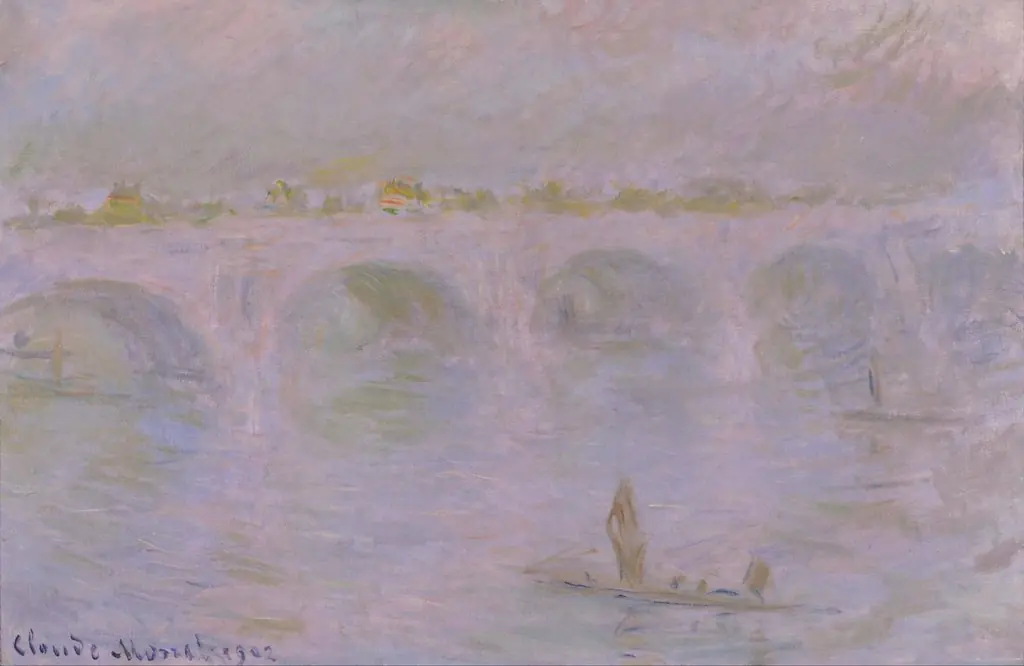
Waterloo Bridge. Effect of Fog
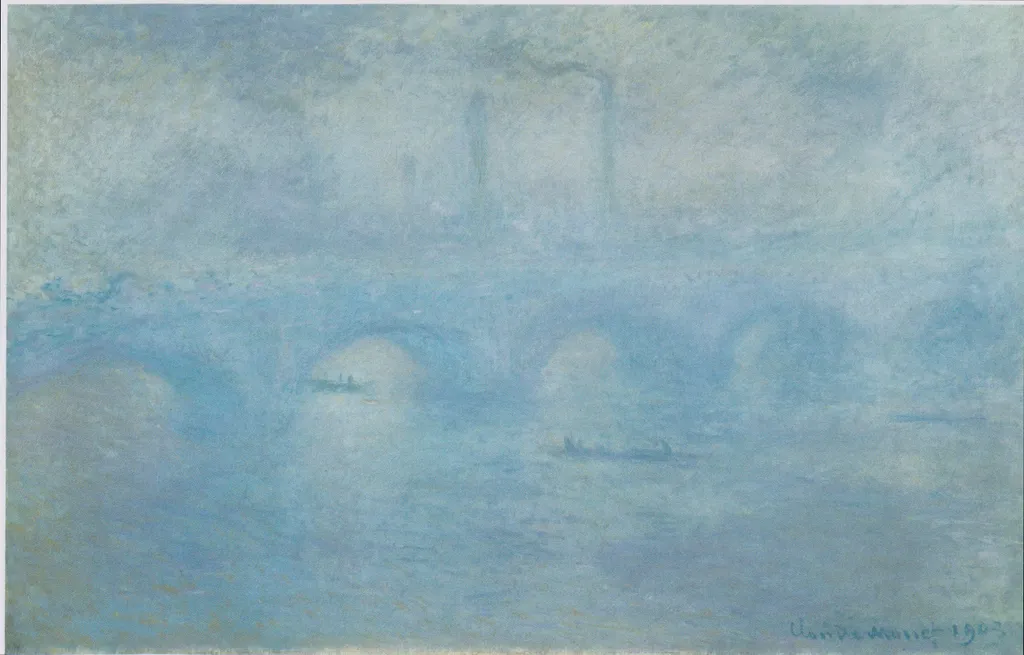
Waterloo Bridge. Effect of Fog is an oil painting by the Impressionist artist Claude Monet. It is held in the collection of the Hermitage Museum.
About this work
Subject & Meaning
By isolating the bridge within a hazy environment, the painting represents a study of perception and the ephemeral nature of the urban landscape.
The work depicts Waterloo Bridge in London, rendered as a cityscape within the Impressionist movement. The title specifies an atmospheric condition, focusing on the visual effects of fog rather than architectural detail or human activity. This approach emphasizes the transient qualities of light and weather over a literal topographical record.
By isolating the bridge within a hazy environment, the painting represents a study of perception and the ephemeral nature of the urban landscape.
Technique & Style
Monet employed oil on canvas to achieve the atmospheric effects seen in this cityscape, using layered brushwork that captures shifting light and mist over the Thames.
The painting is executed in oil paint on canvas, with the artist handling the medium to render subtle tonal variations in the fog.
Formal qualities emphasize tonal gradation and diffused spatial depth, characteristic of Impressionist treatment of urban environments.
These stylistic choices support Monet's focus on transient atmospheric conditions rather than precise architectural detail.
History & Provenance
Claude Monet created the oil painting Waterloo Bridge. Effect of Fog in 1903 while working in France. The work measures 65.3 cm in height and 101 cm in width.
Following its completion, the canvas entered the collection of the Russian collector Ivan Morozov. Today, the painting is held by the Hermitage Museum, where it remains part of the institution's permanent holdings. The work has been featured in exhibitions highlighting the Morozov Collection and icons of modern art.
The work is held in the collection of the State Hermitage Museum in Saint Petersburg.
Its inventory record is not specified in the cited sources. The painting is dated to 1903 in the Hermitage’s records, aligning with Monet’s London series executed that year.
It was included in the exhibition The Morozov Collection: Icons of Modern Art held in Paris.
Overview
Claude Monet’s oil painting titled Waterloo Bridge. Effect of Fog portrays a mist‑filled view of the London bridge spanning a river. Executed in the early twenty‑first century, the work belongs to the Impressionist tradition and is part of the State Hermitage Museum’s collection.
Context
Although Monet is best known for his late‑nineteenth‑century French landscapes, this work extends his fascination with atmospheric effects to an iconic British landmark. The piece aligns with his broader series of bridge studies, where shifting light and weather become central subjects.
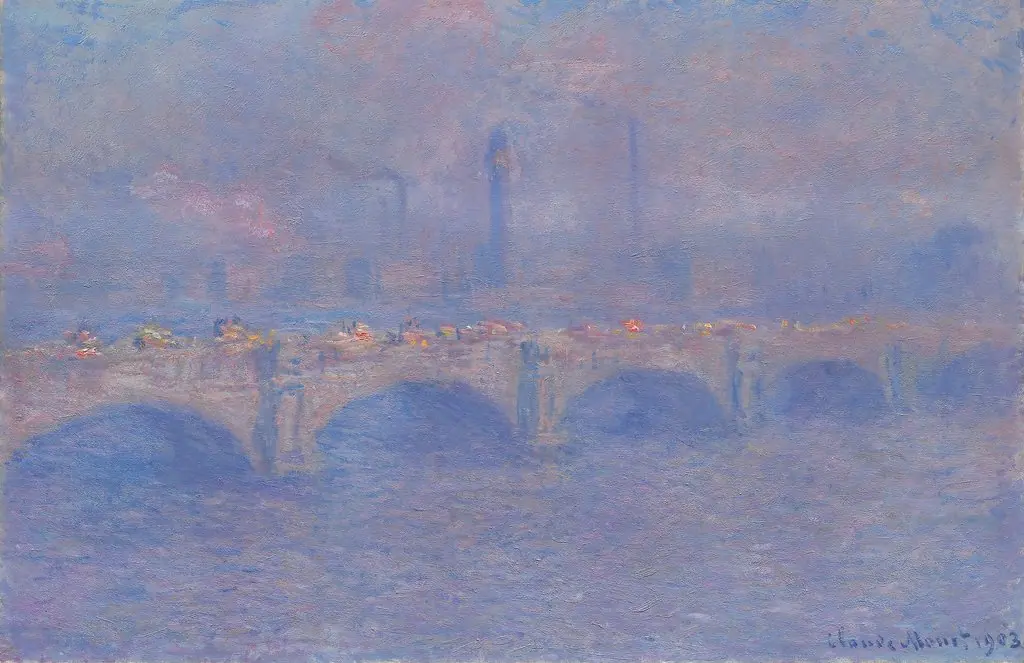
Own this work as a print
Artist & collection
Artist
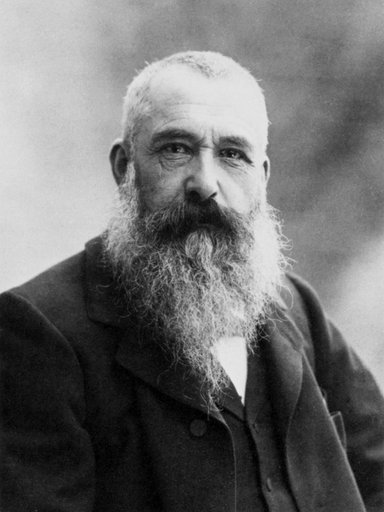
Oscar-Claude Monet was a French painter and founder of Impressionism who is seen as a key precursor to modernism, especially in his attempts to paint nature as he perceived it.

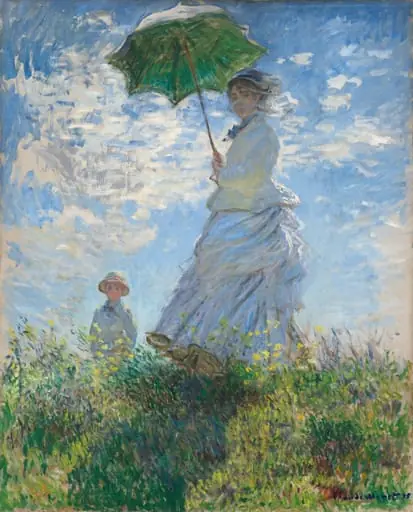
- Waterloo Bridge, Sunlight Effect
 Waterloo Bridge, Morning Fog
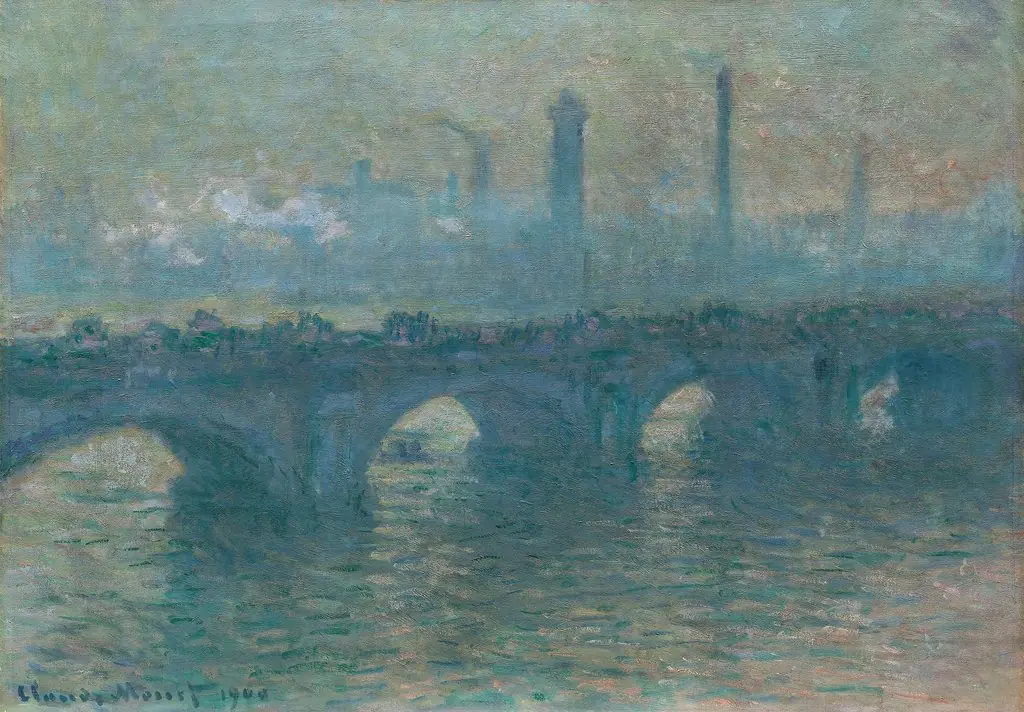 Waterloo Bridge, Gray Weather
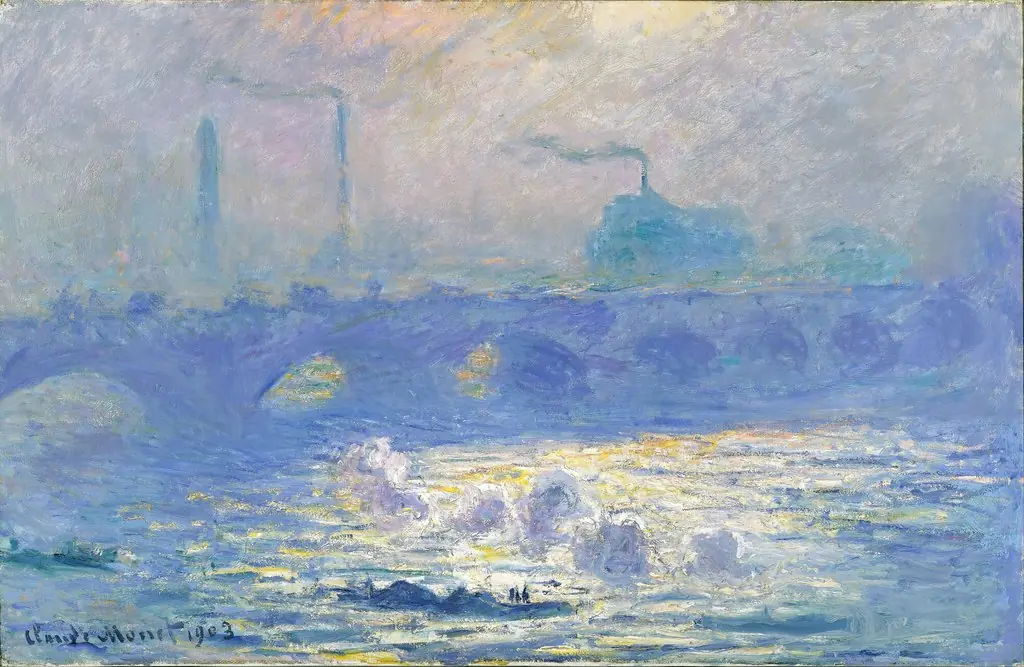 Waterloo Bridge, Sunlight Effect
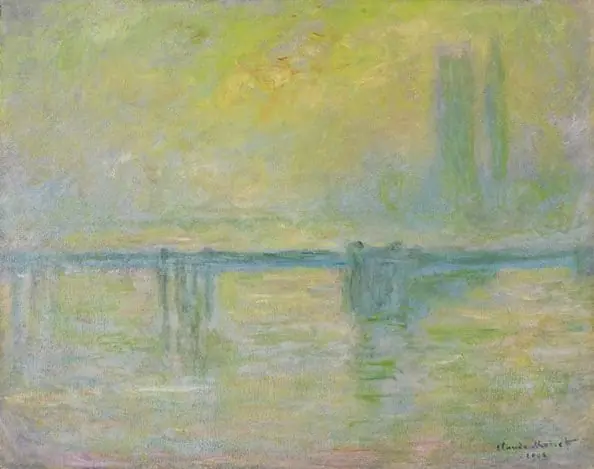 Charing Cross Bridge, Fog
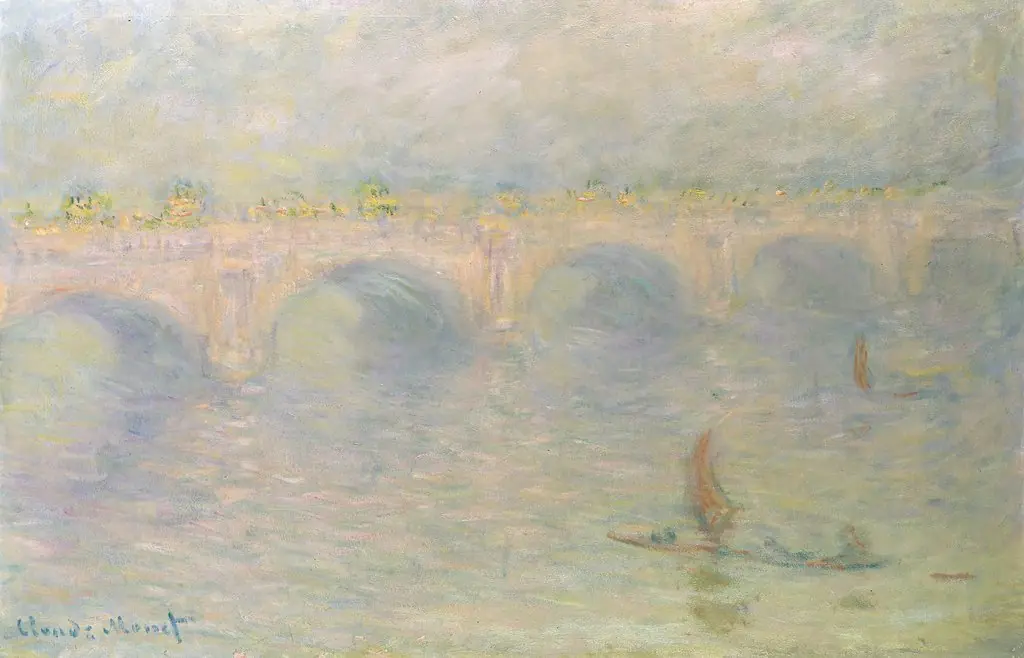 Waterloo Bridge, London, Sun Effect
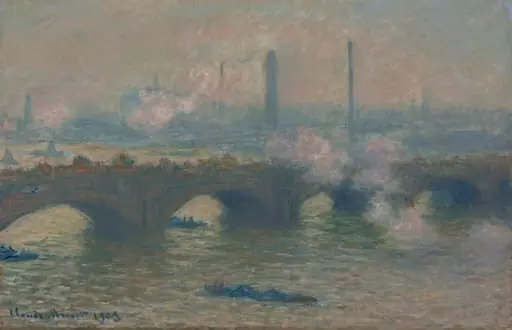 Waterloo Bridge, Gray Day
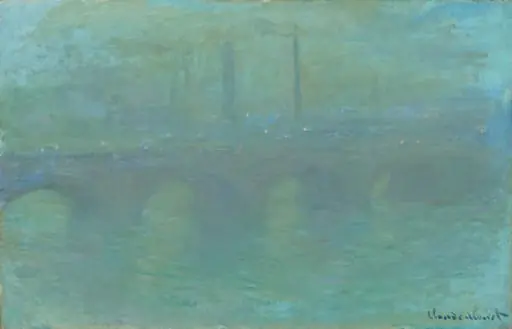 Waterloo Bridge, London, at Dusk
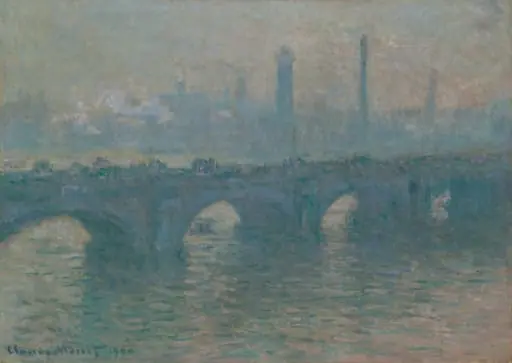 Waterloo Bridge, Gray Weather
 Waterloo Bridge, London, at Sunset
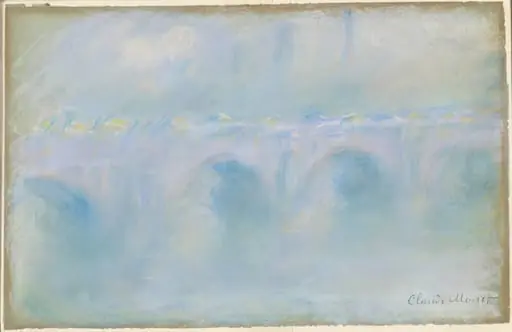 Waterloo Bridge
 Waterloo Bridge in London