Artwork
Waterloo Bridge, London, Sun Effect
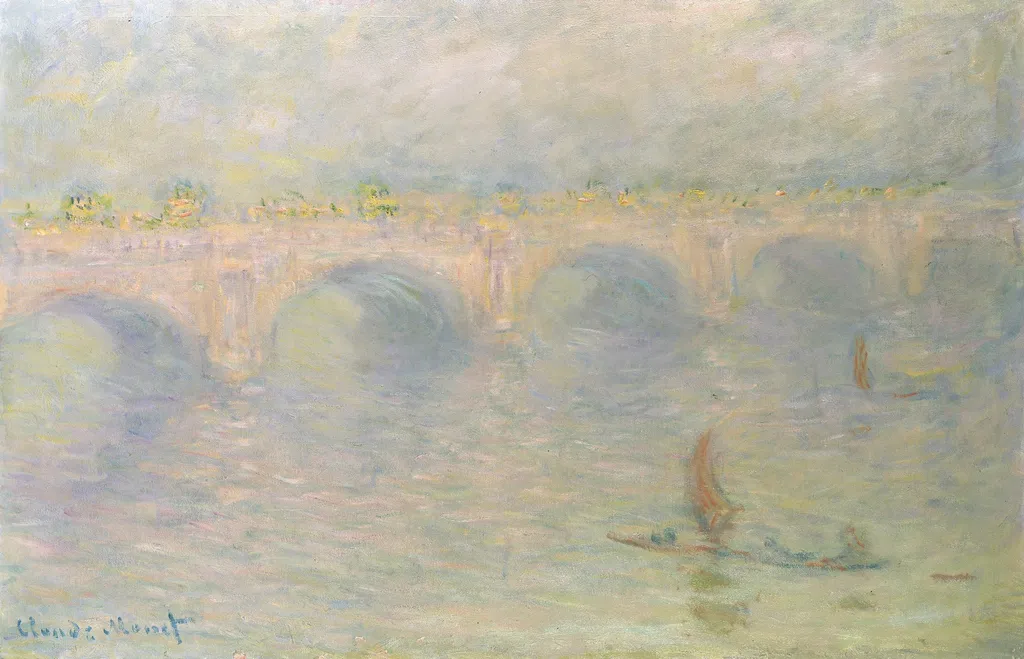
Waterloo Bridge, London, Sun Effect is an oil painting by the Impressionist artist Claude Monet. It dates from 1900 and is held in the collection of the Foundation E.G. Bührle Collection.
About this work
Overview
Waterloo Bridge, London, Sun Effect, painted by Claude Monet in 1900, is an oil on canvas work depicting the iconic London bridge enveloped in atmospheric haze.
Waterloo Bridge, London, Sun Effect, painted by Claude Monet in 1900, is an oil on canvas work depicting the iconic London bridge enveloped in atmospheric haze. Created during Monet's second series of London views, the painting captures the specific optical effects of sunlight filtering through the city's characteristic fog. The composition is dominated by a muted, almost monochromatic palette of soft blues, greys, and pale pinks, with the bridge's structure rendered as a faint, rhythmic silhouette against a luminous sky.
Monet applies short, broken brushstrokes to dissolve solid forms, emphasizing the transient quality of light and air over architectural detail. The foreground features the Thames River, its surface painted with feathery, horizontal strokes that reflect the diffused sunlight and the bridge's vague outline. This work exemplifies Monet's mature Impressionist technique, where the subject serves primarily as a vehicle for studying atmospheric conditions.
The painting reflects the artist's fascination with the industrial landscape of London and his pursuit of capturing the ephemeral moments of the day, contributing significantly to the development of serial painting in the late 19th and early 20th centuries.
Subject & Meaning
The composition captures the iconic Waterloo Bridge spanning the Thames, its arches softened by a hazy atmosphere. A pale blue sky, punctuated by delicate, wispy clouds, hovers above, while the river’s surface is depicted with light, feathery strokes that suggest calm water and distant vessels.
Technique & Style
Monet employs a muted palette of blues, grays, and warm tones to convey the effect of diffused sunlight. Broad, almost translucent brushwork renders both sky and water, emphasizing the fleeting quality of light rather than precise architectural detail, a hallmark of his Impressionist approach.
History & Provenance
Executed in the year 1900, the painting entered the Kunsthaus Zürich’s holdings, where it remains on display. Its acquisition reflects the museum’s commitment to representing key works of late 19th‑ and early 20th‑century French Impressionism.
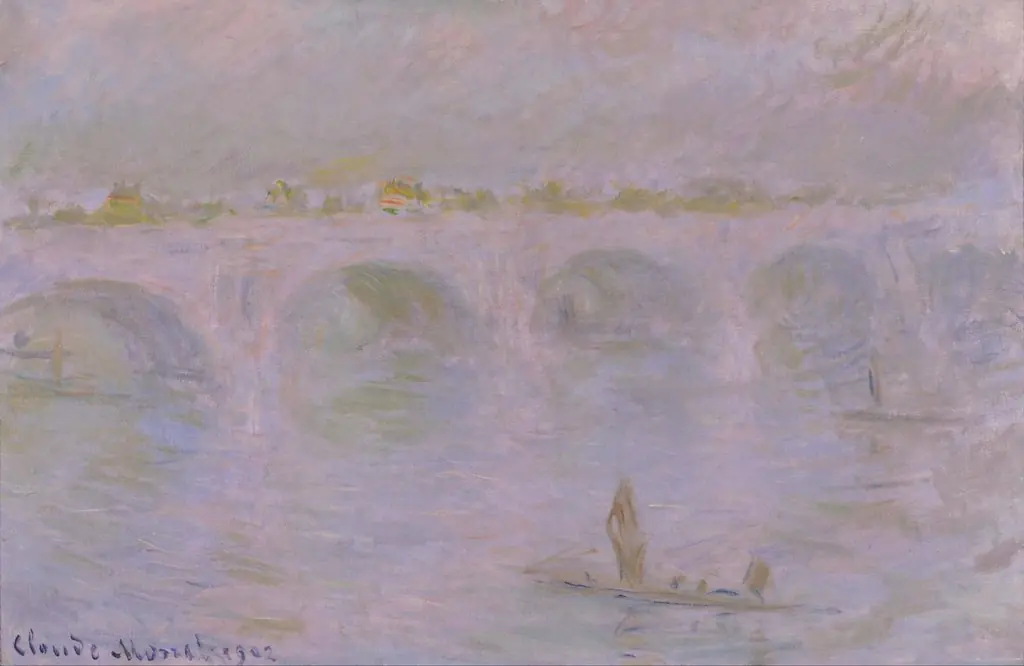
Own this work as a print
Artist & collection
Artist
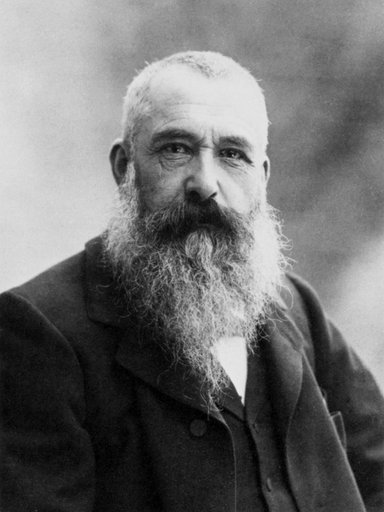
Oscar-Claude Monet was a French painter and founder of Impressionism who is seen as a key precursor to modernism, especially in his attempts to paint nature as he perceived it.


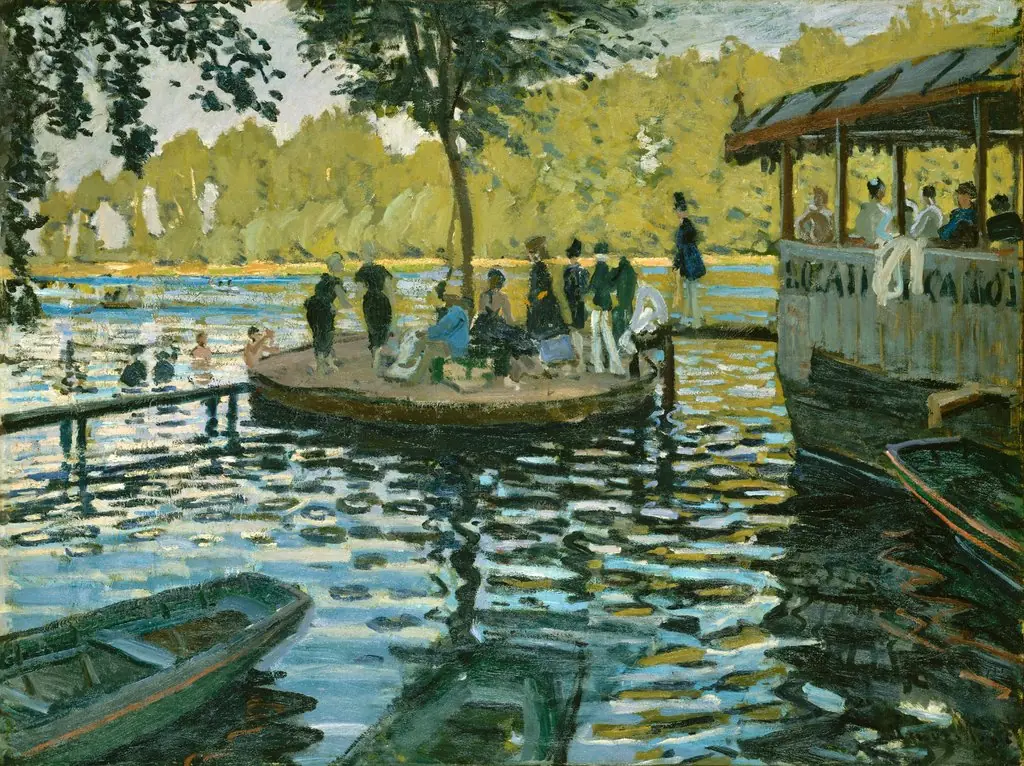
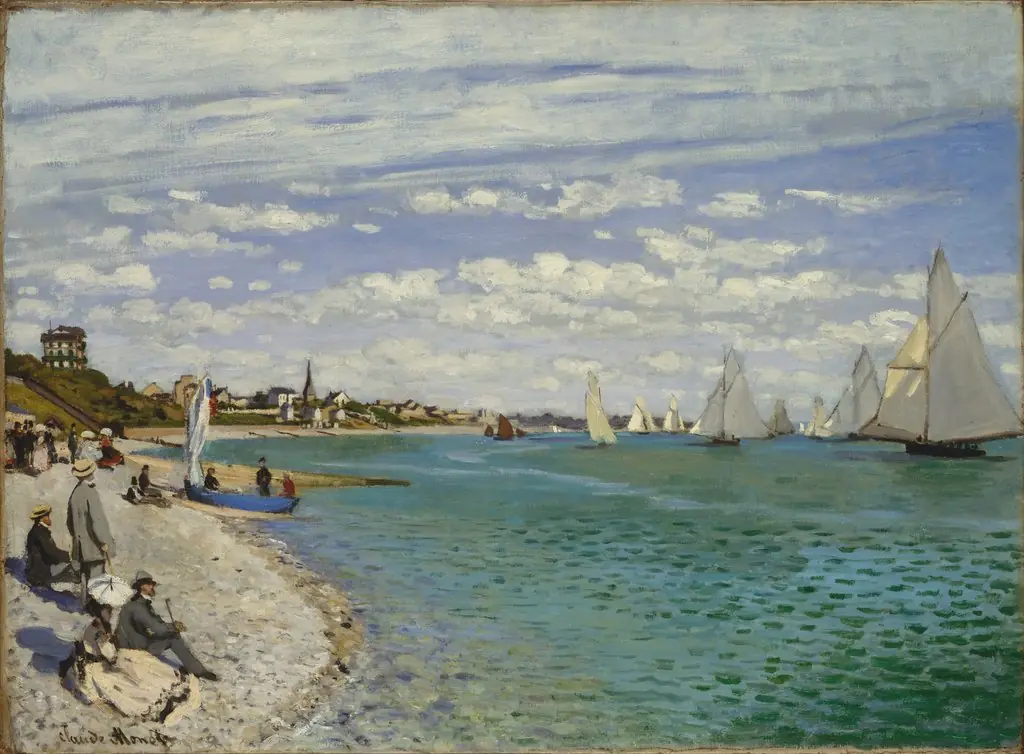
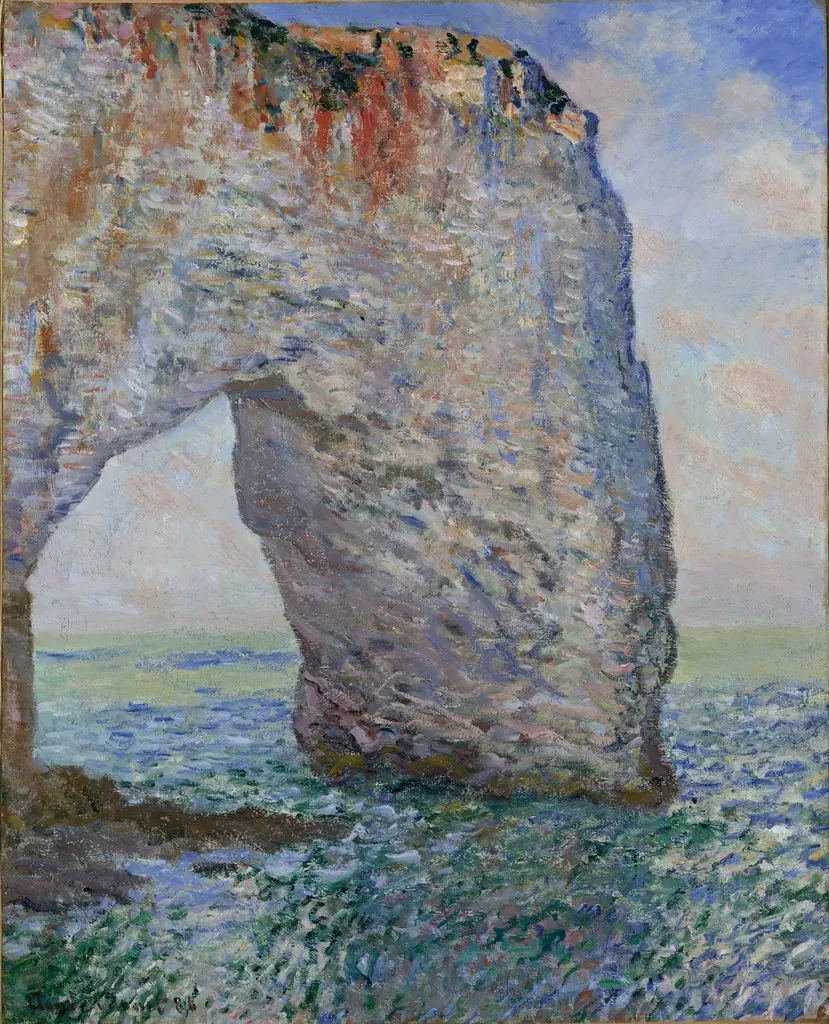
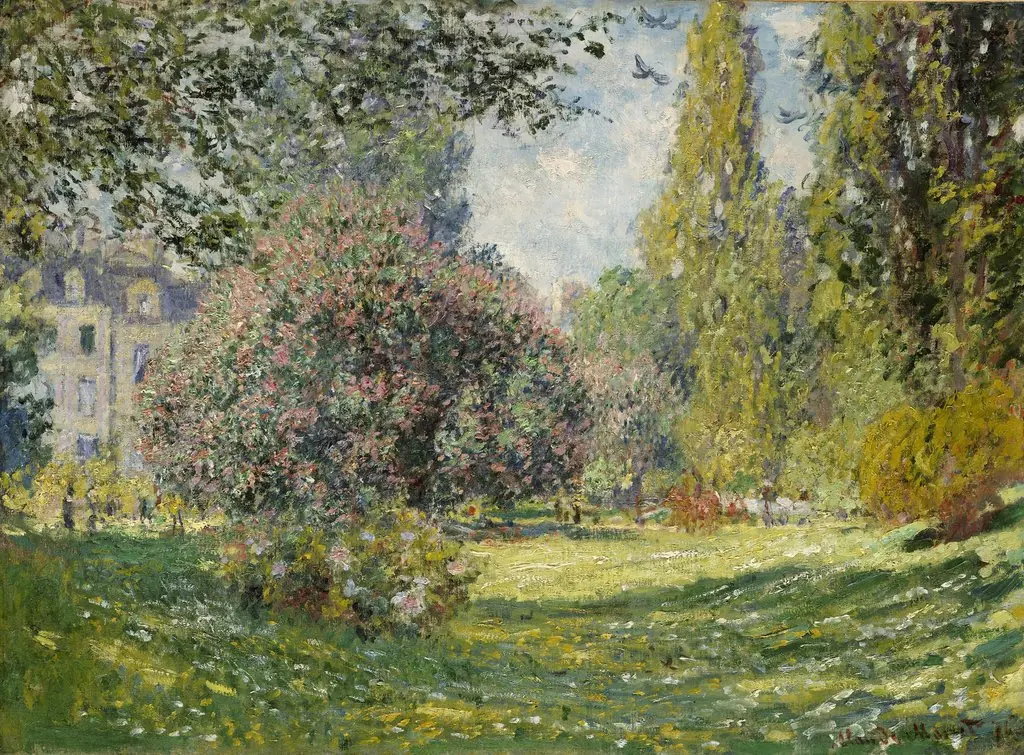

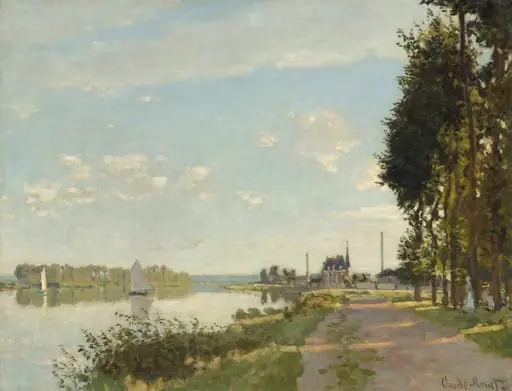
- Waterloo Bridge in London
 Waterloo Bridge, London, at Sunset
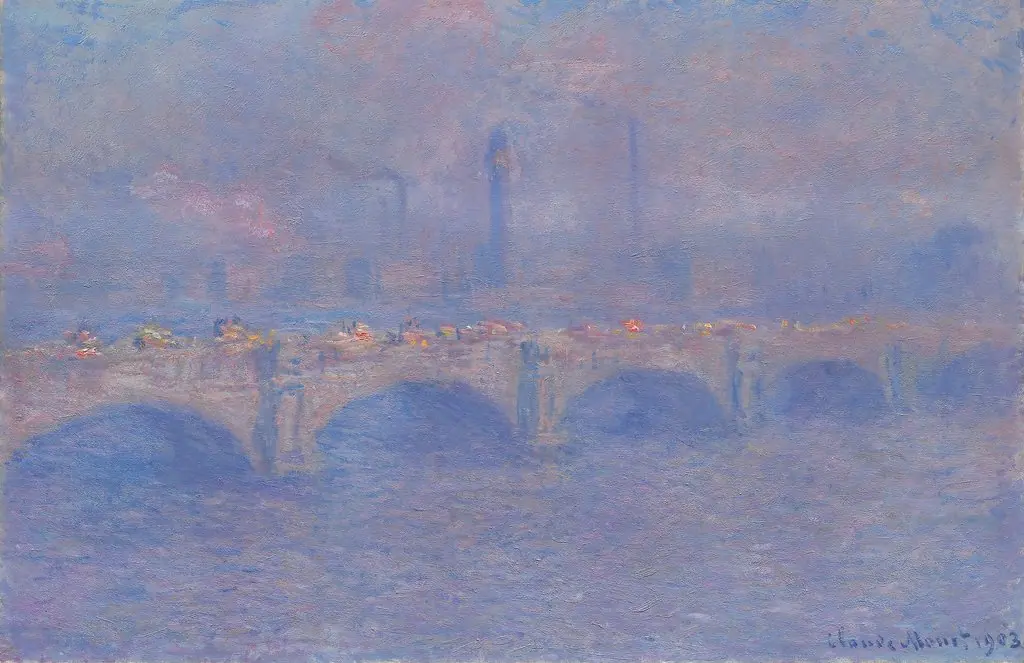 Waterloo Bridge, Sunlight Effect
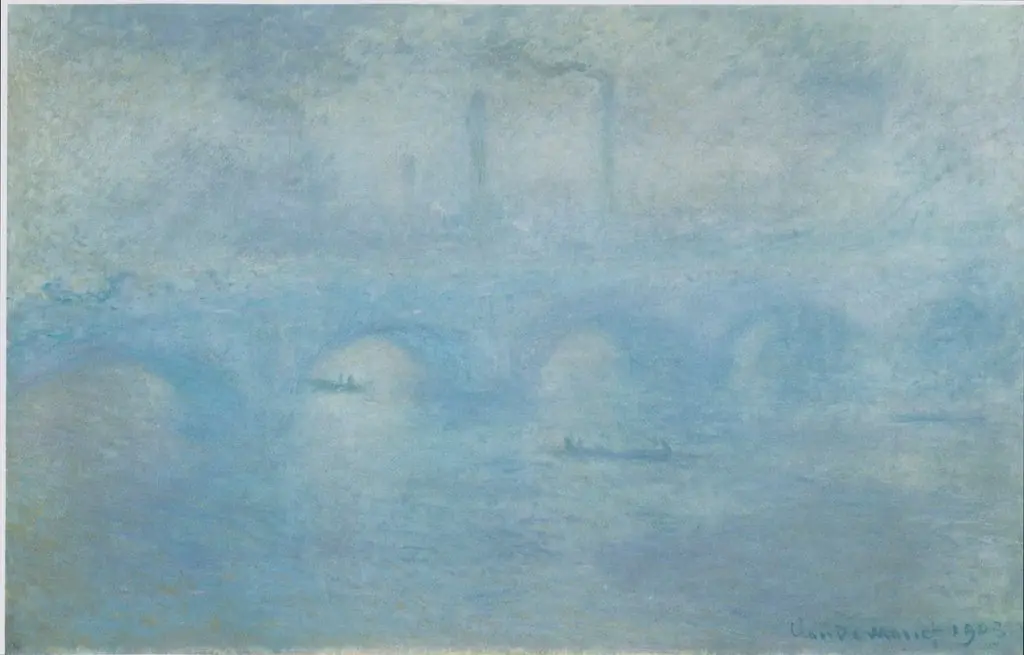 Waterloo Bridge. Effect of Fog
 Waterloo Bridge, London, at Dusk
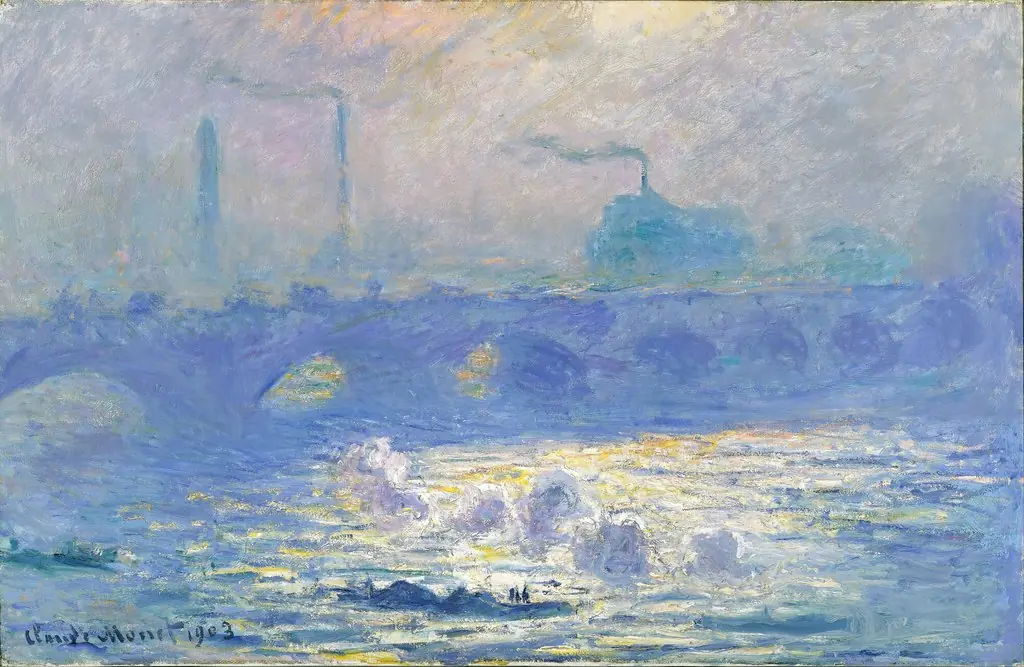 Waterloo Bridge, Sunlight Effect
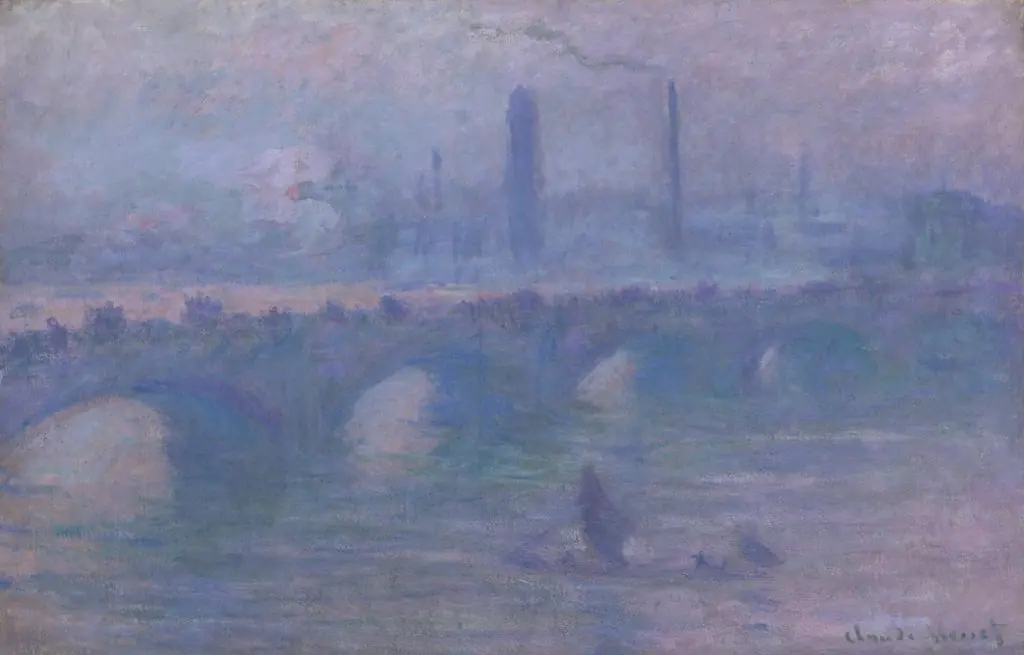 Waterloo Bridge, Morning Fog
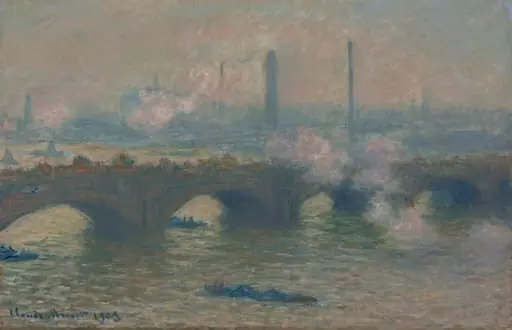 Waterloo Bridge, Gray Day
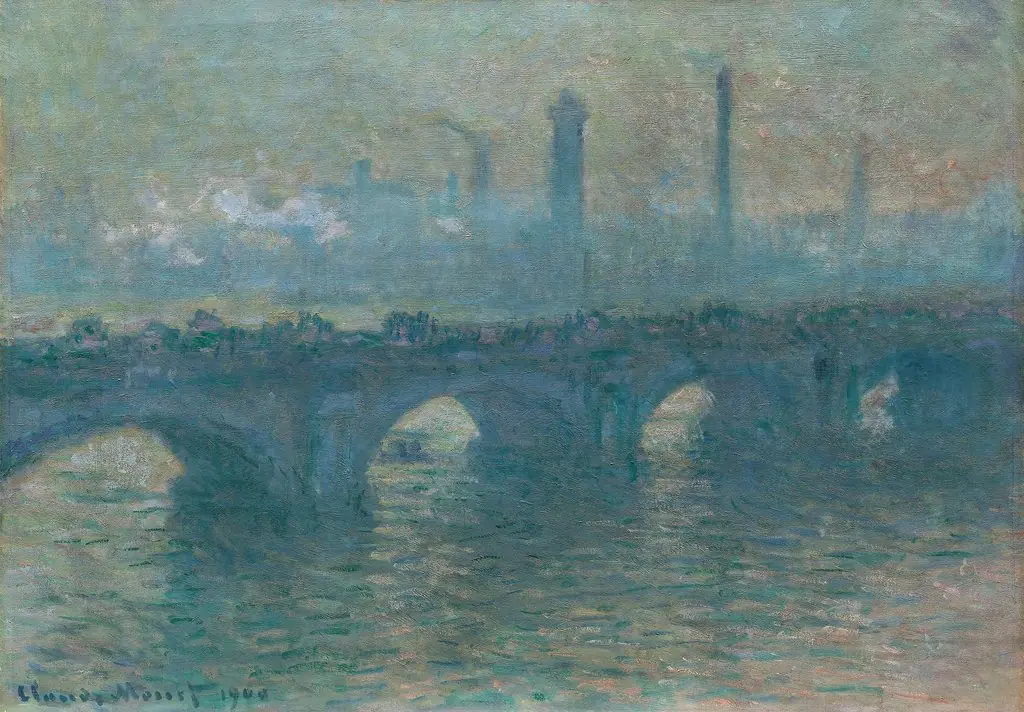 Waterloo Bridge, Gray Weather
 Waterloo Bridge
 Waterloo Bridge, Sunlight Effect
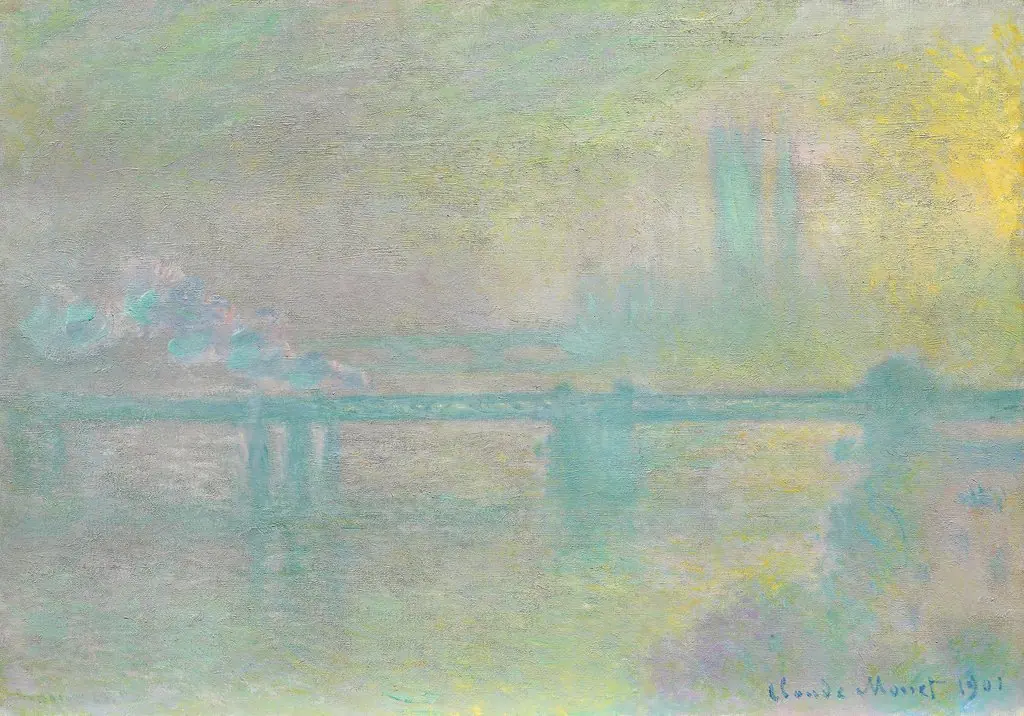 Charing Cross Bridge, London