Artwork
Waterloo Bridge
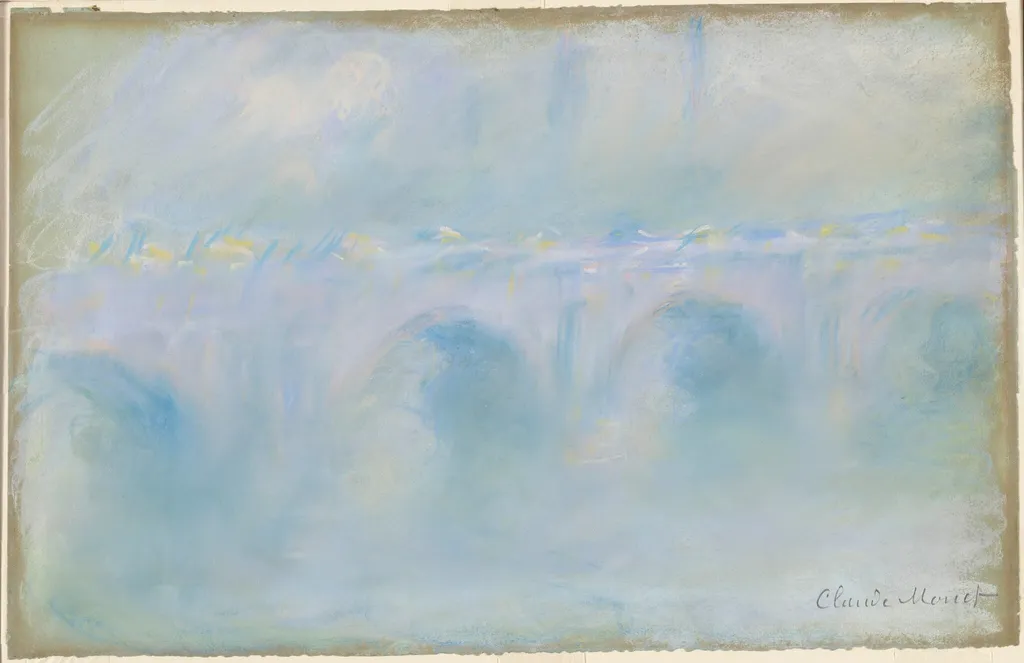
Waterloo Bridge is a pastel drawing by Claude Monet. It dates from 1901 and is held in the collection of the National Gallery of Art.
About this work
Overview
Created in 1901, Waterloo Bridge is a pastel drawing on blue wove paper by Claude Monet. It belongs to a series of works he produced during his visits to London, capturing the city’s atmospheric conditions and urban landmarks. Unlike oil paintings, this piece uses the immediacy of pastel to convey shifting light and haze, reflecting Monet’s interest in transient visual effects.
Subject & Meaning
The subject is Waterloo Bridge spanning the River Thames, viewed from a distance with the surrounding buildings and river traffic rendered in soft, blurred forms. Monet was less concerned with architectural precision than with the way fog, smoke, and sunlight softened contours. The bridge becomes a structural anchor amid atmospheric dissolution, emphasizing perception over detail.
Technique & Style
Monet applied pastel directly onto blue paper, layering strokes to build luminosity and depth without opaque pigments. The blue ground subtly influences the tonal range, enhancing the cool haze of the Thames air. His brushwork is loose and rhythmic, with minimal outlining, allowing colors to blend optically, characteristic of his late style focused on light’s ephemeral qualities.
History & Provenance
Monet painted this work during his third stay in London, between 1899 and 1901, when he produced over forty views of the Thames. Waterloo Bridge was likely completed in 1901 and remained in his possession until his death. It entered a private collection shortly after and has since passed through several notable hands before being acquired by its current institution.
Context
Monet’s London series emerged from his fascination with industrial cities’ changing atmospheres, influenced by earlier visits to Venice and his study of British landscape painters. The series coincided with his growing reputation abroad and his desire to explore urban subjects through the lens of Impressionist technique, contrasting with his more rural themes from Giverny.
Legacy
Waterloo Bridge exemplifies Monet’s late-period shift toward serial exploration of a single subject under varying conditions. Though less celebrated than his water lilies, these London pastels demonstrate his sustained engagement with light and perception. The work influenced later artists interested in urban atmosphere and the expressive potential of non-oil media.
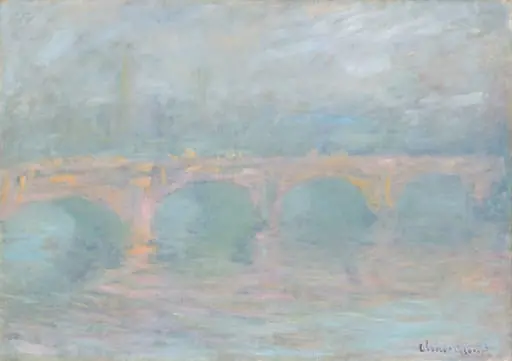
Own this work as a print
Artist & collection
Artist
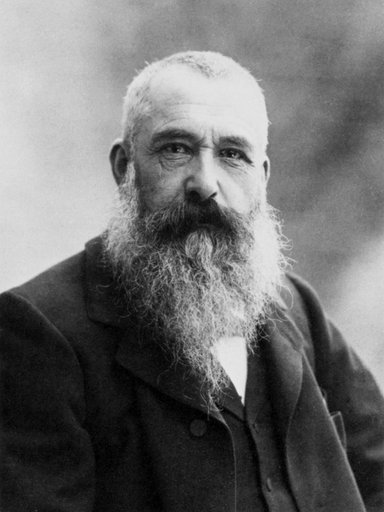
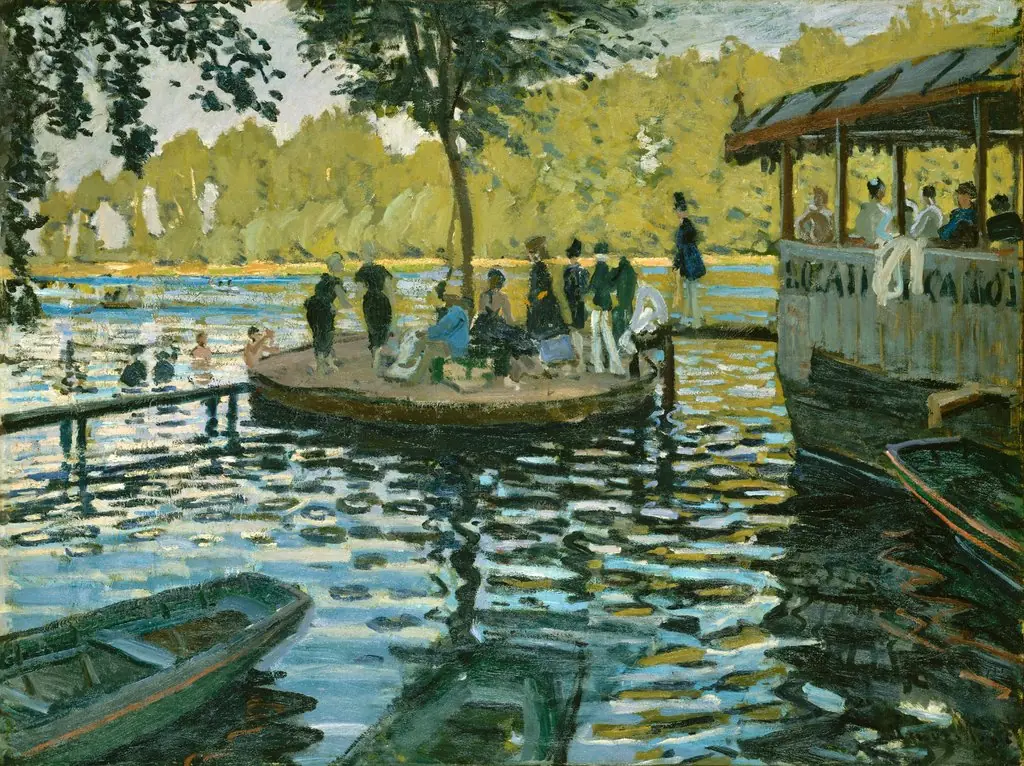
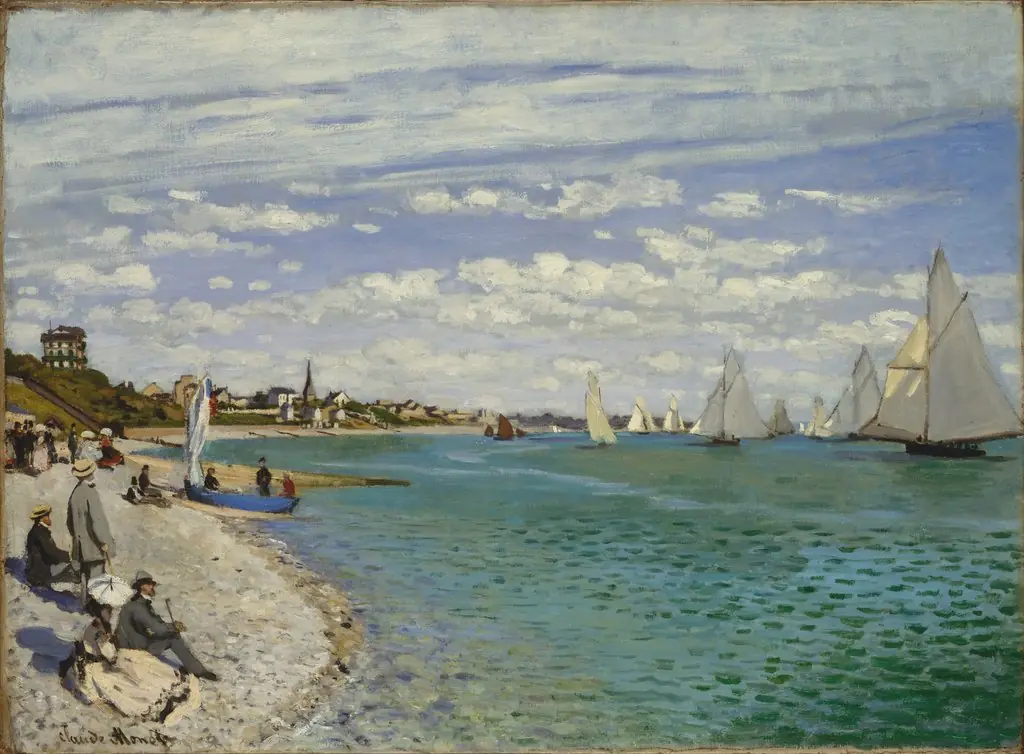
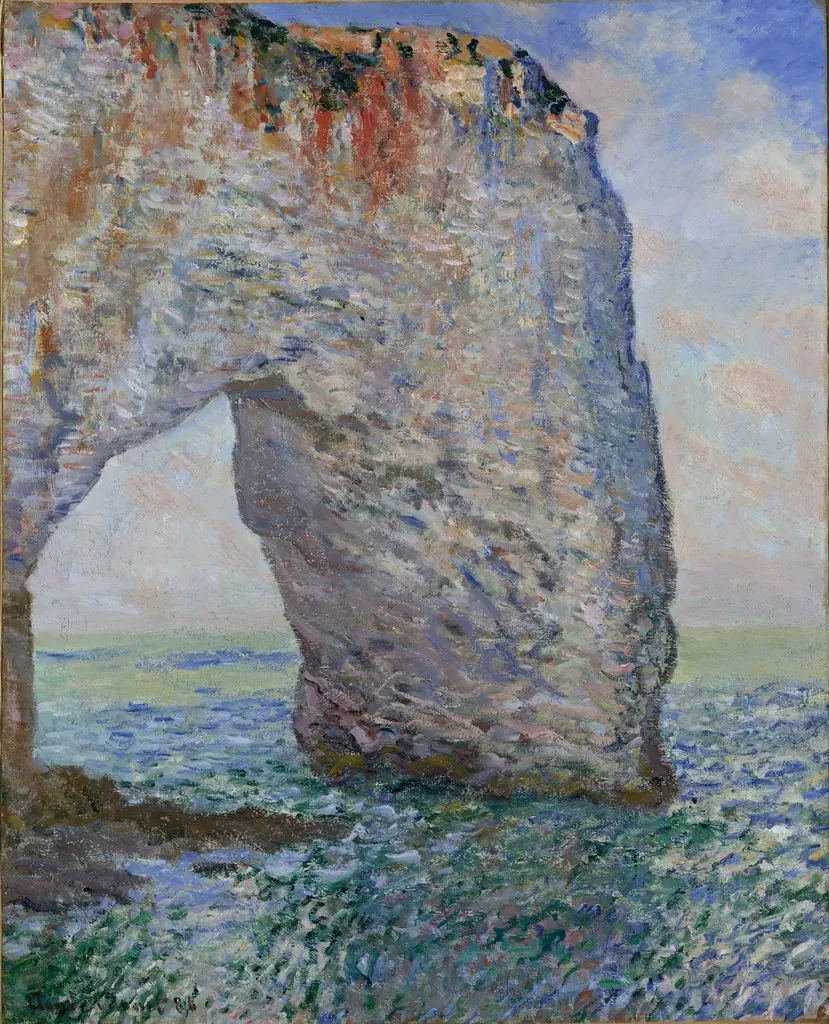
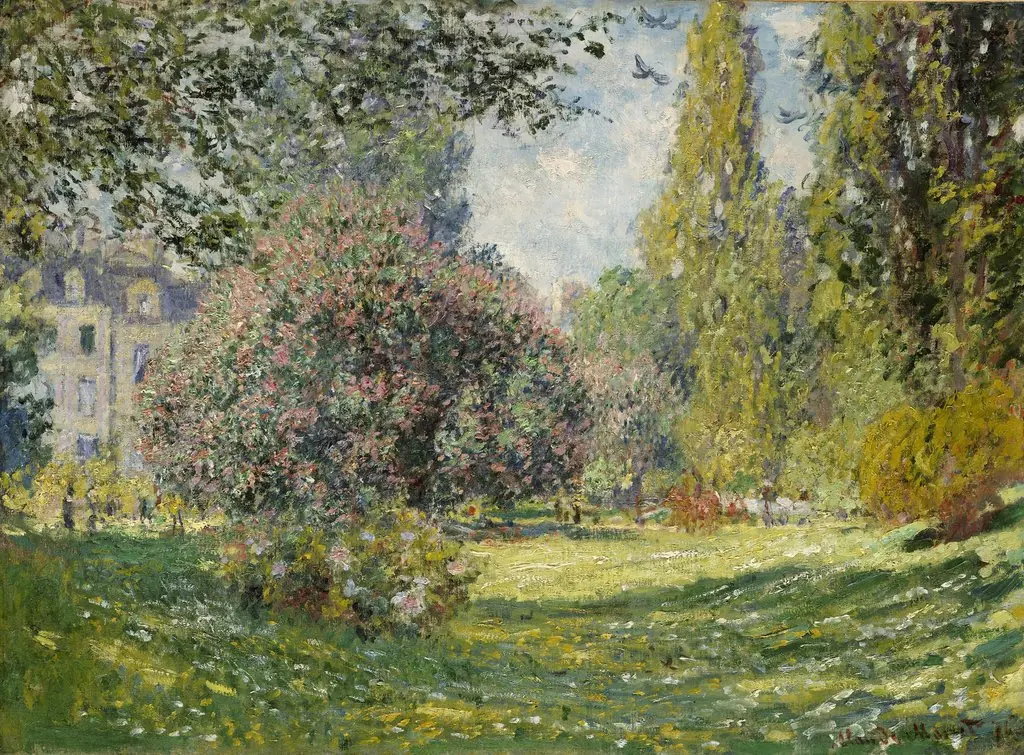
Oscar-Claude Monet was a French painter and founder of Impressionism who is seen as a key precursor to modernism, especially in his attempts to paint nature as he perceived it.


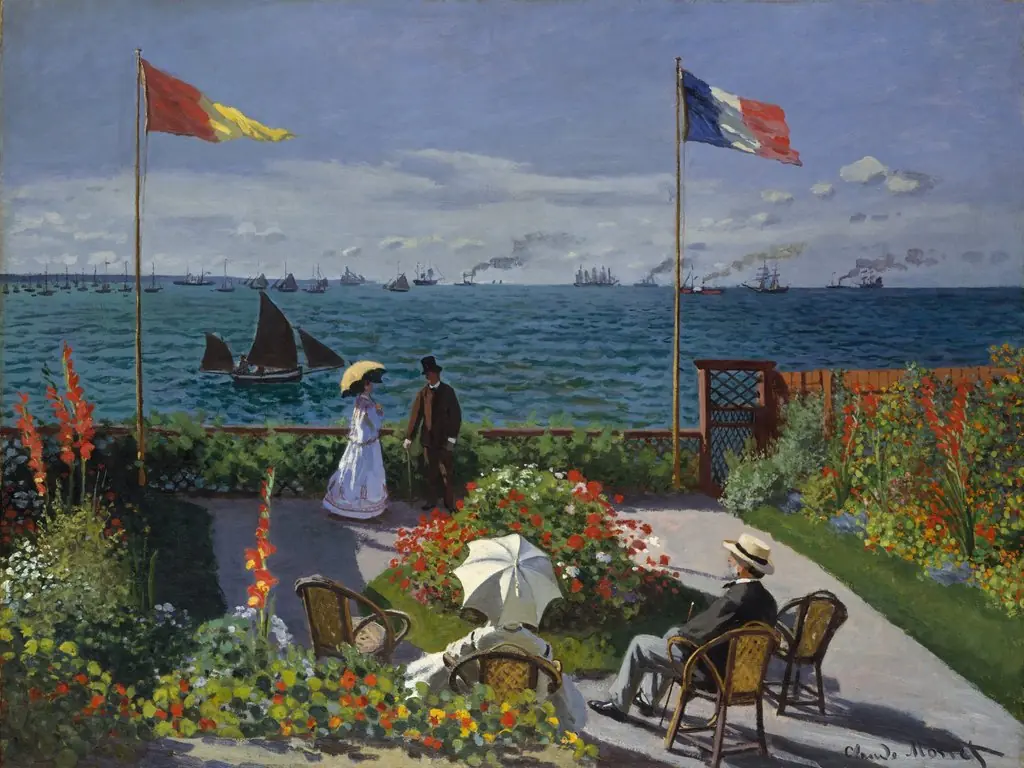
- Waterloo Bridge, London, at Sunset
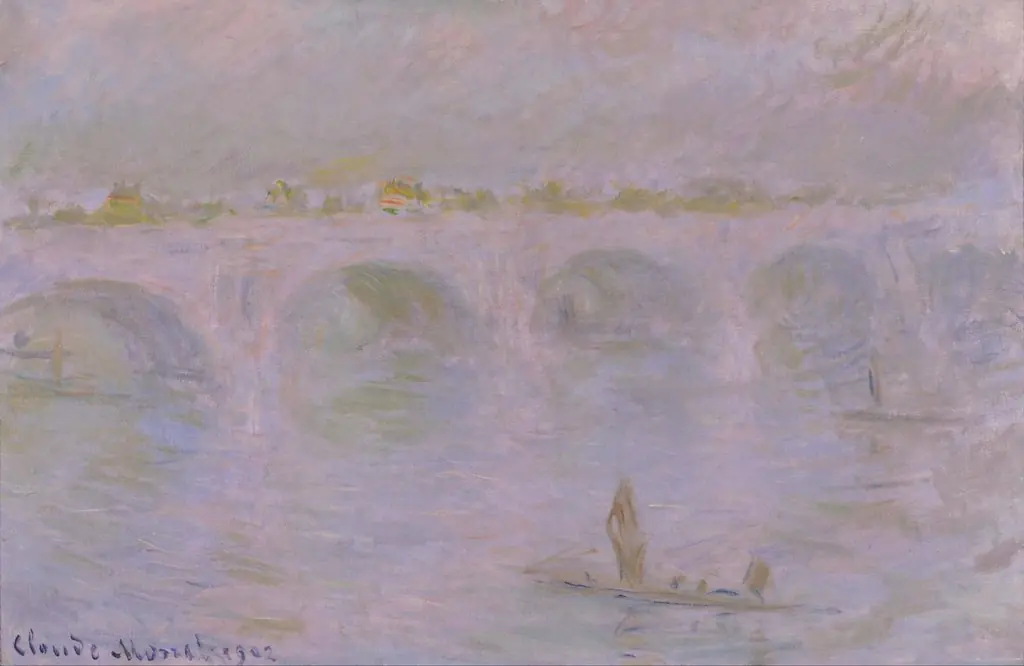 Waterloo Bridge in London
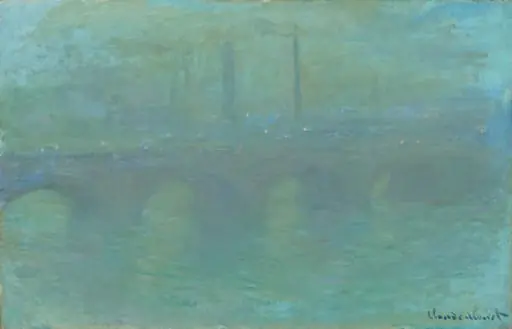 Waterloo Bridge, London, at Dusk
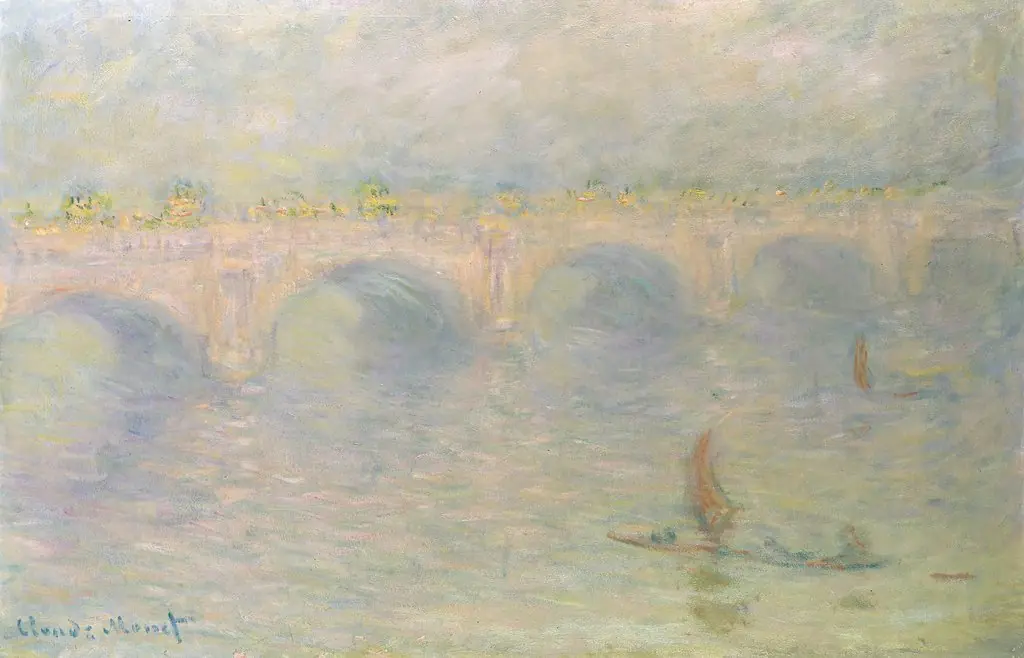 Waterloo Bridge, London, Sun Effect
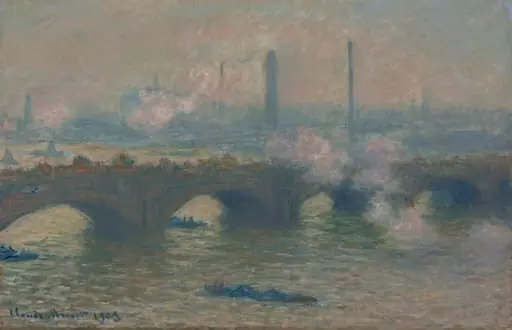 Waterloo Bridge, Gray Day
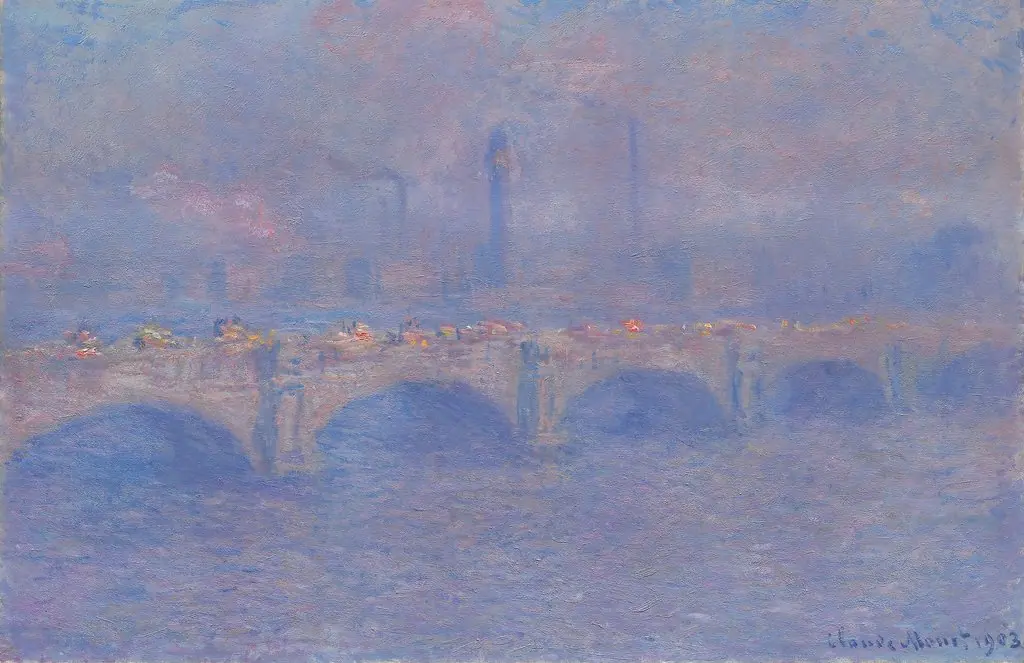 Waterloo Bridge, Sunlight Effect
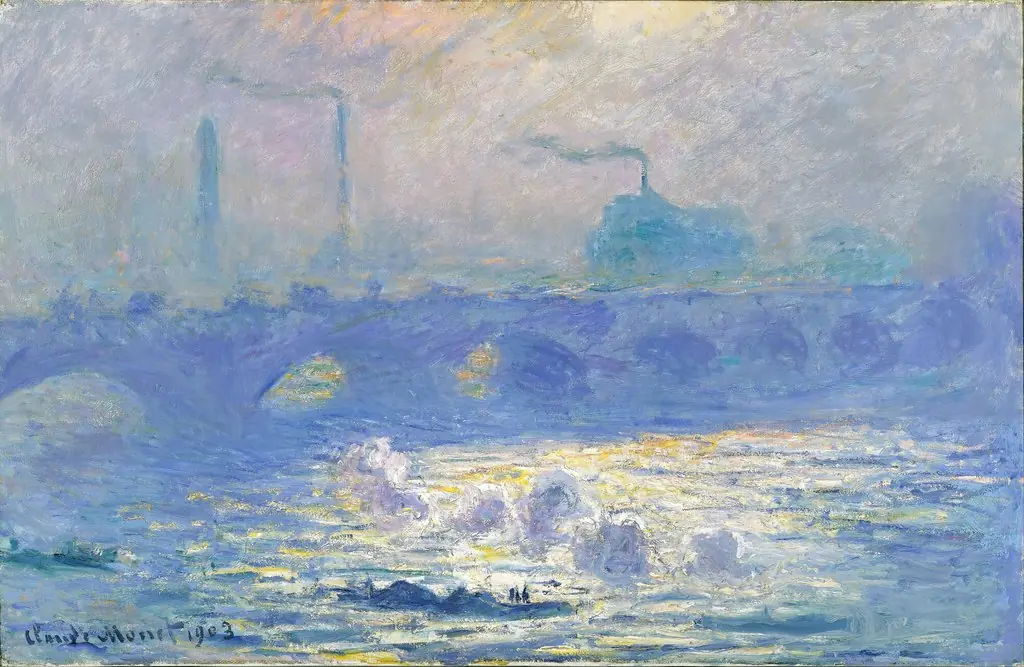 Waterloo Bridge, Sunlight Effect
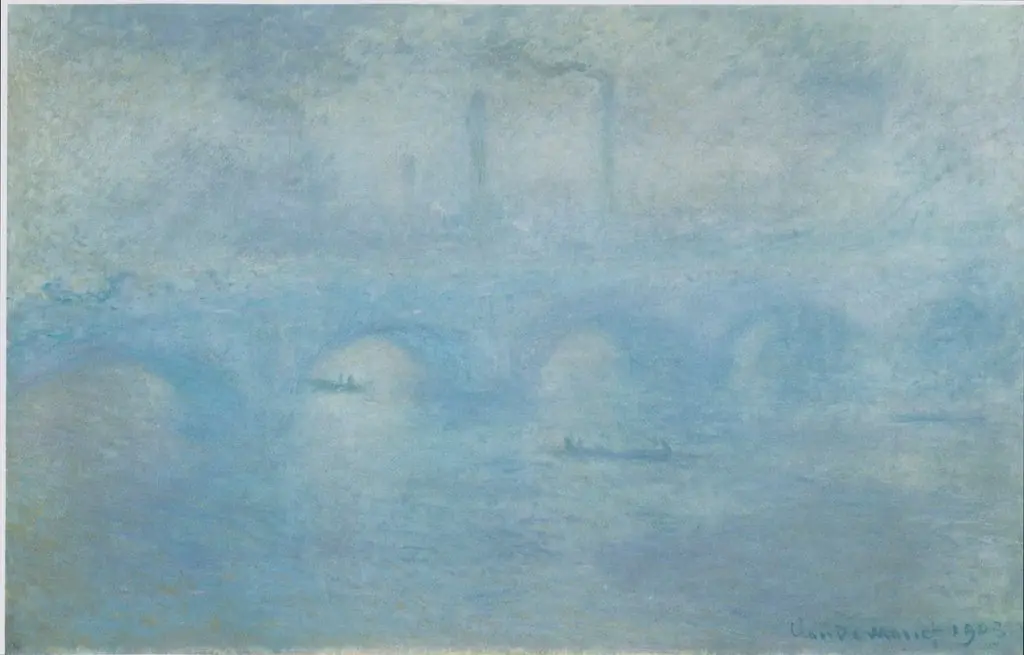 Waterloo Bridge. Effect of Fog
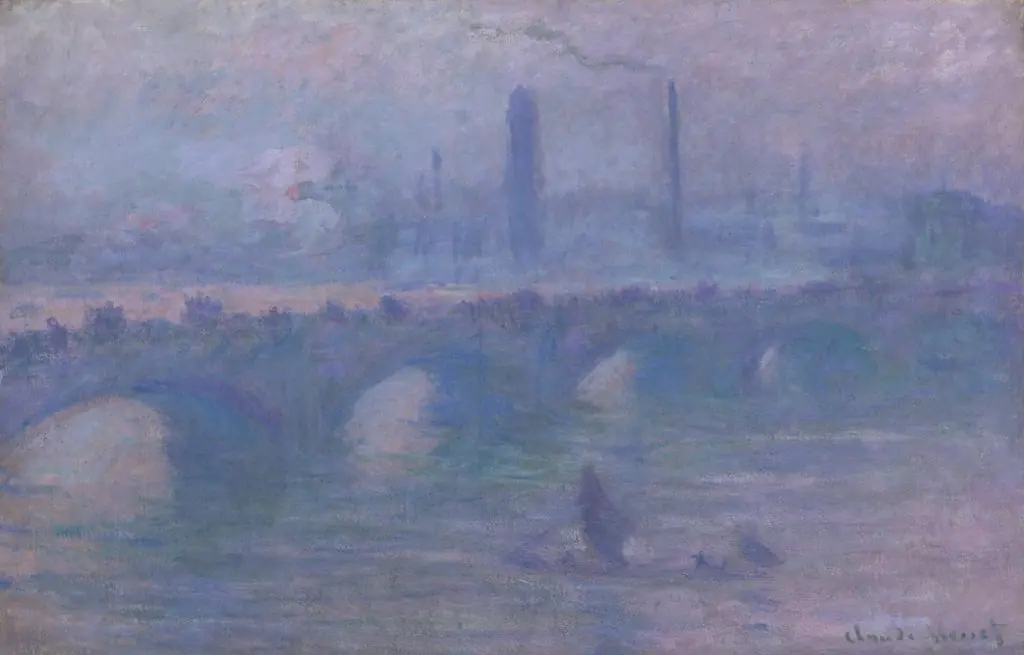 Waterloo Bridge, Morning Fog
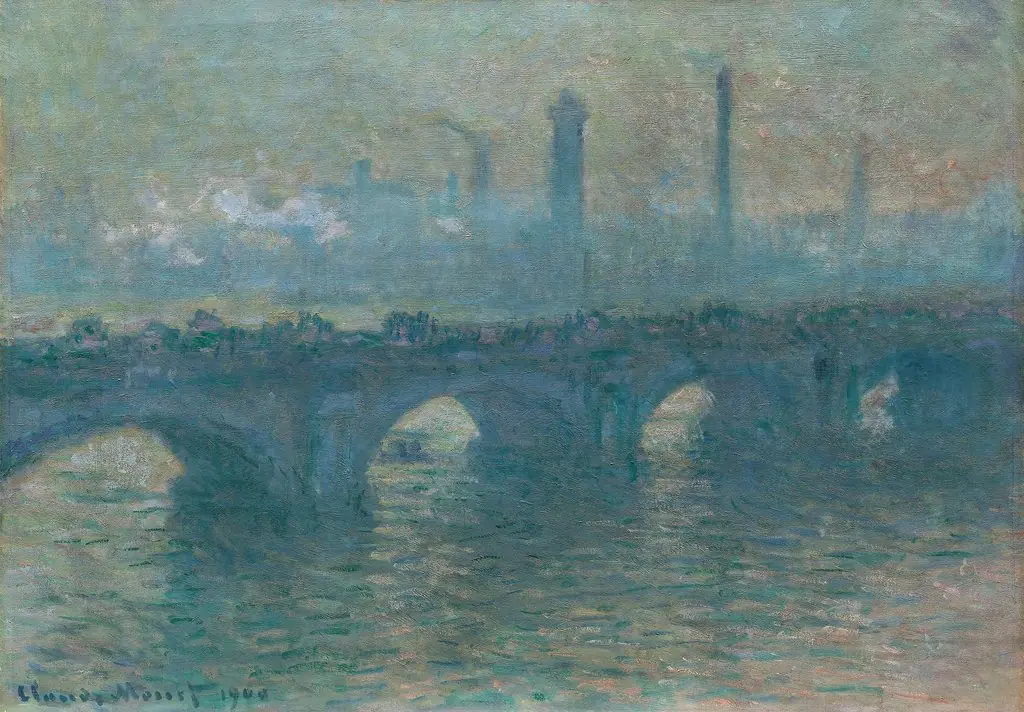 Waterloo Bridge, Gray Weather