Artwork
A Donkey with a Foal: Study for <i>The Cornfield</i>
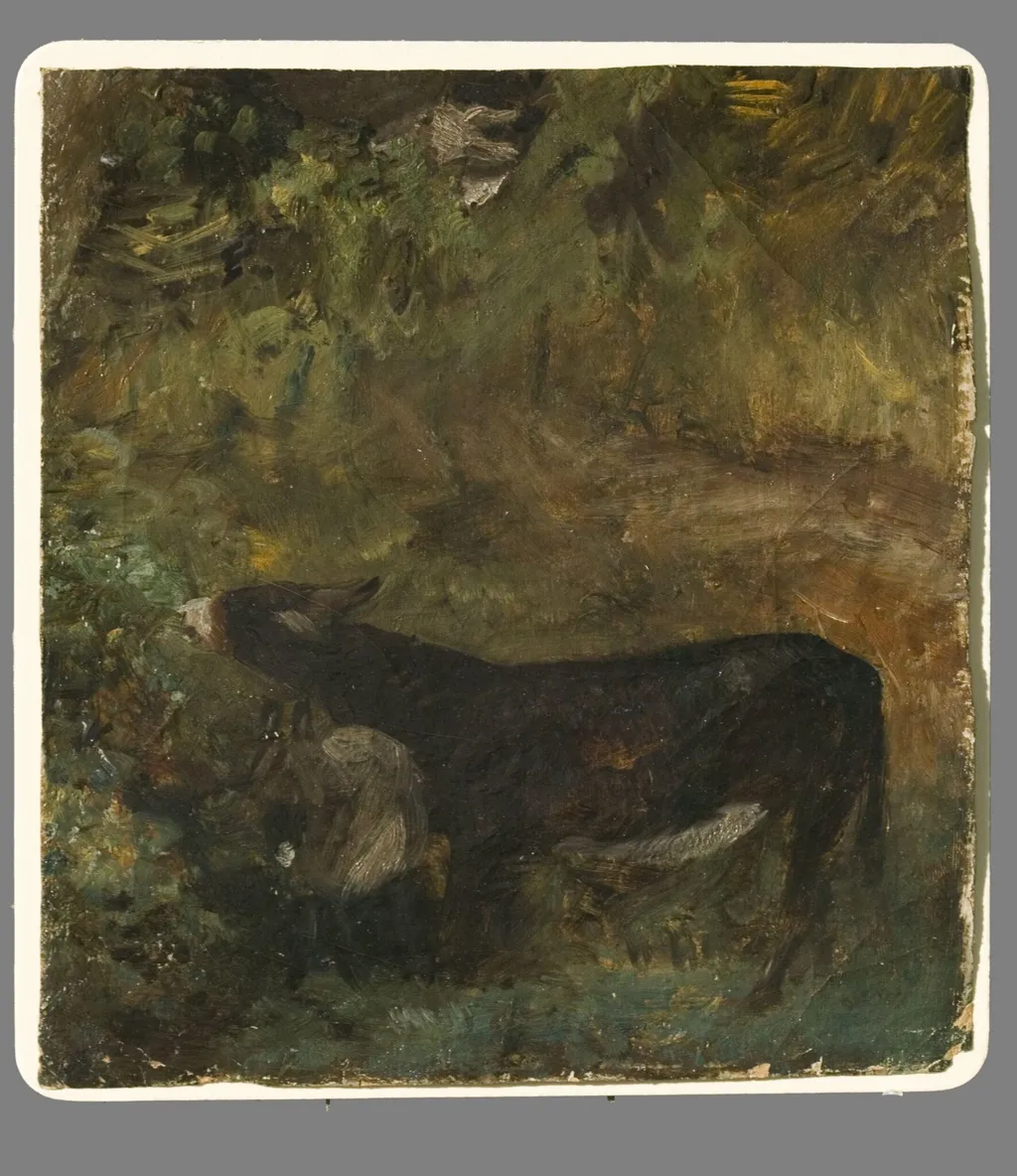
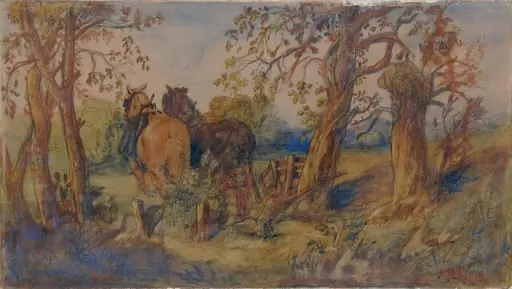
A Donkey with a Foal: Study for <i>The Cornfield</i> is an oil painting by the Romanticist artist John Constable. It dates from 1826 and is held in the collection of the Victoria and Albert Museum.
About this work
This small work was just a step toward his bigger painting, The Cornfield, finished the same year.
John Constable painted a quiet study of a donkey and her foal around 1826. He used oil paint to capture a simple farm scene, not a grand drama. This small work was just a step toward his bigger painting, The Cornfield, finished the same year.
Constable often sketched animals in the countryside. He once wrote about painting while sitting on a donkey he planned to include in a picture. The donkey and foal pop up again in The Cornfield, now hanging in London.
Next, look up the museum that keeps this study: Victoria and Albert Museum.
Overview
This small oil painting by John Constable depicts a donkey and her foal in a quiet rural setting. Created around 1826, it was not intended as a finished work but as a preparatory study for a larger composition. Constable often worked directly from nature, using such sketches to refine details before completing major paintings. The piece reflects his interest in ordinary farm life rather than idealized or dramatic scenes.
Subject & Meaning
The subject is a humble pair of farm animals, rendered with quiet observation rather than symbolic weight. The donkey and foal convey a sense of calm domesticity, typical of Constable’s focus on the rhythms of rural existence. Their presence in the study suggests an emphasis on authenticity and the quiet dignity of working animals in the English countryside, grounding his larger compositions in lived experience.
Technique & Style
Constable applied oil paint with a direct, observational approach, using loose brushwork to capture the texture of fur and the natural posture of the animals. The palette is restrained, dominated by earth tones that harmonize with the surrounding landscape. The composition is intimate and unembellished, prioritizing anatomical accuracy and atmospheric light over dramatic effect, consistent with his plein air practice.
History & Provenance
The study was made in 1826 as part of Constable’s preparation for The Cornfield, a finished painting now in the National Gallery, London. After Constable’s death, the study remained in private hands before entering the Victoria and Albert Museum’s collection. Its survival as a working sketch offers insight into his method, revealing how minor elements were refined before appearing in major exhibitions.
Context
During the 1820s, Constable increasingly turned to detailed studies of animals and rural scenes to enrich his landscape compositions. He often painted outdoors, sometimes from the back of the very donkey he intended to depict. This practice reflected a broader Romantic-era interest in authentic rural life, contrasting with the idealized pastoralism common in academic art of the period.
Legacy
Though modest in scale, this study exemplifies Constable’s commitment to truth in observation. It demonstrates how preparatory works contributed to the emotional resonance of his finished paintings. Today, it is valued not as a standalone image but as a window into his process, influencing later artists who sought to capture everyday rural life with sincerity and directness.
Own this work as a print
Artist & collection
Artist
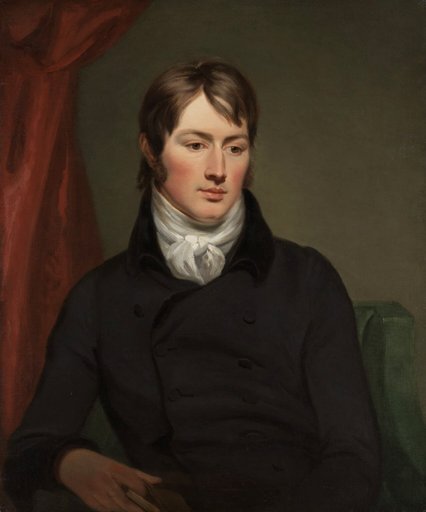
John Constable was an English landscape painter in the Romantic tradition. Born in Suffolk, he is known principally for revolutionising the genre of landscape painting with his pictures of Dedham Vale, the area on the…