Artwork
Abigail Smith Babcock (Mrs. Adam Babcock)
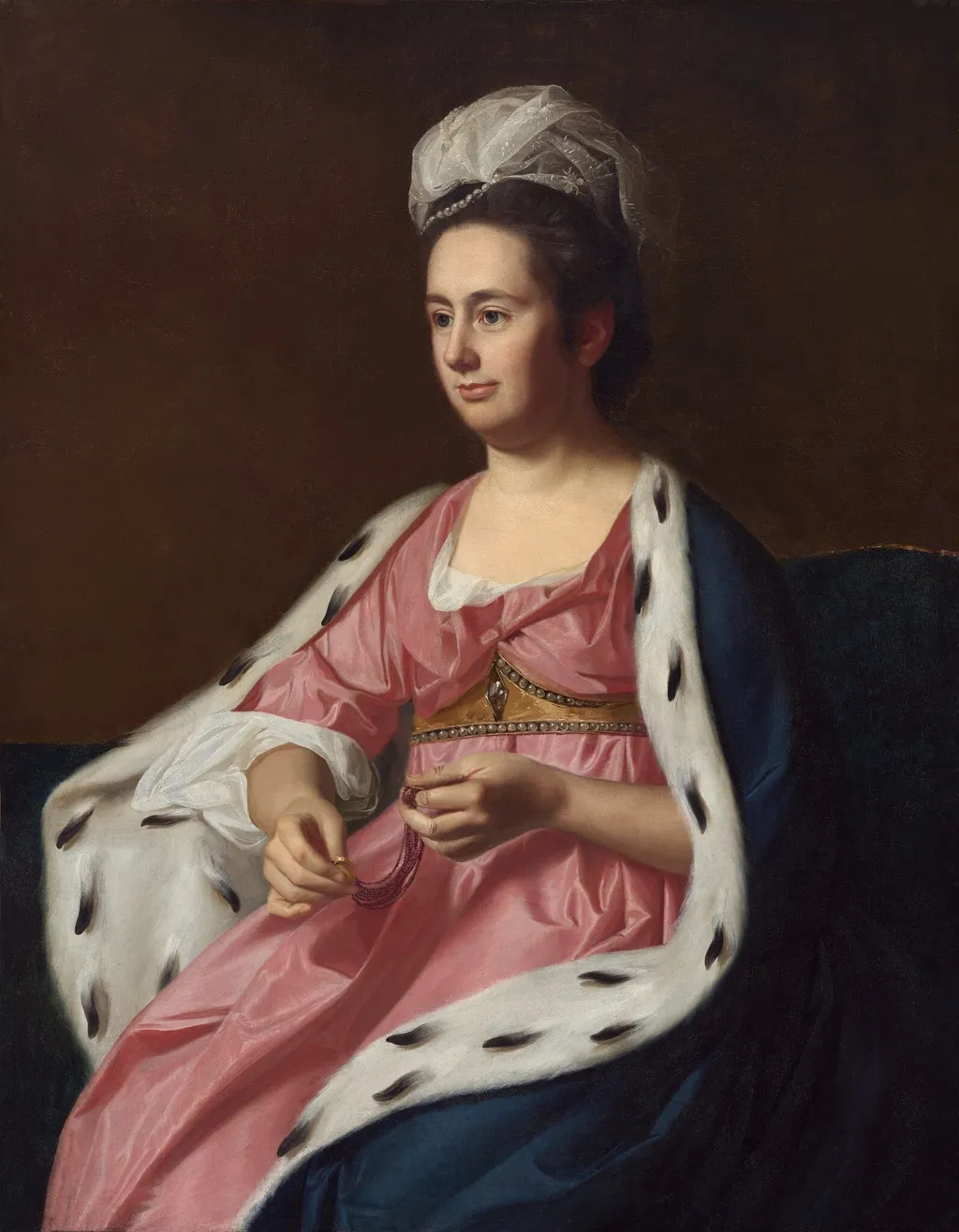
Abigail Smith Babcock (Mrs. Adam Babcock) is an oil painting by the Rococo painting artist John Singleton Copley. It dates from 1774 and is held in the collection of the National Gallery of Art.
About this work
Technique & Style
John Singleton Copley executed the portrait of Abigail Smith Babcock in 1774 using oil paint applied to a canvas support.
John Singleton Copley executed the portrait of Abigail Smith Babcock in 1774 using oil paint applied to a canvas support. The work measures 116.8 cm in height and 90.8 cm in width, adhering to the standard half-length format typical of the artist's portraiture from this period. While the sources confirm the medium and dimensions, they do not provide specific details regarding the brushwork handling, the current physical condition of the paint layer, or a detailed analysis of the formal and stylistic qualities beyond its classification as a portrait.
The painting remains part of the National Gallery of Art collection in Washington, D.C., having been gifted in 1985.
History & Provenance
Painted in 1774 by John Singleton Copley, the portrait descended through the sitter's family to Edwin A. Blake, her great-grandson, who sold it in 1916 to Macbeth Galleries, New York. Alice Greenwood Chapman of Milwaukee purchased it in 1917 but rescinded the acquisition; the gallery repurchased it and sold it on 25 February 1919 to Arthur Meeker of Chicago. It later belonged to Fannie Morris Babcock Murray of New York, then to her daughter Virginia Murray Bacon of Washington, D.C., who gave the work to the National Gallery of Art in 1985. The available documentation does not list specific public exhibitions or accession numbers.
Overview
Painted in 1774 by John Singleton Copley, this oil-on-canvas portrait depicts Abigail Smith Babcock, the wife of Adam Babcock. Executed shortly before the American Revolution, the work exemplifies Copley's mature colonial style, characterized by meticulous attention to texture and a dignified, naturalistic approach to his sitters. Babcock is seated in a wooden armchair, her body angled slightly toward the viewer while her gaze meets the eye directly with a composed, serene expression.
She wears a fashionable silk gown with a low-cut bodice, a lace cap, and a white apron, details rendered with precise brushwork that highlights the sheen of the fabric and the softness of the lace. The composition is intimate and focused, utilizing a dark, neutral background to isolate the figure and emphasize her status and character. This portrait represents a significant example of Copley's pre-exile American portraiture, capturing the prosperity and cultural aspirations of the colonial elite just prior to his departure for London.
The work stands as a testament to his ability to convey both the physical reality of his subjects and their social standing through subtle psychological presence and technical mastery.
Subject & Meaning
The portrait presents Abigail Smith Babcock seated, her posture conveying a sense of composure. Dressed in period attire, her gentle features and calm, quiet expression contribute to the painting's serene atmosphere. This depiction emphasizes a peaceful simplicity, inviting viewers to contemplate the sitter's character through her tranquil demeanor and the artist's careful observation of her presence.
Own this work as a print
Artist & collection

Artist
John Singleton Copley (July 3, 1738 – September 9, 1815) was an American-born British painter active in both the Thirteen Colonies and England.

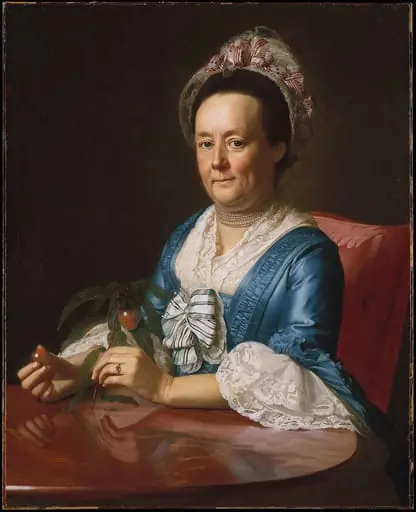

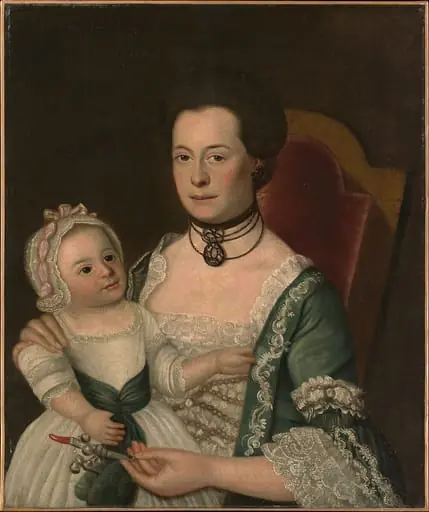
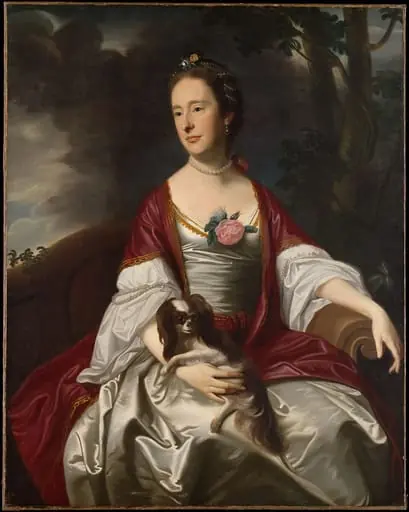
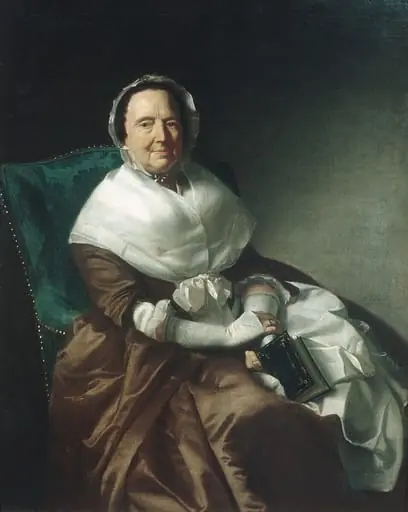
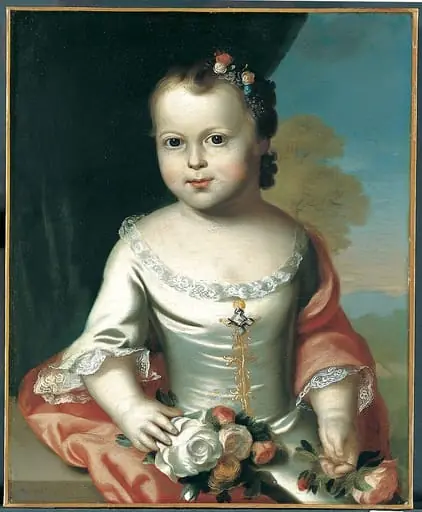
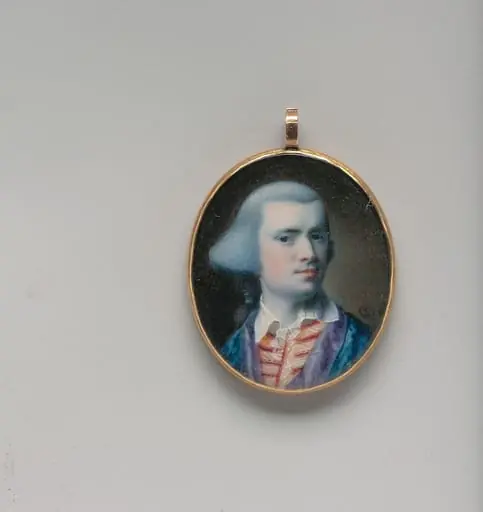
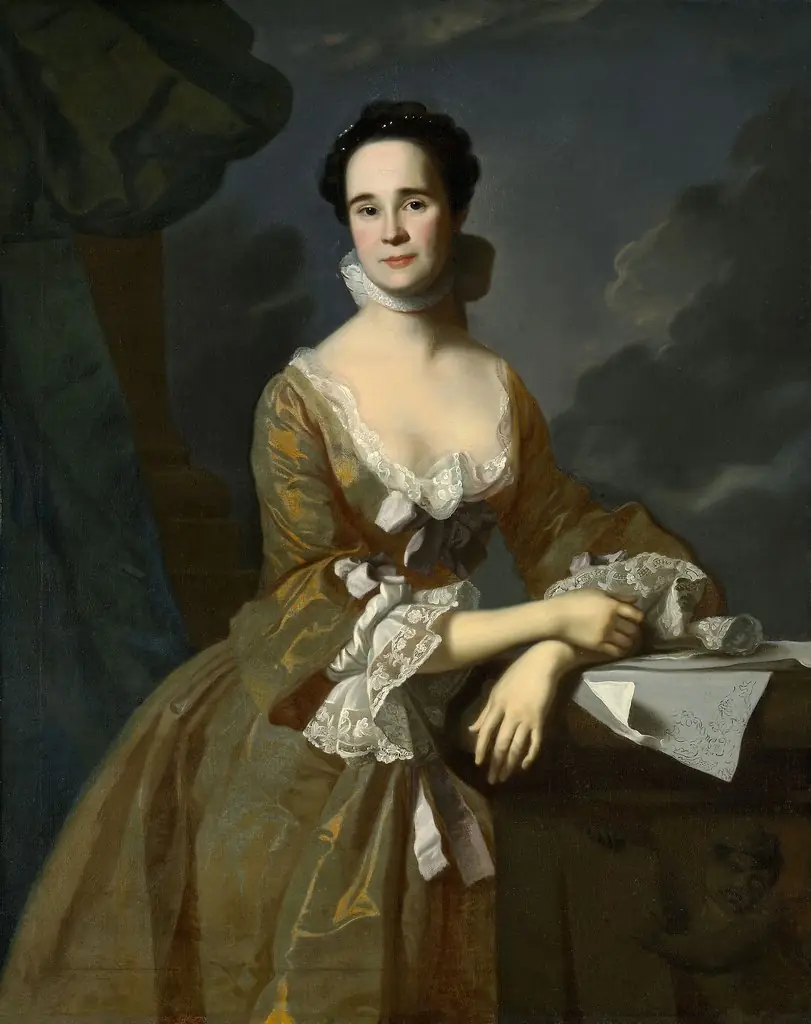
- Mrs. Daniel Hubbard (Mary Greene)
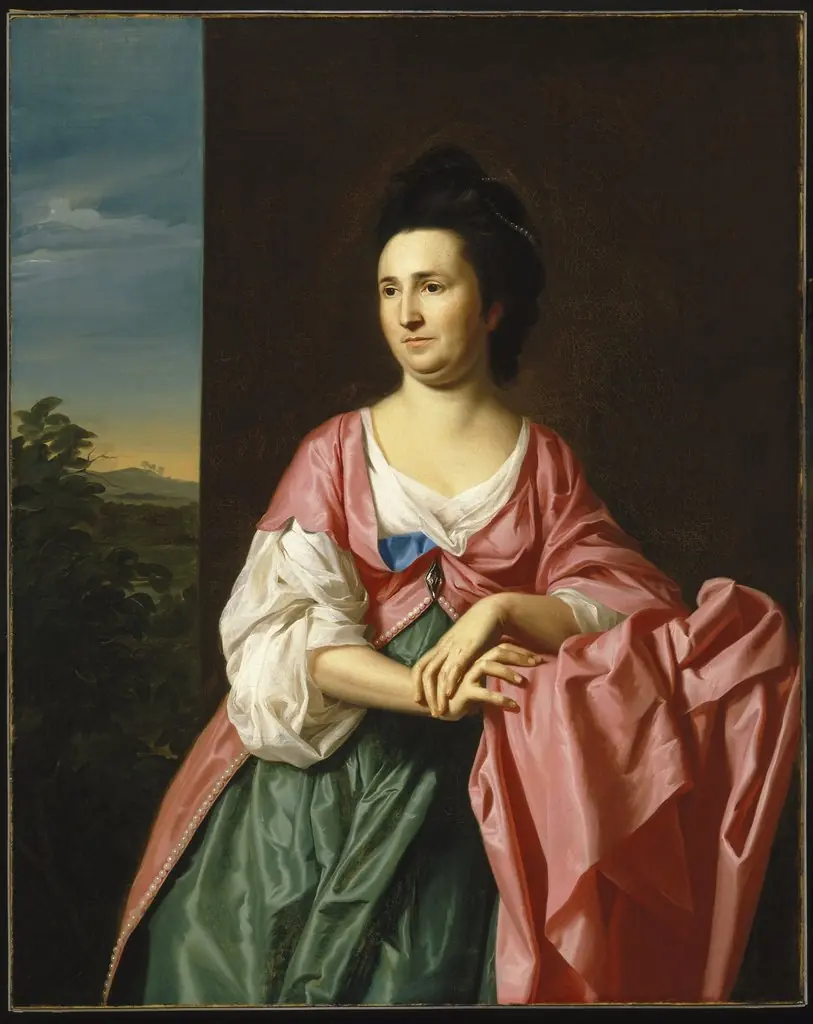 Mrs. Sylvester Gardiner, née Abigail Pickman, formerly Mrs. William Eppes
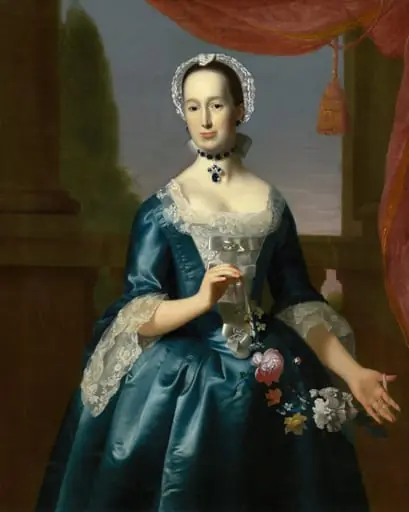 Anne Fairchild Bowler (Mrs. Metcalf Bowler)
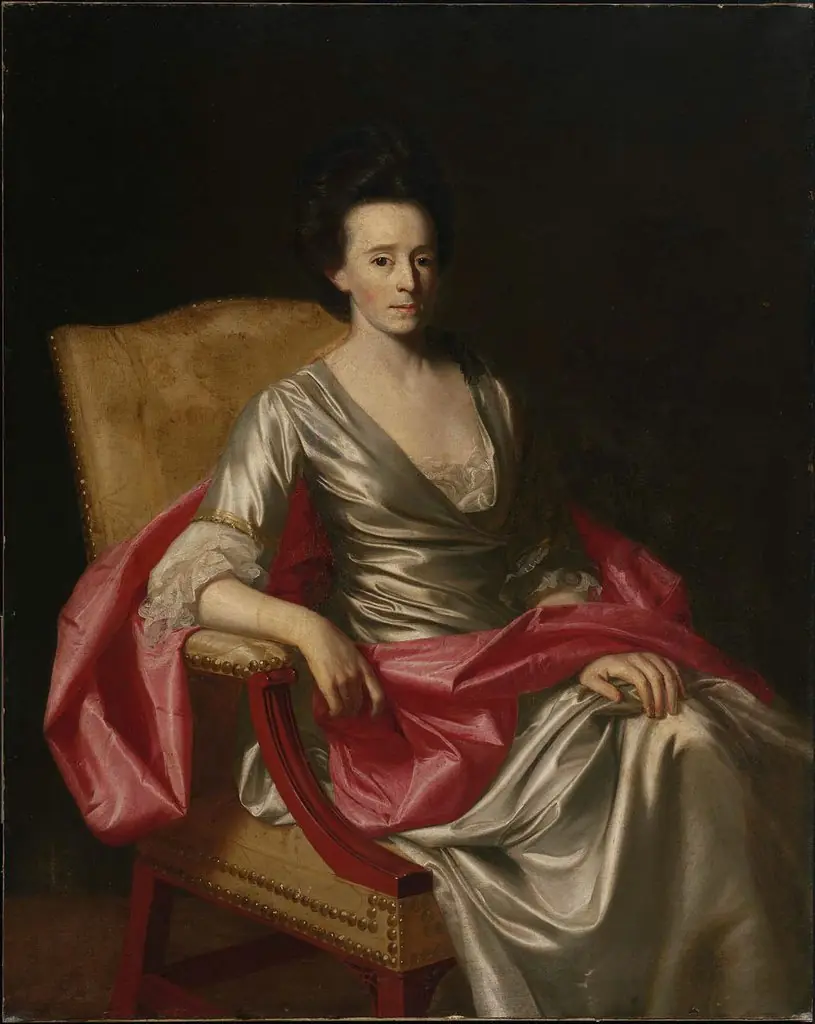 Mrs. Timothy Rogers (Lucy Boylston)
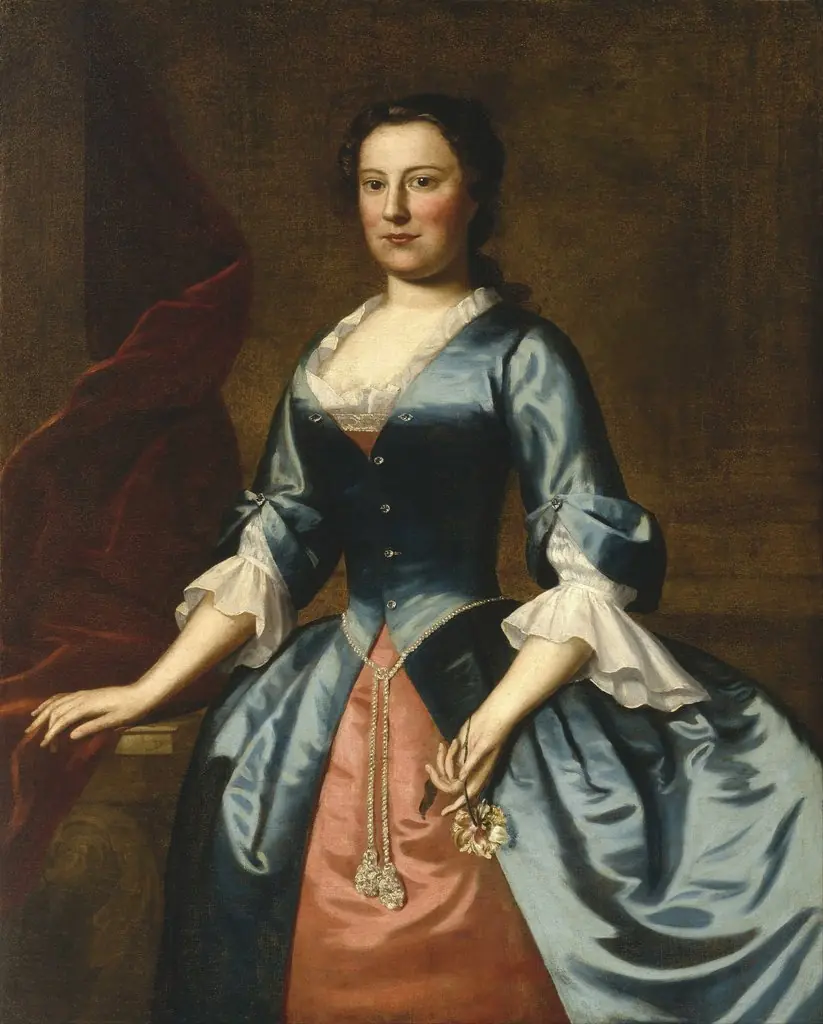 Portrait of Mrs. Samuel McCall, Sr. (Anne McCall, 1720–1785)
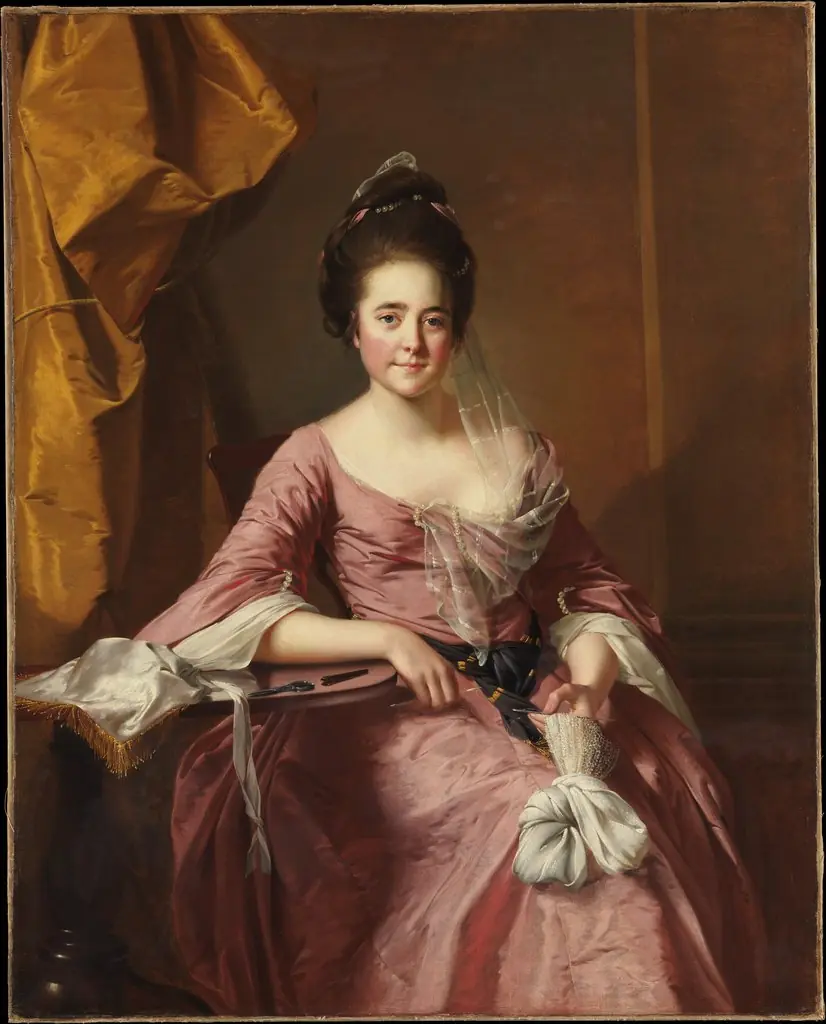 Portrait of a Woman
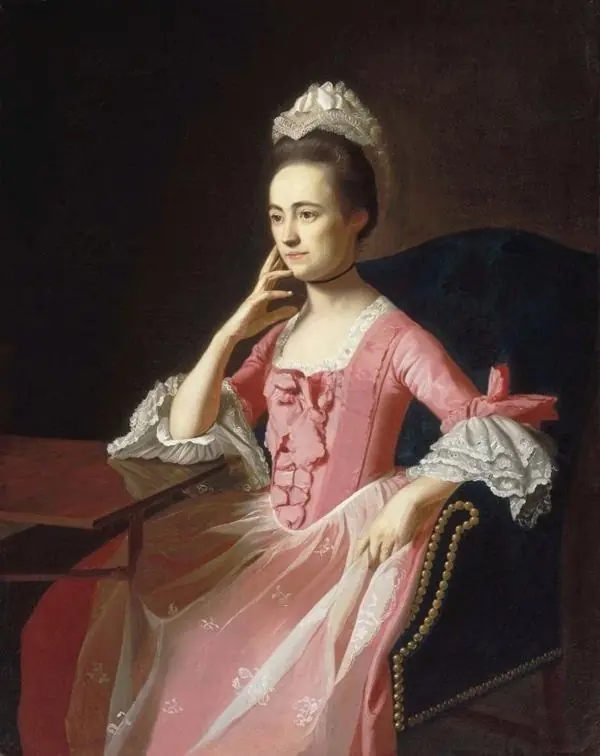 Dorothy Quincy (Mrs. John Hancock)
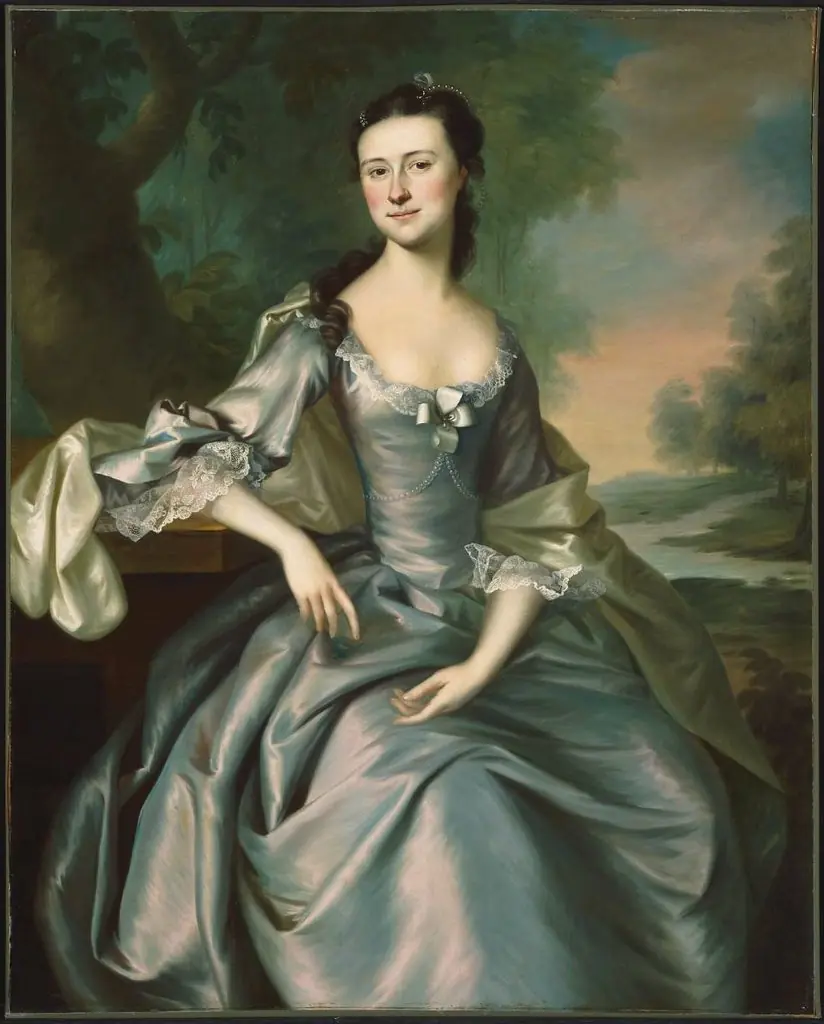 Susan Apthorp (Mrs. Thomas Bulfinch)
 Mrs. James Warren (Mercy Otis)
 Portrait of Rebecca Boylston