Artwork
Barthel Van den Berghe and his Wife Elisabeth Hoegaerts
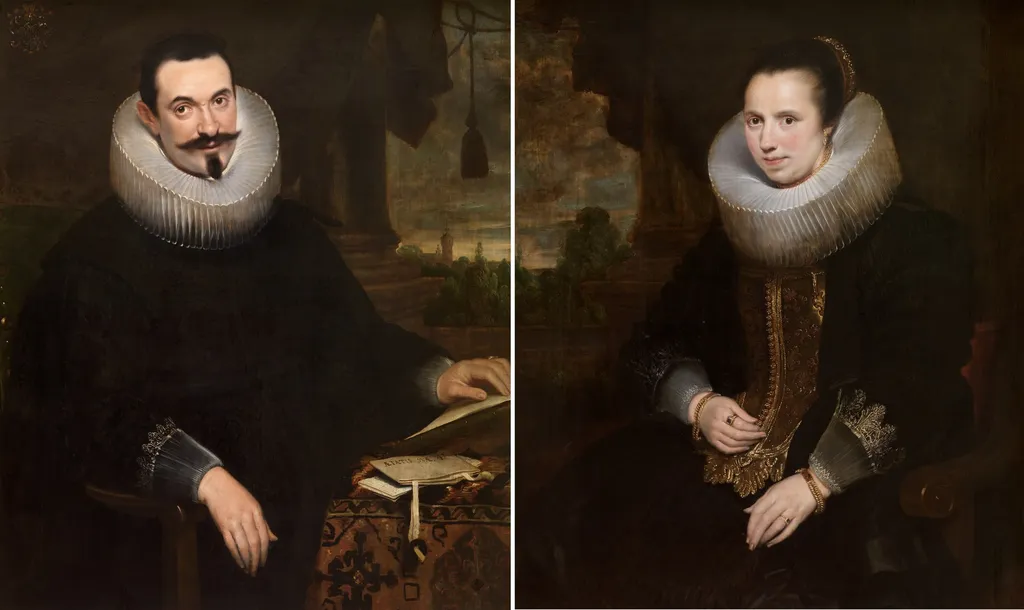
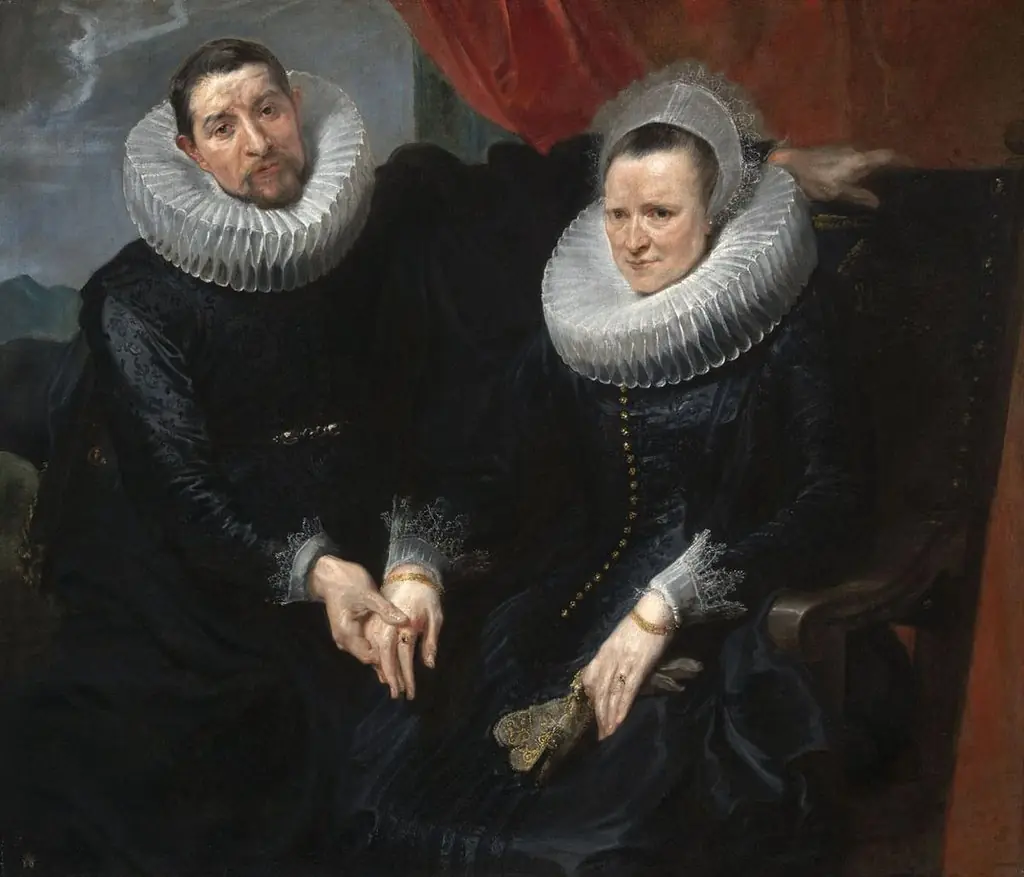
Barthel Van den Berghe and his Wife Elisabeth Hoegaerts is an oil painting by the Flemish Baroque painting artist Cornelis de Vos. It dates from 1627 and is held in the collection of the Royal Museum of Fine Arts Antwerp.
About this work
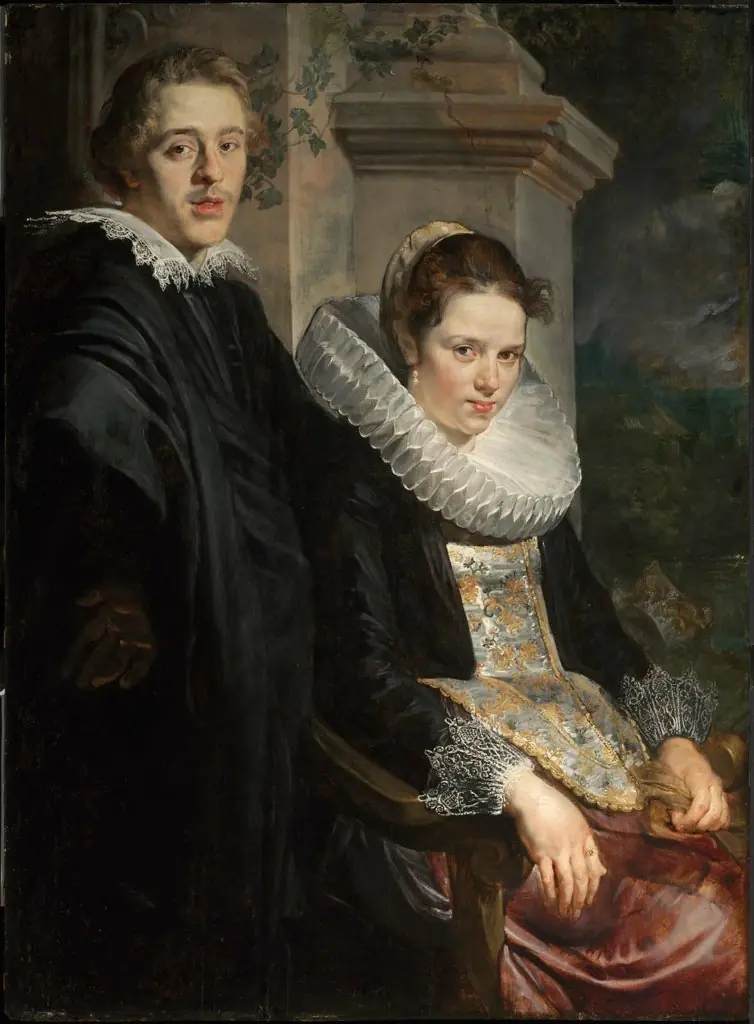
The woman is on the right, dressed in a black dress with a gold bodice and a white collar, her hair pulled back.
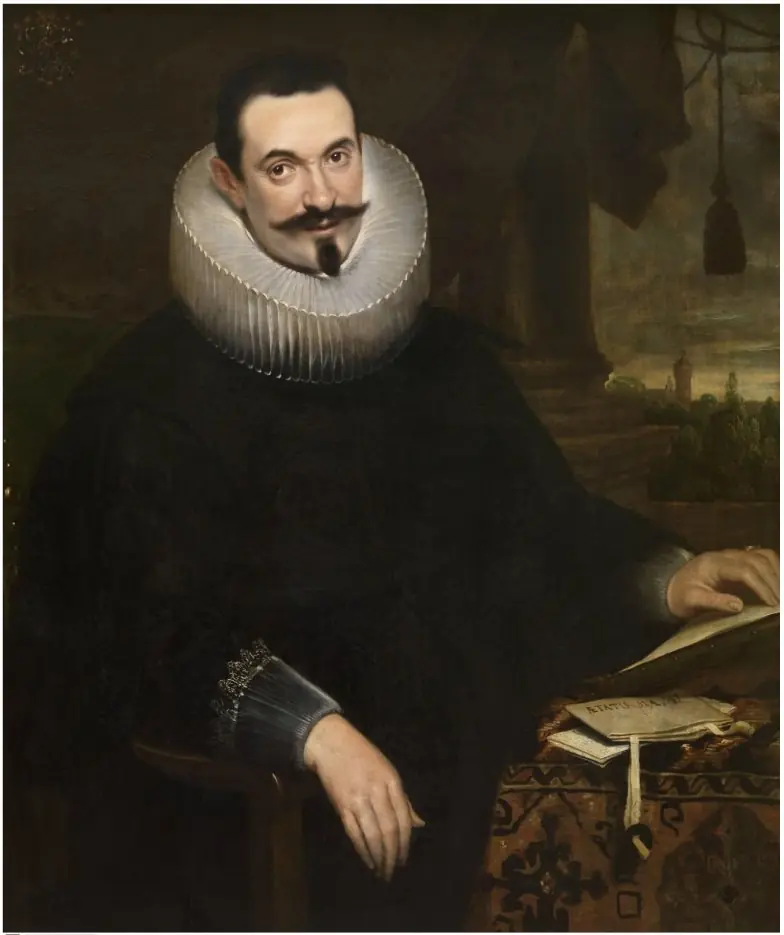
This painting depicts a man and woman, likely a couple, in a formal setting. The man sits on the left, wearing a black robe with a large white collar and a dark mustache. He has a book in front of him and rests his hand on the armrest.
The woman is on the right, dressed in a black dress with a gold bodice and a white collar, her hair pulled back. Both figures have serious expressions.
The background is dark, with a subtle landscape visible behind the couple. The overall atmosphere is somber and formal, suggesting a portrait from the 17th century. The artist's use of chiaroscuro creates a sense of depth and volume in the figures.
To learn more about the artist's techniques and style, explore the work of Cornelis de Vos.
Overview
Cornelis de Vos, a prominent Flemish painter active in early‑17th‑century Antwerp, executed the oil portrait of Barthel Van den Berghe and his wife Elisabeth Hoegaerts around 1627. The work presents the couple in formal dress against a subdued backdrop, employing the chiaroscuro typical of the period’s Baroque portraiture. It now belongs to the collection of the Royal Museum of Fine Arts in Antwerp.
Subject & Meaning
The painting shows the husband seated on the left, clothed in a black robe with a wide white ruff, his hand resting on the arm of the chair and a book placed before him, suggesting literacy or civic status. Beside him, Elisabeth appears in a black gown with a gold‑embroidered bodice and a matching white collar, her hair neatly arranged. Their solemn expressions convey the dignified self‑presentation expected of affluent citizens in the Dutch‑Flemish milieu.
Technique & Style
De Vos employs a restrained palette of deep blacks and muted earth tones, allowing the luminous white collars to draw attention to the figures’ faces. The use of strong light falling from the left creates a three‑dimensional modeling of flesh and fabric, while the dark, almost invisible landscape behind them recedes, enhancing the sense of depth. The brushwork balances fine detail in the textiles with broader, softer strokes in the background, a hallmark of Flemish Baroque portraiture.
History & Provenance
Created during a prolific phase of de Vos’s career, the portrait reflects his reputation for intimate family depictions and his connections with Antwerp’s artistic network, including collaborations with Peter Paul Rubens. The painting entered the Royal Museum of Fine Arts Antwerp’s holdings in the 20th century, where it remains on display as part of the museum’s representation of Flemish Baroque portraiture.
Own this work as a print
Artist & collection
Artist
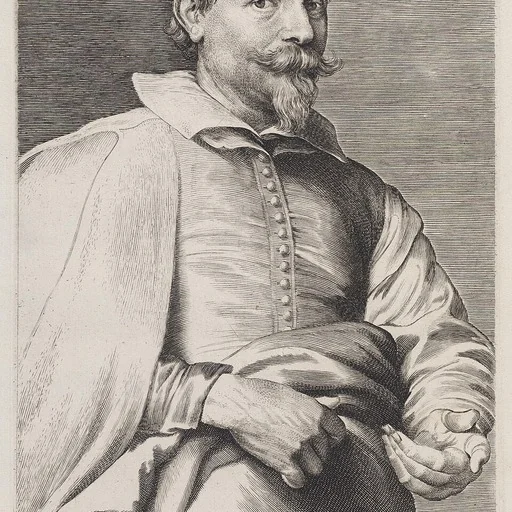
Cornelis de Vos (1584 - 9 May 1651) was a Flemish painter, draughtsman and art dealer.

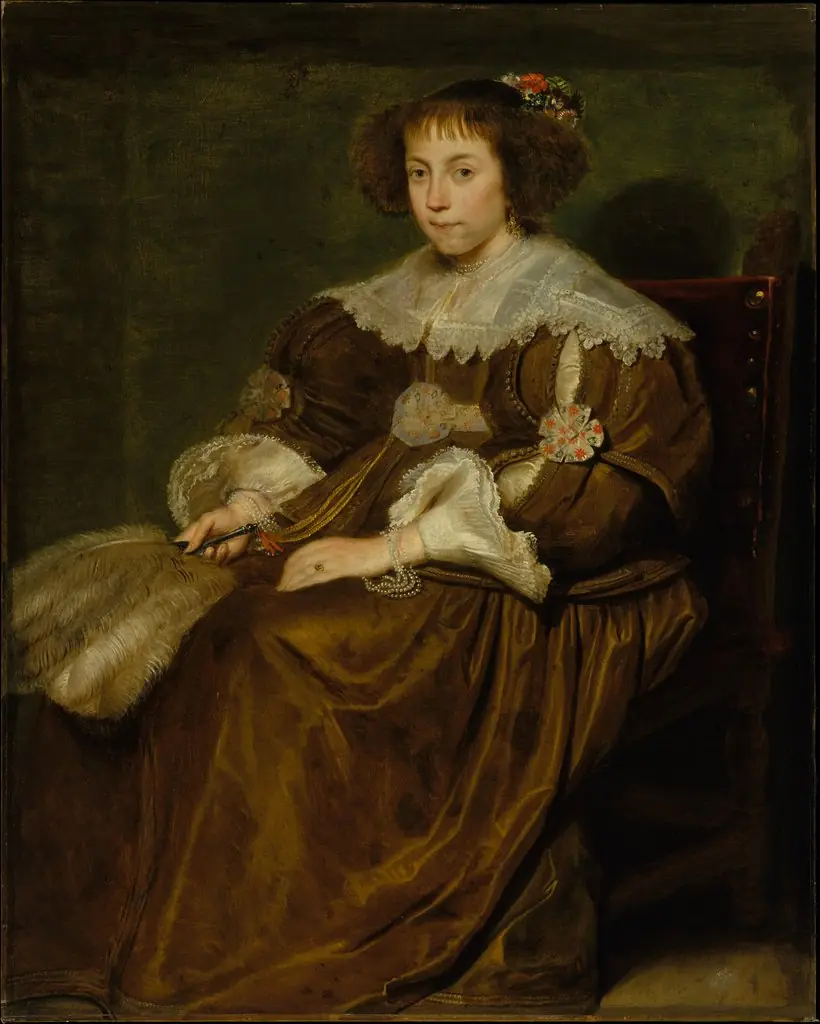 Portrait of a Young Woman
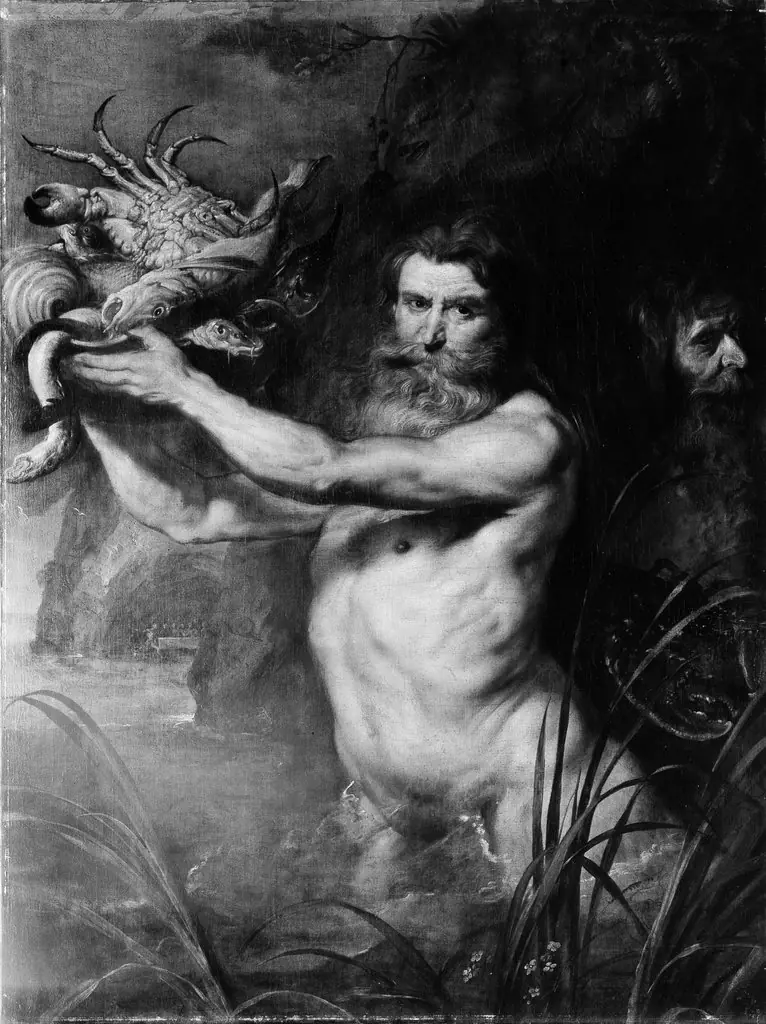 Two Tritons at the Feast of Acheloüs
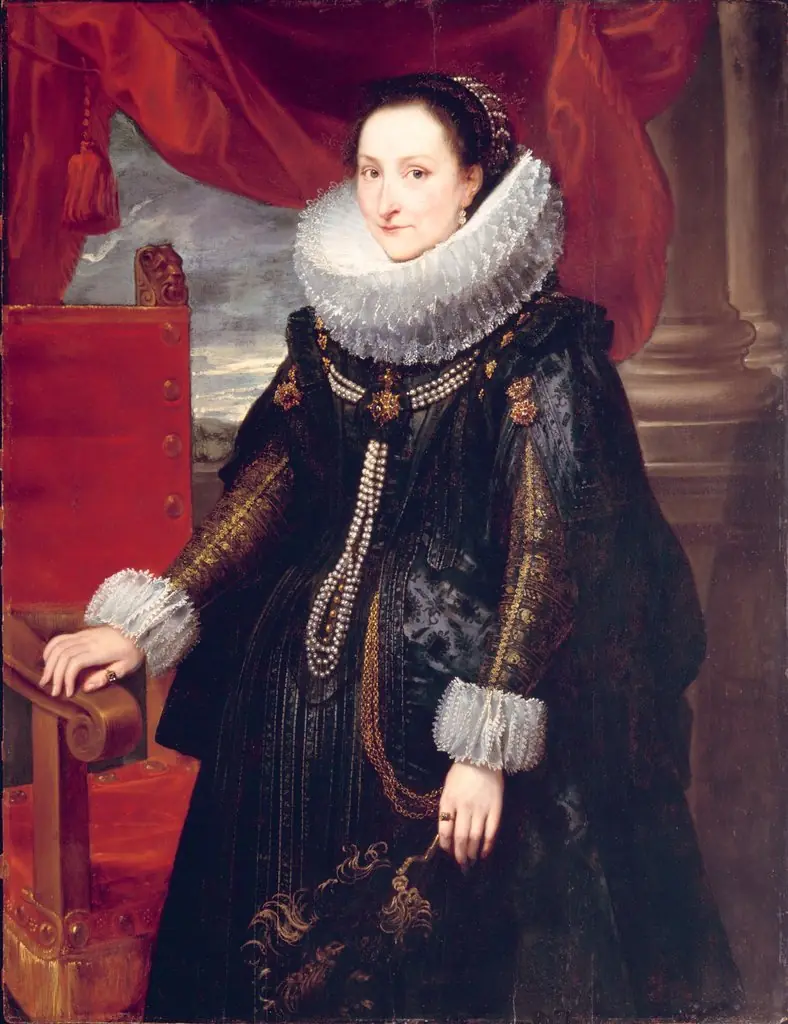 Portrait of a Woman
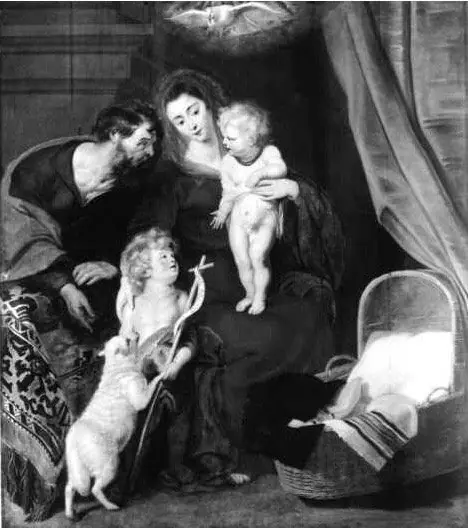 The Holy Family with John the Baptist as child
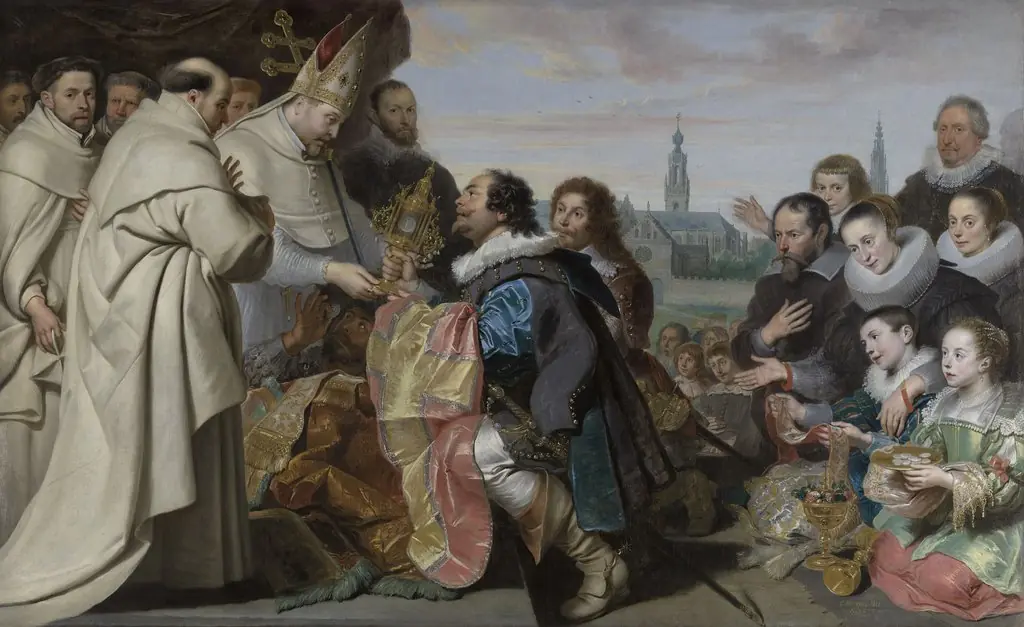 The Citizens of Antwerp bring back to Saint Norbert the Monstrance and other Sacred Vessels that they had hidden from Tankelin
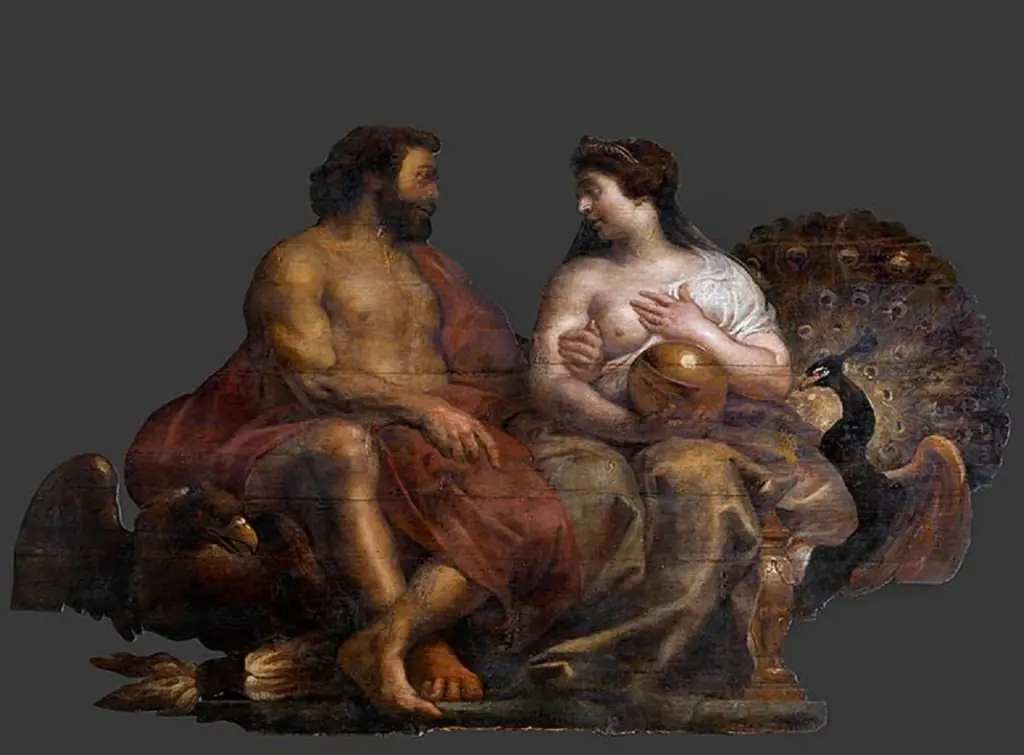 Jupiter and Juno
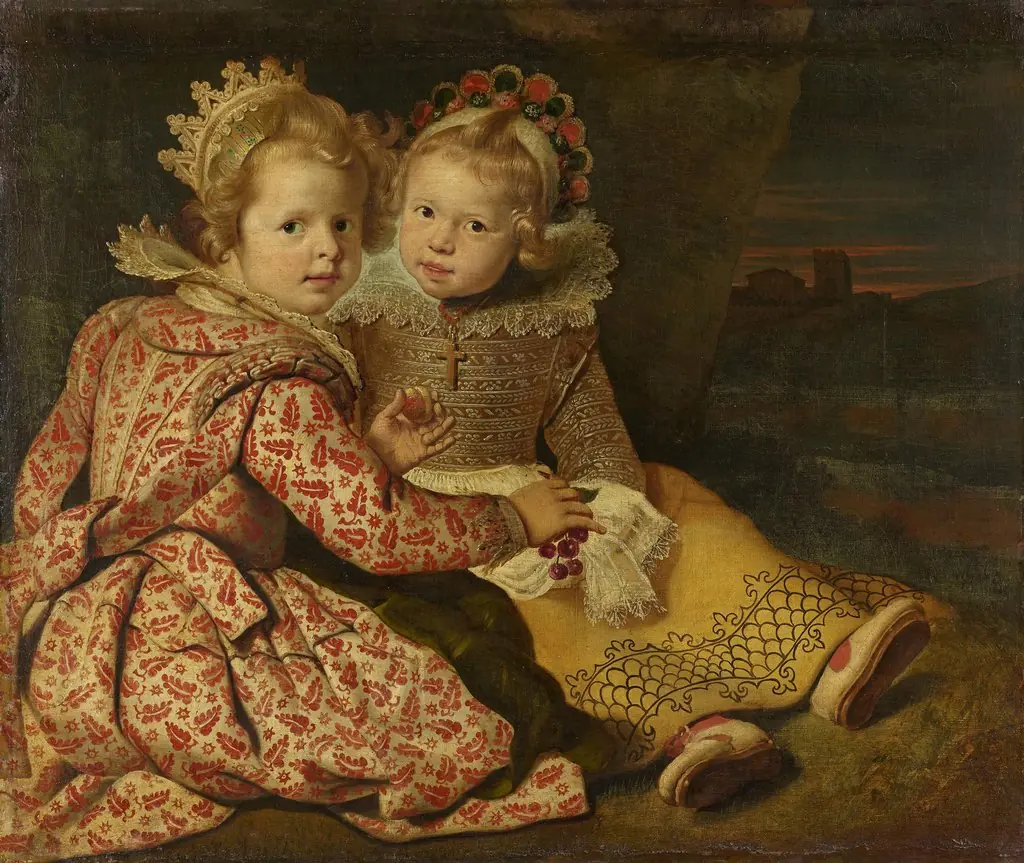 Magdalena and Jan-Baptist de Vos, Children of the Painter
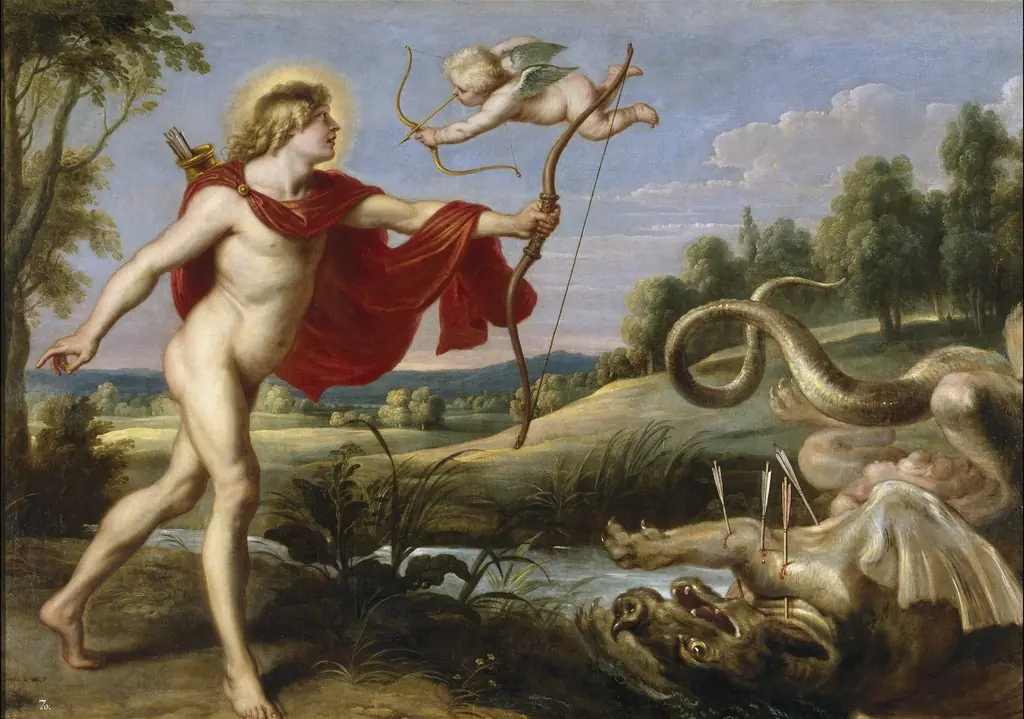 Apollo and the Python