Artwork
Christ Expelling the Moneylenders from the Temple
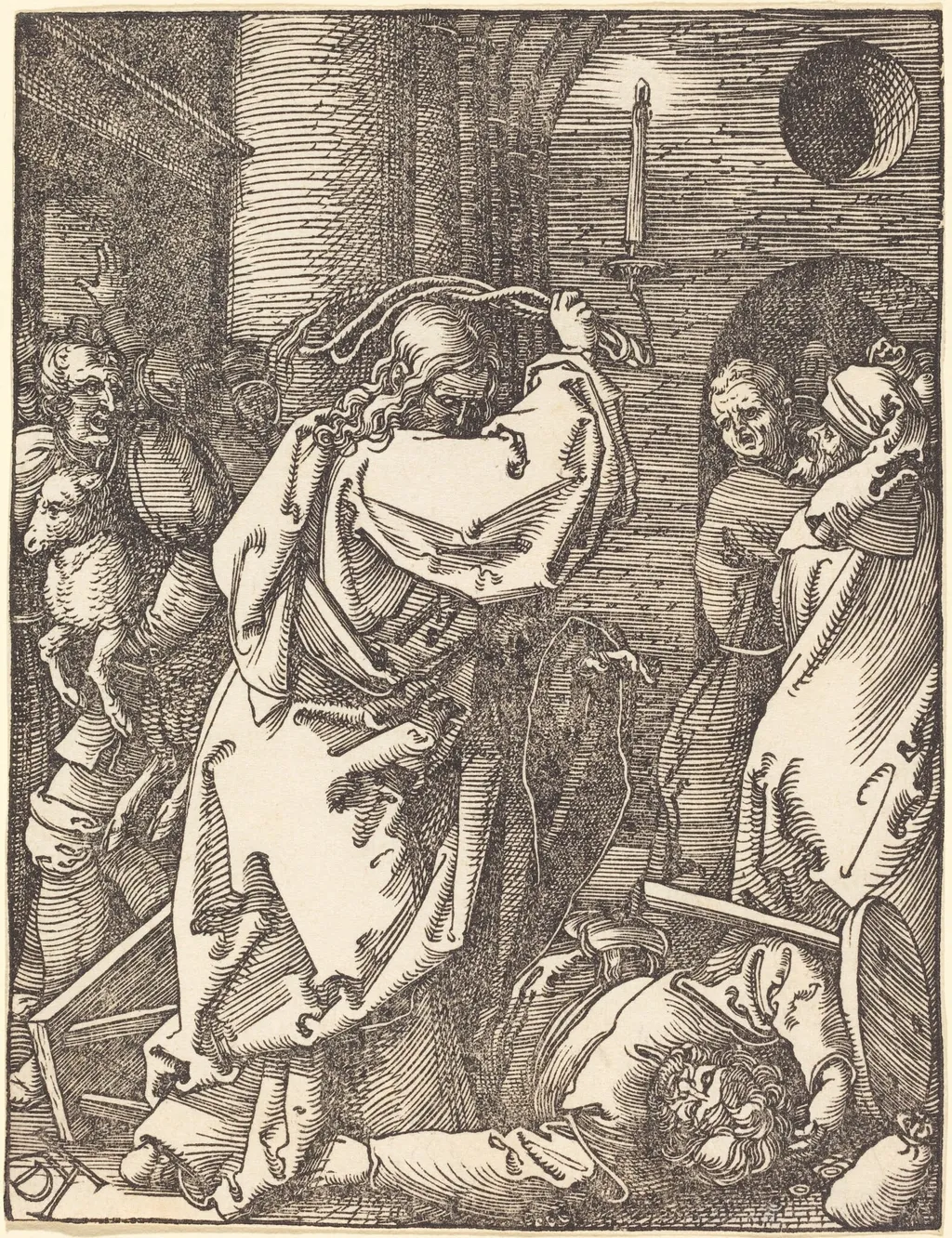
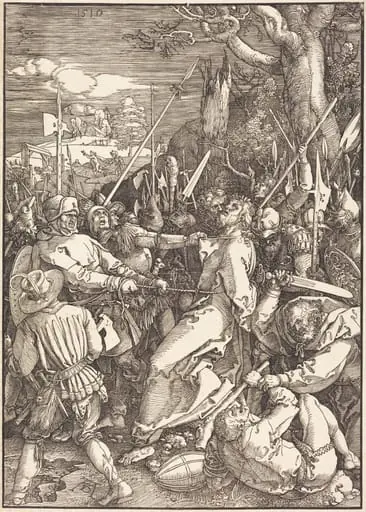
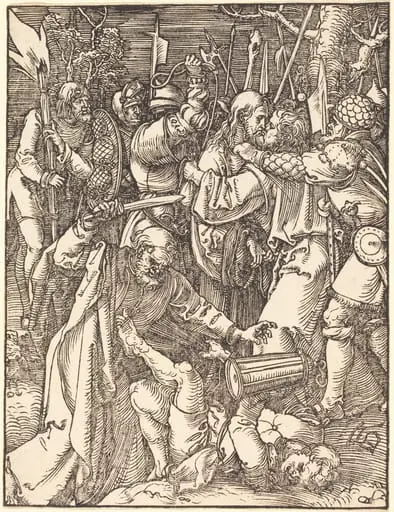
Christ Expelling the Moneylenders from the Temple is an ink print by the Northern Renaissance artist Albrecht Dürer. It dates from 1510 and is held in the collection of the British Museum.
- Inscription
- Inscribed:in block, bottom left: AD [artist's monogram]; verso, lower center, in graphite by a later hand: 627; verso, bottom left, in graphite by a later hand: 23; verso, bottom center, in graphite by a later hand: 8
About this work
Subject & Meaning
The print illustrates the biblical moment of the Cleansing of the Temple, showing Jesus driving out the money changers and merchants.
The print illustrates the biblical moment of the Cleansing of the Temple, showing Jesus driving out the money changers and merchants. This scene symbolizes the purification of worship and a critique of commercial exploitation within religious spaces. Dürer's composition emphasizes the divine authority of Christ through his dynamic gesture and confrontational stance, embodying themes of moral reform and spiritual cleansing.
Technique & Style
Christ Expelling the Moneylenders from the Temple is a woodcut printed on laid paper, classified as a print within the religious genre and part of Albrecht Dürer's Little Passion series. The work is associated with the German Renaissance movement and depicts the New Testament narrative of the Cleansing of the Temple, with Jesus Christ as the main subject.
The sheet measures 12.7 cm in height by 9.8 cm in width, a compact format typical of Dürer's small-format devotional prints. As a relief print on laid paper, the image was produced by cutting the design into a wooden block, inking the raised surfaces, and transferring the image under pressure, yielding the crisp linear contours and densely worked passages characteristic of Dürer's mature woodcut technique.
History & Provenance
Executed in 1509, this woodcut belongs to Albrecht Dürer’s Little Passion series and depicts the New Testament episode of Christ driving the moneylenders from the Temple. The work was later owned by Joseph Daniel Böhm in Vienna, then by Robert Scholtz in Budapest. It passed through William Schab in New York before entering the collection of Lessing J. Rosenwald in Jenkintown, Pennsylvania, in 1940. Rosenwald gifted the impression to the National Gallery of Art, Washington, D.C., in 1943, where it remains.
A specific impression of Albrecht Dürer's 1509 woodcut Christ Expelling the Moneylenders from the Temple is held by the National Gallery of Art in Washington, D.C., where it was accessioned as a gift from Lessing J. Rosenwald in 1943. This print, part of the Rosenwald Collection, traces its provenance through collectors Joseph Daniel Böhm and Robert Scholtz before being acquired by William Schab in New York in 1940. Other institutions known to hold impressions of this work include the British Museum, Museum Boijmans Van Beuningen, Saint Louis Art Museum, and the Germanisches Nationalmuseum. The provided sources do not contain specific details regarding exhibition history or inventory numbers for these holdings.
Context
The print has been discussed in scholarly literature as an early example of Northern Renaissance engagement with biblical narratives, particularly the Cleansing of the Temple episode. Its reception is tied to Dürer’s reputation for technical innovation in printmaking during the early 1500s, though specific contemporary critiques are not documented in the provided sources. The work is situated within Dürer’s broader oeuvre of religious prints, notably the Little Passion series, reflecting his humanist interest in theological themes.
Art historians view it as a key artifact for understanding the development of printmaking as a medium for disseminating scriptural stories in the German Renaissance context, with its compositional focus on Christ’s authority over commercial activity in sacred space.
Overview
Albrecht Dürer’s woodcut, dated around 1510, presents the biblical episode in which Jesus drives the merchants from the temple. Executed on laid paper, the print captures a moment of decisive action, emphasizing the contrast between sacred space and commercial intrusion. The composition reflects Dürer’s engagement with religious narrative during the early sixteenth century.
Own this work as a print
Artist & collection
Artist
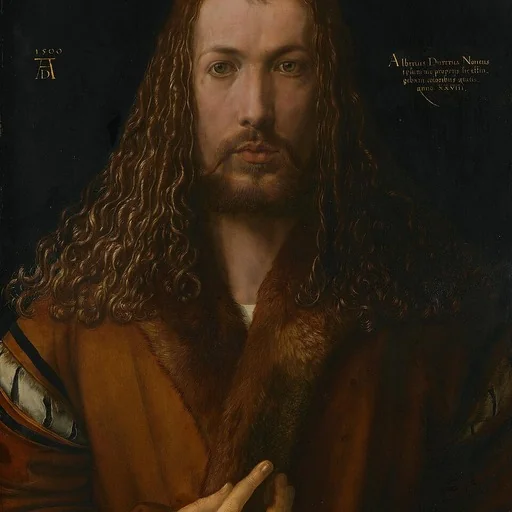
Albrecht Dürer spent his life in Nuremberg, a busy German city where artists traded prints like currency.

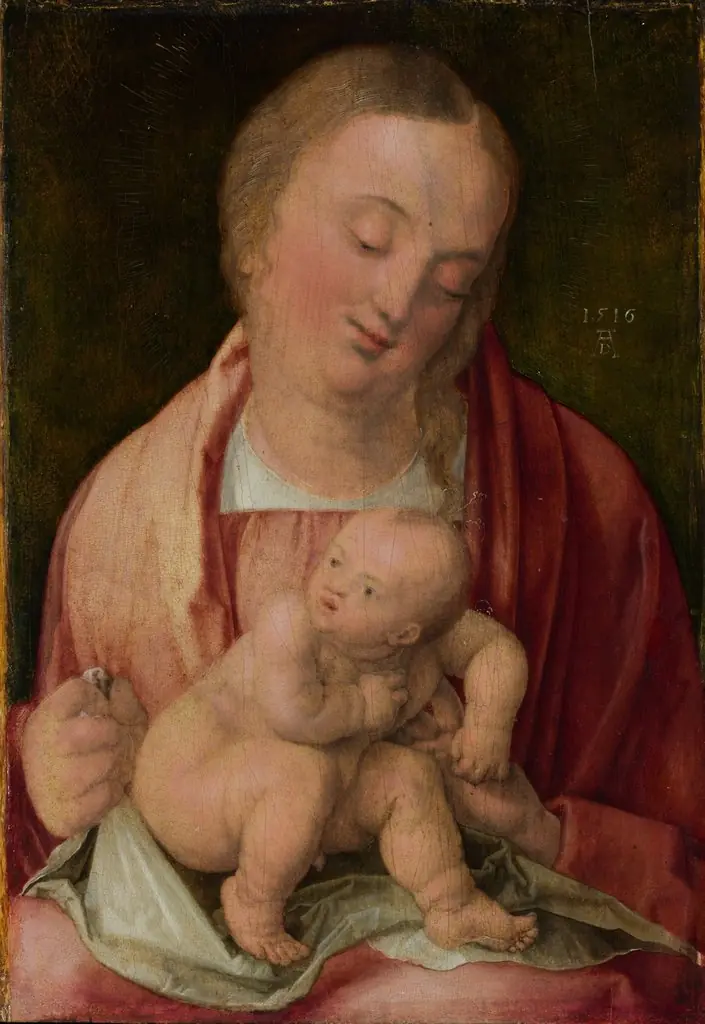
![Madonna and Child [obverse], by Albrecht Dürer](https://artifactworldgallery.com/img/albrecht-durer--madonna-and-child-obverse--d7b8ebf05d22ebe5-w320.webp)
![Lot and His Daughters [reverse], by Albrecht Dürer](https://artifactworldgallery.com/img/albrecht-durer--lot-and-his-daughters-reverse--b4ebf9b282faa17a-w320.webp)