Artwork
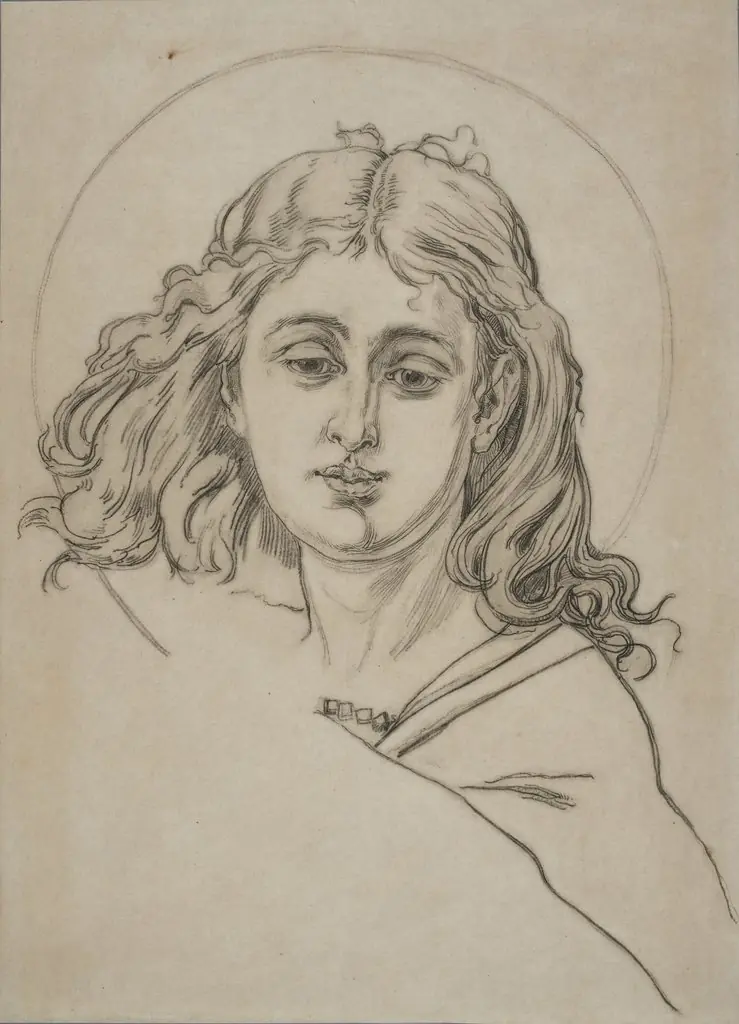
Study for "Venus Verticordia"
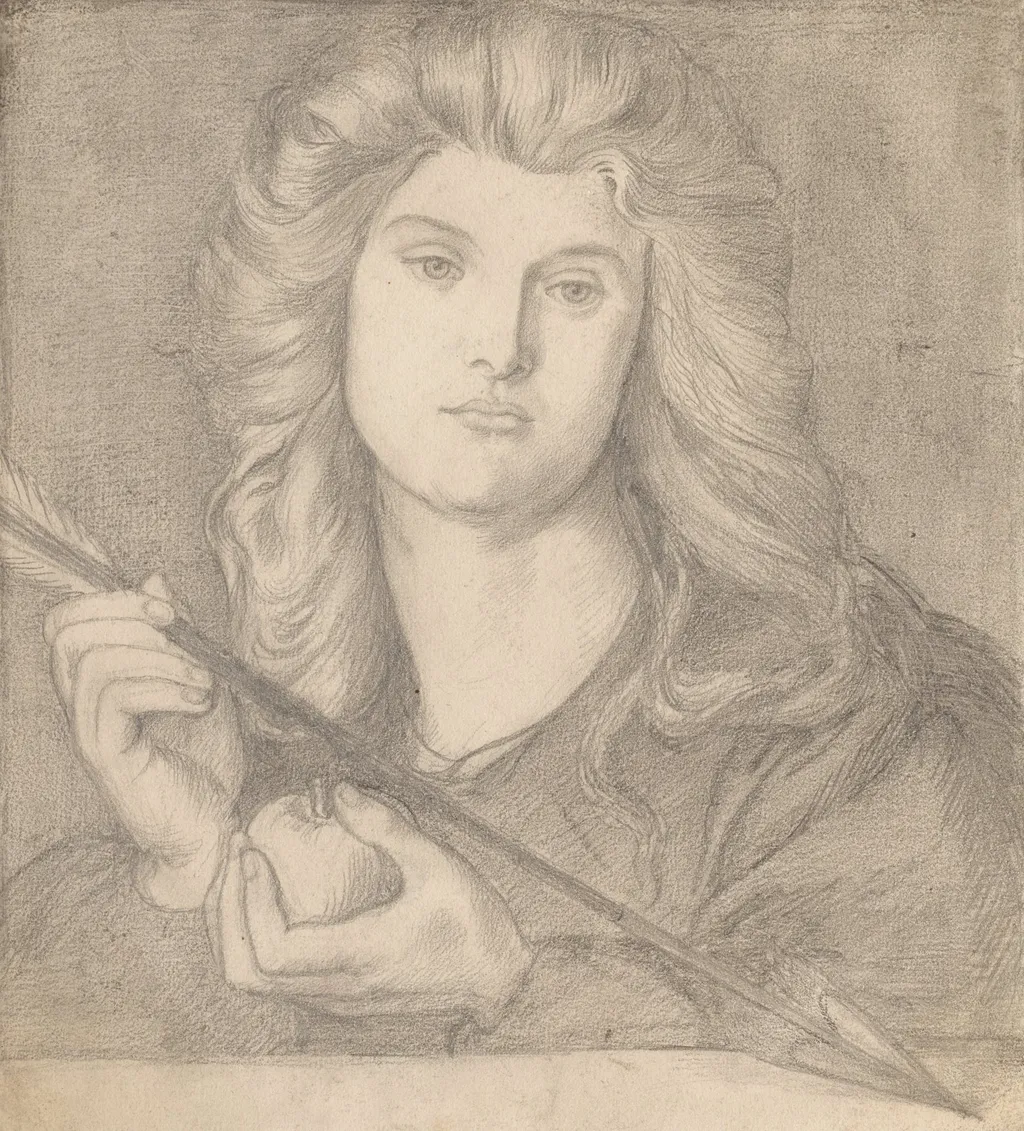
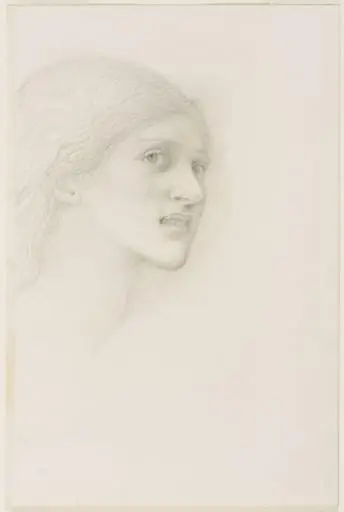
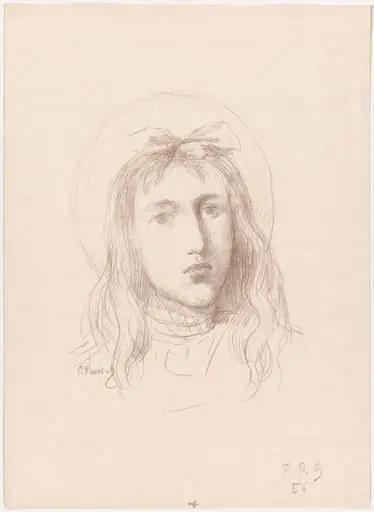
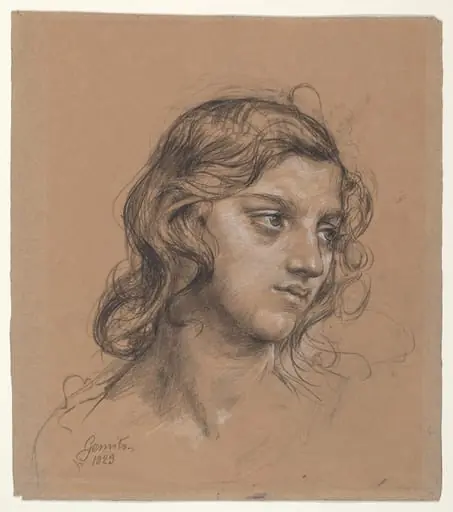
Study for "Venus Verticordia" is a drawing by the Impressionist artist Dante Gabriel Rossetti. It dates from 1864 and is held in the collection of the Cleveland Museum of Art.
- Accession no.
- 1946.345
- Credit line
- In memory of Ralph King, gift of Mrs. Ralph King; Ralph T. Woods, Charles G. King; and Frances King Schafer
About this work
Overview
Created around 1864 by Dante Gabriel Rossetti, this pencil drawing served as a preparatory study for his larger painting 'Venus Verticordia.
Created around 1864 by Dante Gabriel Rossetti, this pencil drawing served as a preparatory study for his larger painting 'Venus Verticordia.' Executed in muted grays, the work captures a solitary female figure with quiet intensity. Rossetti, a central figure in the Pre-Raphaelite movement, used such sketches to refine composition and expression before committing to oil. The drawing’s restrained palette and delicate lines reflect his focus on form and mood over color.
Subject & Meaning
The figure represents Venus Verticordia, the Roman goddess of love who turns hearts toward virtue. Rossetti’s interpretation avoids overt narrative, instead emphasizing stillness and introspection. Her loosely held ribbon suggests a gesture of restraint or offering, aligning with the dual nature of the myth, beauty tempered by moral agency.
The absence of context or setting directs attention to the inner presence of the figure, evoking contemplation rather than storytelling.
Technique & Style
Rossetti employed soft, layered pencil strokes to model the face and shoulders with subtle gradations of tone. The hair flows in loose, undulating lines, framing the forehead and enhancing the figure’s serenity. There is no sharp contouring; instead, forms emerge through gentle transitions, creating a hazy, almost ethereal quality. This approach echoes sfumato techniques, prioritizing atmospheric softness over definition to evoke emotional resonance.
History & Provenance
The drawing entered the collection of the Cleveland Museum of Art through documented acquisition, though its exact provenance prior to the 20th century remains unrecorded in public sources. As a preparatory work, it was likely kept in Rossetti’s studio during the development of the final painting. Its survival reflects its value as a record of the artist’s process, rather than as a finished piece intended for public display.
Context
In the mid-1860s, Rossetti increasingly turned to mythological and allegorical subjects, moving beyond early Pre-Raphaelite realism toward more symbolic and introspective themes. This study aligns with his broader engagement with classical mythology filtered through medieval sensibility. Contemporary literary circles, including those influenced by Swinburne and Pater, shared his interest in beauty as a moral and spiritual force, shaping the cultural backdrop for this work.
Legacy
Though not a finished painting, this study exemplifies Rossetti’s method of refining emotional expression through drawing. It influenced later Symbolist artists who valued suggestion over literalism. The work remains a key example of how preparatory sketches can convey the same depth as final compositions, offering insight into the artist’s evolving vision and the quiet power of understated technique.
Own this work as a print
Artist & collection
Artist
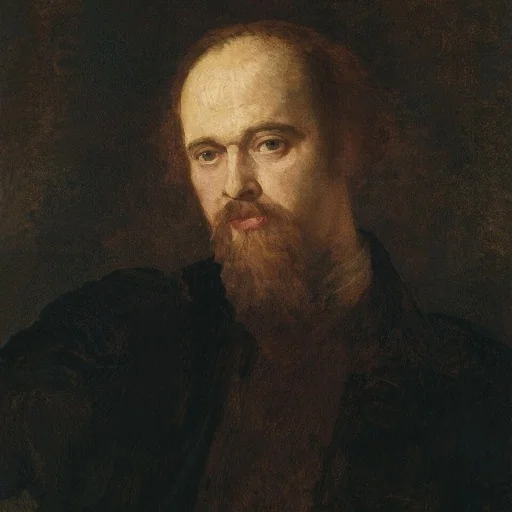
Gabriel Charles Dante Rossetti (12 May 1828 – 9 April 1882), generally known as Dante Gabriel Rossetti ( rə-ZET-ee; Italian: ), was an English poet, illustrator, painter and translator.