Artwork
A l'instar de Pantin
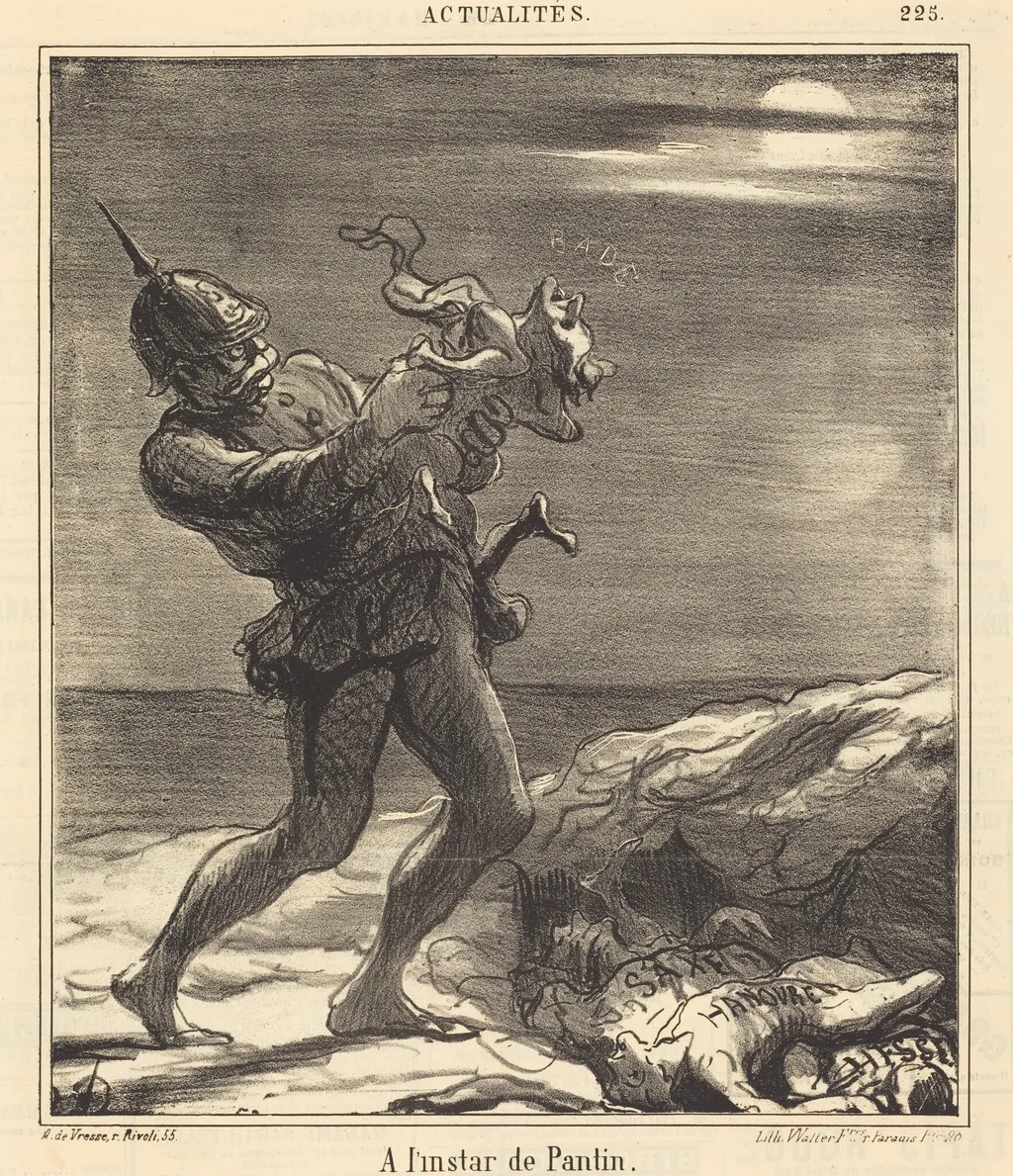
A l'instar de Pantin is an ink print by the Impressionist artist Honoré Daumier. It dates from 1869 and is held in the collection of the National Gallery of Art.
About this work
Overview
Daumier, known for his critical eye, used this technique to reach a broad audience, embedding layered social commentary within seemingly simple imagery.
Created in 1869, this lithograph by Honoré Daumier is one of many political satires he produced during France’s turbulent post-revolutionary era. Executed in the lithographic medium, it reflects his long-standing engagement with public discourse through print. Daumier, known for his critical eye, used this technique to reach a broad audience, embedding layered social commentary within seemingly simple imagery.
Subject & Meaning
The image depicts a rugged man raising a child aloft on a spear, set against a turbulent sky and rocky terrain. The title, referencing the folkloric figure Pantin, suggests a symbolic parallel, perhaps evoking the common man as a populist hero or martyr. The child’s outstretched arm may imply vulnerability or hope, while the man’s forceful stance conveys defiance. Together, they form an allegory of resistance, not a literal scene.
Technique & Style
Daumier employed bold, incised lines and dense tonal contrasts to define the figures against the chaotic background. The lithographic process allowed him to achieve rapid, expressive marks, emphasizing texture in the man’s clothing and the storm’s intensity. Heavy shading isolates the central figures, heightening their emotional weight while minimizing extraneous detail, focusing attention on gesture and posture.
History & Provenance
Produced during the early years of the French Third Republic, the print emerged from a climate still sensitive to monarchical nostalgia and authoritarian tendencies. Though not widely published in periodicals like Le Charivari, it aligns with Daumier’s later works that moved beyond direct caricature toward more symbolic, poetic forms of critique. Its survival reflects its resonance within republican circles.
Context
In the decades following the 1848 Revolution, Daumier’s art responded to shifting political winds, from the Second Empire to the fragile republic. His imagery often elevated ordinary people as moral counterpoints to corrupt elites. A l’instar de Pantin fits this pattern, using mythic undertones to critique contemporary power structures without naming specific figures, allowing broader interpretation.
Legacy
Daumier’s lithographs, including this one, influenced later generations of social realists and graphic artists who sought to merge political critique with visual economy. Though less famous than his earlier caricatures, this work exemplifies his evolution toward symbolic abstraction. Its enduring presence in collections underscores its role as a quiet but potent testament to democratic ideals in visual form.
Own this work as a print
Artist & collection
Artist
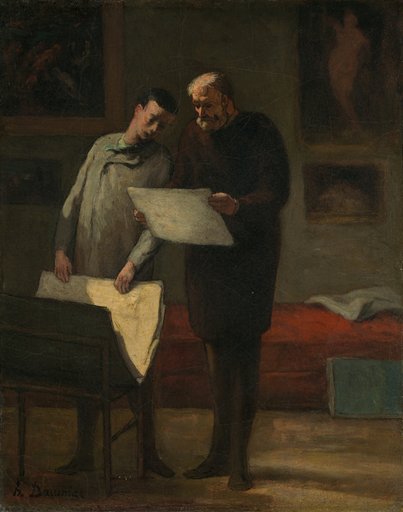
Honoré-Victorin Daumier (French: ; 26 February 1808 – 10 or 11 February 1879) was a French painter, sculptor, and printmaker, whose many works offer commentary on the social and political life in France, from the…









- Martyrdom of St. Agatha
 Magician and Others Regarding a Serpent
 Martyrdom of Saint Agatha
 Les chasses ... ne se ressemblent pas
 Untitled
 Je te dis que je l'ai fait partir
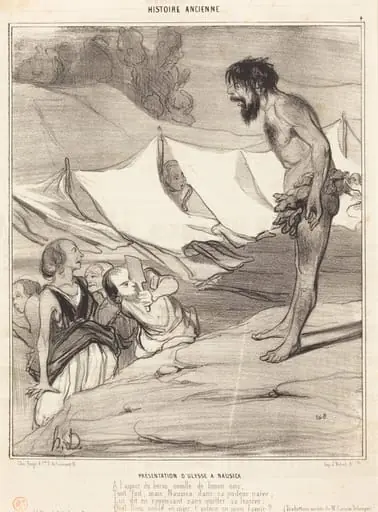 Présentation d'Ulysse a Nausica
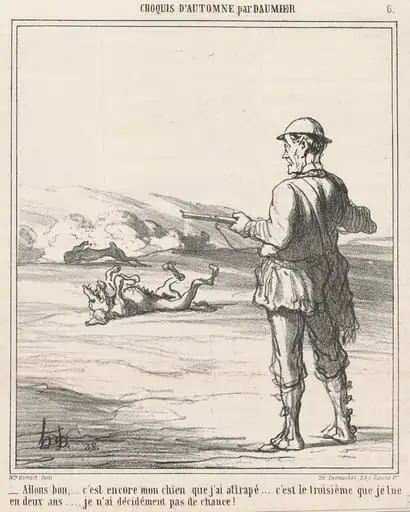 Allons bon ... c'est encore mon chien ...
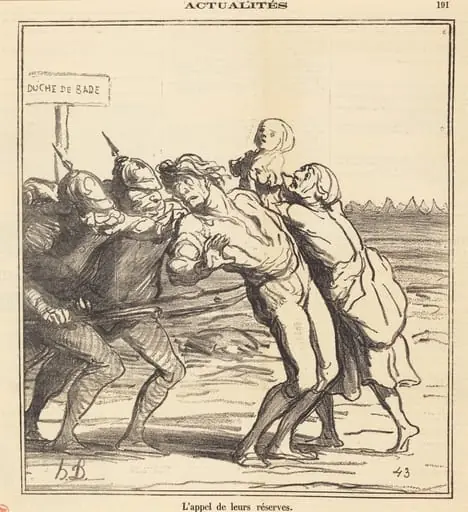 L'appel de leurs réserves
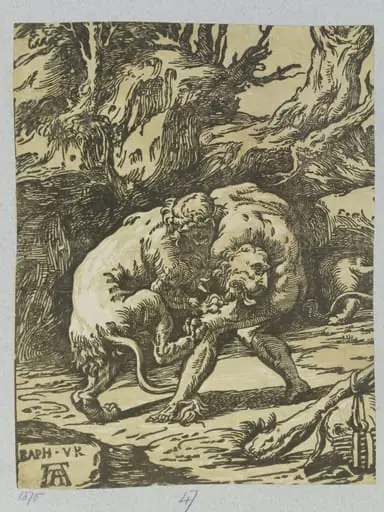 Hercules Strangling the Nemean Lion
 L'enlevement d'Hélène
 Hercules and Cacus