Artwork
Carotte du voltigeur
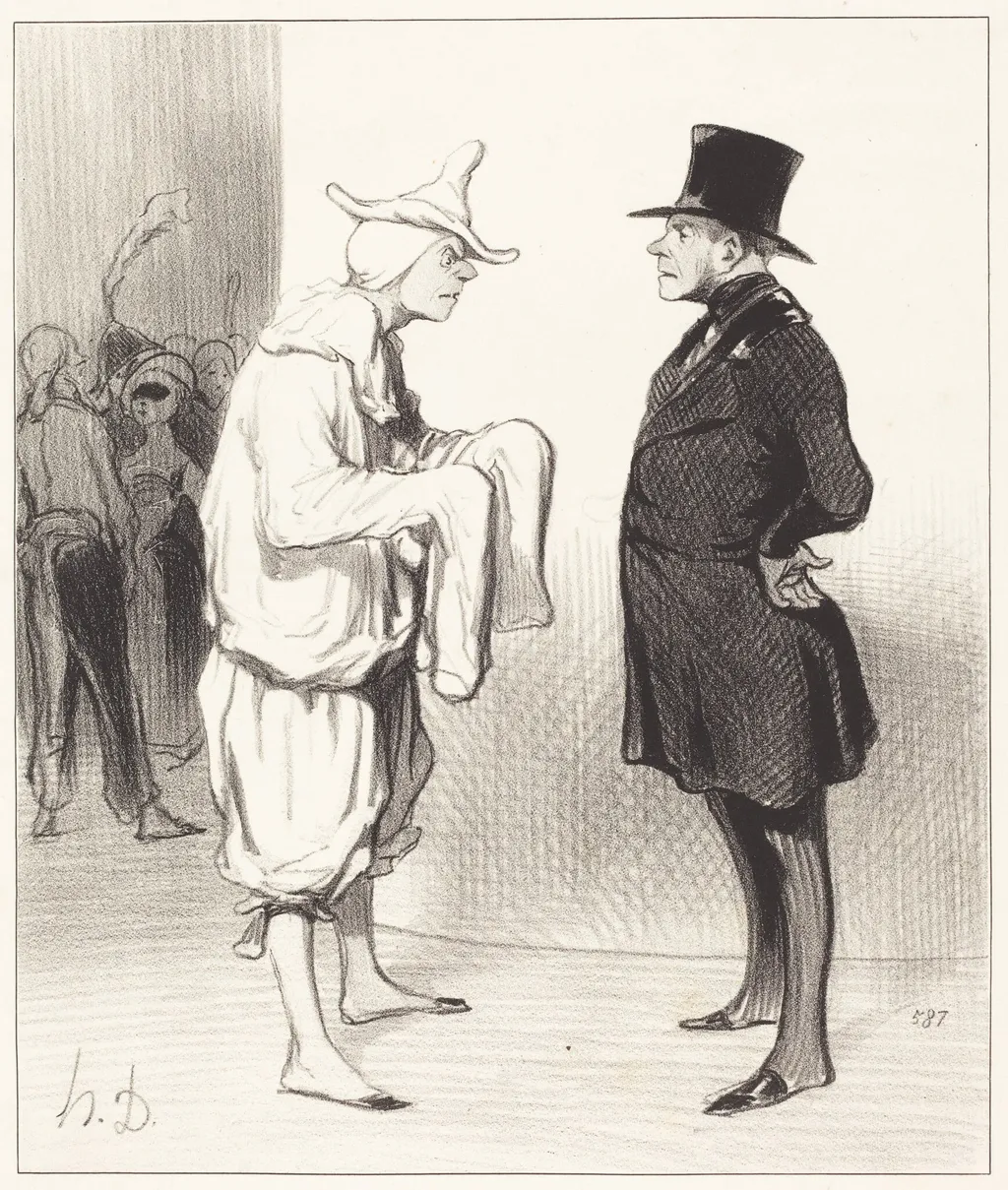
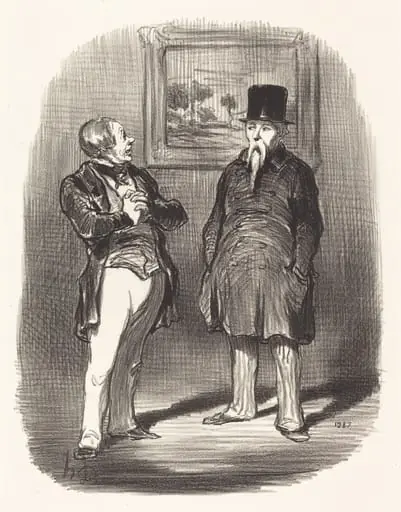
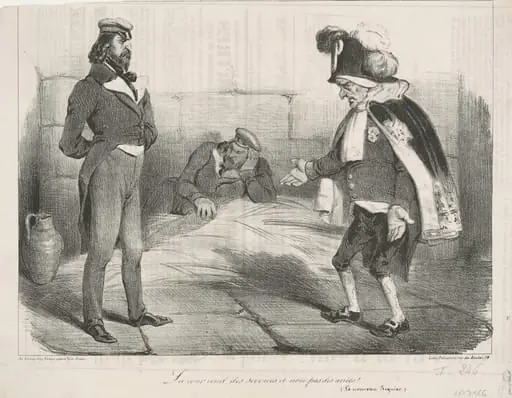
Carotte du voltigeur is an ink print by the Romanticist artist Honoré Daumier. It dates from 1844 and is held in the collection of the National Gallery of Art.
About this work
The man in the top hat appears to be engaged in conversation with the robed figure, who is holding a cloth in his hand.
The image depicts a man in a top hat and coat standing face-to-face with a figure dressed in a white robe and hat. The man in the top hat appears to be engaged in conversation with the robed figure, who is holding a cloth in his hand. The background of the image is not clearly defined, but it appears to be a simple, unadorned space.
The robed figure's attire and the man's formal clothing suggest a sense of contrast between the two individuals. The robed figure's clothing is loose-fitting and plain, while the man's clothing is more formal and structured.
This image is a lithograph by Daumier, Honoré, created in 1844. To learn more about the artist's work, explore the art of Daumier, Honoré.
Overview
Carotte du voltigeur is a lithograph created by French artist Honoré-Victorin Daumier in 1844. It exemplifies his practice of using printmaking for social and political commentary, characteristic of his work as a caricaturist for French publications.
Subject & Meaning
The print depicts a contrasted encounter between a formally dressed man in a top hat and a figure in loose, plain white robes, possibly symbolizing the clash between secular, bourgeois society and religious or traditional authority. The interaction suggests a commentary on the social and political tensions of the time.
Technique & Style
Executed as a lithograph, the work showcases Daumier's mastery of the medium, known for its suitability for mass production and satirical content. The simple, undefined background focuses attention on the contrasting figures, emphasizing the thematic contrast.
History & Provenance
Created during a period of political upheaval in France, the lithograph reflects Daumier's republican and democratic sympathies. Originally published in a satirical journal (likely La Caricature or Le Charivari), its exact provenance since creation is not detailed here.
Context
Carotte du voltigeur was produced amidst 19th-century French political turmoil, with Daumier using his art to critique the monarchy, aristocracy, and clergy. The work is part of a broader body of satirical prints addressing contemporary social and political issues.
Legacy
As part of Daumier's prolific output of socially conscious prints, Carotte du voltigeur contributes to his legacy as a pioneering figure in using art for political commentary, influencing future generations of artists and caricaturists.
Own this work as a print
Artist & collection
Artist
Honoré-Victorin Daumier (French: ; 26 February 1808 – 10 or 11 February 1879) was a French painter, sculptor, and printmaker, whose many works offer commentary on the social and political life in France, from the…









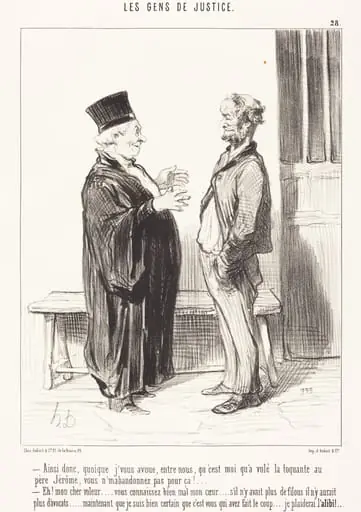 Ainsi donc, quoique j'vous avoue...
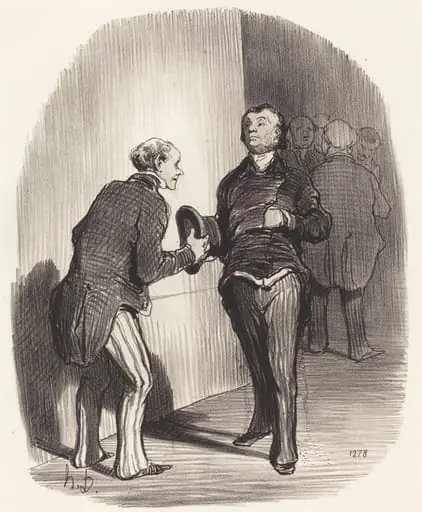 Vue d'une antichambre ministérielle...
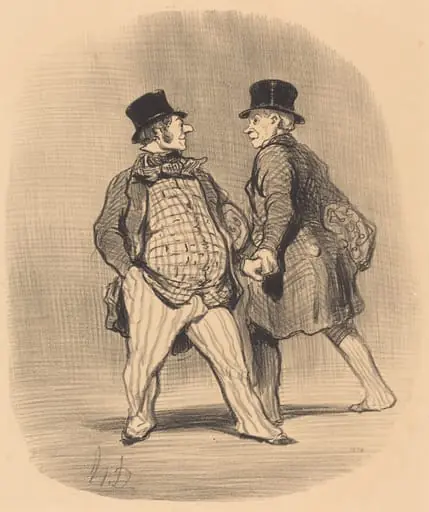 Confrère, méfiez-vous du petit baron...
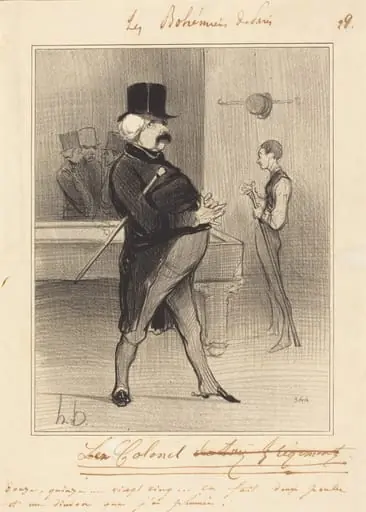 L'Ex-Colonel
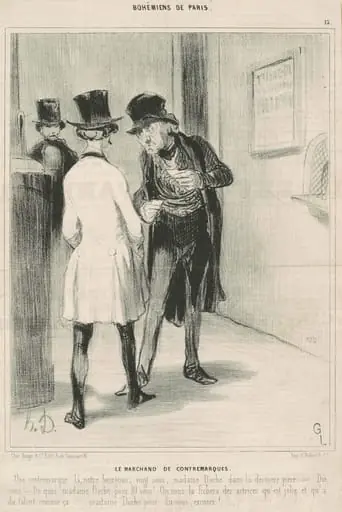 Le marchand de contremarques
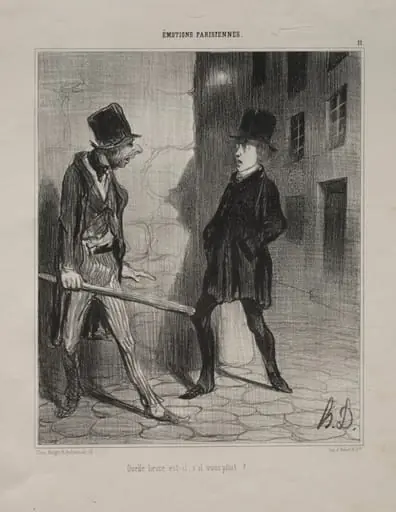 What Time is it, Please?
 Tiens... je ne te reconnaissais pas...
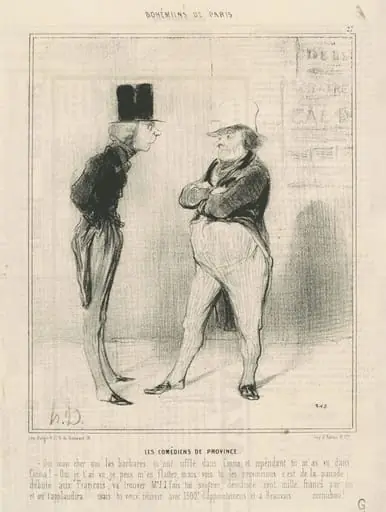 Les comédiens de province
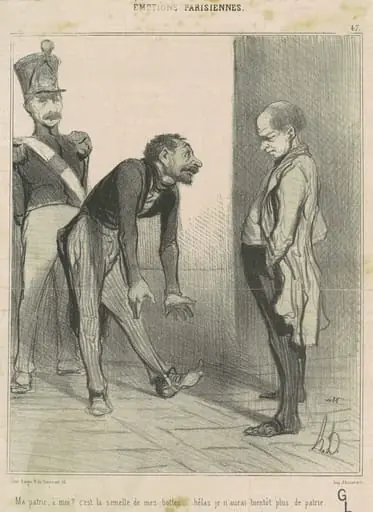 Ma patrie, a moi?...
 La cour rend des services et non pas des arrêts!