Artwork
J'ai beau laver, l'ancienne couleur...
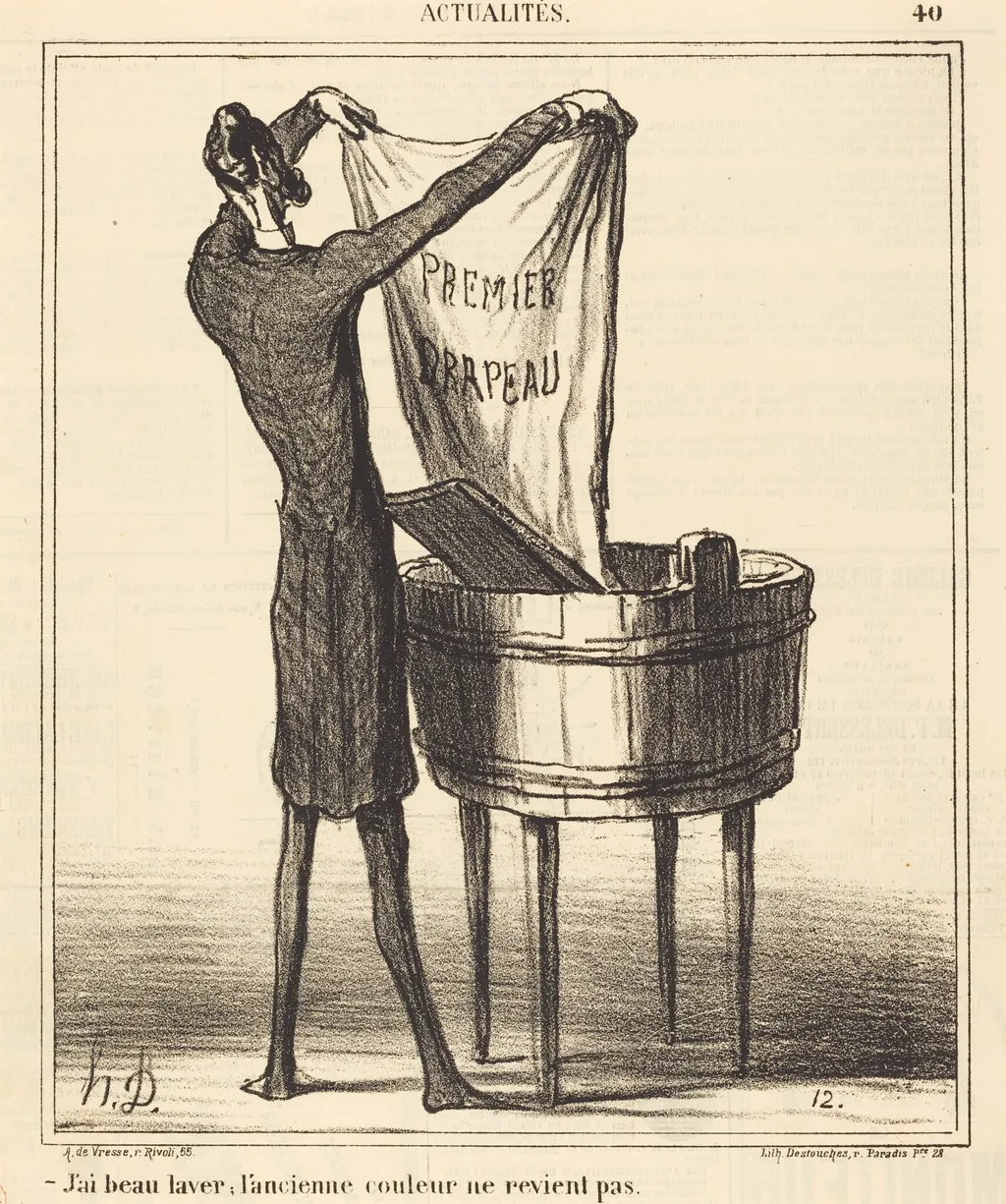
J'ai beau laver, l'ancienne couleur... is an ink print by the Impressionist artist Honoré Daumier. It dates from 1869 and is held in the collection of the National Gallery of Art.
About this work
Overview
Created in 1869, this lithograph by Honoré Daumier is part of a series critiquing social and political life in France during the Second Empire. Executed in the medium of lithography, it uses simple, direct imagery to convey a layered commentary on the persistence of entrenched behaviors and symbols, even after attempts at renewal or reform.
Subject & Meaning
The image depicts a figure laboriously scrubbing a large white sheet marked 'Premier Drapeau', a reference to the French tricolor.
The image depicts a figure laboriously scrubbing a large white sheet marked 'Premier Drapeau', a reference to the French tricolor. The caption, 'I wash it well, but the old color won’t come back,' implies that despite efforts to cleanse or reform, underlying corruption or old ideologies remain. The sheet’s stubborn stain becomes a metaphor for the unyielding nature of political and social traditions.
Technique & Style
Daumier employed lithography to achieve bold, expressive lines with minimal tonal variation. The figure’s hunched posture and the heavy tub are rendered with economical strokes, emphasizing physical strain and monotony. The stark contrast between the white cloth and the dark, shadowed surroundings heightens the symbolic weight of the scene, focusing attention on the futility of the task.
History & Provenance
This print emerged during a period when Daumier, long associated with satirical journals like Le Charivari, continued to produce politically charged imagery despite censorship and declining public tolerance for dissent. Though not widely exhibited in his lifetime, the work was circulated in limited editions and later collected by institutions recognizing its critical insight into French society.
Context
Under Napoleon III’s regime, public discourse was tightly controlled, and overt political satire was risky. Daumier’s imagery, though veiled in domestic scenes, carried subversive meaning for contemporary viewers familiar with the symbolism of the tricolor and the failures of post-revolutionary reforms. The domestic chore becomes an allegory for national disillusionment.
Legacy
Daumier’s lithograph remains a quiet but potent example of 19th-century social critique. Its enduring relevance lies in its ability to convey complex political ideas through everyday imagery. Later artists and cartoonists drew from its economy of form and symbolic depth, cementing its place as a touchstone in the tradition of visual satire.
Own this work as a print
Artist & collection
Artist
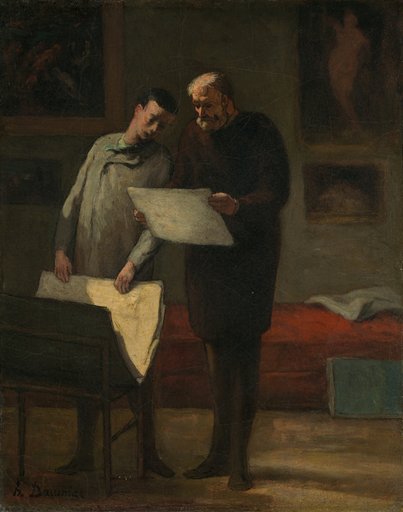
Honoré-Victorin Daumier (French: ; 26 February 1808 – 10 or 11 February 1879) was a French painter, sculptor, and printmaker, whose many works offer commentary on the social and political life in France, from the…

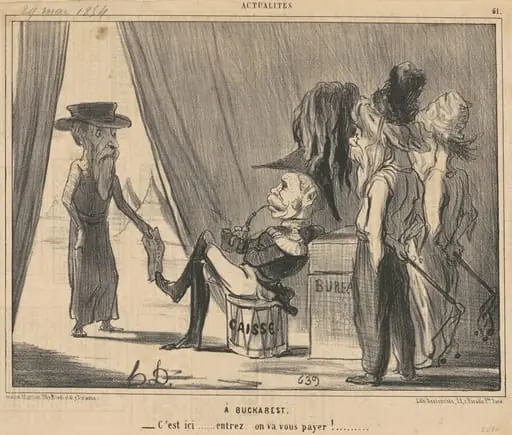 A Bucharest
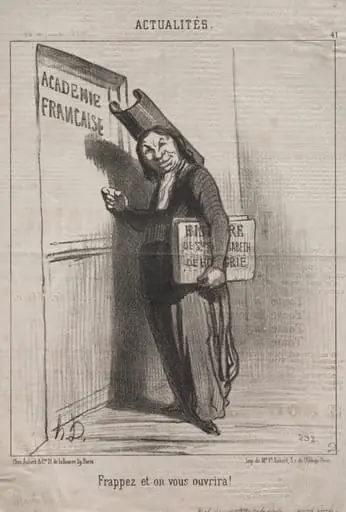 Knock and it will open for you!
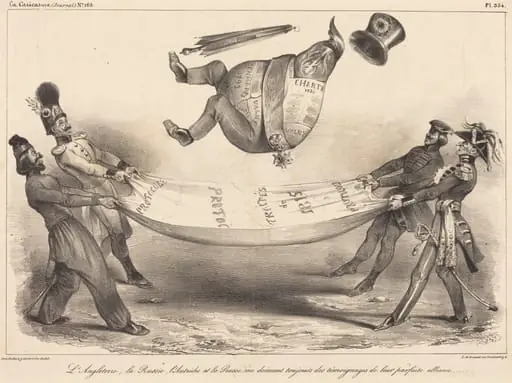 L'Angleterre, la Russie, l'Autriche...leur parfaite alliance
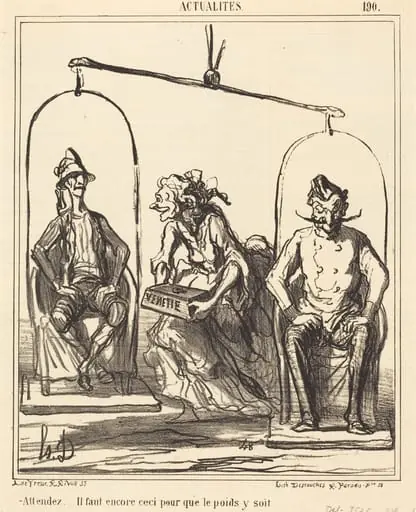 Attendez... il faut encore ceci...
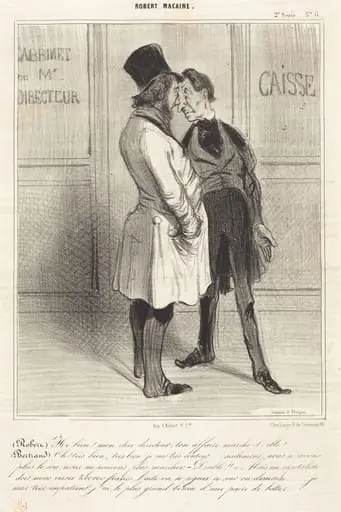 (Robert) Hé bien! mon cher directeur...
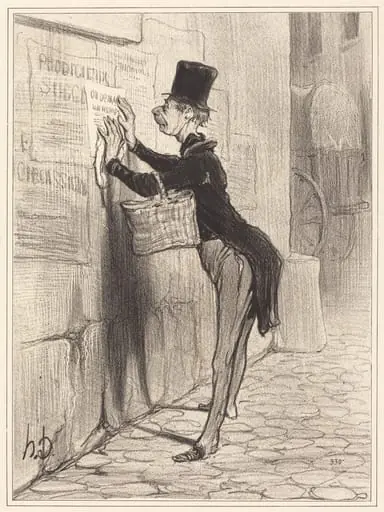 Le Placeur
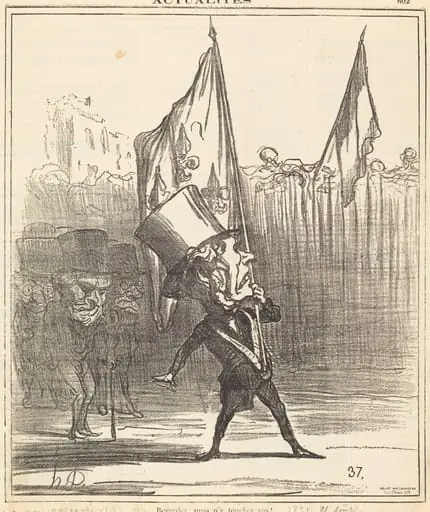 Regardez, mais n'y touchez pas!
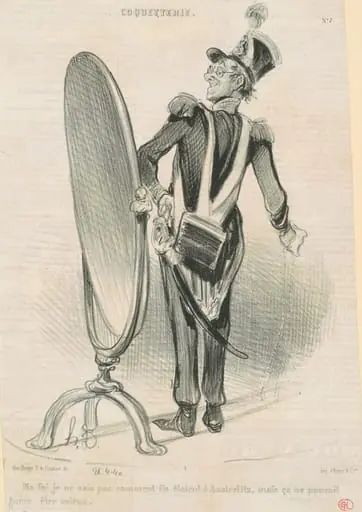 Ma fois je ne sais pas comment ils ...
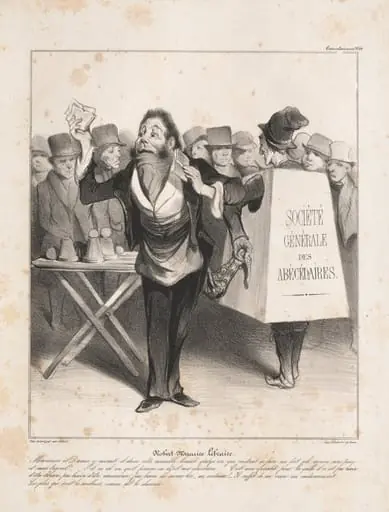 Robert Macaire Bookseller
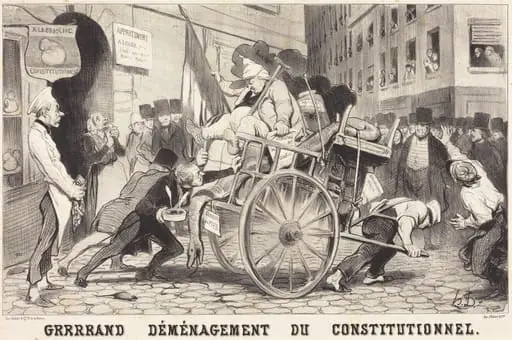 Grrrrand Déménagement du Constitutionnel
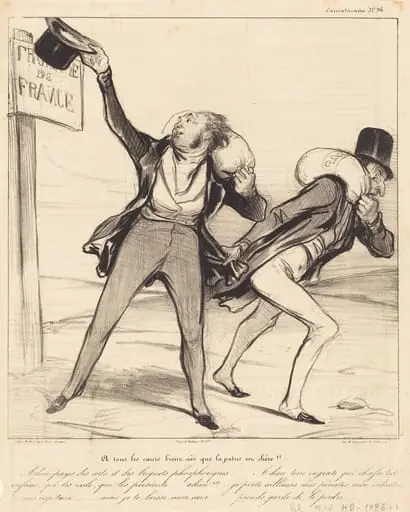
- A tous les coeurs bien nés que la patrie est chère!!!
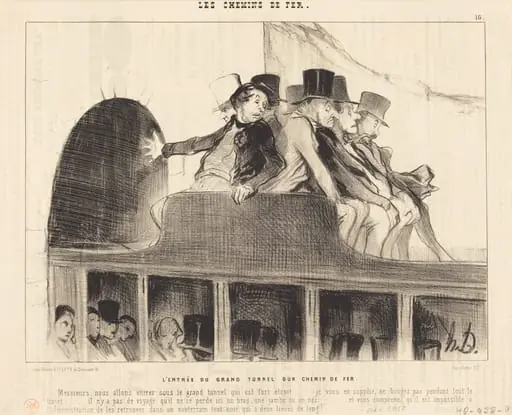 L'Entrée du Grand tunnel d'un chemin de fer