Artwork
The ascension of Elijah
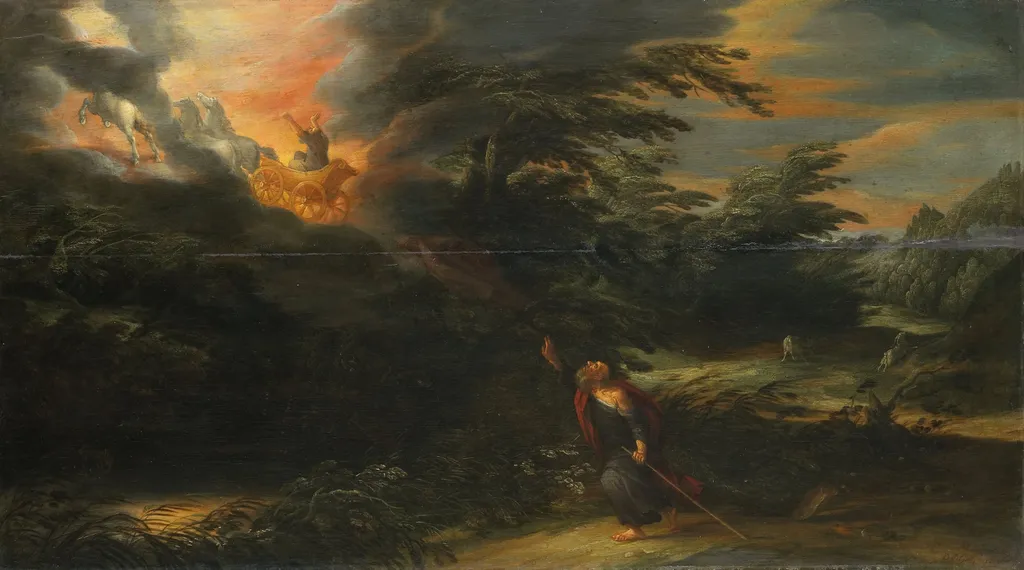
The ascension of Elijah is an oil painting by the Dutch Golden Age artist David Colijns. It dates from 1627 and is held in the collection of the Rijksmuseum.
About this work
Subject & Meaning
The chariot serves as the central vehicle of ascension, while a tree appears within the composition, grounding the miraculous event in a natural setting.
The painting depicts the biblical prophet Elijah ascending to heaven. The scene illustrates the Old Testament narrative in which Elijah is taken up to the sky in a fiery chariot, a moment of divine translation that marks the end of his earthly ministry. The chariot serves as the central vehicle of ascension, while a tree appears within the composition, grounding the miraculous event in a natural setting.
As a religious work from the Dutch Golden Age, the painting participates in the Protestant tradition of biblical imagery, presenting a dramatic moment of spiritual transcendence. The subject emphasizes God's direct intervention in human history and the honor bestowed upon a faithful prophet.
Technique & Style
The work was executed in oil paint on a wooden panel. It measures 40.5 cm in height and 72.2 cm in width. The surface shows typical handling marks consistent with its age, while the composition features a dynamic upward movement of Elijah within a swirling heavenly space. The stylistic handling of light emphasizes the divine intervention, aligning with early Dutch religious painting conventions.
The painting's condition remains stable, though minor craquelure is visible across the panel surface.
History & Provenance
The Ascension of Elijah is an oil painting on panel by David Colijns, dated 1627. The work entered the collection of the Dutch art historian and collector Abraham Bredius, who owned it before its transfer to a public institution. It is now held in the Rijksmuseum, where it remains part of the museum's holdings.
The painting, measuring 40.5 cm in height by 72.2 cm in width, was created as a religious work depicting the prophet Elijah's ascent in a chariot, accompanied by a tree.
The ascension of Elijah is held at the Rijksmuseum, where it is recorded under inventory number SK-C-1865. The work entered the collection through the bequest of Abraham Bredius, having previously been part of his holdings. It was first exhibited publicly as part of the Rijksmuseum's 1885 inaugural display of Dutch Golden Age paintings, and has remained in the museum's permanent collection ever since.
The painting measures 40.5 cm in height and 72.2 cm in width, created in oil on panel in 1627.
Context
The ascension of Elijah (1627) by David Colijns occupies a pivotal position within Dutch Golden Age religious painting, reflecting the era's intense engagement with biblical narratives and divine revelation. Scholarship emphasizes its significance as a rare depiction of Elijah's heavenly ascent, a theme resonant with Counter-Reformation spiritual discourse, while its formal composition and use of light align with contemporary trends in Amsterdam's religious art market. The work's provenance, documented through its acquisition by collector Abraham Bredius, underscores its historical circulation among elite patrons, and its current residence at the Rijksmuseum since the early 20th century has cemented its role in scholarly reassessments of 17th-century Dutch religious iconography.
This painting exemplifies how Dutch artists of the period navigated theological complexity within secular artistic frameworks, making it a cornerstone for understanding the intersection of faith, patronage, and artistic innovation in early modern Europe.
Legacy
The ascension of Elijah by David Colijns influenced later religious paintings through its dramatic composition and portrayal of Elijah's ascent, inspiring artists to explore similar biblical themes. The work's presence in the Rijksmuseum collection and scholarly attention, such as that from Abraham Bredius, contributed to its recognition within art history. Its depiction of Elijah within a chariot and tree has been frequently referenced in studies of 17th-century Dutch religious art.
Overview
David Colijns’ oil painting, The Ascension of Elijah, dates from 1627 and is part of the Rijksmuseum collection. The work portrays a dramatic moment from the biblical narrative, focusing on the prophet Elijah as he witnesses a fiery chariot drawn by two horses soaring through a storm‑filled sky. The composition is anchored by a kneeling figure in a dark forest, emphasizing the supernatural event.
Artist & collection

- Untitled
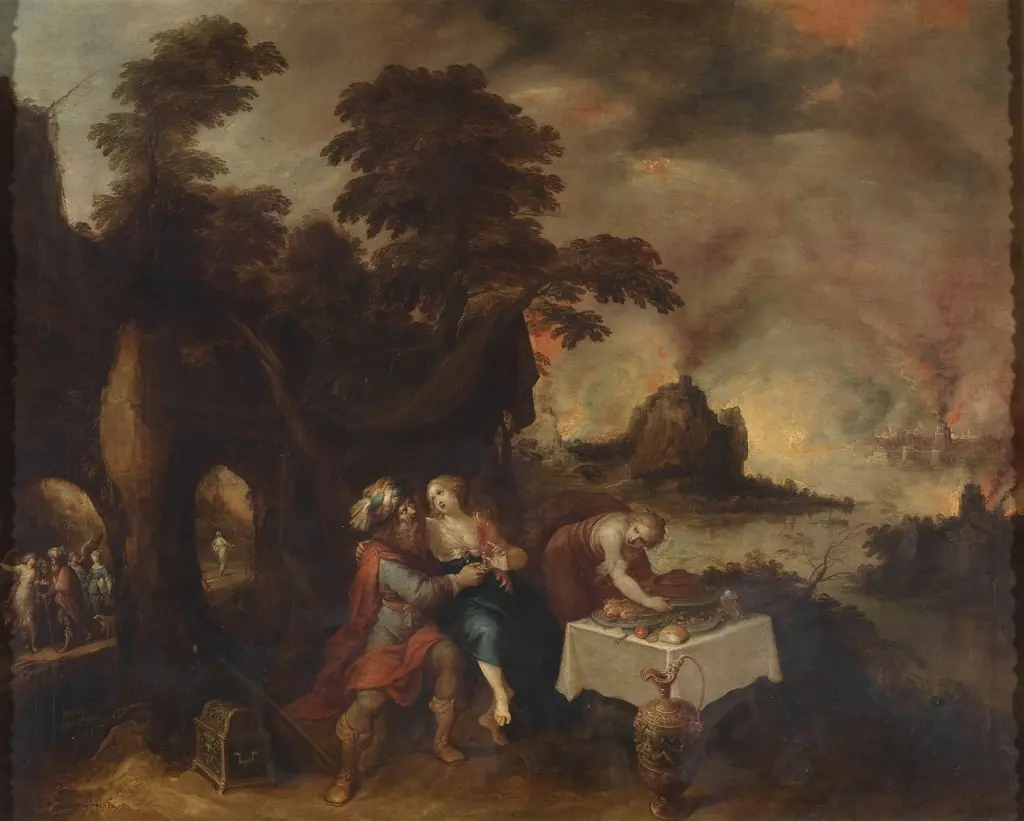 Lot and his daughters (Genesis 19:30-38)
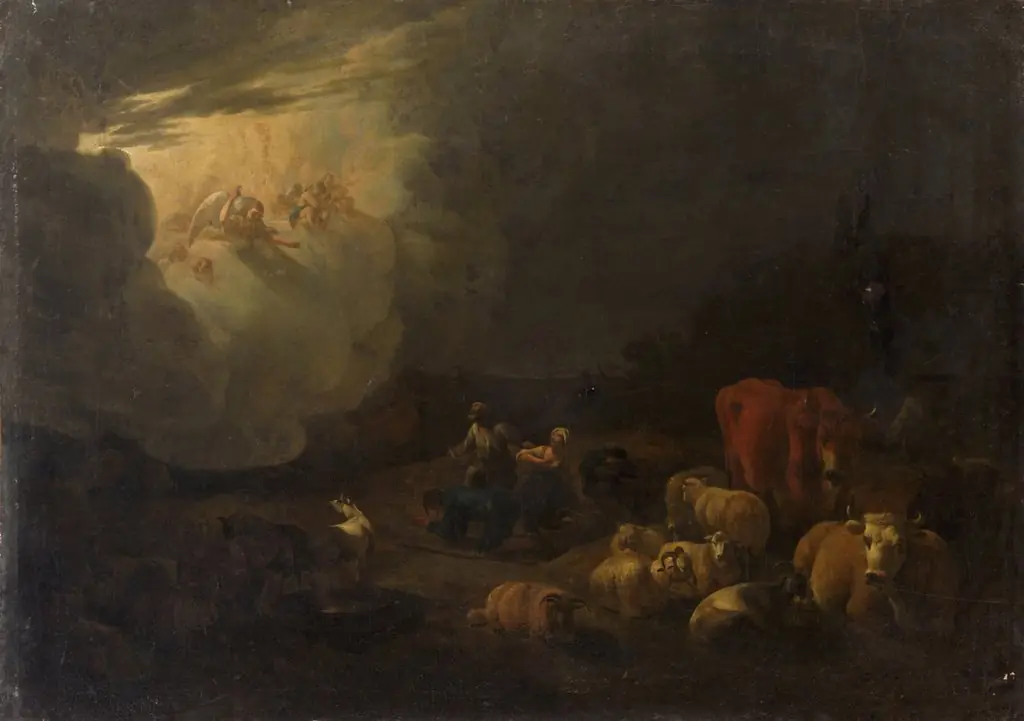 The annunciation to the shepherds
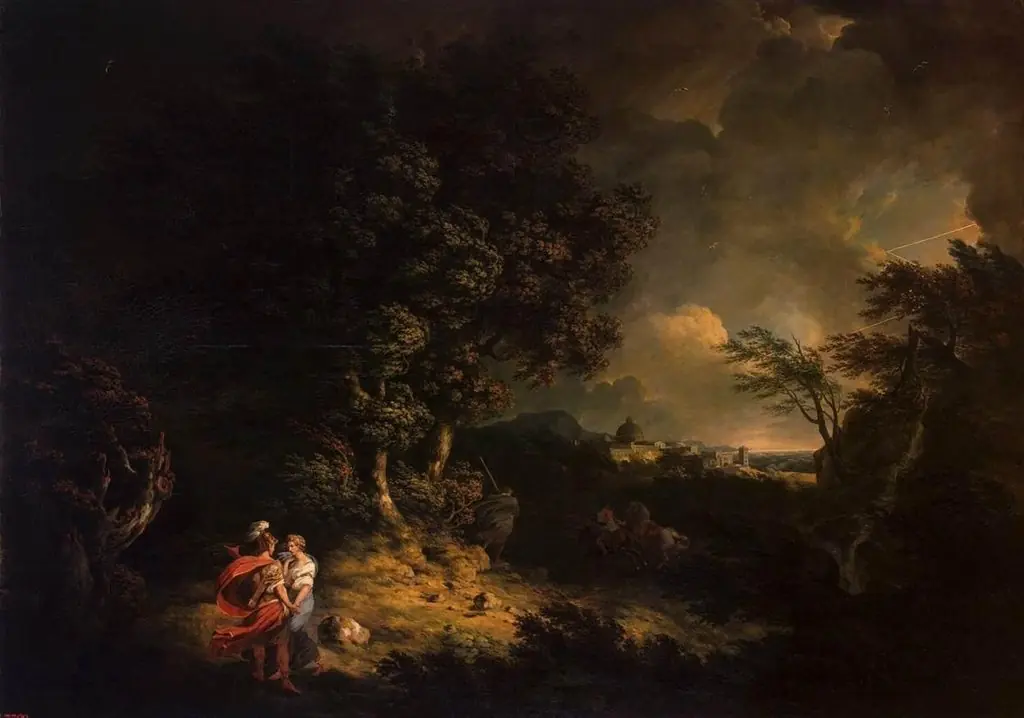 Landscape with Dido and Aeneas (Storm)
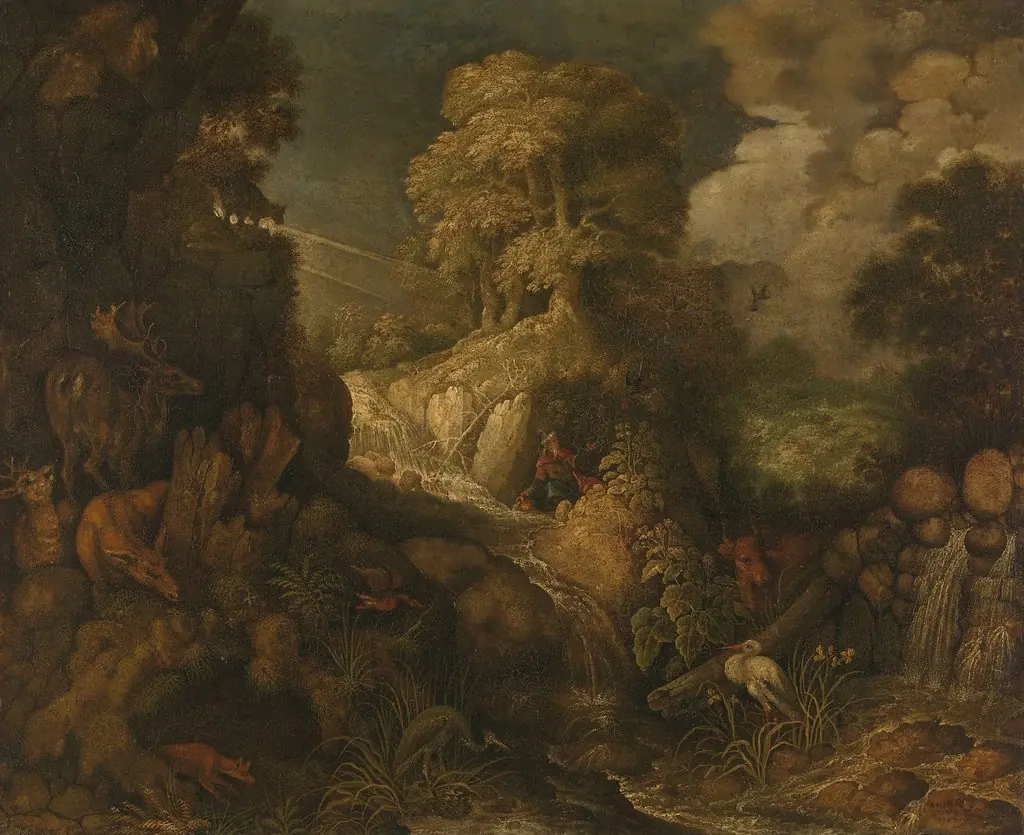 Elijah fed by the ravens
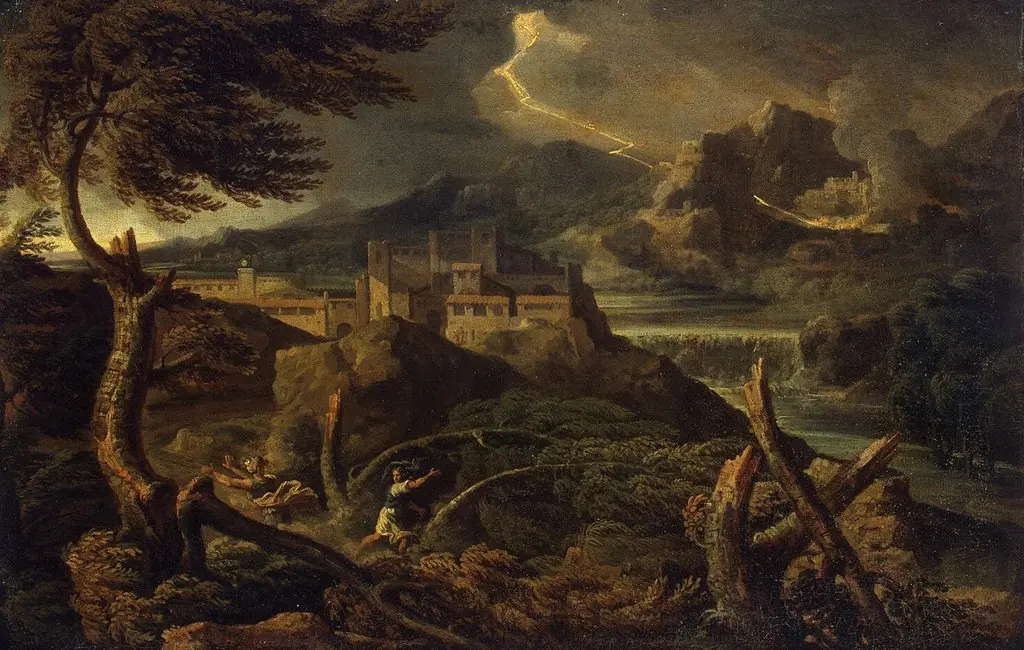 Landscape with Lightning
 The Crossing of the Red Sea
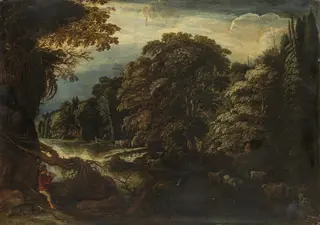 Forest
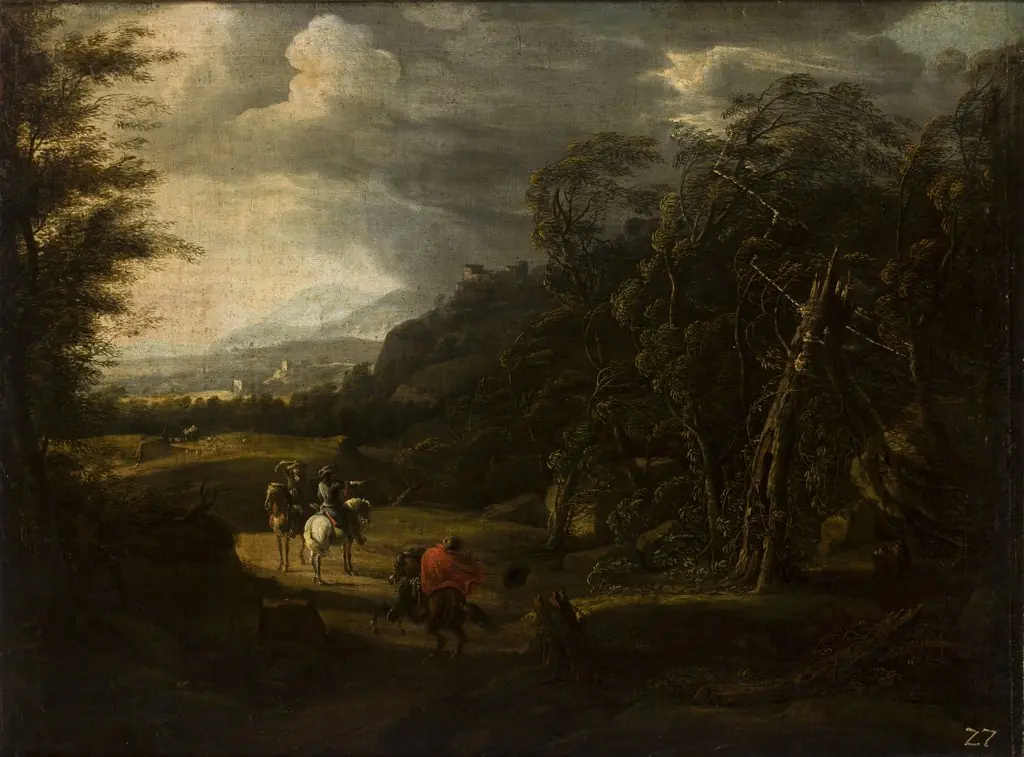 Landscape with Horsemen
 Landscape with deer hunting
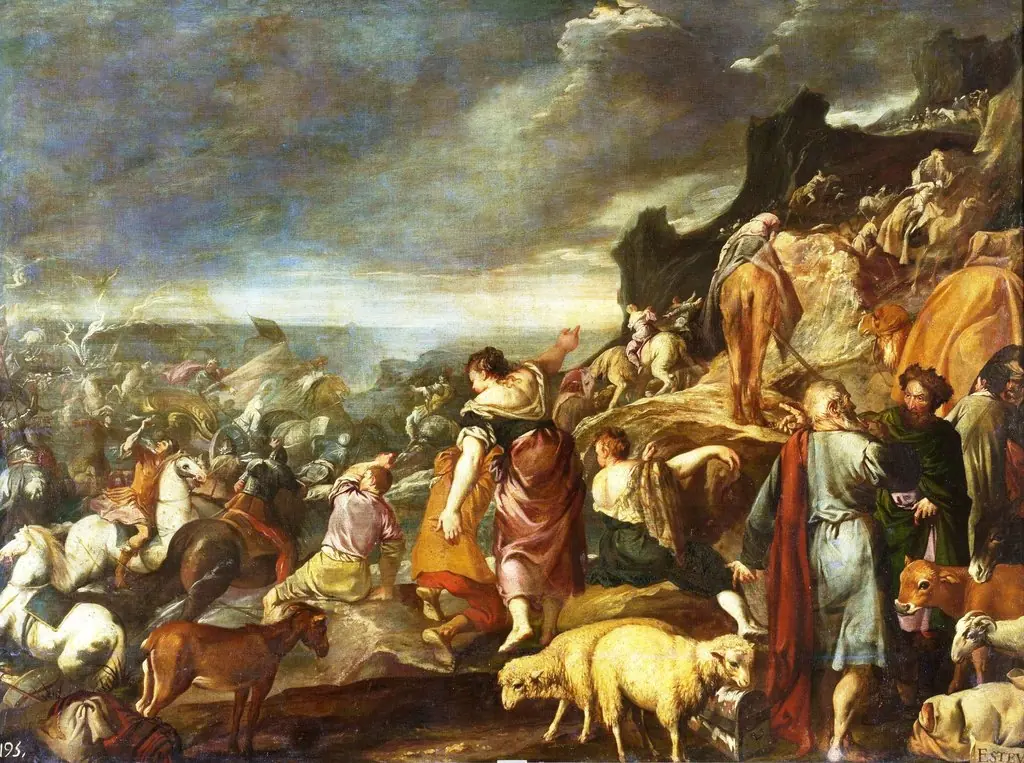 El paso del mar Rojo
 Christ collapsing under the cross on his way to Golgotha