Artwork
Herkules, Dejanira und der Kentaur Nessus
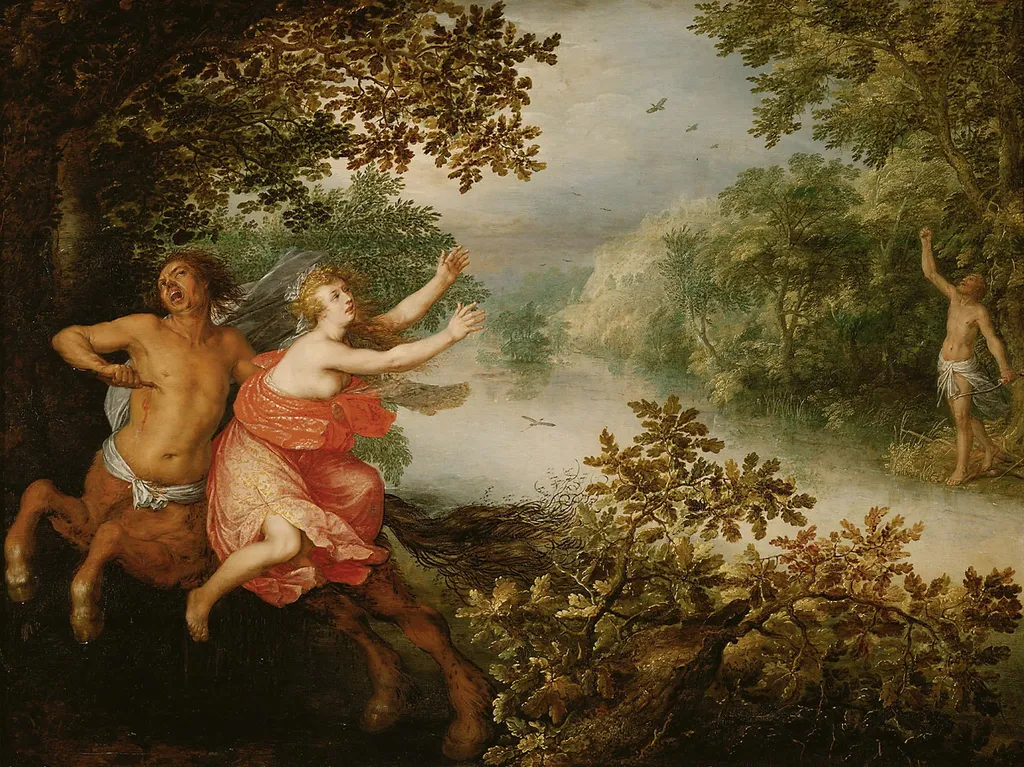
Herkules, Dejanira und der Kentaur Nessus is an unspecified painting by the Dutch Golden Age artist David Vinckboons. It dates from 1612 and is held in the collection of the Kunsthistorisches Museum.
About this work
Overview
Created in 1612, this oil painting by Dutch artist David Vinckboons portrays a moment from the myth of Hercules, his wife Deianira, and the centaur Nessus. The work exemplifies the early‑17th‑century Dutch fascination with classical narratives rendered in a domestic visual language.
Subject & Meaning
The composition captures the encounter between the heroic figure Hercules, his consort Deianira, and the treacherous centaur Nessus, a story that traditionally warns against deceit and the perils of desire. By selecting this episode, Vinckboons aligns the painting with contemporary moralizing interpretations of ancient myths.
Technique & Style
Vinckboons employs a clear, linear drawing style characteristic of his training in Mechelen, combined with the softer tonalities favored by artists working in Amsterdam at the time. The figures are rendered with precise contours, while the background recedes through muted atmospheric shading, balancing narrative clarity with a modest sense of depth.
History & Provenance
Born in Mechelen in 1576, Vinckboons moved to Amsterdam where he produced both genre scenes and mythological subjects during the peak of Dutch artistic output. The painting entered the collection of the Kunsthistorisches Museum in Vienna, where it remains part of the museum’s holdings of early modern European art.
Artist & collection
Artist
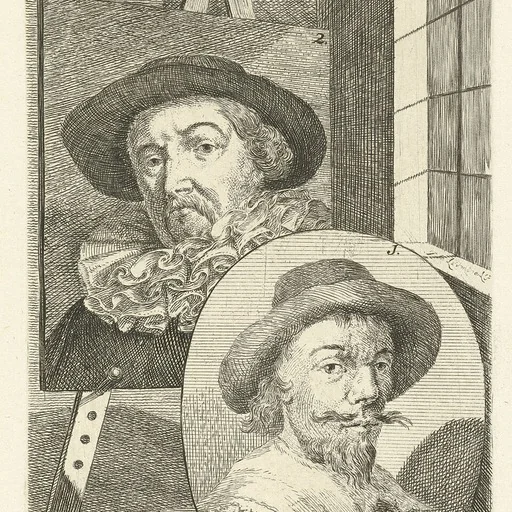
David Vinckboons (baptized 13 August 1576 – c. 1632) was a Dutch Golden Age painter born in Mechelen, Southern Netherlands. Vinckboons, whose name is often spelled as Vingboons, Vinghboons, Vinckebonis or Vinckboom, had…

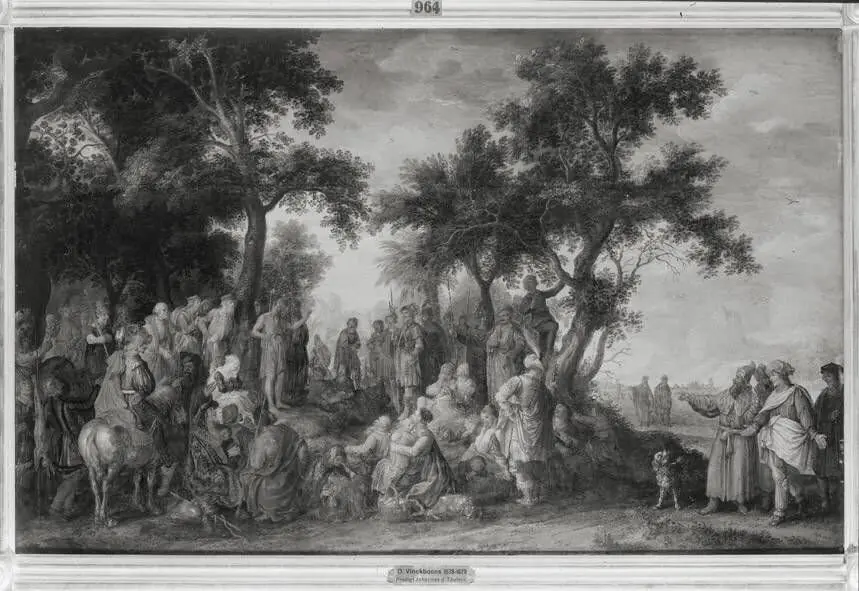
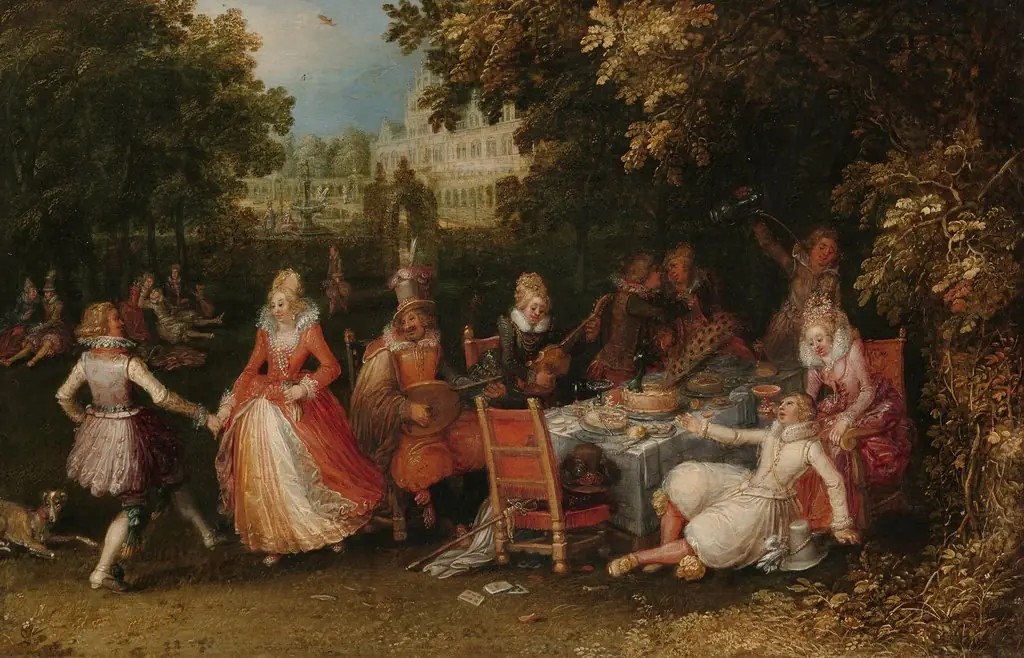
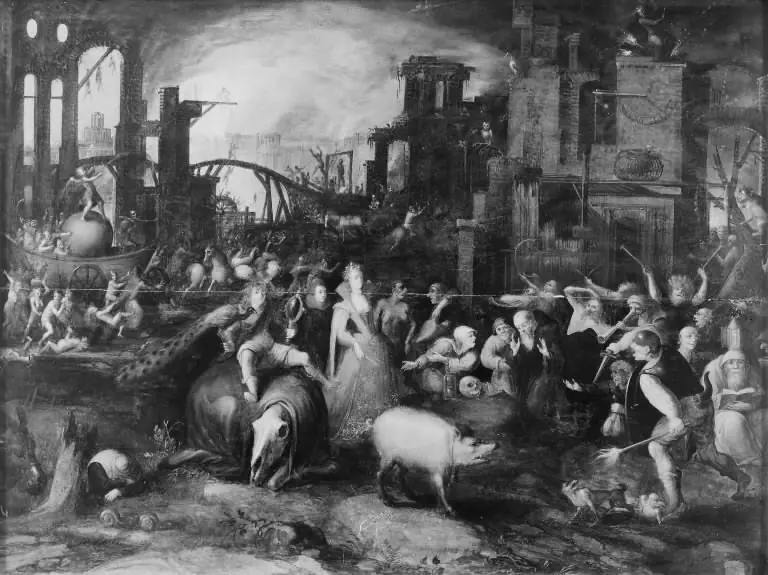
- Meleager and Atalanta
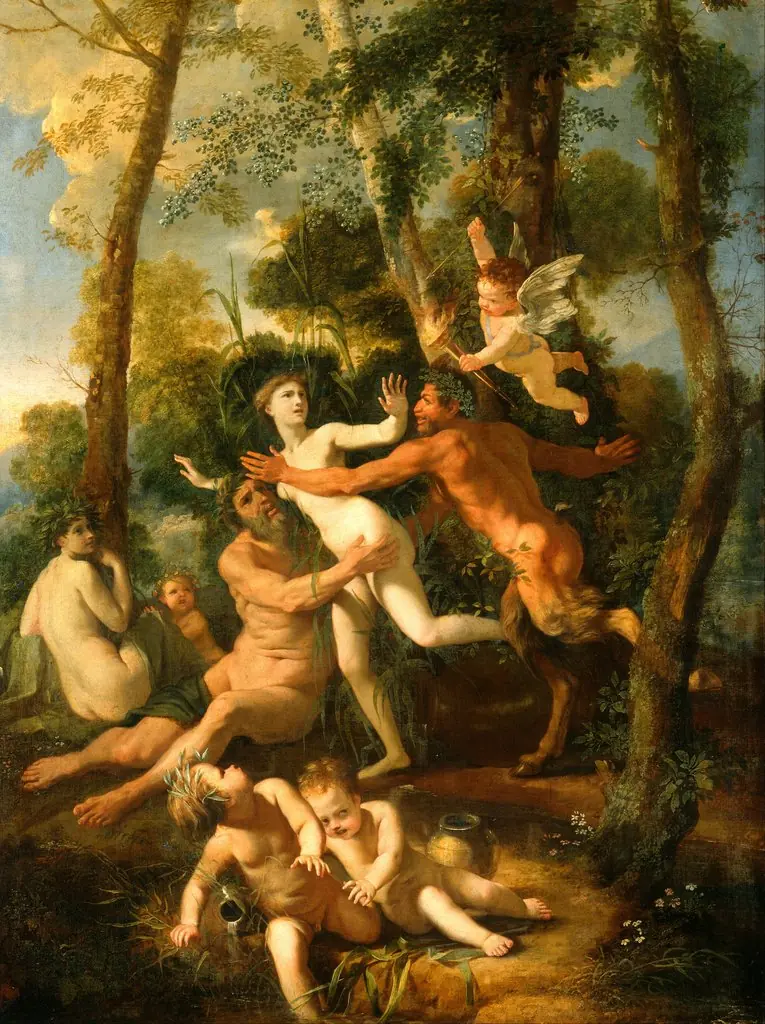 Pan and Syrinx
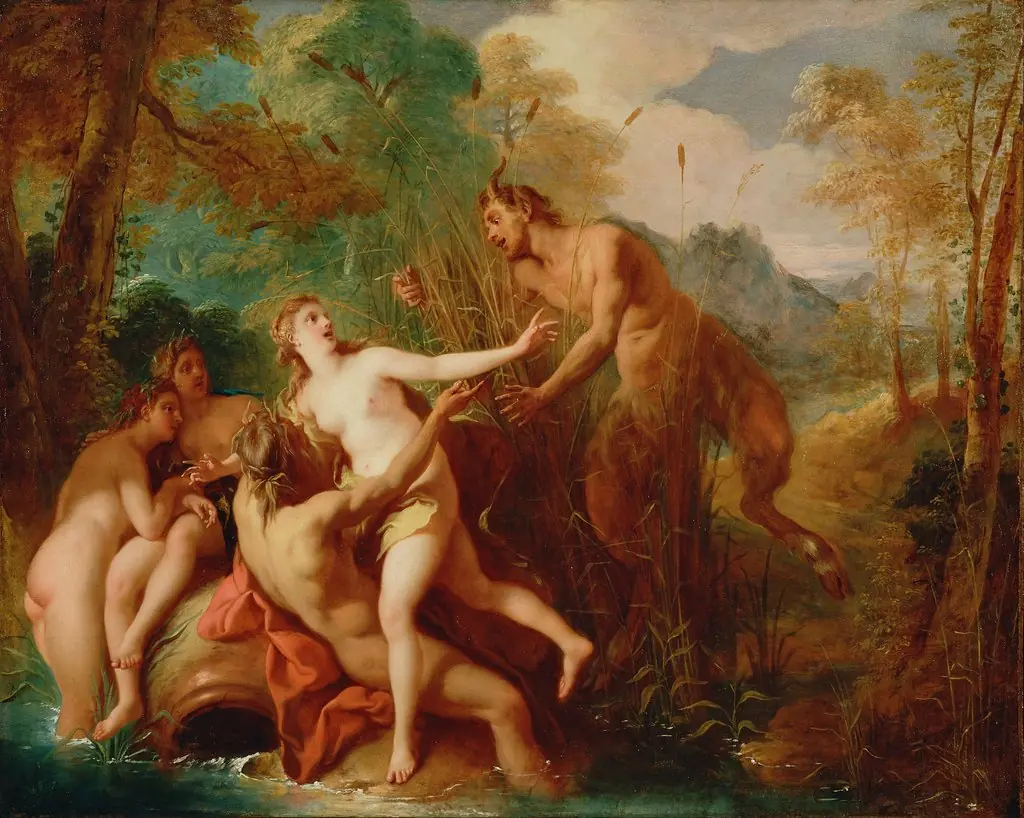 Pan and Syrinx
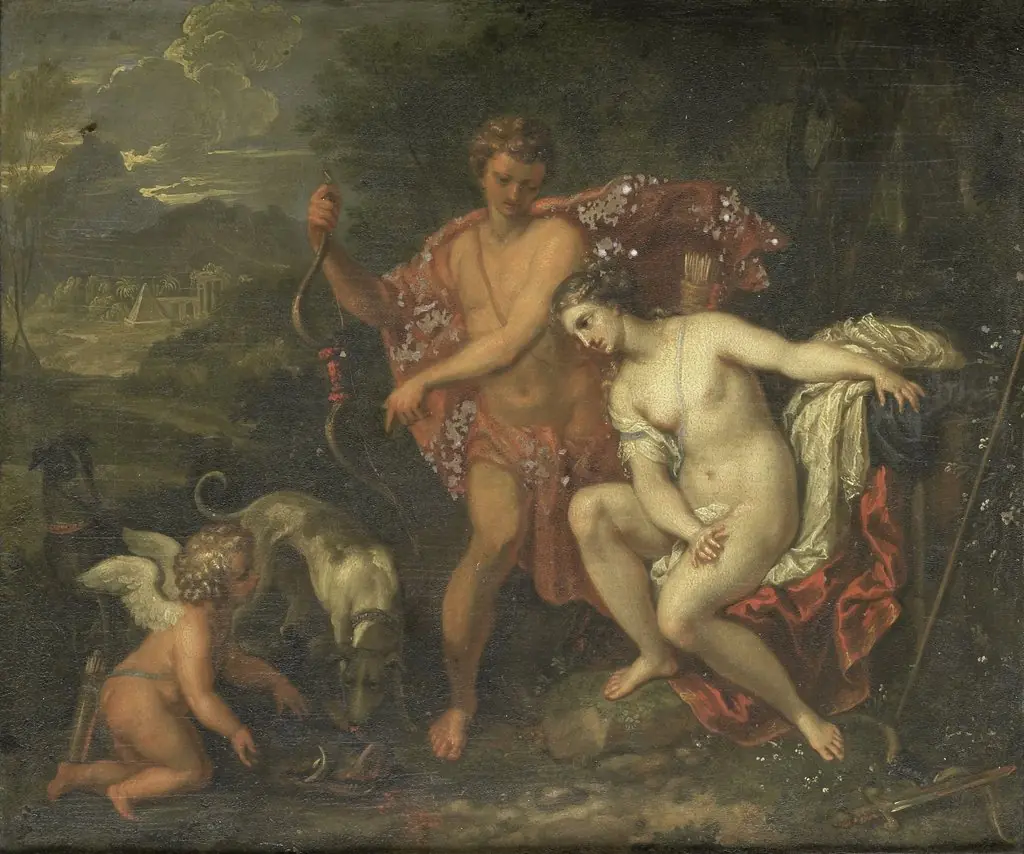
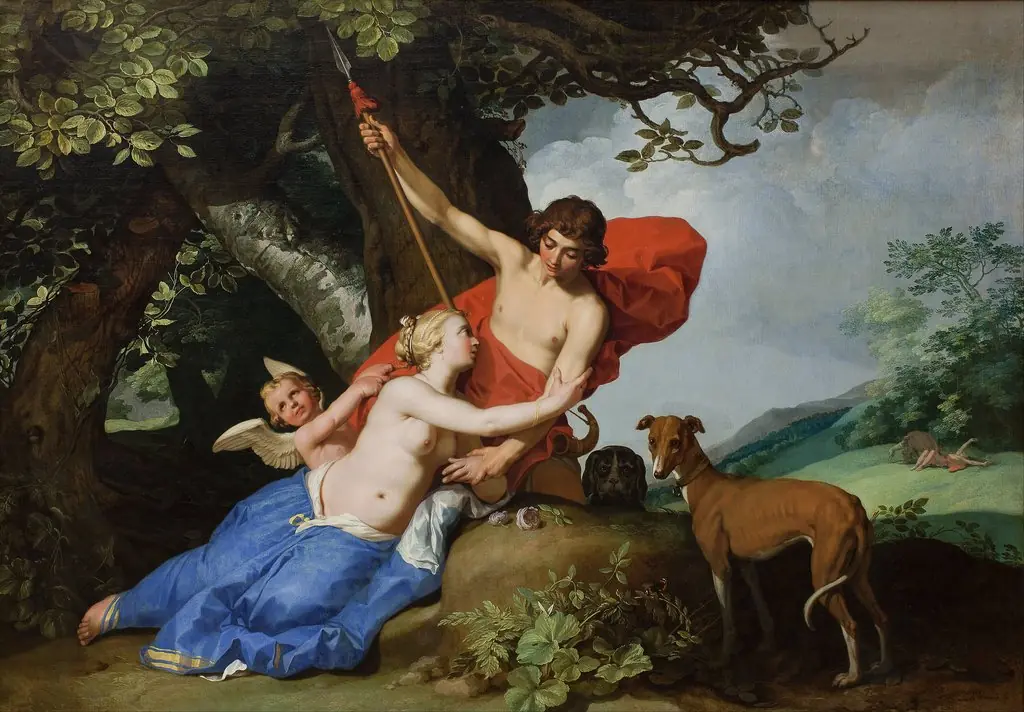 Venus and Adonis
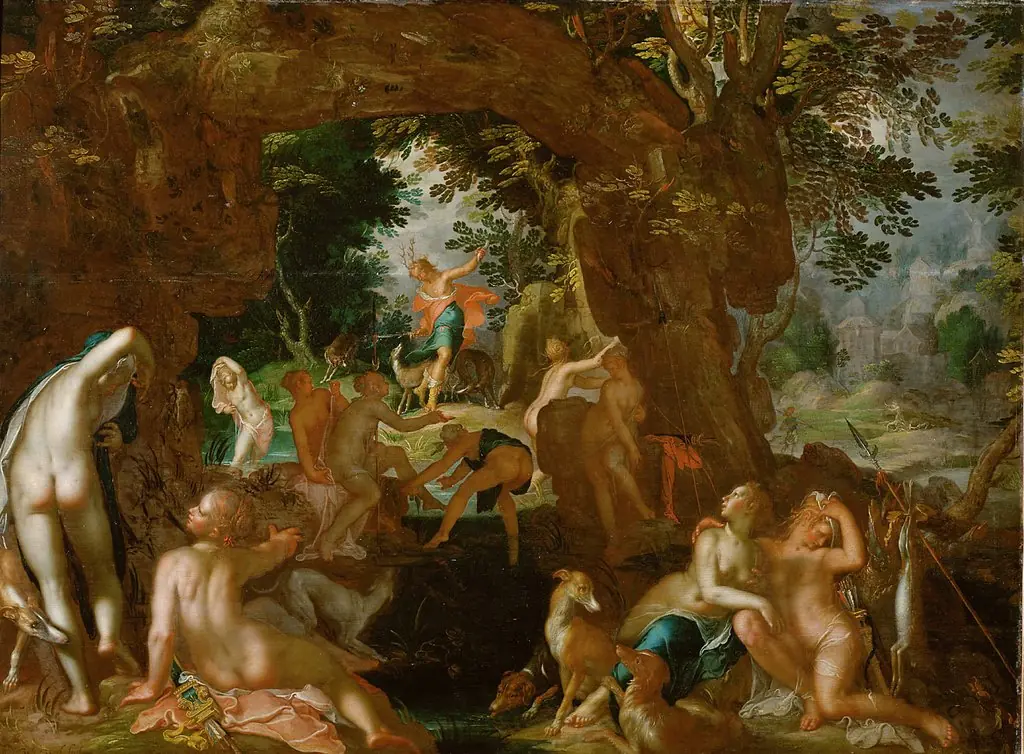 Actaeon is changed into a stag and killed by his own dogs
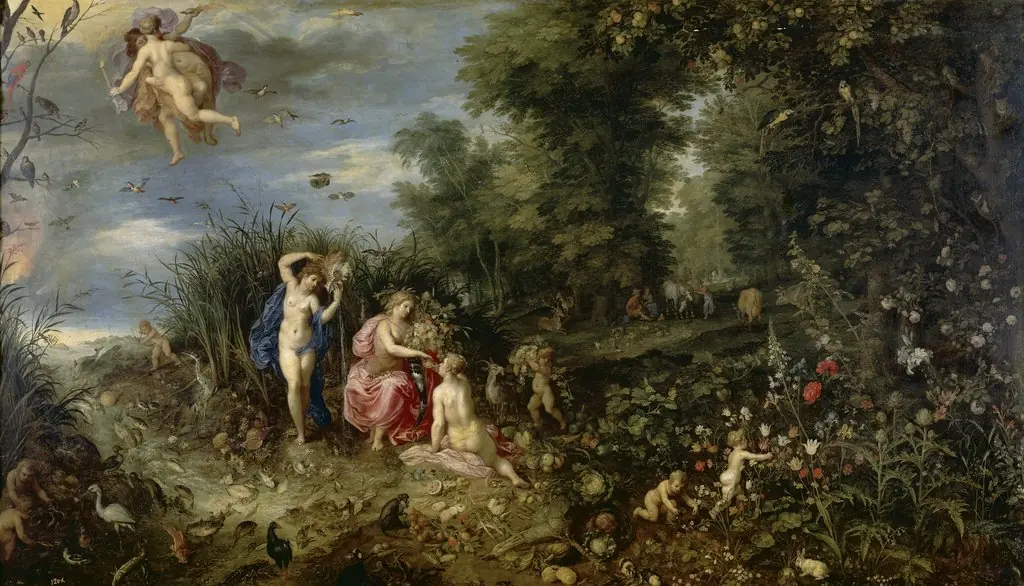 Abundance and the Four Elements
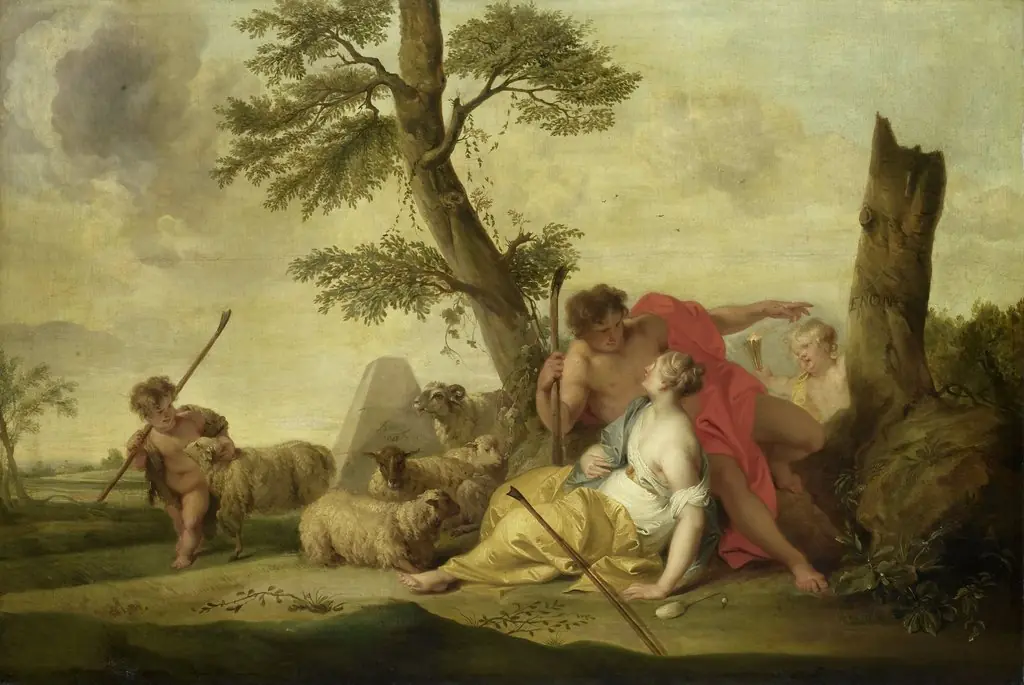 Paris and Oenone
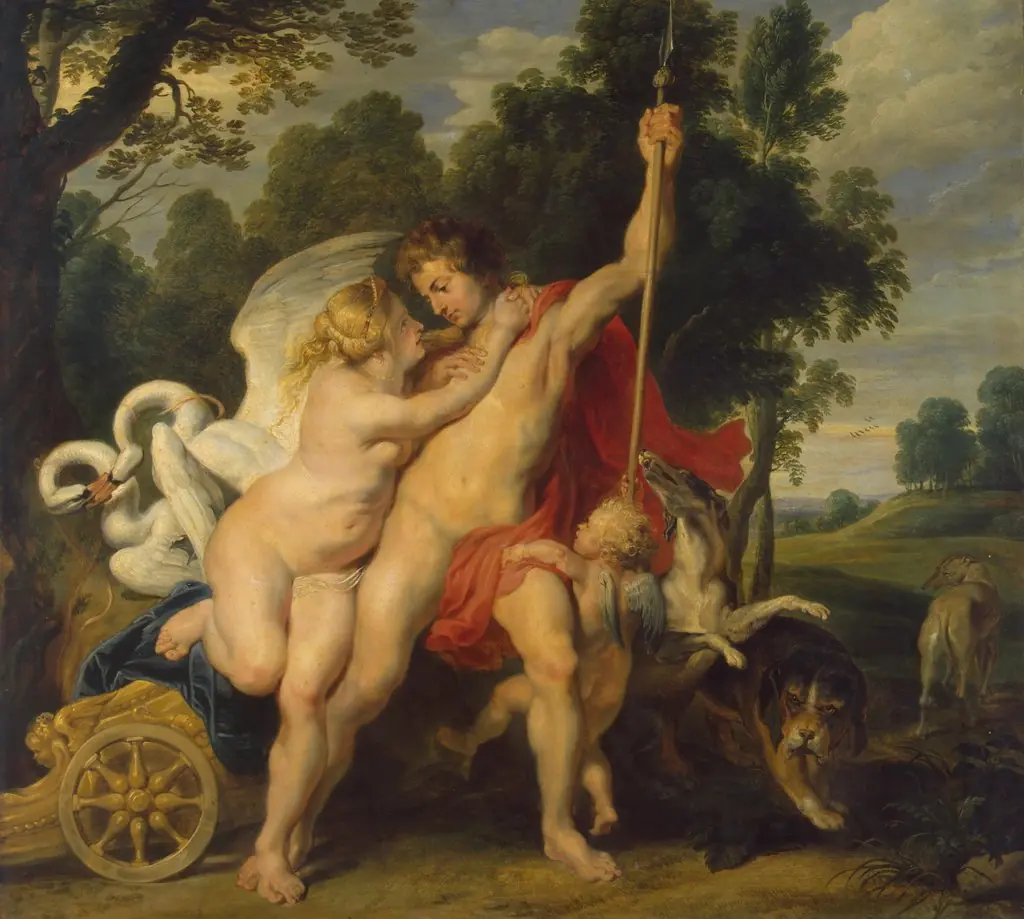 Venus and Adonis (Rubens, 1614)
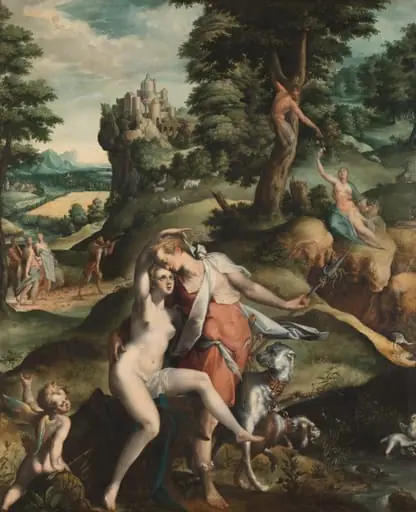 Venus and Adonis
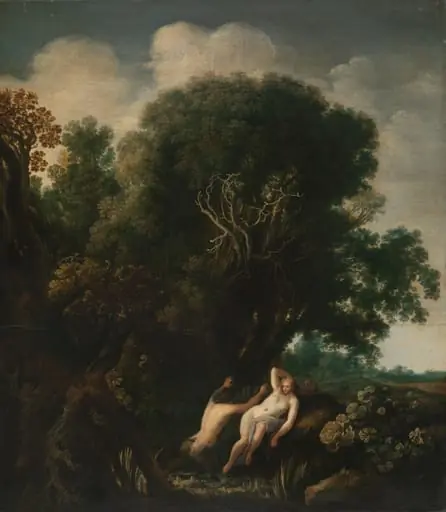 A Bathing Nymph Taken by Surprise by a Satyr
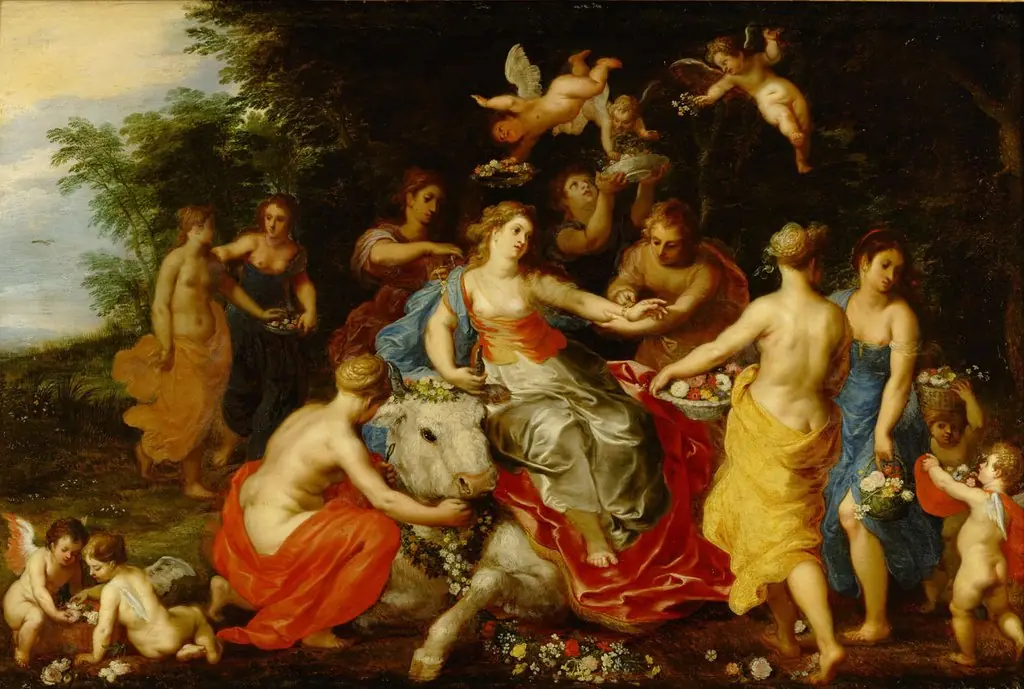 Europa riding the bull
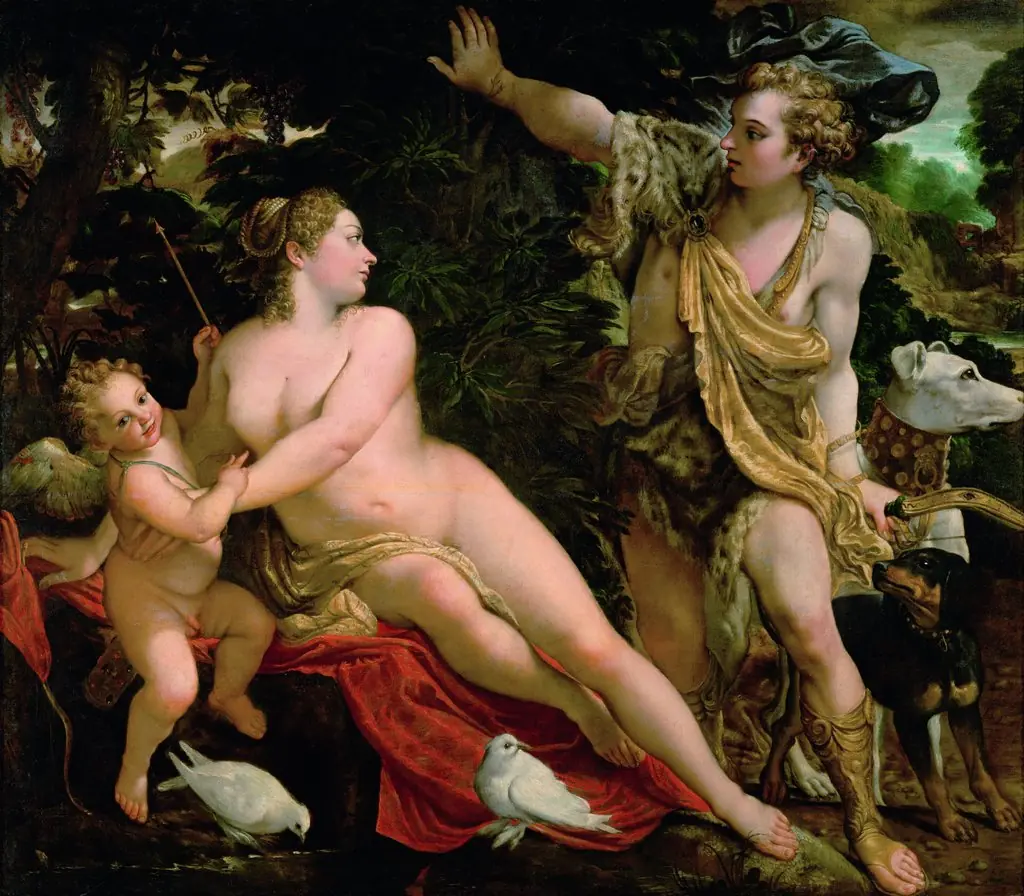 Venus, Adonis and Cupid