Artwork
Sibyl
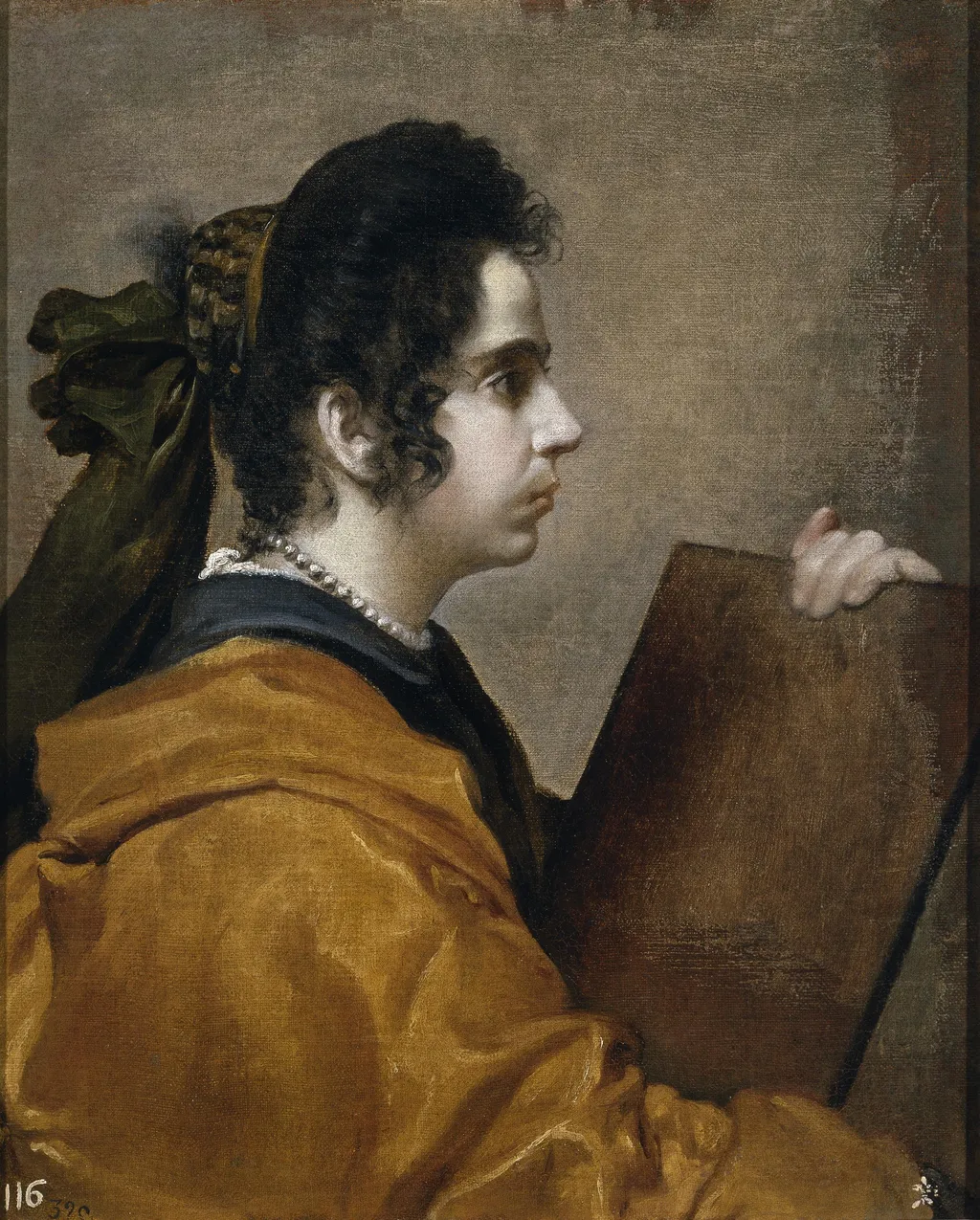
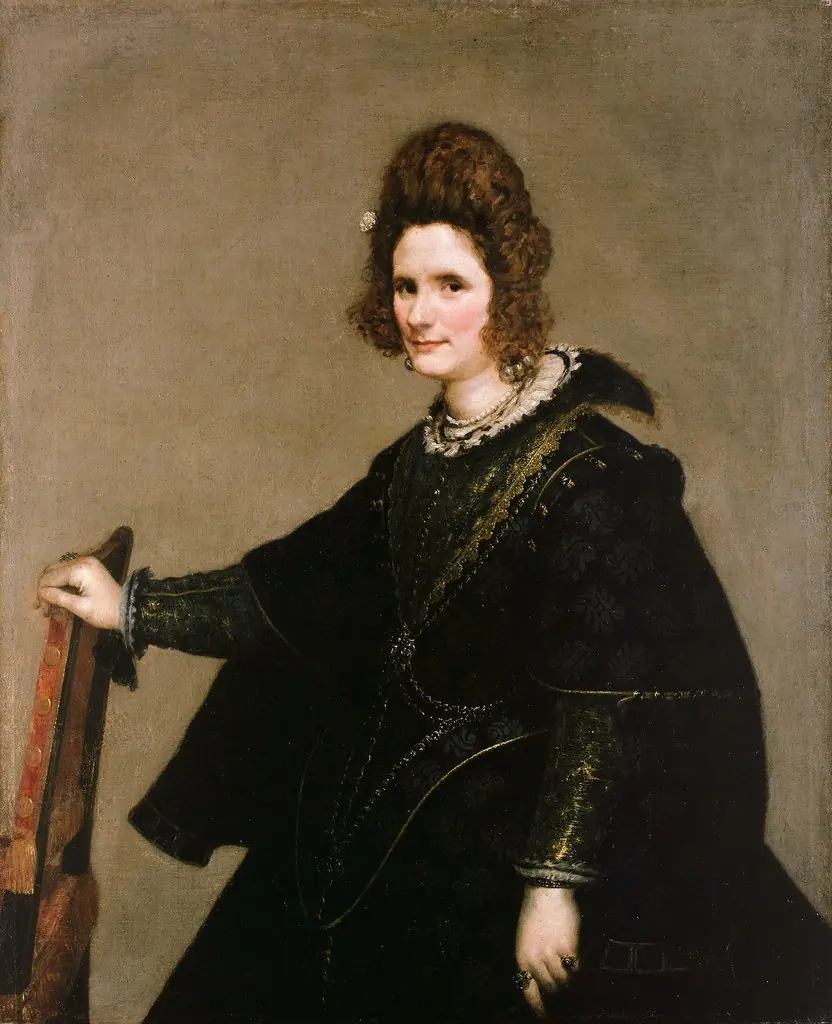
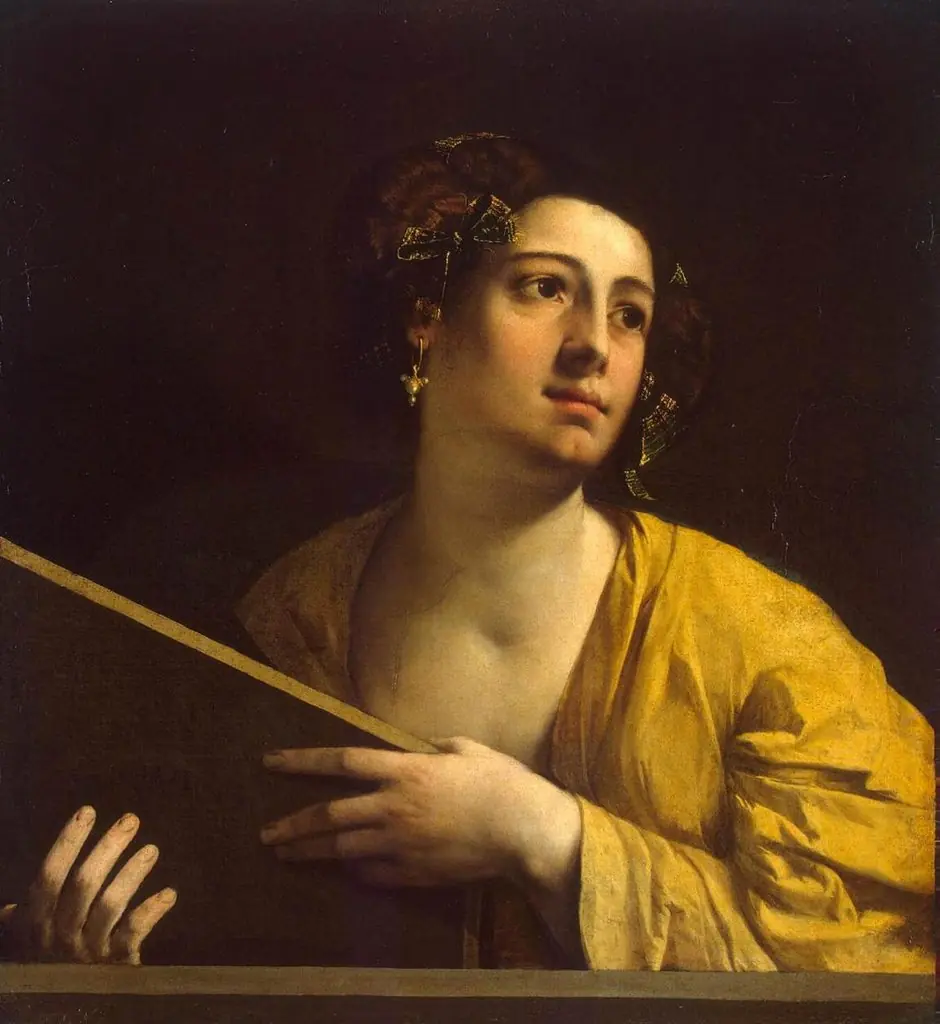
Sibyl is an oil painting by the Early Baroque Italian artist Diego Velázquez. It dates from 1632 and is held in the collection of the Museo del Prado.
About this work
Subject & Meaning
Some interpretations suggest the model may indeed be Pacheco, given similarities to the artist's other works.
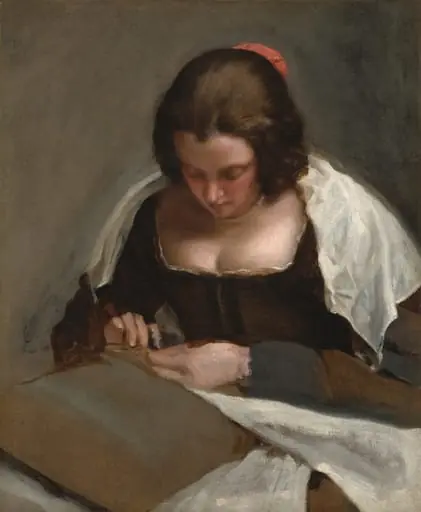
The painting depicts a sibyl, a figure from classical antiquity associated with prophecy, though scholarly debate exists regarding the specific identity of the sitter. While a 1746 inventory described the subject as Juana Pacheco, the wife of Diego Velázquez, later art historians such as José López-Rey and Jonathan Brown argue the work represents a sibyl based on the figure's posture and the tablet she holds. Some interpretations suggest the model may indeed be Pacheco, given similarities to the artist's other works. An alternative reading by Gué Trapier proposes the figure holds a canvas and brushes rather than a tablet, suggesting the image functions as an allegory of painting itself.
Technique & Style
The work is an oil painting executed on canvas around 1630-1632. It measures 62 cm in height by 50 cm in width and is executed in oil paint on canvas, a support typical of Spanish portraiture of the period. The composition shows a solitary female figure identified as a sibyl, holding a tablet that may function as a symbolic attribute rather than a literal depiction of a writing surface. Stylistically, the figure is rendered with the loose brushwork and naturalistic modeling characteristic of Velázquez’s mature portraiture, while the handling of light emphasizes the three‑dimensional presence of the sitter. The attribution to Velázquez is supported by its inclusion in the royal collection of the Alcázar of Madrid, its subsequent incorporation into the Museo del Prado upon the museum’s founding in 1819, and stylistic analyses that link it to his broader exploration of allegorical personities.
History & Provenance
Painted by Diego Velázquez between 1630 and 1632, this oil on canvas originated in the royal collections housed at the Alcázar of Madrid. The work entered the Museo del Prado upon the museum's foundation in 1819. Earlier ownership traces back to the Spanish royal family, specifically passing through the hands of Elisabeth Farnese, Charles III, and Ferdinand VII.
An inventory record from 1746, compiled after Farnese acquired the piece, identified the subject as the artist's wife, Juana Pacheco. However, later scholarship by Mayer and López-Rey rejected this identification as unfounded, reclassifying the figure as a sibyl based on her posture and the tablet she holds. Despite this reclassification, some historians suggest Velázquez may have used a model from his immediate circle, potentially his wife, given facial similarities to other works.
The painting is held in the collection of the Museo del Prado in Madrid, having entered the museum upon its establishment in 1819. Prior to this, the work belonged to the royal collections housed at the Alcázar of Madrid. Historical records indicate that by 1746, the piece was in the possession of Elisabeth Farnese. Earlier provenance traces ownership to Ferdinand VII and Charles III of Spain. The work has not been cited in the provided sources as participating in specific temporary exhibitions outside its permanent institutional setting.
Context
Scholarly debate has centered on the identification and iconographic reading of the sitter in Velázquez’s *Sibyl*. Early inventories describe the work as a portrait of Juana Pacheco, the artist’s wife, but later studies reject this attribution. Mayer and López-Rey argued that the pose and tablet align with sibylline iconography rather than portraiture, a view supported by Jonathan Brown, who noted the figure’s conventional sibyl attributes.
Alternative interpretations propose an allegory of Painting, with Trapier suggesting the sitter holds a canvas and brushes. The painting’s presence in royal collections by 1746 and its transfer to the Prado in 1819 underscore its institutional significance, while its contested subject reflects broader tensions between portraiture and allegory in seventeenth-century Spanish art.
Own this work as a print
Artist & collection
Artist
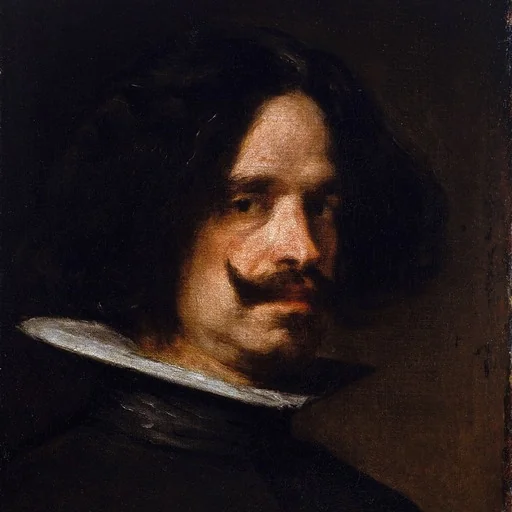
Diego Rodríguez de Silva y Velázquez was a Spanish Baroque painter, the leading artist in the court of King Philip IV of Spain and Portugal, and of the Spanish Golden Age.