Artwork
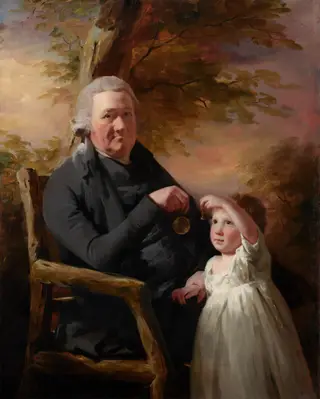
Портрет неизвестного пожилого человека с мальчиком
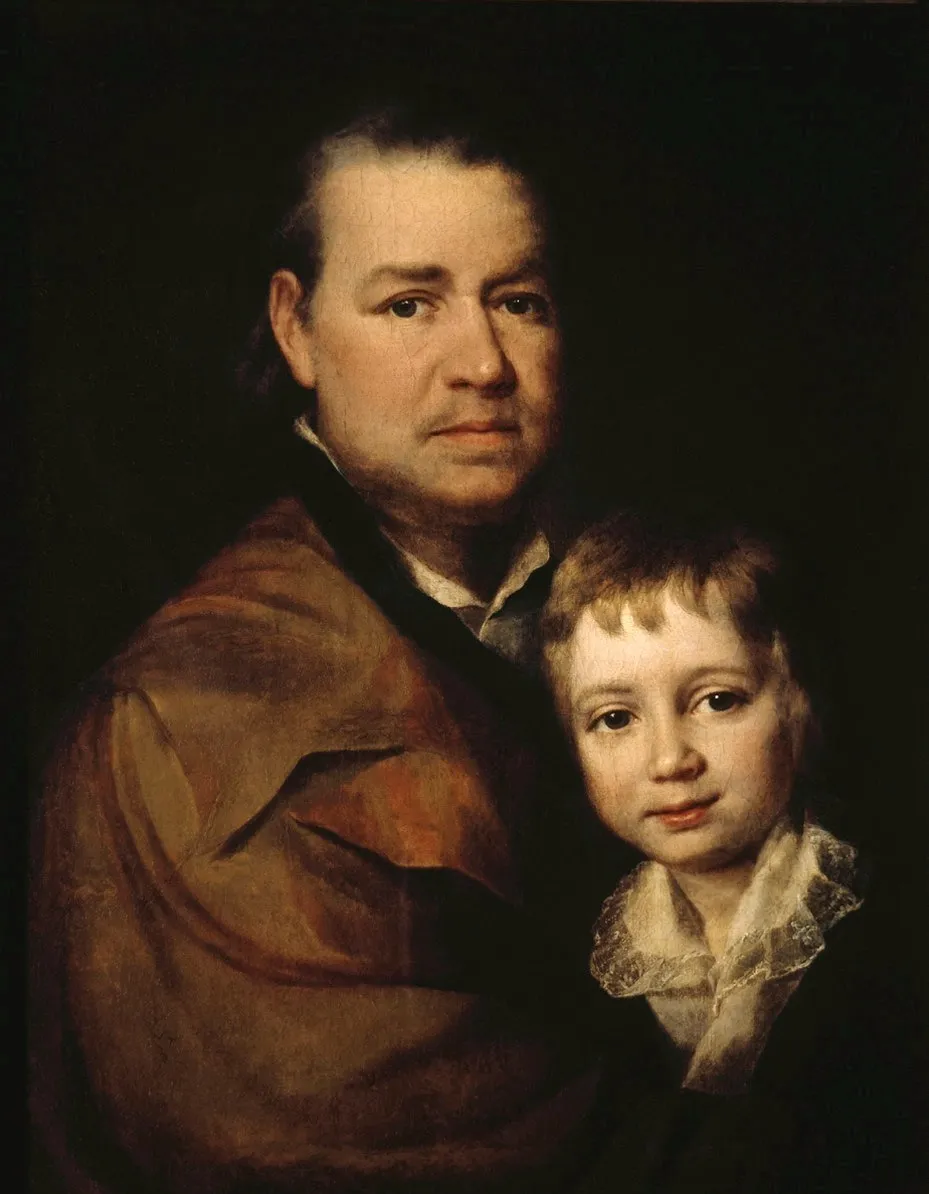
Портрет неизвестного пожилого человека с мальчиком is an oil painting by the Rococo painting artist Dmitry Levitzky. It dates from 1785 and is held in the collection of the Tretyakov Gallery.
About this work
Overview
Painted around 1785, this oil portrait by Dmitry Levitzky presents an unnamed elderly man and a young boy in a quiet, intimate moment.
Painted around 1785, this oil portrait by Dmitry Levitzky presents an unnamed elderly man and a young boy in a quiet, intimate moment. The work reflects Levitzky’s training within the Russian Imperial Academy and his engagement with European portrait traditions. Though classified under Rococo for its refined elegance, the composition leans toward a more restrained, psychological realism. It resides today in the Tretyakov Gallery’s permanent collection.
Subject & Meaning
The painting captures a tender, unspoken bond between an older man and a boy, suggested by the man’s arm resting gently on the child’s shoulders. Neither figure is identified, inviting speculation about their relationship, perhaps grandfather and grandson, guardian and ward. The absence of identifiers shifts focus to emotional resonance rather than social status, emphasizing quiet dignity over heraldic display.
Technique & Style
Levitzky employs chiaroscuro to model the figures with subtle gradations of light, lending volume and presence against a dark, undefined background. The textures of the man’s brown jacket and the boy’s ruffled collar are rendered with delicate brushwork, balancing detail with restraint. The palette is muted, dominated by earth tones and white, reinforcing the painting’s somber, contemplative tone without theatricality.
History & Provenance
Created during Levitzky’s mature period in St. Petersburg, the painting entered the Tretyakov Gallery’s collection in the late 19th century as part of Pavel Tretyakov’s broader effort to document Russian artistic achievement. Its origins prior to acquisition remain undocumented, and no contemporary records confirm the identities of the sitters. It has been consistently exhibited as an example of 18th-century Russian portraiture.
Context
In the 1780s, Russian portraiture was transitioning from aristocratic grandeur toward more personal, emotionally nuanced depictions. Levitzky, trained in Italy and influenced by French and Venetian models, adapted these styles to suit Russian patrons’ tastes. This work reflects that shift, less about status symbols, more about human connection, aligning with broader Enlightenment ideals of individuality and inner life.
Legacy
Though not among Levitzky’s most widely reproduced works, this portrait exemplifies his ability to convey psychological depth with minimal gesture. It stands as a quiet counterpoint to the ornate court portraits of his era, influencing later Russian realists who sought authenticity over spectacle. Its enduring presence in the Tretyakov Gallery underscores its role as a representative study of human intimacy in 18th-century Russian art.
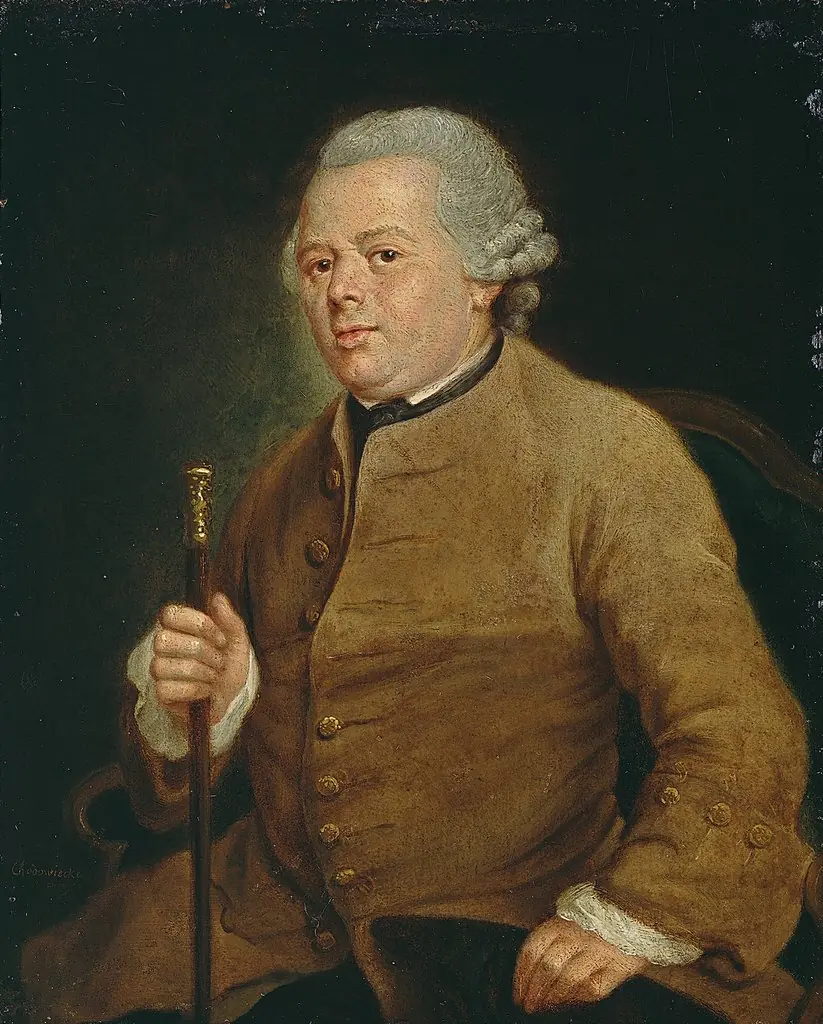
Artist & collection
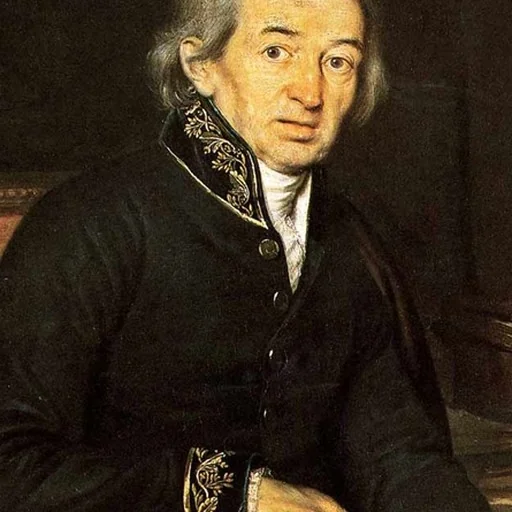
Artist
Dmitry Grigoryevich Levitzky or Levitsky (Russian: Дмитрий Григорьевич Левицкий; Ukrainian: Дмитро Григорович Левицький; 24 May 1735 – 16 April 1822) was a Ukrainian-born Russian portrait painter and academician.