Artwork
清 王翬 溪山雨霽圖 軸|Clearing after Rain over Streams and Mountains
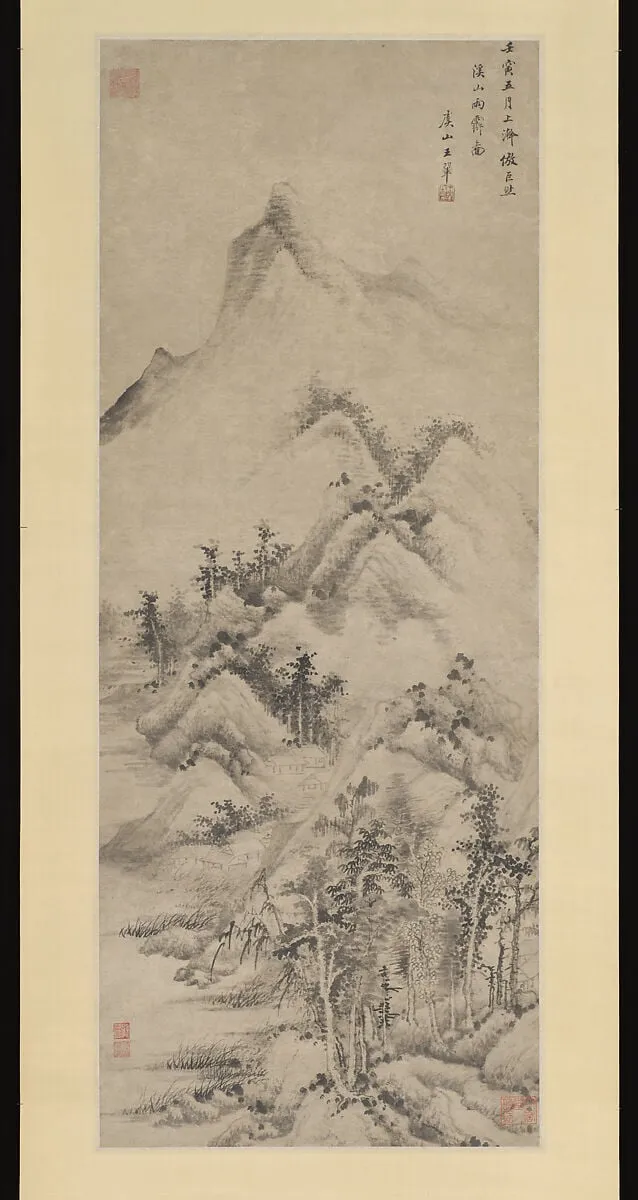
清 王翬 溪山雨霽圖 軸|Clearing after Rain over Streams and Mountains is an ink painting by the Baroque artist Wang Hui. It dates from 1662 and is held in the collection of the Metropolitan Museum of Art.
About this work
Wang Hui painted this in 1662, when China’s artists often worked on scrolls meant to be unrolled slowly, like a quiet walk.
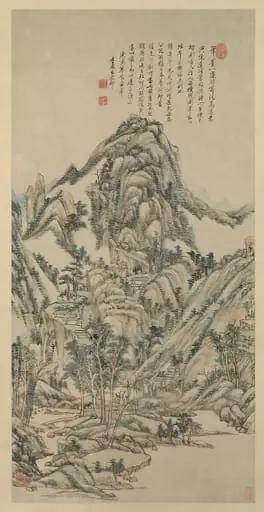
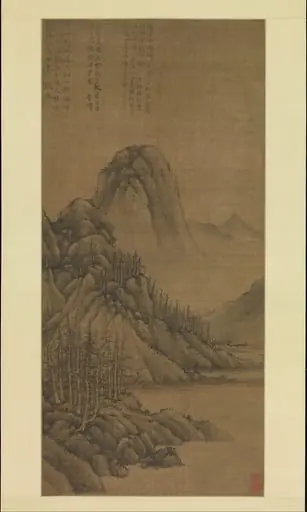
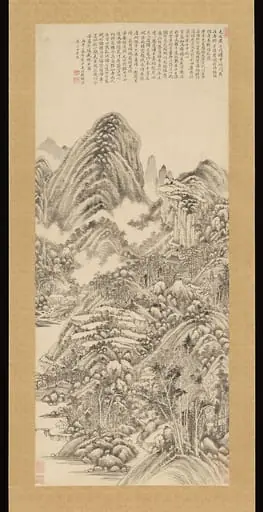
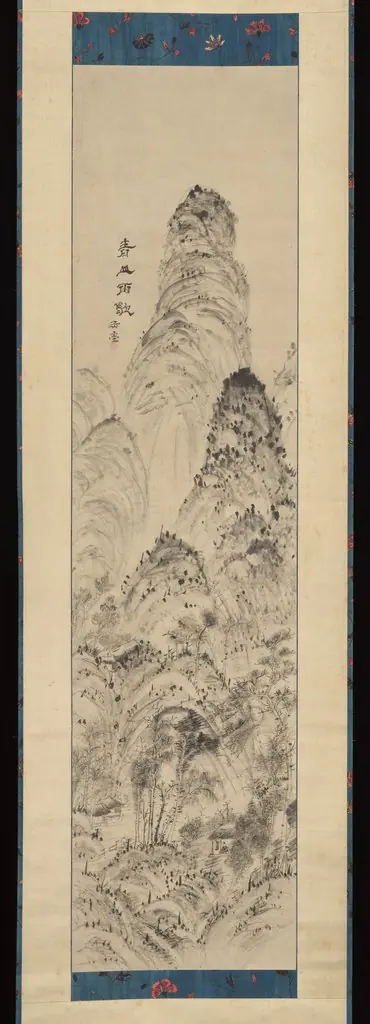
You see a tall scroll of ink on paper: misty mountains, gnarled trees, and a river winding through after rain.
Wang Hui painted this in 1662, when China’s artists often worked on scrolls meant to be unrolled slowly, like a quiet walk. The ink is so light in places it looks like the mist hasn’t fully lifted, no color, just shades of gray.
If you like this, look up cross-hatching, how lines build depth without paint.
Technique & Style
Clearing after Rain over Streams and Mountains is a hanging scroll executed in ink on paper, a monochrome format that emphasizes brushwork over color. Wang Hui's handling of the medium is suited to the work's landscape subject, depicting mountains and trees through layered ink tones rather than pigment washes. The scroll format and paper support are consistent with traditional Chinese landscape painting conventions of the period.
The composition centers on the natural motifs of mountain and tree, rendered in a manner characteristic of Wang Hui's landscape style. As a hanging scroll, the work is designed for vertical viewing, allowing the scenery to unfold upward across the paper surface.
History & Provenance
Clearing after Rain over Streams and Mountains was created by Wang Hui in 1662, a hanging scroll executed in ink on paper. The work is held in the collection of the Metropolitan Museum of Art, where it is currently located. Beyond this attribution and the inception date, the available sources do not document earlier ownership, prior collections, commissioning circumstances, or any subsequent transfer history for the painting.
Overview
Wang Hui's Clearing after Rain over Streams and Mountains is an ink-on-paper hanging scroll completed in 1662. This landscape painting captures a tranquil scene of mountains, gnarled trees, and a winding river as the weather transitions from rain to clear skies. The work exemplifies the artist's approach to traditional Chinese landscape themes, rendered with subtle tonal variations.
Subject & Meaning
The composition portrays a landscape emerging from recent rainfall, with mist still clinging to the peaks of towering mountains. Gnarled trees dot the terrain, while a river meanders through the valleys, reflecting the damp atmosphere. The title, Clearing after Rain over Streams and Mountains, directly informs the viewer of the specific meteorological moment depicted, emphasizing a sense of renewal and natural transition.
Context
Created during the Qing dynasty, this hanging scroll format was characteristic of Chinese painting traditions. Such scrolls were not typically displayed permanently but were instead unrolled and viewed slowly, allowing for an immersive experience akin to a contemplative journey through the depicted landscape. This method of viewing encouraged a gradual appreciation of the intricate details and expansive vistas within the artwork.
Artist & collection


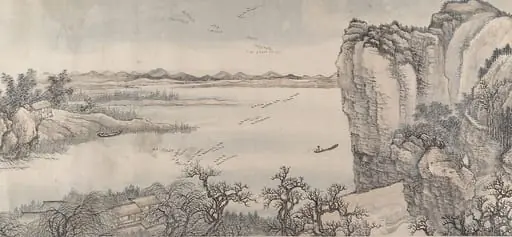 清 王翬 倣巨然燕文貴山水圖 卷|Landscape in the Style of Juran and Yan Wengui
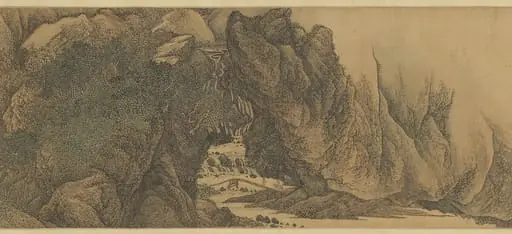 清 王翬 太行山色圖 卷|The Colors of Mount Taihang
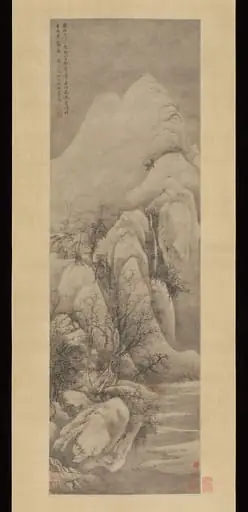 清 王翬 倣李成雪霽圖 軸|Snow Clearing: Landscape after Li Cheng
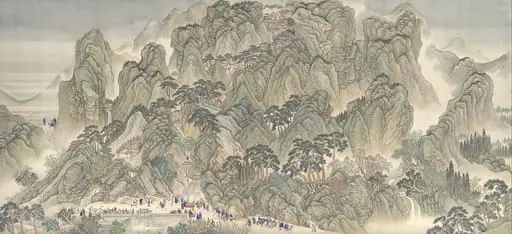 清 王翬等 康熙南巡圖 (卷三: 濟南至泰山) 卷|The Kangxi Emperor's Southern Inspection Tour, Scroll Three: Ji'nan to Mount Tai
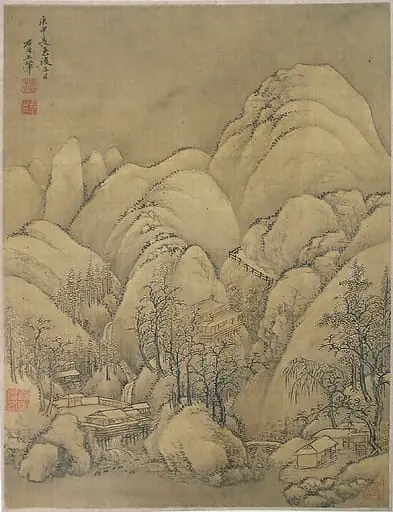 清 佚名 倣王翬 倣李成山水圖 軸|Landscape after Li Cheng
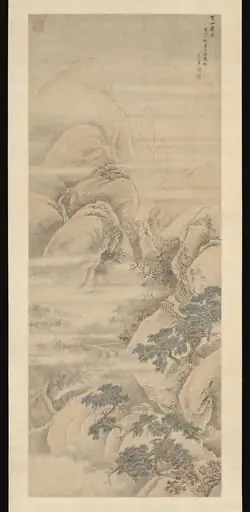 清 (傳)王翬 雪景山水圖 軸|Snowscape
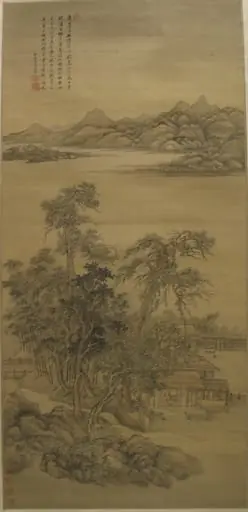 清 佚名 倣王翬 倣李公麟草堂圖 軸|Landscape in the Style of Li Gonglin
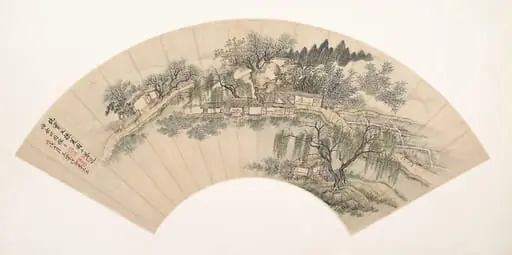 清 佚名 倣王翬 倣仇實父採菱圖 扇|Gathering Water Chestnuts