Artwork
Victorine Meurent
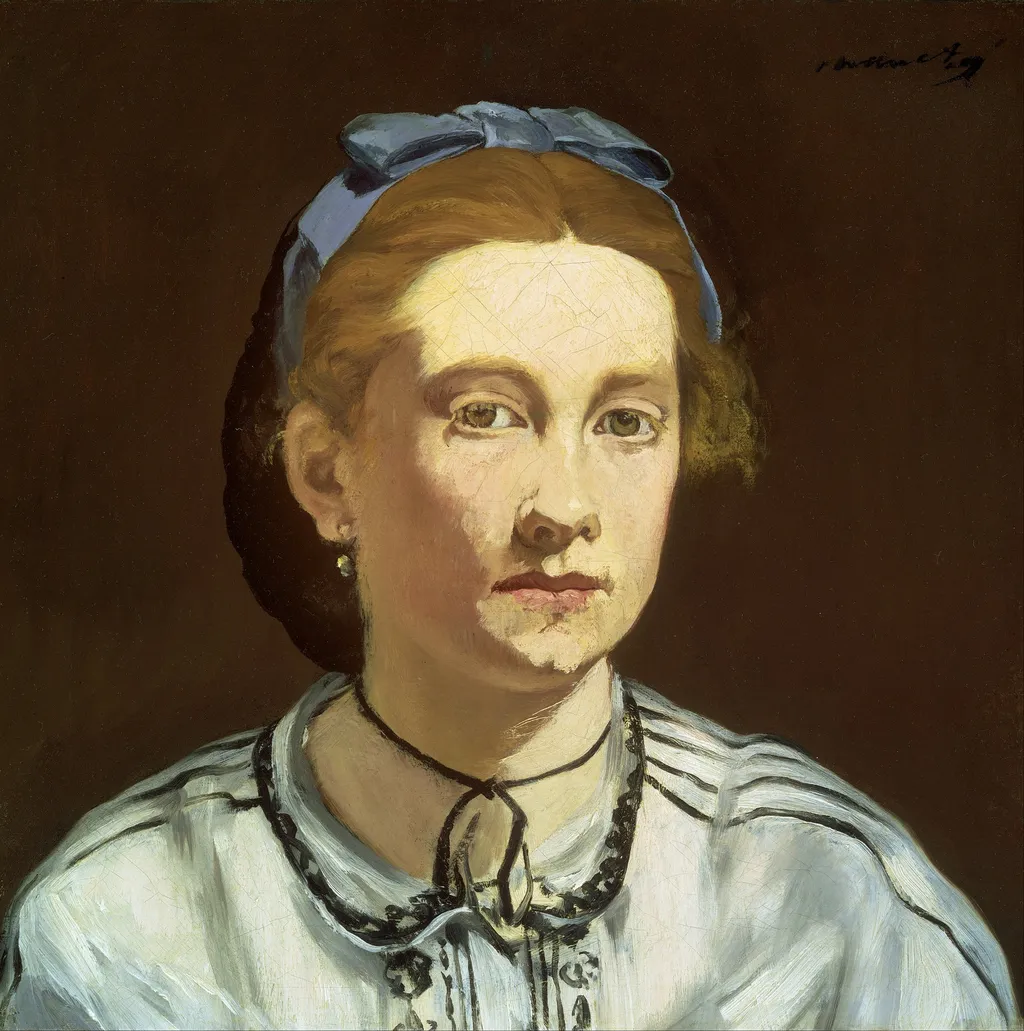
Victorine Meurent is an oil painting by the Realist artist Édouard Manet. It dates from 1862 and is held in the collection of the Museum of Fine Arts Boston.
About this work
Overview
Victorine Meurent is an oil on canvas portrait painted by Édouard Manet in 1862, now held in the collection of the Museum of Fine Arts, Boston.
Victorine Meurent is an oil on canvas portrait painted by Édouard Manet in 1862, now held in the collection of the Museum of Fine Arts, Boston. Measuring 42.9 by 43.8 centimetres, the bust-length depiction of the eighteen-year-old Victorine Meurent represents one of Manet's earliest engagements with the model who would become central to his most controversial and celebrated works. The painting matters in art history as the inaugural portrait of Meurent, establishing the visual vocabulary and psychological directness that Manet would develop in subsequent canvases including The Street Singer later the same year, and ultimately in his groundbreaking Déjeuner sur l'herbe and Olympia.
Subject & Meaning
The portrait depicts Victorine Meurent, born in 1844, at the outset of her association with Manet. She is shown facing slightly right, her gaze directed off to the viewer's left with an expression that contemporary critics read as composed indifference mixed with challenge. Her attire is notably simple: a white blouse with dark trim at collar and front, a narrow dark ribbon at the neck, and a blue ribbon or headband across her forehead restraining her light brown hair. A small pearl earring is visible in her left ear. The restrained palette of warm browns, creamy whites, and touches of blue, set against a flat dark brown background, focuses attention on the sitter's face. French critics noted that Manet rendered her with the features of a woman rather than a young girl, and that the violently lit face permitted modelling without gradual shading or contrast. The expression, described as calm and stubbornly indifferent with an element of defiance, would become characteristic of Meurent's appearances in Manet's subsequent major works.
Technique & Style
The painting is executed in oil on canvas with visible, direct brushwork. Broader strokes characterise the background, while more nuanced handling defines the facial features. Light falls from the upper left, illuminating the forehead, nose, and cheek while casting subtle shadows. The technique produces strong contrast between the lighter tones of face and clothing and the dark background, with fine craquelure now visible across the paint surface. A signature in dark paint appears in the upper right corner. Art historians have drawn stylistic analogies with Camille Corot, particularly in the refined coloration. René Gimpel identified this portrait as key to understanding Manet's palette, describing it as belonging to a school of 'coloured greys' and 'tone on tone' painters for whom Spain was the cradle, a lineage that also included Alfred Stevens.
History & Provenance
The painting does not appear in the posthumous inventory or sale of Manet's works, despite early photographs by the Rosenberg Foundation showing the signature. Its documented history begins in Glasgow, where it was in the collection of William Burrell, the shipping merchant and philanthropist. The work returned to France in 1905 upon its acquisition by the Galerie Bernheim-Jeune. It subsequently entered the collection of Alphonse Kahn in Saint-Germain-en-Laye, then passed to the dealer Paul Rosenberg. From Rosenberg it was acquired by Robert Treat Paine, a trustee of the Boston Museum of Fine Arts. Paine's son, Richard C. Paine, bequeathed the painting to the Museum of Fine Arts, Boston in 1946, where it remains.
Context
The portrait was painted in 1862, when Manet first encountered Meurent, who had previously attempted careers as an actress and musician. Their artistic collaboration would prove extraordinarily productive: within months Manet depicted her again as The Street Singer. Meurent also became a favoured model of Alfred Stevens, with whom she had a relationship. The critical reception of the Victorine Meurent portrait emphasised its psychological complexity and technical refinement. Jacques-Émile Blanche noted the Corot-like refinement, while French critics focused on the unconventional lighting and the mature, challenging expression Manet imposed upon his young sitter. The painting occupies a pivotal position in Manet's oeuvre as the first sustained engagement with a model who would embody his most significant artistic statements, and in art history as an early manifestation of the modernist portrait that privileges psychological presence over idealisation.
Legacy
The cultural afterlife of Victorine Meurent extends beyond this single canvas to encompass Meurent's own artistic ambitions and her afterlife in feminist art history, though these developments pertain to her broader representation in Manet's work. The 1862 portrait itself established the visual template for Meurent's subsequent appearances and contributed to scholarly understanding of Manet's colour theory. The painting's presence in the Museum of Fine Arts, Boston, accessible through Google Arts & Culture and other digital platforms, ensures its continued visibility. Its provenance through notable collectors including Burrell, Kahn, and the Rosenberg and Paine families testifies to its sustained esteem among connoisseurs across the twentieth century.
Own this work as a print
Artist & collection
Artist
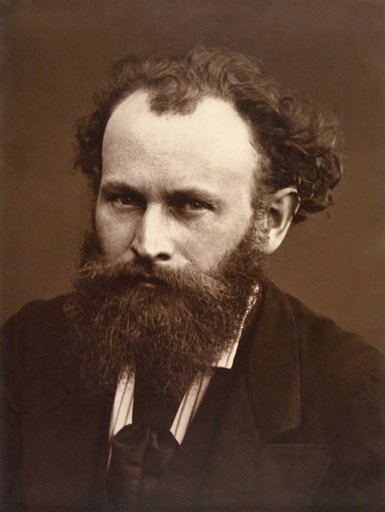
Édouard Manet was a French modernist painter. He was one of the first 19th-century artists to paint modern life, as well as a pivotal figure in the transition from Realism to Impressionism.

- Mathilde Costermans
 Portrait of a Woman
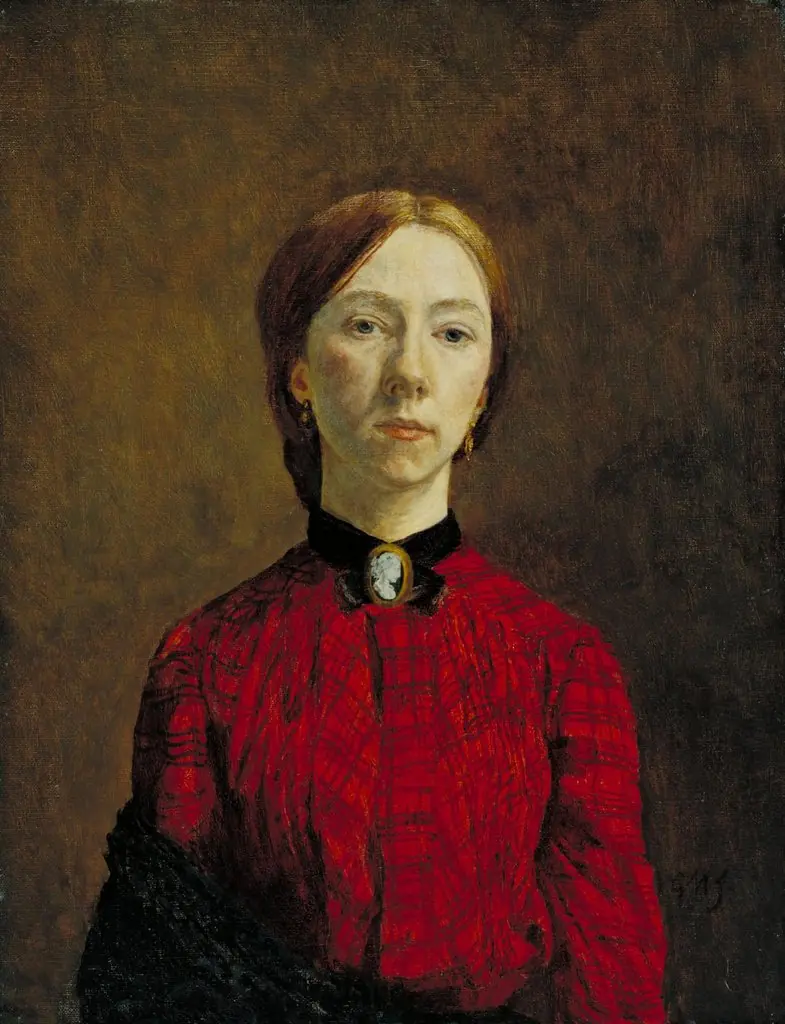 Self-portrait
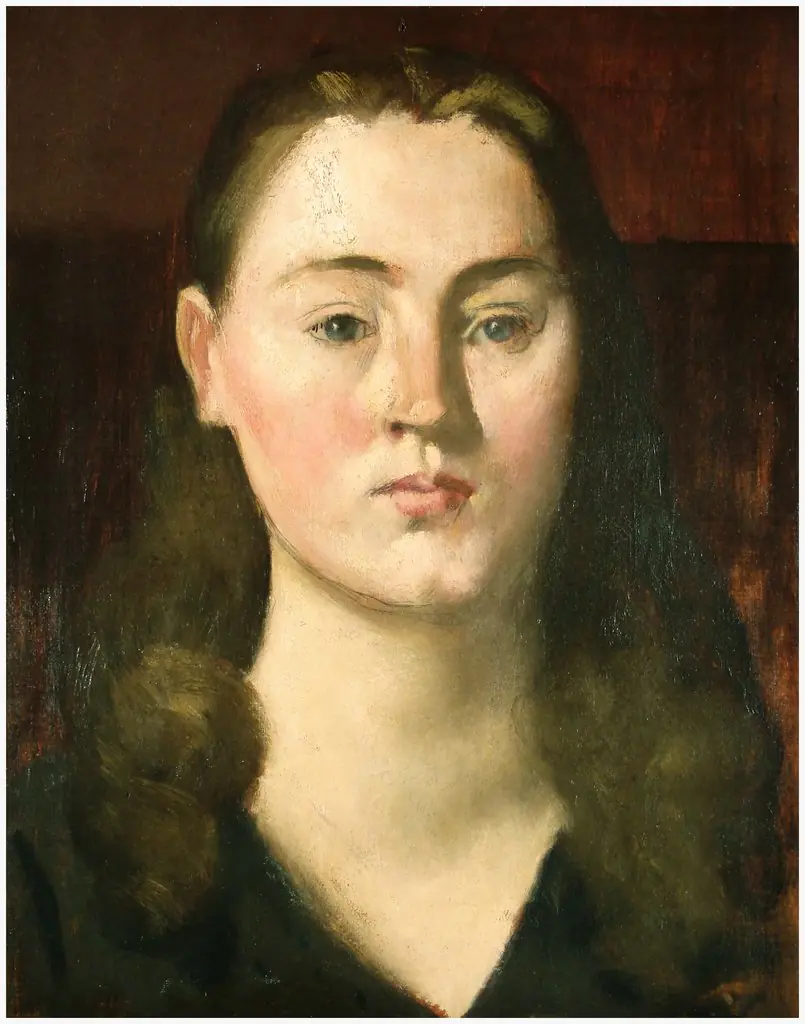 Retrato de la Baronesa Lefèvre
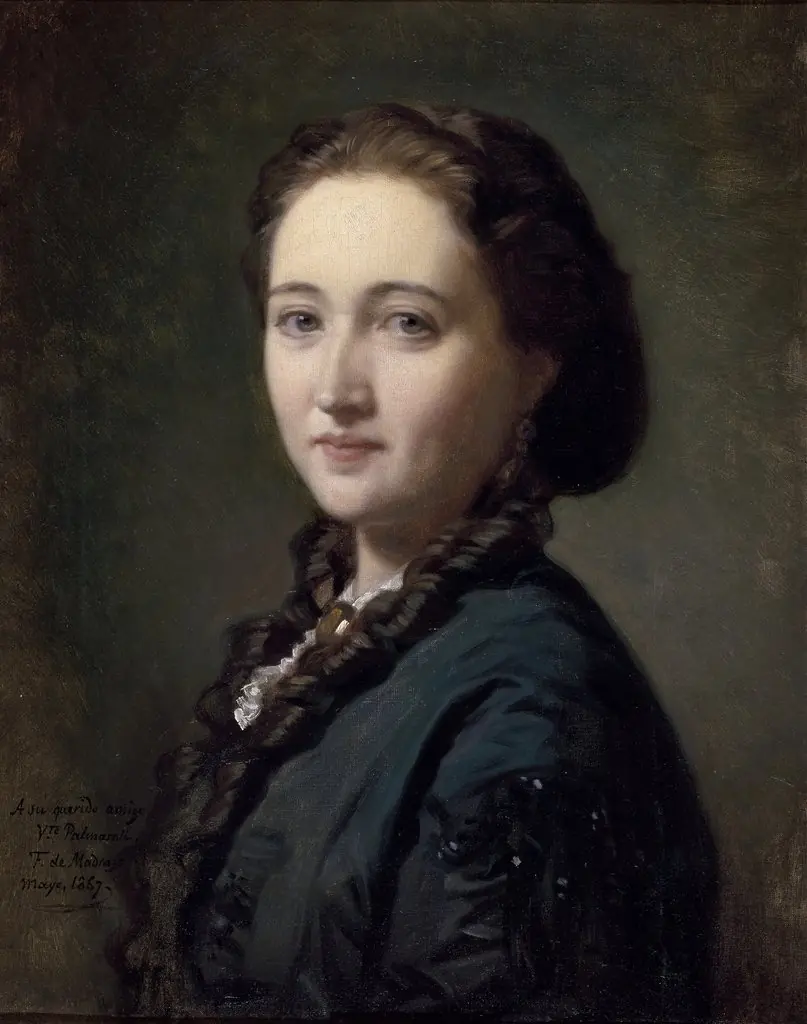 Sofía Reboulet
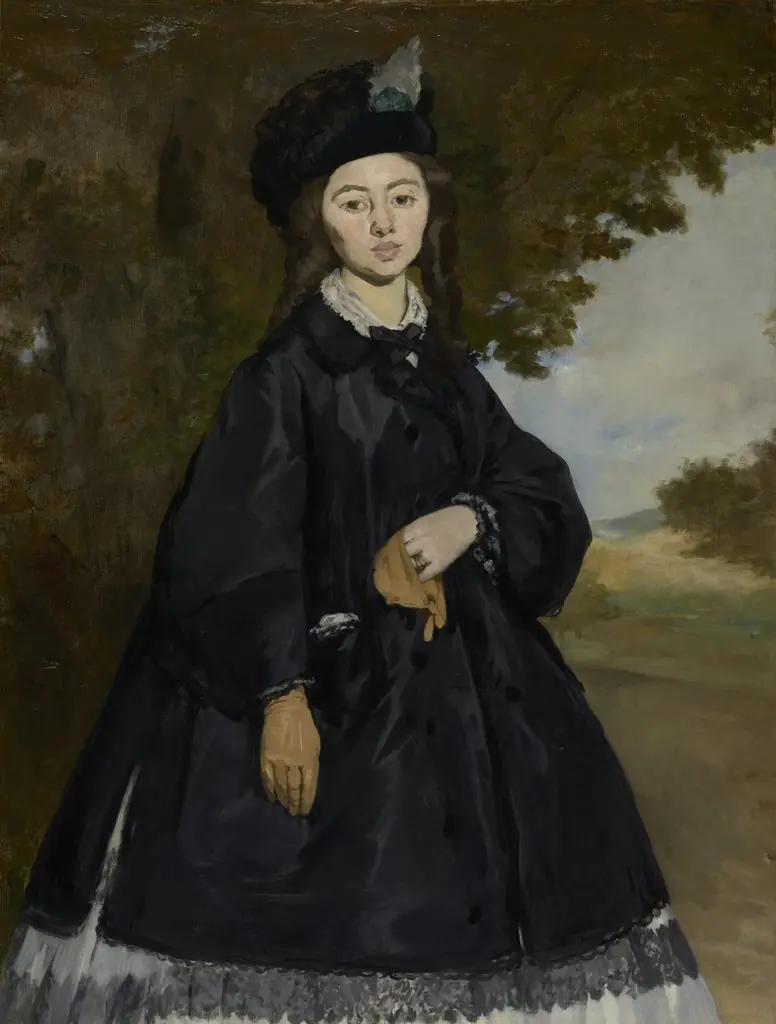 Portrait of Madame Brunet
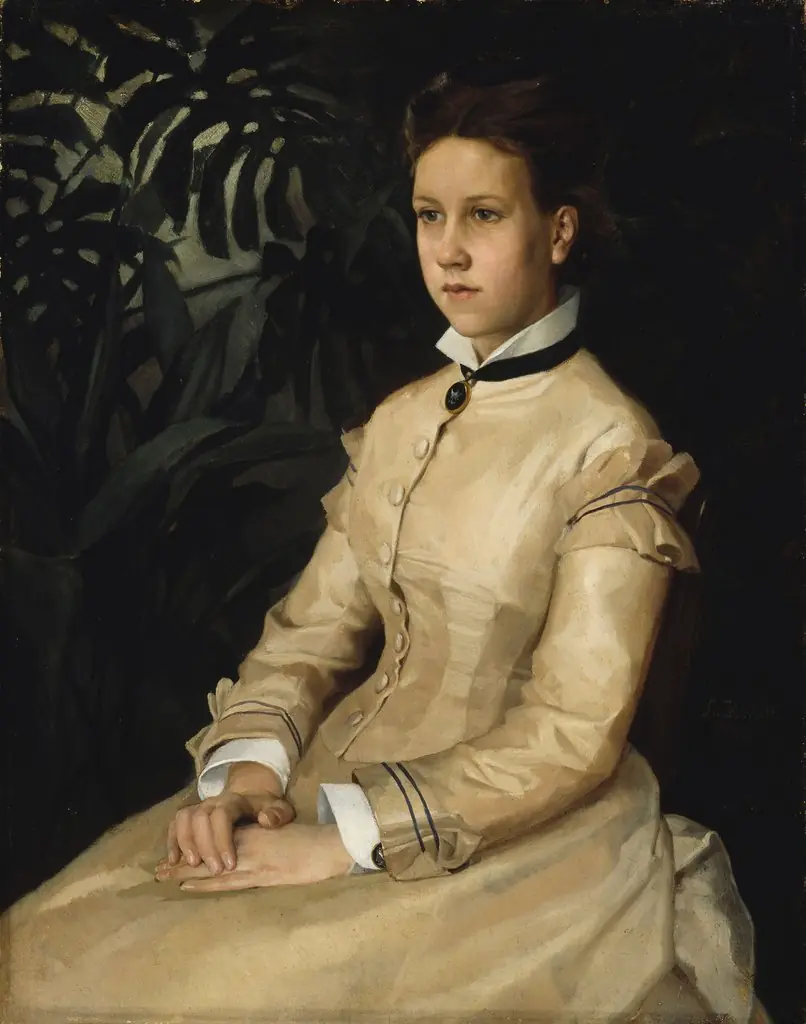 Portrait of the Artist's Sister Ellen Edelfelt
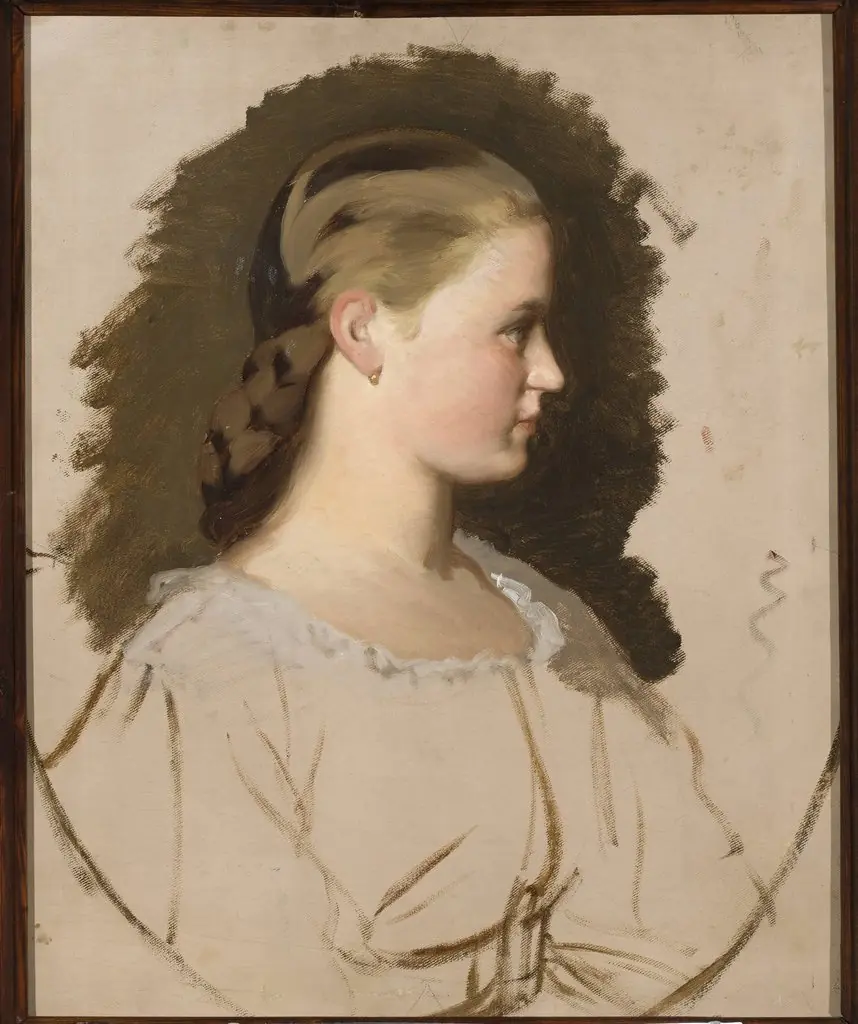 Portrait of Klementyna Szembek née Dzieduszycka, sketch
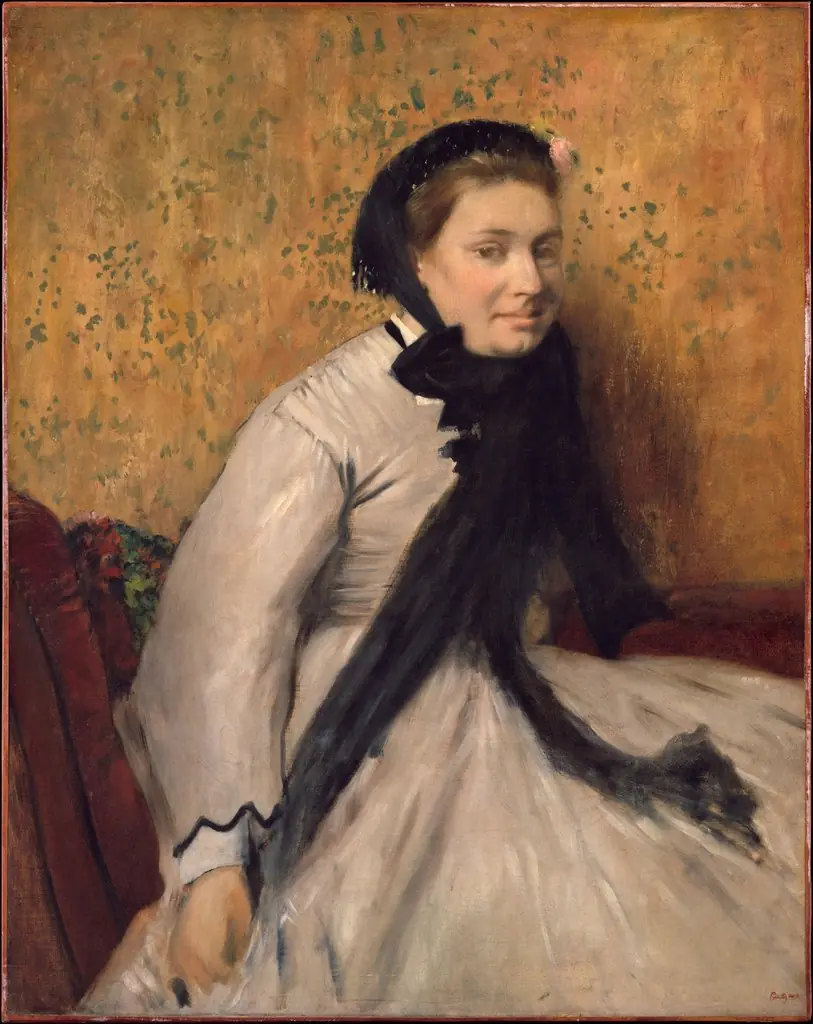 Portrait of a Woman in Gray
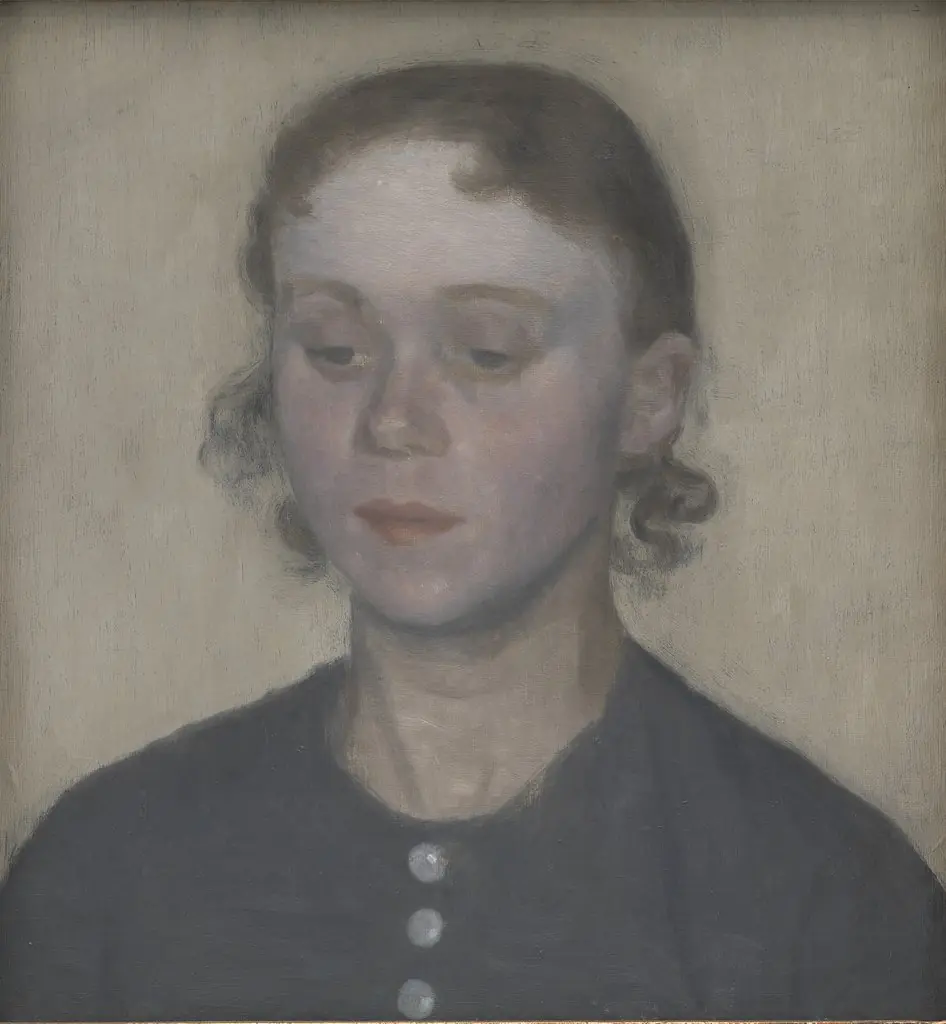 The Artist's Wife, Ida Hammershøi, née Ilsted
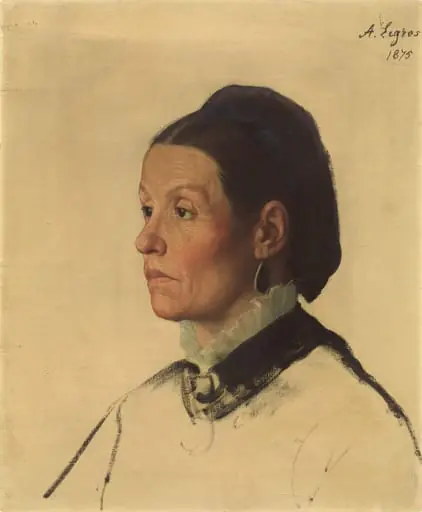 Portrait of a Woman
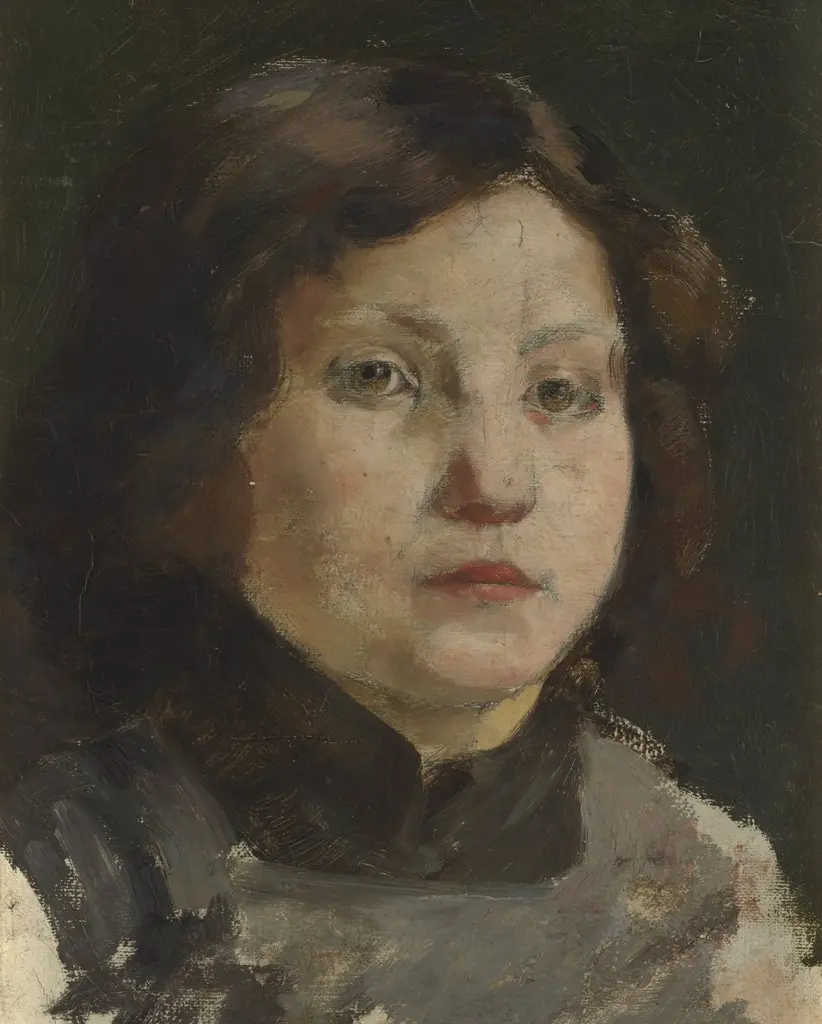 Portrait of a Child