Artwork
Interior Mother and Sister of the Artist
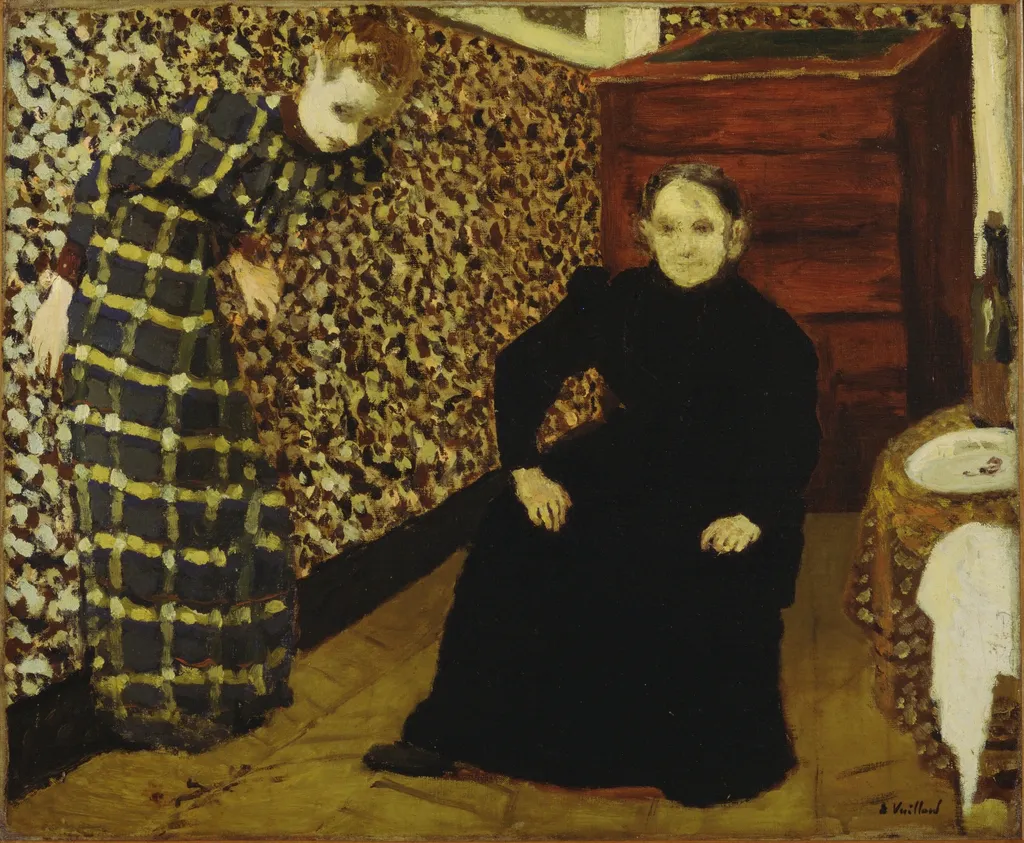
Interior Mother and Sister of the Artist is an oil painting by the Les Nabis artist Édouard Vuillard. It dates from 1897 and is held in the collection of the Museum of Modern Art.
About this work
Overview
It captures a quiet domestic moment within a modest interior, part of a broader series from the 1890s centered on family life.
Painted in 1897, Interior Mother and Sister of the Artist is an oil on canvas work by Édouard Vuillard. It captures a quiet domestic moment within a modest interior, part of a broader series from the 1890s centered on family life. The composition avoids dramatic action, instead focusing on stillness and the subtle interplay of figures and surroundings, reflecting Vuillard’s interest in the poetry of ordinary spaces.
Subject & Meaning
The painting depicts Vuillard’s mother and sister in their home, engaged in unremarkable stillness. Their postures and proximity suggest intimacy without narrative, emphasizing presence over action. The absence of identifiable activity invites contemplation of domestic routine as a subject worthy of artistic attention, aligning with the Nabis’ broader interest in elevating private, everyday moments.
Technique & Style
Vuillard employs flattened perspectives and dense, patterned surfaces derived from Japanese woodblock prints and textile design. Walls, clothing, and furnishings merge into rhythmic planes of color, minimizing depth. Dark tones dominate, punctuated by muted light, creating a hushed atmosphere. Brushwork is subdued, favoring even application over visible strokes, reinforcing the decorative harmony of the scene.
History & Provenance
Created during Vuillard’s active years with the Nabis, the painting emerged from a period when he concentrated on interior scenes of his immediate circle. It remained in the artist’s possession until his death, later entering a public collection. Its continuity within the Vuillard family underscores its personal significance and its role as a document of domestic life in late 19th-century Paris.
Context
In the 1890s, Parisian artists increasingly turned away from grand historical themes toward intimate, personal subjects. The Nabis, including Vuillard, rejected naturalism in favor of symbolic form and pattern. This work reflects that shift, situating the domestic sphere as a site of aesthetic inquiry, where color, texture, and composition replace traditional perspective and narrative.
Legacy
The painting exemplifies Vuillard’s distinctive contribution to post-Impressionism: the transformation of domestic interiors into harmonious, patterned compositions. While not widely exhibited in his lifetime, it influenced later artists interested in the emotional resonance of everyday spaces. Its quiet intensity continues to inform discussions of intimacy and decorum in modern painting.
Own this work as a print
Artist & collection
Artist
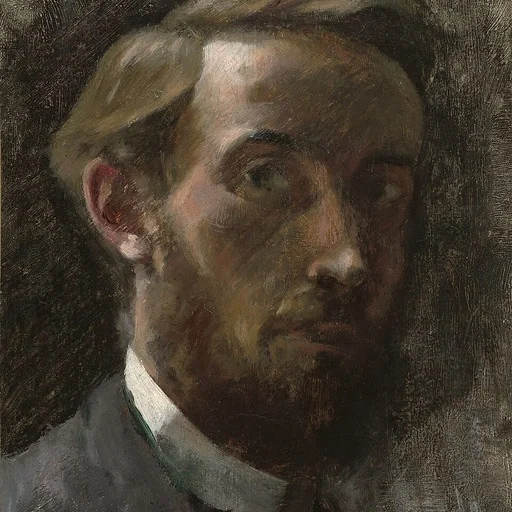
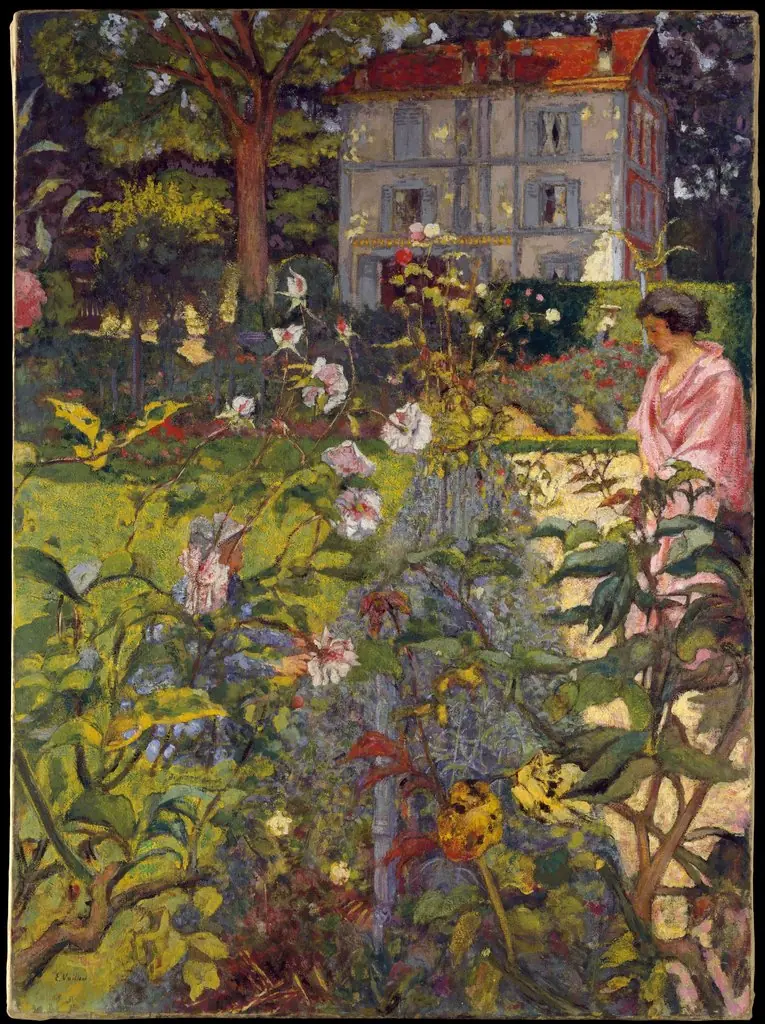
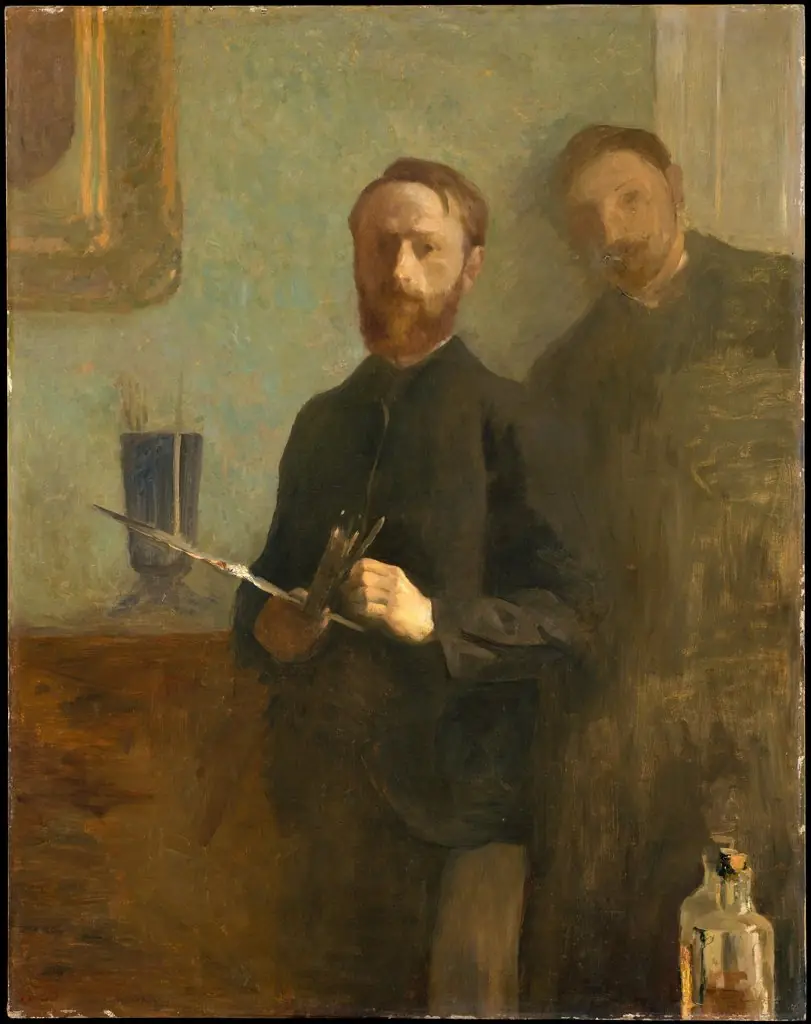
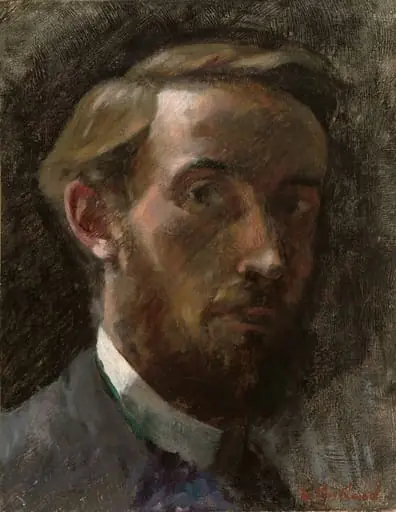
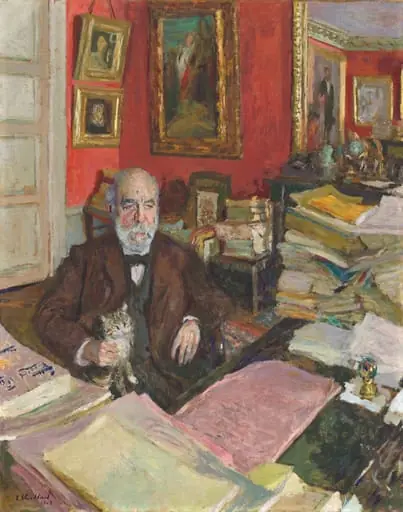
Jean-Édouard Vuillard (French:; 11 November 1868 – 21 June 1940) was a French painter, decorative artist, and printmaker.

 The Conversation
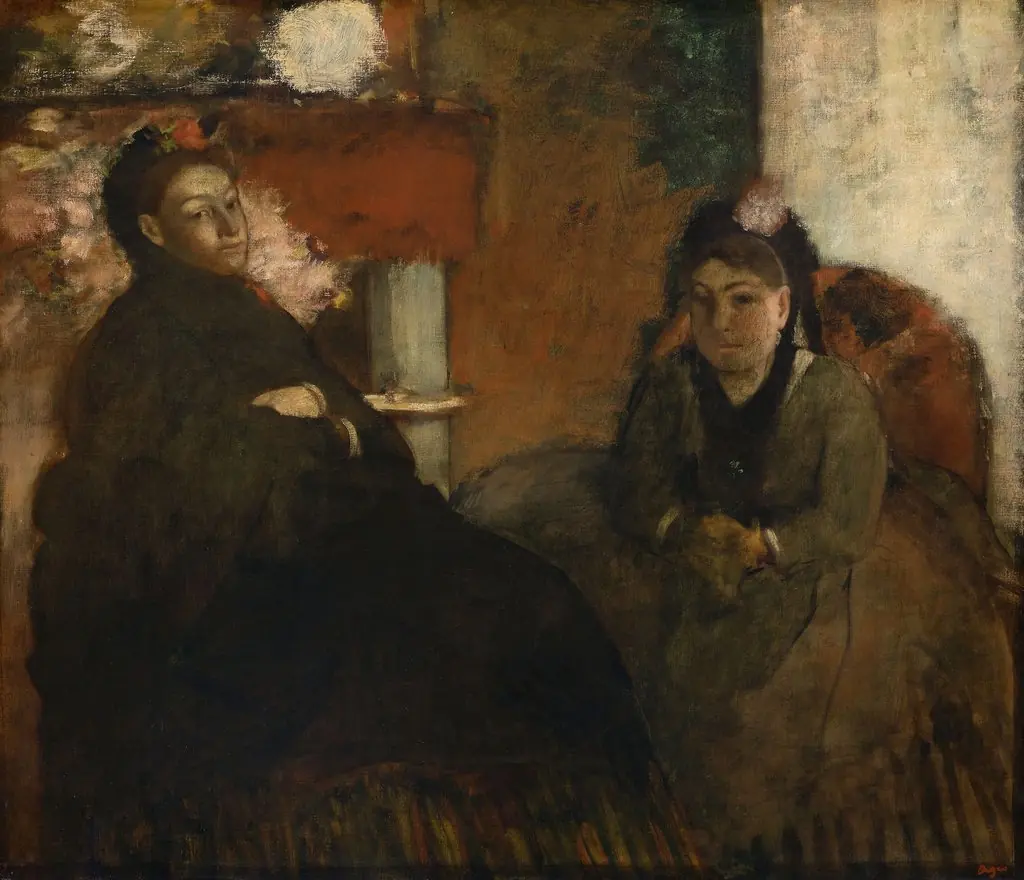 Portrait of Mme. Lisle and Mme Loubens
 Portrait of Mme Lisle and Mme Loubens
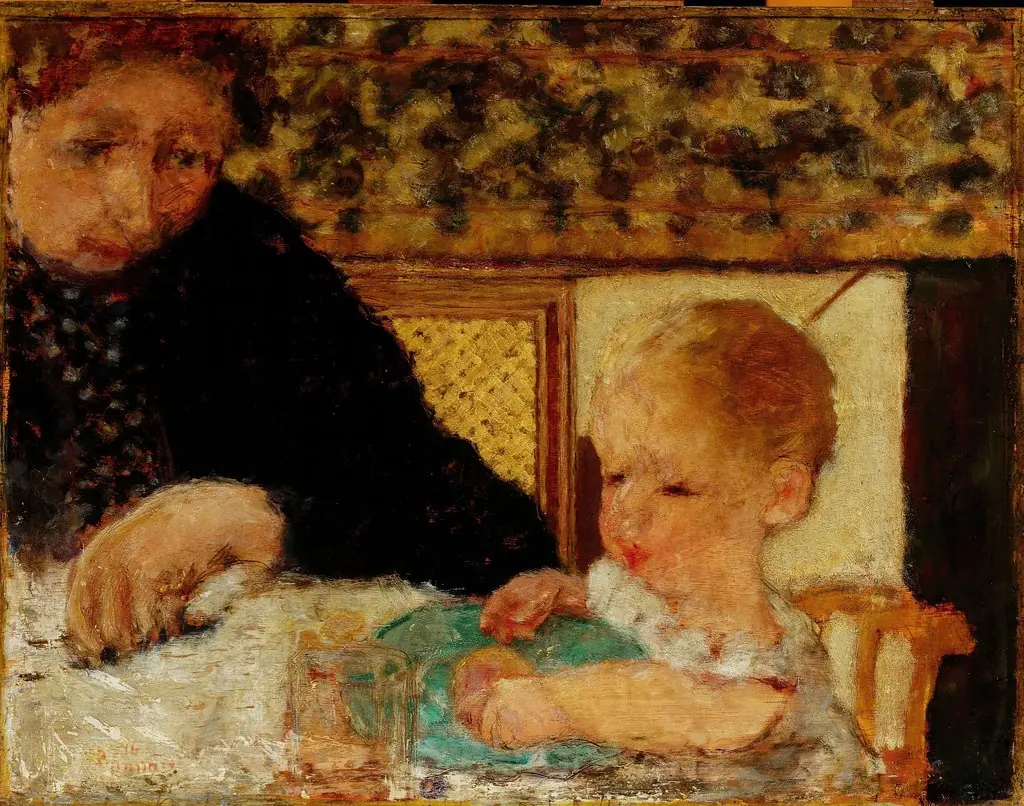 Grandmother with a Child
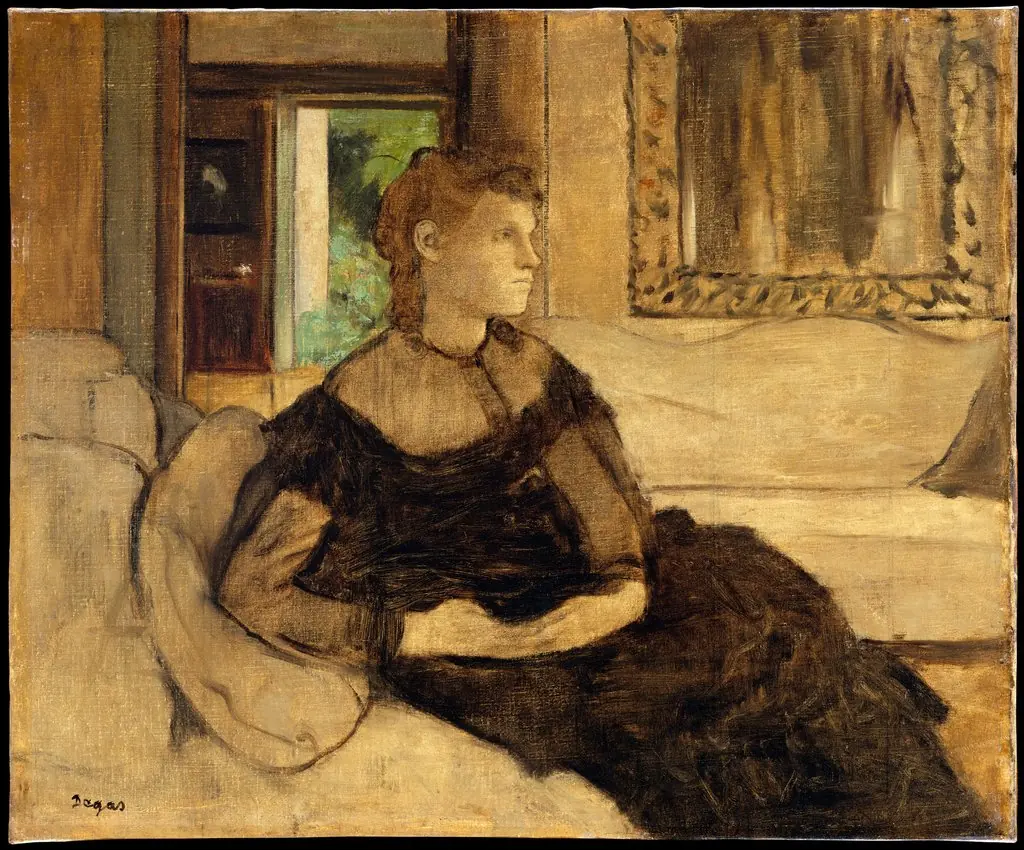 Madame Théodore Gobillard (Yves Morisot, 1838–1893)
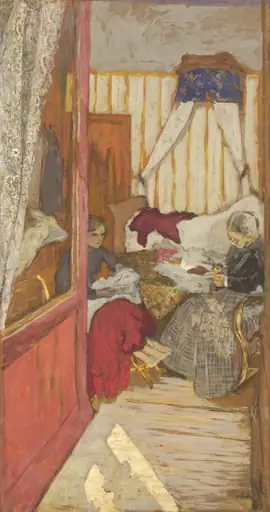 Women Sewing
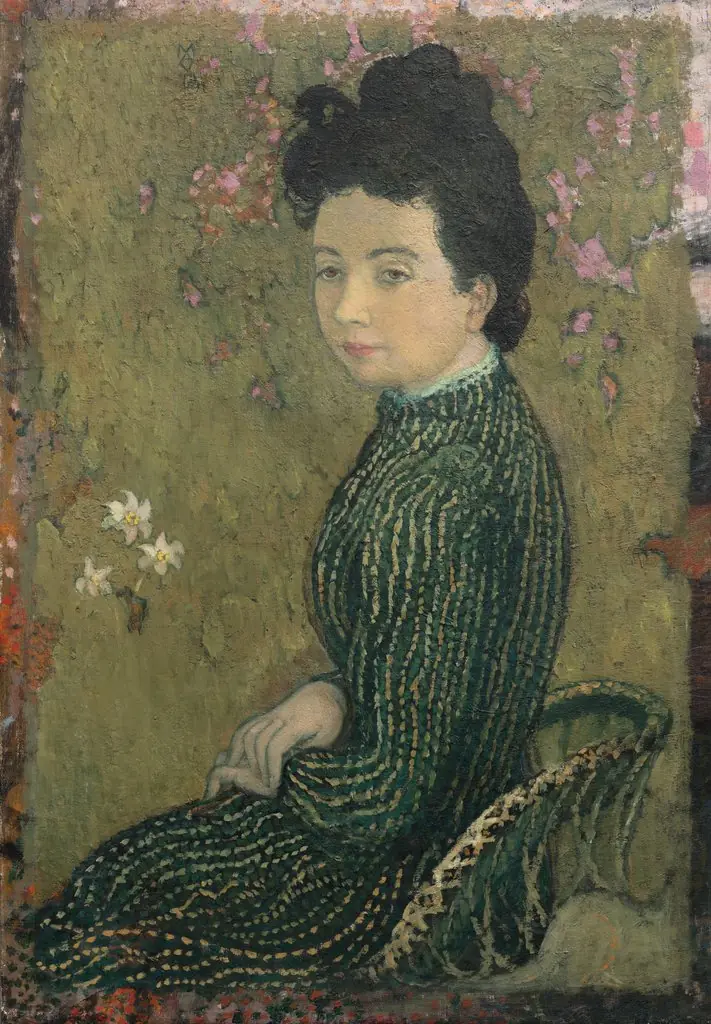 Eva Meurier in a Green Dress
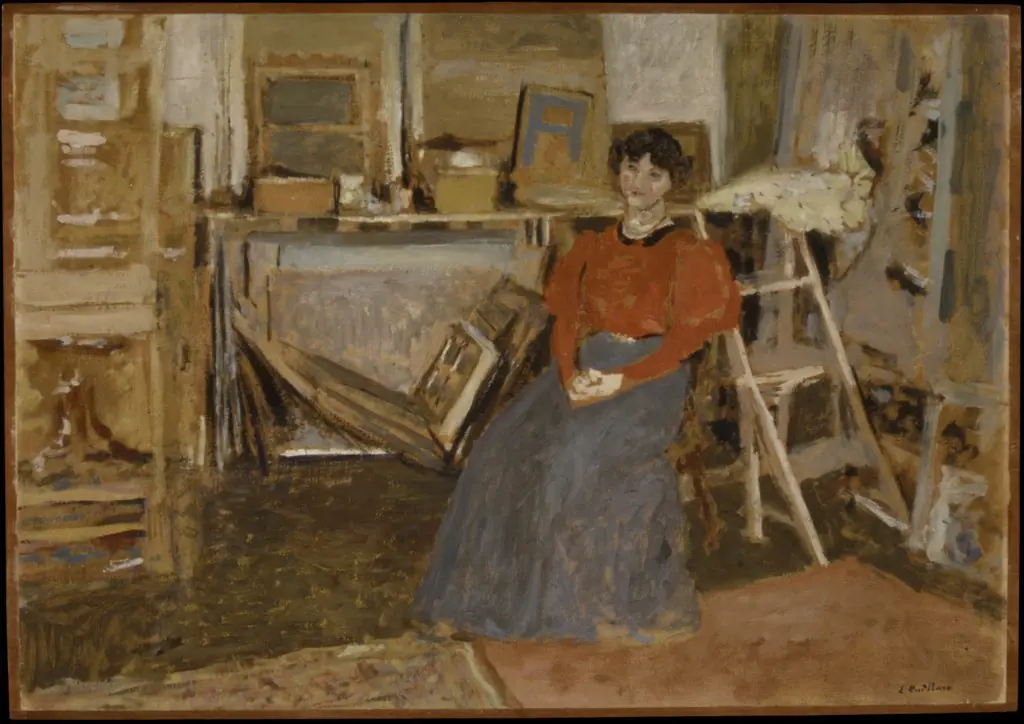 Interior
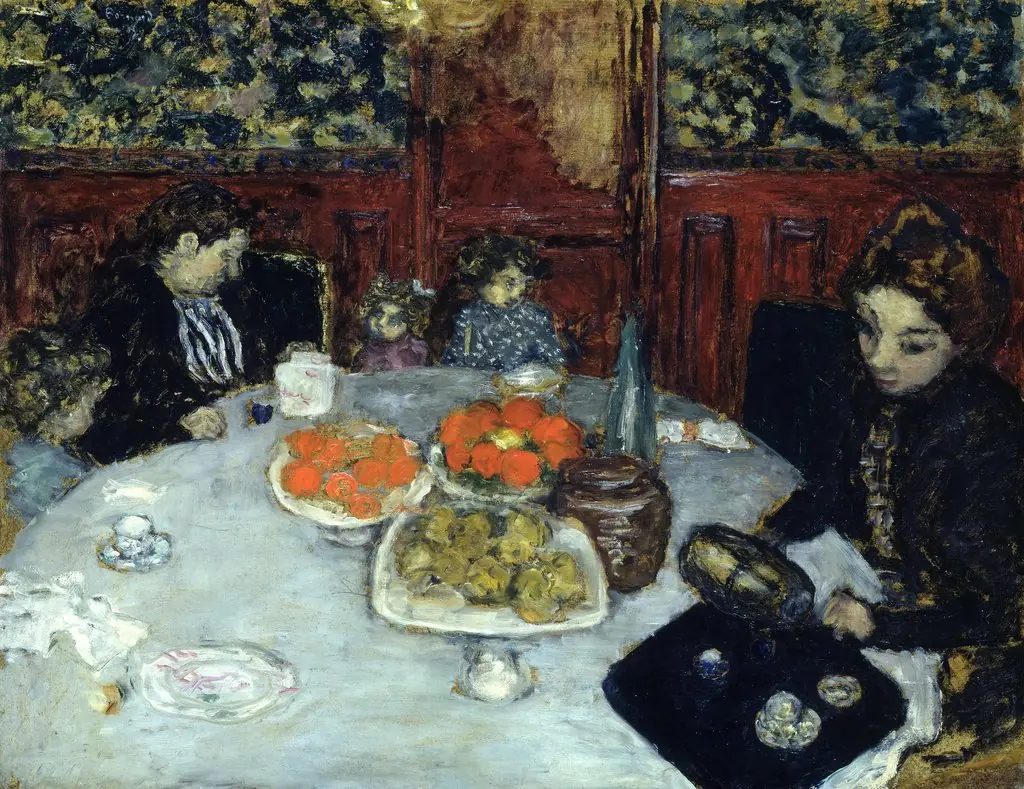 The Luncheon
 Lærerinde og elev
 Portrait of Mrs Getter – two-sided painting
- The Artist’s Family