Artwork
Louis Husson
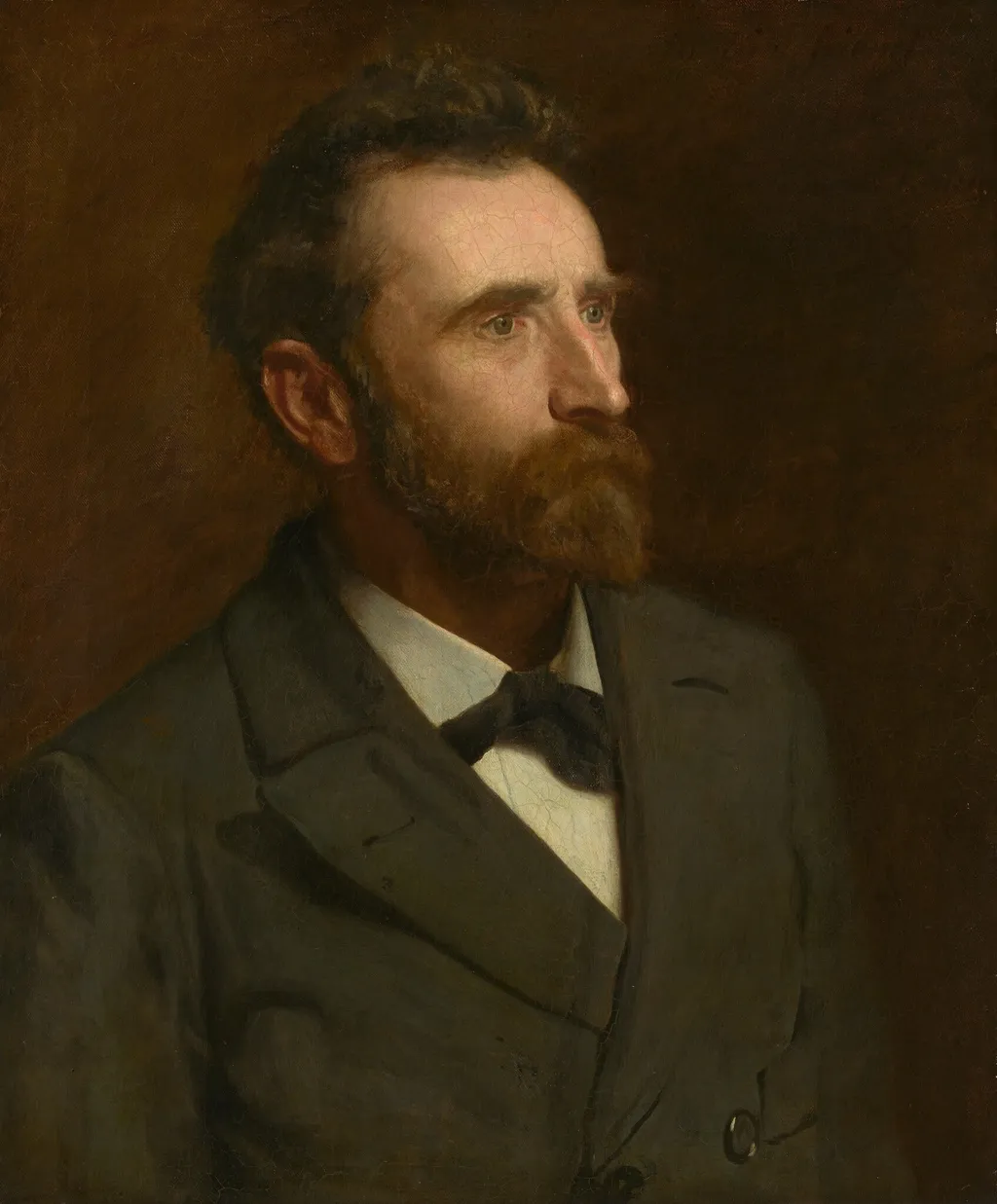
Louis Husson is an oil painting by the American Impressionist artist Thomas Eakins. It dates from 1899 and is held in the collection of the National Gallery of Art.
- Inscription
- Inscribed:upper right: To his friend / Louis Husson / Thomas Eakins / 1899.; on reverse: To Katy Husson from her friend Thomas Eakins.
About this work
Technique & Style
The work is painted in oil paint on canvas, a traditional medium and support combination characteristic of Eakins's portrait practice.
Louis Husson is an oil on canvas portrait by Thomas Eakins, executed in 1899. The work is painted in oil paint on canvas, a traditional medium and support combination characteristic of Eakins's portrait practice. The canvas measures 61 cm in height by 50.9 cm in width, giving the portrait a modest, upright format suited to a single sitter.
Classified as a painting within the portrait genre, the work reflects Eakins's straightforward, realist handling of his subject, with the support and medium documented as part of the work's cataloguing at the National Gallery of Art.
History & Provenance
The portrait Louis Husson was painted in 1899 by Thomas Eakins. It depicts Louis Husson, who lived in Philadelphia until his death in 1923. The painting then passed to his daughter, Katharine Husson Horstick, of Hatboro, Pennsylvania, who bequeathed it to the National Gallery of Art, Washington, D.C.; it entered the collection in 1957, the year after her death in 1956. No exhibition history is documented in the available sources.
Context
Thomas Eakins painted Louis Husson in 1899, an oil portrait that entered the National Gallery of Art through the bequest of the sitter's daughter in 1957. The work, classified as a portrait, measures 61 cm by 50.9 cm and is documented in the National Gallery's holdings of American portraiture. As an example of Eakins's late portraiture, it reflects his continued focus on realistic representation and psychological depth, situating the piece within the broader trajectory of his career and the development of American realism in the late nineteenth century.
Overview
Painted in 1899, Louis Husson is a portrait by the American realist Thomas Eakins depicting a man with a full beard and mustache. The sitter is dressed in a dark suit, white shirt, and black bow tie, positioned against a plain, dark background that isolates his figure and directs the viewer's attention entirely to his face. Eakins renders the subject with a slight turn of the head, capturing a moment of quiet introspection characteristic of his mature portraiture.
The brushwork is smooth and controlled, particularly in the modeling of the skin and the texture of the clothing, demonstrating the artist's commitment to anatomical precision and psychological depth. Executed in oil on canvas, this work reflects Eakins' dedication to unidealized realism during the late 19th century. Created near the end of the artist's most productive period, the painting exemplifies his approach to capturing the individual character of his subjects without sentimental embellishment, standing as a testament to his enduring influence on American art.
Subject & Meaning
Louis Husson is portrayed with a full beard and mustache, dressed in formal attire consisting of a dark suit, white shirt, and black bow tie. His expression is characterized by a serious and contemplative demeanor, complemented by a direct gaze. Eakins's approach captures a sense of the individual's presence, conveying a realistic and introspective quality in the sitter's portrayal.
Own this work as a print
Artist & collection
Artist
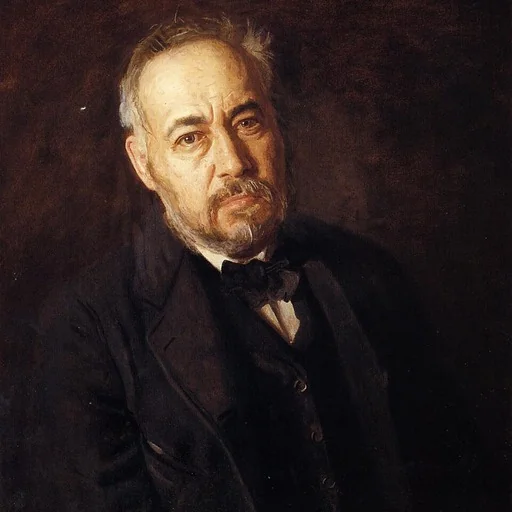
Thomas Cowperthwait Eakins (; July 25, 1844 – June 25, 1916) was an American realist painter, photographer, sculptor, and fine arts educator.

- Portrait of Kazimierz Alchimowicz, painter
 Sanford Robinson Gifford
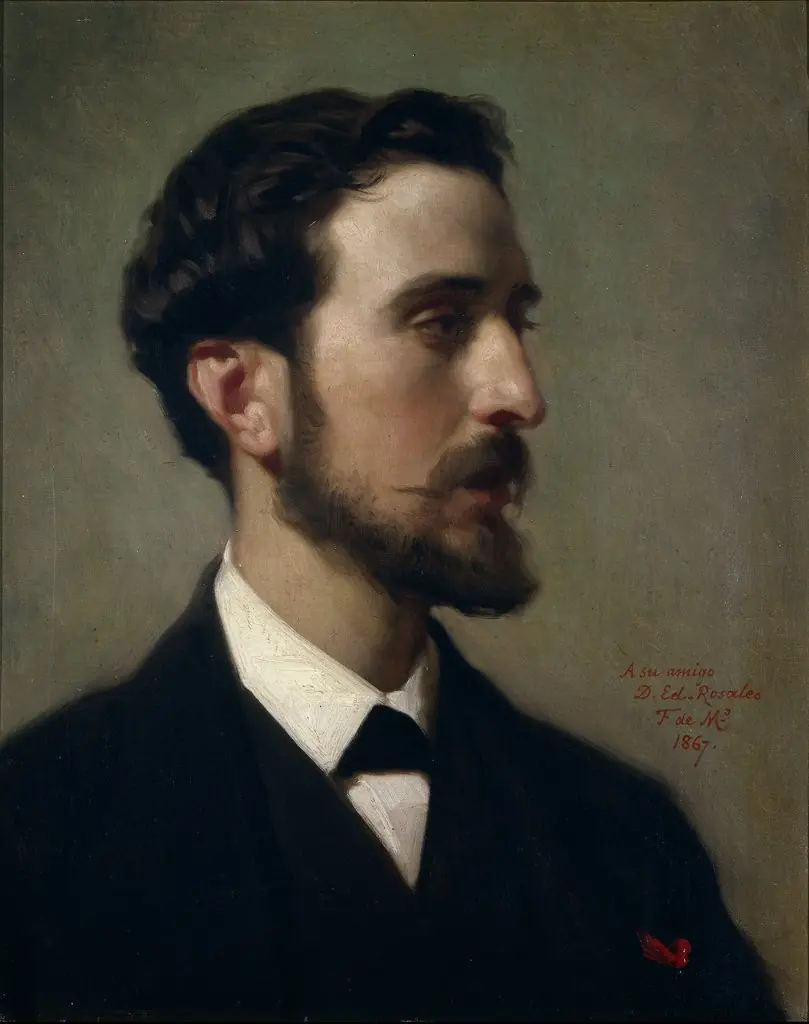 The Painter Eduardo Rosales
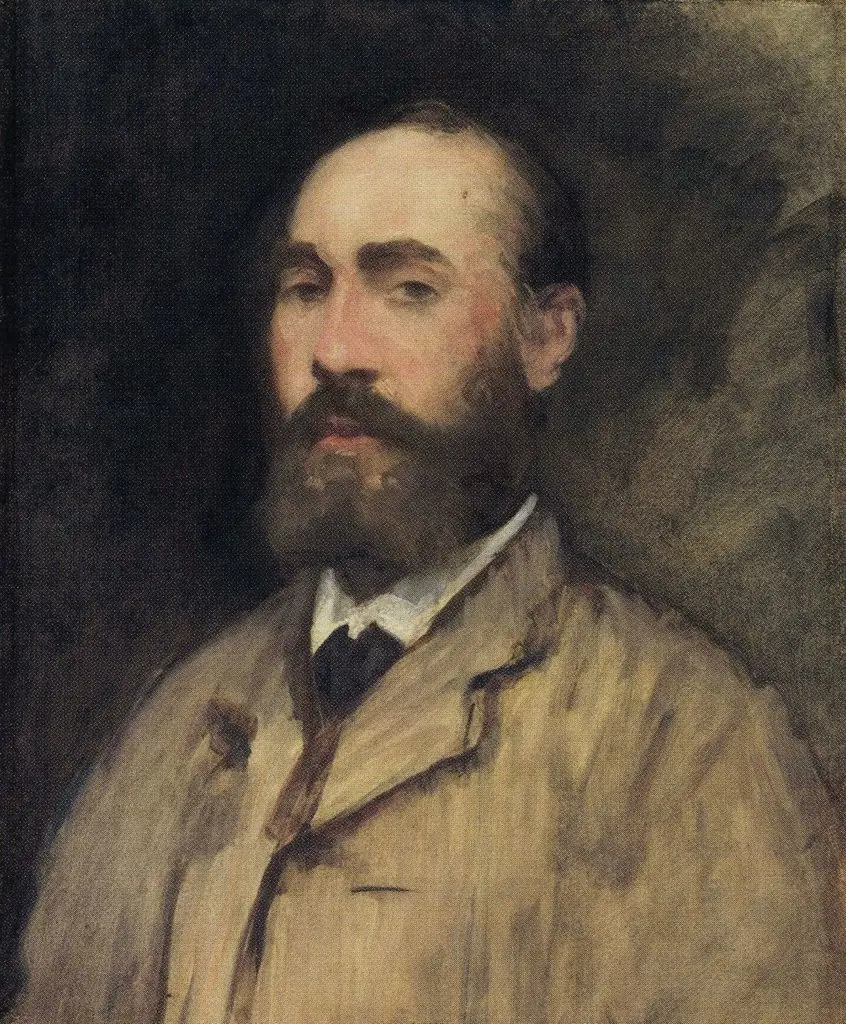 Jean-Baptiste Faure (1830–1914)
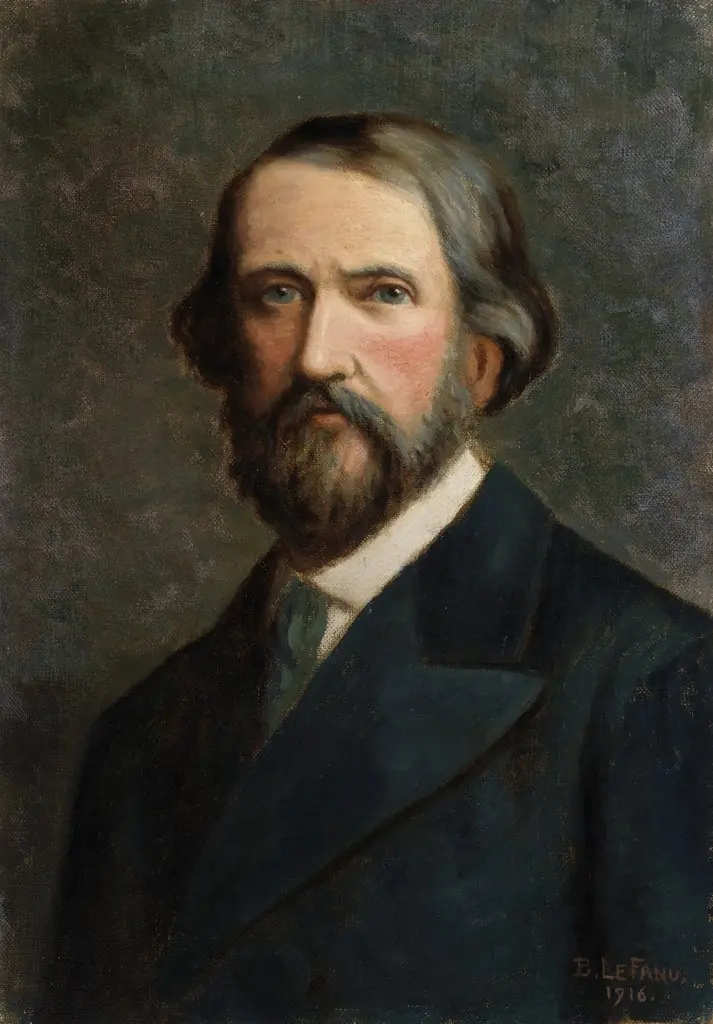 Joseph Sheridan Le Fanu
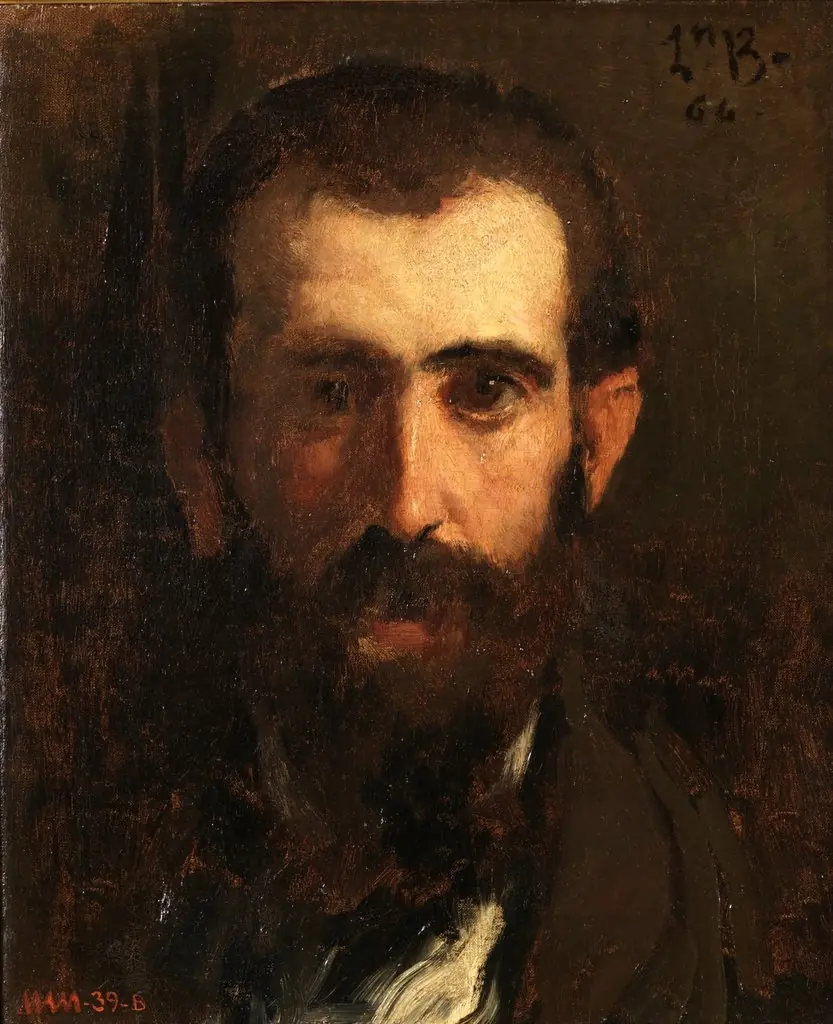 The painter Ceferino Araujo Sánchez
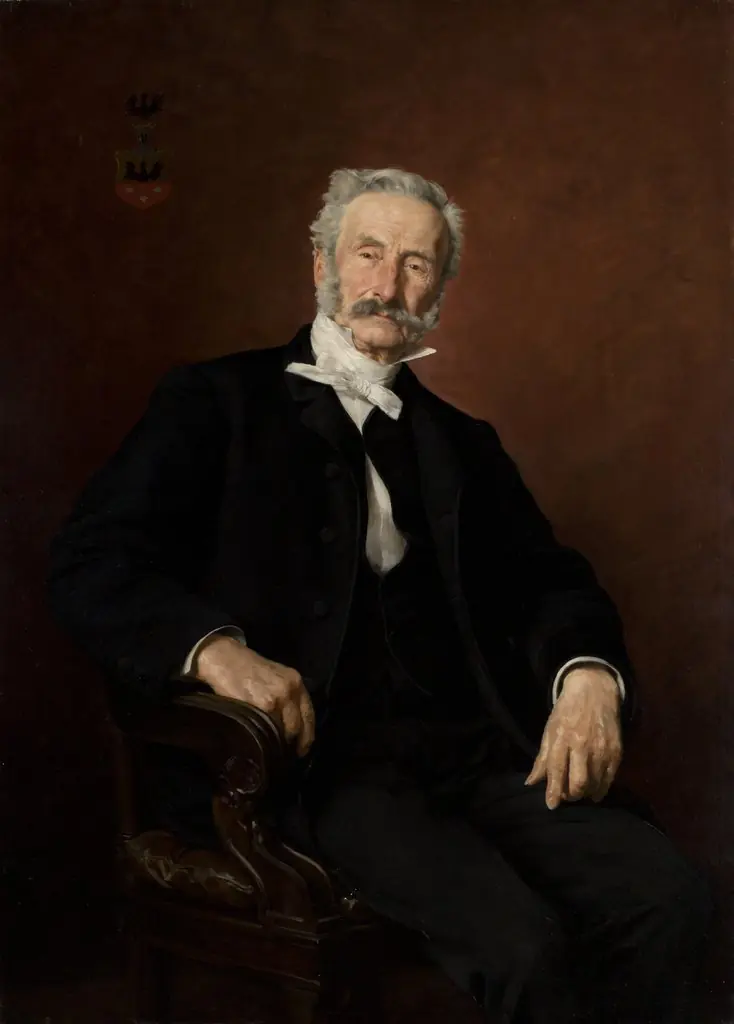 Portrait of Paweł Popiel
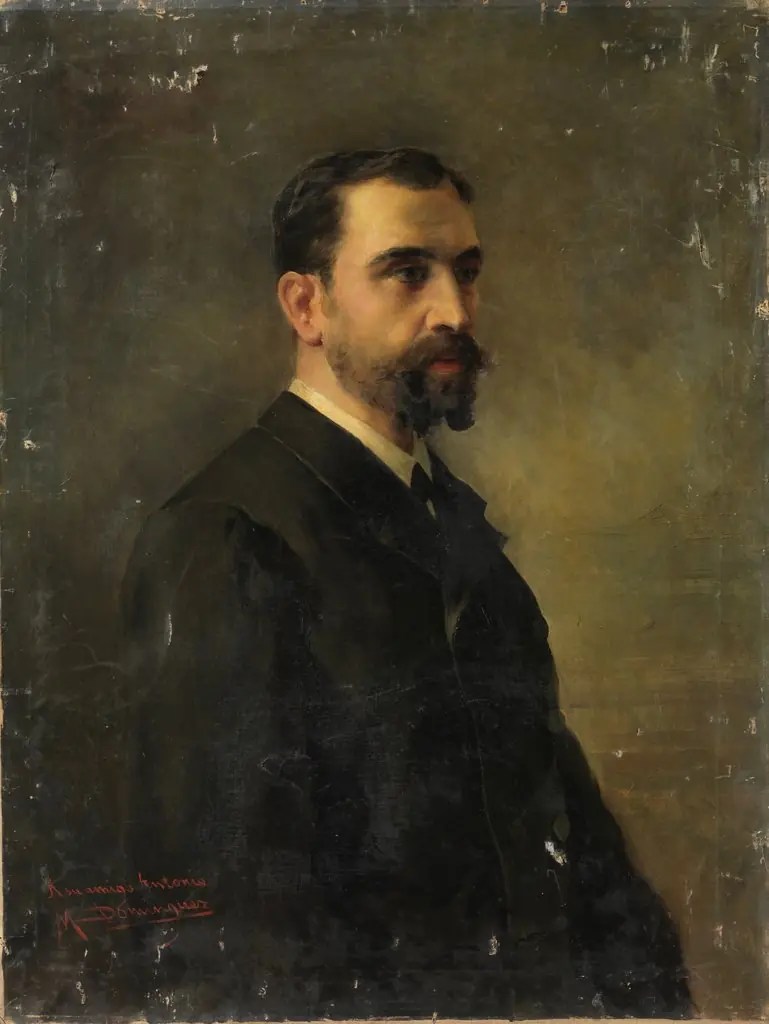 Portrait of Antonio del Val
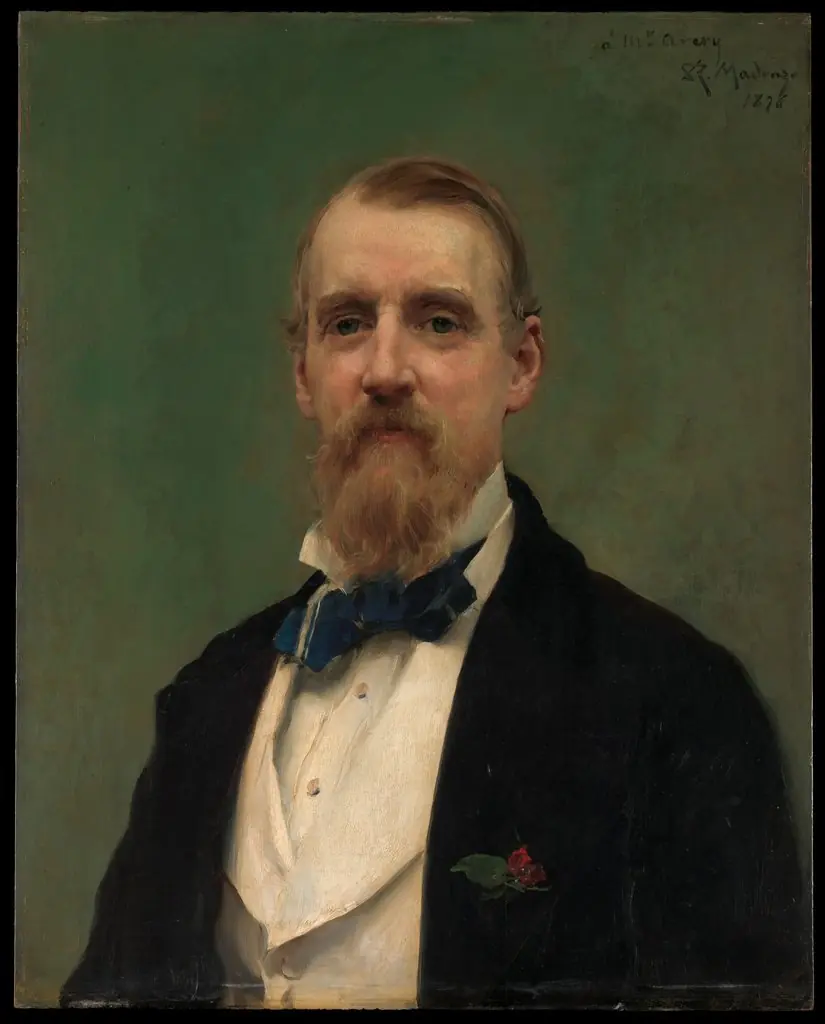 Samuel P. Avery (1822–1904)
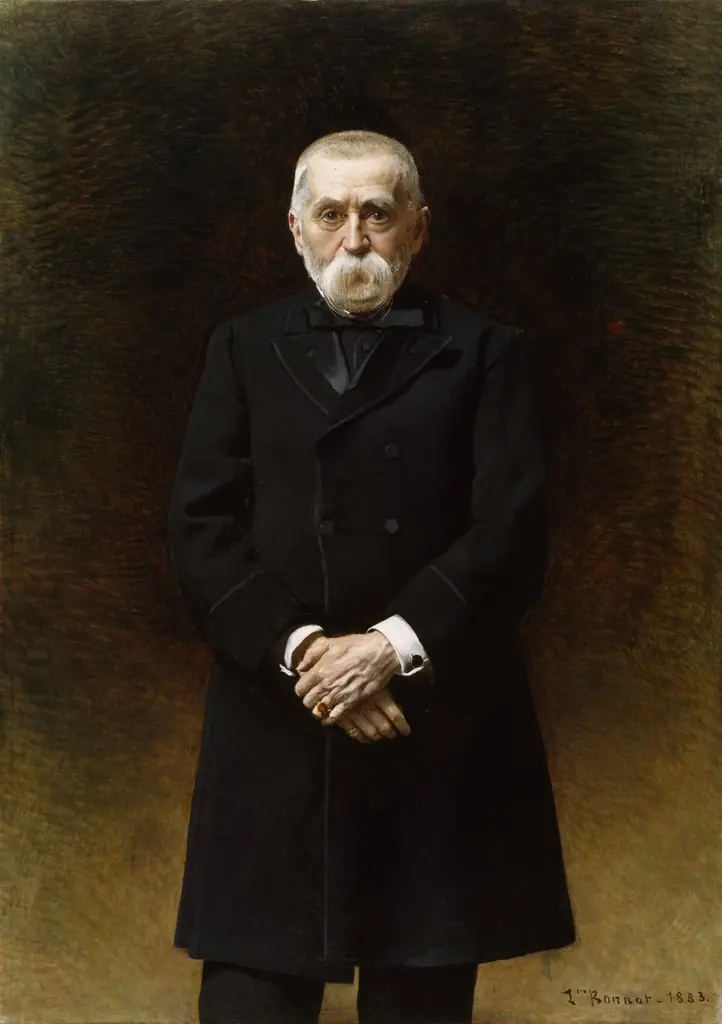 Portrait of William T. Walters
 José de las Bárcenas y Bringas
 Claude Monet