Artwork
In Open Air
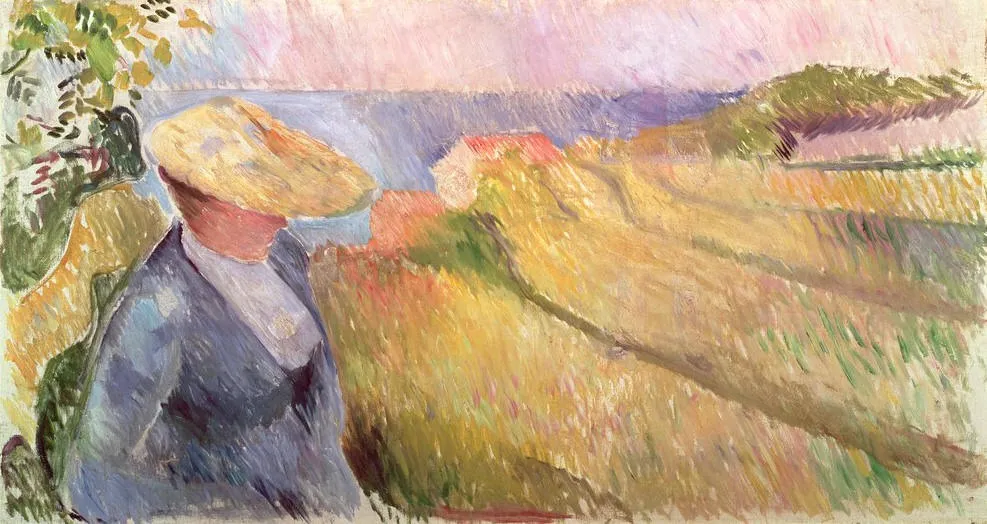
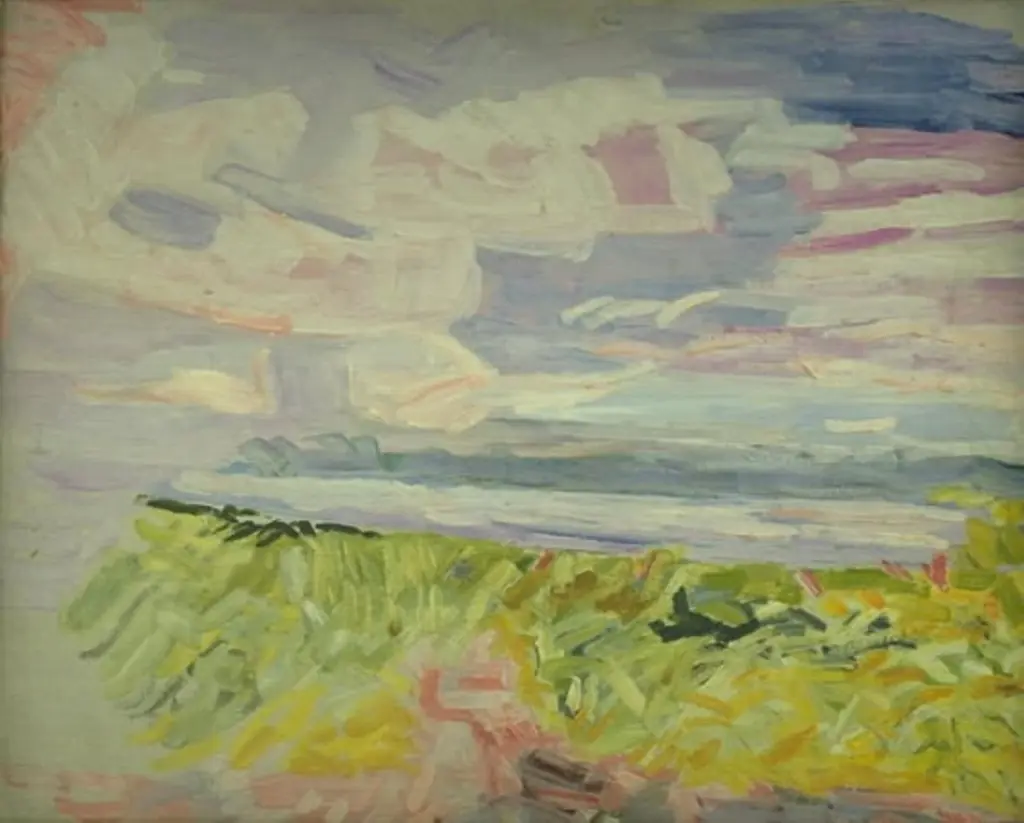
In Open Air is an oil painting by the Post-Impressionist artist Edvard Munch. It dates from 1896 and is held in the collection of the Munch Museum.
About this work
Upon closer inspection, the brushstrokes reveal a sense of movement and energy, contrasting with the calm atmosphere of the scene.
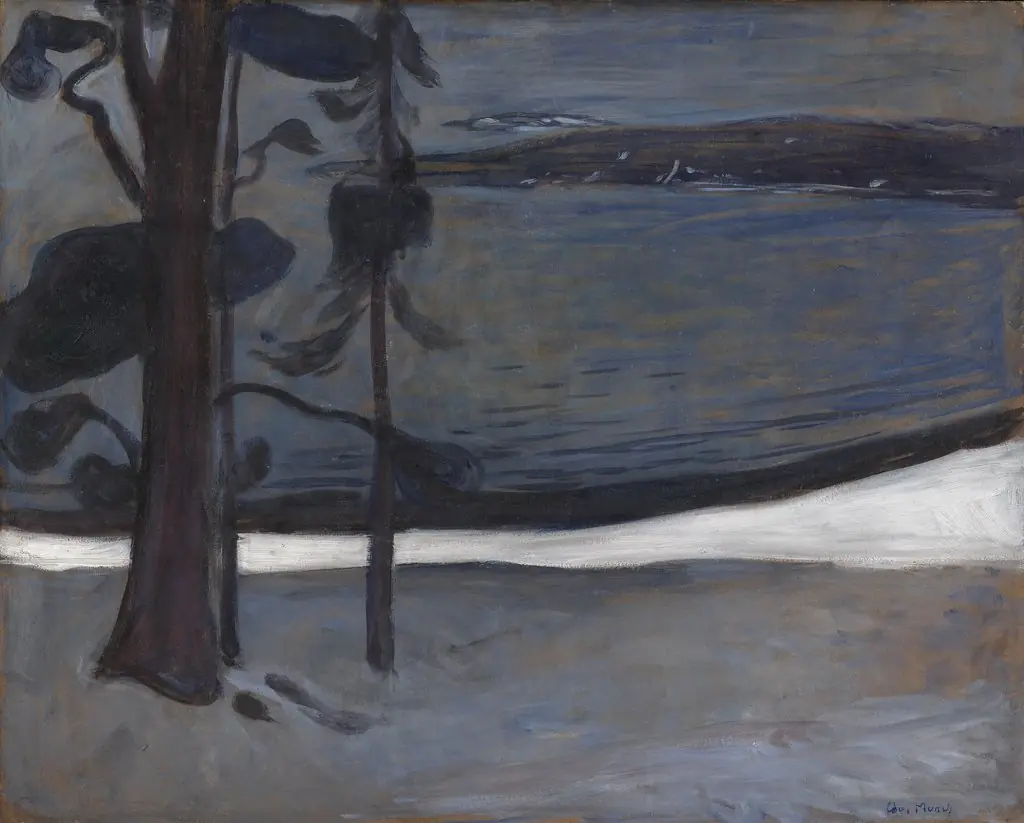
The painting "In Open Air" by Edvard Munch, created in 1891, showcases a serene landscape with a figure in the foreground. The scene is set against a backdrop of rolling hills and a distant body of water, evoking a sense of tranquility. The artist's use of oil paint brings depth and texture to the composition.
Upon closer inspection, the brushstrokes reveal a sense of movement and energy, contrasting with the calm atmosphere of the scene. The interplay of light and shadow adds depth to the painting, drawing the viewer's eye through the landscape.
To explore more works by this artist, look up Edvard Munch.
Overview
Painted in 1896, In Open Air is an oil-on-canvas work by Norwegian artist Edvard Munch. It belongs to a series in which he examined emotional landscapes rather than literal scenes. Though often associated with his more intense psychological pieces, this work presents a quieter moment, still infused with his signature sensitivity to mood. The painting resides in the Munch Museum in Oslo.
Subject & Meaning
The painting features a solitary figure positioned in a natural setting, surrounded by gentle hills and a distant expanse of water. Rather than depicting narrative action, Munch uses the figure to suggest introspection and solitude. The absence of clear identity or interaction emphasizes internal states over external events, aligning with his broader interest in the invisible dimensions of human experience.
Technique & Style
Munch applied oil paint with deliberate, fluid brushwork that conveys motion without disrupting the scene’s stillness. Layers of pigment build subtle texture, while muted tones of green, gray, and blue establish a restrained palette. Light falls unevenly across the landscape, creating soft contrasts that guide the viewer’s gaze without dramatic emphasis, reinforcing the painting’s contemplative tone.
History & Provenance
Created in 1896, In Open Air was produced during a period when Munch was refining his personal visual language beyond early Symbolism. It remained in the artist’s possession until his death, after which it entered the collection of the Munch Museum, established in Oslo to preserve his legacy. The work has been consistently exhibited as part of his thematic studies of nature and emotion.
Context
In the mid-1890s, Munch was distancing himself from academic realism and exploring how color, form, and composition could express psychological tension. While In Open Air lacks the overt anguish of The Scream, it shares a preoccupation with solitude and the emotional weight of environment. It reflects broader European trends in post-impressionism that prioritized subjective experience over objective depiction.
Legacy
Though less widely known than Munch’s dramatic compositions, In Open Air exemplifies his consistent focus on inner life through landscape. It demonstrates how his stylistic innovations, loose brushwork, tonal subtlety, emotional resonance, extended beyond expressionist extremes into quieter, more nuanced modes. The painting remains a key reference in understanding the full scope of his artistic vision.
Artist & collection
Artist
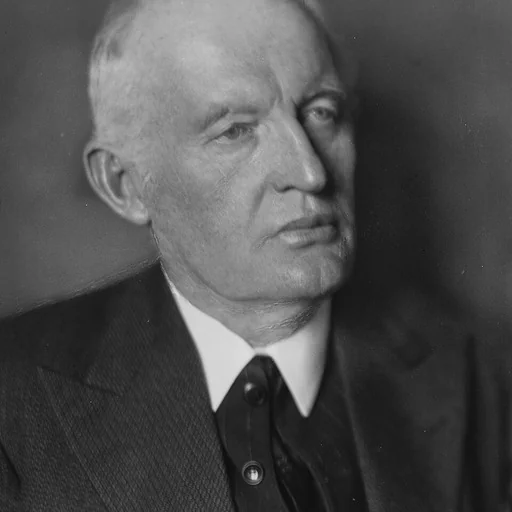
Edvard Munch ( MUUNK; Norwegian:; 12 December 1863 – 23 January 1944) was a Norwegian painter.

- Lake Bagsværd
 Lake Bagsværd
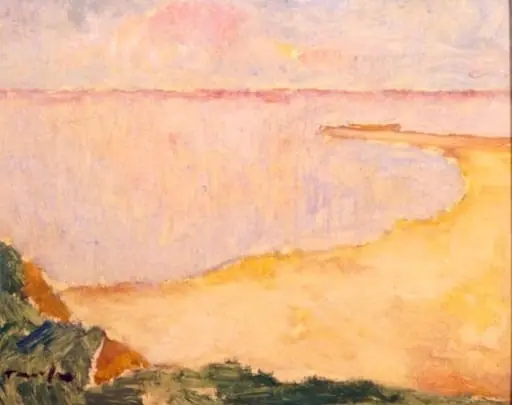 Plajă la Mangalia
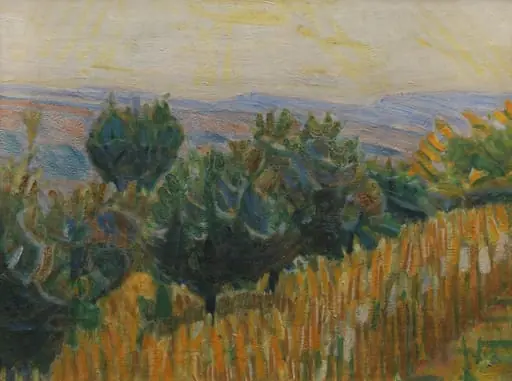 The Vine against the Light. A wheat field in the foreground. Villa Linda, Florence
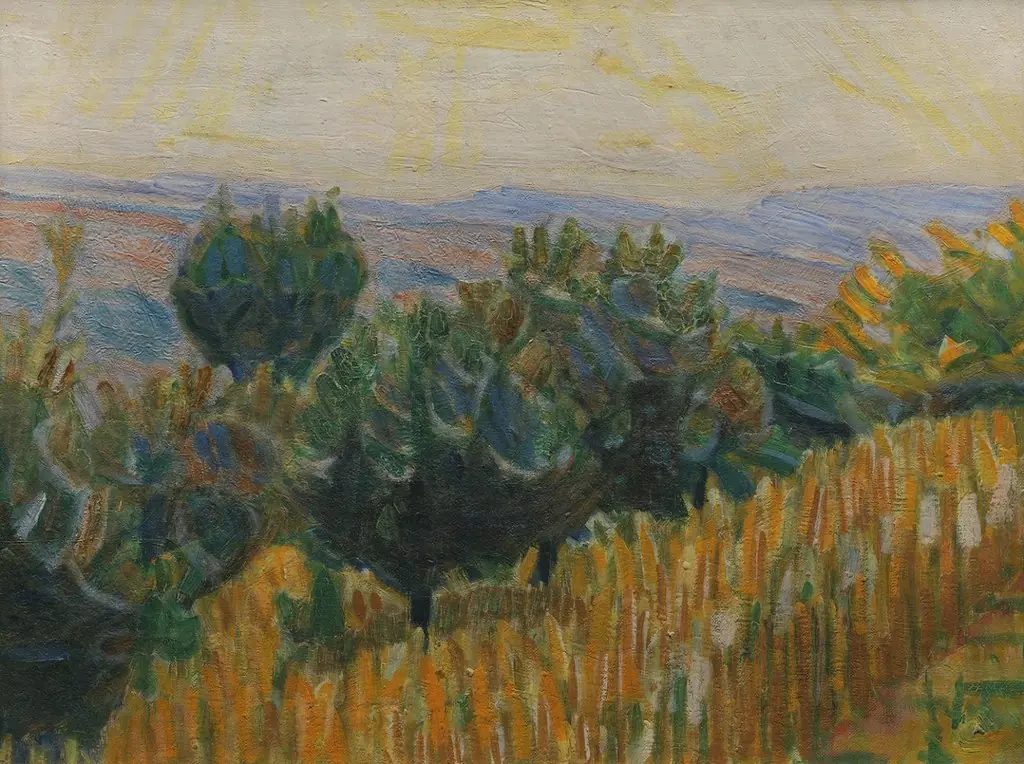 The Vine against the Light. A wheat field in the foreground. Villa Linda, Florence
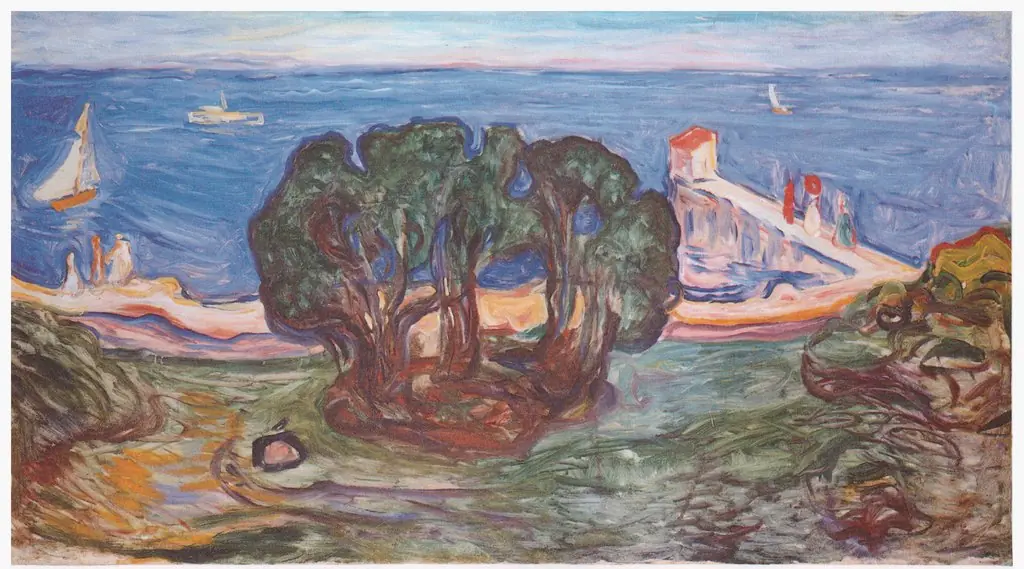 Trees by the Beach (The Linde Frieze)
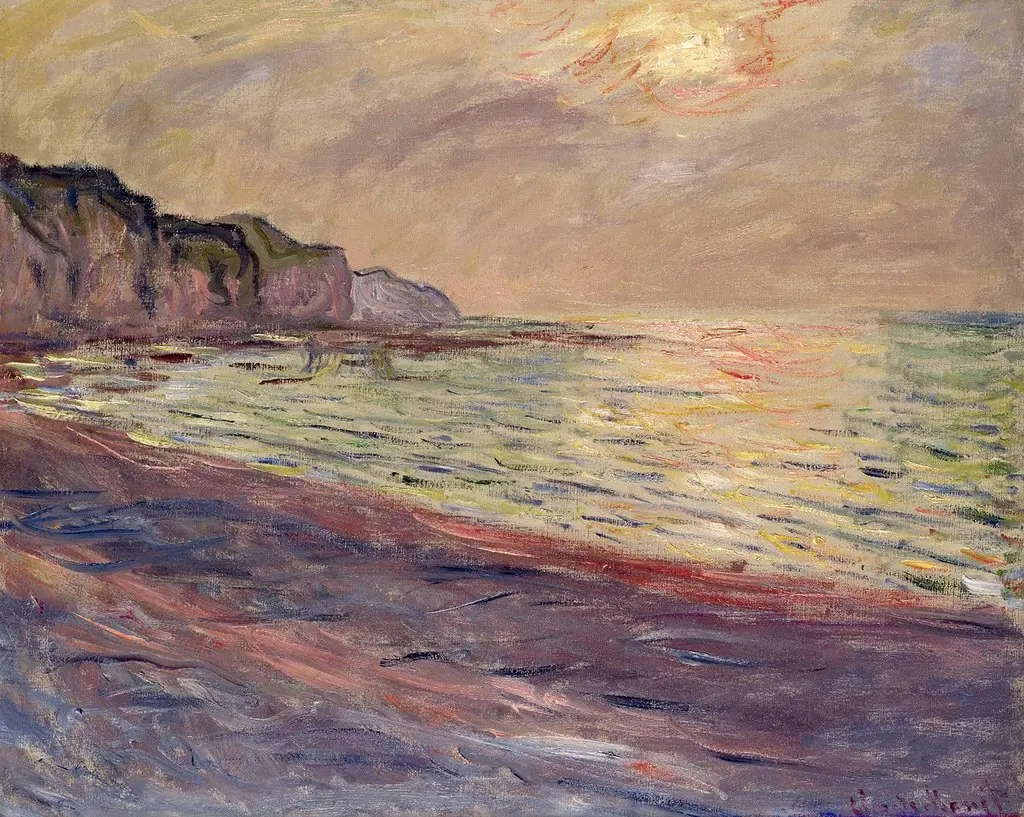 Beach in Pourville, setting sun.
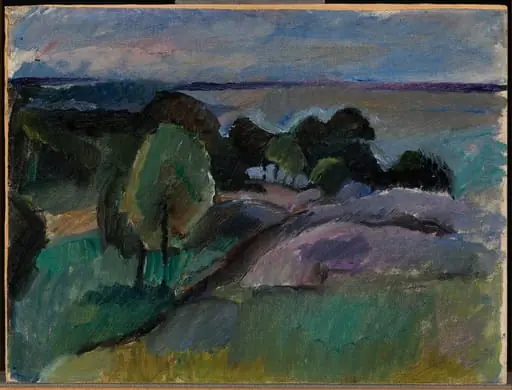 Maisema Korkeasaaresta
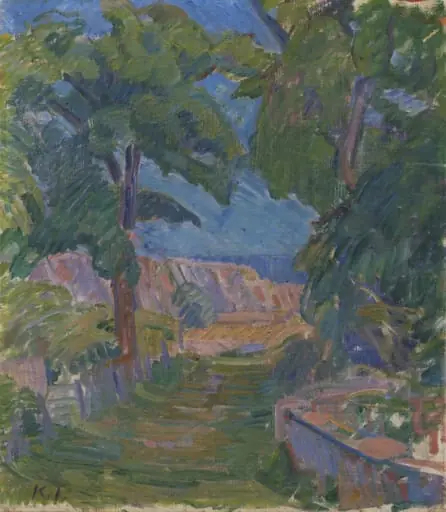 Landscape near "Mindet" on Christiansø
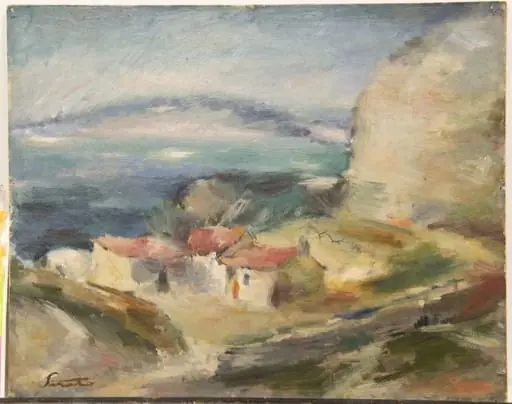 Peisaj cu case
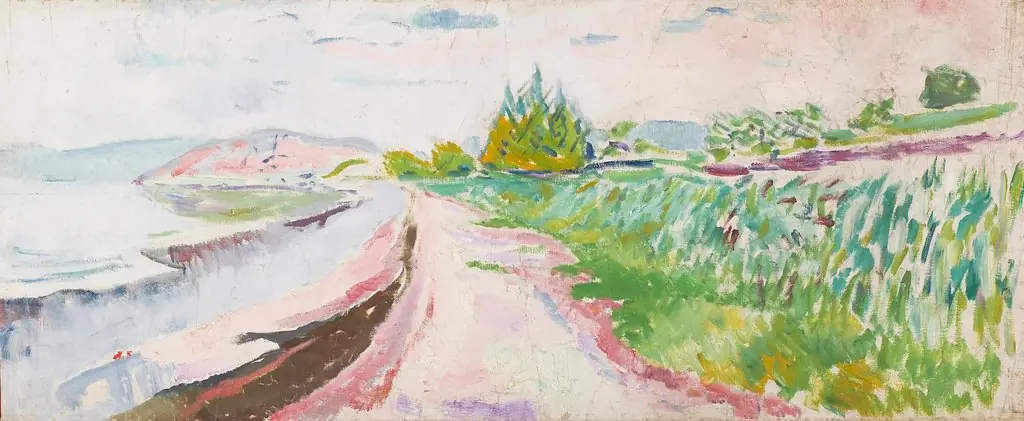 Beach Study
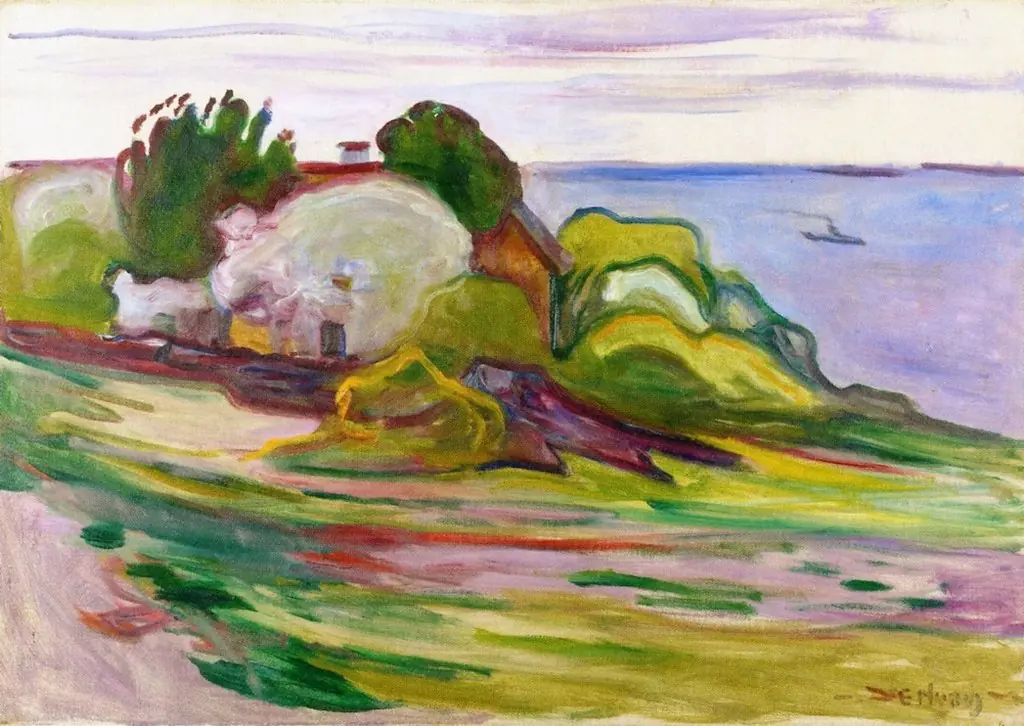 Trees and Torpedo Boat