Artwork
A Group of Animals, Geneva
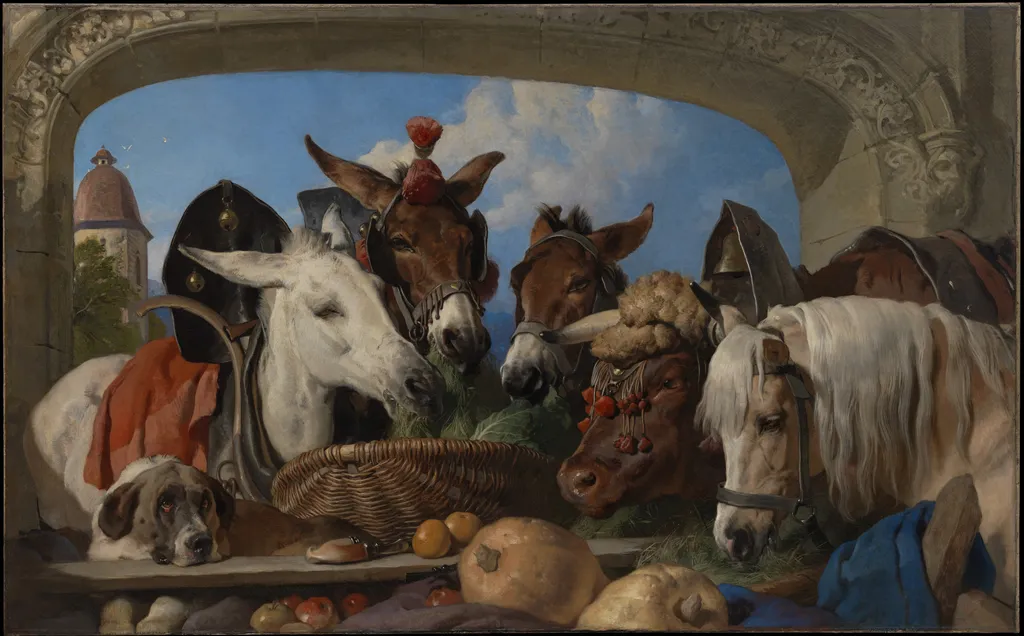
A Group of Animals, Geneva is an oil painting by the British Romanticist artist Edwin Landseer. It dates from 1851 and is held in the collection of the Los Angeles County Museum of Art.
About this work
Overview
Edwin Landseer’s 1851 oil painting titled A Group of Animals, Geneva depicts a serene assembly of domestic animals gathered around a table. The composition includes a white horse, a brown horse, a donkey, a cow, and a dog, all oriented toward the tabletop laden with a basket, fruit and a blue cloth. The scene is set beneath a stone archway that frames a distant bell tower, under a clear sky.
Subject & Meaning
The work presents a harmonious tableau in which varied species coexist peacefully, suggesting themes of pastoral tranquility and the idealized rural community. By arranging the animals in a communal setting, Landseer emphasizes a sense of order and mutual respect among creatures traditionally seen as disparate.
Technique & Style
Executed in oil, the painting showcases Landseer’s skillful handling of light and shadow, employing chiaroscuro to model the forms of the animals and the surrounding architecture. The subtle gradations of tone lend depth to the figures, while the crisp rendering of the blue cloth and fruit adds textural contrast.
History & Provenance
Created in 1851, A Group of Animals, Geneva entered the collection of the Los Angeles County Museum of Art, where it remains on display. The work reflects Landseer’s mid‑century output, a period when his animal subjects were highly sought after by patrons and institutions.
Context
During the mid‑19th century, British artists frequently idealized rural life, and Landseer was a leading figure in this genre. His depictions of animals often combined naturalistic detail with allegorical undertones, aligning with contemporary tastes for moralizing and sentimental imagery.
Own this work as a print
Artist & collection

Artist
Sir Edwin Henry Landseer was an English painter and sculptor, well known for his paintings of animals – particularly horses, dogs, and stags. His best-known work is the lion sculptures at the base of Nelson's Column in Trafalgar Square.

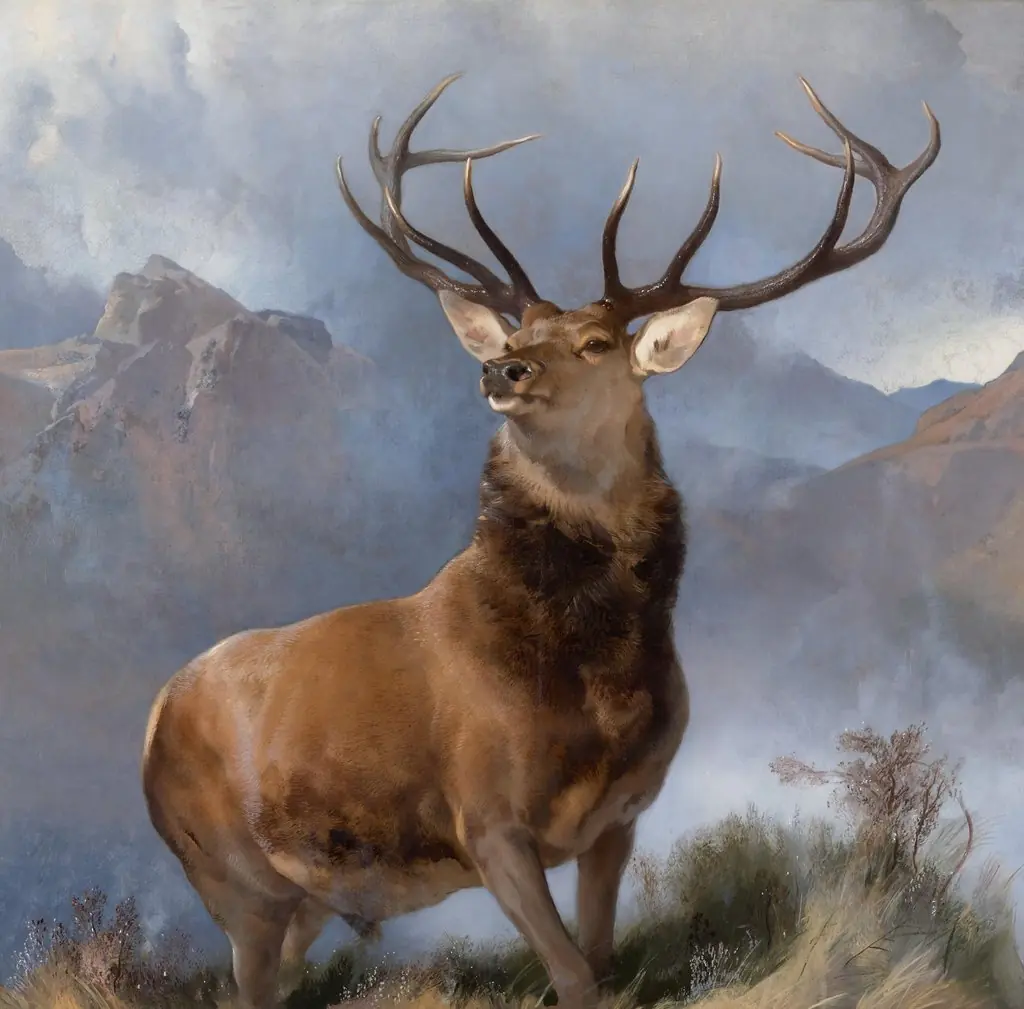
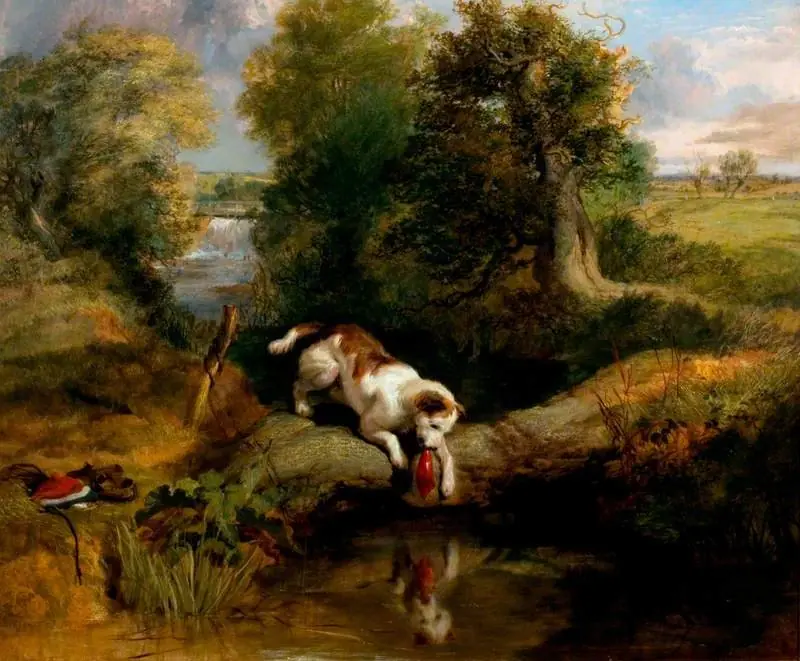
- Greedy and Lazy, Moderate and Industrious
 Still life
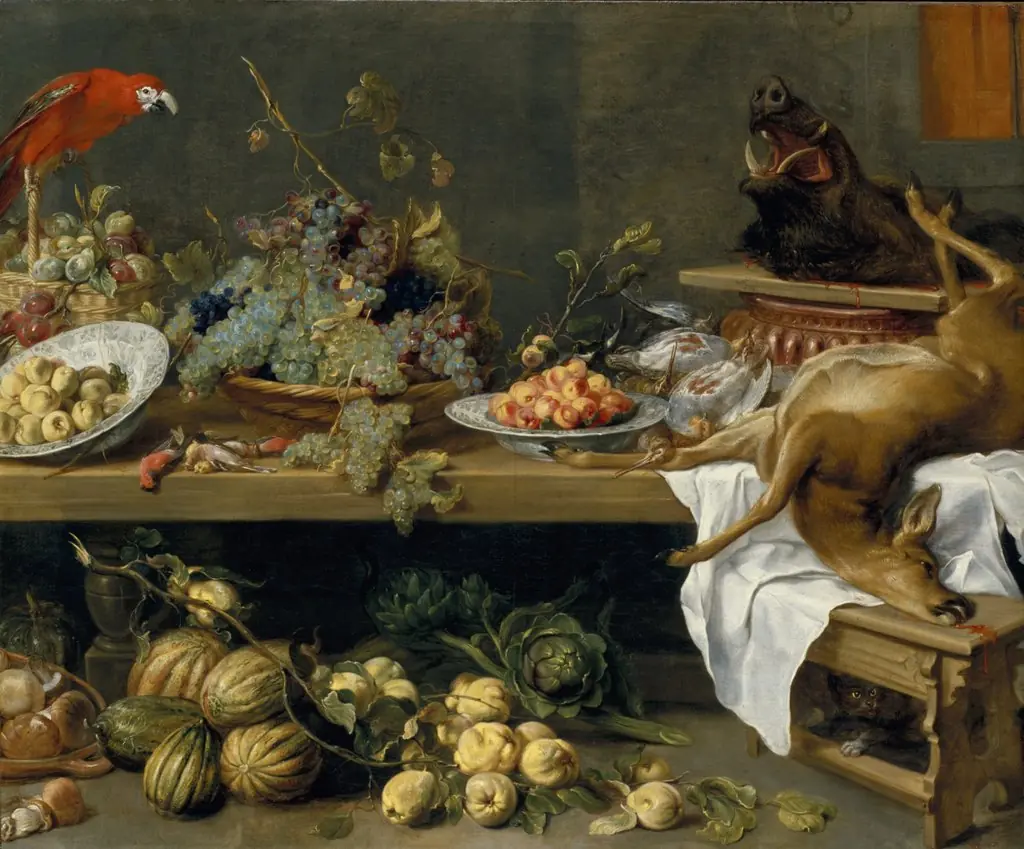 Still Life with Fruit, Vegetables and Dead Game
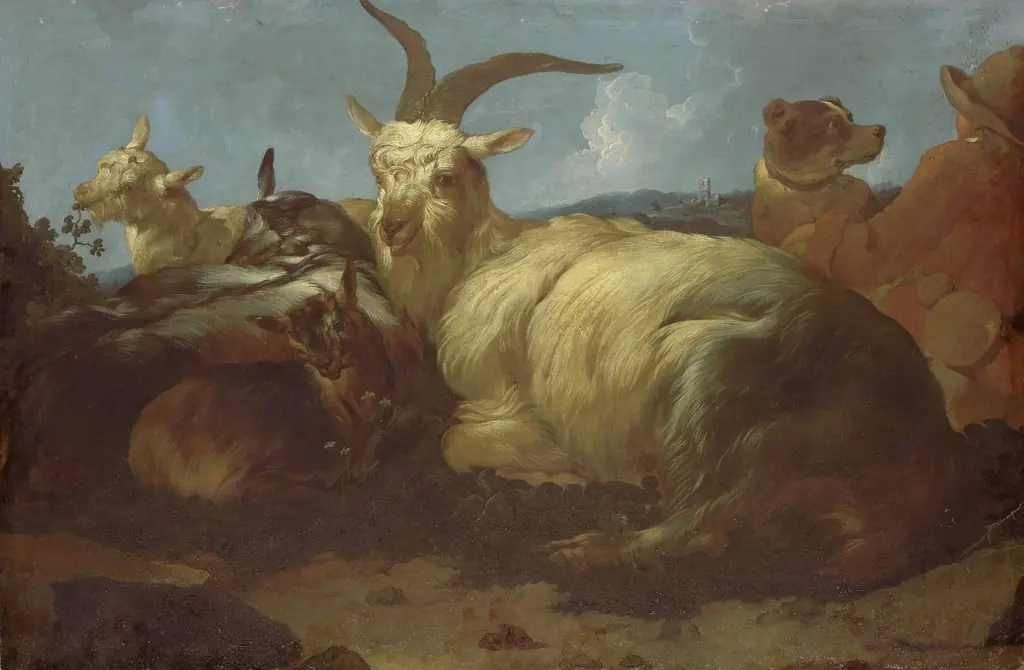 A Goatherd Watching his Animals
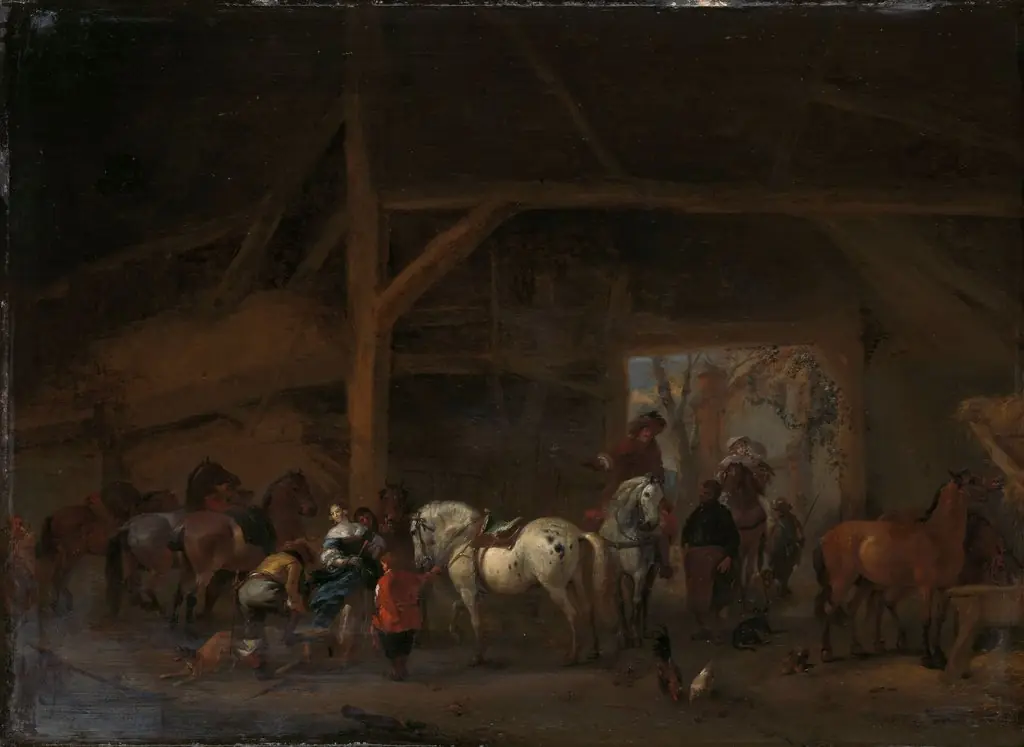 A stable
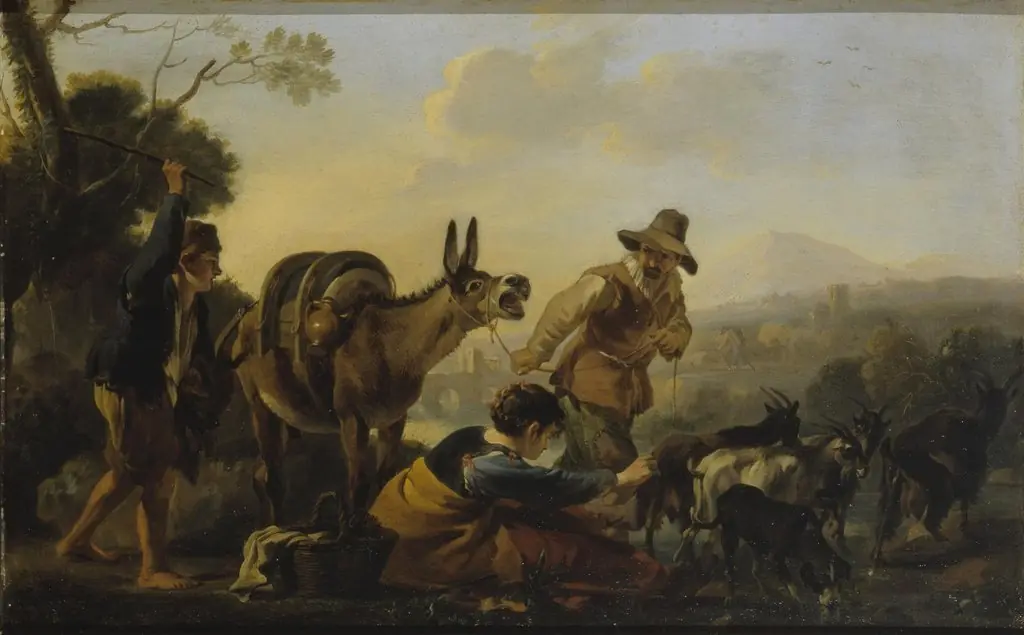 Genre Scene
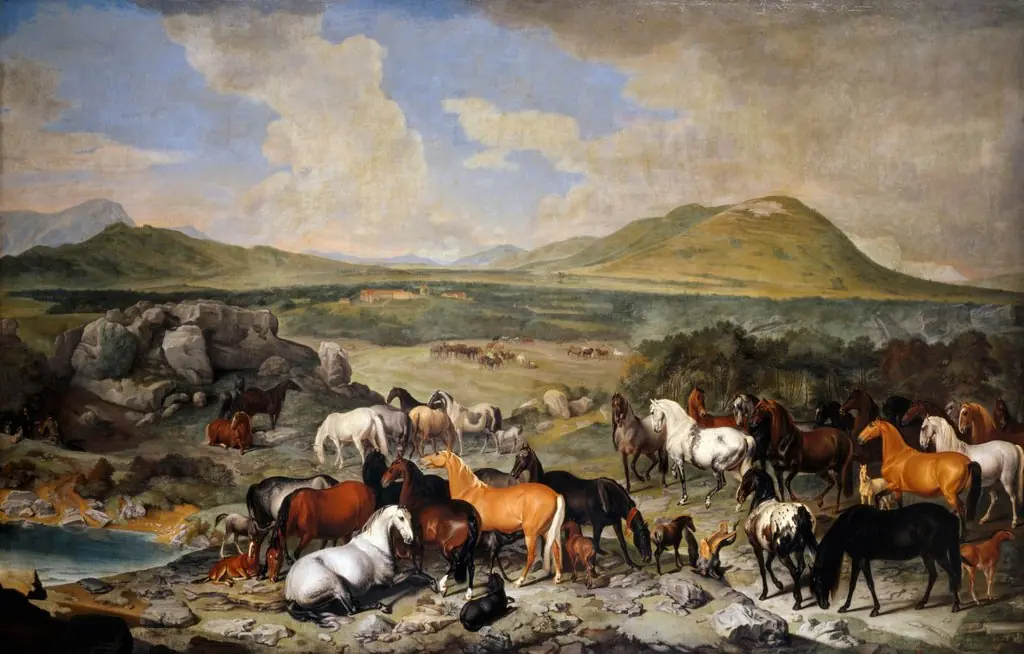 Kaiserliches Gestüt zu Lipizza am Karst
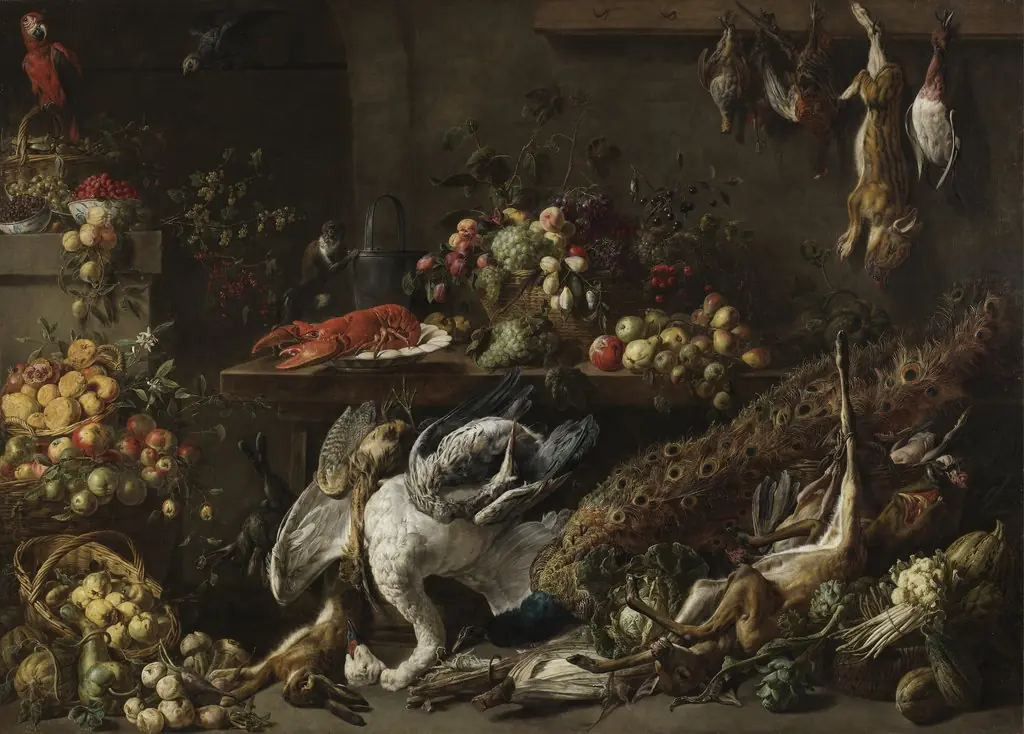 A Larder
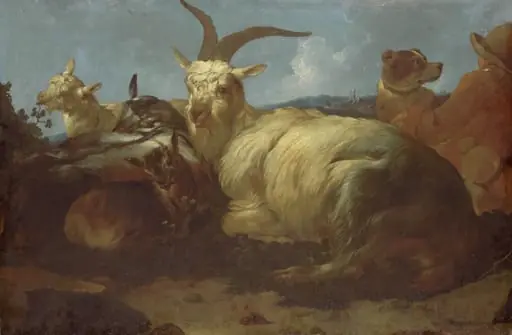 A Goatherd Watching his Animals
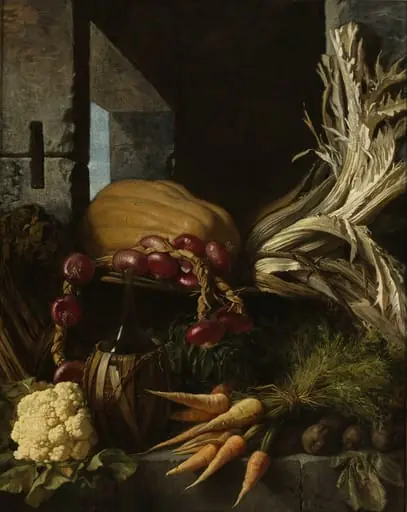 Juureksia ja vihanneksia kellarissa
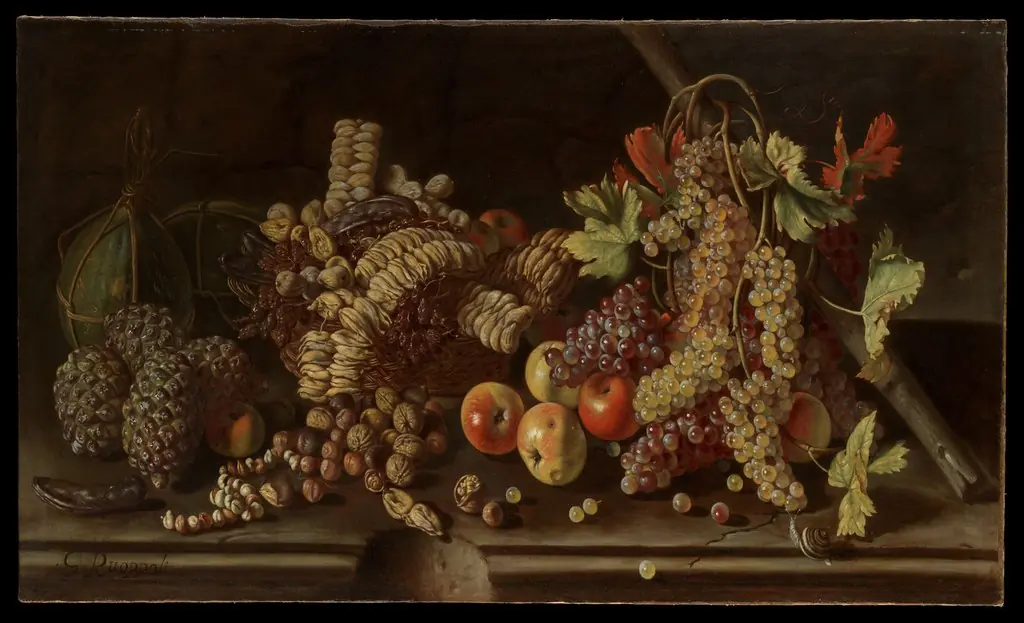 Still Life of Fruit and Nuts
 Greengrocery Stall