Artwork
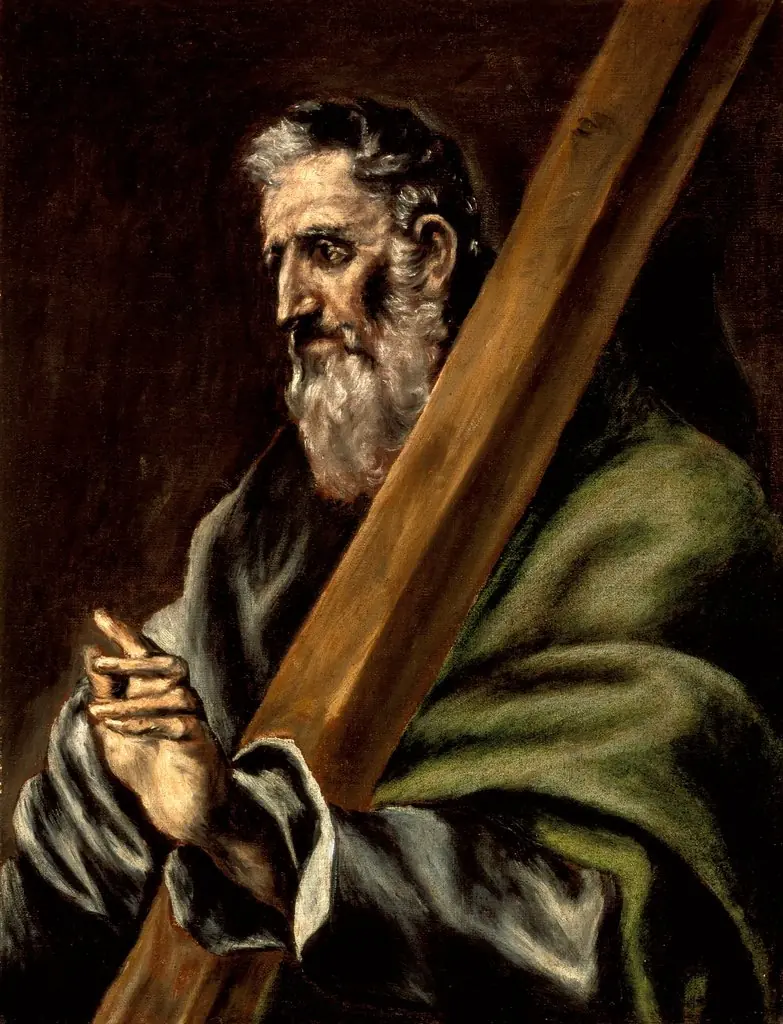
Saint Thomas the Apostle
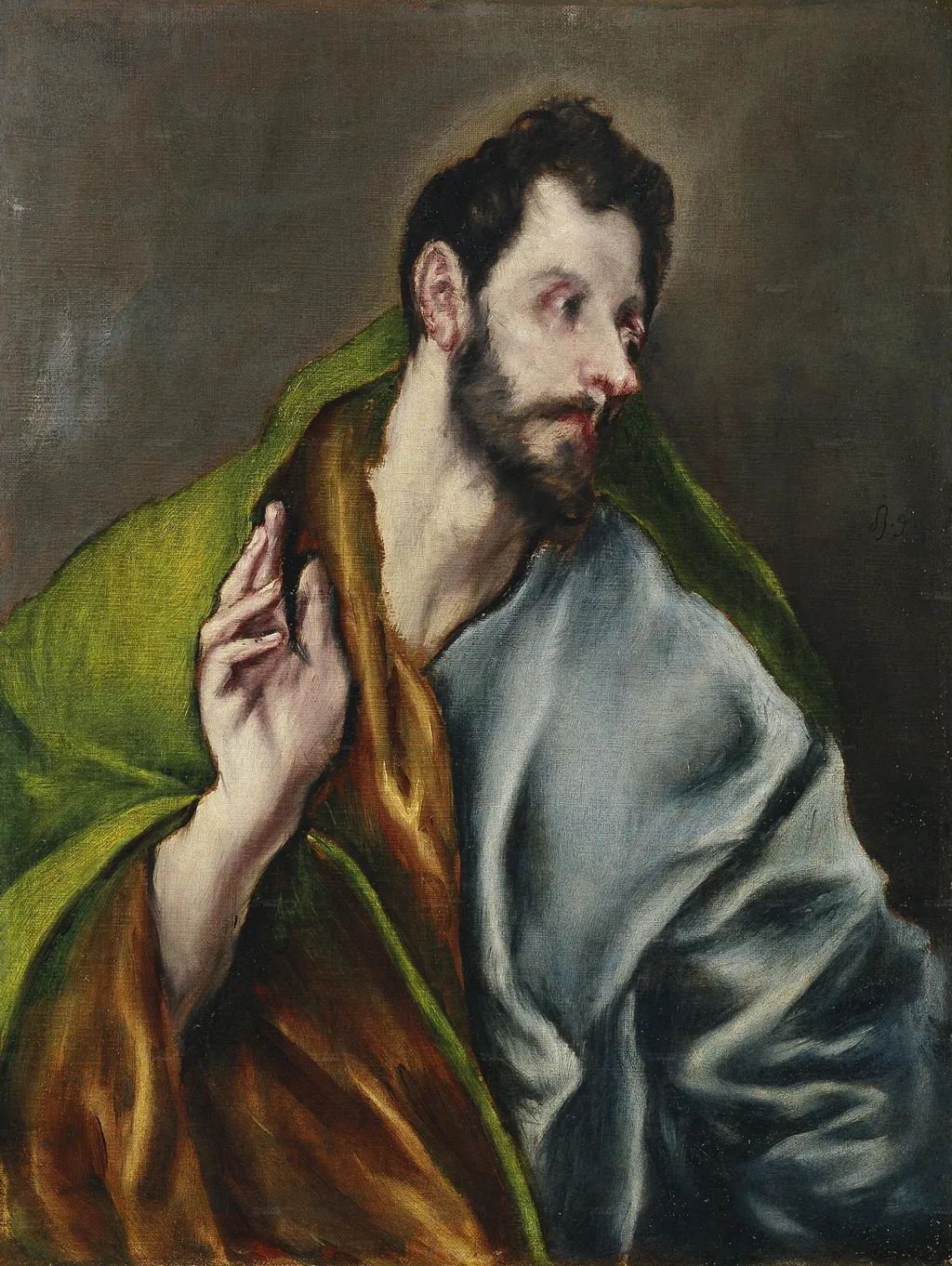
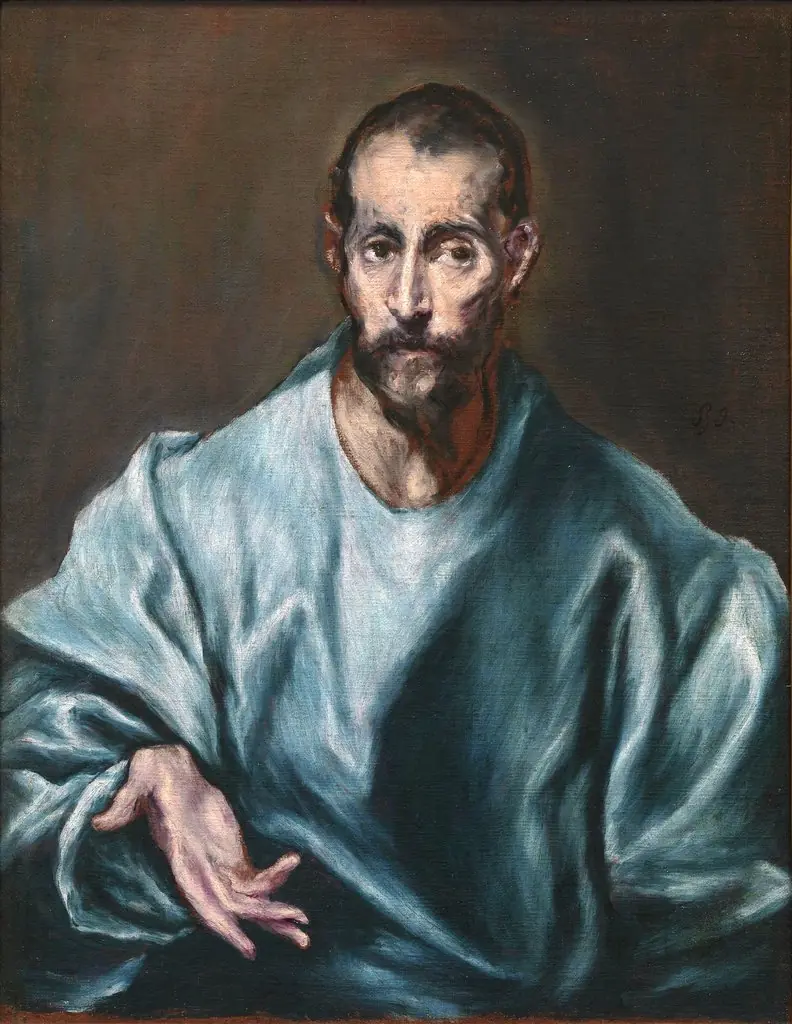
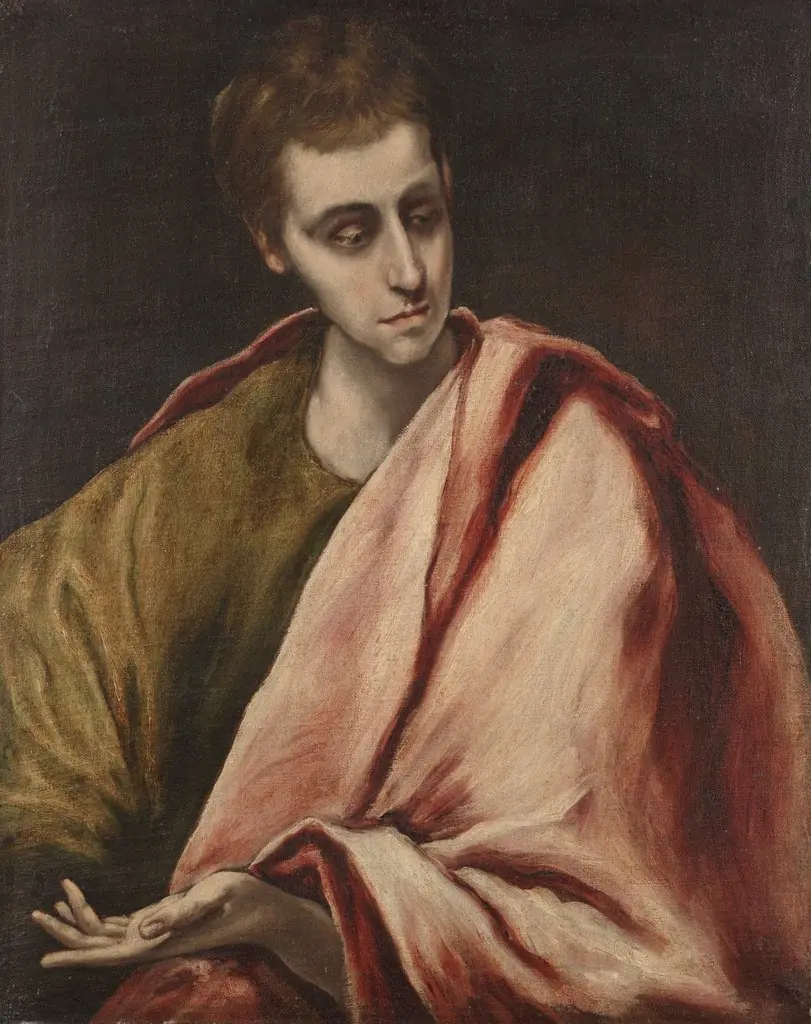
Saint Thomas the Apostle is an oil painting by the Mannerist artist El Greco. It dates from 1608 and is held in the collection of the Museo del Prado.
About this work
El Greco painted a picture of Saint Thomas, one of Jesus’s twelve apostles. It’s oil paint on a canvas, done around 1608. Now it hangs in Madrid’s Museo del Prado.
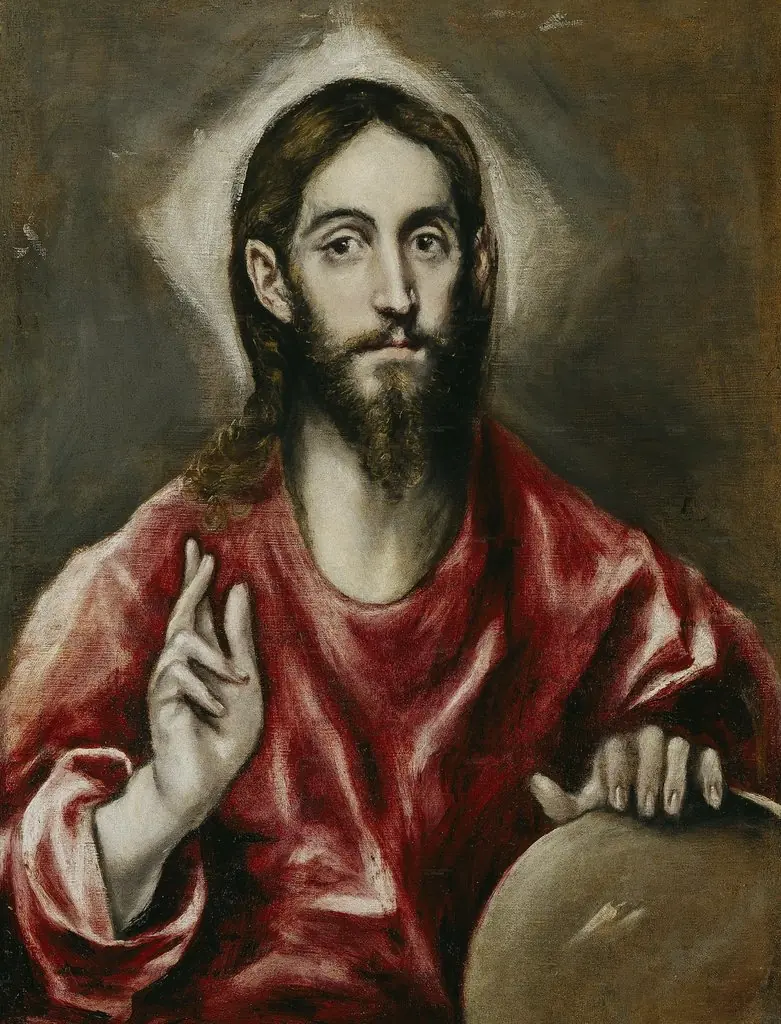
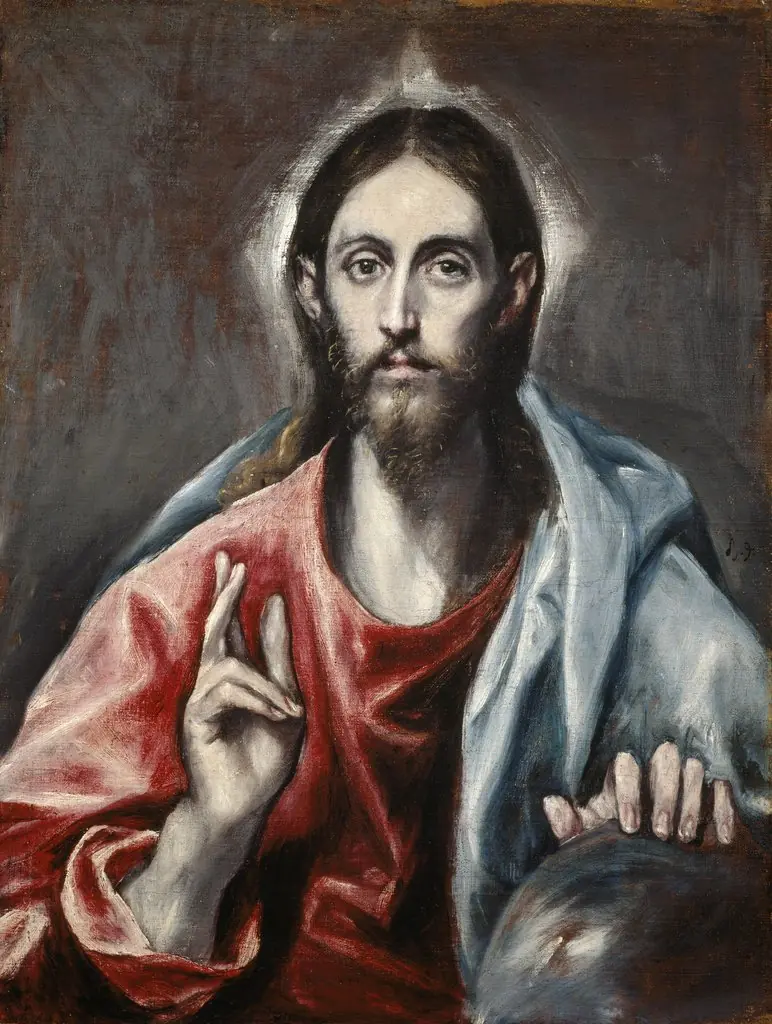
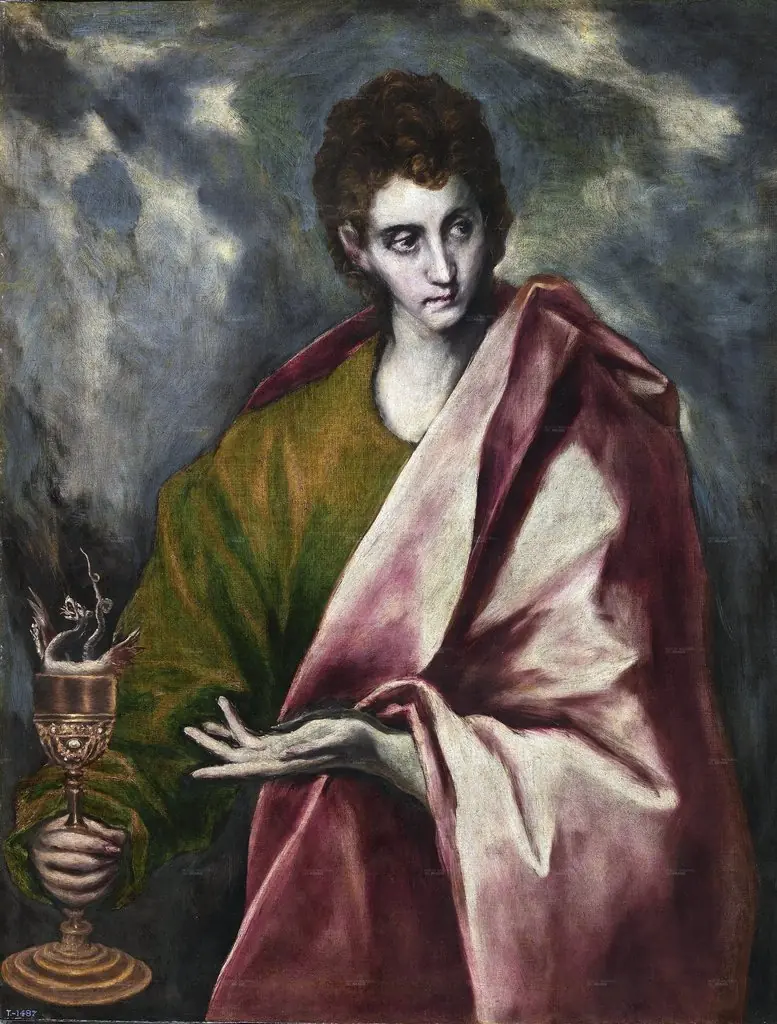
El Greco loved long, stretched-out figures and bright, almost glowing colors. This work shows that style in full swing.
Check out the Museo del Prado to see more of El Greco’s work.
Subject & Meaning
Instead, the work relies on the subject's intense expression and the artist's signature, formed by the Greek letters delta and theta, to establish identity.
The painting depicts Thomas the Apostle as a common man rather than a glorified saint, characterized by a face that aligns with Gregorio Marañón's theory regarding the artist's use of mental patients from the Hospital del Nuncio as models. Unusually for an apostle, the figure lacks a specific attribute or symbol that would traditionally identify his martyrdom or mission. Instead, the work relies on the subject's intense expression and the artist's signature, formed by the Greek letters delta and theta, to establish identity. The composition follows the established format of El Greco's apostle series, featuring the saint turned to the right with a raised hand, though the execution appears schematic and potentially unfinished by the master himself.
Technique & Style
The work is an oil painting on canvas measuring 72 by 55 centimeters, created between 1608 and 1614. The surface bears faint Greek initials delta (δ) and theta (θ) on the shoulder, interpreted as a signature. Brushwork is described as loose and dragged, especially in the apostle’s clothing, contributing to a somewhat schematic and possibly unfinished appearance that may reflect collaboration with the artist’s workshop. The composition repeats the pose of other apostles in the series, yet lacks distinct attributes, combining a green mantle with a blue tunic and brown-red drapery in an arrangement noted for its unconventionality. The figure faces right with an uplifted right hand, aligning with other apostolic depictions, while the representation draws on Gregorio Marañón’s theory that El Greco used patients from the Hospital del Nuncio as models, rendering the saint in a manner characterized as common and psychologically intense.
History & Provenance
The painting Saint Thomas the Apostle was created by El Greco around 1608-1614 and is part of a series known as the Apostolado de Almadrones, originally commissioned for the parish church in Almadrones, Guadalajara, Spain. It entered the collection of the Museo del Prado, Madrid, where it remains. The work is catalogued as number 194 in Harold Wethey’s El Greco catalogue raisonné and bears the Greek initials delta (δ) and theta (θ) on the right shoulder as a signature. The painting Saint Thomas the Apostle by El Greco is held at the Museo del Prado in Madrid. It is cataloged under inventory number 194 in the museum's collection and forms part of the Apostolado de Almadrones series. The work was originally created for the parish church in Almadrones, Spain, and later entered the museum's holdings. It has been exhibited as part of displays focusing on El Greco's apostolic series and religious works at the Museo del Prado.
Context
Saint Thomas the Apostle (c. 1608-1614) serves as a critical component of the Almadrones Apostolate, a series of variants on El Greco's apostle paintings originally intended for Toledo Cathedral. Art historical scholarship, notably by Gregorio Marañón, utilizes the figure's expression to support the theory that the artist modeled his saints on mental patients from the Hospital del Nuncio. Harold Wethey cataloged the work as number 194 in his definitive raisonné, classifying it as a late-career piece that appears somewhat schematic and possibly unfinished by the master, with completion attributed to his workshop. Stylistically, the painting adheres to Mannerist conventions through its loose, dragged brushwork and the saint's turned posture, yet it lacks the specific attributes found in other versions of the apostle, presenting a unique study within El Greco's broader religious output.
Legacy
The painting's legacy is anchored in its role within El Greco's Apostolado series for the parish church in Almadrones, a project that contributed to scholarly theories about his use of unconventional models, including patients from the Hospital del Nuncio, as documented in historical analyses of the work. Its inclusion in the Museo del Prado's collection and recognition through cataloging by art historian Harold Wethey underscore its significance in the study of Mannerist religious art. The work's distinctive composition, characterized by loose brushwork and symbolic details such as the Greek initials δ and θ, has informed broader discussions on El Greco's stylistic evolution and workshop practices, as noted in academic literature and institutional records.
Own this work as a print
Artist & collection
Artist
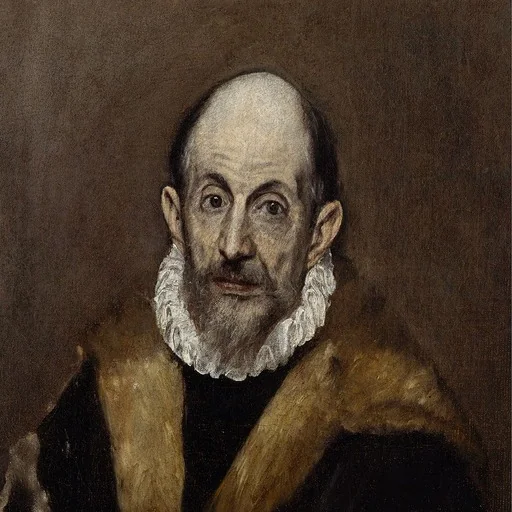
Doménikos Theotokópoulos was born in 1541 in Candia (modern Heraklion), the capital of Venetian-ruled Crete, where he was trained in the post-Byzantine tradition of icon painting.