Artwork
Stephen, King of England
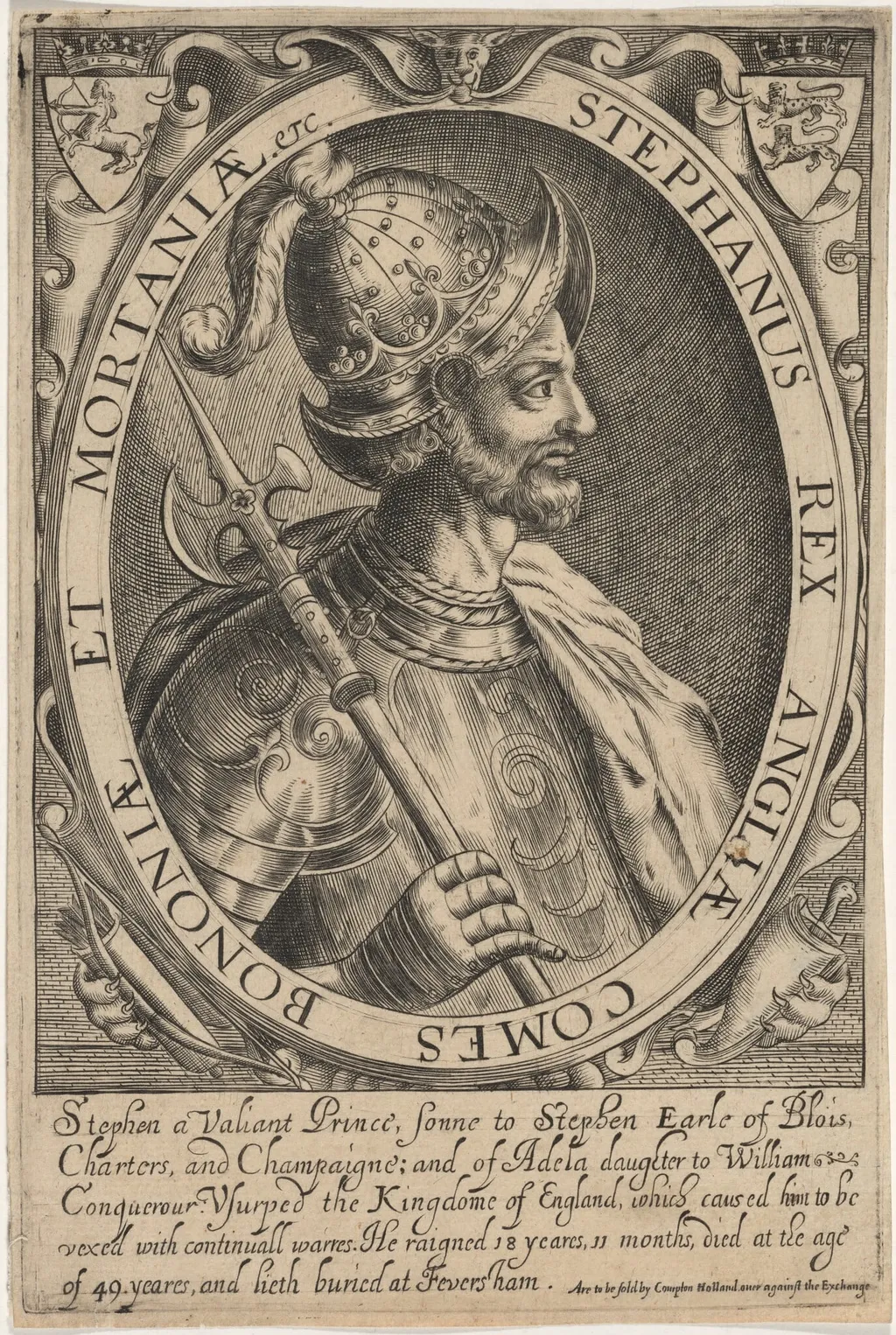
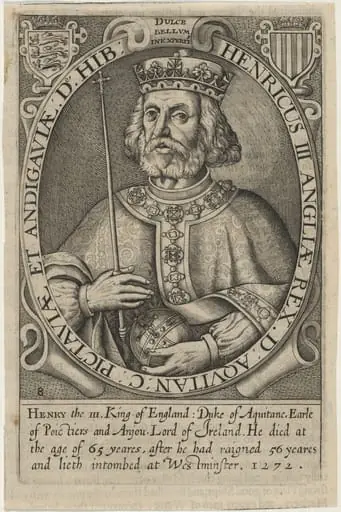
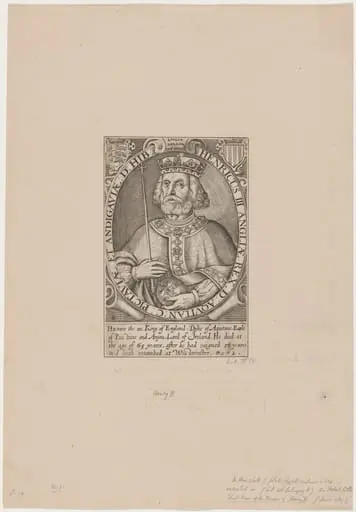
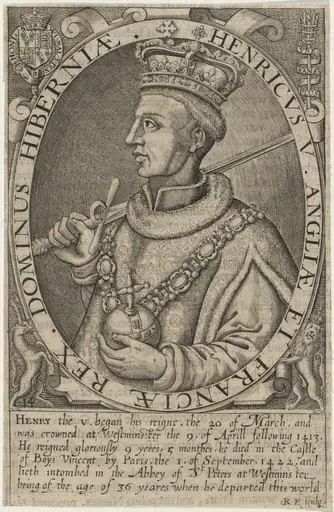
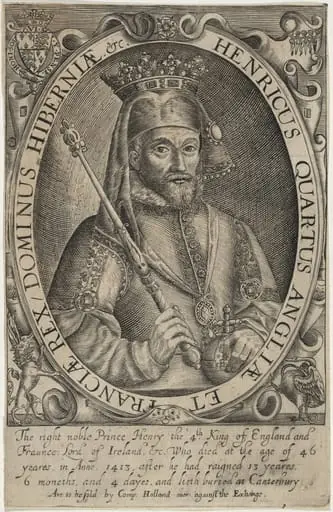
Stephen, King of England is an ink print by the Baroque artist Renold Elstrack. It dates from 1618 and is held in the collection of the National Gallery of Art.
About this work
Overview
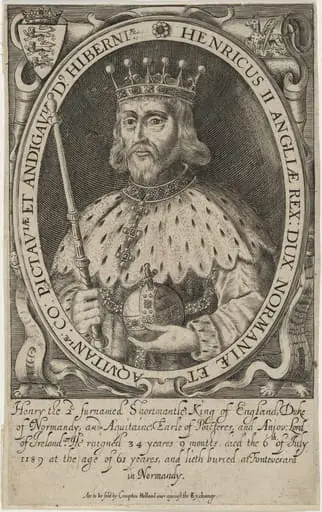
Rendered in black ink, the image focuses on the monarch’s head and shoulders, framed by an ornamental oval border inscribed with Latin text.
Renold Elstrack’s 1618 engraving presents a portrait of Stephen, who briefly occupied the English throne in the mid‑12th century. Rendered in black ink, the image focuses on the monarch’s head and shoulders, framed by an ornamental oval border inscribed with Latin text. The composition emphasizes the regal accoutrements, a crown with intricate scrollwork and a ruffled collar, while the king’s solemn expression conveys the gravity of his short reign.
Subject & Meaning
The work identifies Stephen as a monarch whose tenure was marked by civil conflict and contested legitimacy, known historically as The Anarchy. By portraying him with a dignified, bearded visage and a crown, the engraving underscores his claim to sovereignty despite the brevity of his rule, inviting viewers to reflect on the fragility of medieval authority.
Technique & Style
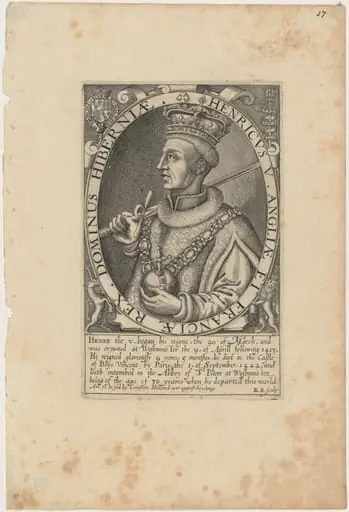
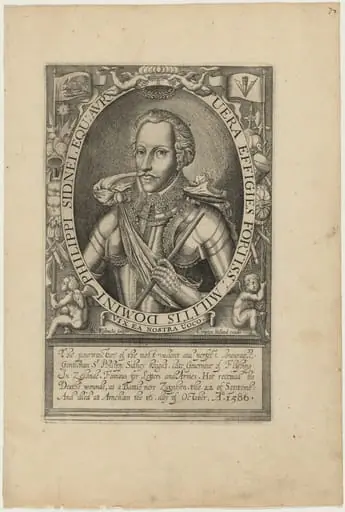
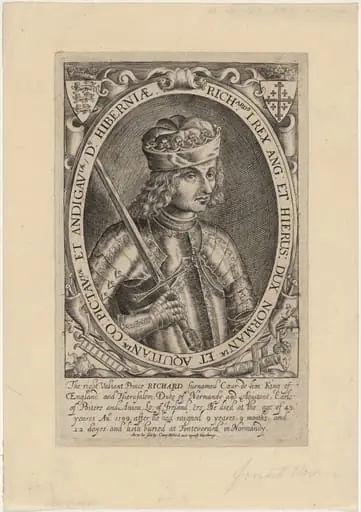
Elstrack employed the intaglio engraving process, incising fine lines into a copper plate before transferring the image onto paper. The high‑contrast black‑and‑white rendering allows for meticulous detailing of facial features, textile folds, and the decorative crown. The surrounding oval frame, filled with Latin mottos, demonstrates the period’s penchant for integrating textual elements with visual portraiture.
History & Provenance
Created in early 17th‑century London, the print reflects a renewed interest in England’s medieval past during the Stuart era. While the original copper plate has not survived, surviving impressions are held in several European print collections, indicating the work’s circulation among collectors of historical portraiture.
Context
The engraving belongs to a broader tradition of portrait prints that commemorated historical figures for scholarly and didactic purposes. In the early 1600s, such images served both as visual records for antiquarians and as decorative objects that reinforced national narratives about England’s lineage of rulers.
Own this work as a print
Artist & collection