Artwork
Landscape
About this work
Overview
Rather than depicting natural scenery literally, it translates environmental elements into geometric forms and bold color fields.
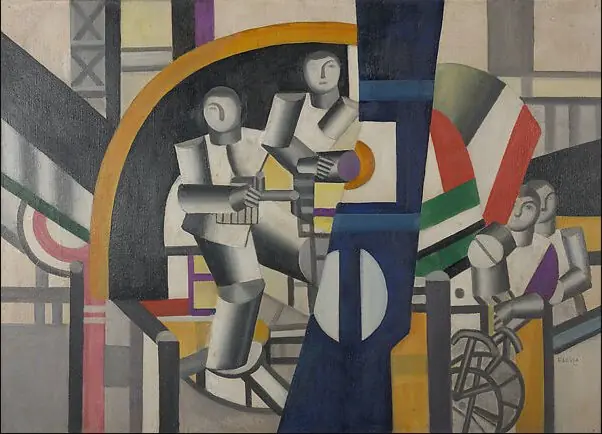
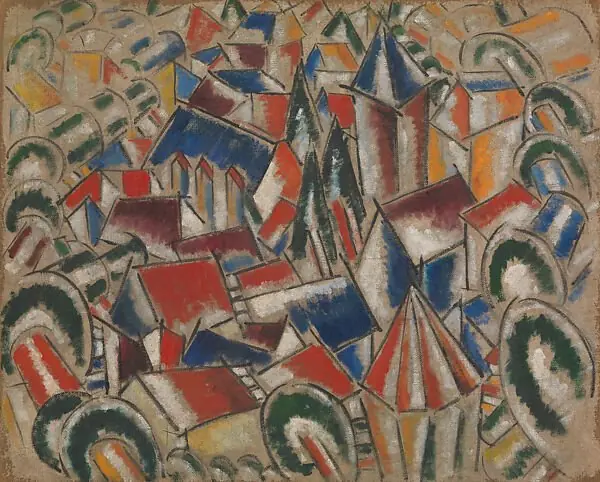
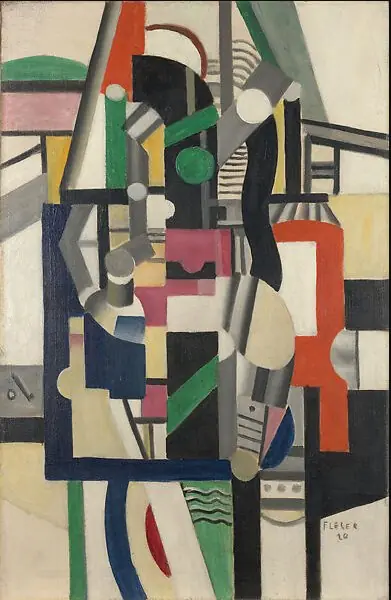
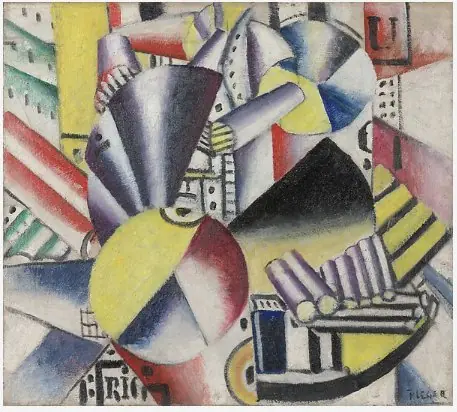
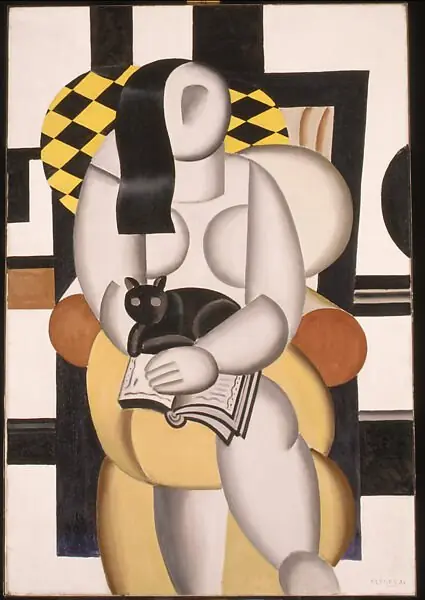
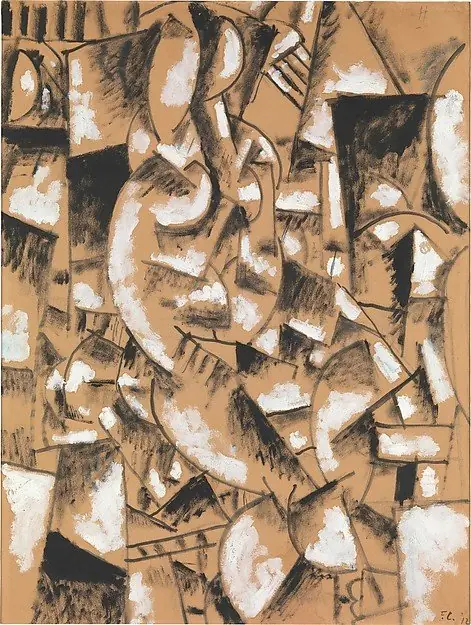
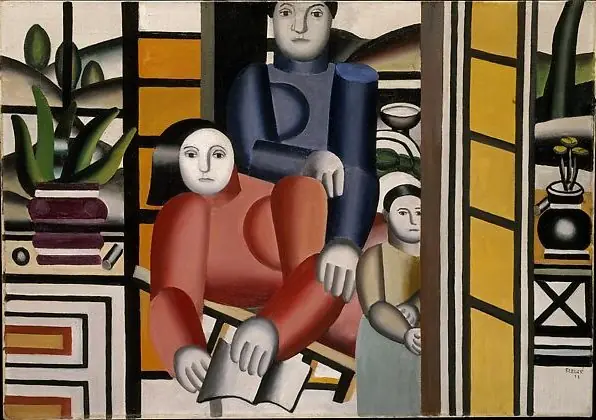
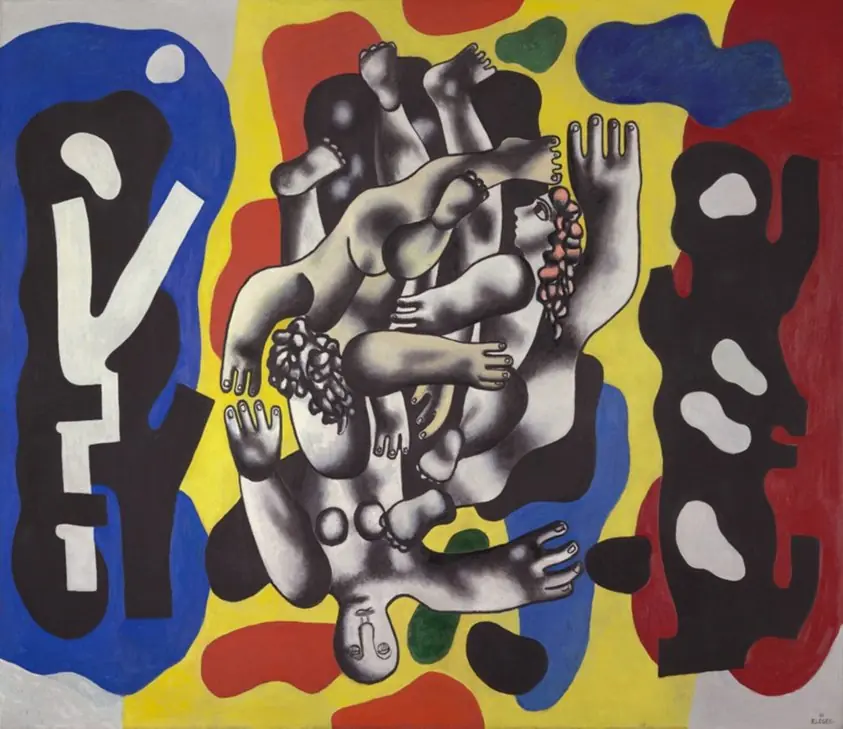
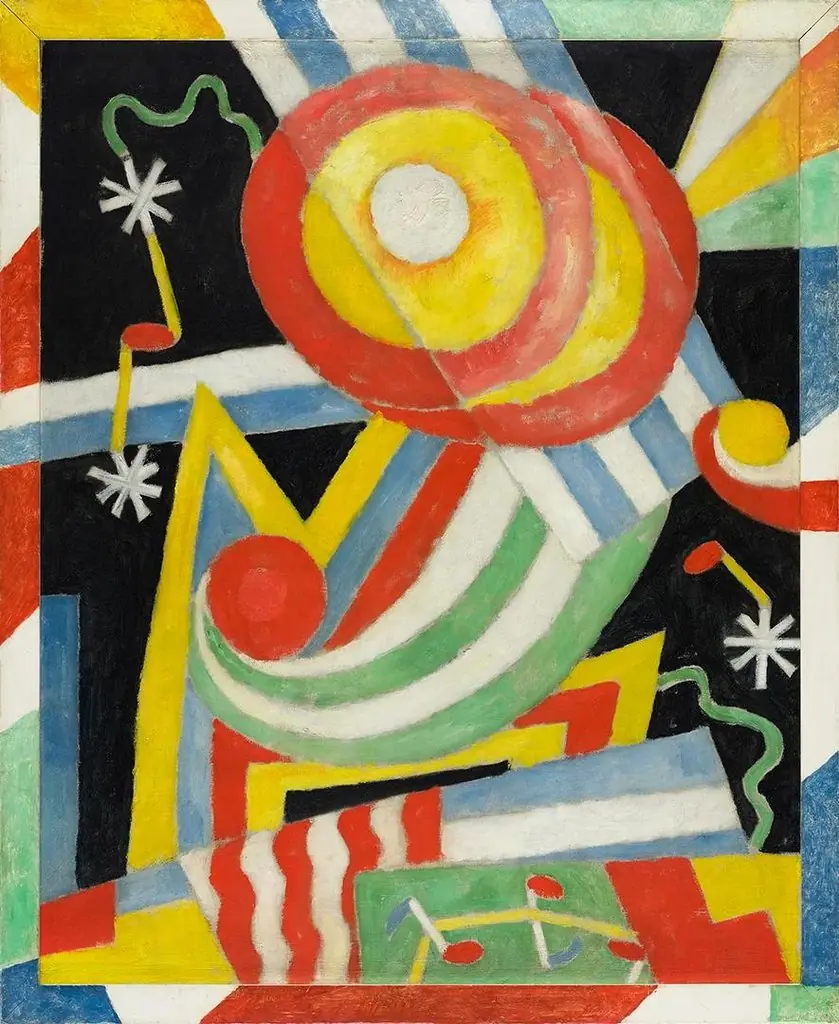
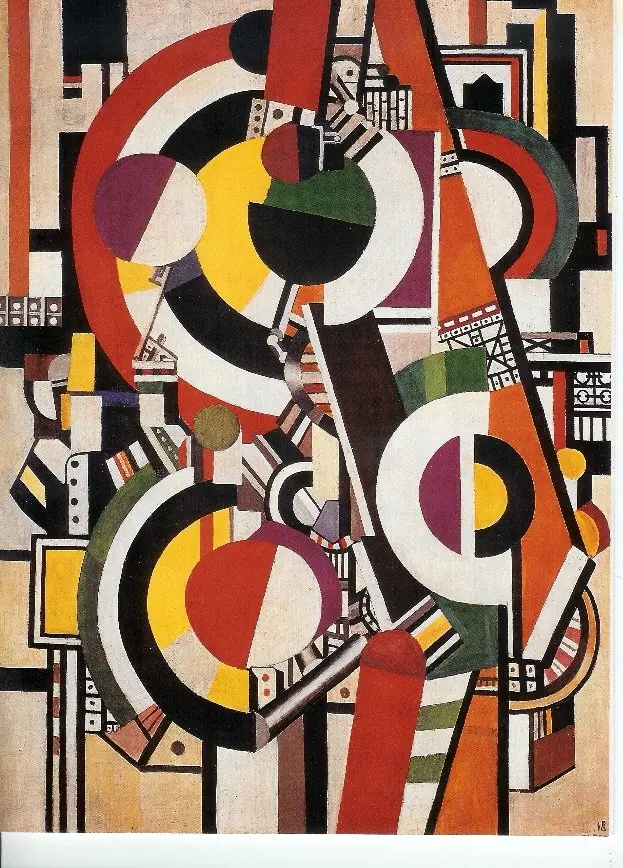
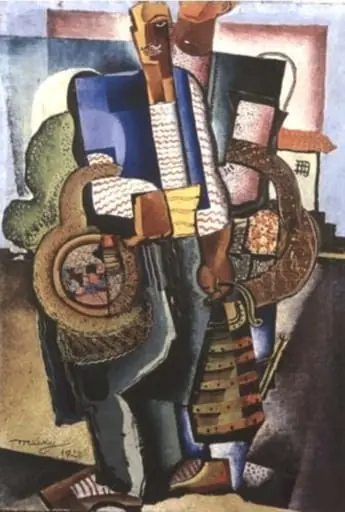
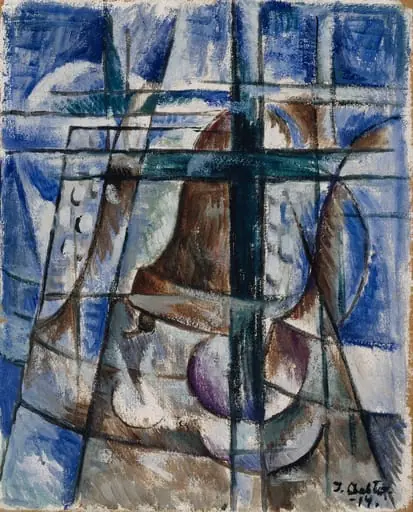
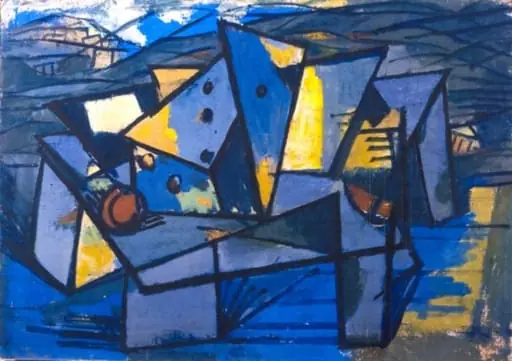
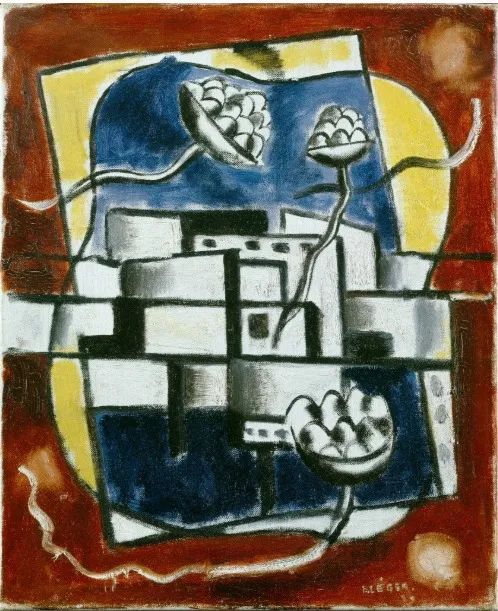
Painted in 1929, this oil on canvas work by Fernand Léger presents a non-representational interpretation of a landscape. Rather than depicting natural scenery literally, it translates environmental elements into geometric forms and bold color fields. The piece resides in the collection of the Detroit Institute of Arts, where it exemplifies Léger’s distinctive fusion of modernist abstraction with references to the visible world.
Subject & Meaning
The painting does not illustrate a specific place but evokes the structure and rhythm of a landscape through abstracted forms. Rectangles, squares, and curved lines suggest architectural elements, terrain, and natural contours, reimagined through a mechanized aesthetic. The composition implies movement and spatial depth, reflecting Léger’s interest in how industrial modernity reshapes perception of nature and environment.
Technique & Style
Léger employed flat planes of unmodulated color, white, yellow, blue, red, and brown, to construct a dynamic visual field. Forms are sharply defined, with no blending or chiaroscuro, emphasizing clarity and structure. The interplay of straight and curved lines introduces tension and motion, characteristic of his mechanical style, which bridges Cubism and early modernist abstraction without abandoning a sense of spatial organization.
History & Provenance
Created during a period when Léger was refining his signature style after World War I, the painting entered the Detroit Institute of Arts’ collection in the mid-20th century. Its acquisition reflected the museum’s broader commitment to modern European art. No significant changes in ownership or condition are documented, and it has remained in the institution’s care since acquisition.
Context
In the late 1920s, Léger was deeply engaged with themes of modernization and urban life, influenced by the rise of machinery and mass production. This work aligns with his broader exploration of how industrial forms could be adapted to represent natural subjects. It reflects a European modernist trend that sought to reconcile abstraction with recognizable, if transformed, reality.
Legacy
The painting contributes to Léger’s reputation as a pivotal figure in 20th-century abstraction who maintained a connection to the observable world. Its structured yet energetic composition influenced later generations of artists working in geometric abstraction and color-field painting. It remains a key example of how modernist painters redefined landscape beyond traditional representation.
Artist & collection
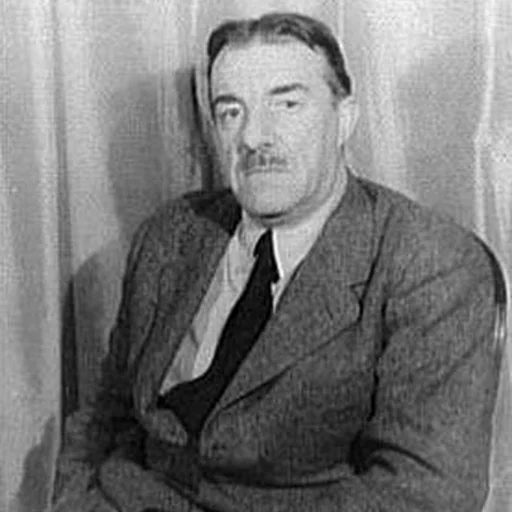
Artist
Joseph Fernand Henri Léger was a French painter, sculptor, and filmmaker. In his early works he created a personal form of cubism which he gradually modified into a more figurative, populist style. His boldly simplified…