Artwork
A Bishop Saint

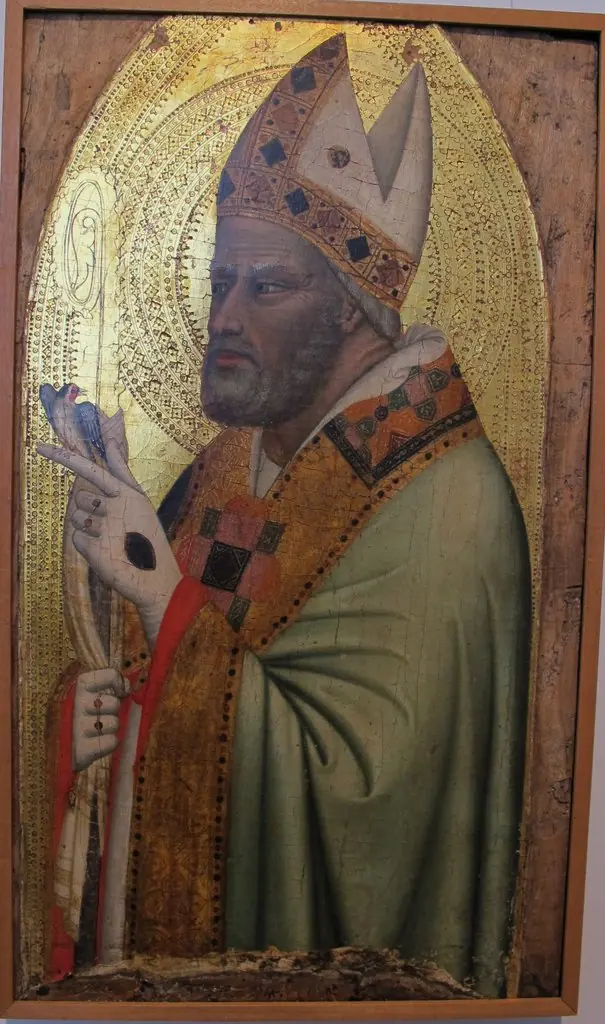
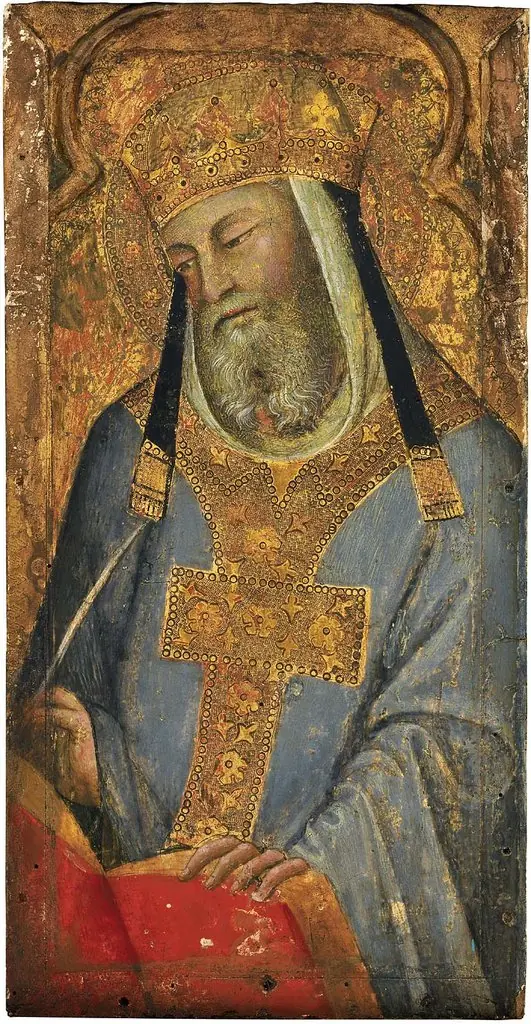
A Bishop Saint is a tempera painting by the Early Renaissance artist Fra Angelico. It dates from 1425 and is held in the collection of the Metropolitan Museum of Art.
About this work
Subject & Meaning
As a representation of a bishop saint, the painting embodies the spiritual authority and sanctity associated with such leaders in the Christian tradition.
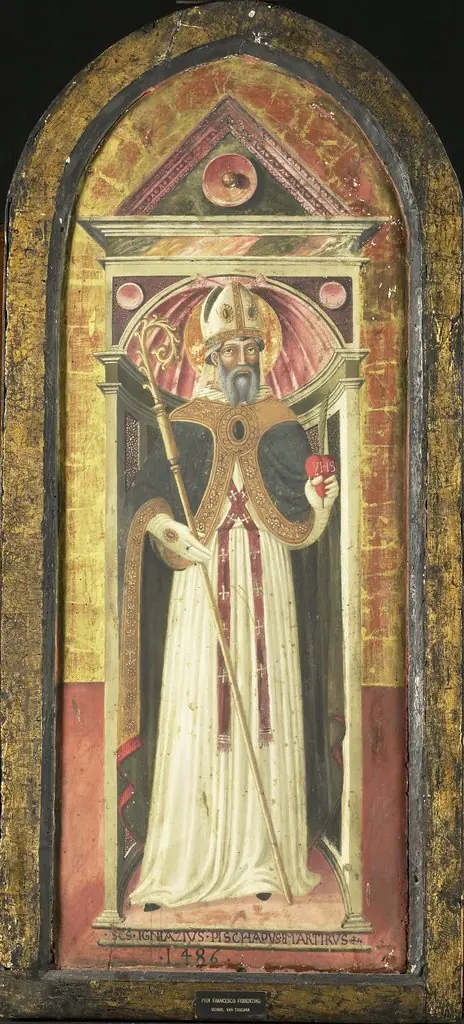
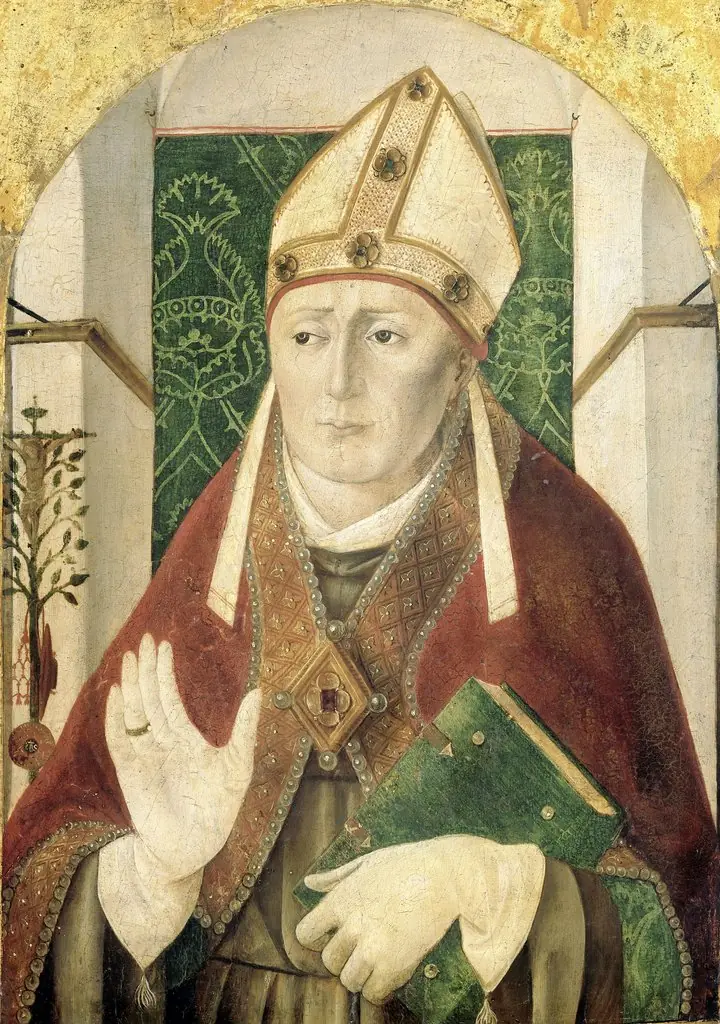
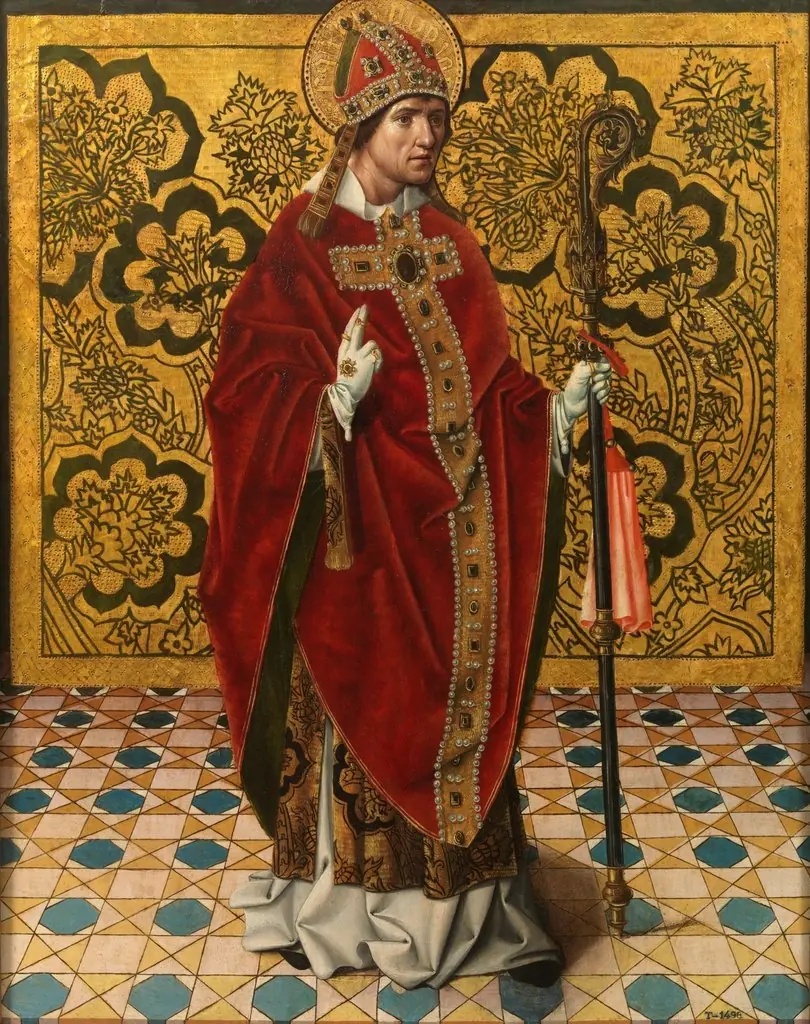
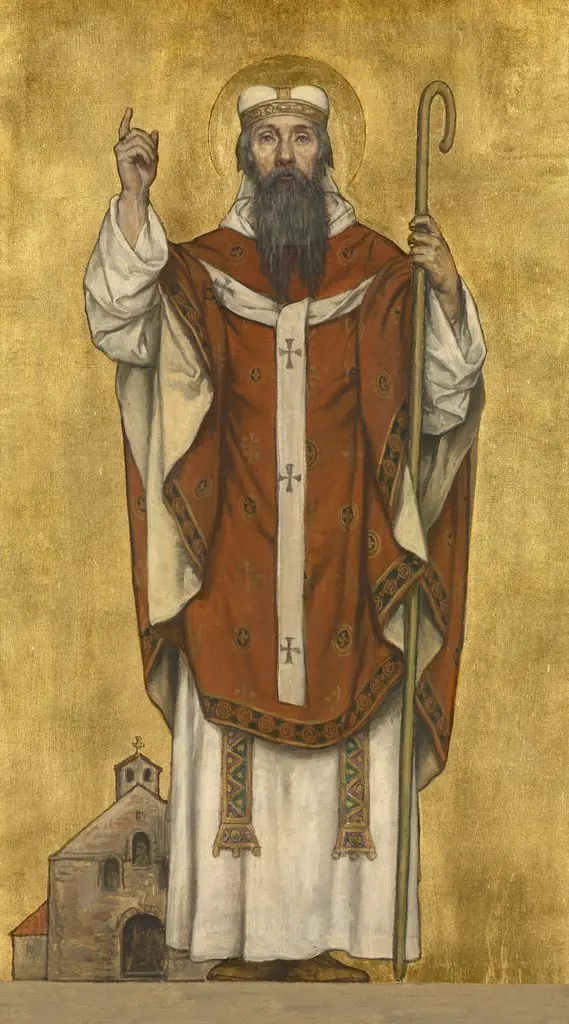
Created in 1425 by Fra Angelico, this tempera panel functions as a work of religious art depicting a specific ecclesiastical figure. The subject is identified as a bishop, distinguished by traditional iconographic attributes including a mitre and a crosier. These visual elements serve to immediately establish the figure's high rank within the church hierarchy.
As a representation of a bishop saint, the painting embodies the spiritual authority and sanctity associated with such leaders in the Christian tradition. The inclusion of these specific symbols allows the viewer to recognize the subject's role as a shepherd of the faithful, consistent with the devotional purposes of early fifteenth-century Italian religious painting.
Technique & Style
The work is a tempera painting executed on a wooden panel, created circa 1425 by Fra Angelico (also known as Guido di Pietro). It is classified as a painting within the religious genre and portrays a bishop accompanied by traditional attributes such as a mitre and crosier. The medium is tempera, and the support is a panel, as documented in the Metropolitan Museum of Art collection.
The piece belongs to the early Renaissance corpus of religious art, reflecting the devotional emphasis of the period.
History & Provenance
Created in 1425, A Bishop Saint is a tempera painting on panel executed by the artist Fra Angelico, also known as Guido di Pietro. The work depicts a bishop figure identifiable by ecclesiastical attributes such as a mitre and crosier. While specific details regarding the original commission or the intermediate ownership chain leading to its current location are not provided in the available records, the painting is presently held in the collection of the Metropolitan Museum of Art.
The inception date is firmly established as 1425, placing the work within the early phase of Fra Angelico's career during the first quarter of the fifteenth century.
The painting is held by the Metropolitan Museum of Art. Its accession number is 11.126.2. The work was first recorded in modern collections in 1911, when it entered the museum’s holdings.
It has been exhibited at the Metropolitan Museum of Art in New York on multiple occasions, including in the 1990 exhibition "Fra Angelico" and in the 2005 reinstallation of the museum’s medieval galleries.
Overview
Fra Angelico, a Dominican friar and painter active in the early Florentine Renaissance, created A Bishop Saint around 1425. This tempera painting depicts a solemn religious figure, characterized by the traditional vestments of a bishop. The work exemplifies the artist's dedication to sacred themes and is currently part of The Metropolitan Museum of Art's collection, representing a significant example of early 15th-century Italian art.
Context
Fra Angelico's artistic output was deeply intertwined with his identity as a Dominican friar. Working in Florence during the nascent stages of the Renaissance, his paintings consistently focused on religious narratives and figures, reflecting the spiritual priorities of his order and the broader cultural landscape. A Bishop Saint stands as an example of how early Renaissance artists integrated devotional purpose with evolving artistic techniques, contributing to the visual culture of the period.

Own this work as a print
Artist & collection

Artist
Fra Giovanni da Fiesole (born Guido di Pietro; c. 1395 – 18 February 1455), known posthumously as Fra Angelico ( FRAH an-JEL-ik-oh, Italian: ), was an Italian Dominican friar and painter active during the early…