Artwork
The Deposition
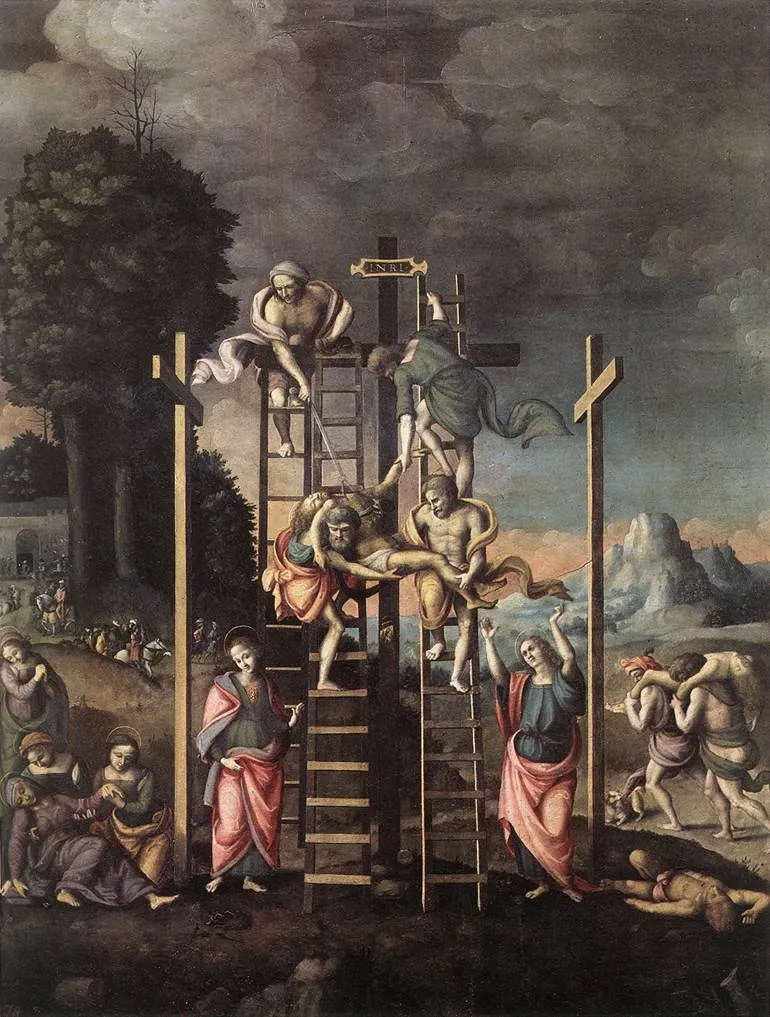
The Deposition is an oil painting by the Early Renaissance artist Francesco Bacchiacca. It dates from 1518 and is held in the collection of the Uffizi Gallery.
About this work
Overview
Executed in Florence during the early 16th century, it reflects the transition from High Renaissance ideals toward the more stylized forms of Mannerism.
Painted in 1518 by Francesco d’Ubertino Verdi, known as Bacchiacca, this oil-on-panel work depicts the moment Christ’s body is lowered from the cross. Executed in Florence during the early 16th century, it reflects the transition from High Renaissance ideals toward the more stylized forms of Mannerism. The painting is part of the Uffizi Gallery’s permanent collection, where it remains a quiet example of Florentine devotional art from the period.
Subject & Meaning
The scene captures the solemn act of removing Christ’s body from the cross, a key moment in the Passion narrative. Figures surround the corpse, their gestures restrained yet deliberate, emphasizing reverence over drama. The absence of overt emotion or theatricality underscores a contemplative tone, inviting quiet meditation on sacrifice and mortality. The composition avoids spectacle, focusing instead on the physical and spiritual weight of the act.
Technique & Style
Bacchiacca employed oil paint to achieve subtle gradations of tone and soft transitions between forms. Figures are elongated and delicately modeled, with refined drapery that flows in elegant, unnatural folds, a hallmark of early Mannerism. The palette is muted, dominated by earth tones and pale hues, while the dark, indistinct background heightens the foreground’s intimacy and emotional gravity.
History & Provenance
Commissioned during Bacchiacca’s active years in Florence, the painting likely originated as a private devotional piece before entering the Medici collection. It was recorded in the Uffizi by the 17th century and has remained there since. Its survival through centuries of political and religious upheaval reflects its enduring value as a work of quiet piety rather than public spectacle.
Context
Created in the decades following Raphael and Leonardo’s peak, the painting reflects Florence’s evolving artistic climate. While still rooted in naturalism, Bacchiacca’s work embraces the stylized elegance favored by courtly patrons. His style diverged from the muscular idealism of Michelangelo, favoring lyrical grace and refined detail, characteristics that would influence later Mannerist painters in the city.
Legacy
Though not widely known outside specialist circles, Bacchiacca’s The Deposition exemplifies the quiet sophistication of Florentine Mannerism. Its restrained emotion and careful composition offer insight into how religious themes were rendered for private devotion during a time of artistic transition. The work remains a testament to the period’s preference for subtlety over grandeur.
Artist & collection
Artist
Francesco d'Ubertino Verdi, called Bachiacca (say "bah ki ah cka"). He is also known as Francesco Ubertini, il Bacchiacca (1494–1557). He was an Italian painter of the Renaissance whose work is characteristic of the…

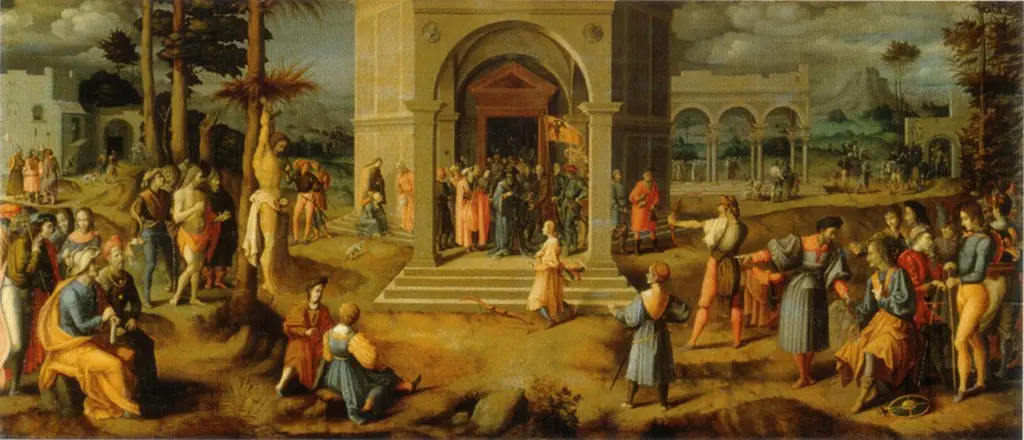
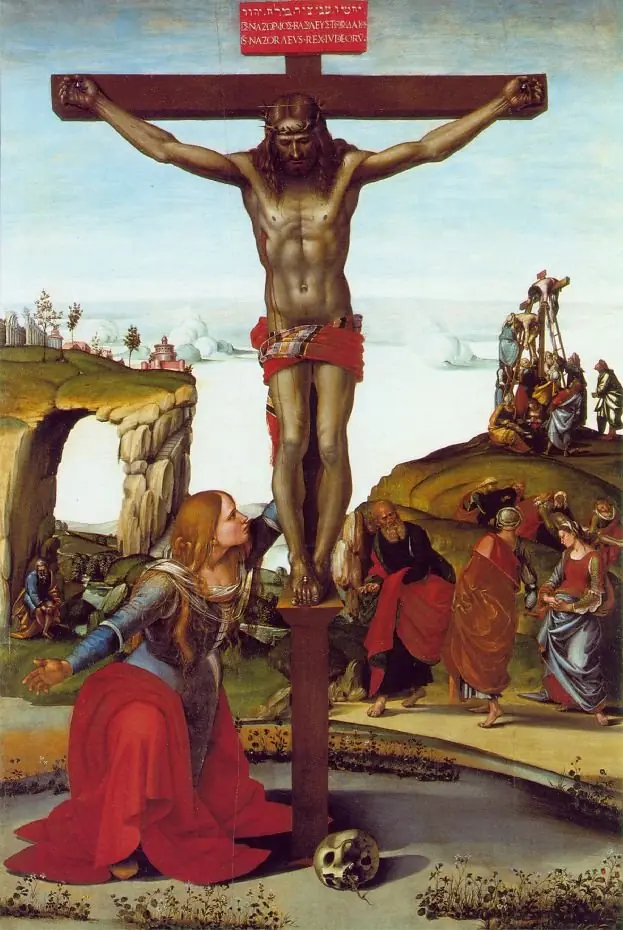
- Crucifixion with Saint Mary Magdalene
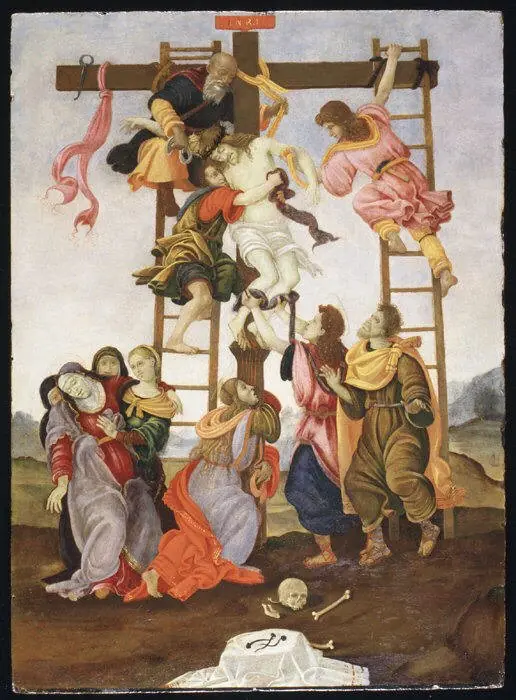 The Descent from the Cross
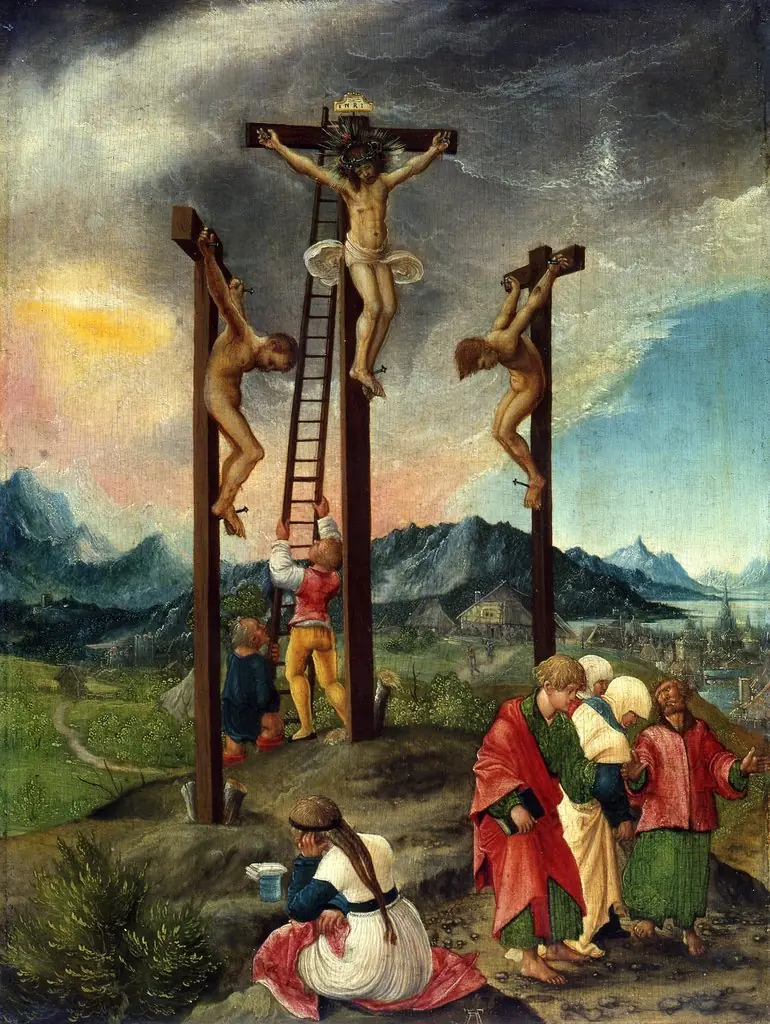 Christ on the Cross between the Two Thieves
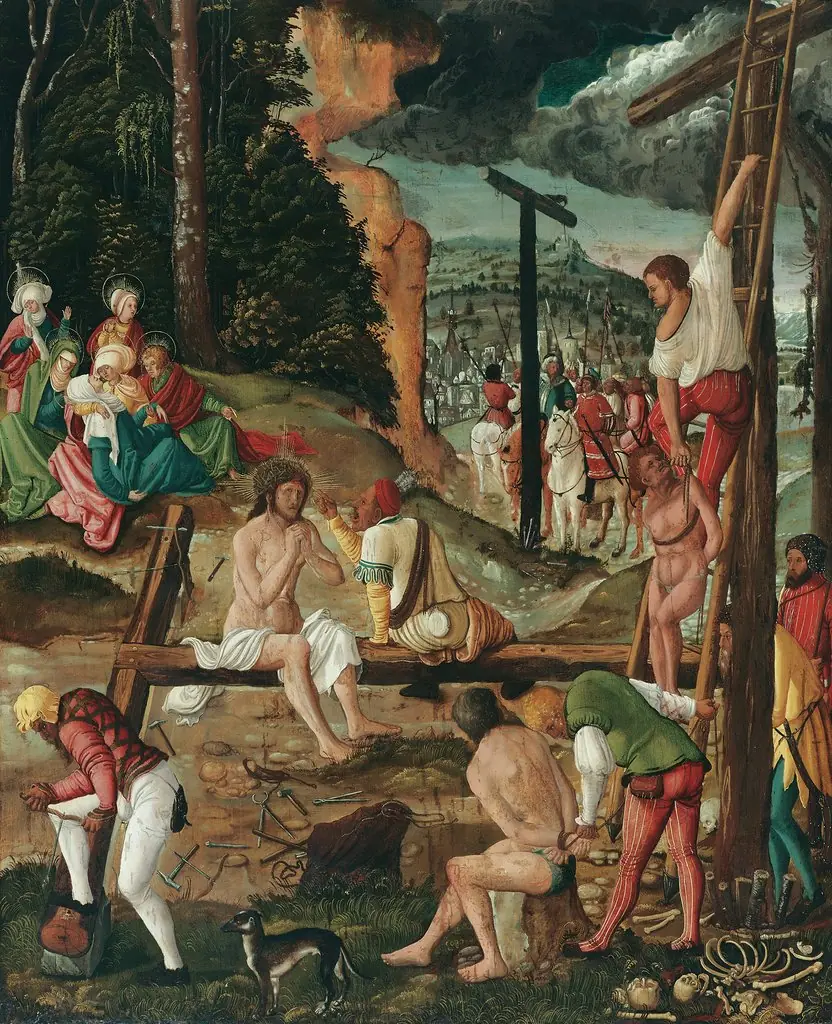 Before Christ's Crucifixion (Christ in Misery)
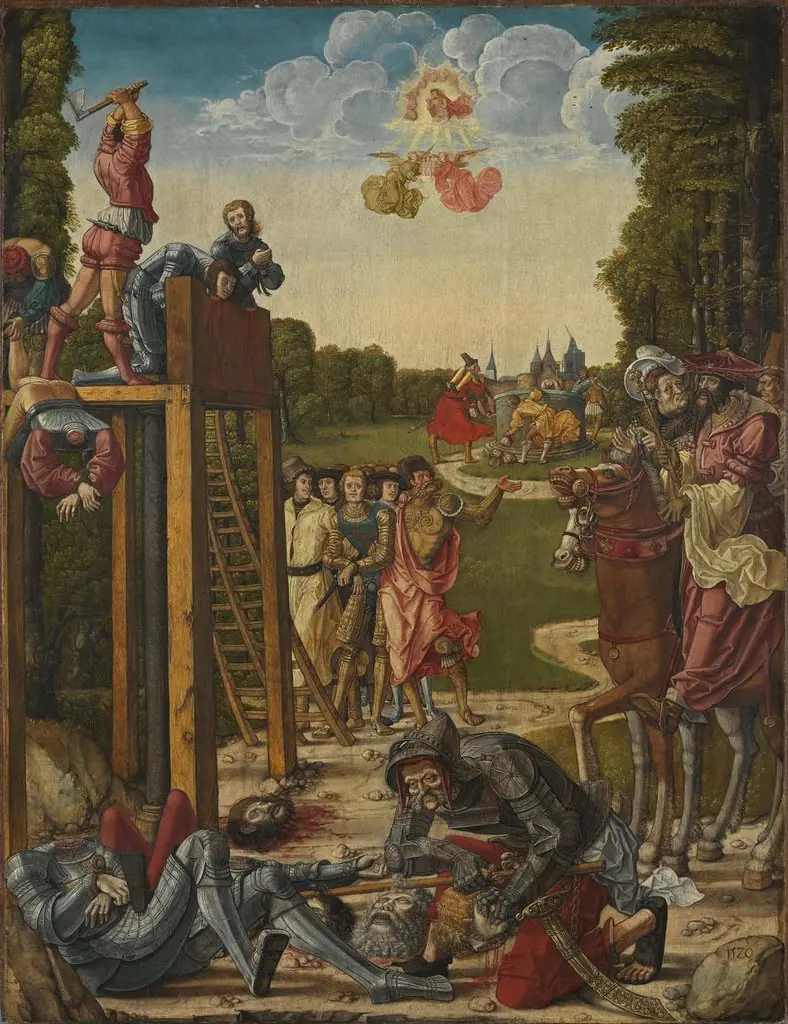 Martyrdom of the Theban Legion
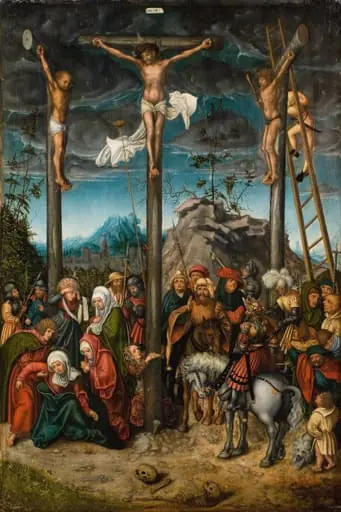 The Crucifixion
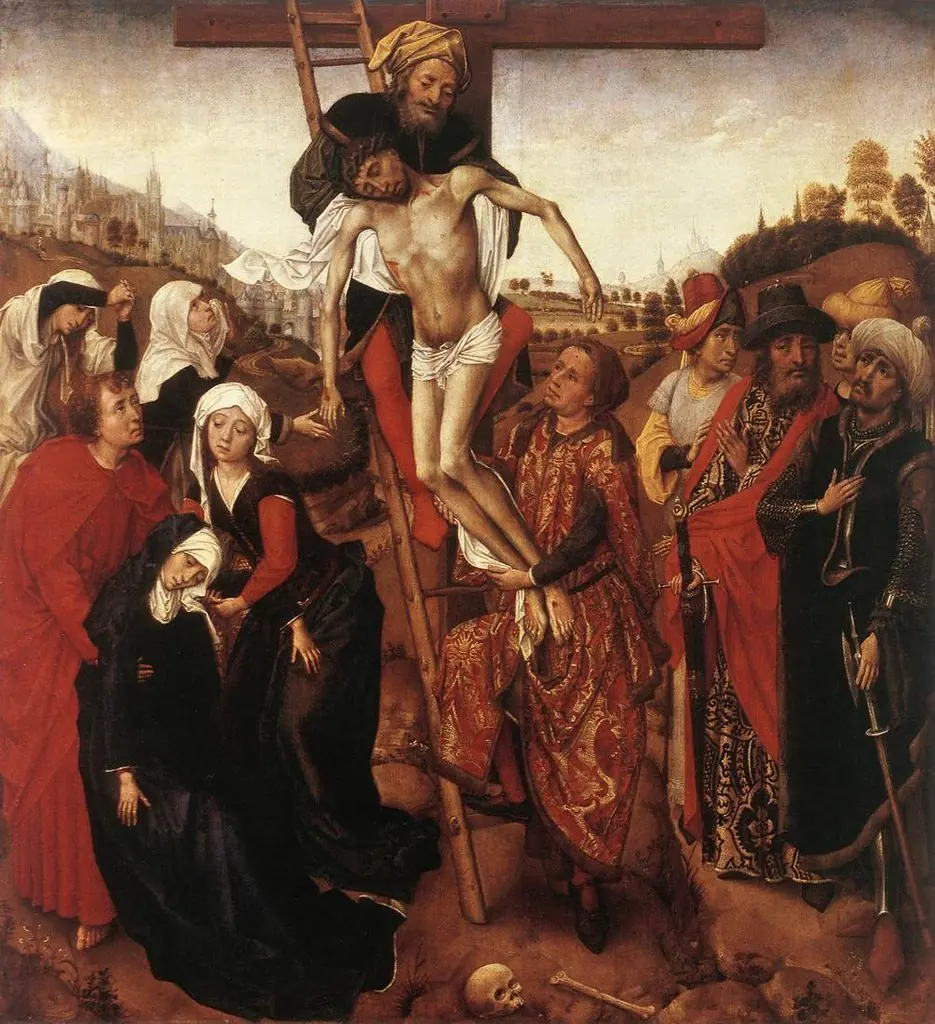 Deposition by Vrancke van der Stockt in the Alte Pinakothek
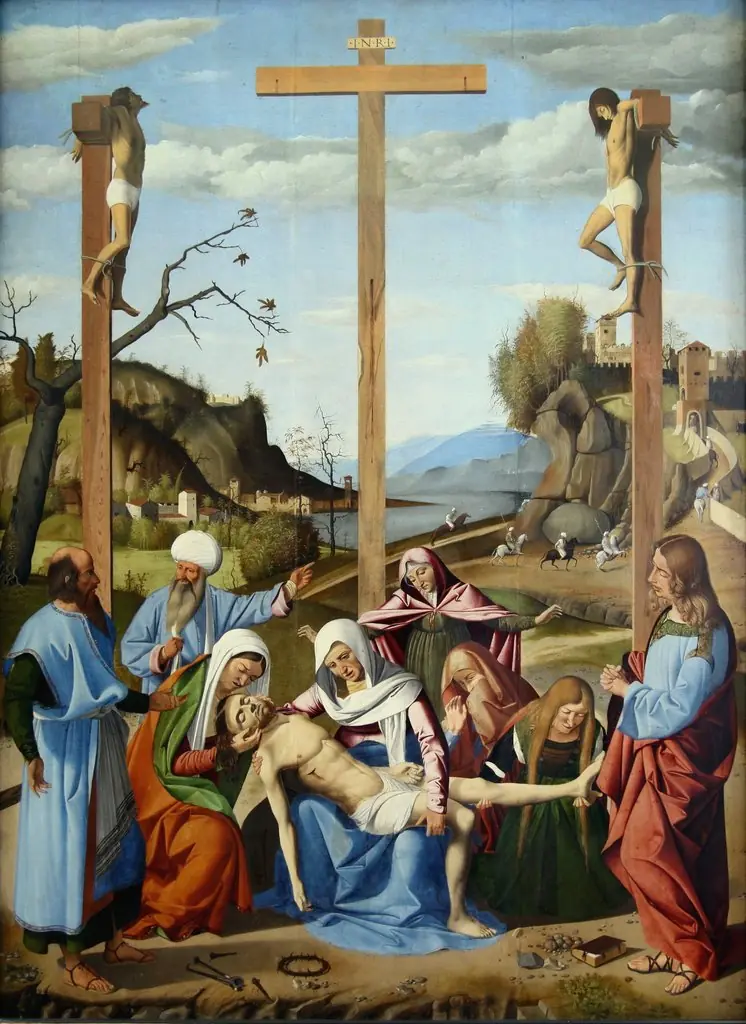 Lamentation of Christ
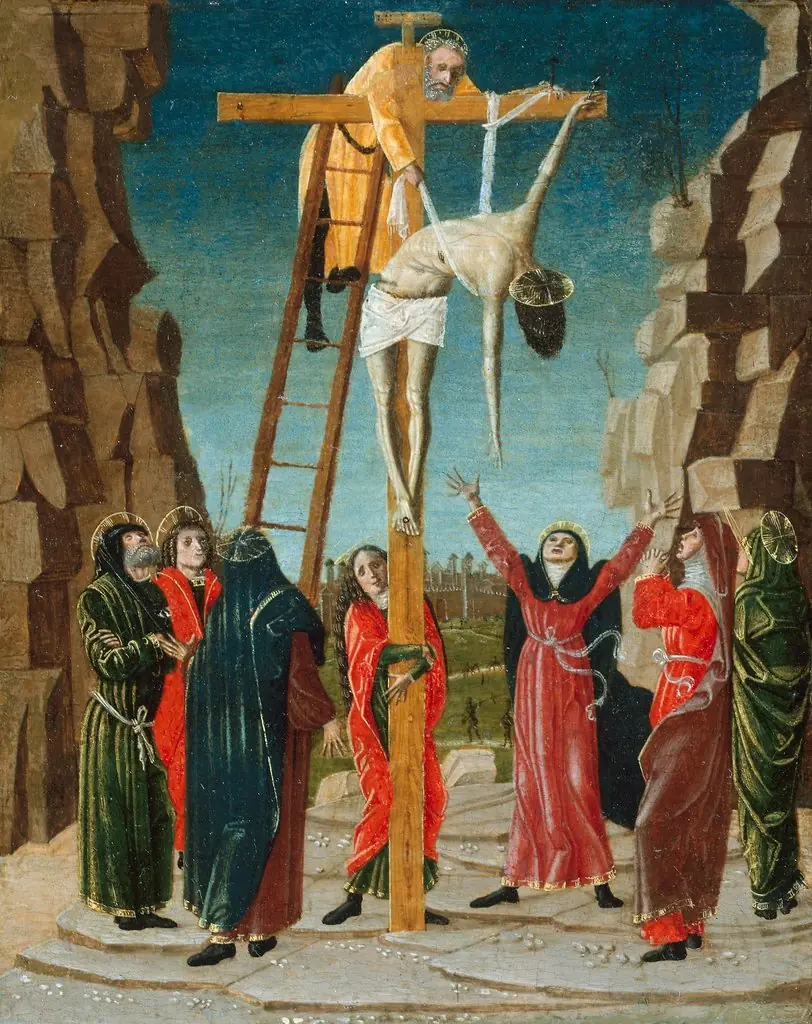 The Descent from the Cross
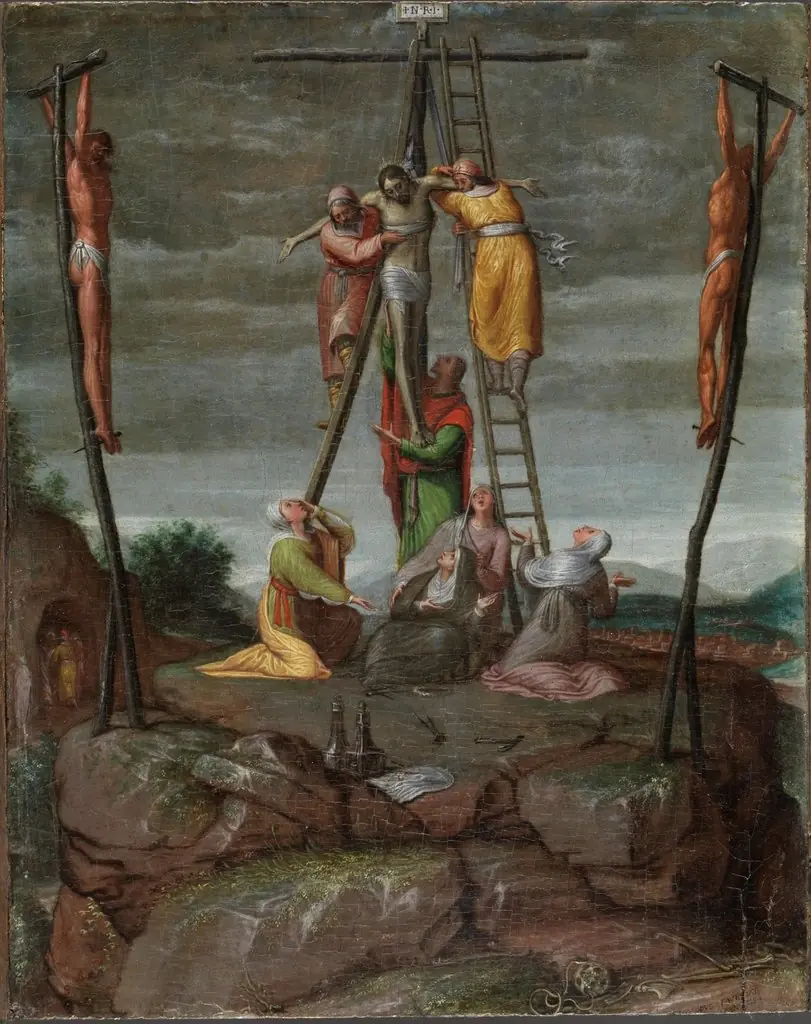 The Descent from the Cross
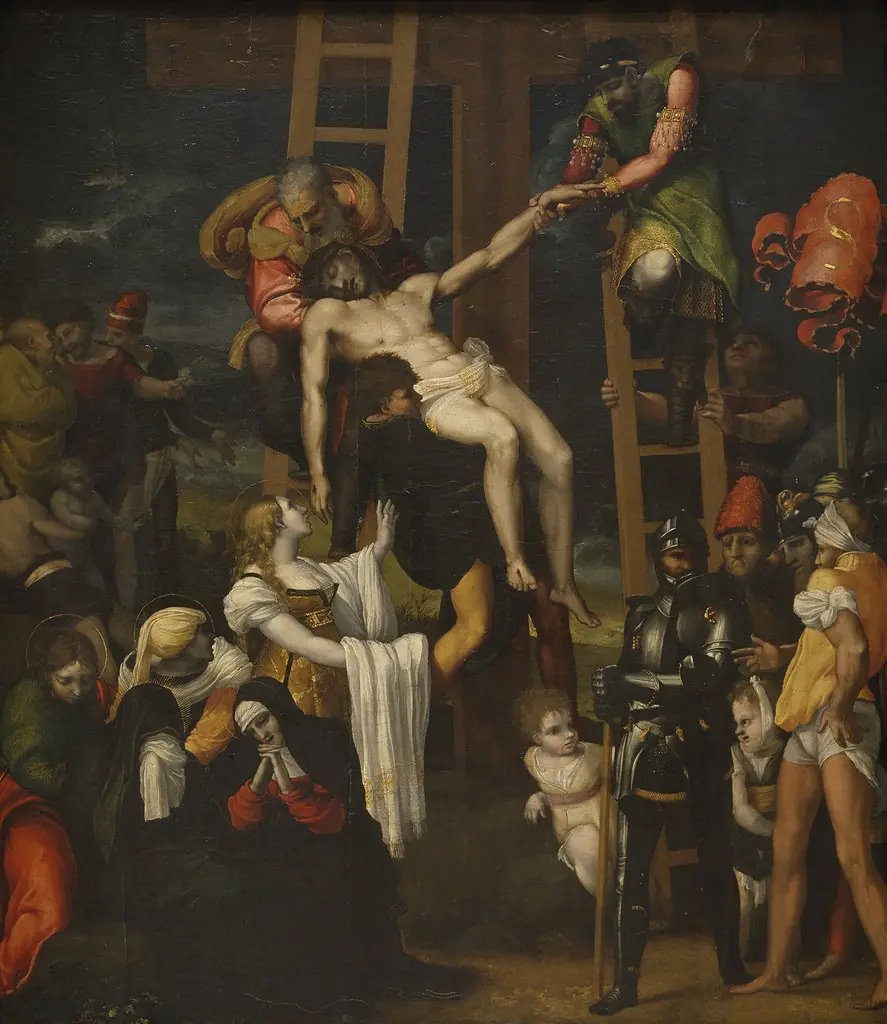 The Descent from the Cross
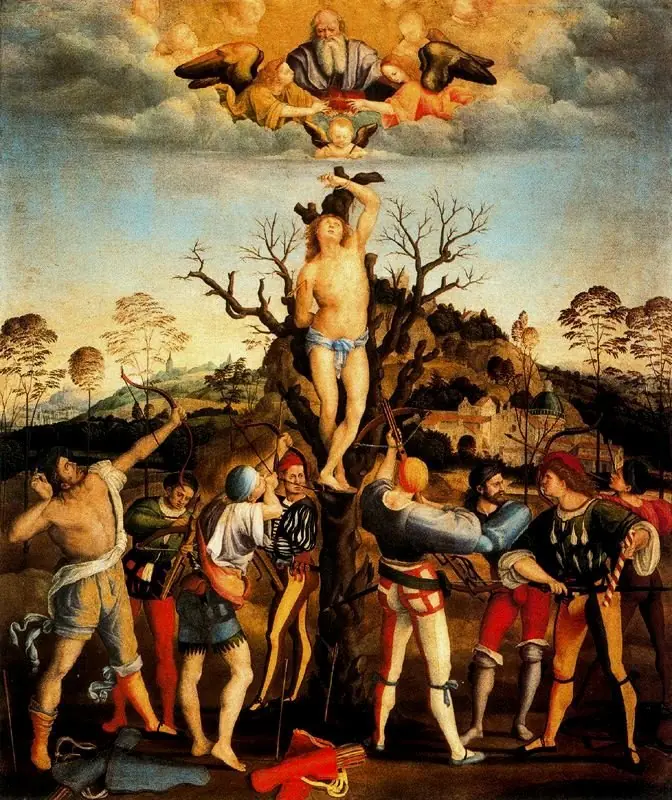 Martyrdom of Saint Sebastian