Artwork
The Sacrifice of Isaac
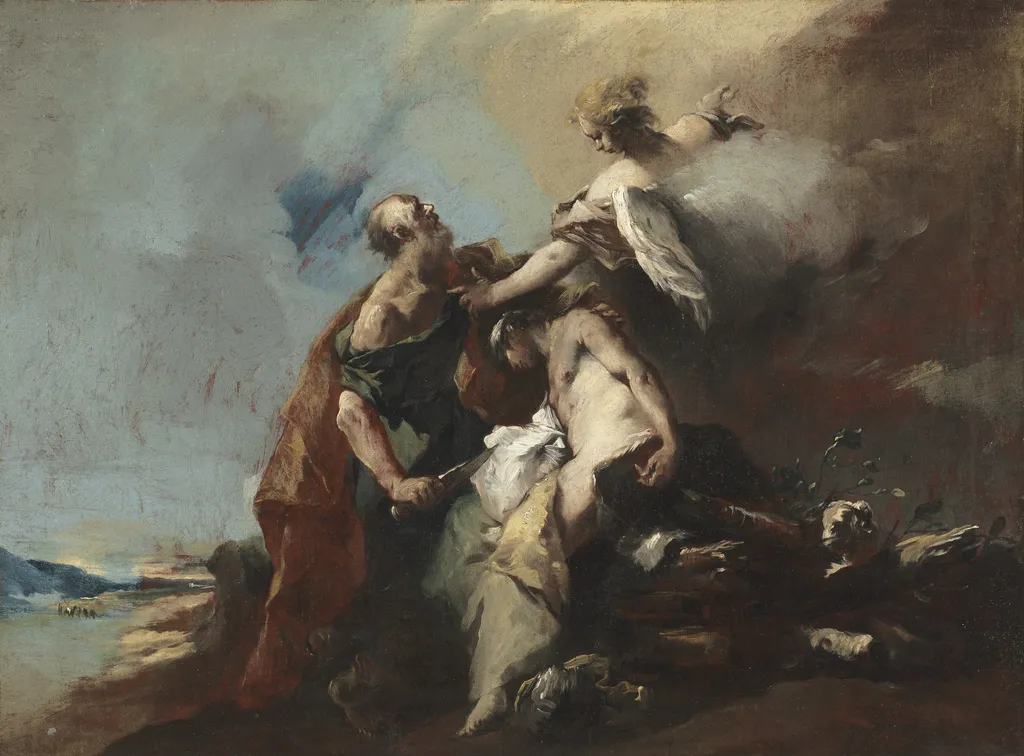
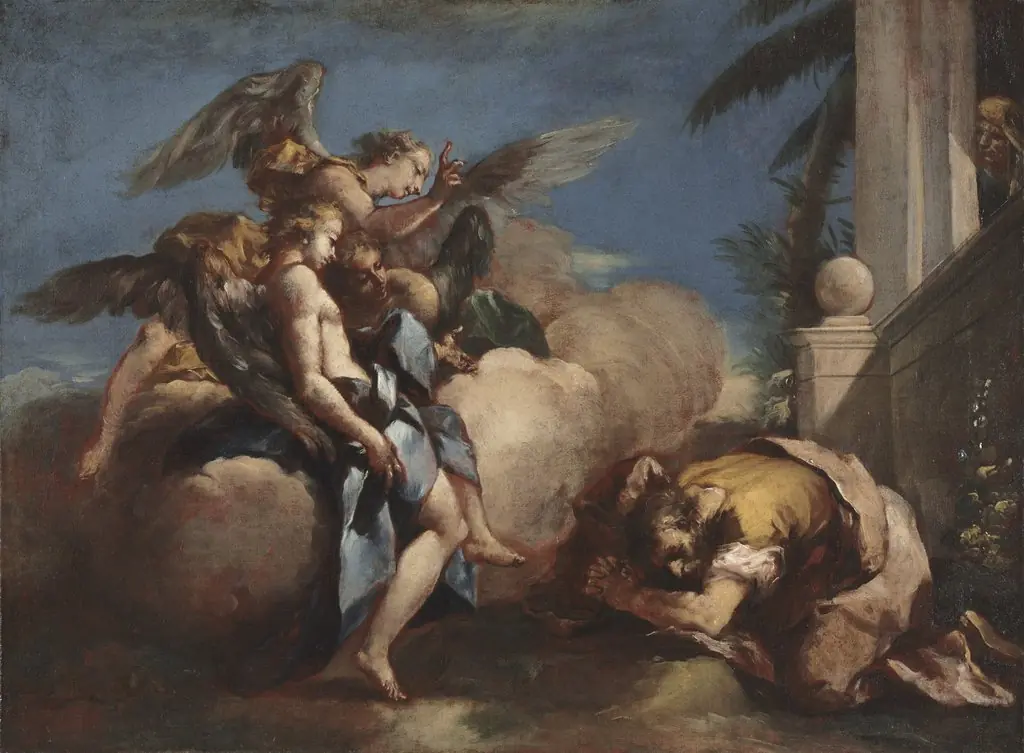
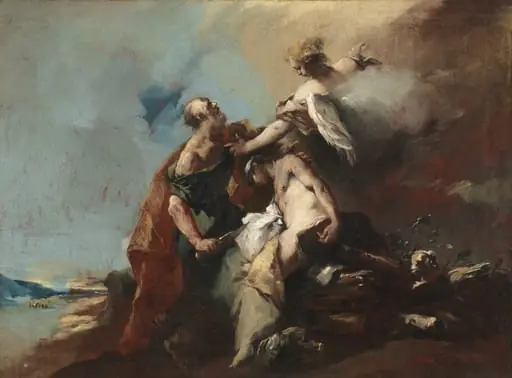
The Sacrifice of Isaac is an oil painting by Francesco Guardi. It dates from 1754 and is held in the collection of the Cleveland Museum of Art.
About this work
Subject & Meaning
As a religious work, it belongs to the long tradition of European art treating this subject, which centers on themes of absolute faith and divine obedience.
The painting depicts the Binding of Isaac, the biblical episode from Genesis in which Abraham prepares to sacrifice his son Isaac at God's command. As a religious work, it belongs to the long tradition of European art treating this subject, which centers on themes of absolute faith and divine obedience. The moment captured typically shows Abraham at the altar with knife raised, with the intervention of an angel, who stays the sacrifice and provides a ram as substitute, forming the dramatic climax. In Christian iconography, the episode prefigures the Crucifixion and embodies the idea of submission to God's will.
Technique & Style
Francesco Guardi's The Sacrifice of Isaac, executed in 1754, is an oil painting on canvas. The work measures approximately 56.5 cm in height and 75.5 cm in width. As a religious painting, it depicts the Binding of Isaac and reflects Guardi's handling of the medium during his mid-eighteenth-century period in Italy.
The canvas support and oil paint application are characteristic of the artist's technique for works of this classification.
History & Provenance
The Sacrifice of Isaac is dated 1754 and is attributed to Francesco Guardi based on internal documentation and the Cleveland Museum of Art’s collection record.
It entered the Cleveland Museum of Art as accession 1952.235.1 in 1952, where it remains in the permanent collection. The painting is recorded as Italian, created in 1754, and classified as a religious work depicting the biblical Binding of Isaac.
Legacy
The Sacrifice of Isaac by Francesco Guardi (1754) is recognized for its dramatic religious composition and is housed in the Cleveland Museum of Art. The work's subject, the Binding of Isaac, draws from a key biblical narrative that has influenced numerous artists across centuries. Although specific reception details are not documented in the provided sources, the painting's inclusion in a major museum collection underscores its historical significance and continued relevance in art historical discourse.
Overview
Francesco Guardi, a Venetian nobleman and painter of the mid‑18th century, executed The Sacrifice of Isaac in 1754 with oil on canvas. The work is part of the Cleveland Museum of Art’s collection and presents a moment drawn from the biblical narrative of Abraham’s test, rendered with the compositional balance typical of Guardi’s early religious output.
Context
At the time of its execution, Guardi was transitioning from collaborative altar pieces toward the cityscapes that would define his reputation. The Sacrifice of Isaac thus represents a bridge between his formative religious work and the atmospheric vistas that followed, illustrating the broader Venetian School’s emphasis on dramatic narrative and luminous color.
Own this work as a print
Artist & collection
Artist
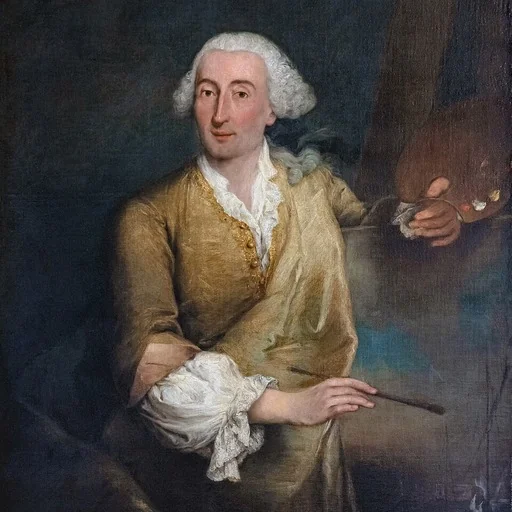
Francesco Lazzaro Guardi (Italian pronunciation:; 5 October 1712 – 1 January 1793) was an Italian painter, nobleman, and a member of the Venetian School.

 Landscape with the Temptation of Christ
 Isaac's offering
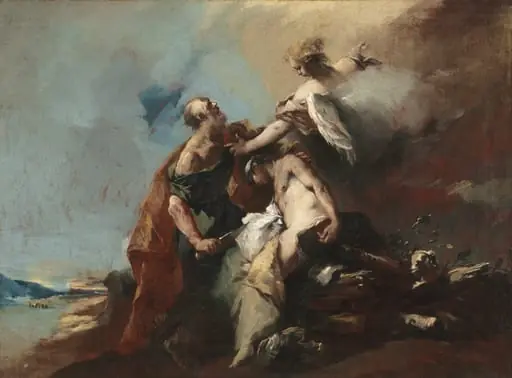 The Sacrifice of Isaac
 The Sacrifice of Isaac, Tobias and the Angel, The Angels Appearing to Abraham, Abraham Welcoming the Three Angels (painting series)
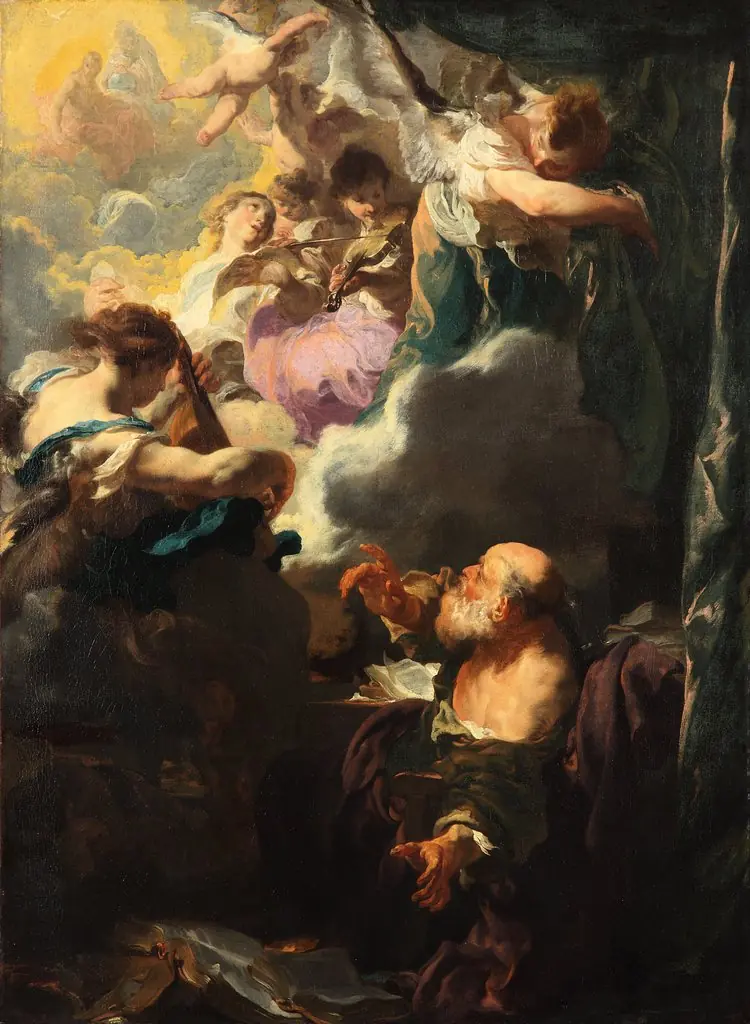 The rapture of Saint Paul
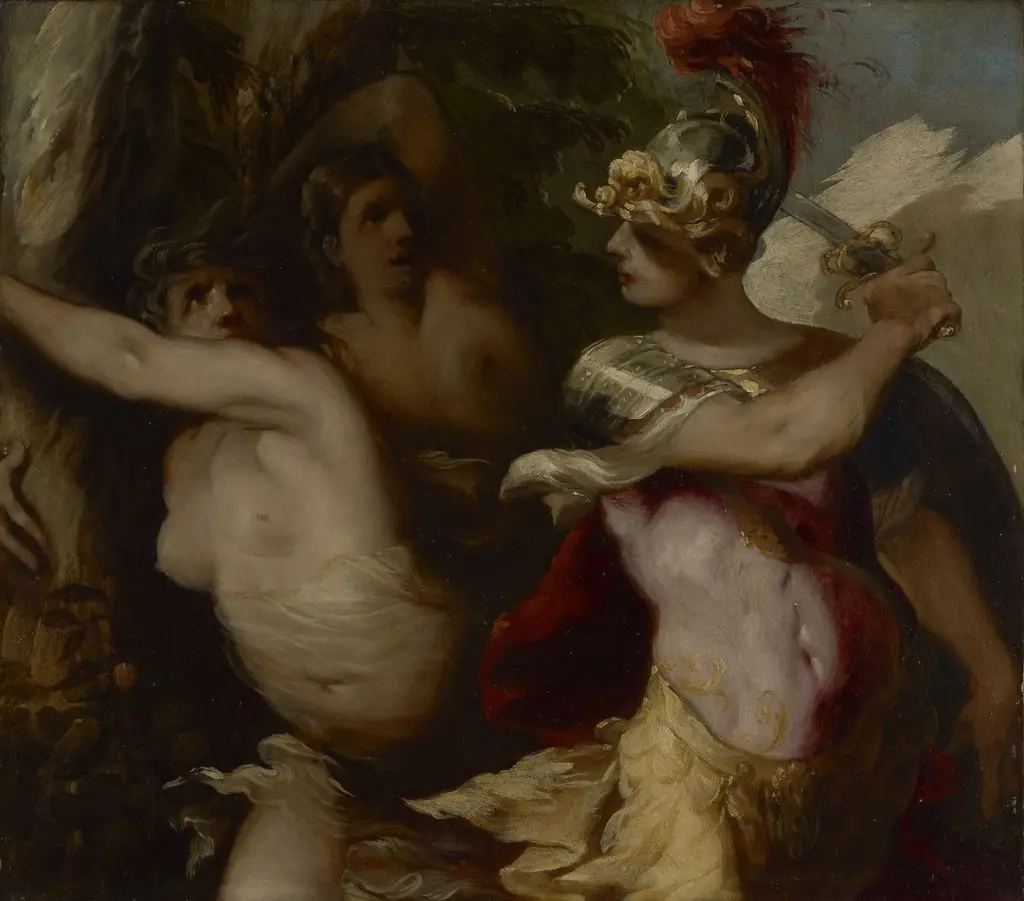 Rinaldo's Conquest of the Enchanted Forest
 Dido Founding Carthage
 Aeneas and Dido Fleeing the Storm