Artwork
Still Life with Lemons, Oranges and a Rose
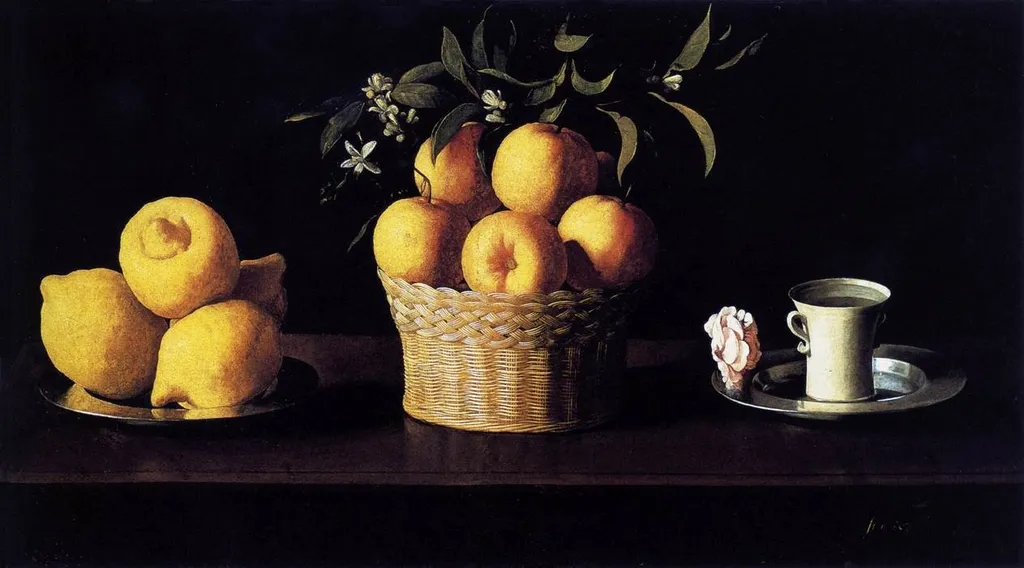
Still Life with Lemons, Oranges and a Rose is an oil painting by the Baroque artist Francisco de Zurbarán. It dates from 1633 and is held in the collection of the Norton Simon Museum.
About this work
This quiet painting shows a simple pile of lemons and oranges next to a rose. A bowl and a small saucer sit nearby. Zurbarán painted it in 1633, and it’s the only still life he signed and dated.
The lemons glisten against dark fabric folds. You can almost smell the citrus. It sits in California now, waiting for you to see it.
Check out the Norton Simon Museum next time you’re in Pasadena.
Subject & Meaning
The painting depicts a simple tabletop arrangement of citrus fruits, a cup of water, and a single rose against a dark background.
The painting depicts a simple tabletop arrangement of citrus fruits, a cup of water, and a single rose against a dark background. The objects, a saucer of lemons, a basket of oranges, and a cup with a rose, are interpreted as symbolic offerings to the Virgin Mary, representing her purity, love, and chastity through the rose and water, while the lemons and oranges signify renewal and Easter life. The table functions as a symbolic altar, and the overall composition has been read as an allusion to the Holy Trinity and a meditation on the divine presence in everyday matter. Scholars note that the work’s precise geometry and isolated objects break from ordinary context, evoking a sense of transubstantiation where mundane items approach the sacred. This symbolic reading aligns with Zurbarán’s broader use of still-life elements to convey Christian theological themes.
Technique & Style
Created in 1633, *Still Life with Lemons, Oranges and a Rose* is an oil painting on canvas executed by Francisco de Zurbarán. The work measures approximately 60 by 107 cm, though the Norton Simon Museum lists dimensions as 62.2 by 109.5 cm. The artist employs a dark background to isolate three distinct groups of objects, a saucer of citrons, a basket of oranges with blossoms, and a cup of water with a rose, arranged in a pyramidal composition. This setup creates a static, geometric balance where the objects appear removed from everyday life. Zurbarán demonstrates precise mastery in rendering tactile qualities, capturing the reflections of lemons on silver platters and the texture of the wicker basket. The painting was cleaned at the museum in 2008 and remains a signed and dated masterwork of the Spanish Baroque genre.
History & Provenance
Created in 1633, *Still Life with Lemons, Oranges and a Rose* is the only still life signed and dated by Francisco de Zurbarán. The work first gained significant scholarly attention following its exhibition at the National Gallery of Modern Art in Rome in 1930, where Roberto Longhi identified its religious symbolism. Prior to this, the painting was sold at the Drouot auction house in Paris in May 1922 as lot number 18 from the collection of Madame Louise Henriette Aline Journault. It subsequently entered the collection of the Florentine count Alessandro Contini-Bonacossi. Upon the count's death, the work was excluded from the ministerial commission for the Uffizi Gallery and placed on the market with an export permit. In 1972, the heirs of Contini-Bonacossi sold the painting to the Norton Simon Foundation for $2,725,000. It was deposited at the Los Angeles County Museum of Art in 1974 before becoming a permanent fixture of the Norton Simon Museum in Pasadena.
Still Life with Lemons, Oranges and a Rose is held in the collection of the Norton Simon Museum in Pasadena, California. Its accession number is F.1972.06.P. The work entered the museum in 1972 after being purchased from the heirs of Florentine collector Alessandro Contini Bonacossi for $2,725,000. It was previously owned by Contini Bonacossi and before that by Madame Louise Henriette Aline Journault, whose 1922 Drouot sale listed the painting as lot 18. The painting was displayed at the County Museum of Los Angeles in 1974 before its permanent installation at the Norton Simon Museum. It has been part of the museum’s permanent collection ever since and was featured in the 1980 BBC Two series 100 Great Paintings.
Context
Within the Spanish Golden Age and the Counter-Reformation milieu in which Francisco de Zurbarán worked, still life (bodegón) was regarded as a genre inferior to history painting, portraiture, and landscape, and Spanish bodegones differ markedly from their Dutch contemporaries for both aesthetic and religious reasons. The painting is Zurbarán's only signed and dated still life and is regarded as a masterwork of the genre, a judgment articulated by Charles Sterling in his 1980 study of still-life painting. The work first drew scholarly attention after August L. Mayer published it in 1926, and it became more widely known through a 1930 exhibition at Rome's Galleria Nazionale d'Arte Moderna. Roberto Longhi was the first to emphasize its religious symbolism in 1930, while later commentators including Julián Gállego read it as an homage to the Virgin, and Ann Sutherland Harris proposed an allusion to the Holy Trinity. It was featured in the BBC Two series 100 Great Paintings in 1980 and was cited by composer Morten Lauridsen as a major inspiration for his 1994 choral setting of O magnum mysterium.
Legacy
The painting's legacy is defined by its symbolic depth and influence on later artists. Its depiction of objects as transcendent symbols, lemons and oranges representing renewal, the rose and cup of water signifying the Virgin Mary's purity, has been widely interpreted as a spiritual homage. This symbolic framework inspired Morten Lauridsen's 1994 choral composition O magnum mysterium, which explicitly cites the work as a major inspiration. As noted in multiple sources, the painting's precise composition and religious undertones elevate ordinary items into sacred offerings, reflecting Zurbarán's mastery in transforming still life into a contemplative meditation on faith. Its status as the only signed and dated still life by the artist, housed at the Norton Simon Museum since 1972, underscores its enduring significance in art history.
Artist & collection
Artist
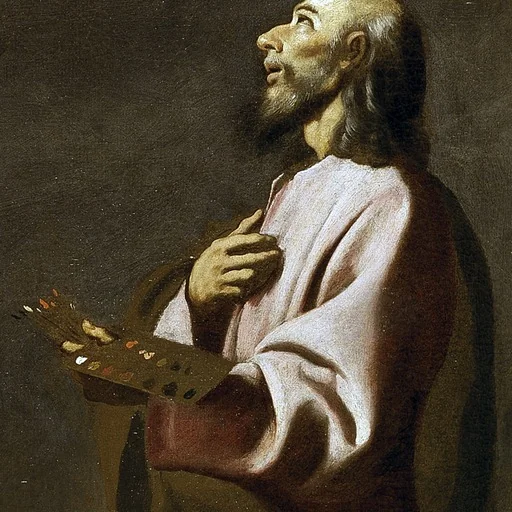
Francisco de Zurbarán was a Spanish Baroque painter. He is known primarily for his religious paintings depicting monks, nuns, and martyrs, and for his still-lifes. Zurbarán gained the nickname "Spanish Caravaggio",…

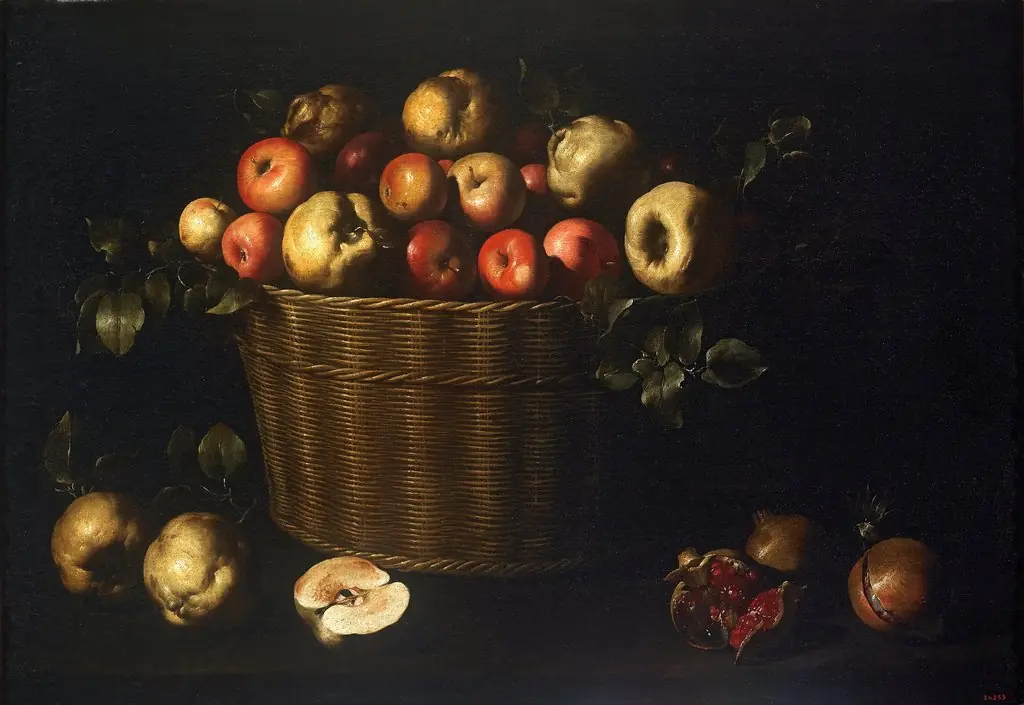 Basket with Apples, Quinces and Pomegranates
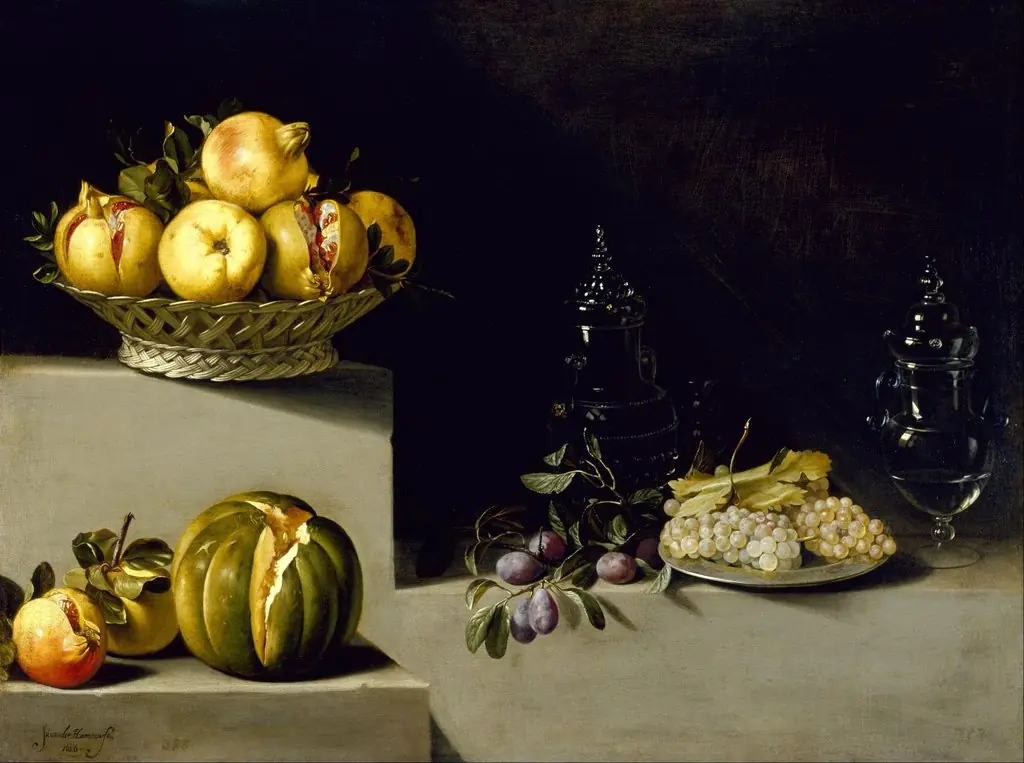 Still Life with Fruit and Glassware
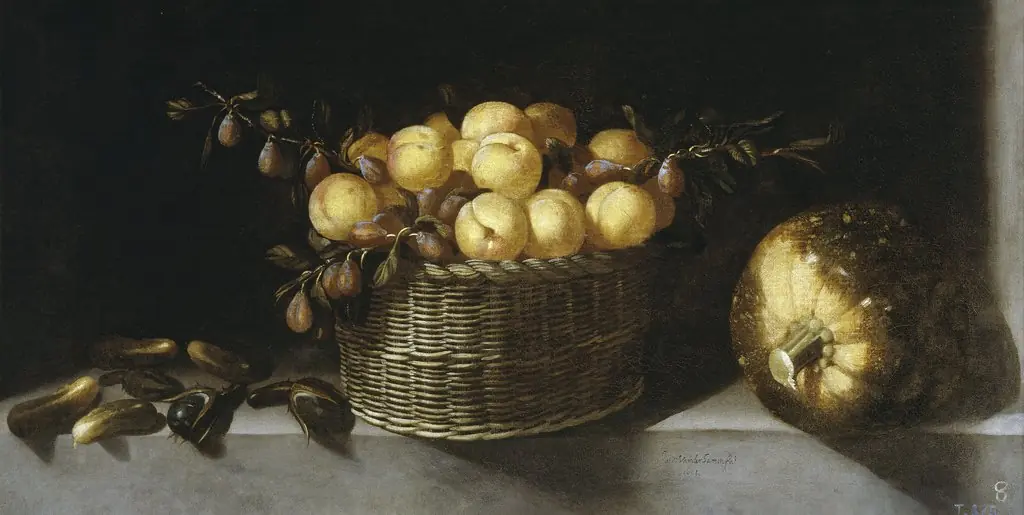 Still Life with Fruit and Vegetables
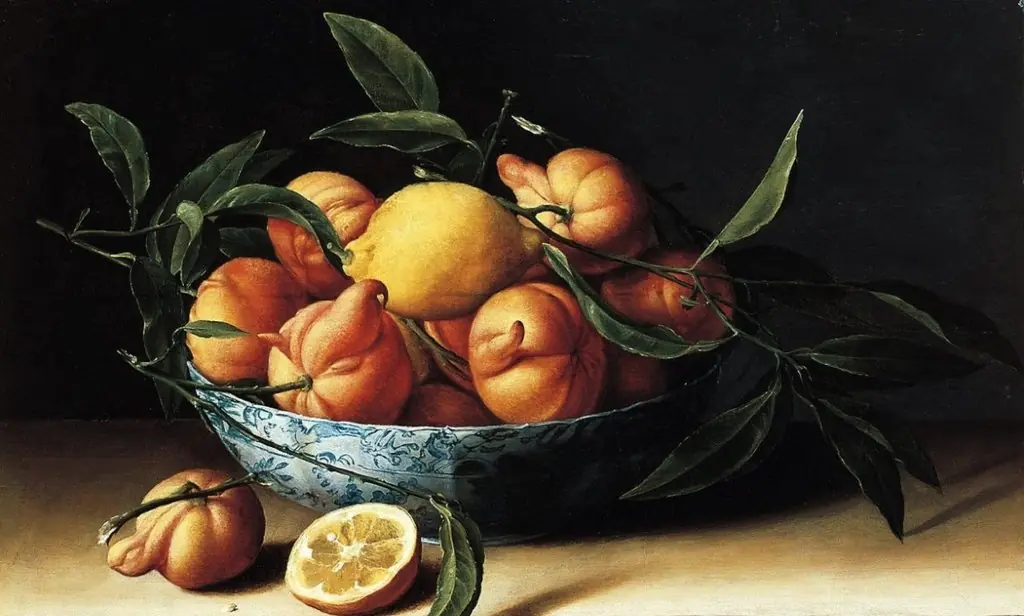 Still Life with Bowl of Curacao Oranges
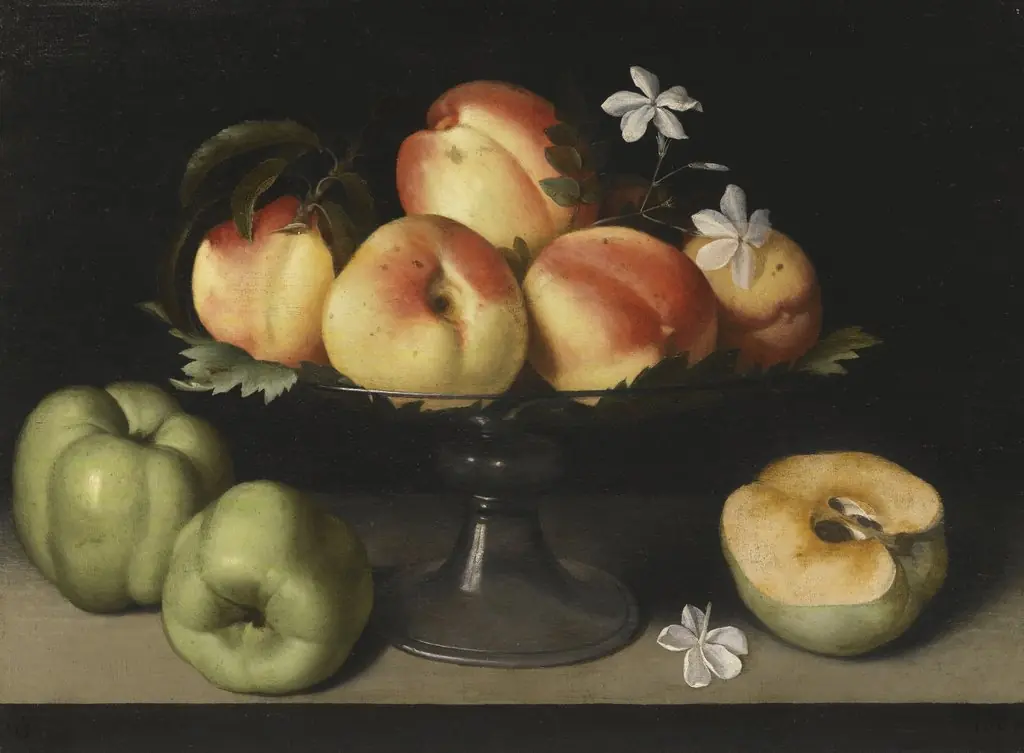 A Crystal Fruit Stand with Peaches, Quinces, and Jasmine Flowers
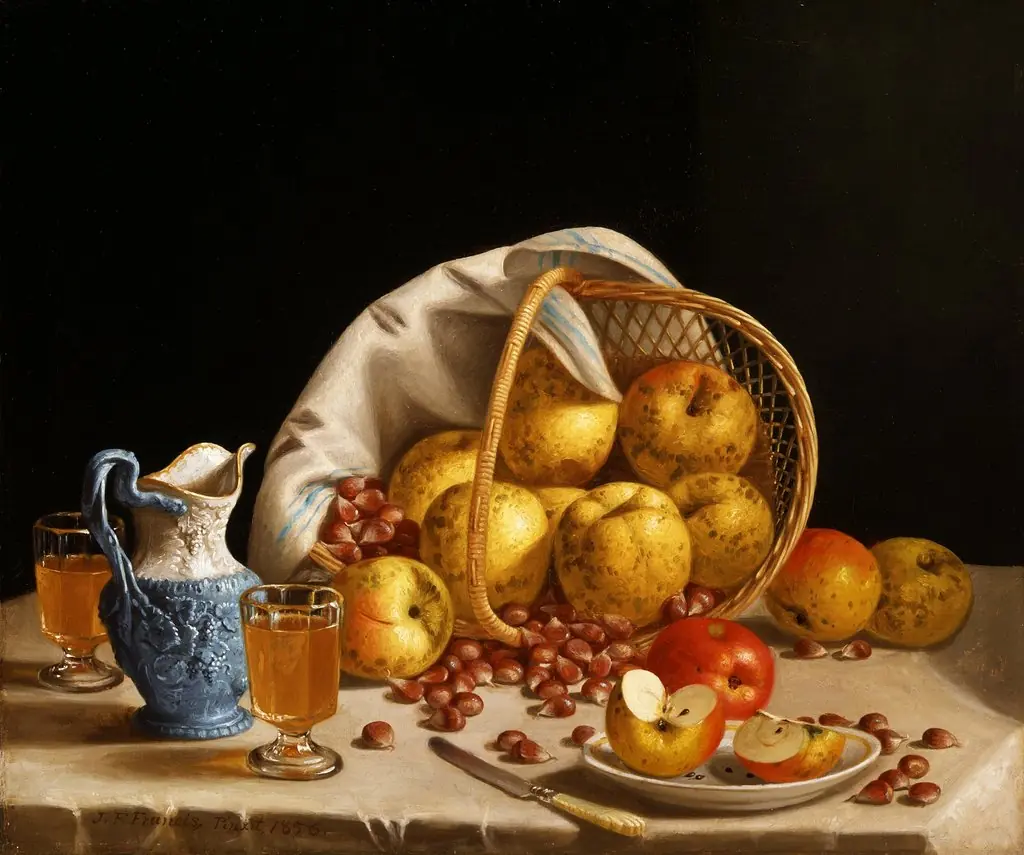 Still Life with Yellow Apples
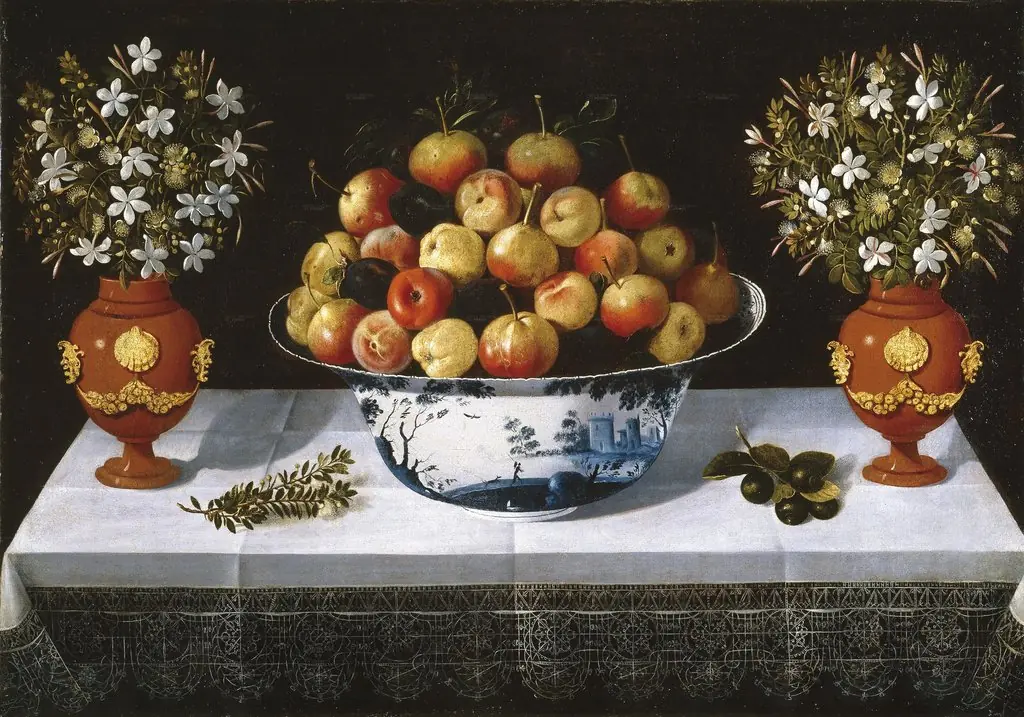 Delft Fruit Bowl and two Vases of Flowers
 Fruit, Jug, and a Glass