Artwork
José Álvarez de Toledo, marqués de Villafranca y duque de Alba
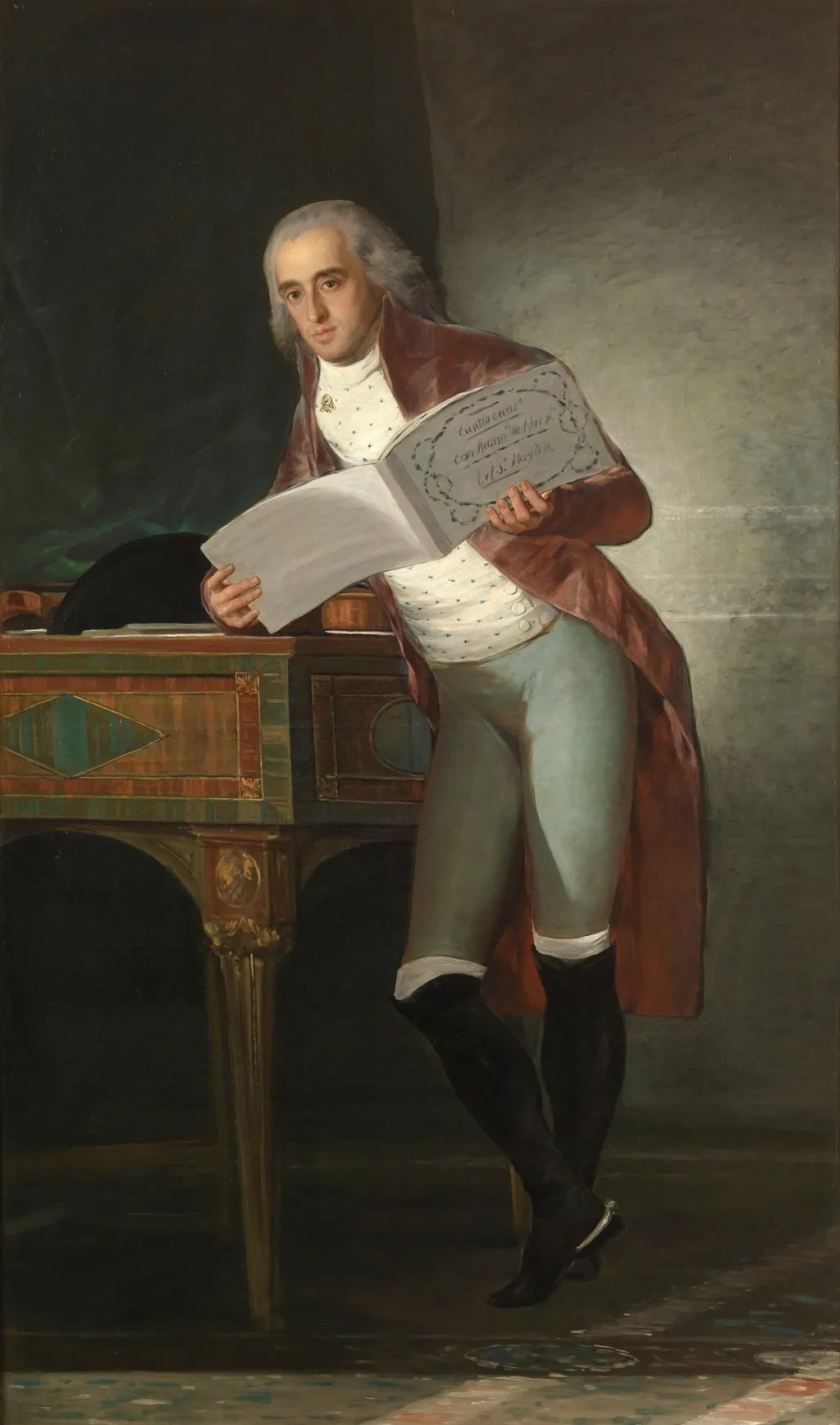
José Álvarez de Toledo, marqués de Villafranca y duque de Alba is an oil painting by the Spanish Baroque Tenebrist artist Francisco de Goya. It dates from 1798 and is held in the collection of the Museo del Prado. Francisco Goya’s 1798 oil portrait presents José María Álvarez de Toledo, the 15th Duke of Medina Sidonia, in a formal interior.
About this work
Subject & Meaning
These details reflect his refined cultural identity as a collector of musical instruments and active musician who also practiced horseback riding.
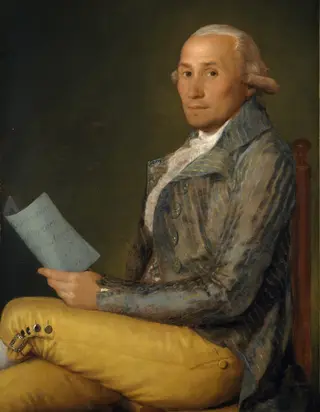
The painting shows José María Álvarez de Toledo, 15th Duke of Medina Sidonia, depicted in full-length portrait wearing a yellow velvet riding jacket, white spotted blue shirt, gray breeches and black spurs. He holds sheet music for a Haydn string quartet and rests against a richly decorated harpsichord on which a viola and black hat are placed. These details reflect his refined cultural identity as a collector of musical instruments and active musician who also practiced horseback riding.
The composition emphasizes his cultivated personality and social standing through careful arrangement of space, attire and symbolic objects.
The portrait was commissioned by the Duke after his return from an extended stay in England, which likely influenced the informal 'English pose' with crossed legs and natural posture. Such elements, together with the inclusion of musical scores and finely detailed instruments, convey notions of refinement, restraint and aristocratic culture characteristic of late 18th-century Spanish nobility. The work exemplifies Goya's mastery in combining technical precision with nuanced representation of elite identity.
The painting measures 195 cm by 126 cm and is housed in the Museo del Prado in Madrid.
Technique & Style
Executed in 1795, this full-length portrait is an oil painting on canvas measuring 195 by 126 cm. Goya employed a masterful technique characterized by a perfect organization of space and the use of soft, diffused lighting to convey refinement and reserve. The composition adopts a naturalistic 'English' pose, with the subject leaning against a finely decorated harpsichord with legs crossed, reflecting his recent travels. The duke is depicted in riding attire, featuring a yellowish velvet jacket, a white shirt with blue dots, grey trousers, and black spurred boots.
Stylistic details include a black hat and a viola resting on the instrument, while the sitter holds sheet music for a string quartet by Haydn, visually articulating his dual identity as a cultured musician and an equestrian.
History & Provenance
Francisco Goya executed this full-length oil portrait in 1795, the same year he became a member of the Royal Academy of Fine Arts of San Fernando. The work was commissioned by José Álvarez de Toledo, the 11th Marquis of Villafranca and Duke of Alba, who also ordered a companion portrait of his wife, María Teresa Cayetana de Silva. During this period, Goya additionally painted the Duke's mother, María Antonia Gonzaga Caracciolo.
The commission reflects the artist's established relationship with the House of Alba, one of Spain's most prominent noble families, likely facilitated through the Count of Altamira. The painting's creation is linked to the Duke's recent return from an extended stay in England, which influenced the adoption of a natural, cross-legged pose known as the "English style."
The painting is currently held by the Museo del Prado in Madrid. While the sources do not provide a specific inventory or accession number, they confirm the work's permanent residence within this institution. The portrait was commissioned in 1795 by José Álvarez de Toledo, the 15th Duke of Medina Sidonia, for himself and his wife, the Duchess of Alba.
The provided texts detail the historical context of the commission and the sitter's background but do not list any specific exhibitions where the work has been displayed.
Context
Painted in 1795, this work is widely regarded as one of Francisco Goya's finest portraits, distinguished by its masterful technique and perfect spatial organization. Created during a period when Goya was an established academician and celebrated portraitist, the painting reflects his close association with the House of Alba, one of Spain's most prominent noble families second only to the royal house. The composition adopts a naturalistic "English" pose, likely influenced by the sitter's recent travels to England, depicting the Duke as a refined intellectual and musician rather than solely a traditional aristocrat.
Art historical analysis emphasizes how specific details, such as the Haydn score and viola, define the subject's cultured personality while his riding attire maintains a connection to masculine pursuits. This synthesis of elegance and naturalism secures the portrait's status as a significant example of late 18th-century Spanish portraiture held in the Museo del Prado.
Overview
Francisco Goya’s 1798 oil portrait presents José María Álvarez de Toledo, the 15th Duke of Medina Sidonia, in a formal interior. The aristocrat is shown in a white shirt patterned with blue dots, a brown coat, light trousers and black boots, holding a large sheet of paper before a richly decorated wooden desk. The composition is set against a deep, dark background that isolates the figure.
Artist & collection
Artist
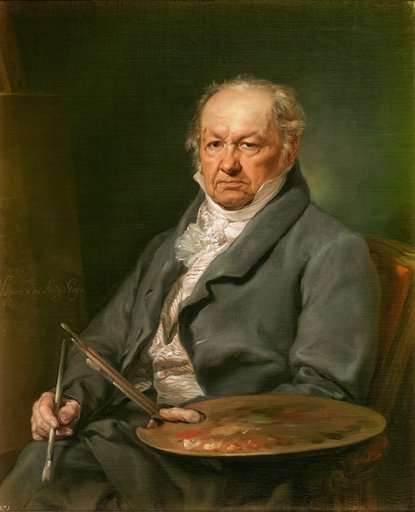
Francisco José de Goya y Lucientes was a Spanish romantic painter and printmaker.

 Portrait posthume de Charles Marie Bonaparte (1746-1786)
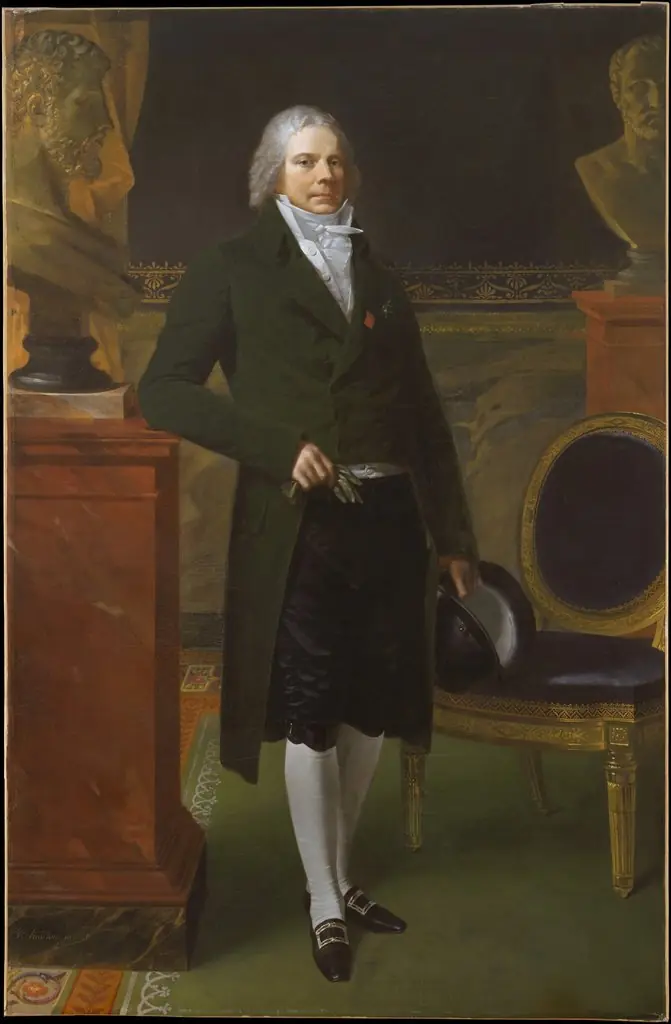 Charles Maurice de Talleyrand Périgord (1754–1838), Prince de Bénévent
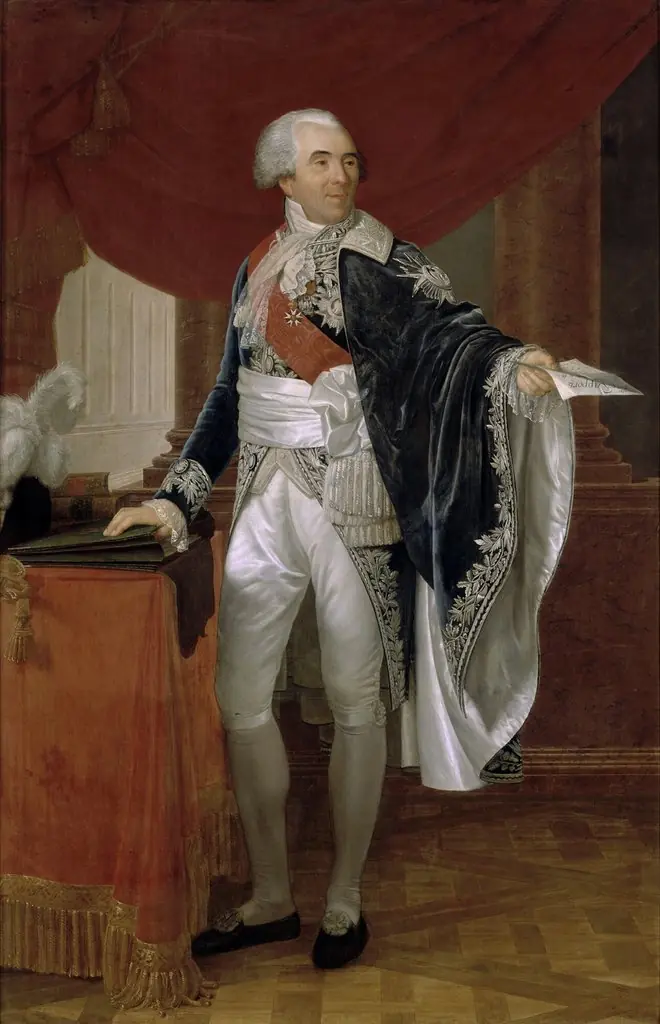 Jean-Gérard Lacués, count of Cessac (1752-1841)
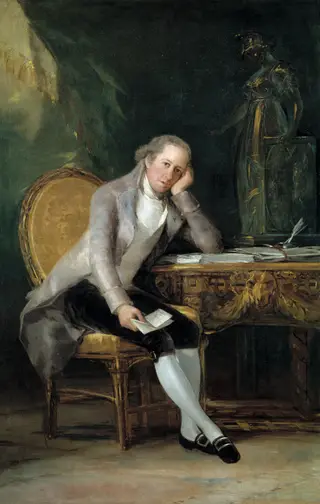 Portrait of Gaspar Melchor de Jovellanos
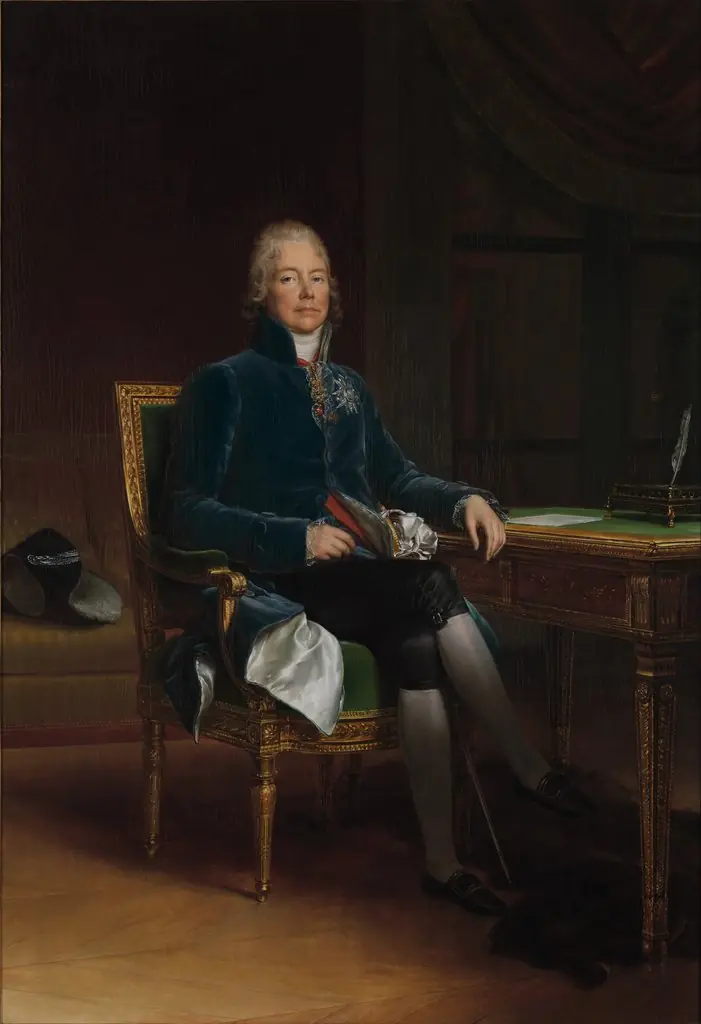 Charles Maurice de Talleyrand Périgord (1754–1838), Prince de Bénévent
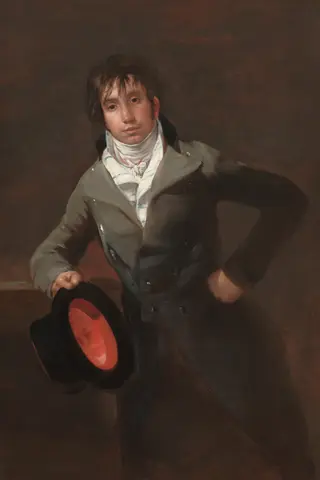 Bartolomé Sureda y Miserol
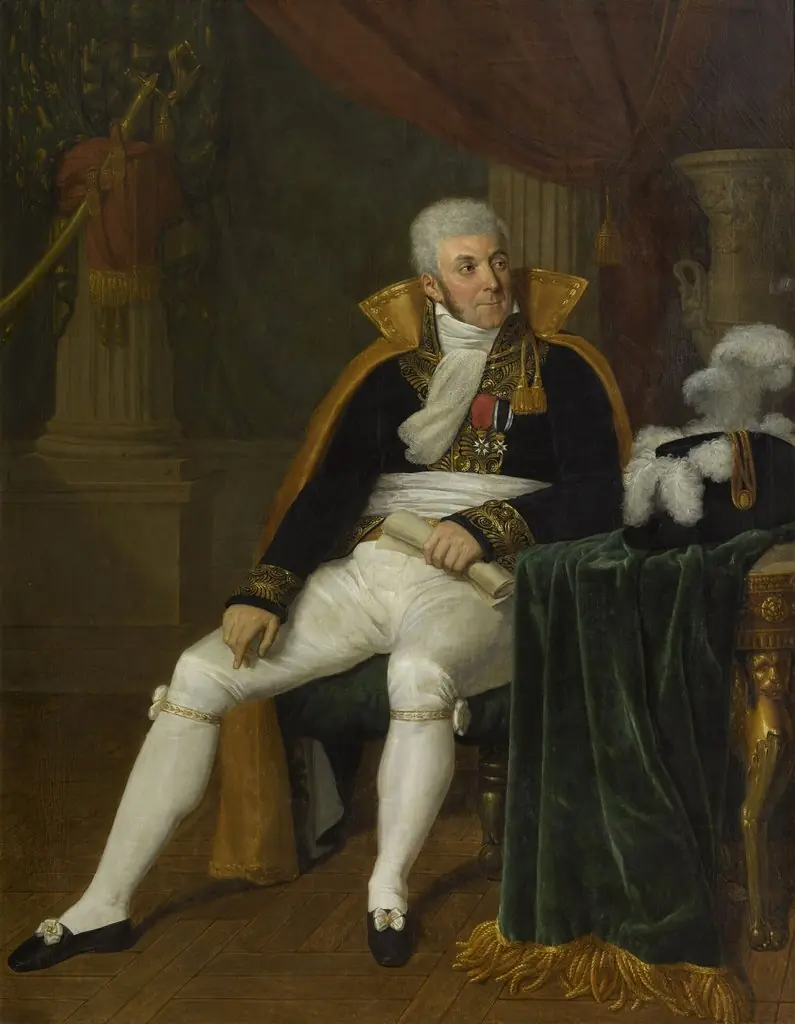 Jérôme, count Soulès, lieutenant-general (1760-1833)
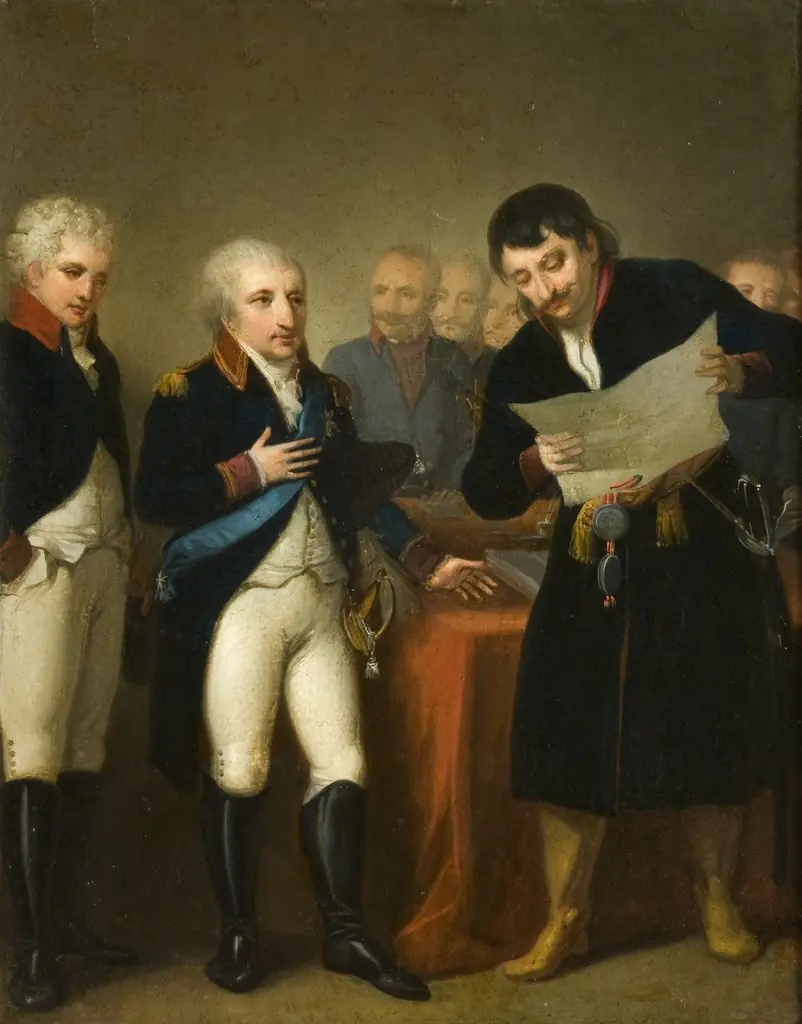 Krakow Surrendered to the Prussians
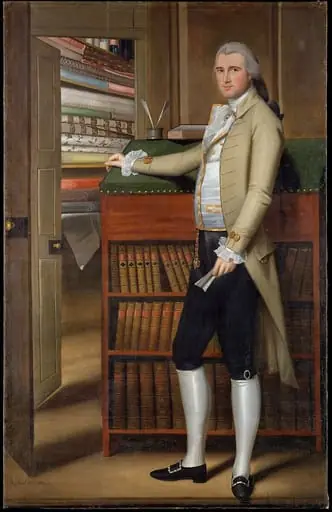 Elijah Boardman