Artwork
Queen María Luisa in a Dress with hooped Skirt
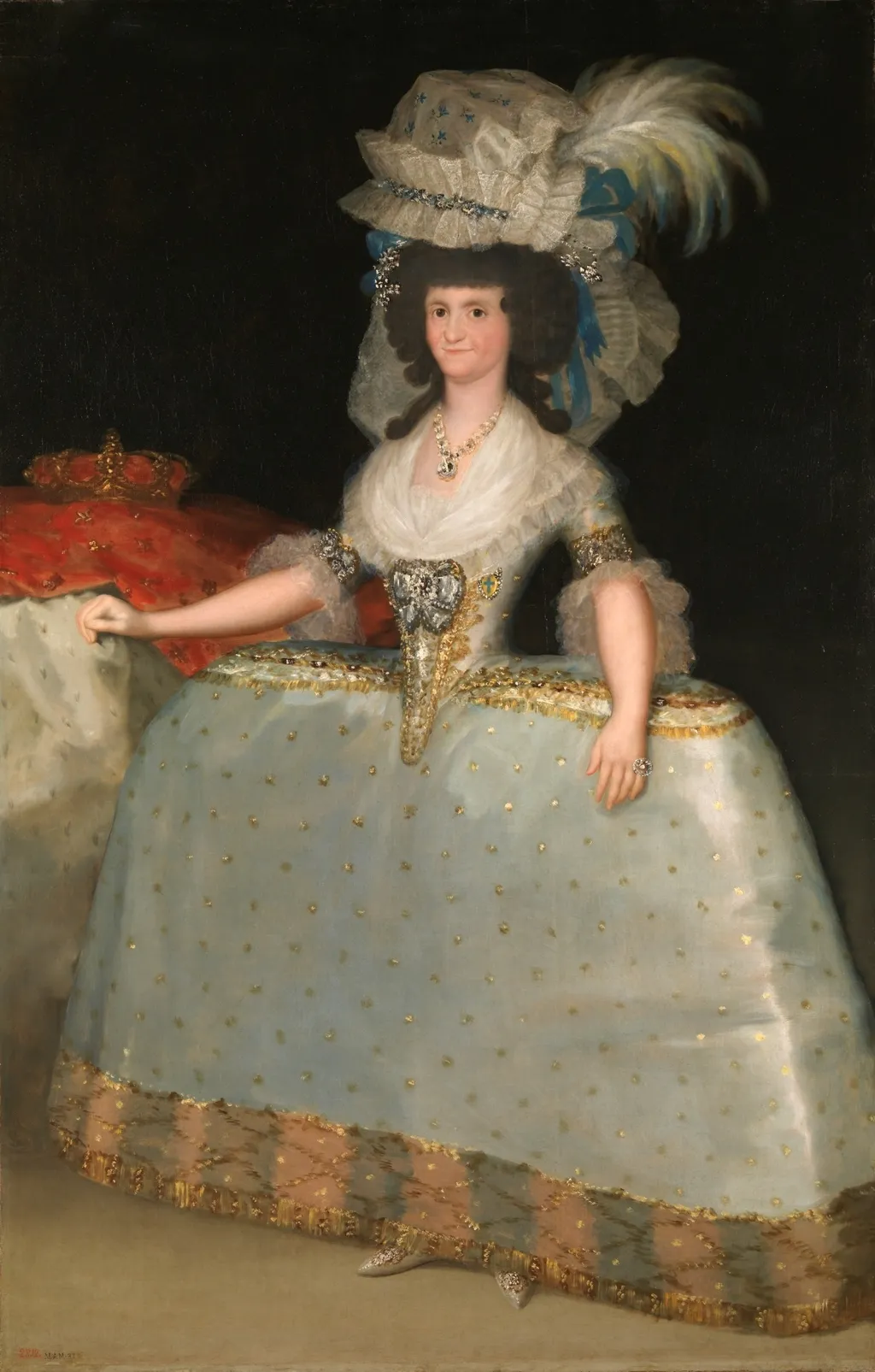
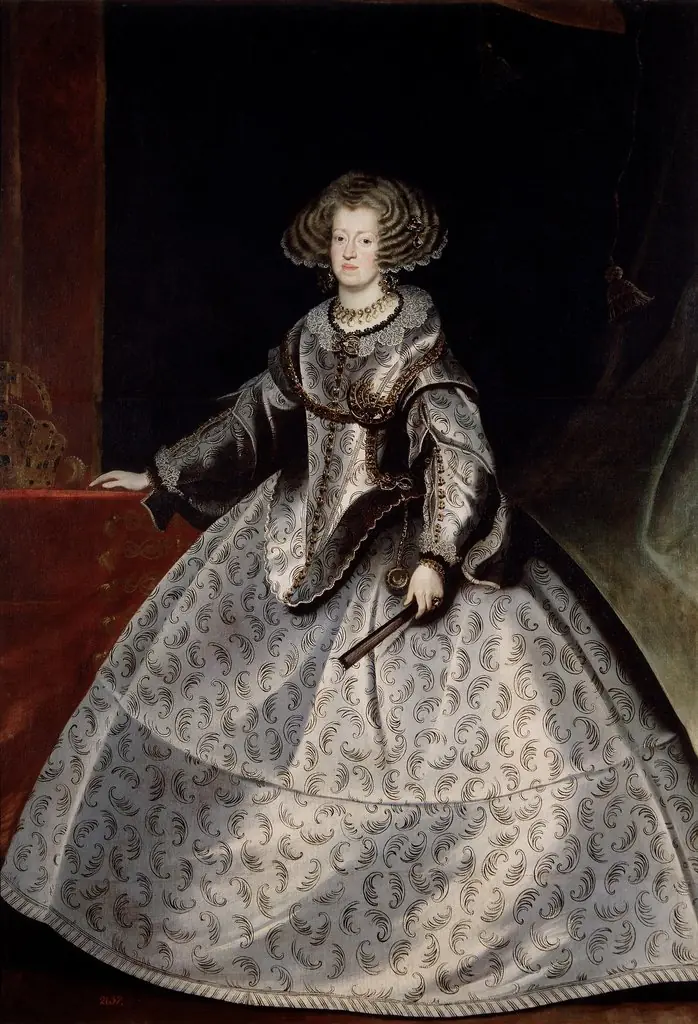
Queen María Luisa in a Dress with hooped Skirt is an oil painting by the Rococo painting artist Francisco de Goya. It dates from 1795 and is held in the collection of the Museo del Prado. This oil on canvas portrait depicts Queen María Luisa of Parma in an elaborate dress, showcasing her wealth and status.
About this work
Subject & Meaning
The painting depicts Maria Luisa of Parma, the mother of Queen Charlotte-Joachime of Portugal, portrayed in the fashion of the late 18th century rather than the later traditional Spanish majo costume. Executed in a neoclassical style characteristic of Goya's early period, the work utilizes specific olive-green tones to emphasize the subject's personality and origins. The composition features a distinct lighting strategy where illumination falls primarily upon the elaborate dress and hooped skirt, leaving the face comparatively less highlighted.
This focus on the attire and the specific color palette serves to represent the queen's status and identity through her clothing and the artistic treatment of light.
Technique & Style
The artist employs a palette dominated by olive-green tones to emphasize the subject's personality and heritage.
Executed in 1789, this work is an oil painting on canvas measuring 205 cm in height and 132 cm in width. Stylistically, the piece belongs to Goya's early Neoclassical period, depicting the sitter in contemporary fashion distinct from the later Spanish traditional costume known as the majo. The artist employs a palette dominated by olive-green tones to emphasize the subject's personality and heritage.
A distinctive feature of the lighting scheme is the illumination of the clothing rather than the face, drawing attention to the elaborate dress with its hooped skirt.
History & Provenance
Francisco Goya executed this oil on canvas portrait of Queen María Luisa in 1789. The work depicts the queen wearing a hooped skirt, attired in the fashion of the late 18th century before the rise of the maja style. Stylistically, the painting belongs to Goya's early Neoclassical period, characterized by the use of olive-green tones to emphasize the subject's personality and origins.
The composition notably directs illumination onto the queen's garments rather than her face. Today, the painting is held in the collection of the Museo del Prado.
The painting has been held in the collection of the Museo del Prado in Madrid. It is catalogued as part of the museum's holdings of works by Francisco Goya. No specific accession number is recorded in the available sources.
No exhibition history is documented in the available sources.
Context
Painted in 1789, Queen María Luisa in a Dress with hooped Skirt belongs to Francisco Goya's early output as a court portraitist, executed in a Neoclassical idiom before his style shifted in subsequent years. The portrait depicts the queen consort in contemporary European court fashion, notably distinct from the Spanish majo dress that would later dominate her public image. Goya emphasizes the sitter's character and dynastic origins through olive-green tonalities, directing light toward the voluminous hooped gown rather than the face, a compositional choice that subordinates individual likeness to the ceremonial weight of the costume.
The work is held in the Museo del Prado and forms part of a series of portraits of María Luisa of Parma by Goya, including a later 1800 portrait also in the Prado and a related version at the Museo Capodimonte in Naples. As an early Neoclassical canvas from the 1780s, it situates Goya within the broader European court-portrait tradition while anticipating the more psychologically penetrating royal portraits of his mature career.
Legacy
The painting’s reputation rests on its role as one of Goya’s early neoclassical portraits that documents the fashion of the late 18th century, contrasting the contemporary court attire of Maria Luisa of Parma with the later majas trend that emerged in the 1790s. Contemporary accounts note its technical emphasis on character and origin through olive tones and light that highlights garments rather than facial features. The work has been frequently cited in studies of Goya’s portraiture as a benchmark for how aristocratic identity was rendered before the shift toward Spanish popular dress, and it continues to be reproduced in scholarly catalogs of the Museo del Prado collection.
Overview
This oil on canvas portrait depicts Queen María Luisa of Parma in an elaborate dress, showcasing her wealth and status.
Own this work as a print
Artist & collection
Artist
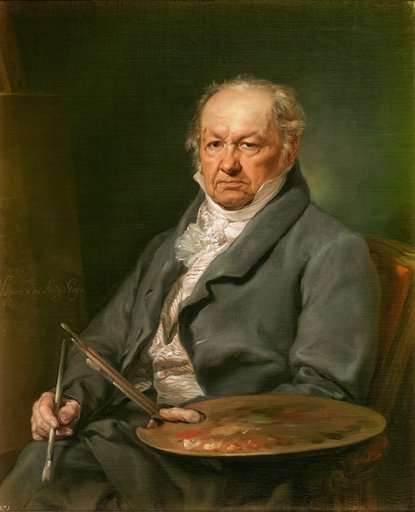
Francisco José de Goya y Lucientes was a Spanish romantic painter and printmaker.

 Portrait of the Infanta Maria Theresa of Spain
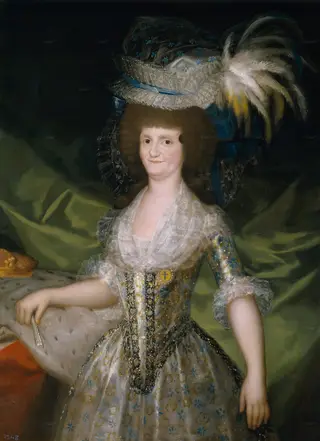 Queen of Spain Maria Louisa, née Bourbon-Parma
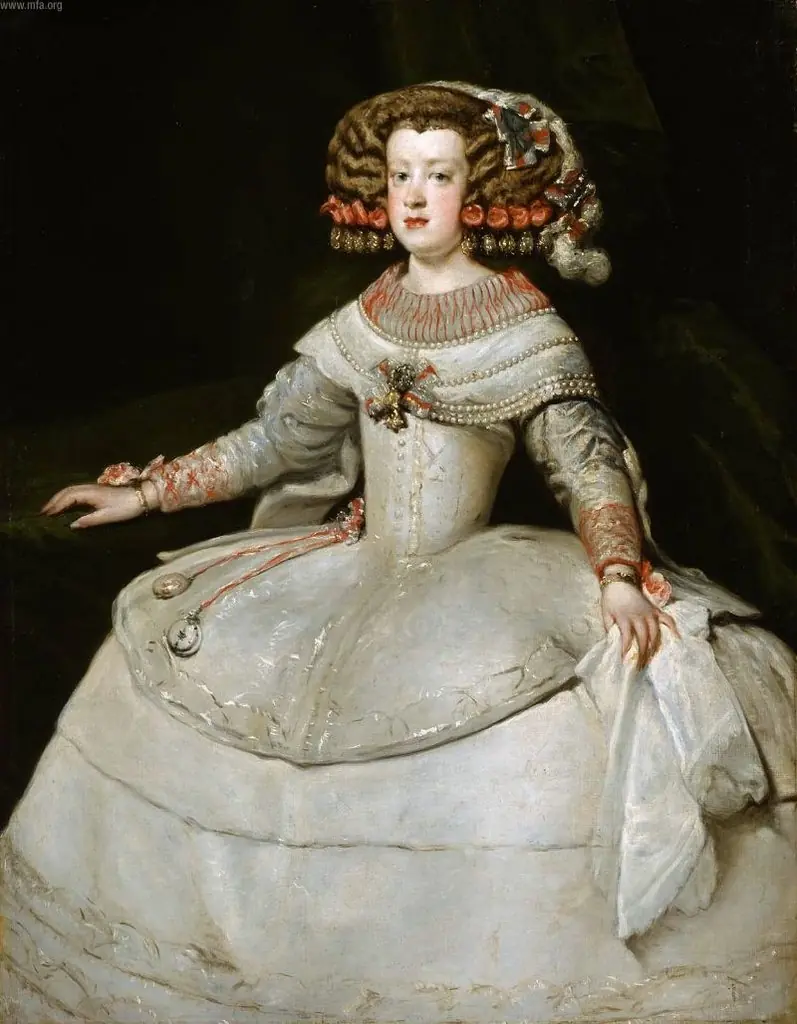 Infanta Maria Theresa
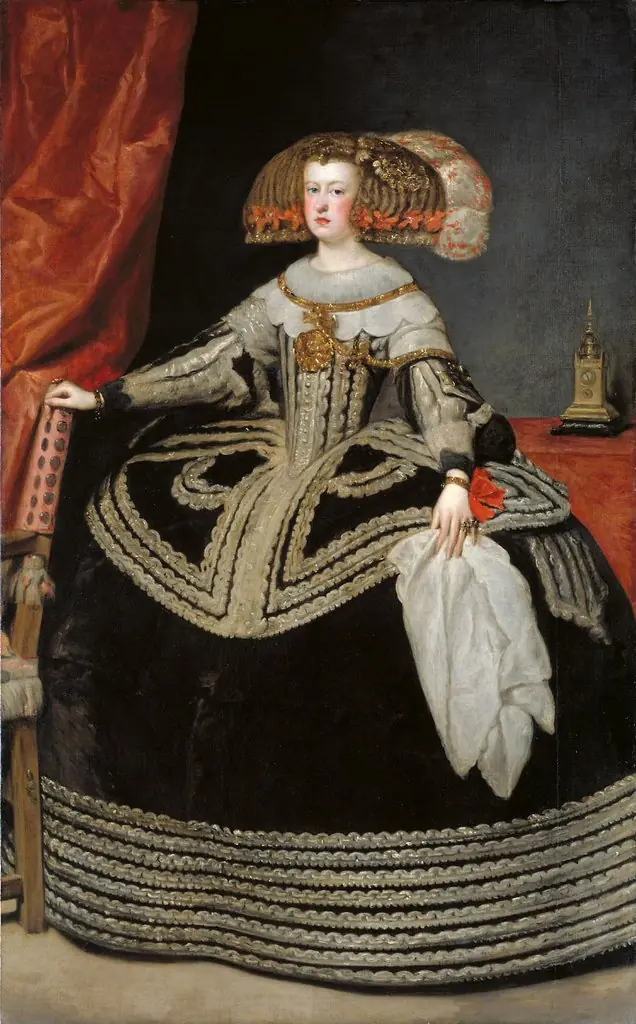 Maria Anna, Queen of Spain
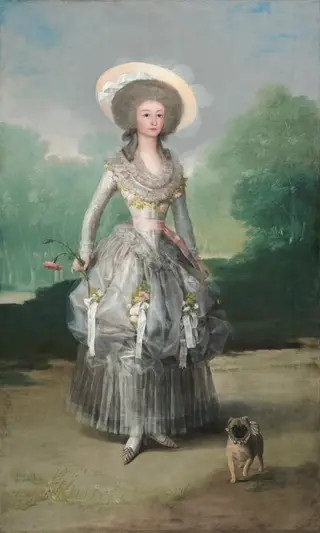 The Marquesa de Pontejos
 Princess Luise Ulrike of Prussia (1720-1782)
 Portrait of an unknown woman
 Infanta Margarita Teresa in a Pink Dress
 Dona Mariana Belsunse y Salasar
 María of Austria Queen of Hungary