Artwork
Portrait of Josefa de Castilla Portugal y van Asbrock de Garcini
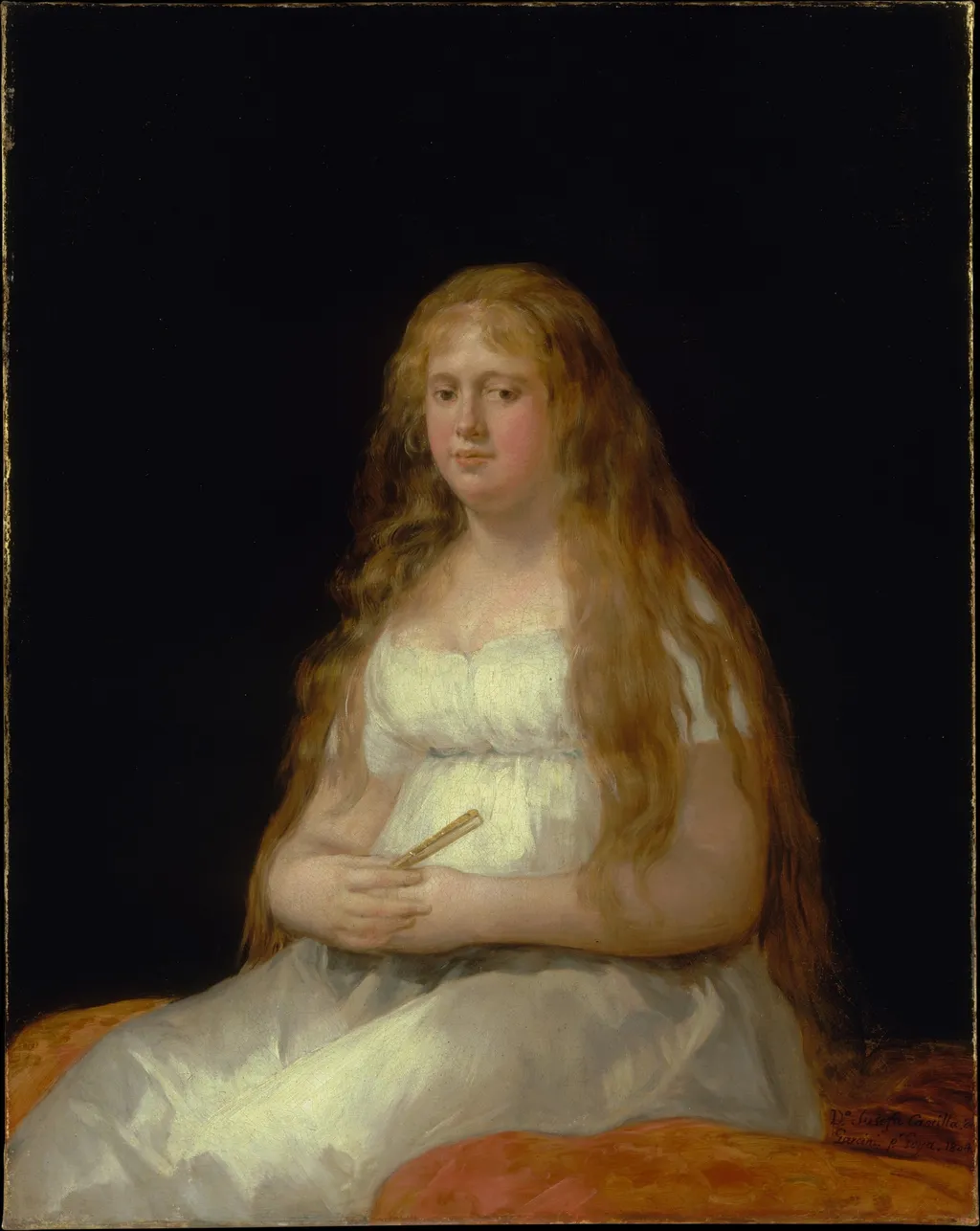
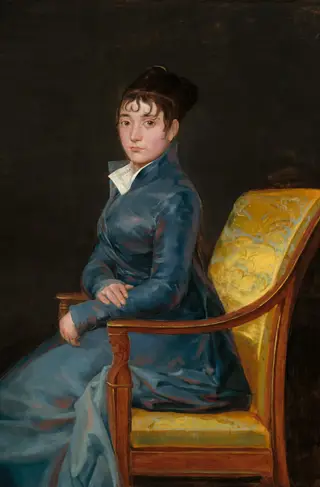
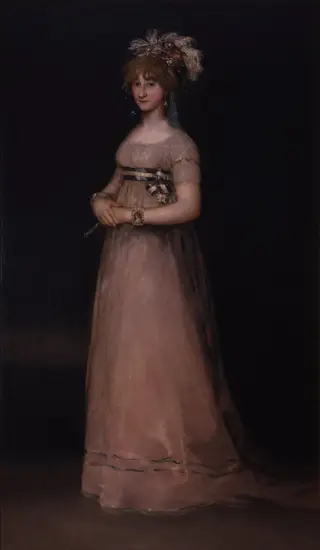
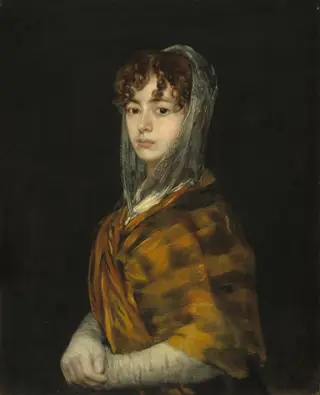
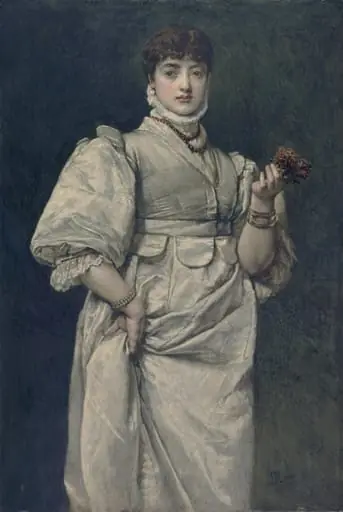
Portrait of Josefa de Castilla Portugal y van Asbrock de Garcini is an oil painting by Francisco de Goya. It dates from 1804 and is held in the collection of the Metropolitan Museum of Art. Francisco Goya’s 1804 oil portrait presents Maria Josefa de Castilla Portugal y van Asbrock de Garcini seated in a modest interior.
About this work
Subject & Meaning
As a portrait by Francisco Goya, it belongs to the genre of formal likeness-making, presenting the sitter as the central focus of the composition.
The painting is a portrait of Maria Josefa de Castilla Portugal y Wanasbrok, identified as the sole subject of the work. As a portrait by Francisco Goya, it belongs to the genre of formal likeness-making, presenting the sitter as the central focus of the composition.
The work functions as a personalized visual record of an individual woman, a typical purpose of aristocratic portraiture in which the depicted figure is commemorated through painted likeness. The identification of the sitter by name anchors the portrait's meaning to her specific identity rather than to an allegorical or symbolic role.
No additional symbolic attributes, iconographic elements, or allegorical meanings are documented in the available sources beyond the straightforward representation of the named sitter.
Technique & Style
Executed in 1804, this portrait is an oil painting on canvas. The work measures 104.1 cm in height and 82.2 cm in width. As a formal portrait, it depicts Maria Josefa de Castilla Portugal y van Asbrock de Garcini.
The piece is classified within the genre of portraiture and is currently housed in the Metropolitan Museum of Art, specifically displayed in Gallery 619 alongside works by Goya and eighteenth-century Italian artists.
History & Provenance
The portrait is held in the collection of the Metropolitan Museum of Art in New York. It is currently installed in Gallery 619, which is dedicated to Goya and Eighteenth-Century Italy. The work was created in 1804 and depicts Maria Josefa de Castilla Portugal y Wanasbrok. No specific accession number or exhibition history is provided in the available sources.
Context
The 1804 portrait of Maria Josefa de Castilla Portugal y Wanasbrok, painted by Francisco Goya, was created during the artist's early career before his documented deafness and black period, situating it within his pre-1819 oeuvre of aristocratic Spanish portraiture. Its formal composition and execution reflect the neoclassical conventions of late 18th-century Spanish court painting, though Goya's emerging psychological depth foreshadows later innovations. The work is held by the Metropolitan Museum of Art, displayed in Gallery 619 dedicated to Goya and 18th-Century Italy, where it is recognized as a significant example of Goya's early portraiture within the broader context of European art history.
Overview
Francisco Goya’s 1804 oil portrait presents Maria Josefa de Castilla Portugal y van Asbrock de Garcini seated in a modest interior. The canvas, now held by the Metropolitan Museum of Art, captures the sitter in a calm pose, her blonde hair loosely arranged and her gaze directed outward. The composition balances a restrained wardrobe with a plain folded cloth beneath her, emphasizing the figure’s presence over decorative surroundings.
Own this work as a print
Artist & collection
Artist
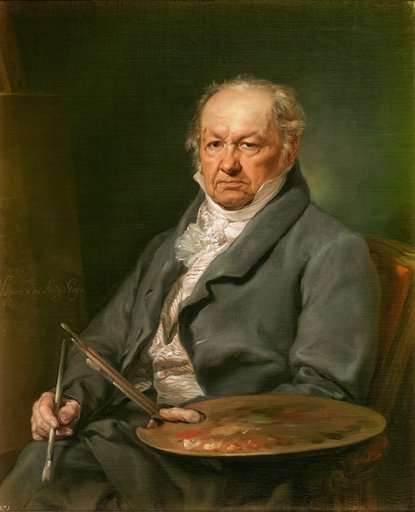
Francisco José de Goya y Lucientes was a Spanish romantic painter and printmaker.