Artwork
Portrait of Maria Teresa de Vallabriga
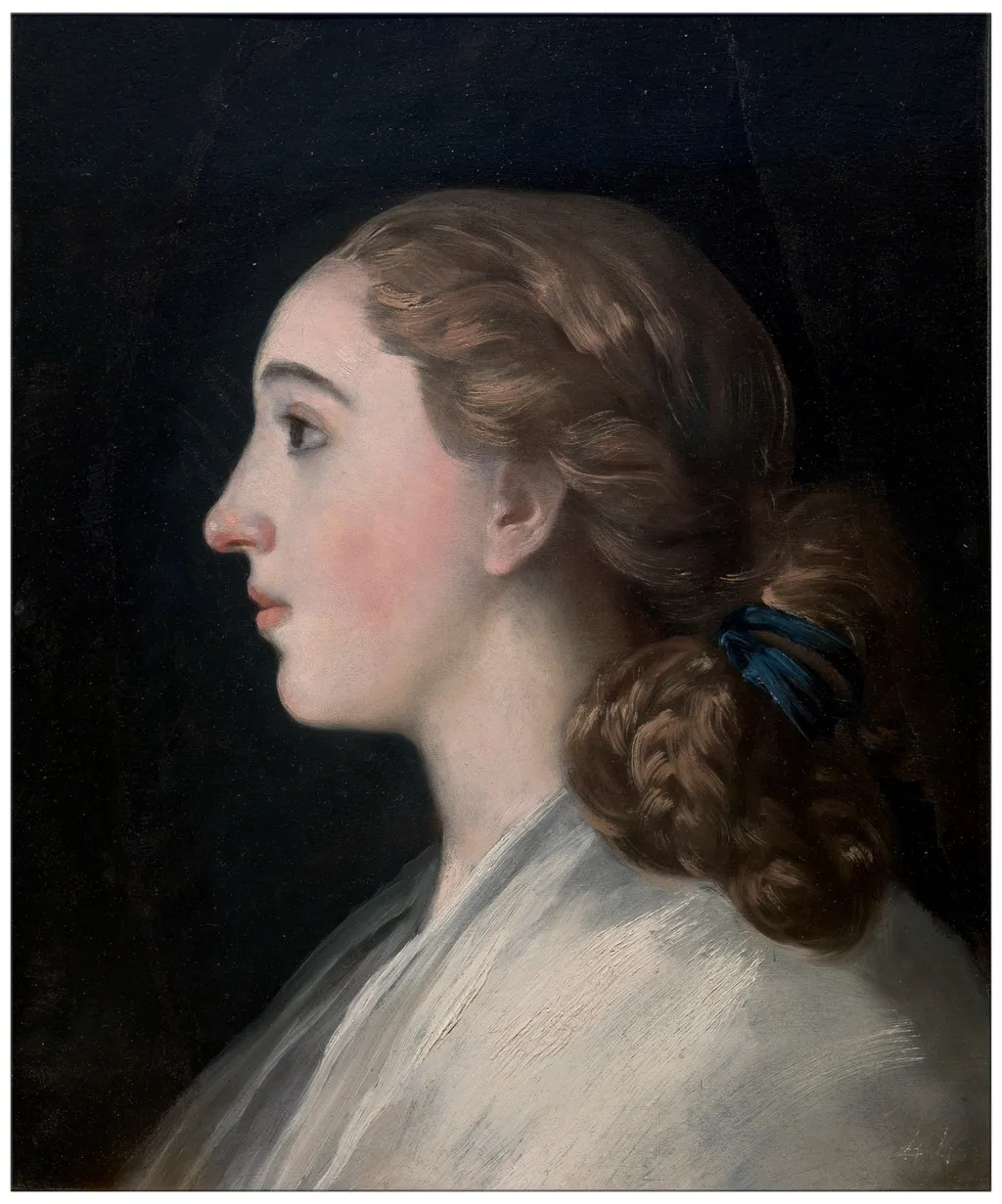
Portrait of Maria Teresa de Vallabriga is an oil painting by the Rococo painting artist Francisco de Goya. It dates from 1792 and is held in the collection of the Museo del Prado. Executed in 1792, this oil on canvas presents María Teresa de Vallabriga y Rozas in a restrained profile view.
About this work
Subject & Meaning
As a portrait, the primary meaning of the work is the visual documentation and status affirmation of María Teresa de Vallabriga y Rozas.
The work depicts María Teresa de Vallabriga y Rozas, identified as the sole main subject of the portrait. Executed in oil paint on panel in 1783, the painting functions as a formal representation of the sitter within the portrait genre. The composition focuses entirely on the individual, presenting her without additional narrative figures or complex iconographic elements described in the available records.
As a portrait, the primary meaning of the work is the visual documentation and status affirmation of María Teresa de Vallabriga y Rozas.
Technique & Style
Francisco Goya executed the Portrait of Maria Teresa de Vallabriga in 1783 using oil paint applied to a panel support. The work measures 48 cm in height and 39.6 cm in width, classifying it as a small-scale portrait. As an oil-on-panel painting, the piece demonstrates the artist's handling of the medium within a compact format typical of intimate portraiture from this period.
History & Provenance
Francisco Goya executed the Portrait of Maria Teresa de Vallabriga in 1783. Created as an oil painting on panel, the work depicts María Teresa de Vallabriga y Rozas. The piece was commissioned during a period when the artist was actively producing portraits for the Spanish nobility.
Today, the painting is held in the collection of the Museo del Prado in Madrid, where it remains part of the institution's permanent holdings.
Portrait of María Teresa de Vallabriga y Rozas, painted by Francisco Goya in 1783, is housed in the Museo del Prado, where it is catalogued under inventory number P00968. The work has been part of the museum’s collection since its acquisition and was featured in the 2005 exhibition "Goya: Portraits of the Spanish Court," which traveled to the Museo Nacional del Prado in Madrid and subsequently to the Museo de Bellas Artes in Seville.
The painting measures 48 cm in height and 39.6 cm in width, executed in oil on panel.
Overview
Executed in 1792, this oil on canvas presents María Teresa de Vallabriga y Rozas in a restrained profile view. The composition places the sitter against a darkened backdrop that fades toward the lower edge, emphasizing her pale complexion and the modest white garment she wears. Goya’s handling of light and shade gives the portrait a quiet, three‑dimensional presence.
Context
The painting belongs to the period when Goya was establishing himself as a court painter, navigating the transition from Rococo influences to the more critical realism that would later define his oeuvre. The work illustrates the artist’s early engagement with aristocratic portraiture, a genre that provided both financial support and artistic visibility.
Own this work as a print
Artist & collection
Artist
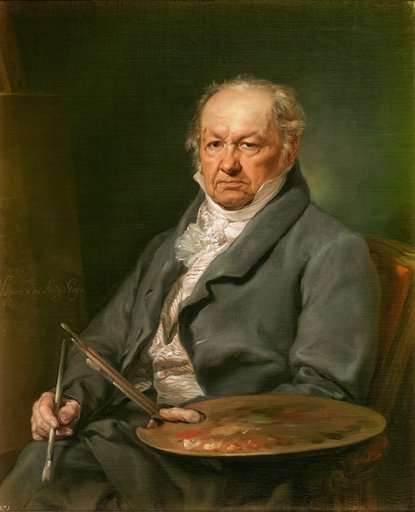
Francisco José de Goya y Lucientes was a Spanish romantic painter and printmaker.

 His First Model-Miss Russell
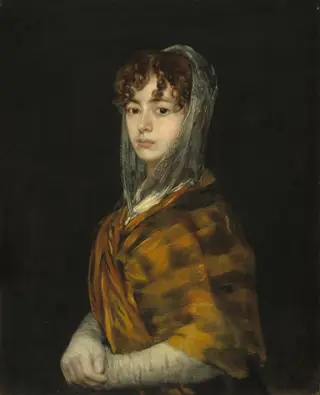 Señora Sabasa Garcia
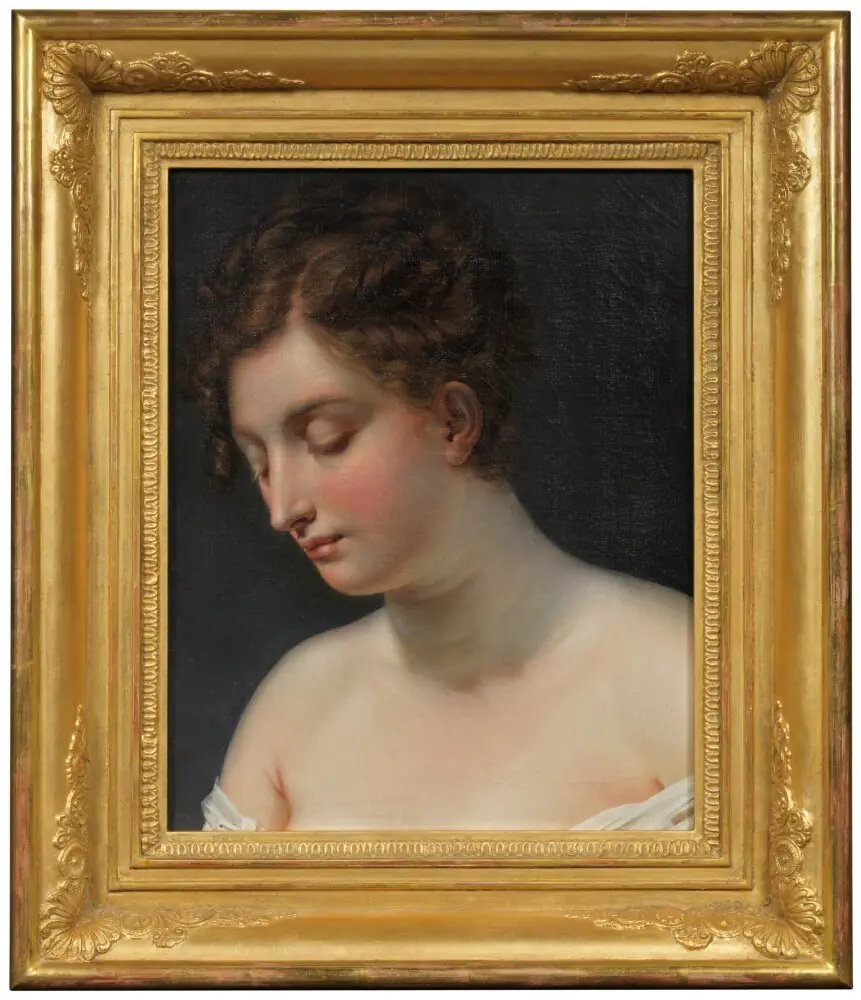 Galathea. Study
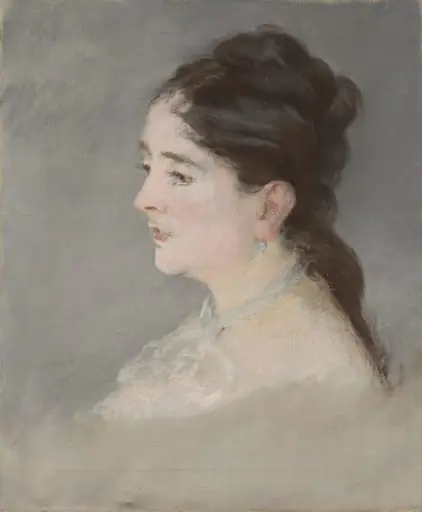 Claire Campbell
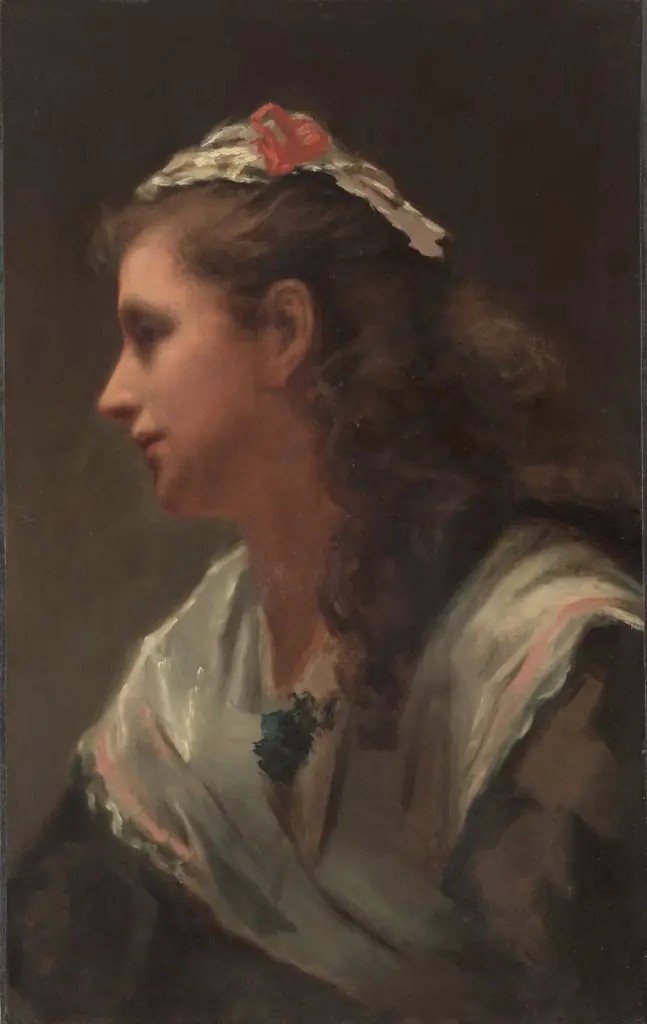 His First Model-Miss Russell
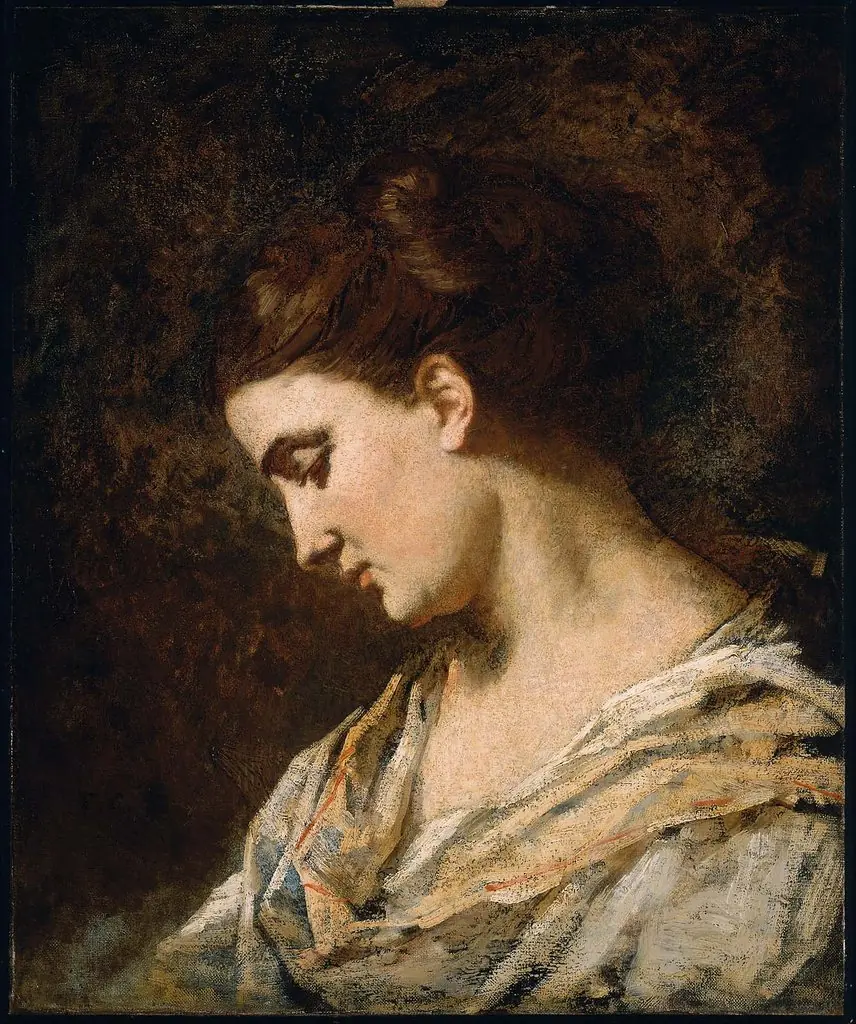 Head of a Woman in Profile
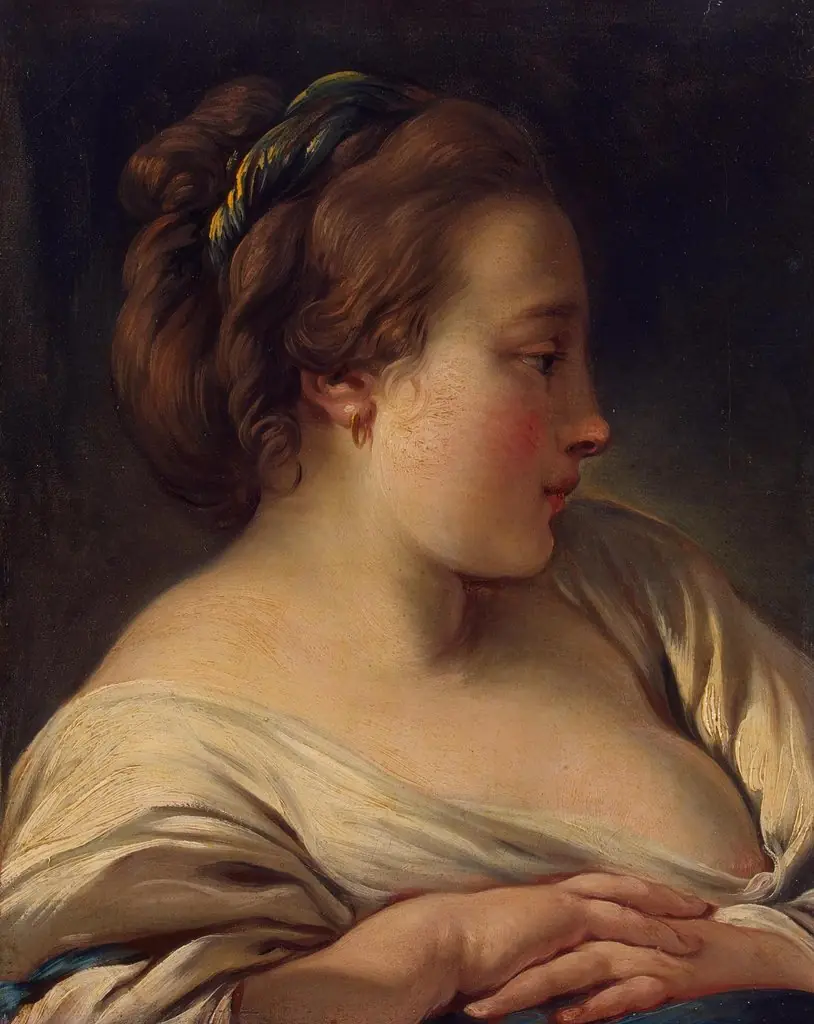 Head of a Young Girl
 Dameportræt
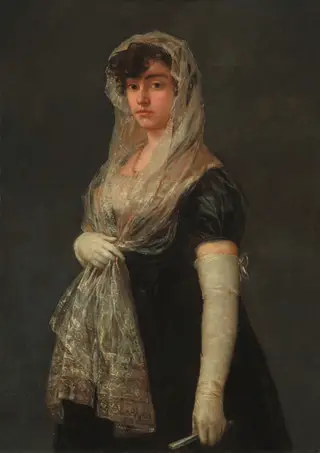 Young Lady Wearing a Mantilla and Basquina
 Portrait of a young woman
 Porträtt av kvinnlig konstnär med teckning
- Portrait of María Luisa de Borbón y Vallabriga